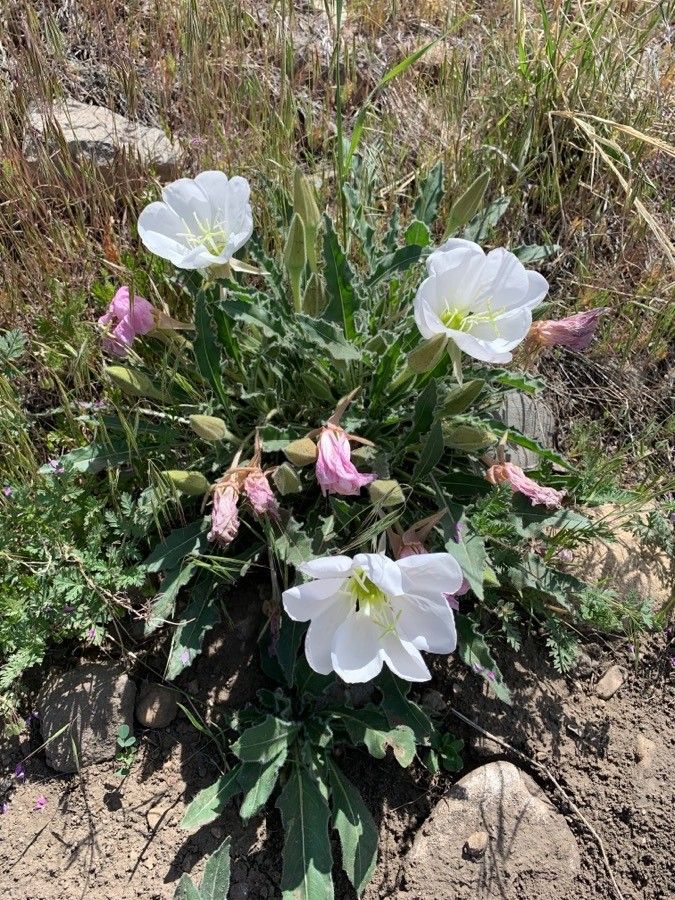
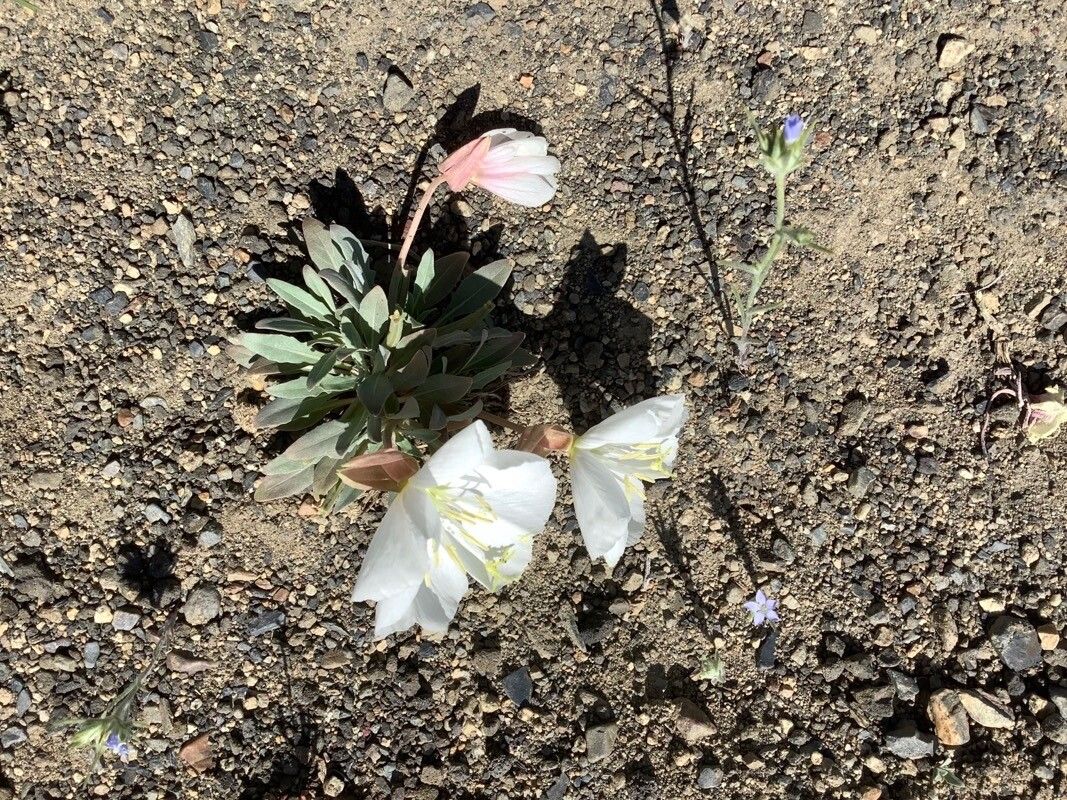
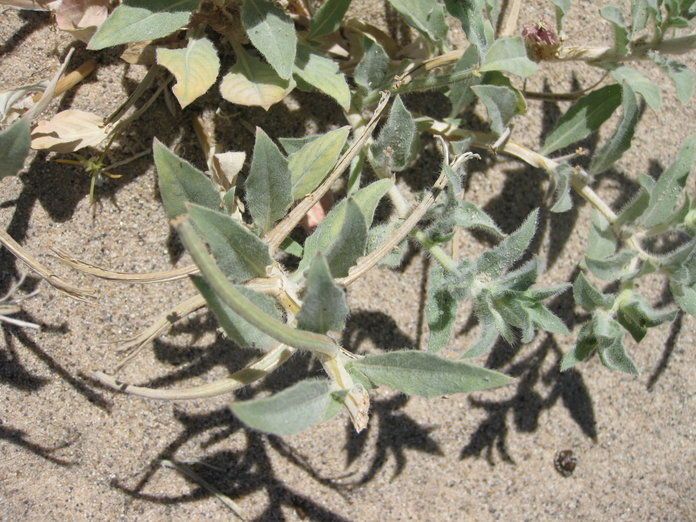
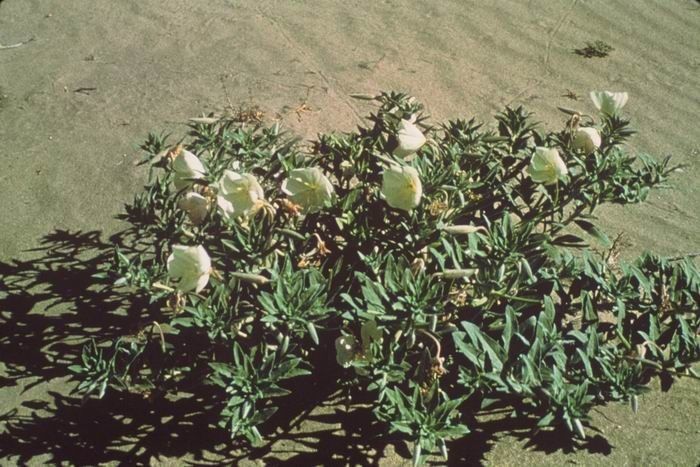
Eulobus californicus, is a species of flowering plant in the evening primrose family known by the common name California suncup. It is native to California, Arizona, and adjacent northwestern Mexico, where it grows in scrub, chaparral, and desert plant communities.
California primrose is fairly disease-resistant and typically does not suffer from many illnesses. However, it can be vulnerable to pests and diseases present in its surroundings. These infections are generally not severe. Regarding care, this plant needs moderate maintenance. It should be pruned routinely to maintain a neat appearance and healthy growth. Fertilizing can also help encourage flowering. The California primrose is suitable for anyone with outdoor space, such as a garden or patio, and does not demand much care experience. It may require more attention when grown indoors.
How to keep Eulobus Californicus.
Light
California primrose comes from bright, open habitats and does best in full sun. It can tolerate some partial shade but prefers direct sunlight for optimal growth. This plant, which can be annual or biennial, is noted for its sun-loving character.
Water
The California primrose thrives in arid conditions by adapting to conserve water, needing only minimal hydration to survive. To keep it healthy without causing over-saturation, it's best to water it weekly. This plant prefers well-draining soil and flourishes in full sunlight, making it an ideal low-maintenance option for dry environments.
Temperature
California primrose has good temperature adaptability, tolerating higher heat and wider temperature fluctuations. In hot weather, attention should be paid to watering and providing suitable shade to avoid sunburn. However, it is relatively sensitive to low temperatures; while it can endure some cold, overly cold conditions can cause frost damage.
Fertilizer
When the California primrose has opened most of its flowers to full size, resume fertilizing. Around the time the blooms are at their peak, apply fertilizer once every three to four weeks, weather permitting. Then, once the primrose begins to produce fewer new flowers, stop fertilizing; there’s no need to fertilize when the plant can no longer produce more blooms.
Pruning
Pruning the California primrose from early to late spring promotes better growth and overall health. Start by removing any dead or damaged stems, and consider trimming back the plant after it flowers to encourage more blooms. Regular light pruning helps maintain its shape and prevents it from becoming too leggy. Always use clean, sharp tools to minimize stress on the plant.
Botanical profile.
- Plant Type
- Herb
- Life Cycle
- Annual, Perennial
- Genus
- Eulobus
- Family
- Onagraceae
- Hardiness Zone
- 8-10
- Mature Height
- 1.52 m
- Mature Spread
- 20 cm to 40 cm
- Leaf Color
- Green, Light Green
- Leaf Type
- Deciduous
- Flower Color
- Yellow
- Flower Size
- 0.51 cm to 1.52 cm
- Bloom Time
- Spring
- Planting Time
- Spring, Summer, Autumn
- Harvest Time
- Late spring, Early summer, Mid summer
- Native Area
- Mexico
Other names.