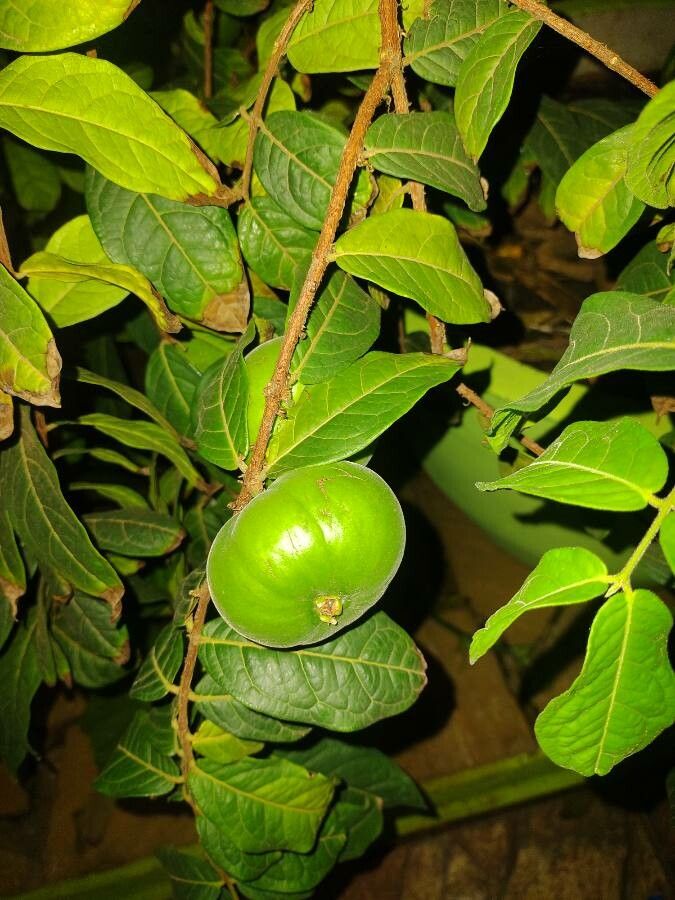
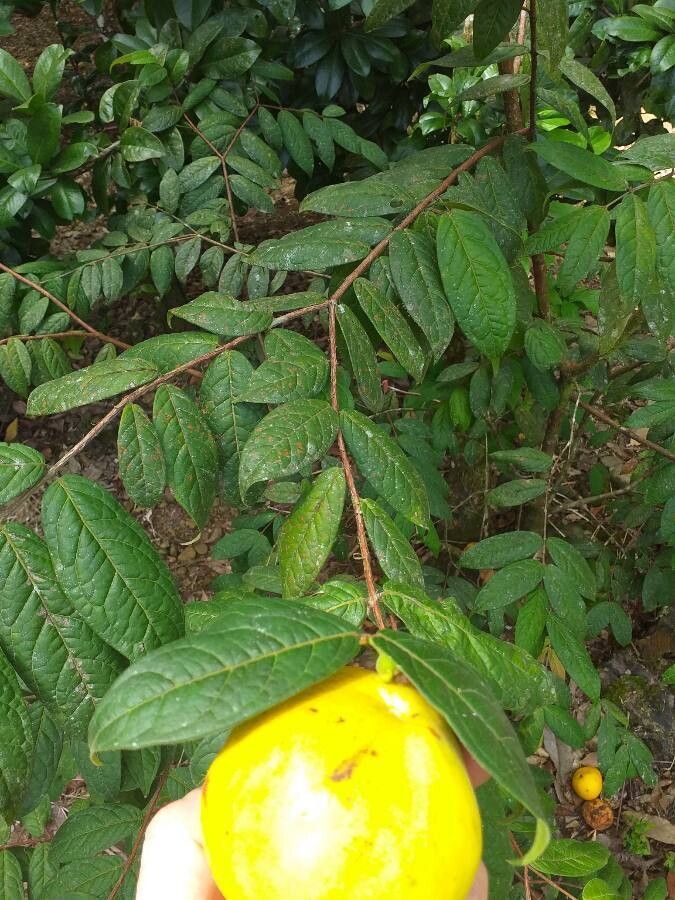
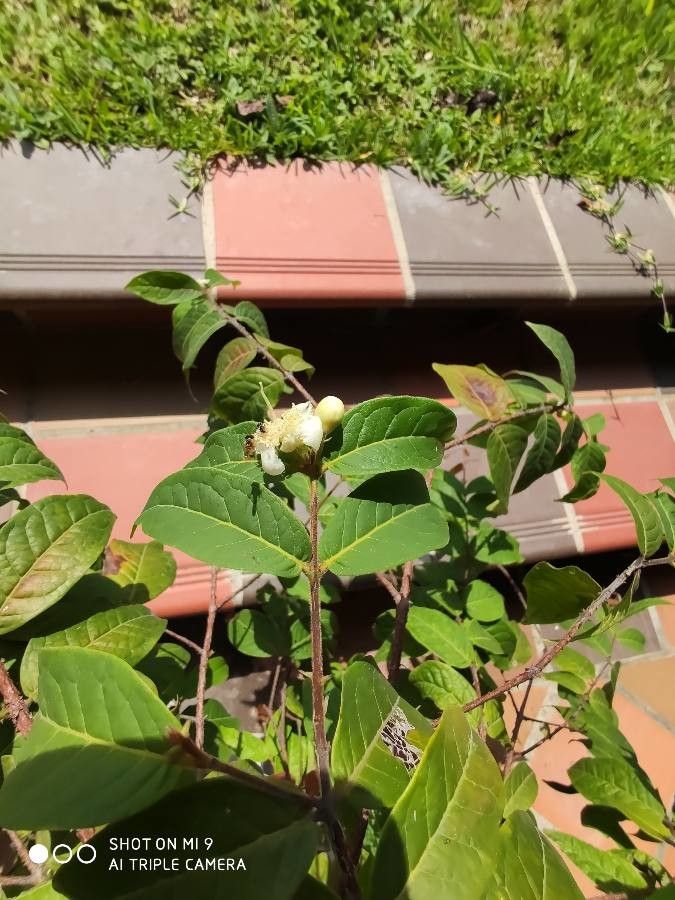
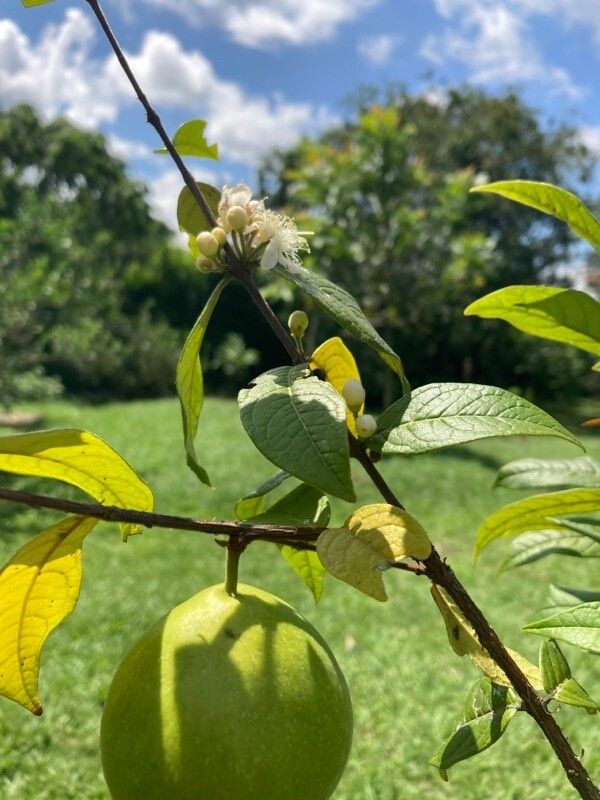
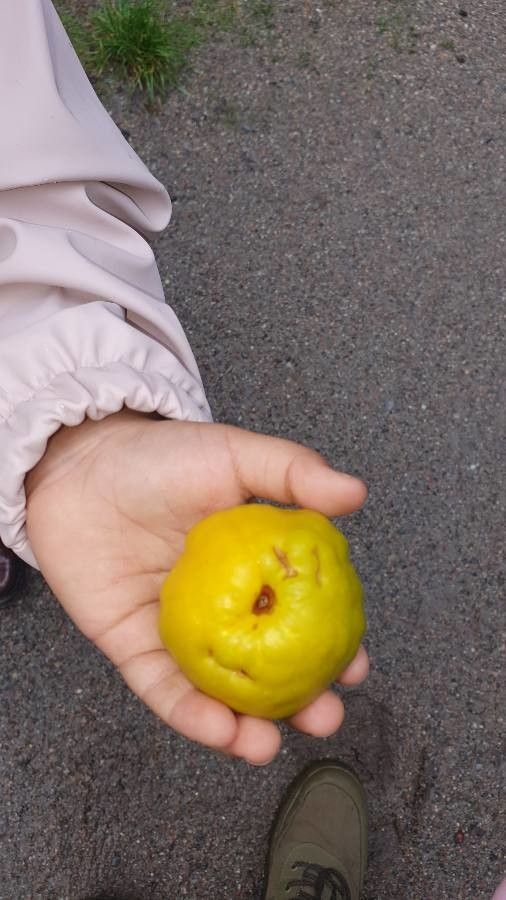
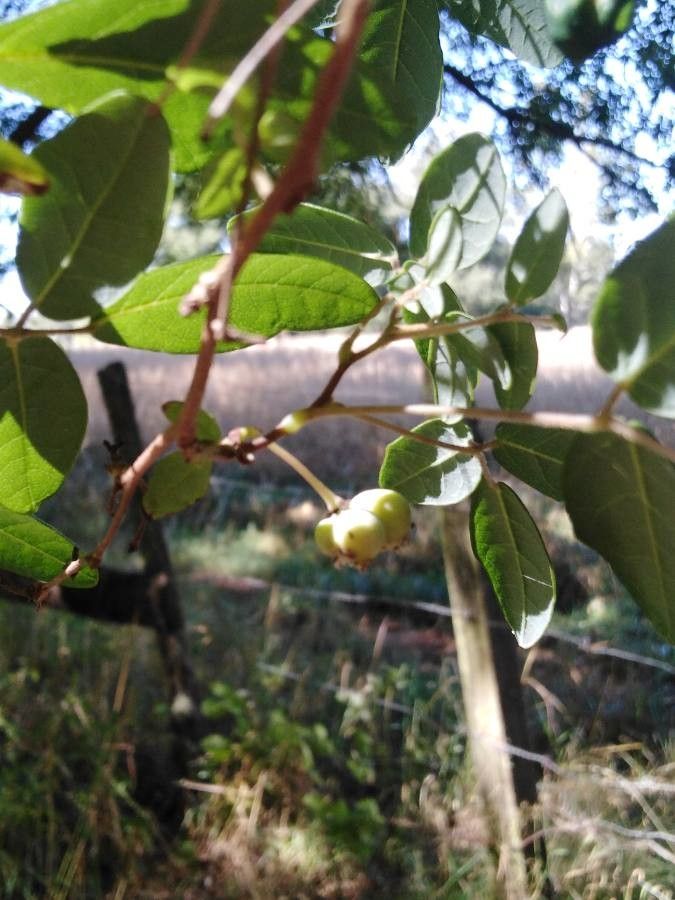
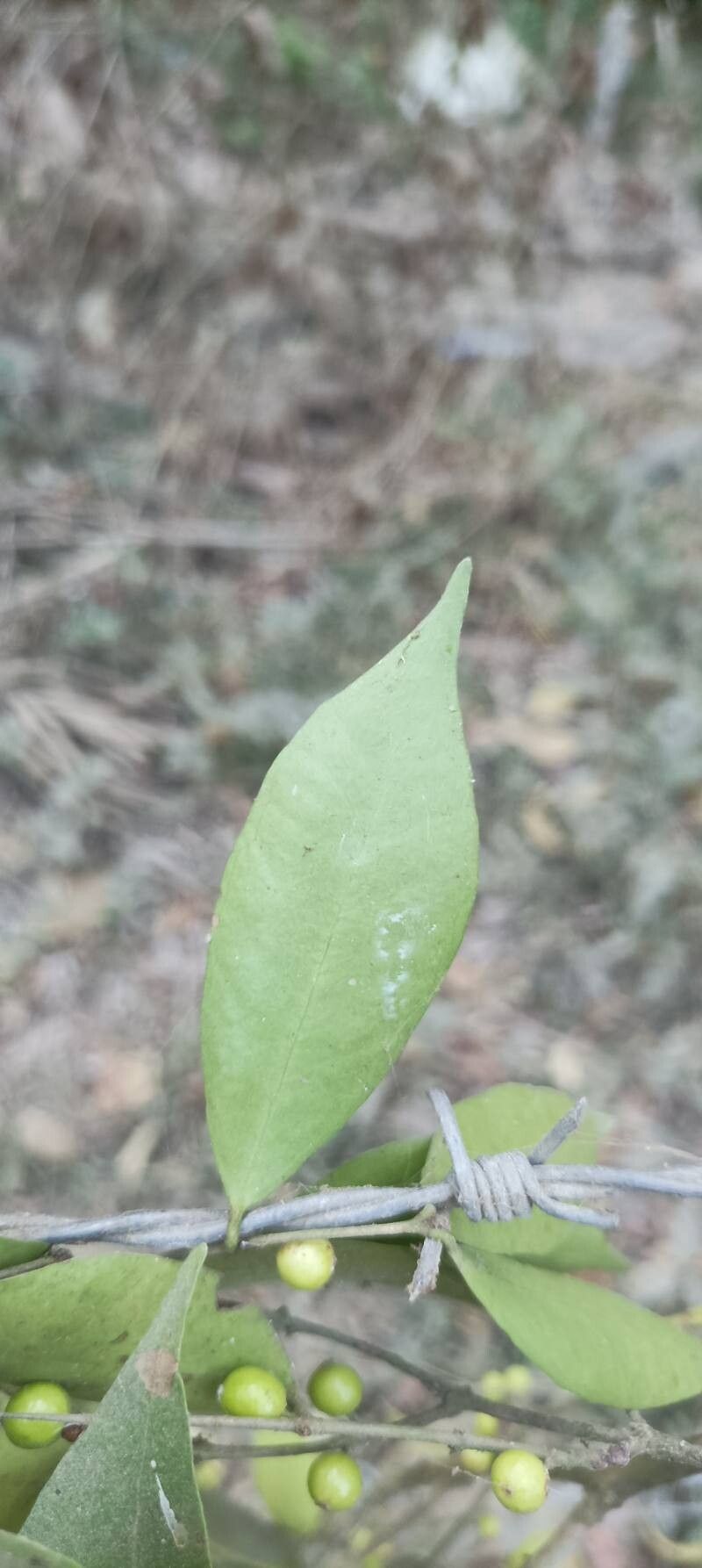
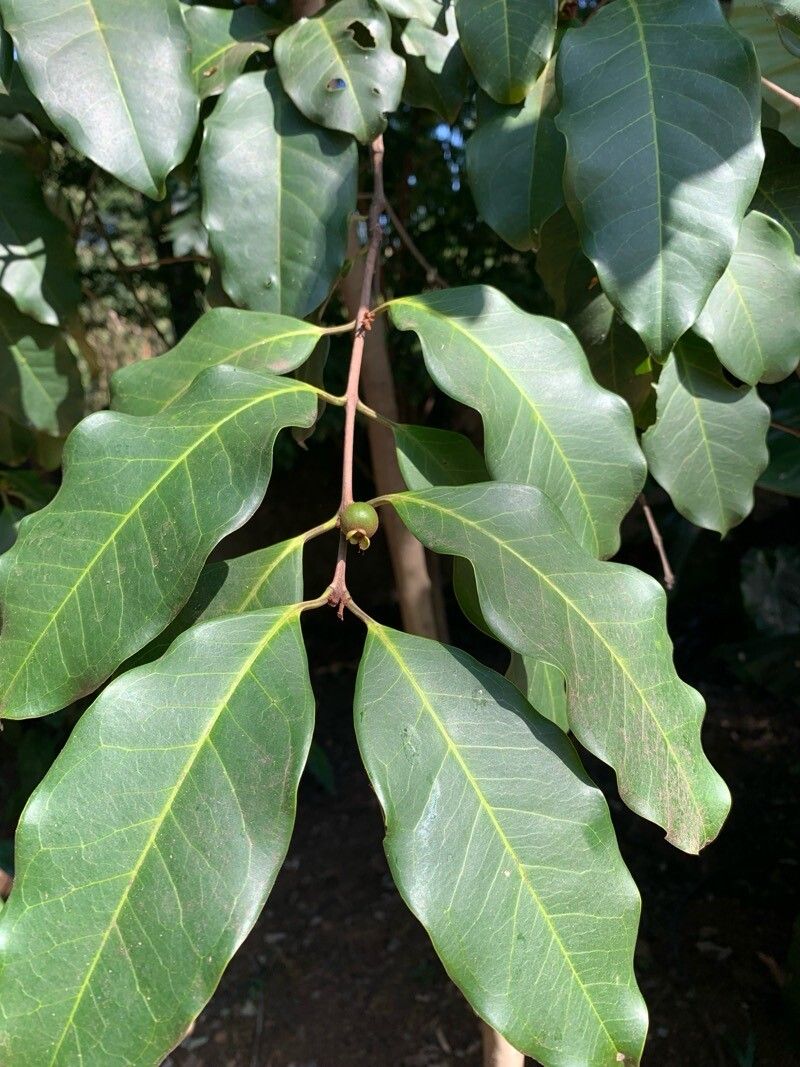
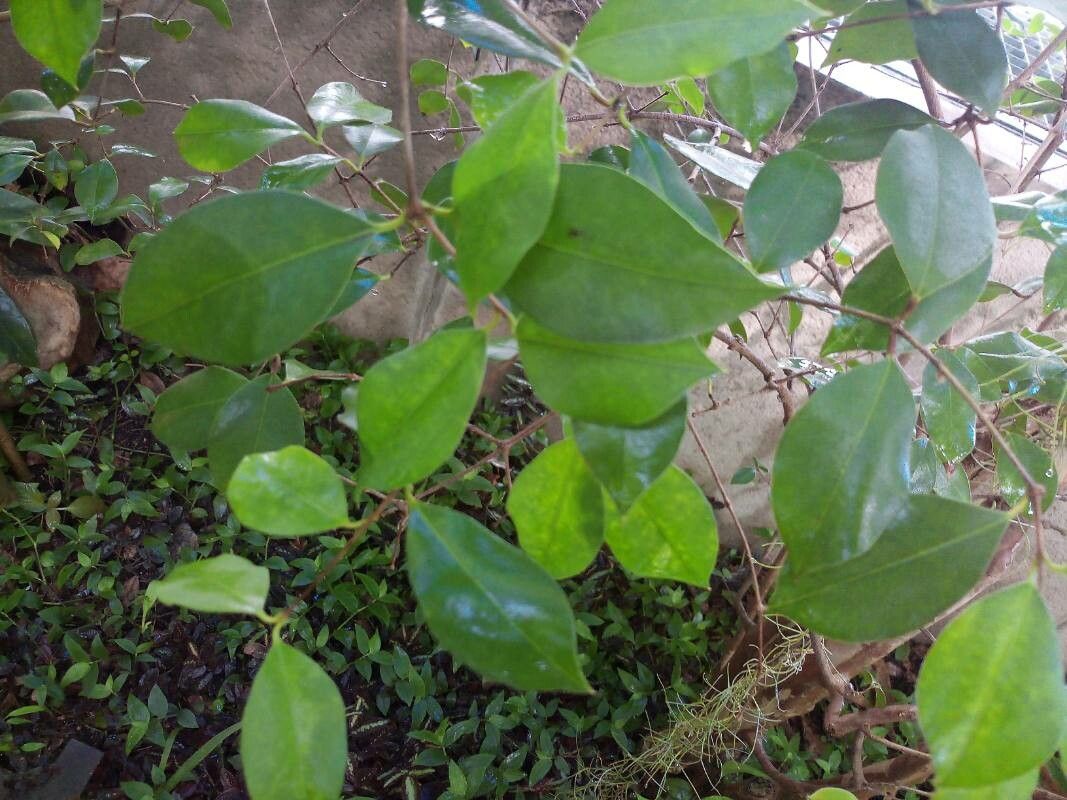
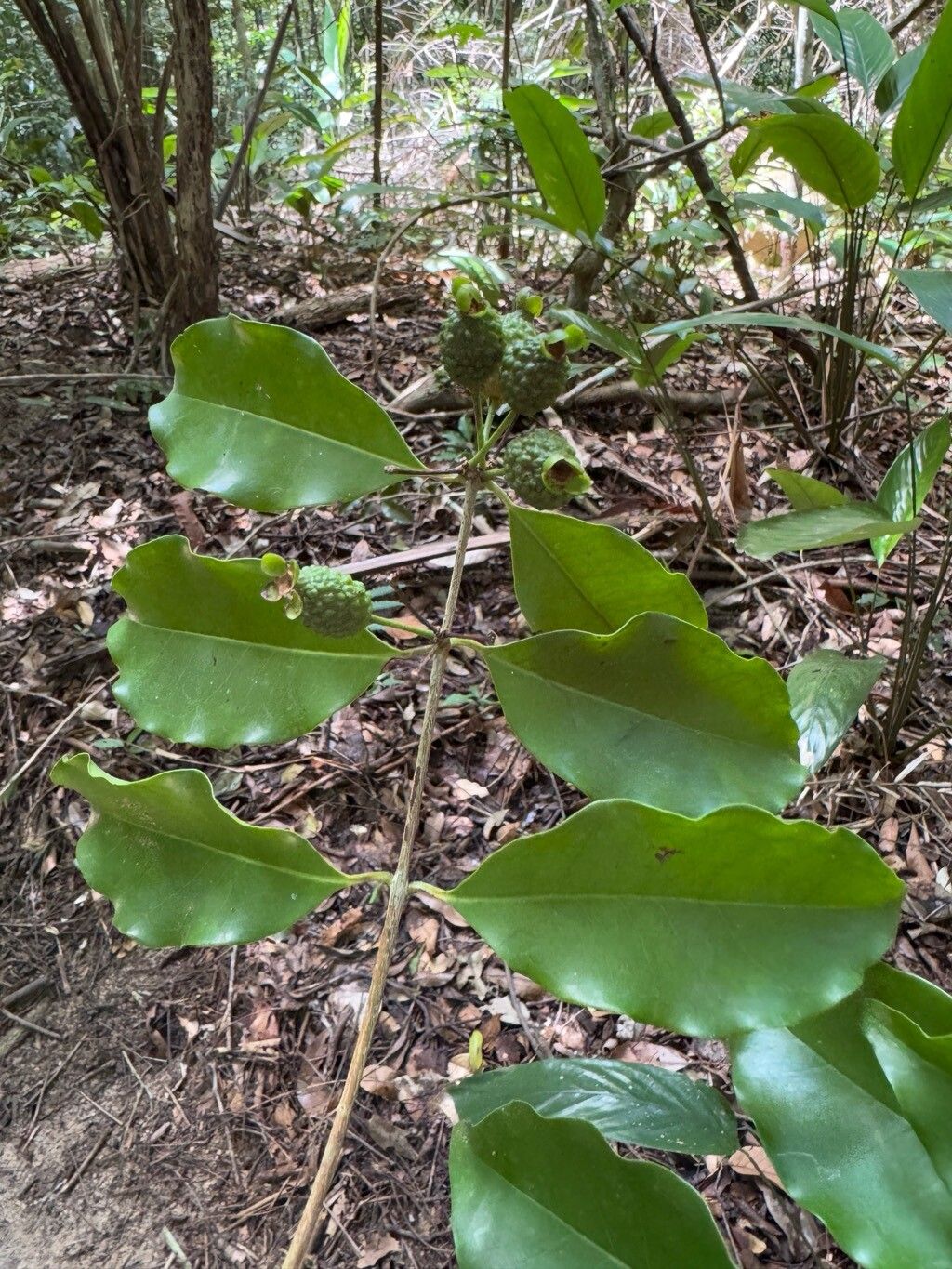
Eugenia stipitata, commonly known as arazá or Amazonian cherry, is a fruit-bearing tree native to the Amazon rainforest in South America. This tree, a member of the Myrtaceae family, can reach heights of up to 10 meters. It produces small, round fruits that are yellow or orange and have a sweet yet tangy flavor. These fruits are rich in vitamin C, antioxidants, and other nutrients, making them popular ingredients for juices, jams, desserts, and various culinary applications.
Beyond its culinary uses, Eugenia stipitata has also been utilized for medicinal purposes by indigenous communities due to its anti-inflammatory properties. The plant is relatively easy to cultivate in tropical climates with well-drained soil and ample sunlight, making it an important crop for local farmers. Additionally, it can be an intriguing addition to home gardens around the world.
The Araza fruit tree is quite disease-resistant and typically not susceptible to illnesses. Regarding care, this plant is relatively low-maintenance. Planted outdoors, it needs only minimal watering, and larger specimens generally do not require pruning. Smaller plants, however, should be pruned after they have finished blooming. The Araza fruit tree is well suited to anyone who has outdoor space, like a garden or a deck, and it does not demand extensive care experience.
How to keep Eugenia Stipitata.
Light
The Araza fruit tree is native to environments like forest understories and rocky areas, where it grows in natural shade. It prefers partial sun but can adapt to full sun or full shade, demonstrating its versatility and hardiness.
Water
The Araza fruit tree, native to the Amazon rainforest, thrives in humid environments with consistent moisture. It prefers soil that remains evenly moist and typically needs watering every 1 to 2 weeks. This tree is well-suited for outdoor growth and flourishes best when watering aligns with the rainy season, which promotes optimal growth and fruit production.
Temperature
The Araza fruit tree comes from tropical areas, where the climate is generally warm and humid. As a result, it is well suited to high temperatures and humidity. It does not tolerate sudden temperature shifts and prefers a steady temperature environment, so avoiding temperature fluctuations indoors is important. It typically cannot endure cold and requires higher temperatures for growth. If the ambient temperature falls too low, the plant may stop growing or even die.
Fertilizer
Use organic fertilizers (for example, fish emulsion or compost) rather than chemical ones for the Araza fruit tree. Supply higher levels of nitrogen and phosphorus to young plants in spring. Work compost or fertilizer into the soil before planting or after planting. For mature plants, add a balanced fertilizer or one tailored to any specific deficiency in spring. Nutrient deficiency results in small leaves, short branches, yellow or bronze foliage, acidic fruits, premature fruit fall, and splitting.
Botanical profile.
- Plant Type
- Tree
- Life Cycle
- Perennial
- Genus
- Eugenia
- Family
- Myrtaceae
- Hardiness Zone
- 10-11
- Mature Height
- 0 m to 5 m
- Mature Spread
- 2.13 m to 3.96 m
- Leaf Color
- Green
- Leaf Type
- Evergreen
- Flower Color
- White
- Flower Size
- 1.02 cm to 2.03 cm
- Bloom Time
- All year round
- Planting Time
- Spring, Summer, Autumn
- Harvest Time
- All year round
Other names.