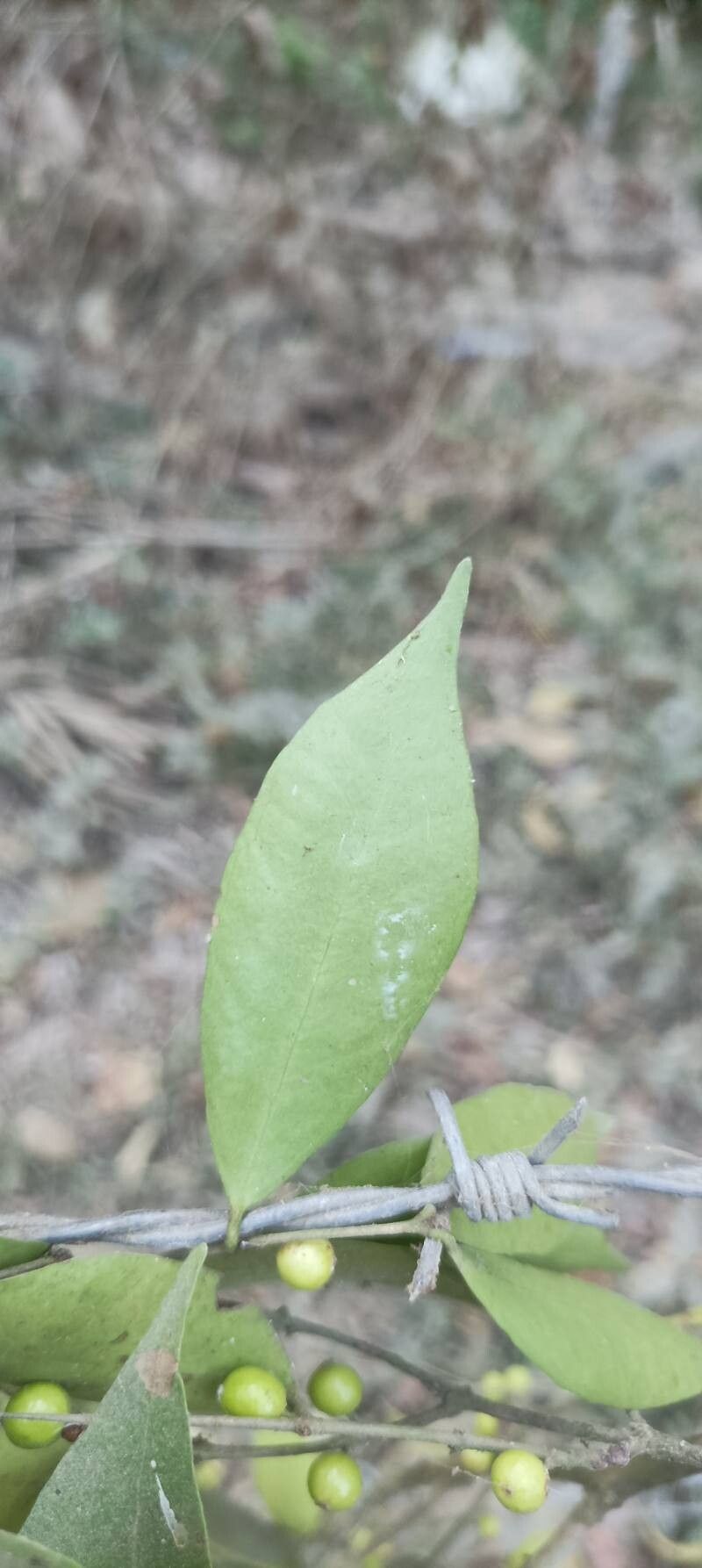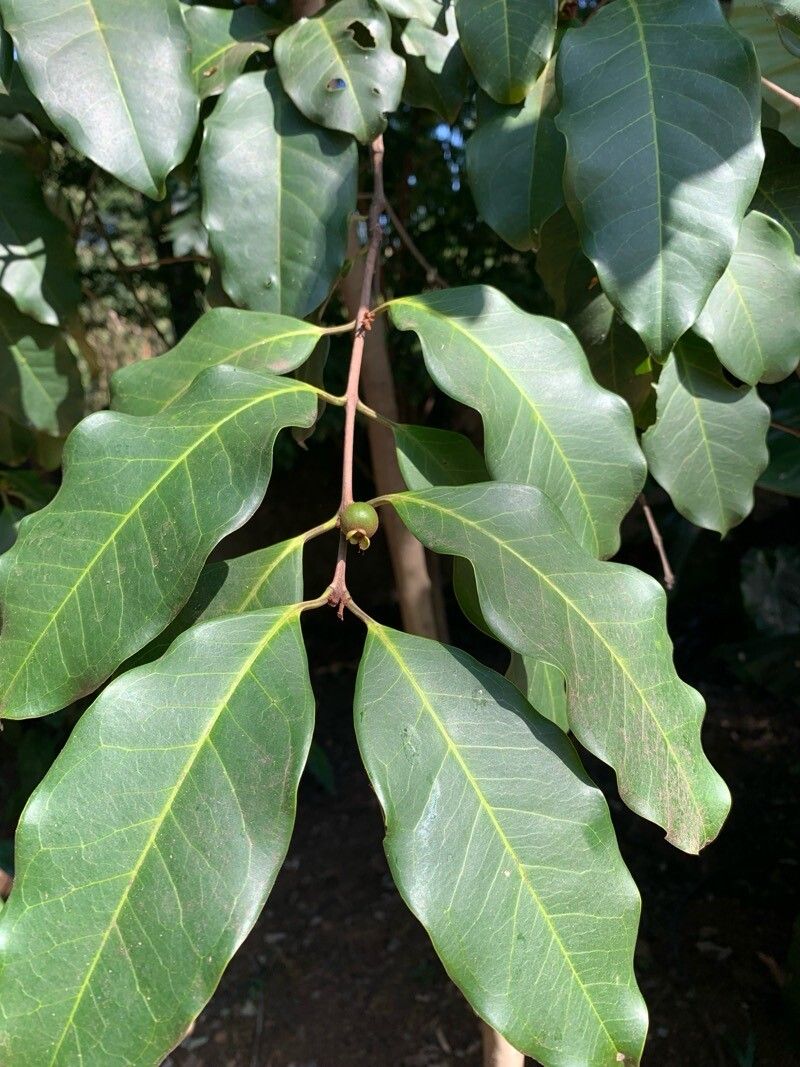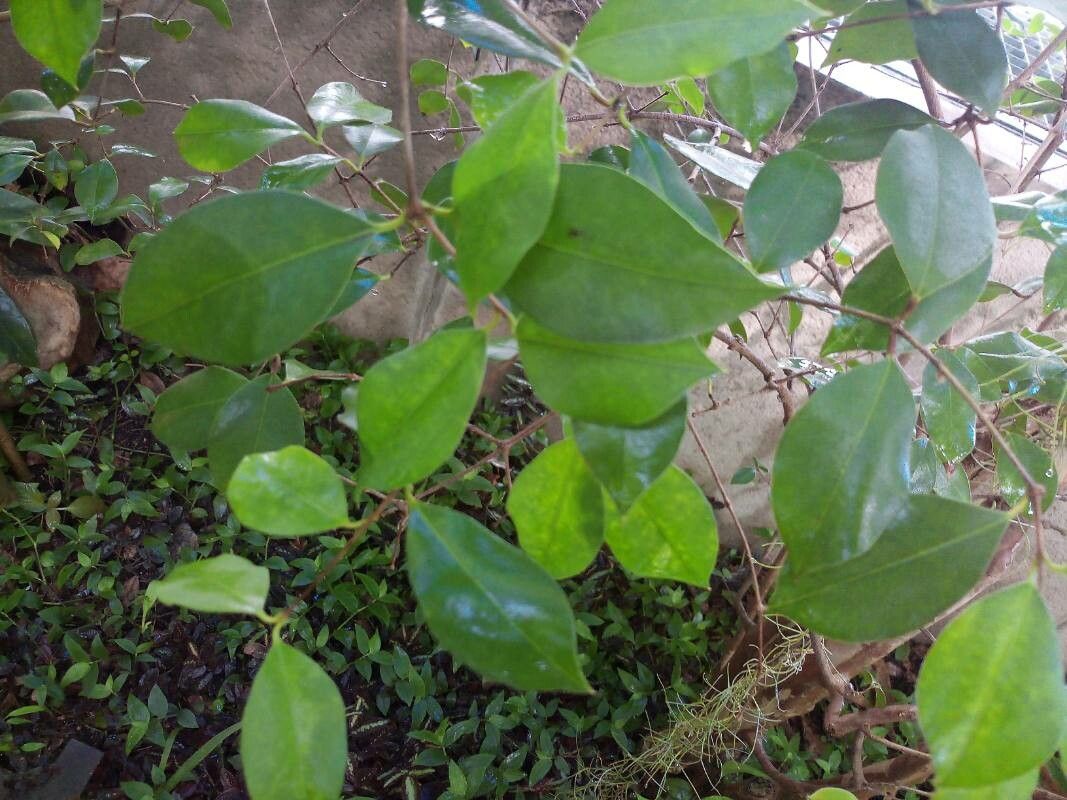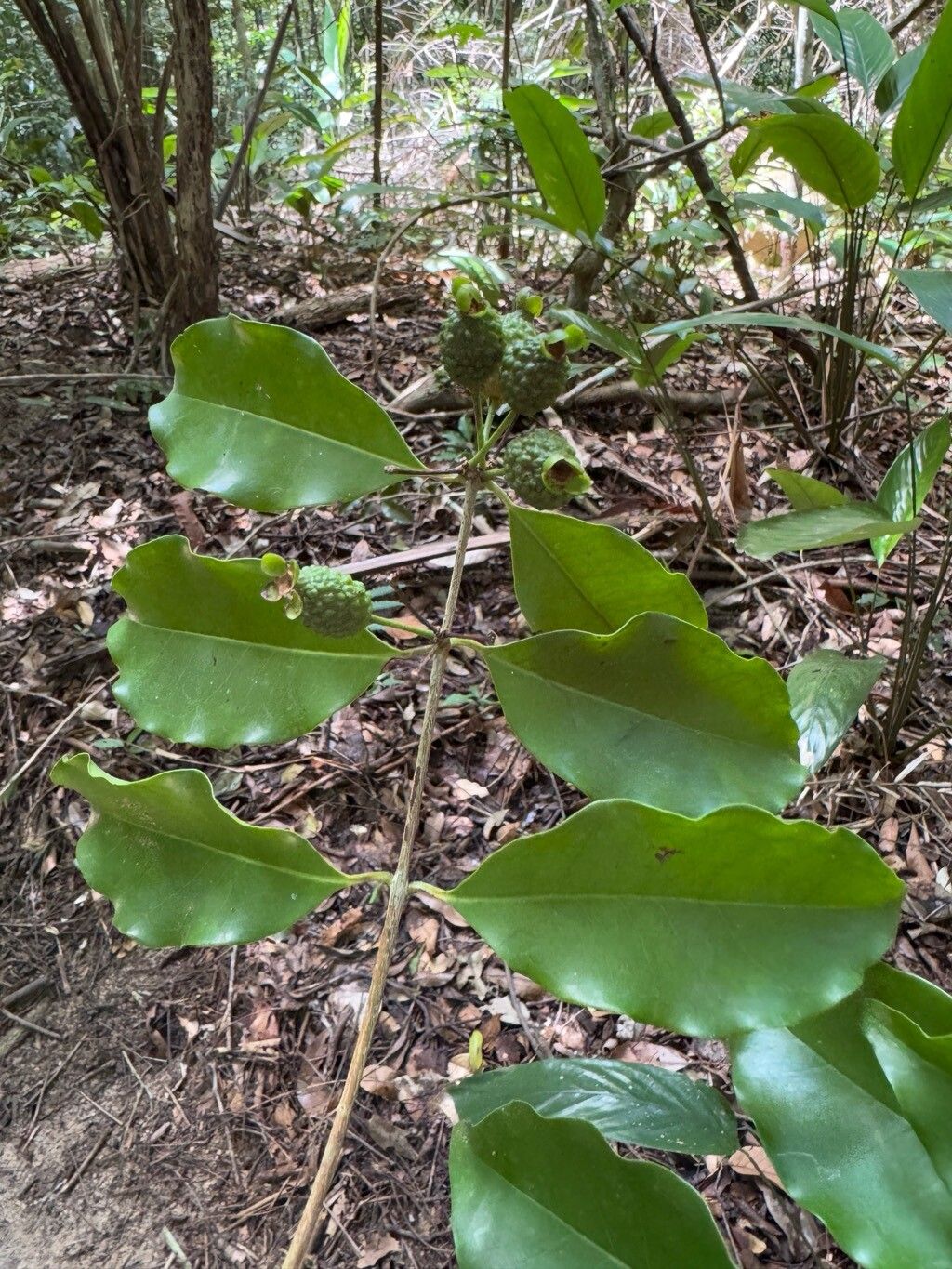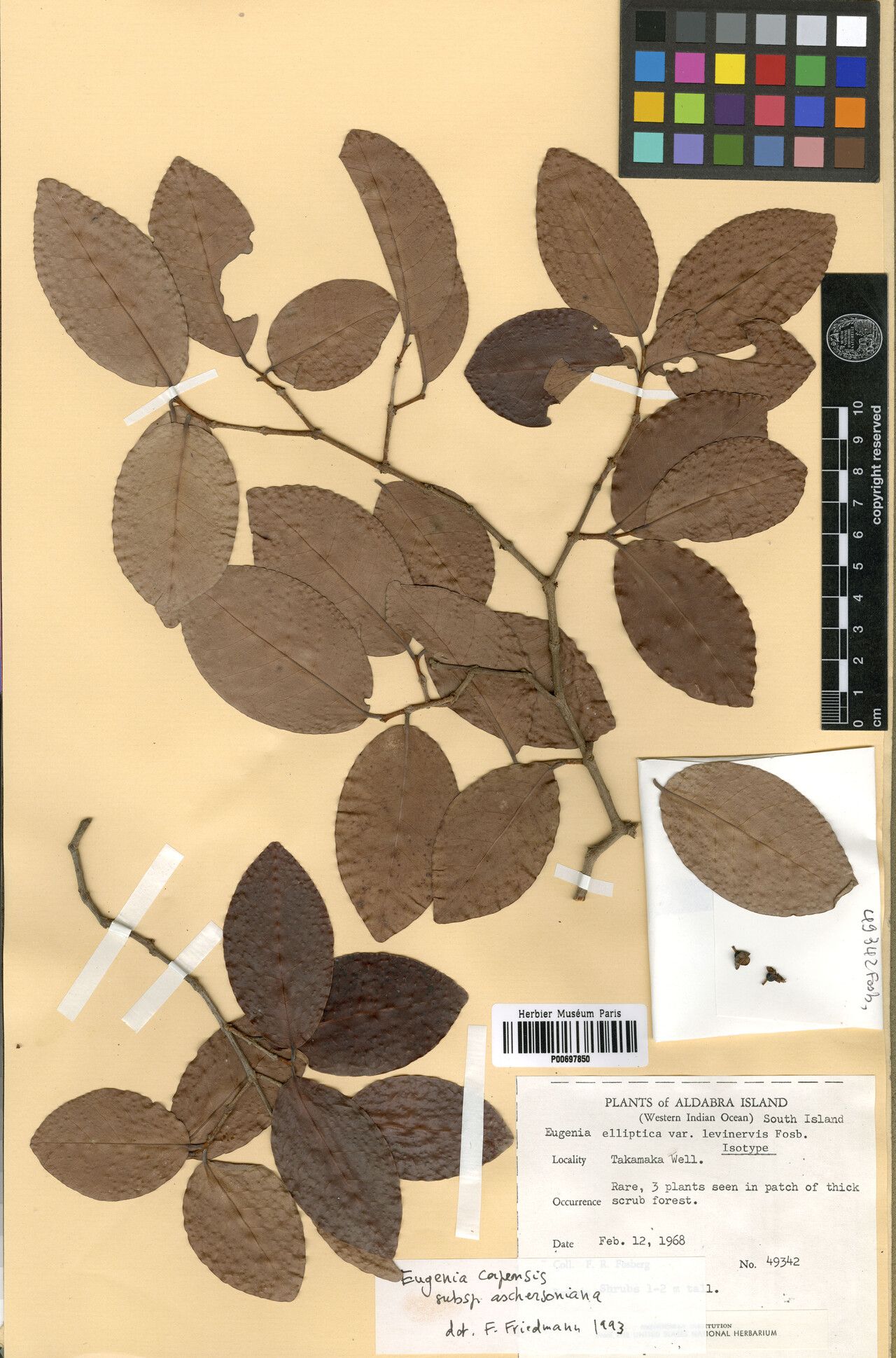
Lilly pilly has strong resistance to disease and is typically not susceptible to illnesses. Regarding care, this plant is fairly low-maintenance. When grown outdoors it needs only light watering, and larger plants usually do not require pruning. Smaller plants, however, should be trimmed after they have bloomed. Lilly pillyt is appropriate for anyone with an outdoor area, such as a garden or deck, and does not demand much prior gardening experience.
How to keep Eugenia Elliptica.
Light
The lilly pilly thrives in full sunlight yet is also resilient enough to tolerate a mixture of shade and sunlight, showcasing its versatility. It hails from an environment rich in sunlight, making substantial light exposure crucial for its robust growth. A lack of adequate light might impede its evolution, whereas exposure to excessively harsh sunlight could harm the leaves.
Temperature
The Lilly pilly is indigenous to areas that maintain a climate between 50 and 100.4°F (10 to 38℃), as this is the temperature range it thrives in. During winter, when the temperature potentially falls below this, it may require supplementary warmth.
Fertilizer
The Lilly pilly plant needs adequate nutrients for the best fruit yield. Apply fertilizer in the early spring to promote new growth and flower formation. Consistent fertilization aids the plant in maintaining its health, cultivating tastier fruit, and avoiding issues related to nutrient deficiency such as yellowing leaves and substandard fruit yield.
Botanical profile.
- Plant Type
- Tree
- Life Cycle
- Perennial
- Hardiness Zone
- 6-12
- Mature Height
- 20.12 m to 29.87 m
- Mature Spread
- 4.88 m to 14.94 m
- Leaf Color
- Green
- Leaf Type
- Evergreen
- Flower Color
- White
- Flower Size
- 2.54 cm to 5.08 cm
- Bloom Time
- Early spring, Mid fall, Late fall, Winter
- Planting Time
- Spring, Summer, Autumn
- Harvest Time
- Mid spring, Late spring, Early summer