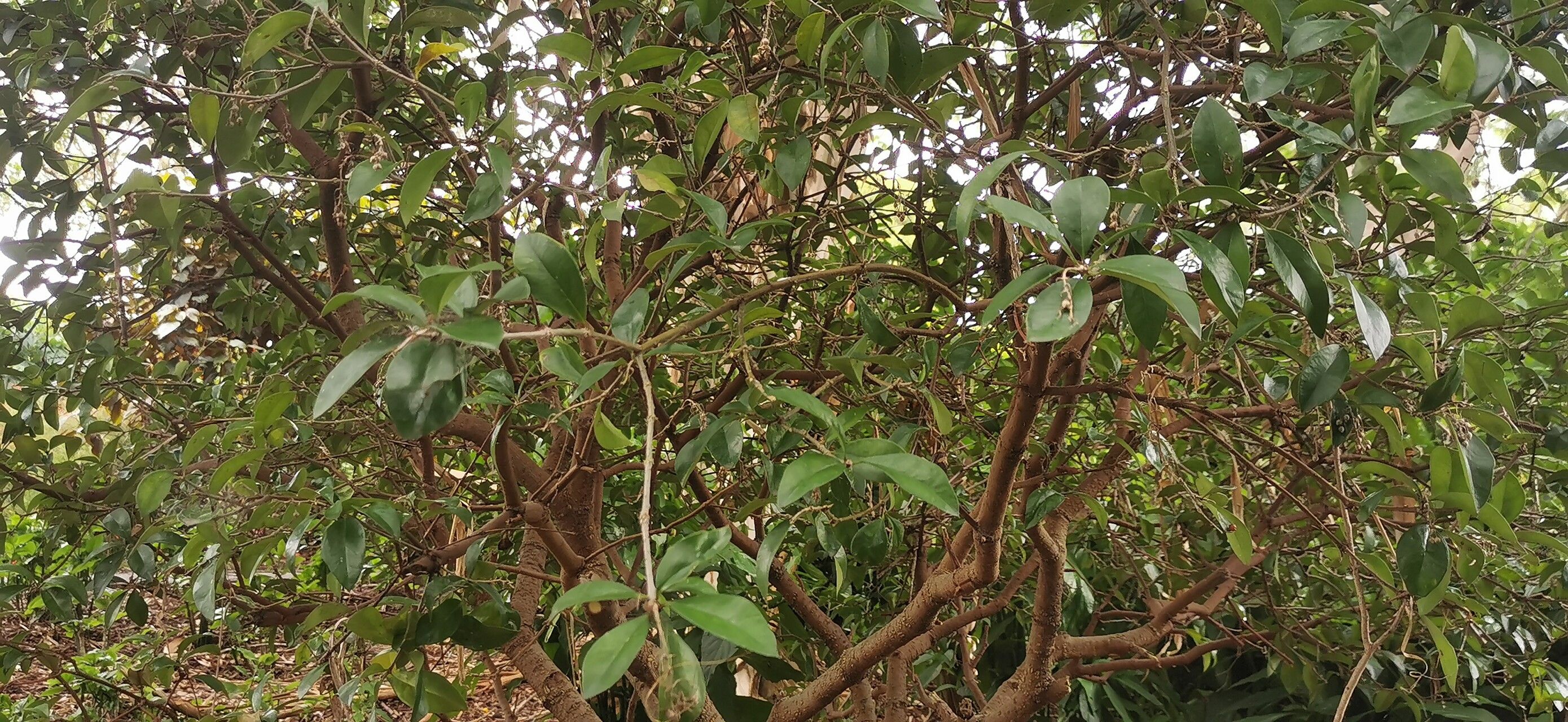
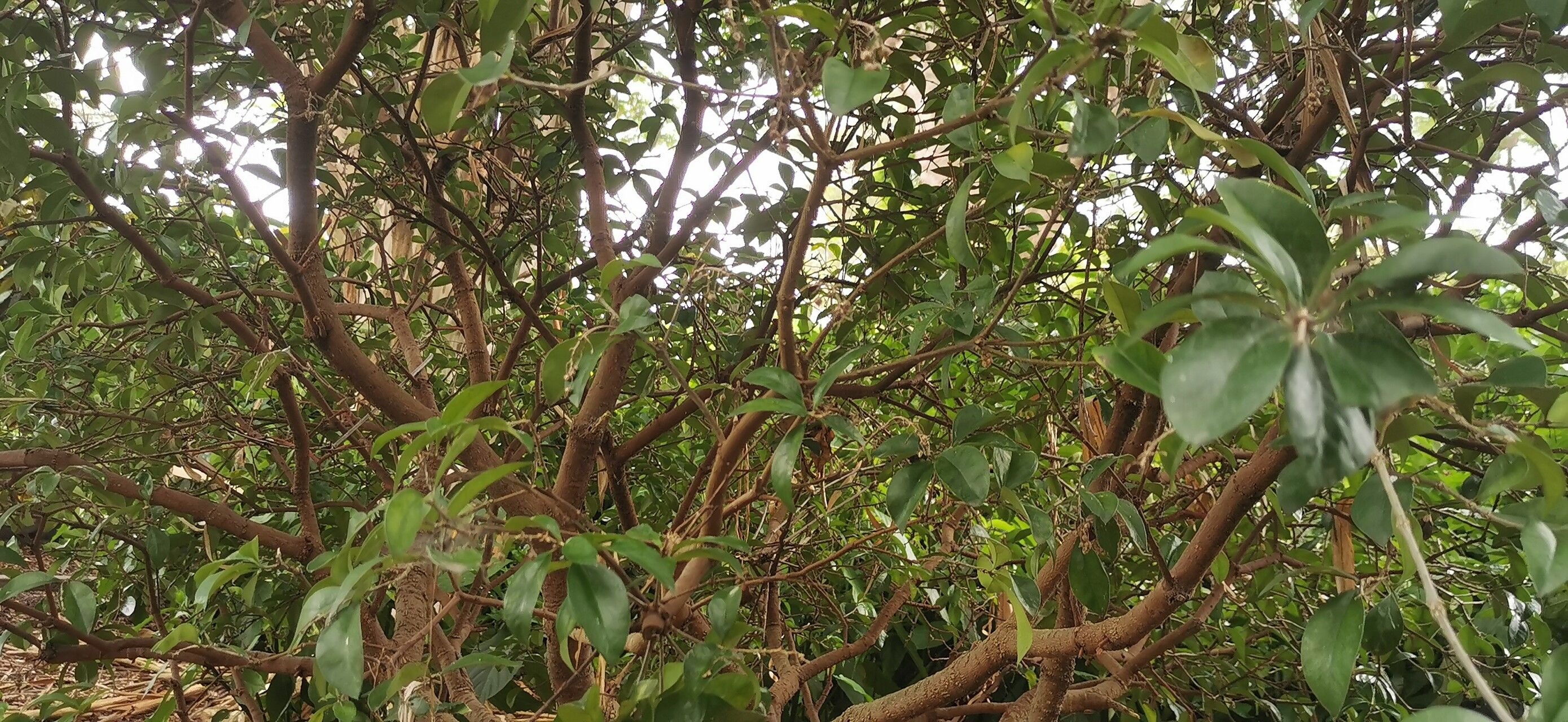
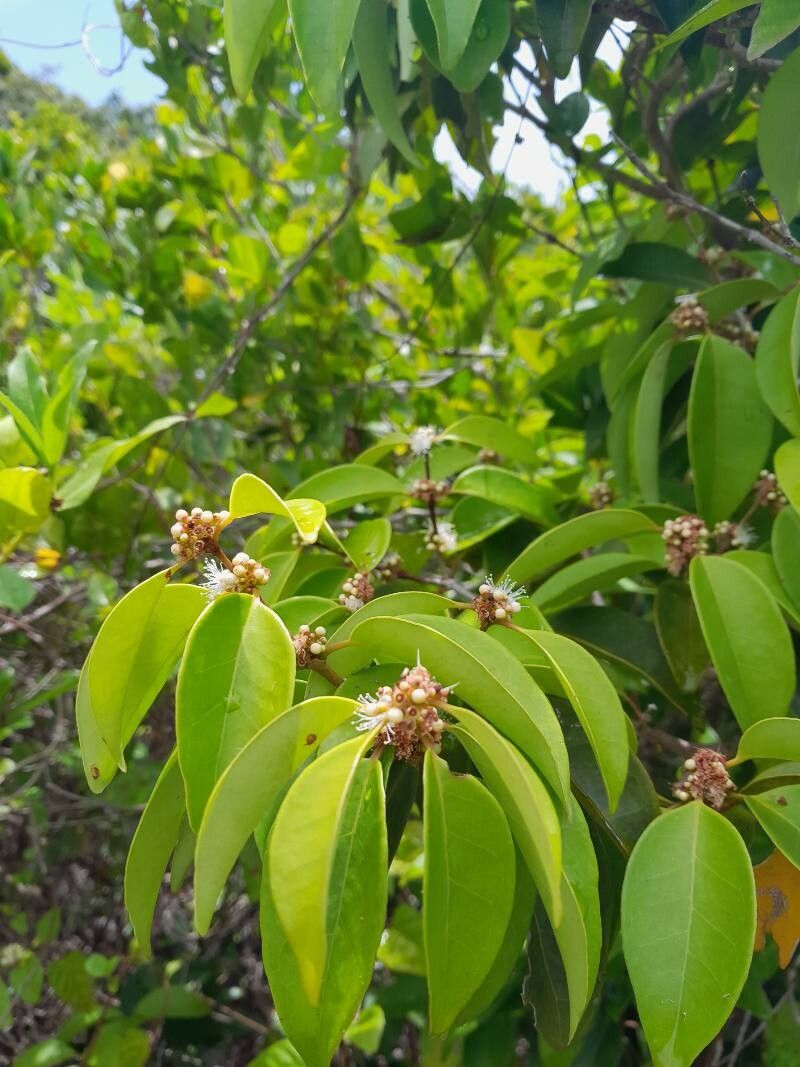
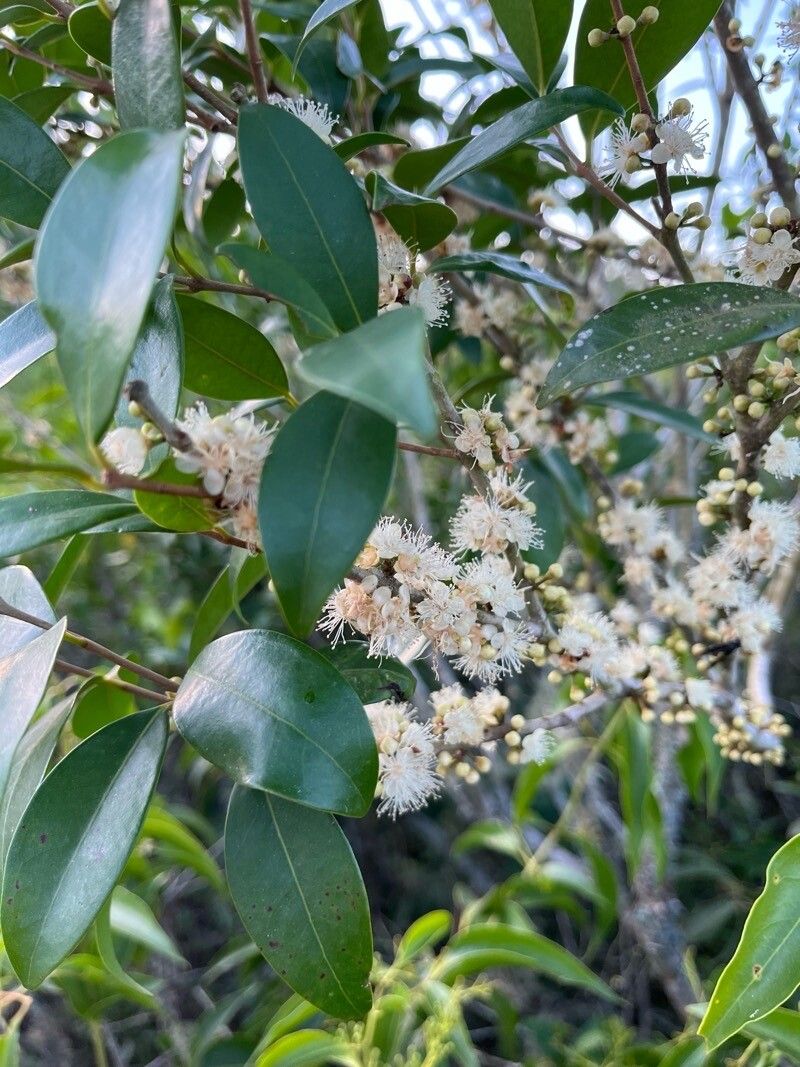
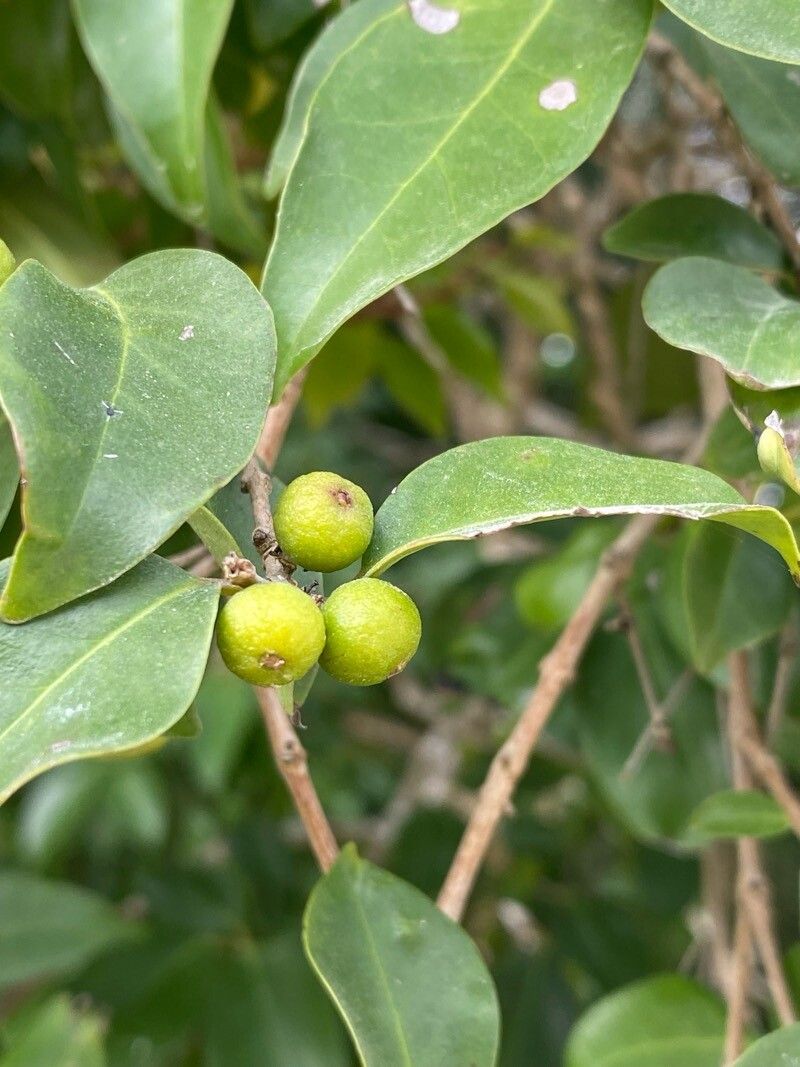
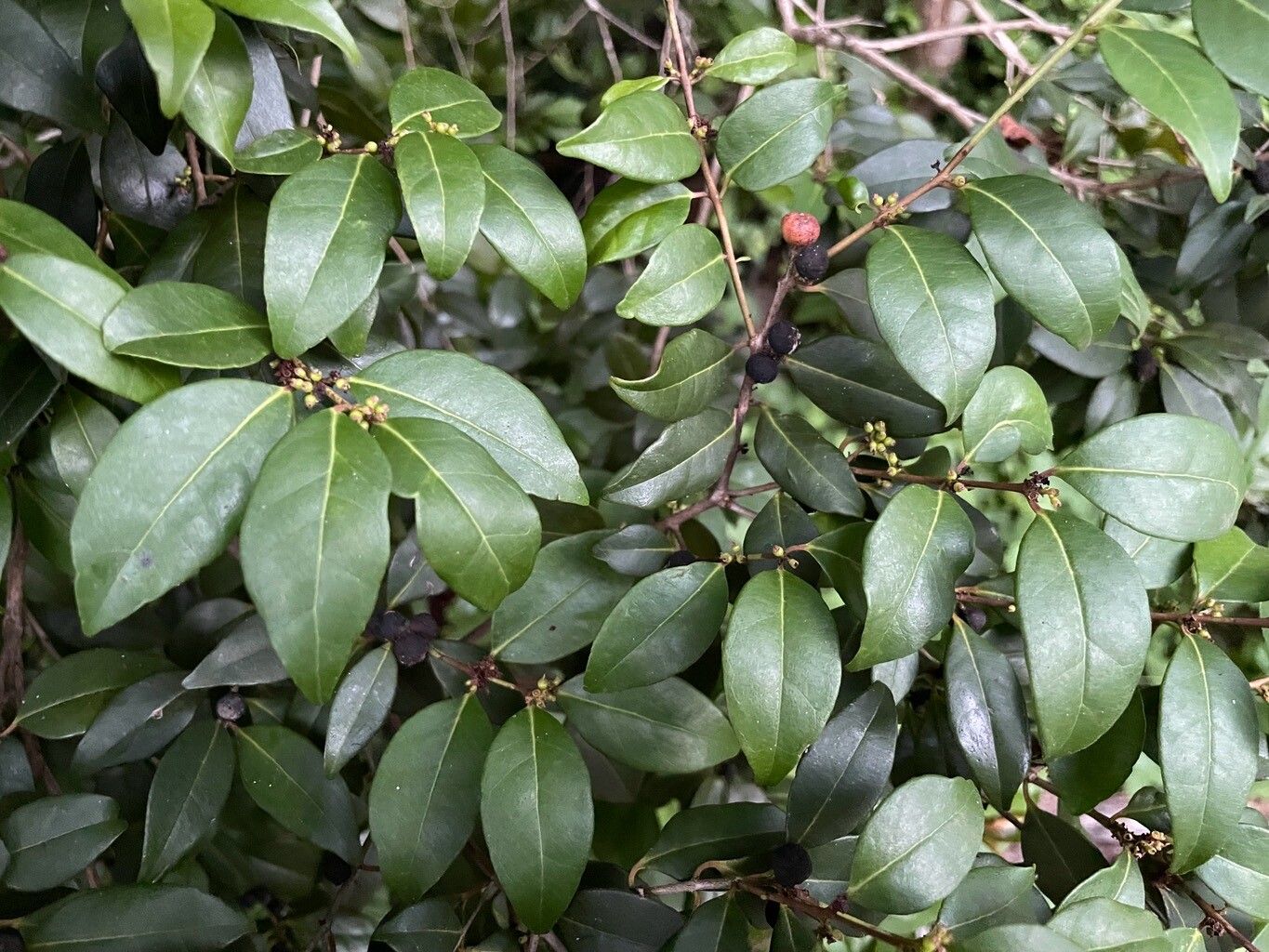
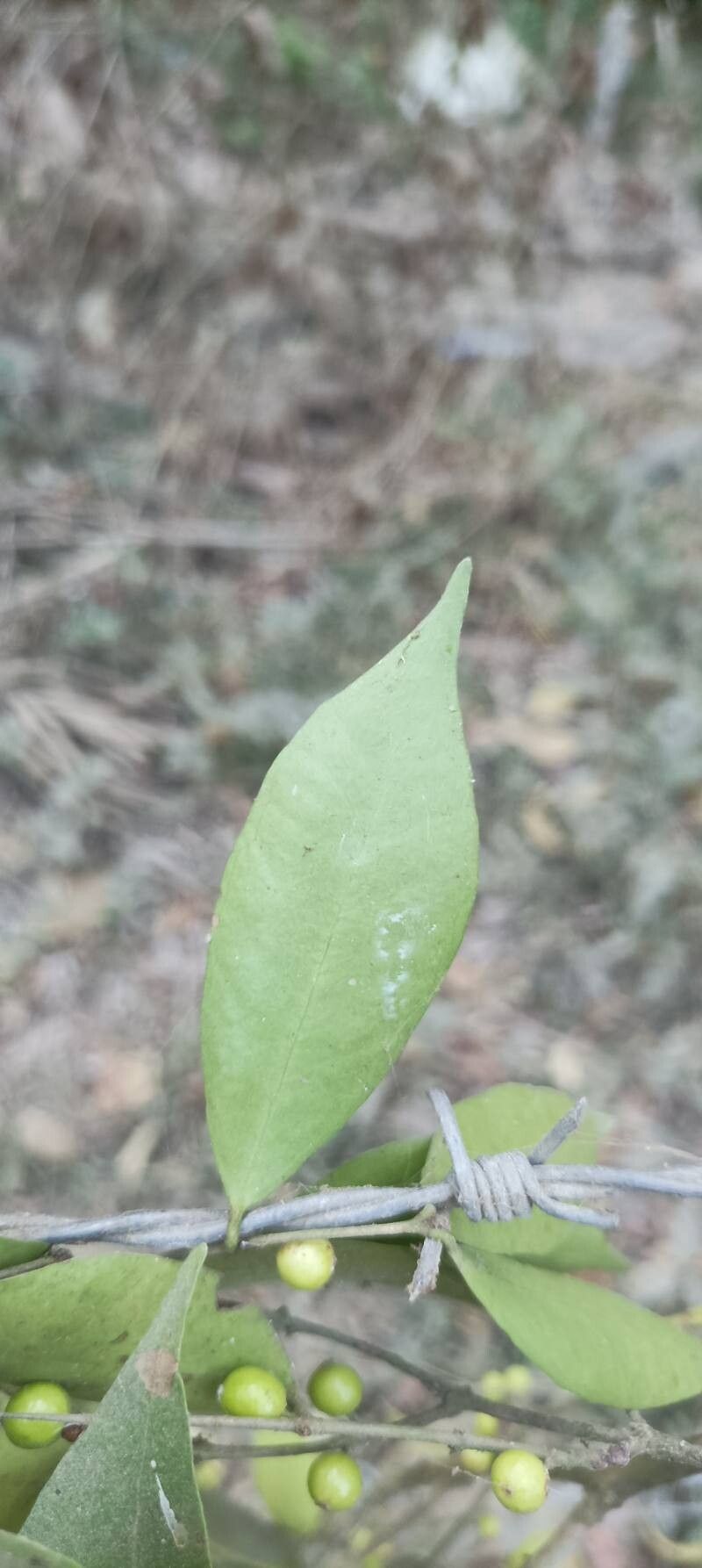
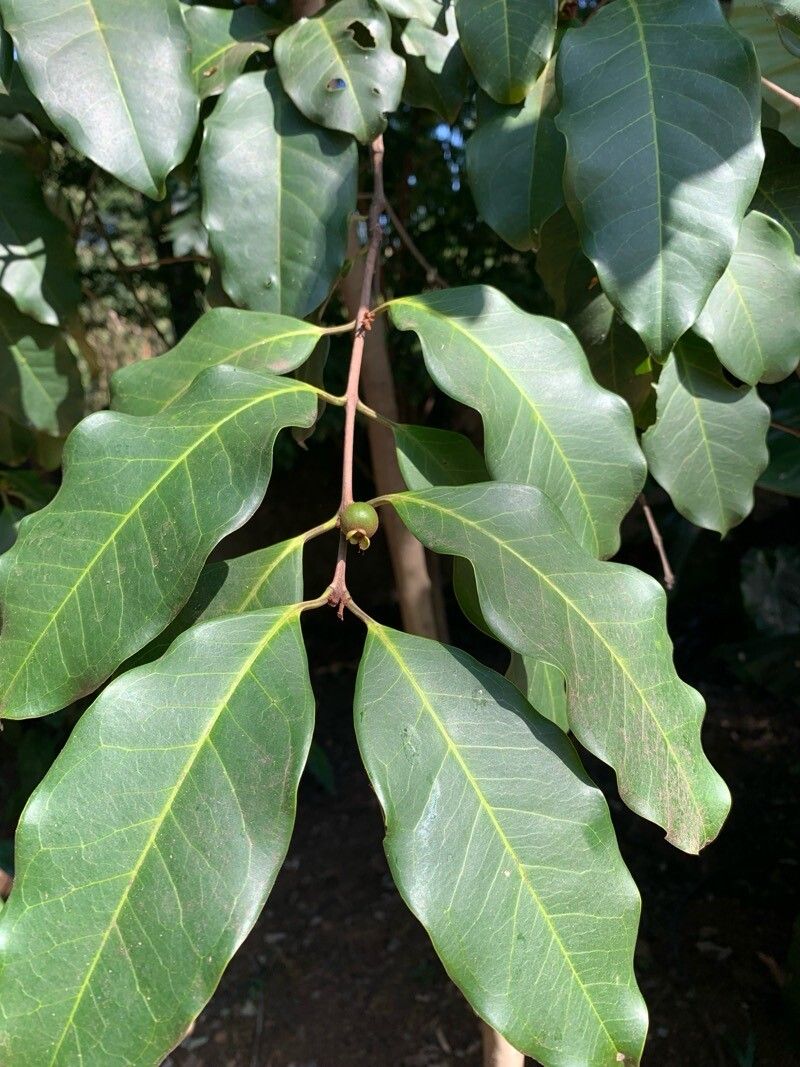
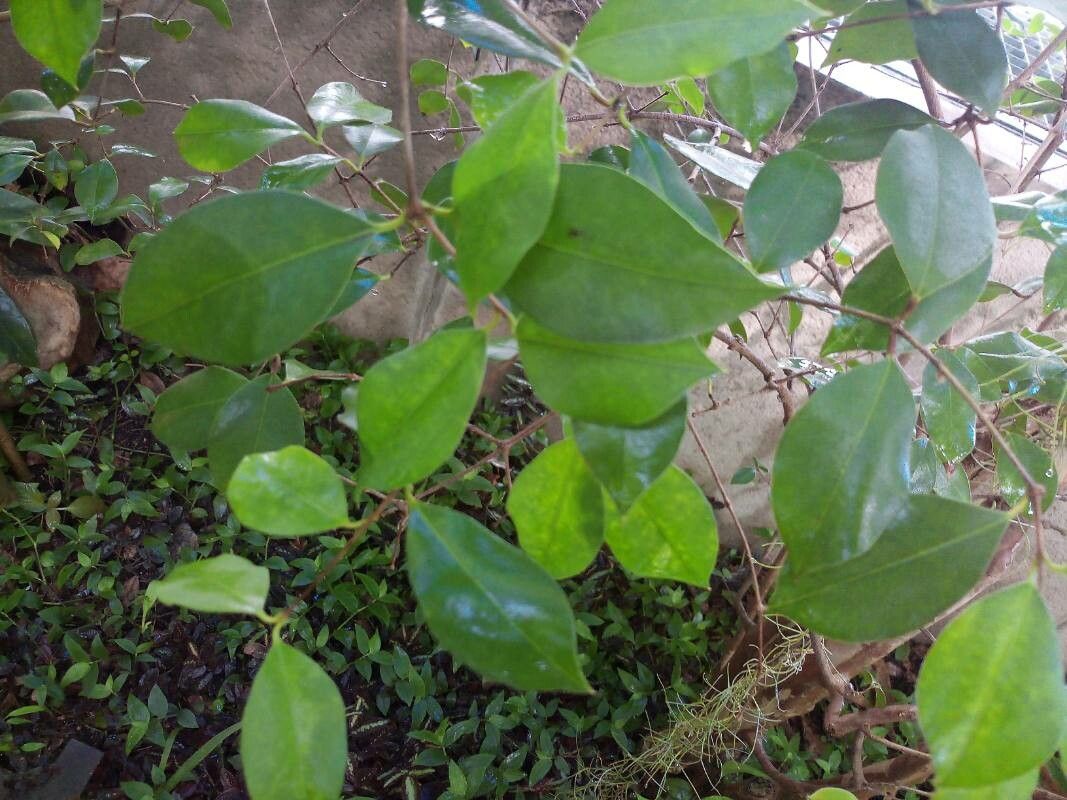
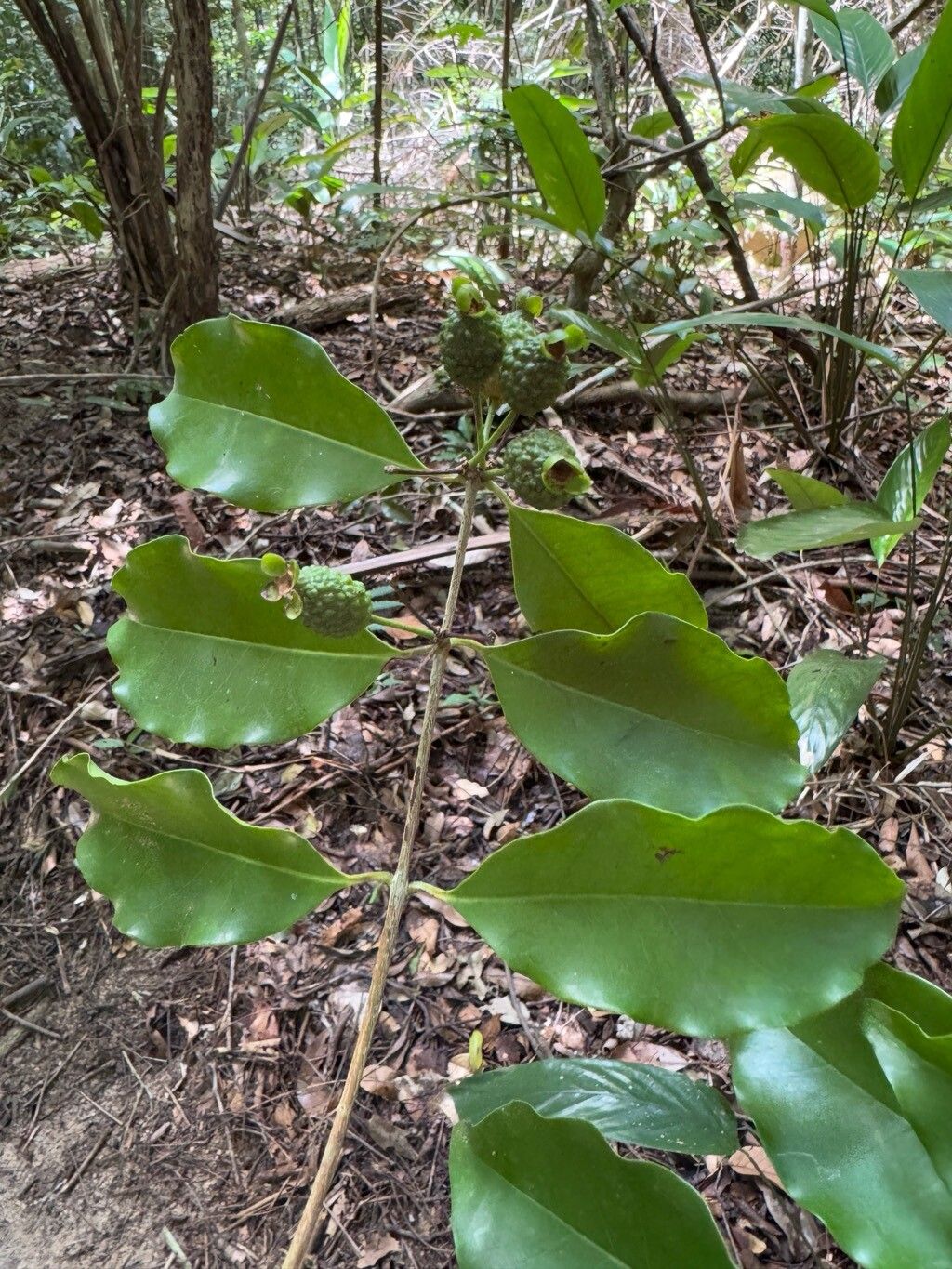
Eugenia axillaris, the white stopper, is a species of flowering plant in the family Myrtaceae. It is native to central and southern Florida, the Caribbean, Bermuda, eastern Mexico, and Central America. An evergreen shrub or tree reaching 20 to 30 ft but often shorter, it is typically found in partly shady coastal hammocks and other sandy areas.
White stopper is resistant to disease and is generally not susceptible to illnesses. As far as upkeep goes, this plant is fairly low-maintenance. When grown outdoors it needs little watering, and larger plants usually do not require pruning. Smaller plants, however, should be trimmed after they finish blooming. White stoppert is suitable for anyone who has an outdoor space, such as a garden or deck, and does not demand extensive care experience.
How to keep Eugenia Axillaris.
Light
White stopper naturally occurs in habitats like forest understories and rocky areas, where it experiences natural shade. It prefers partial sun but can tolerate full sun or full shade, showing its adaptable, hardy nature.
Temperature
White stopper is quite adaptable to temperature, capable of withstanding higher heat and considerable temperature swings. In hot weather, attention should be paid to watering and providing some shade to avoid sunburn. On the other hand, White stopper has fairly low cold tolerance; while it can endure some chill, very cold conditions can cause frost damage.
Fertilizer
Timing is essential when fertilizing White stopper. Apply fertilizer in early spring and continue on a monthly schedule until early summer. Fertilizer encourages attractive blooms and supplies energy during both dormant and active growth periods.
Pruning
The White Stopper plant has dense foliage and produces fragrant flowers. To keep it healthy and attractive, it's best to prune it in early spring before new growth begins. Start by removing any dead branches and thinning out the plant to improve air circulation. Regular trimming will help maintain a compact shape, encourage healthy growth, and enhance flower production. Always use sharp, sterile tools when pruning to prevent infections. This will ensure your plant remains vigorous and appealing.
Botanical profile.
- Plant Type
- Tree
- Life Cycle
- Perennial
- Genus
- Eugenia
- Family
- Myrtaceae
- Hardiness Zone
- 9-11
- Mature Height
- 3.66 m to 10.97 m
- Mature Spread
- 3.05 m to 4.88 m
- Leaf Color
- Dark Green
- Leaf Type
- Evergreen
- Flower Color
- White
- Flower Size
- 0.51 cm to 1.02 cm
- Bloom Time
- Summer, Early fall, Mid fall
- Planting Time
- Spring, Summer
- Harvest Time
- Late summer, Fall, Early winter
- Native Area
- Bahamas, Belize, Cuba, Honduras, Mexico, Jamaica
Other names.