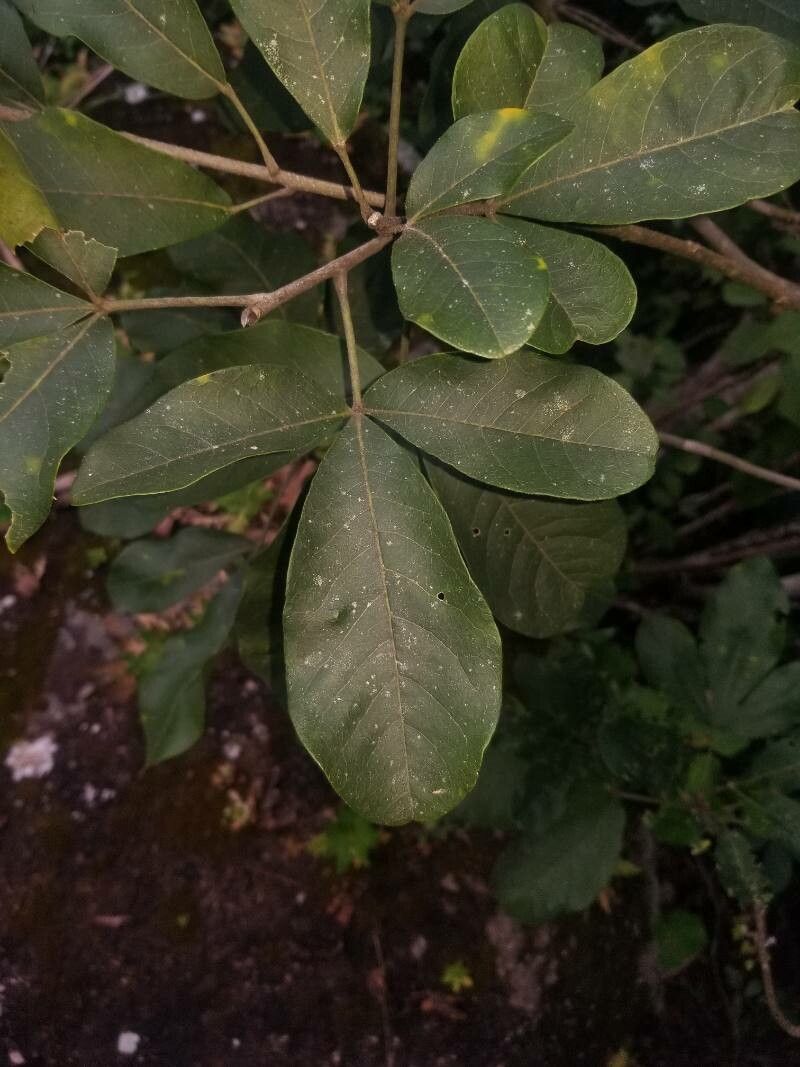
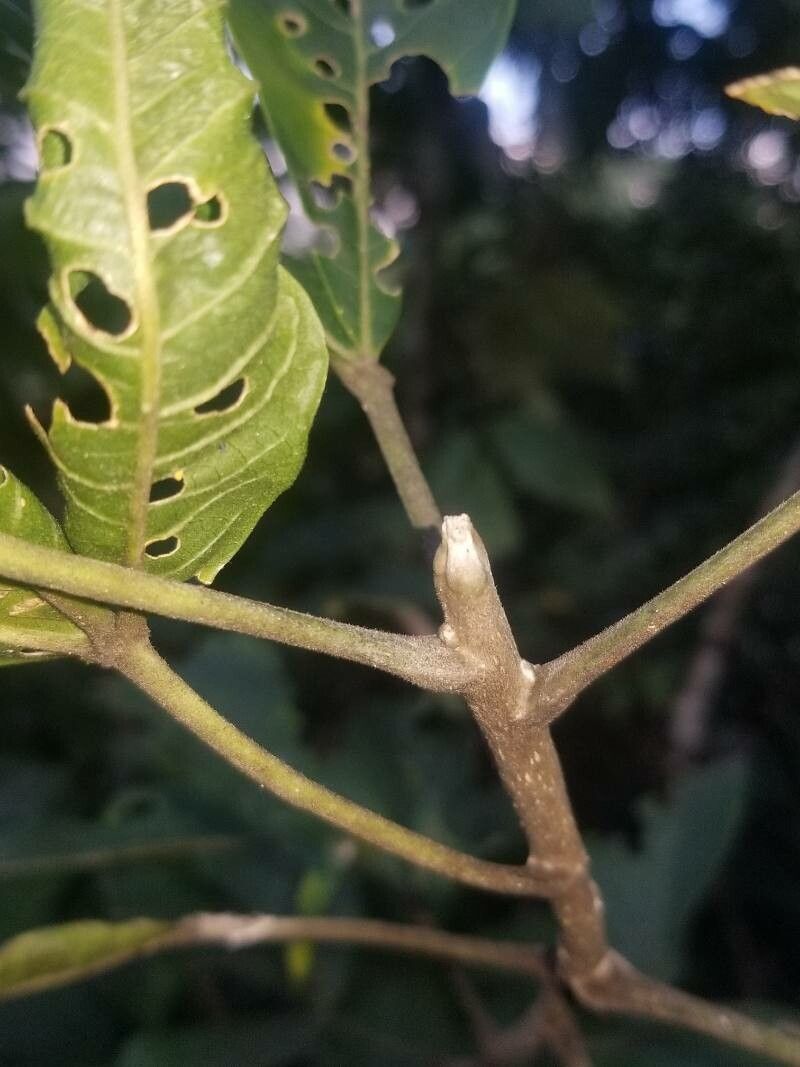
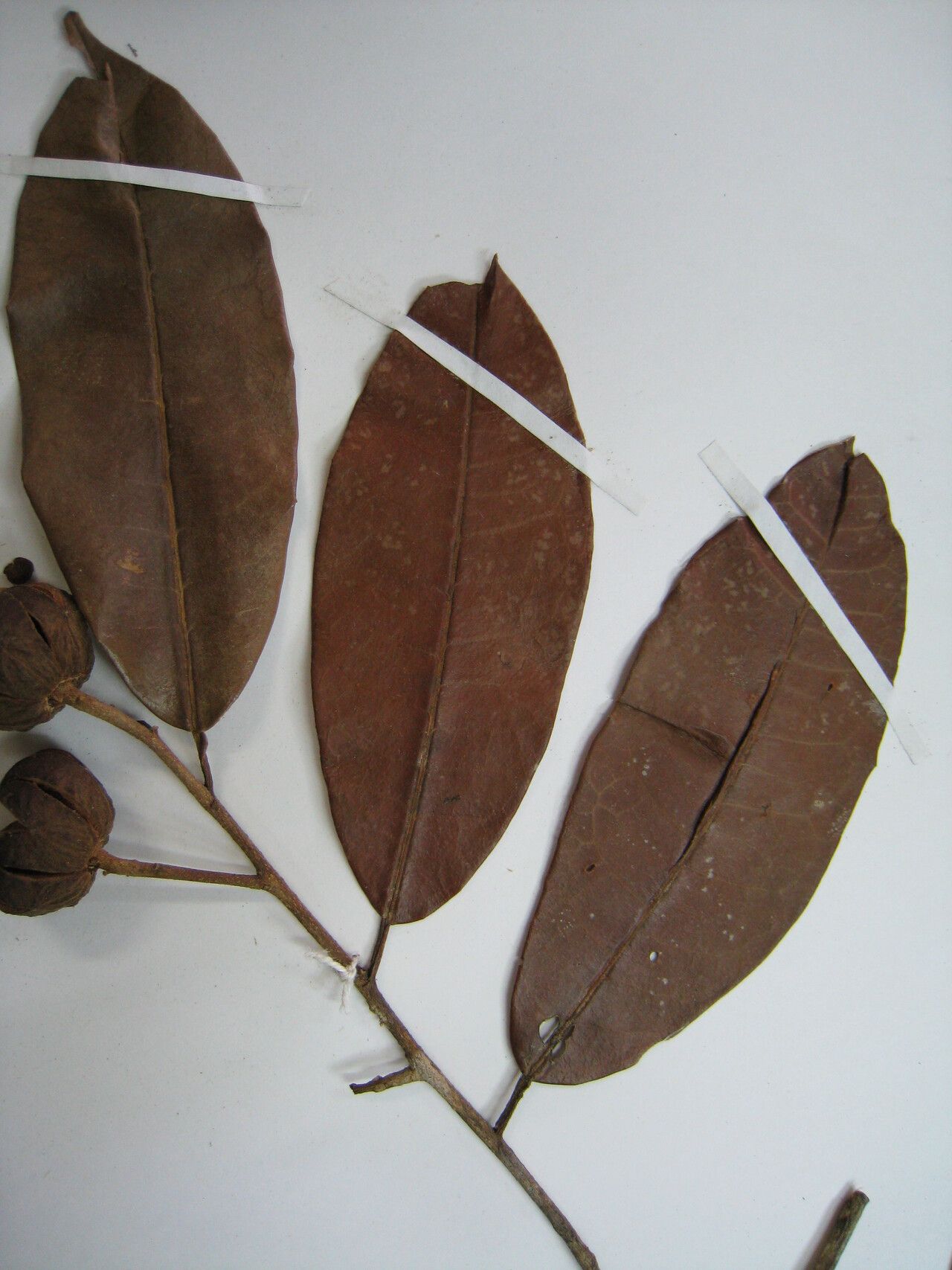
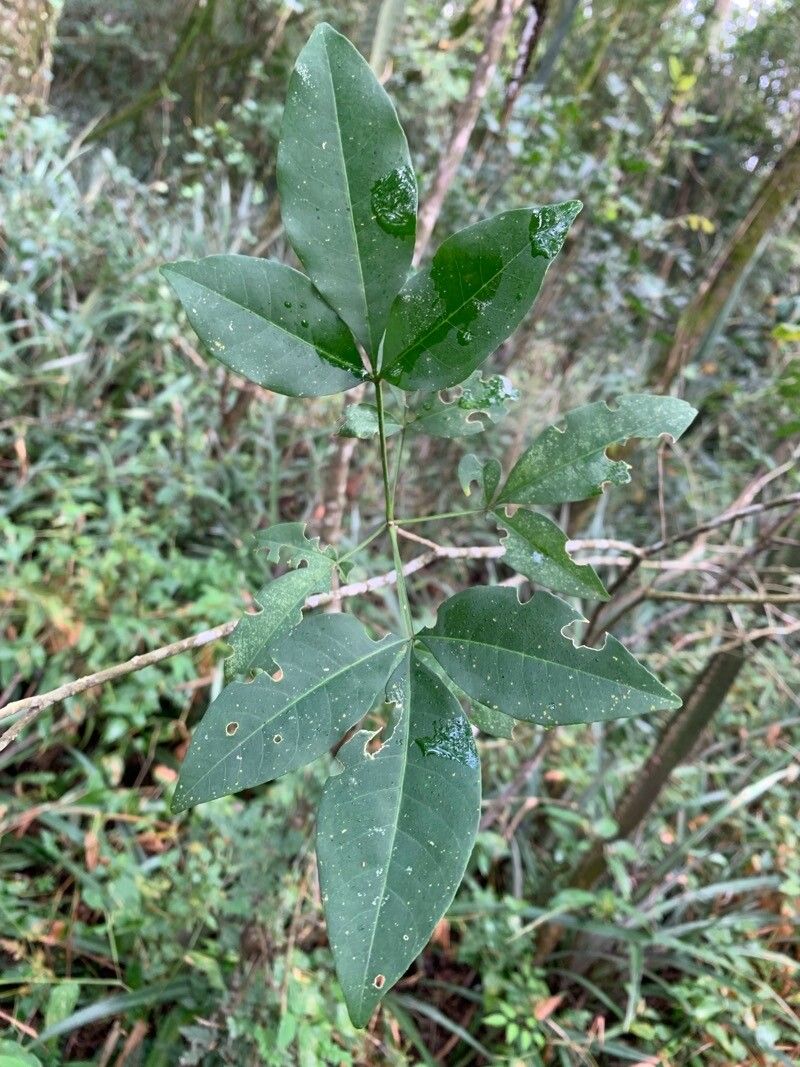
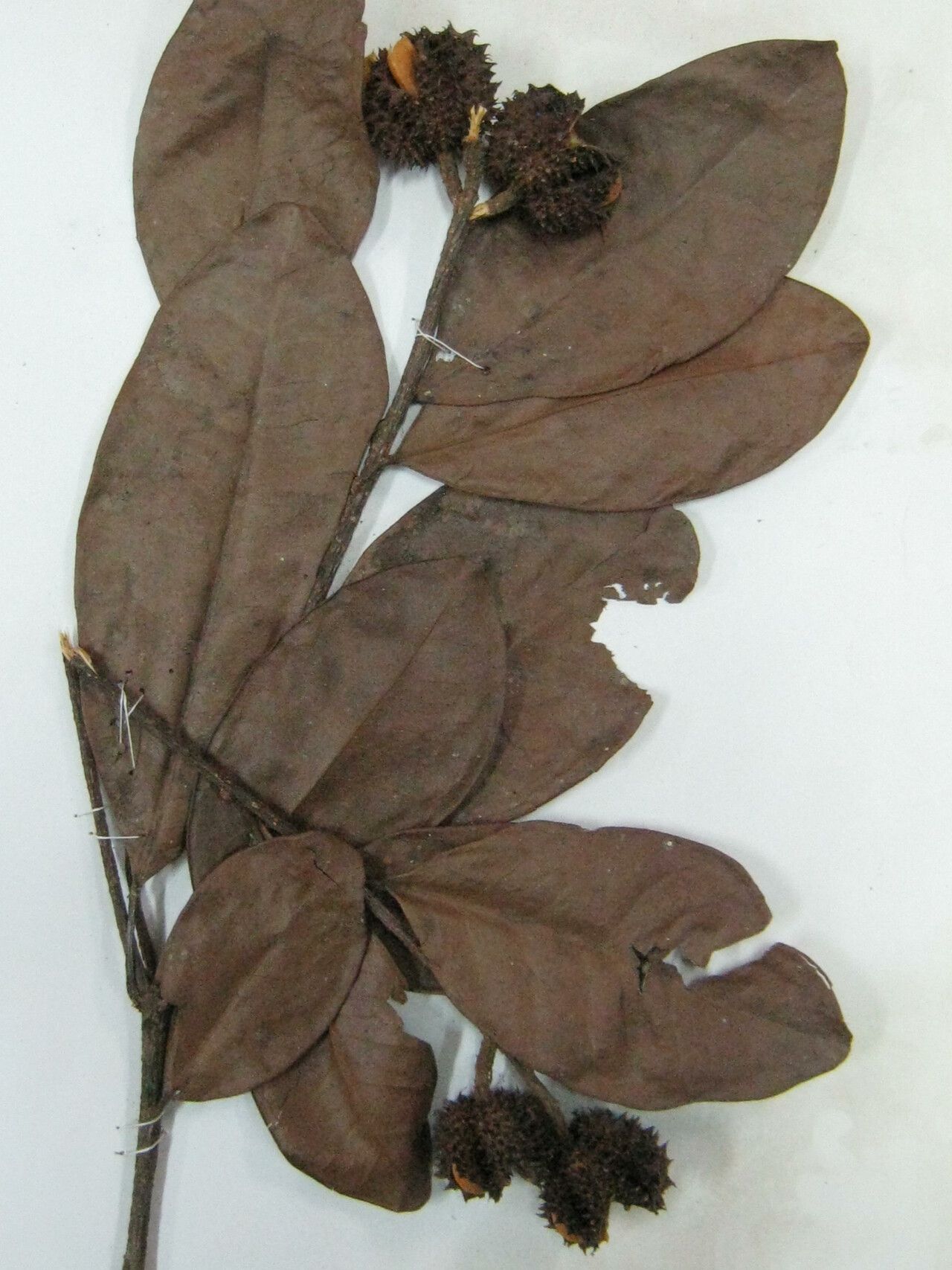
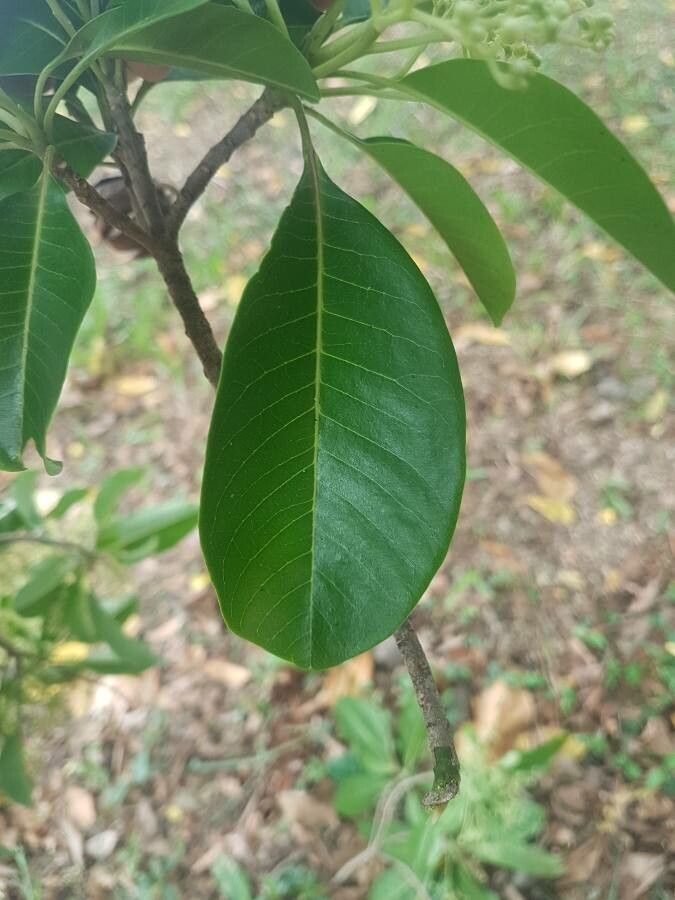
Berlandier's jopoy has good resistance to disease and, in general, is not susceptible to illnesses. Regarding care, this plant is fairly low-maintenance. When grown outdoors it needs only minimal watering, and larger specimens typically do not require pruning. Smaller plants, however, should be pruned after they have finished blooming. Berlandier's jopoyt is appropriate for anyone with an outdoor area, such as a garden or deck, and does not demand extensive care experience.
How to keep Esenbeckia Berlandieri.
Light
Berlandier's jopoy is native to habitats like forest understories and rocky areas, where it grows in natural shade. It prefers partial sun but can tolerate full sun or full shade, showing its versatile and hardy character.
Water
Berlandier's jopoy is well-suited for different moisture levels and has a moderate tolerance for drought. It grows best when the soil is slightly dry between waterings, typically requiring watering about twice a week. When grown outdoors in warmer climates, using mulch can help retain moisture in the soil and reduce the need for frequent watering during its active growth period.
Temperature
Berlandier's jopoy displays good temperature adaptability, able to tolerate higher heat and wider temperature fluctuations. In hot weather, it’s important to monitor watering and provide suitable shade to avoid sunburn. However, it is relatively intolerant of low temperatures; while it can endure some cold, excessively low conditions may cause frost damage.
Fertilizer
Timing is essential when fertilizing Berlandier's jopoy. Apply fertilizer in early spring and repeat monthly until early summer. Fertilizing promotes attractive blooms and supplies energy during both dormant periods and active growth.
Pruning
Berlandier's jopoy has aromatic leaves and small white flowers and benefits from pruning in early spring. Start by removing any dead or diseased branches. Then, thin out the plant to improve airflow and shape. Make sure to cut just above buds to encourage quick recovery, which will enhance the plant's health, appearance, and blooming potential.
Botanical profile.
- Plant Type
- Tree, Shrub
- Life Cycle
- Perennial
- Genus
- Esenbeckia
- Family
- Rutaceae
- Hardiness Zone
- 9-11
- Mature Height
- 1.83 m to 3.66 m
- Mature Spread
- 2.13 m to 3.96 m
- Leaf Color
- Dark Green
- Leaf Type
- Deciduous
- Flower Color
- White
- Flower Size
- 0.51 cm to 0.76 cm
- Bloom Time
- Early summer, Mid summer
- Planting Time
- Spring, Summer, Autumn
- Harvest Time
- Late summer, Early fall, Mid fall
Other names.