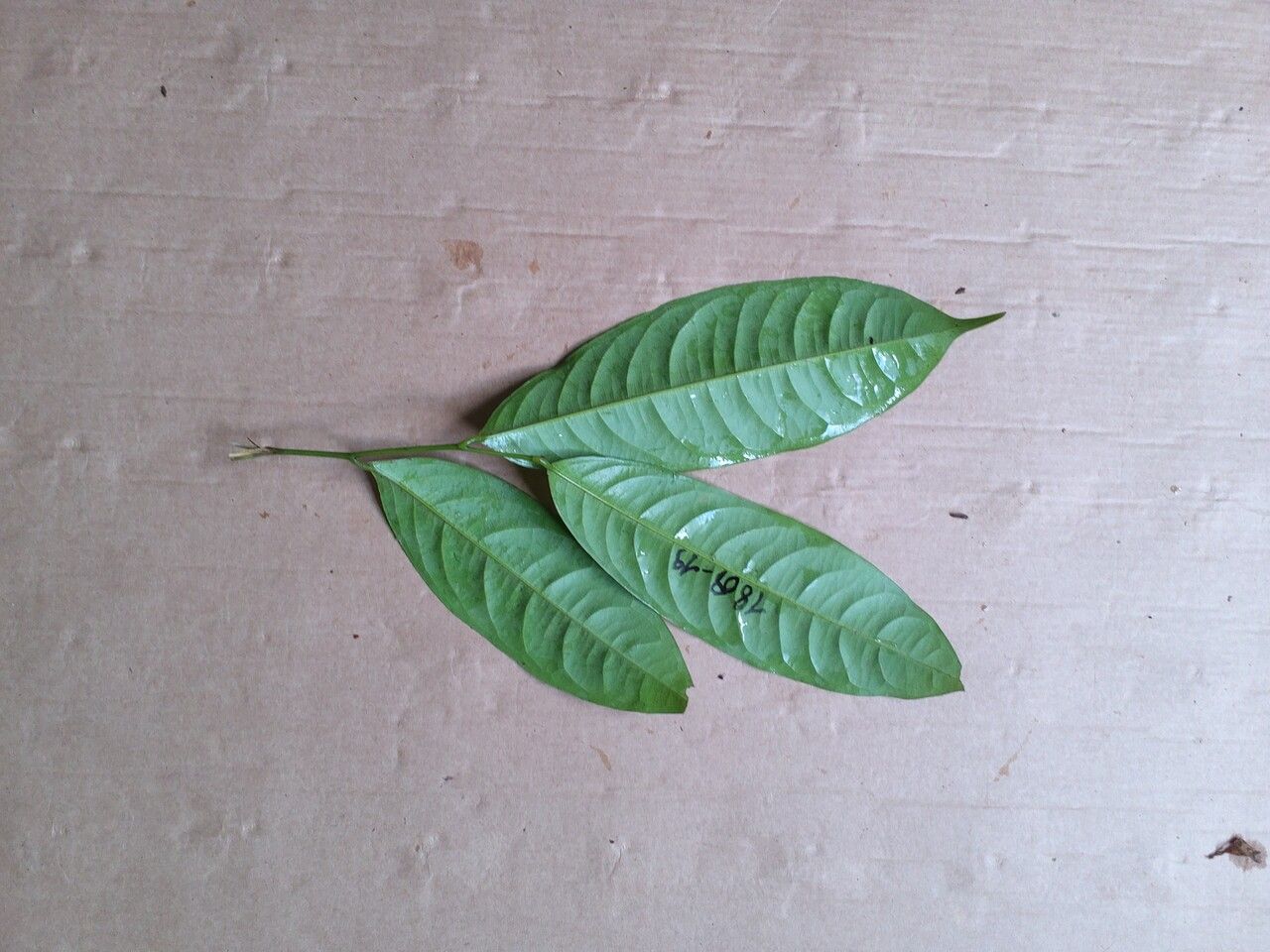
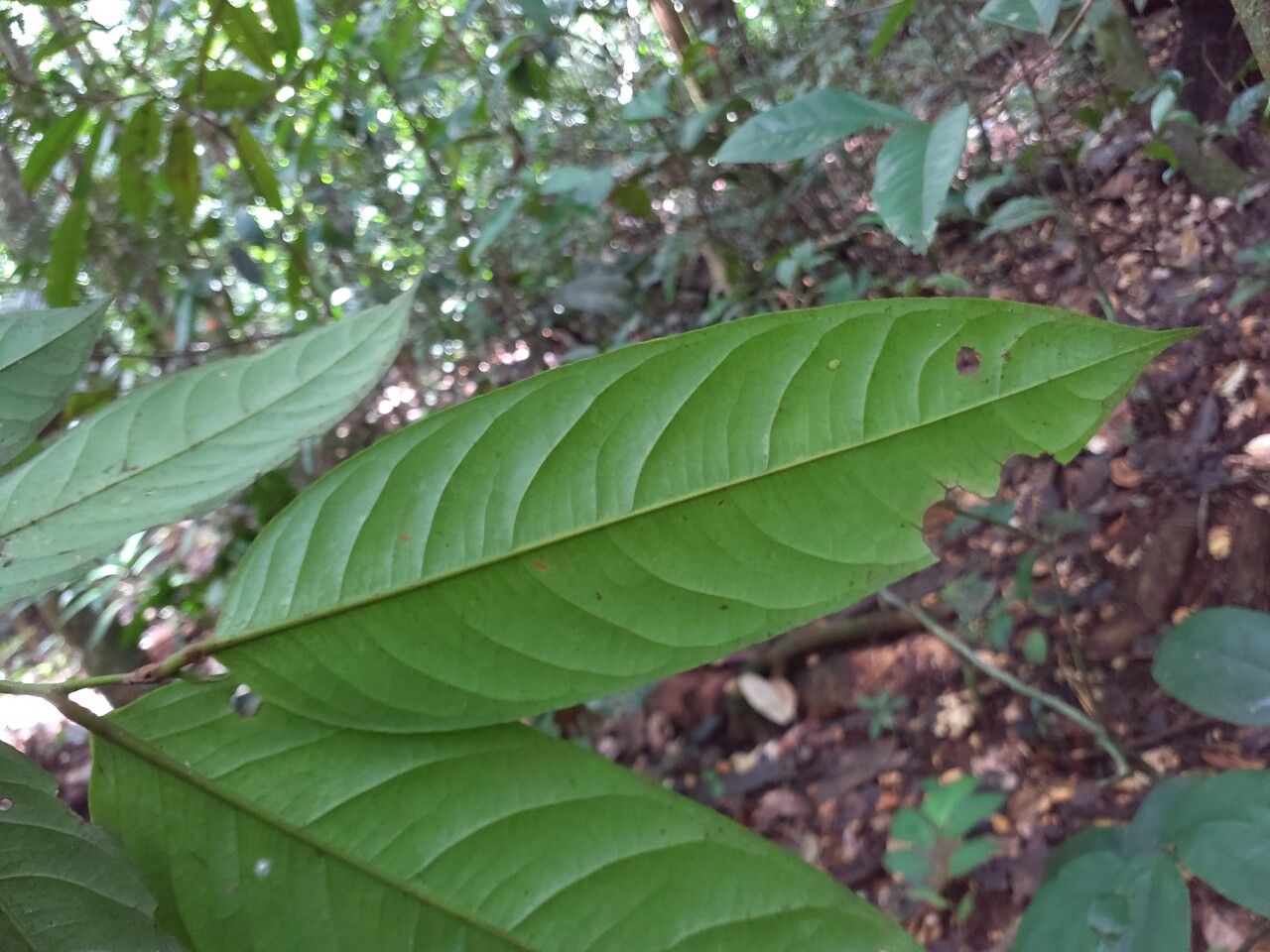
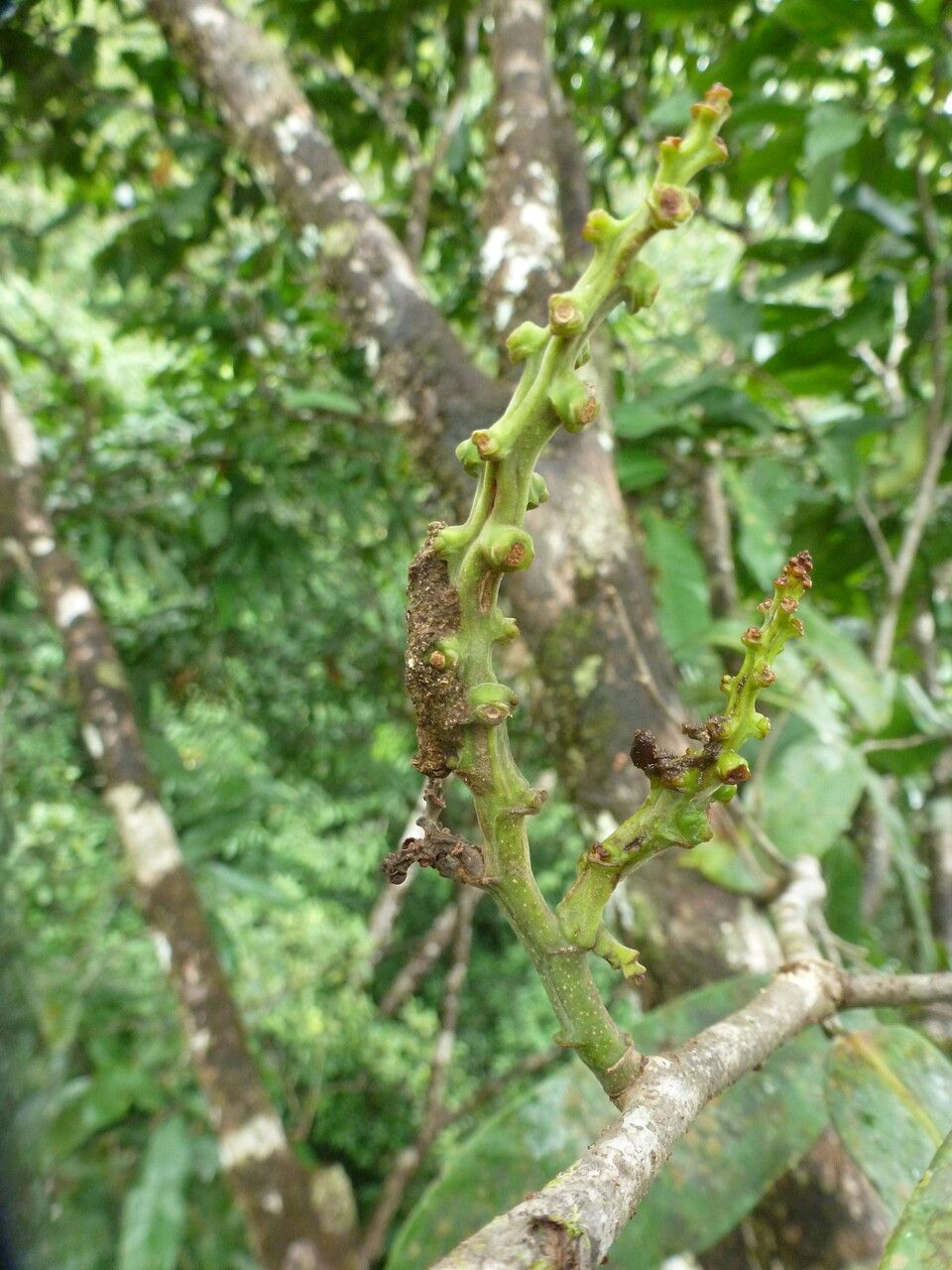
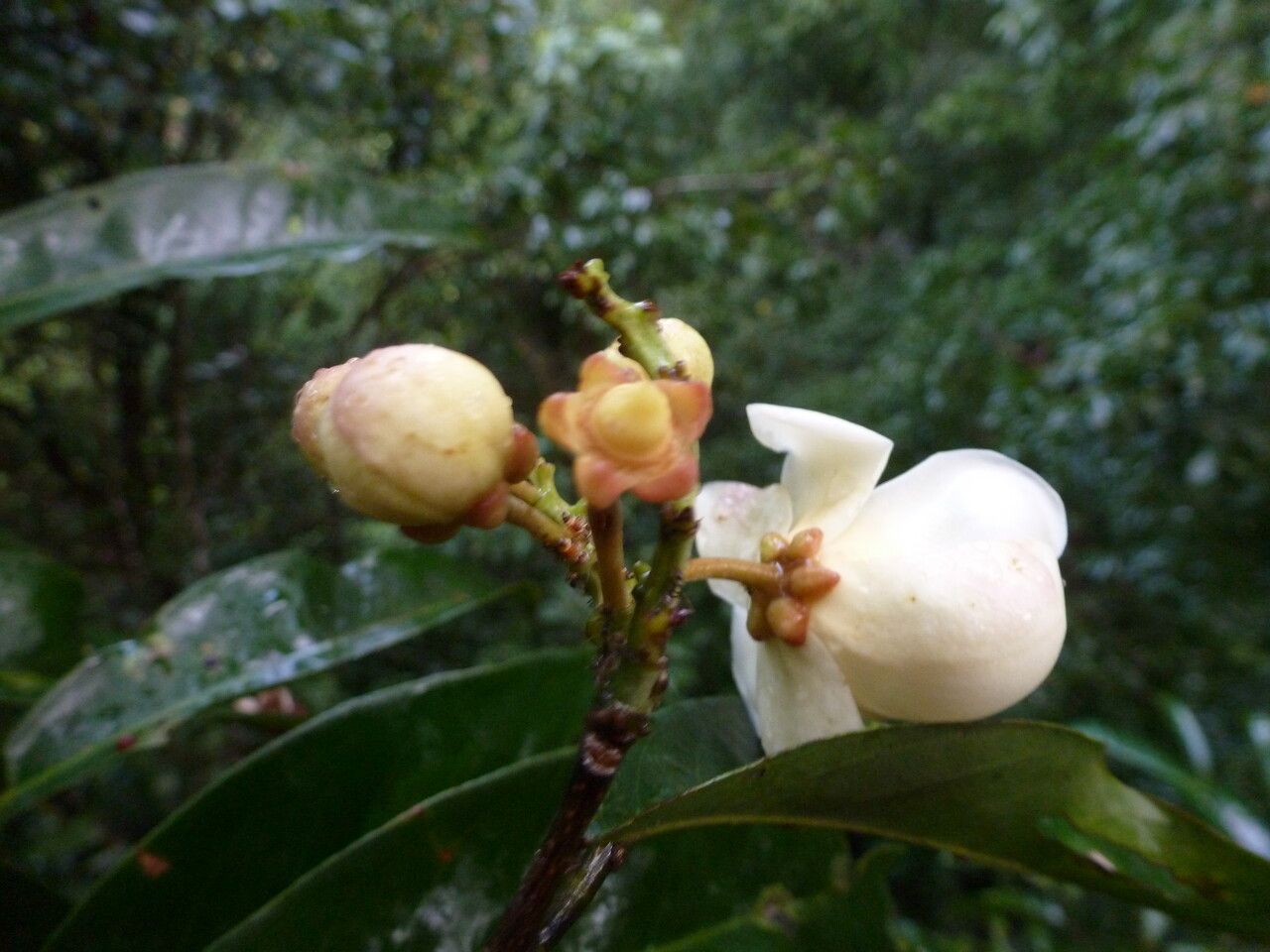
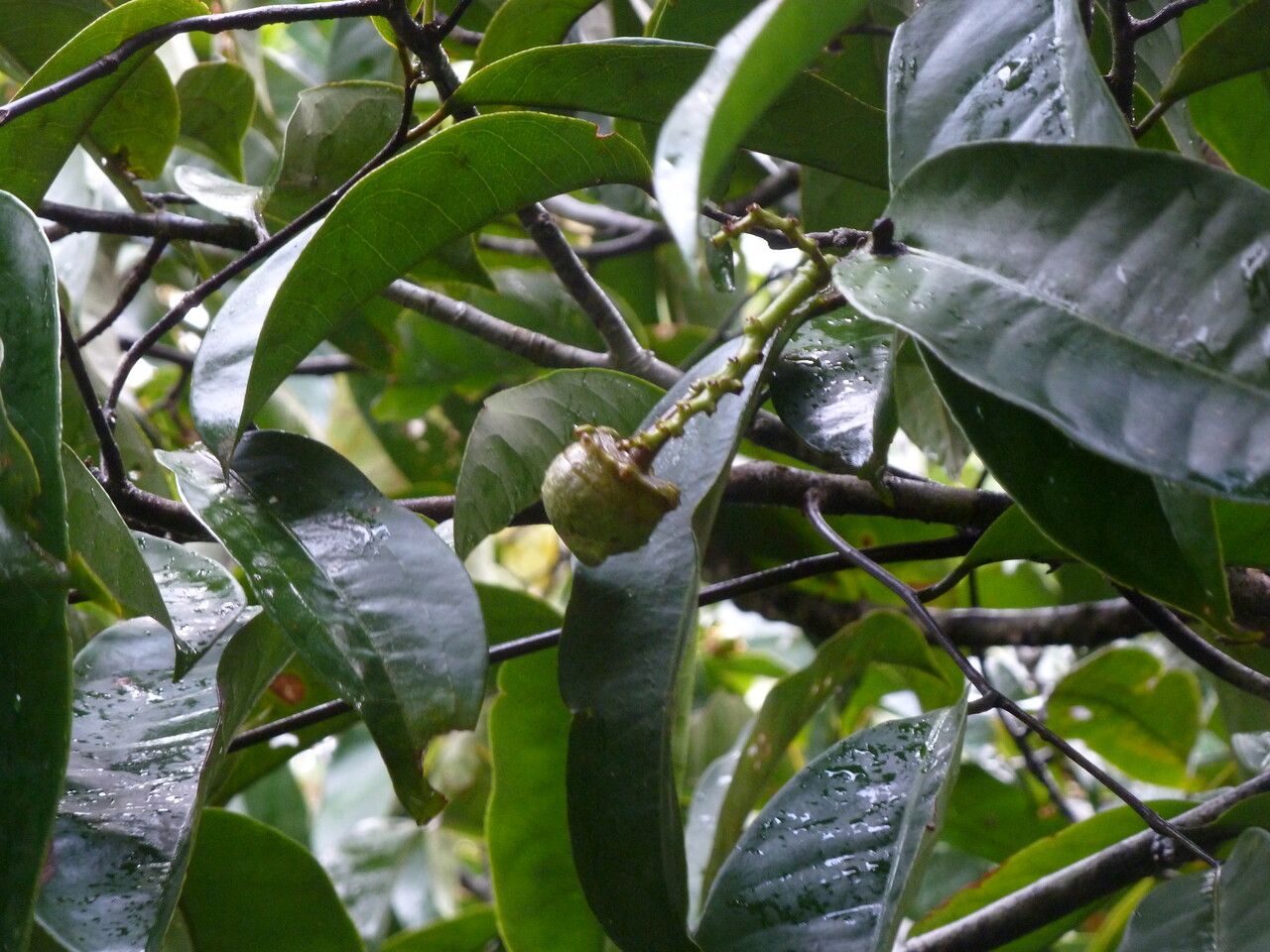
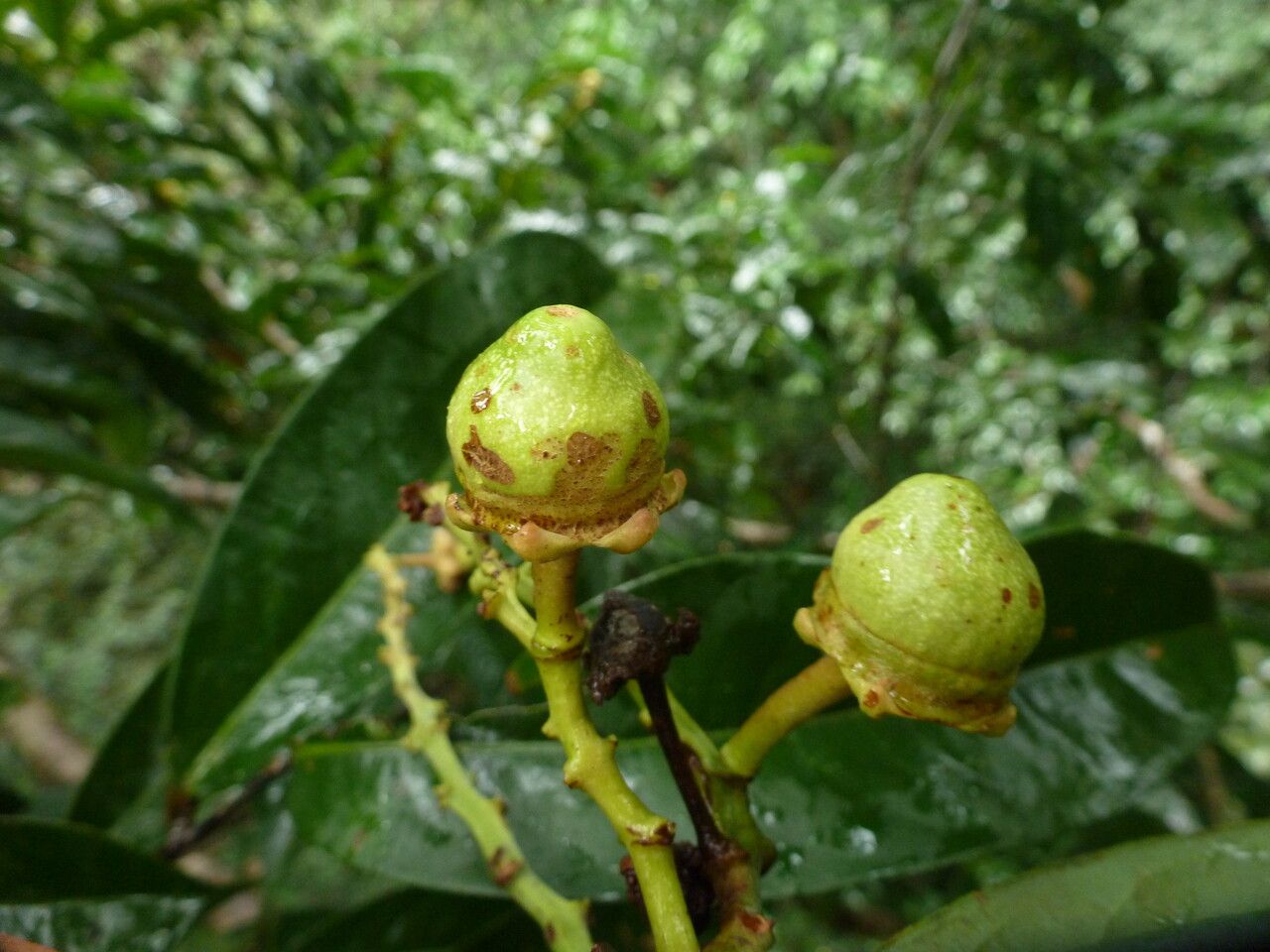
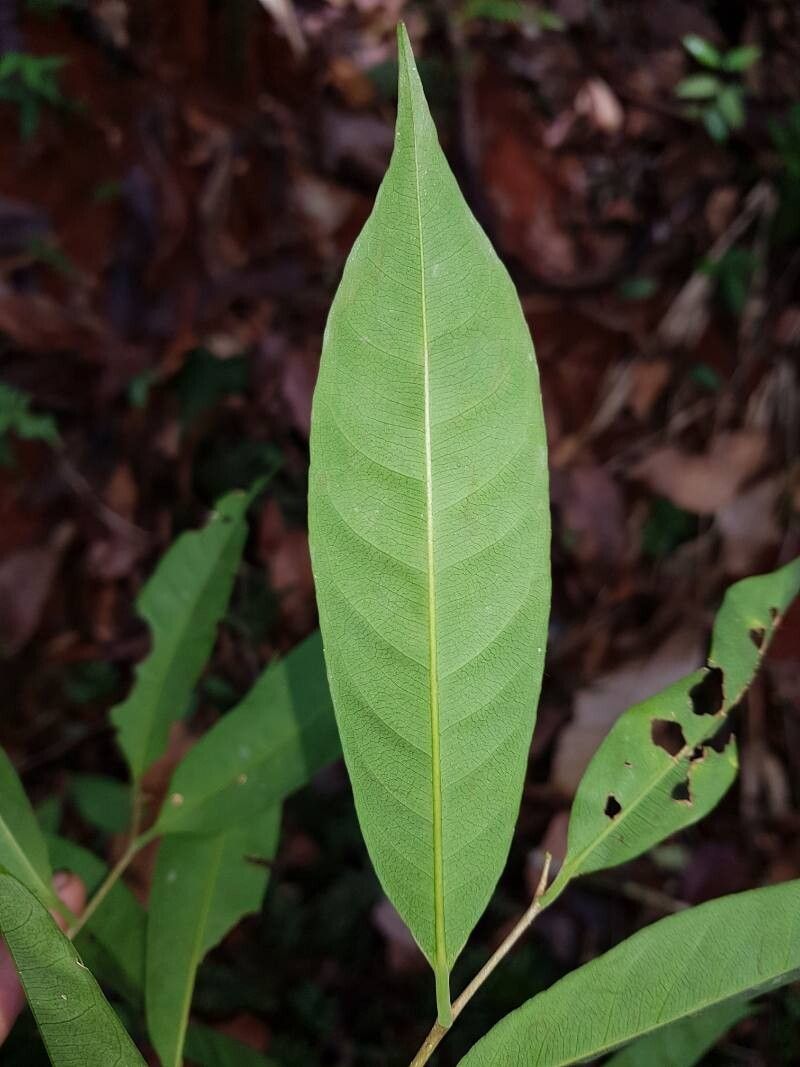
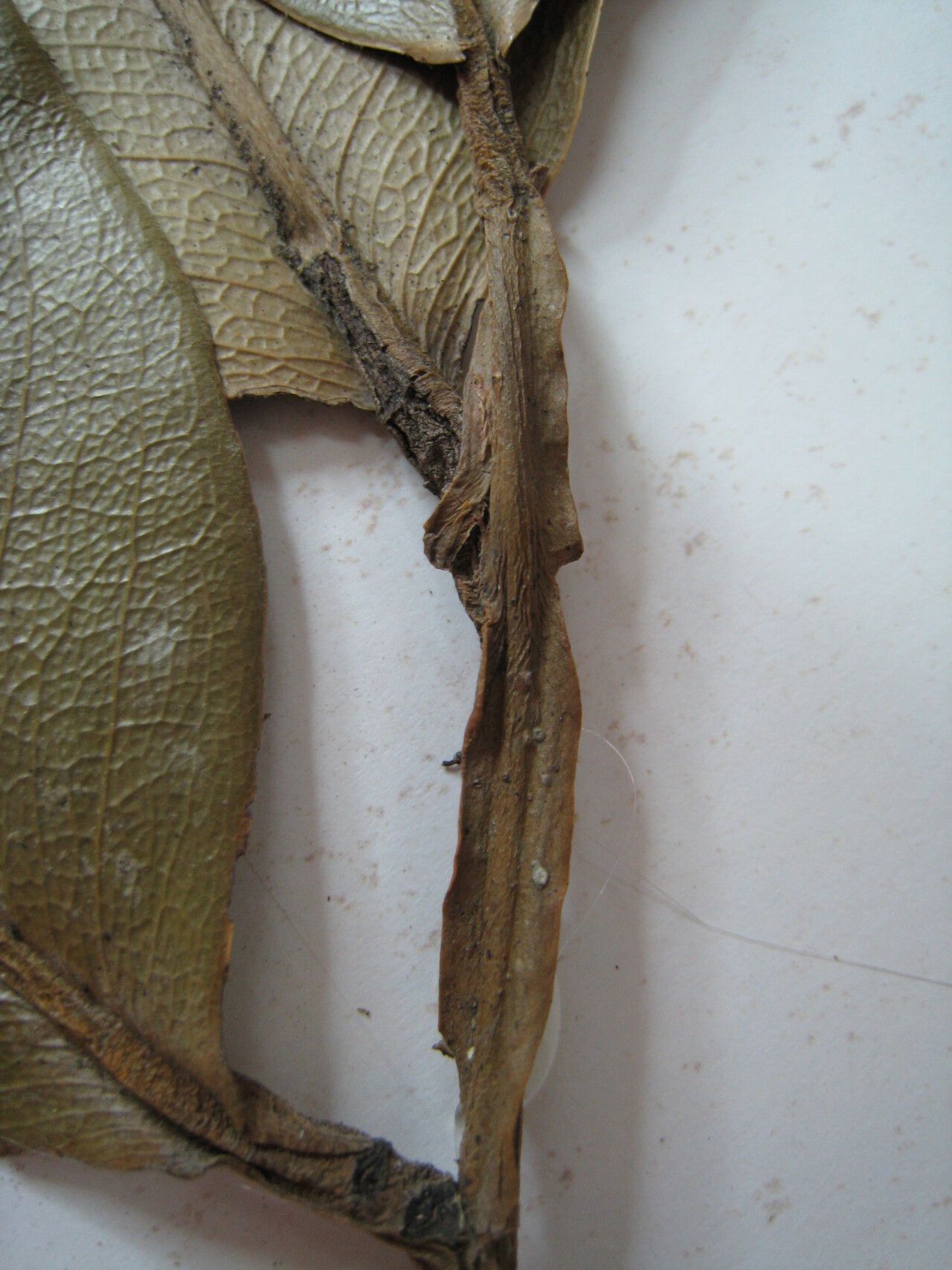
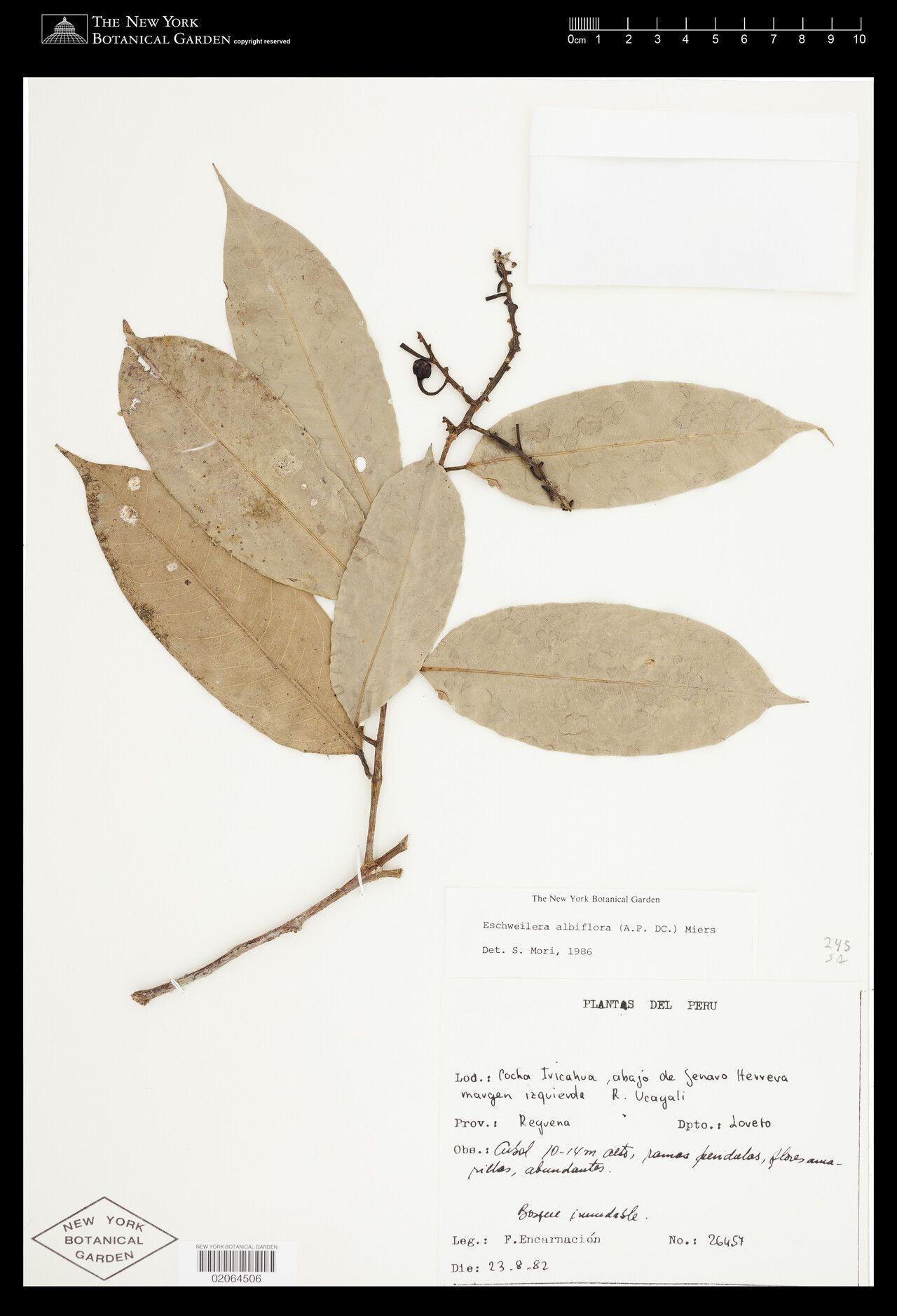
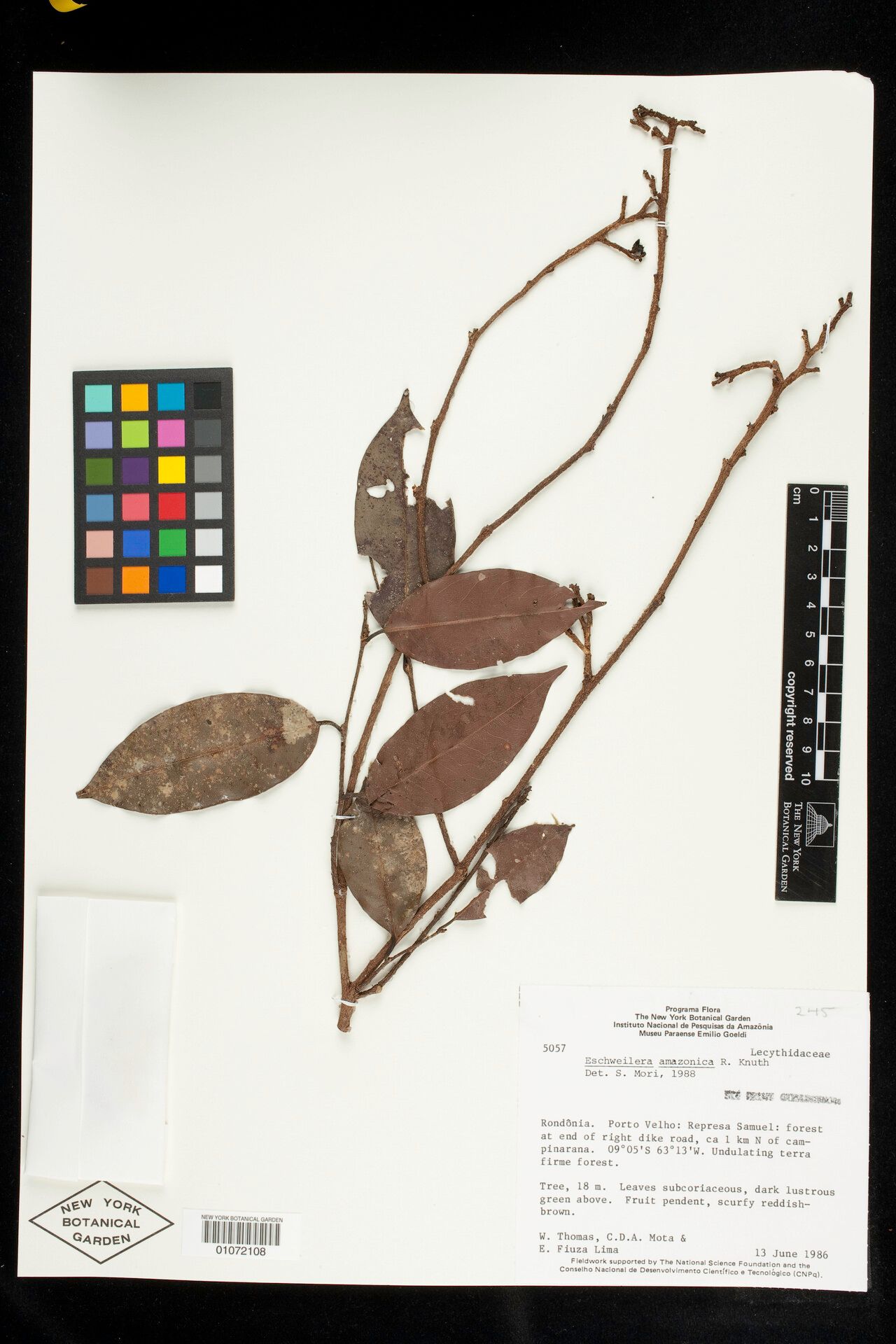
Eschweilera coriacea (Portuguese: matamatá) is a species of tree in the family Lecythidaceae. It is native to Honduras, Panama and South America.
Eschweilera coriacea is resistant to disease and is generally not vulnerable to illnesses. With respect to care, this plant is fairly low-maintenance. When grown outdoors it needs only light watering, and larger specimens typically do not require pruning. Smaller plants, however, should be pruned after they finish blooming. Eschweilera coriacea is suitable for anyone who has an outdoor area, such as a garden or deck, and does not demand much prior plant-care experience.
How to keep Eschweilera Coriacea.
Light
Eschweilera coriacea is native to open habitats, such as sunlit meadows and forest margins, where light is plentiful. It does best in full sun but can tolerate partial sun, adapting well to a variety of light conditions.
Water
Eschweilera coriacea thrives in areas with irregular rainfall, needing watering only every 2-3 weeks. Its strong nature and moisture-conserving roots allow it to withstand dry spells, making it well-suited for environments with unpredictable rain patterns.
Temperature
Eschweilera coriacea comes from tropical areas, where the climate is generally warm and humid. Consequently, it is well suited to high temperatures and moisture. It does not tolerate sudden temperature changes and prefers a steady thermal environment, so avoiding temperature fluctuations indoors is important. It typically cannot withstand cold and needs higher temperatures to grow. If the surrounding temperature drops too low, the plant may stop growing or even die.
Fertilizer
Fertilization is essential for caring for Eschweilera coriacea. Regular feeding throughout the growing season helps maintain the energy needed for its showy leaves and supports overall growth. If fertilization is neglected, leaves can become unhealthy, the plant’s ornamental value can decline, and growth may be stunted or weak and prone to breakage.
Pruning
Eschweilera coriacea features dense foliage and large leaves. To promote airflow and overall health, it's important to prune dead branches and crowded areas during the dormant period, which is from early to late winter. Using clean tools, regular pruning helps maintain the plant's shape and enhances its growth.
Botanical profile.
- Plant Type
- Tree
- Life Cycle
- Perennial
- Genus
- Eschweilera
- Family
- Lecythidaceae
- Hardiness Zone
- 10-12
- Mature Height
- 20.12 m to 39.93 m
- Mature Spread
- 10.06 m to 14.94 m
- Leaf Color
- Dark Green
- Leaf Type
- Evergreen
- Flower Color
- White, Cream
- Flower Size
- 2.03 cm to 3.05 cm
- Bloom Time
- All year round
- Planting Time
- Spring, Summer, Autumn
- Harvest Time
- All year round
- Native Area
- Colombia, Bolivia, Venezuela, Peru, Guyana, Ecuador, Panama
Reader questions.
What are the sunlight requirements for Eschweilera coriacea?
Eschweilera coriacea flourishes in environments with ample light, such as sunny meadows and forest edges. It thrives best in full sun, which means it requires more than 6 hours of sunlight daily. However, it can also tolerate partial sun conditions, receiving about 3-6 hours of sunlight. It's essential to observe how sunlight moves through your garden to find spots offering the ideal balance of light and shade, ensuring the plant's health and happiness.
How do indoor Eschweilera coriacea plants benefit from artificial lighting?
Indoor Eschweilera coriacea plants require significant light for optimal growth. When natural sunlight is inadequate, especially during winter or in less sunny areas, artificial light becomes crucial. LED lights are a preferred option because they can be tailored to deliver specific light wavelengths needed by the plants. The recommended artificial light intensity is 30-50W per square foot for full sun plants and 20-30W per square foot for partial sun plants. Proper placement involves setting the light source 12-36 inches above the plant and ensuring it receives 8-12 hours of light per day to mimic natural daylight conditions as closely as possible.
What are the common symptoms of light deficiency in Eschweilera coriacea?
Eschweilera coriacea shows several symptoms when exposed to suboptimal lighting, including smaller new leaves, leggy or sparse growth, faster leaf drop, halted or no new growth, and lighter-colored new leaves. Other adverse effects of improper sunlight include chlorosis or the yellowing of leaves, sunscald on leaves or stems, leaf curling as a form of defense against excessive sunlight, wilting due to loss of turgor pressure, and leaf scorching characterized by brown, dry edges or patches on leaves.
How can I improve light conditions for Eschweilera coriacea indoors and outdoors?
To optimize growth for Eschweilera coriacea indoors, gradually transition the plant to a sunnier location to achieve at least 6 hours of direct sunlight daily, utilizing a south-facing window for natural light or artificial lights for additional support. Outdoors, it's crucial to gradually adjust the plant to more sunlight each week to prevent sunburn. Reducing obstructions such as by pruning tree branches can also enhance light exposure. If necessary, transplanting smaller plants to a sunnier location with good drainage during their dormant period can significantly improve light conditions.