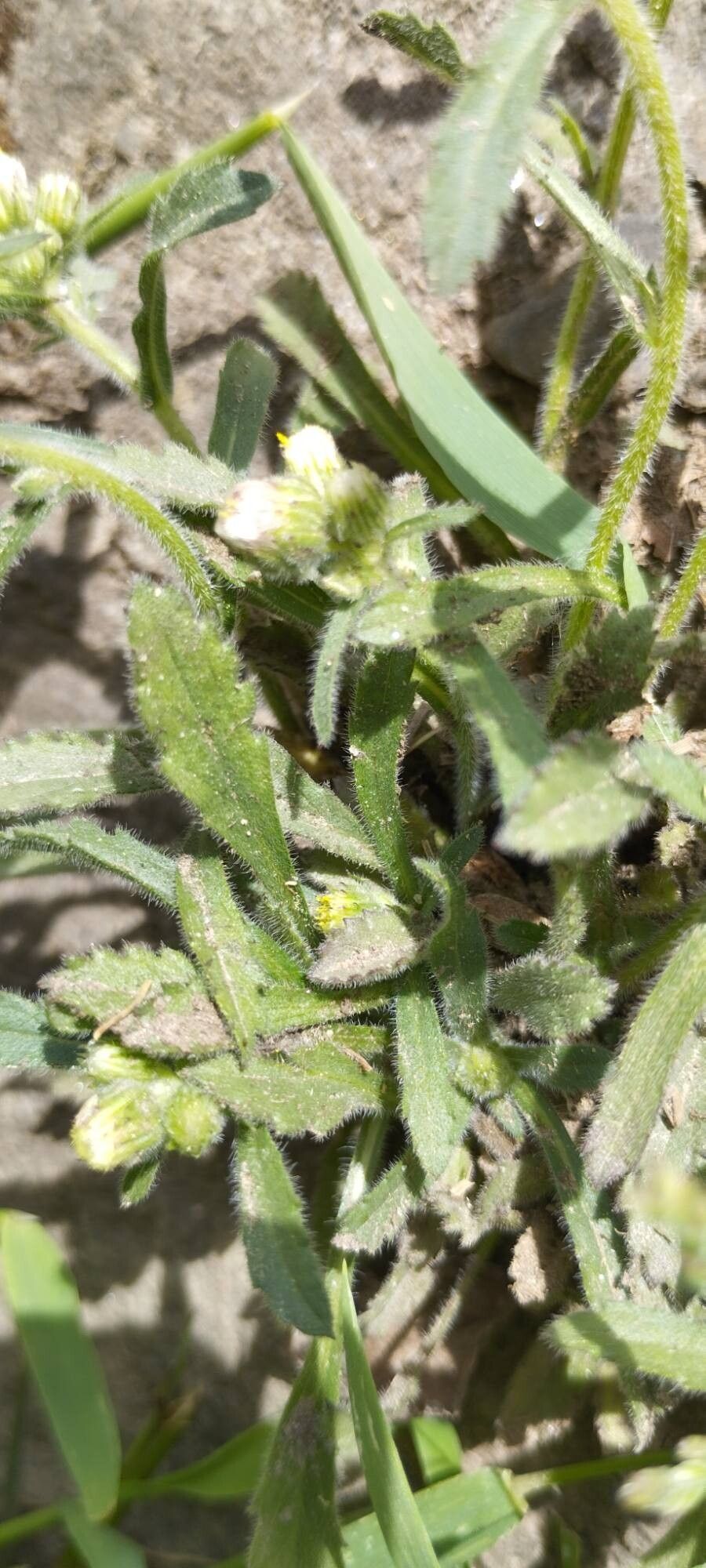
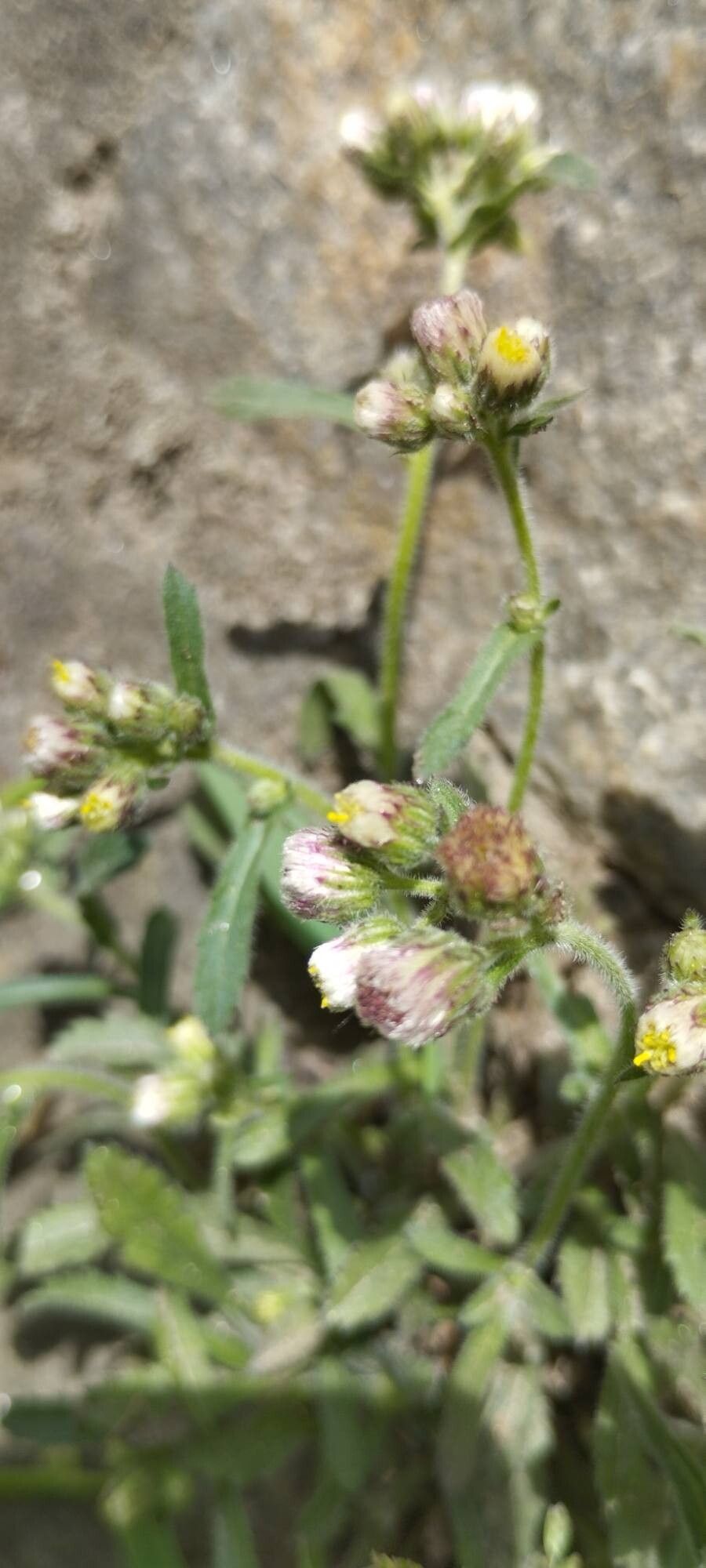
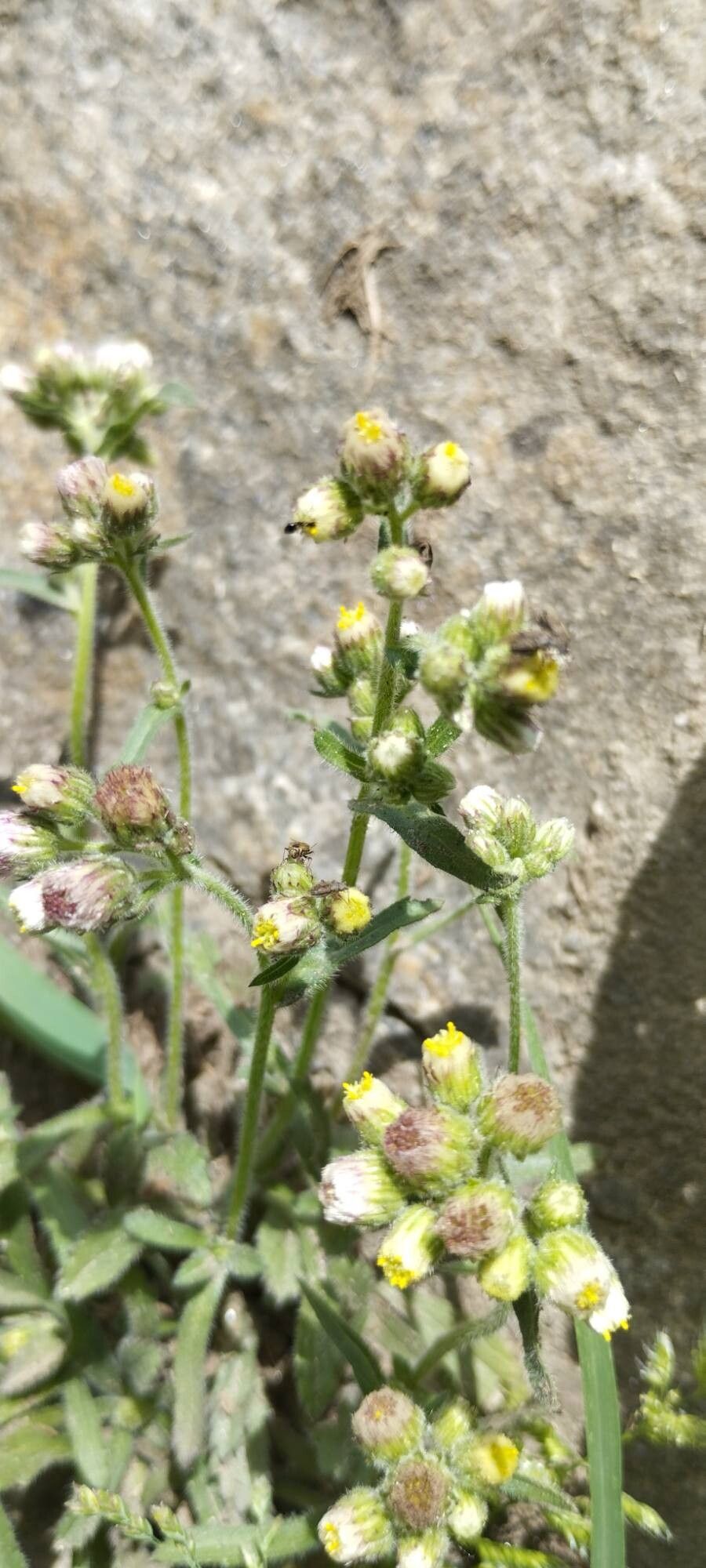
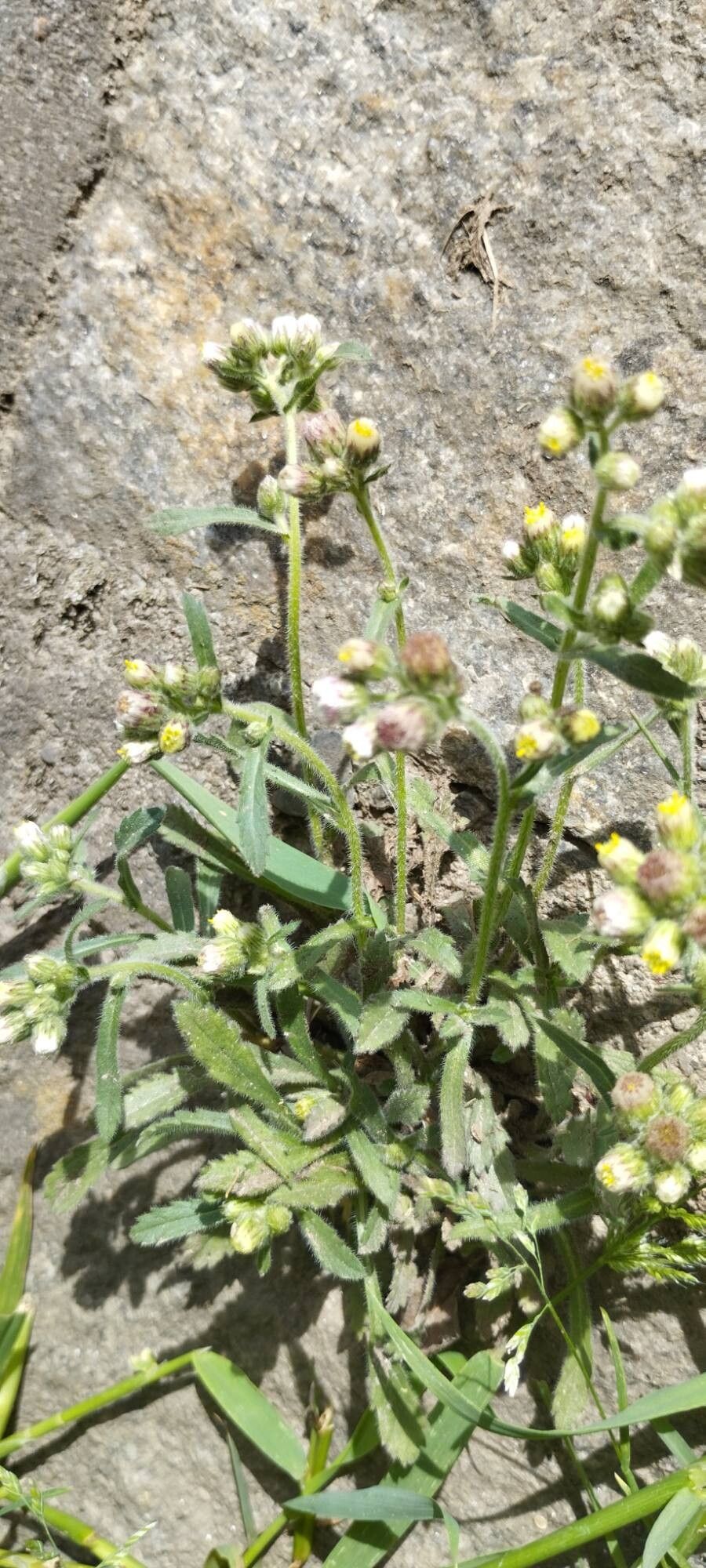
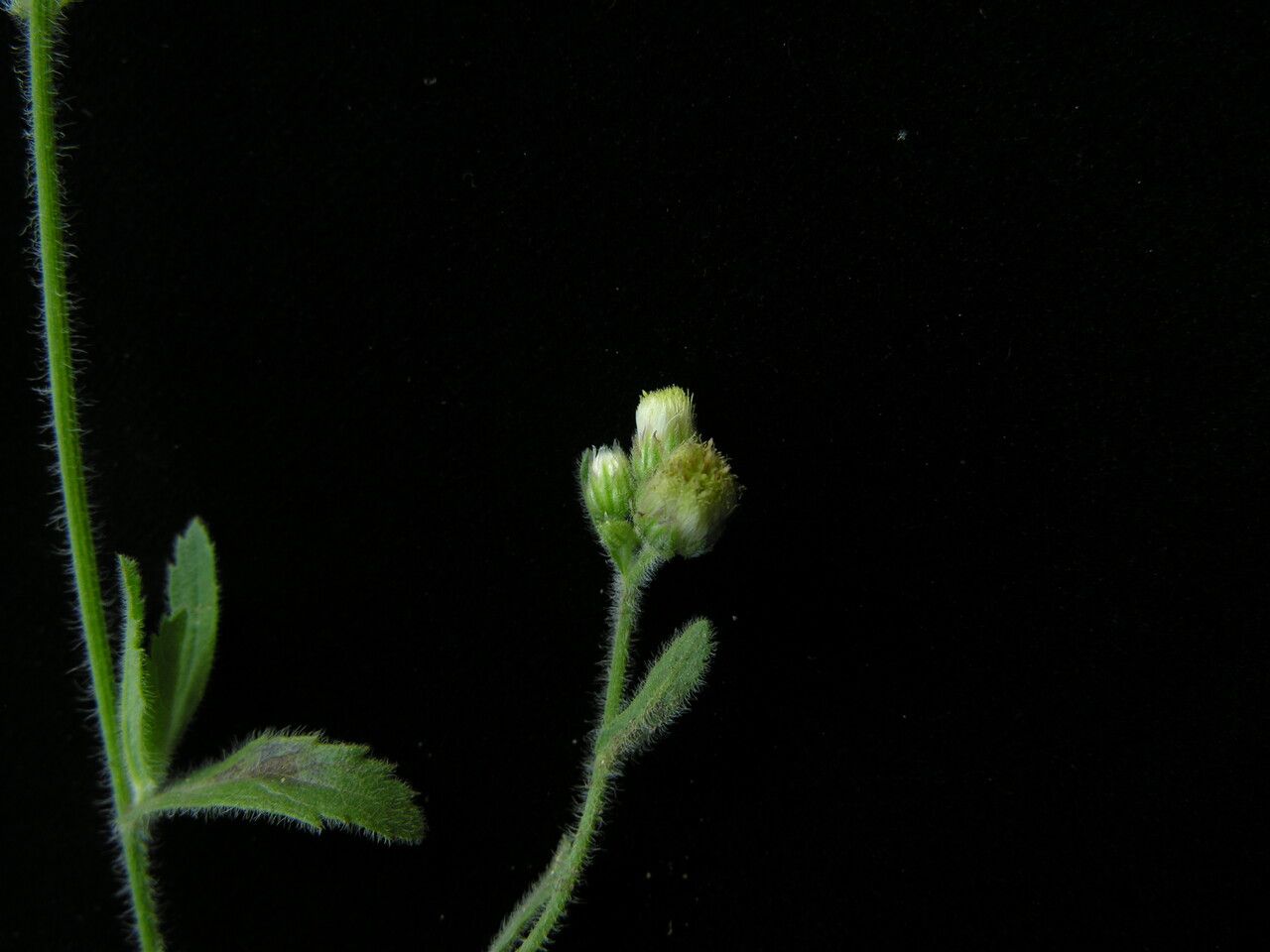
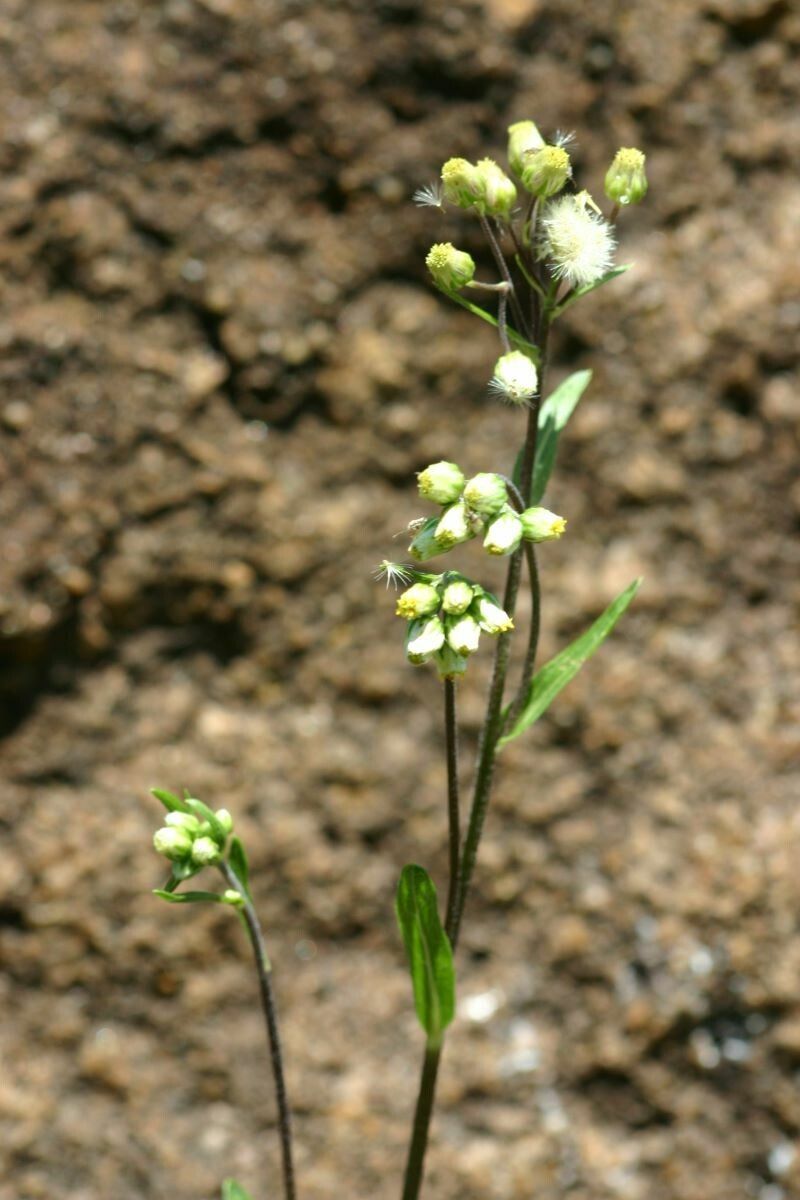
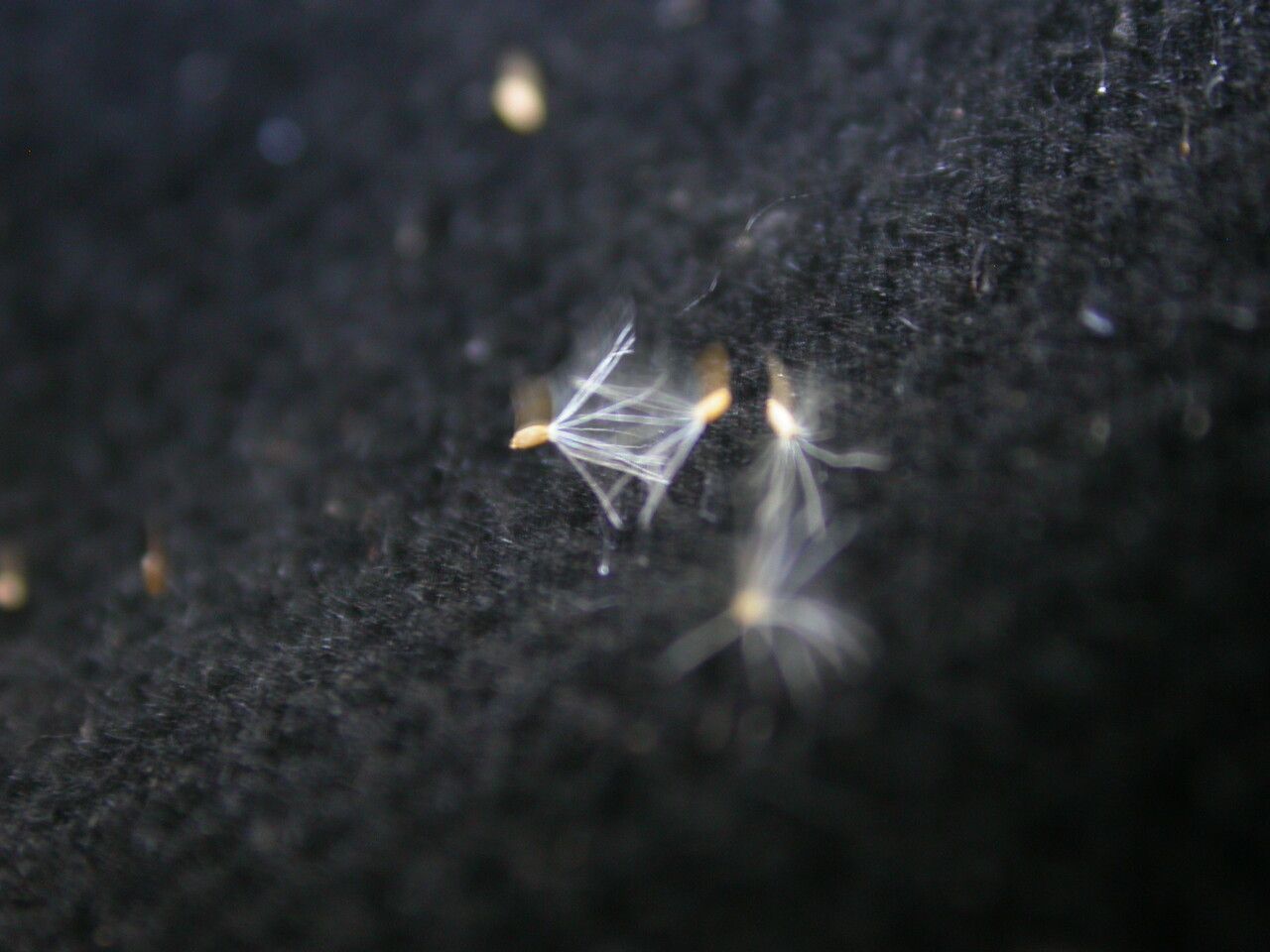
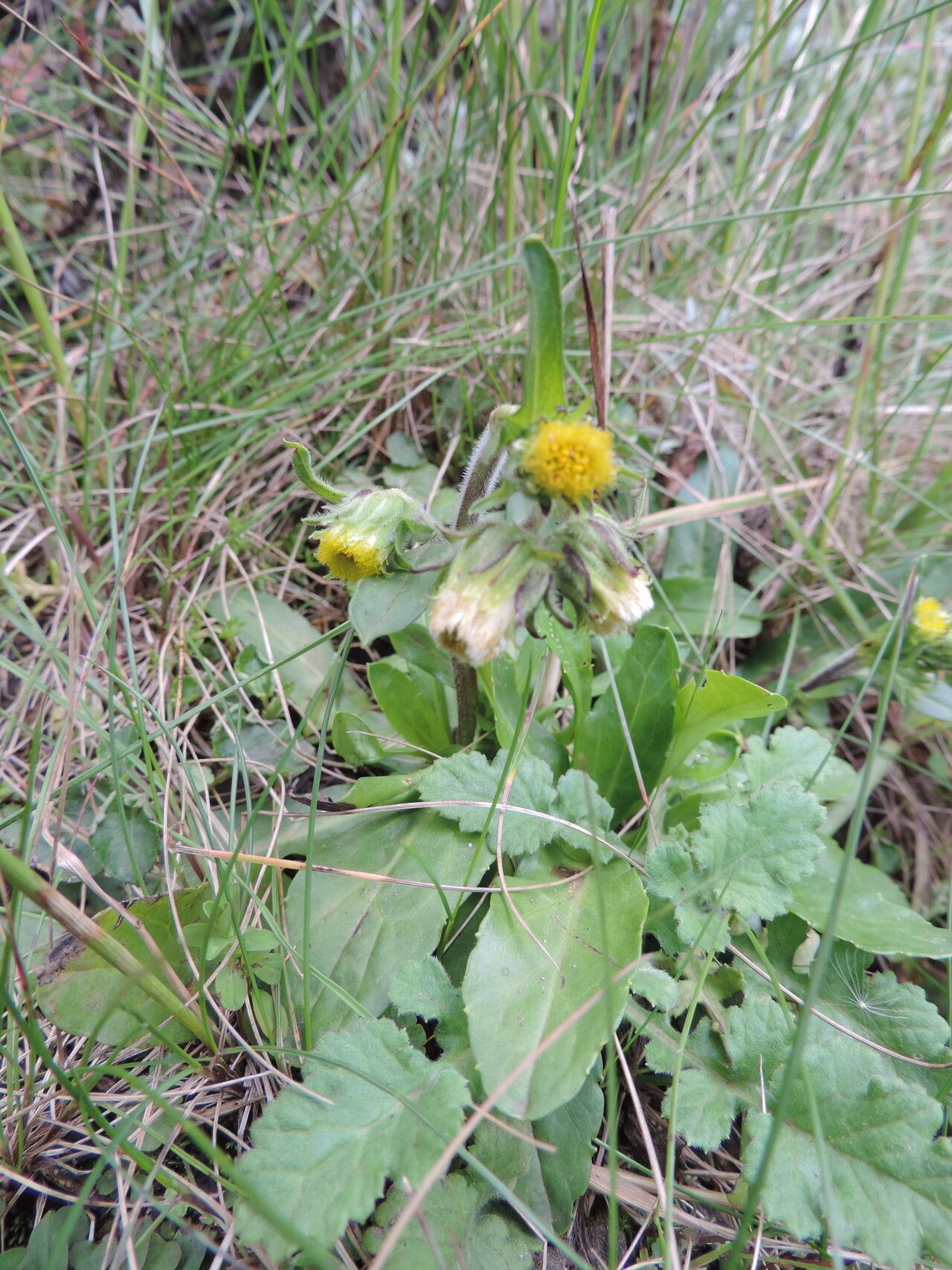
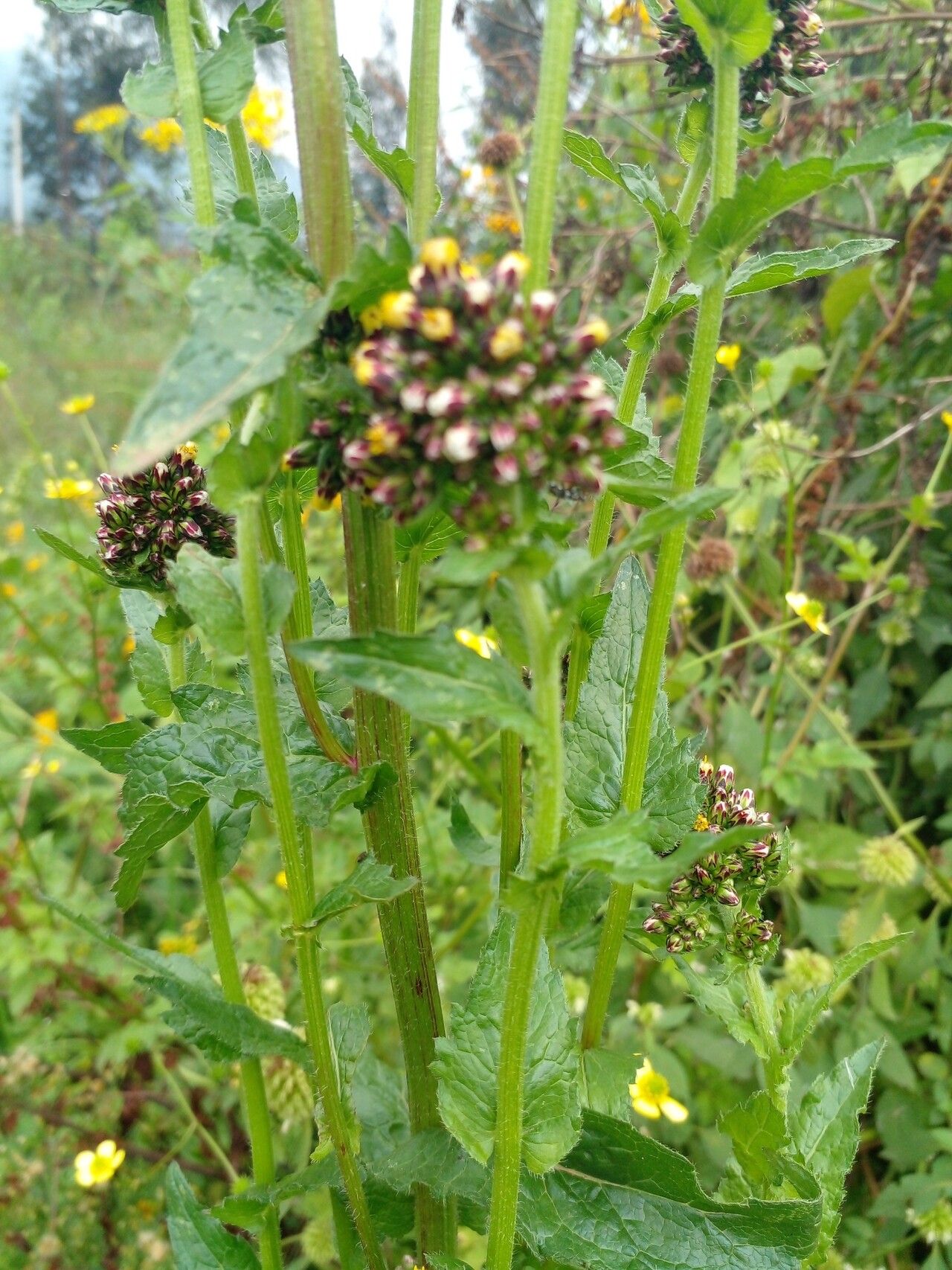
Japanese fleabane has strong resistance to disease and is typically not vulnerable to illnesses. Still, it can be affected by pests and diseases present in its environment. Such infections are generally mild. Regarding care, this plant needs moderate maintenance. It should be pruned regularly to keep a neat appearance and support healthy growth. Fertilizing can also encourage flowering. Japanese fleabane is appropriate for anyone with outdoor areas like a garden or patio and does not demand extensive experience in plant care. It may need more attention if cultivated indoors.
How to keep Eschenbachia Japonica.
Light
Japanese fleabane is native to habitats where sunlight is patchy, like understories of forests or rocky zones that offer natural shading. It flourishes in semi-sunlit spaces but is also capable of withstanding full sun exposure.
Water
Japanese fleabane thrives in consistently moist conditions without becoming waterlogged. It is moderately drought-tolerant and benefits from humidity. To maintain optimal moisture levels, weekly watering is essential. This plant is well-suited for temperate gardens, as it adapts to varying rainfall patterns and can withstand occasional dry spells.
Temperature
Japanese fleabane is native to moderate climates and thrives in a warm environment where temperatures fluctuate between 68 to 95 °F (20 to 35 ℃). To guarantee its best growth, this temperature spectrum should be preserved as the seasons shift.
Fertilizer
When the majority of the flowers on the Japanese fleabane are fully bloomed, it is an indication to commence fertilization. Begin the fertilization process every three to four weeks during the period when the plants are at their maximum blooming phase, depending on the weather. However, once the Japanese fleabane starts producing less new flowers, halt the fertilization process since it becomes unnecessary when the plant is no longer capable of blooming.
Pruning
Japanese fleabane features delicate, daisy-like flowers and thrives in various conditions. To encourage growth and minimize disease, prune it from early to late spring, making cuts just above healthy buds. After the plant flowers, trim it to encourage continuous blooming, which will help maintain a vibrant and healthy plant with optimal recovery.
Botanical profile.
- Plant Type
- Herb
- Life Cycle
- Annual
- Genus
- Eschenbachia
- Family
- Asteraceae
- Hardiness Zone
- 7-9
- Mature Height
- 2.44 m to 4.57 m
- Mature Spread
- 1 cm to 9 cm
- Leaf Color
- Green, Dark Green
- Leaf Type
- Evergreen
- Flower Color
- White
- Flower Size
- 11.43 cm
- Bloom Time
- Late summer, Early fall, Mid fall
- Planting Time
- Spring, Summer, Autumn
- Harvest Time
- Mid fall, Late fall, Early winter
- Native Area
- Nepal, Afghanistan, India, Indonesia, Vietnam, Myanmar, Japan, Philippines, Bhutan, Pakistan, Thailand, China
Reader questions.
What are the ideal growing conditions for Japanese fleabane?
Japanese fleabane, or Eschenbachia japonica, thrives in temperate climates, preferring a warm habitat with temperatures ranging between 68 to 95 °F (20 to 35 °C). To ensure optimal development, it's crucial to maintain this temperature range throughout the changing seasons. The plant possesses strong cold resistance, negating the need for special frost protection measures during winter in most cases. However, when winter temperatures are expected to drop below -15°C, it's important to protect the plant using soil or straw coverings. It's also recommended to water the plant abundantly before the first freeze in autumn to keep the soil moist, aiding in preventing drought and water scarcity during winter and early spring.
How does Japanese fleabane react to low temperatures, and what should be done?
Japanese fleabane is notably cold-tolerant and excels in conditions where temperatures are above 20°C. During the winter, it is pivotal to keep temperatures above 0°C. When the temperature falls below -15°C, the plant may not show noticeable changes during winter but may experience a decrease in sprouting or fail to sprout at all come springtime. The recommended course of action in spring for plants that have failed to sprout is to remove these unproductive parts, allowing for the promotion of new growth.
What are the effects of high temperatures on Japanese fleabane, and how can they be mitigated?
During the summer months, it's crucial for the health of Japanese fleabane to keep it below 35°C. Exceeding temperatures of 38°C can lead to the leaves becoming lighter in color, prone to curling, susceptible to sunburn, and, in severe cases, causing the entire plant to wilt and dry out. To mitigate these issues, it's advised to trim away the sunburned and dried-up parts of the plant. Relocating the plant to a shaded area during the midday and afternoon sun or utilizing a shade cloth can provide necessary protection. Additionally, watering the plant in the morning and evening helps keep the soil moist and supports the plant's overall health during high temperature periods.