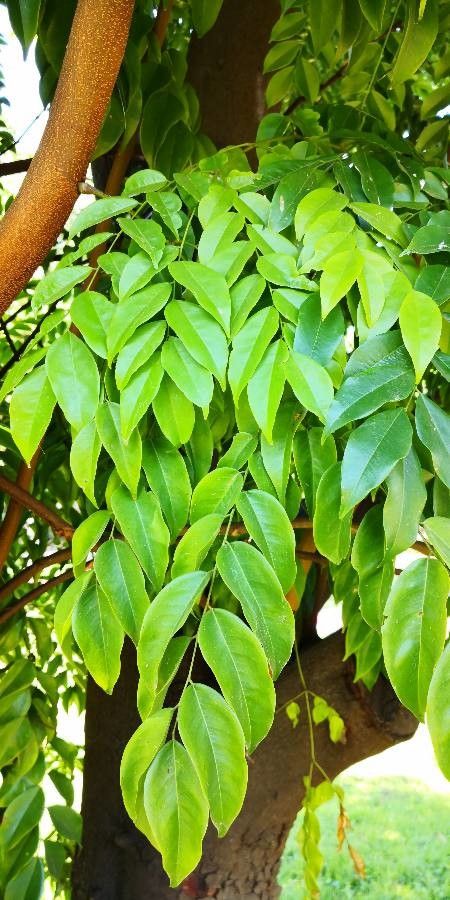
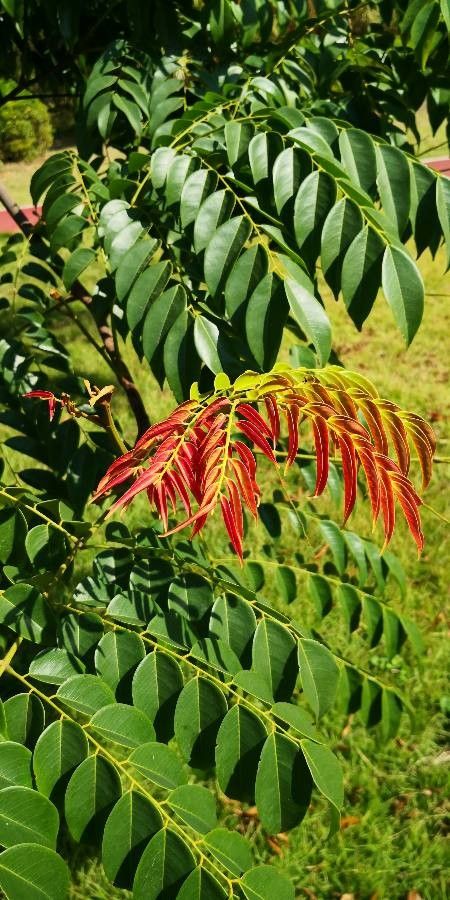
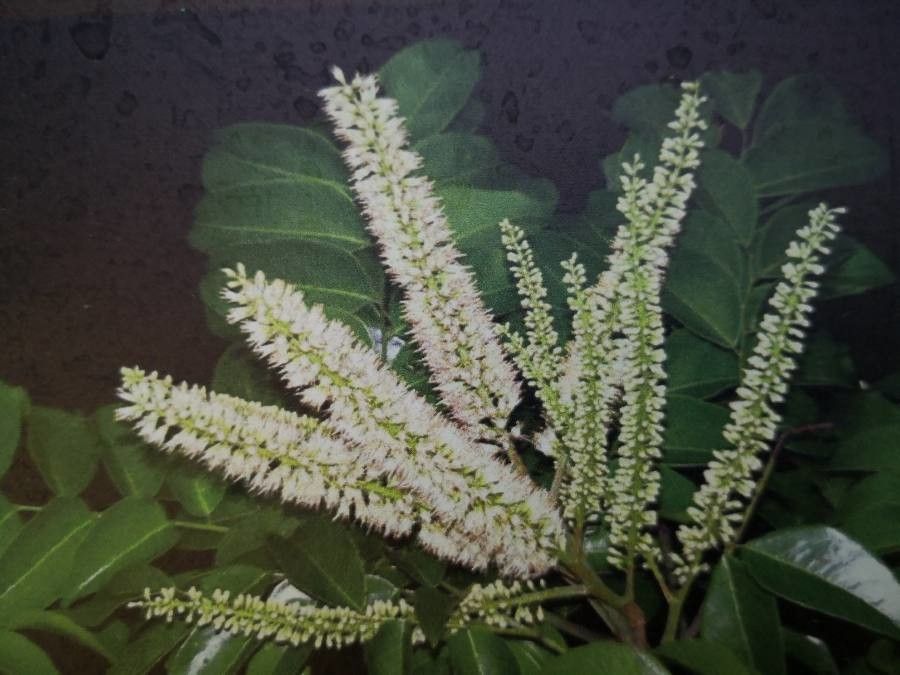
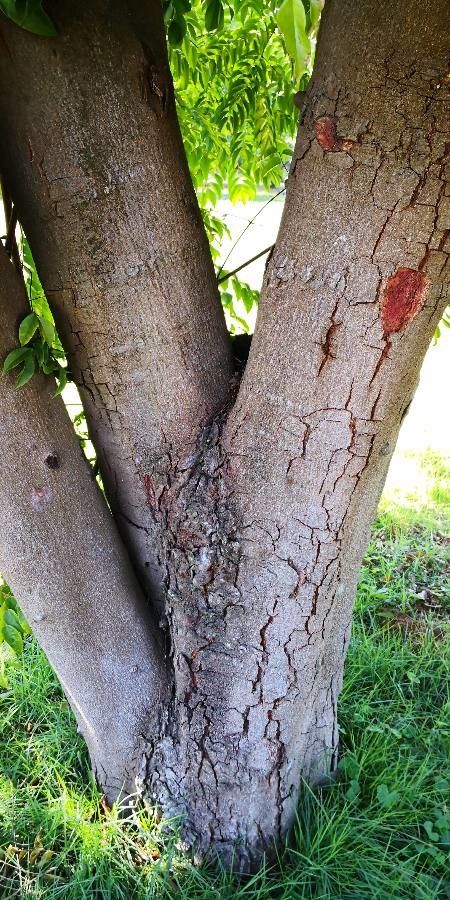
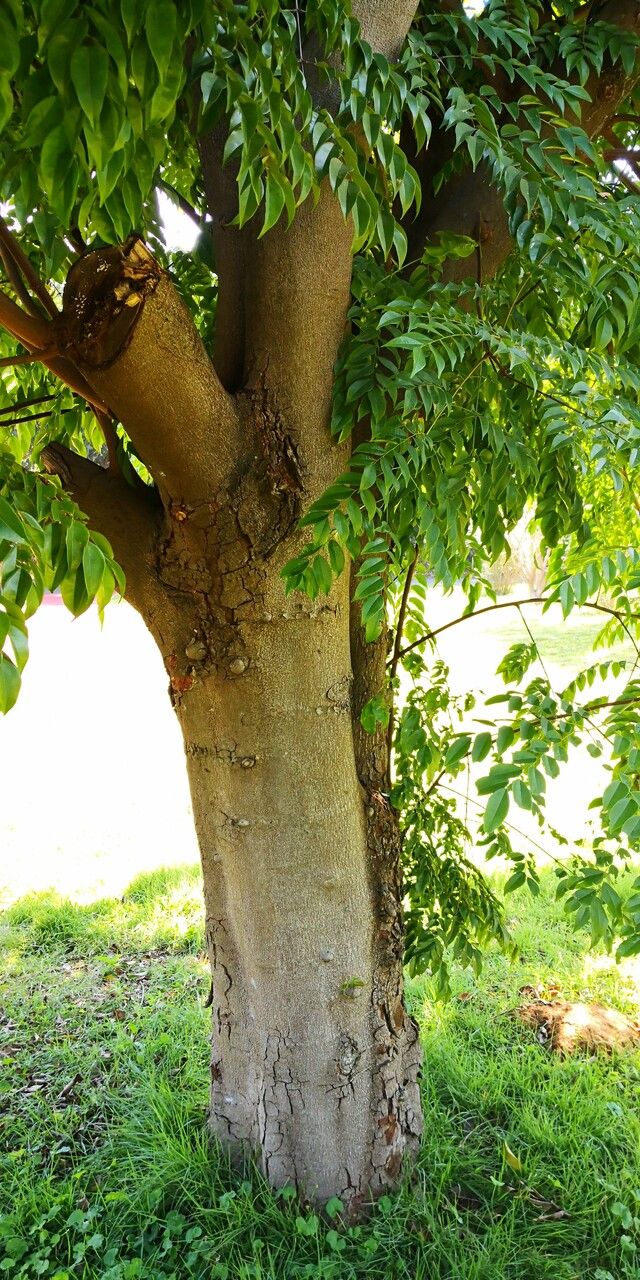
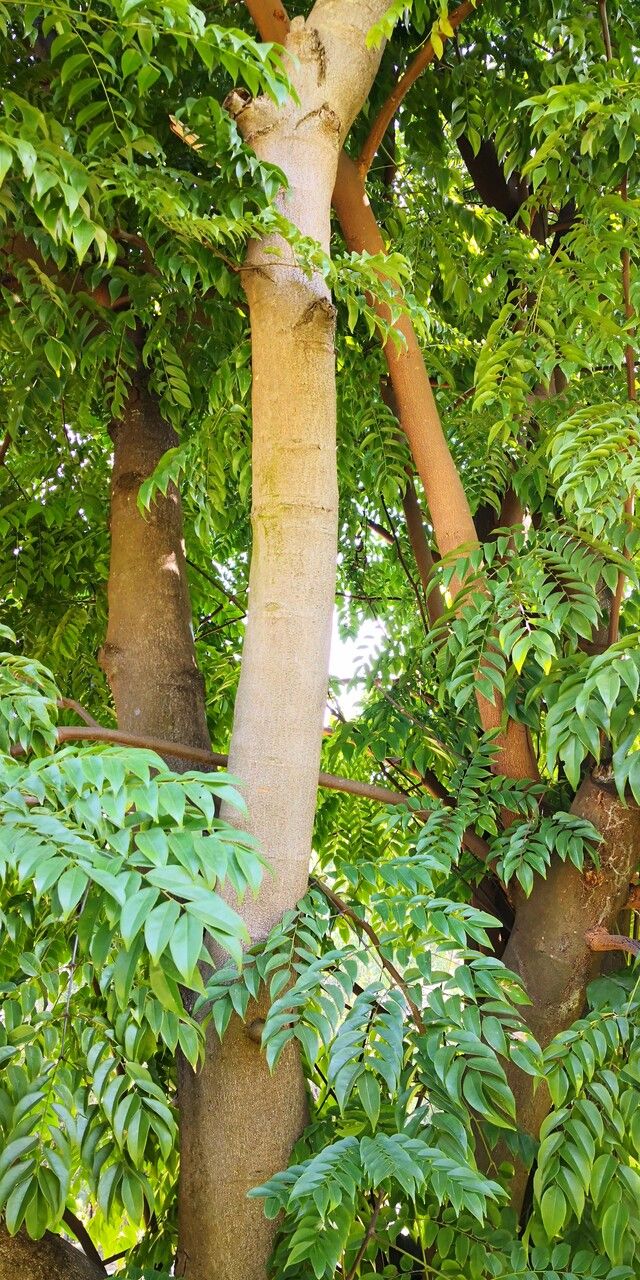
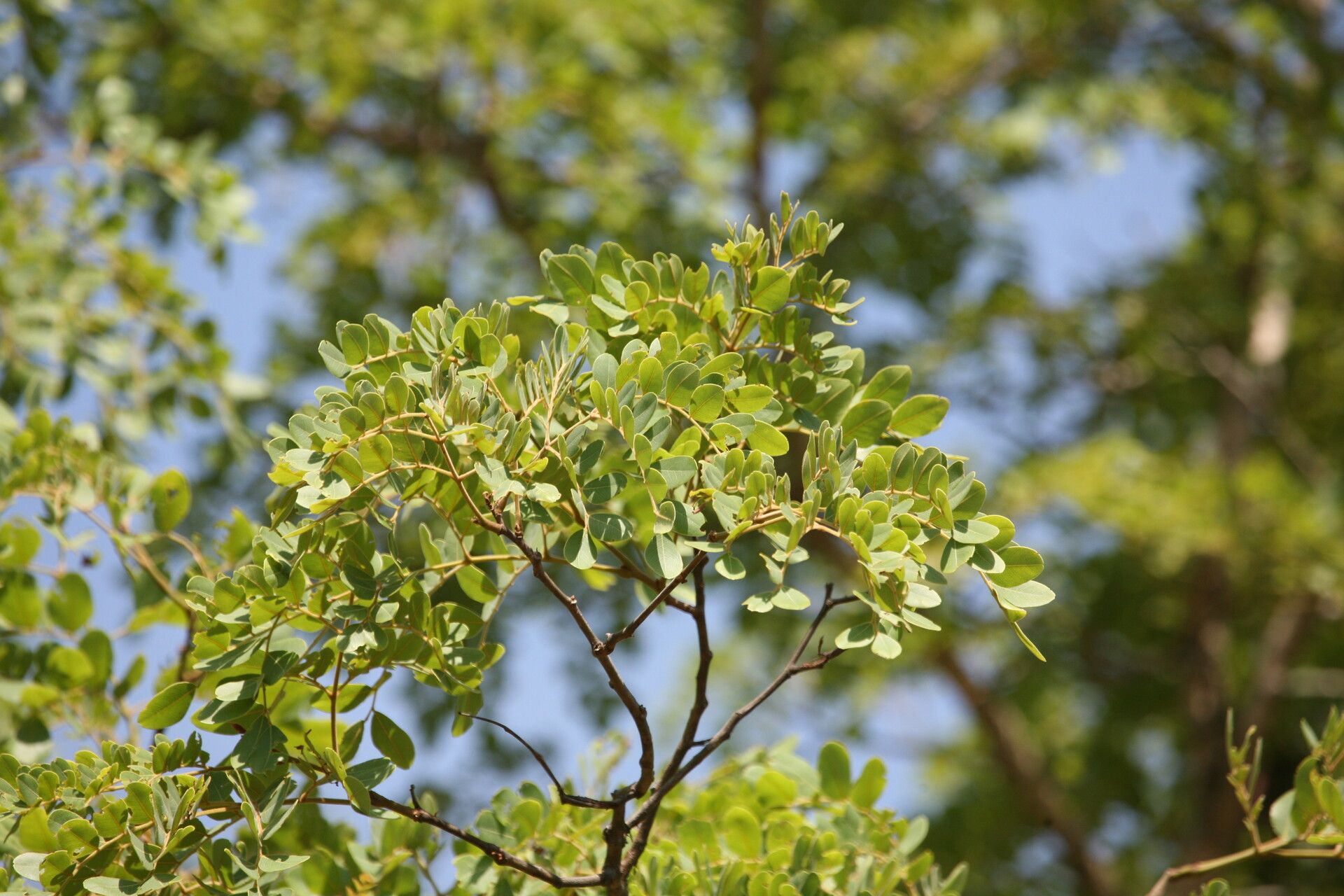
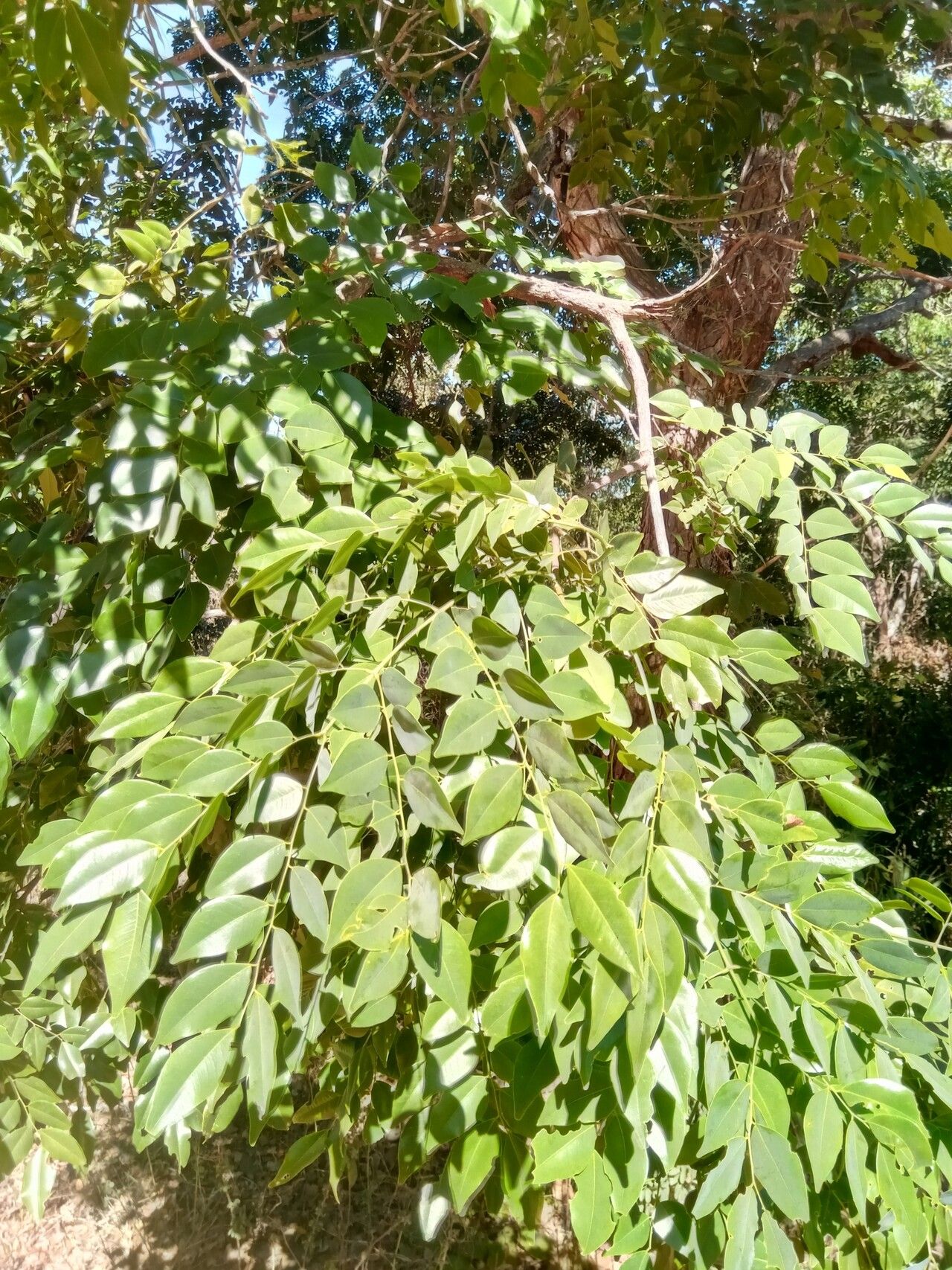
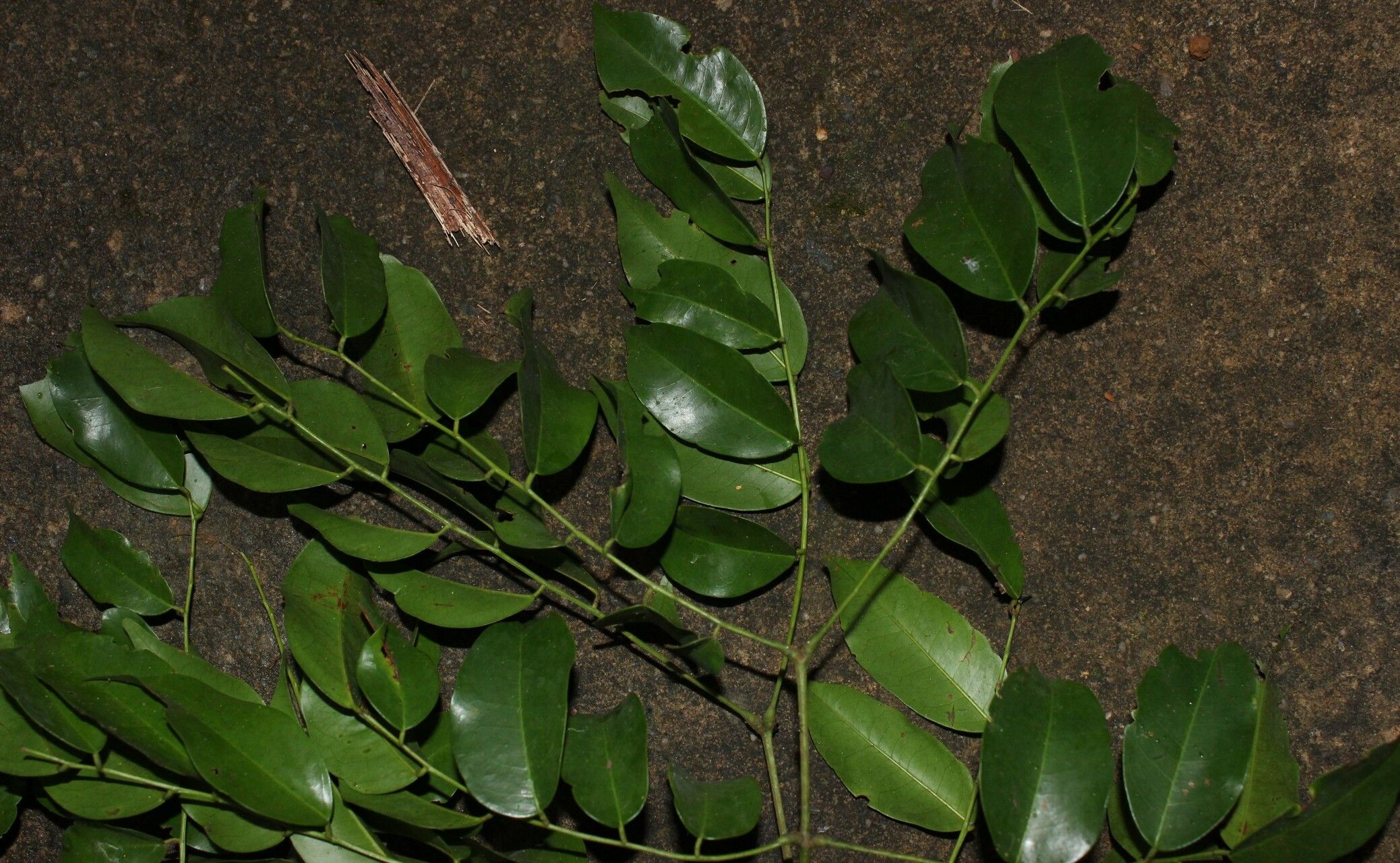
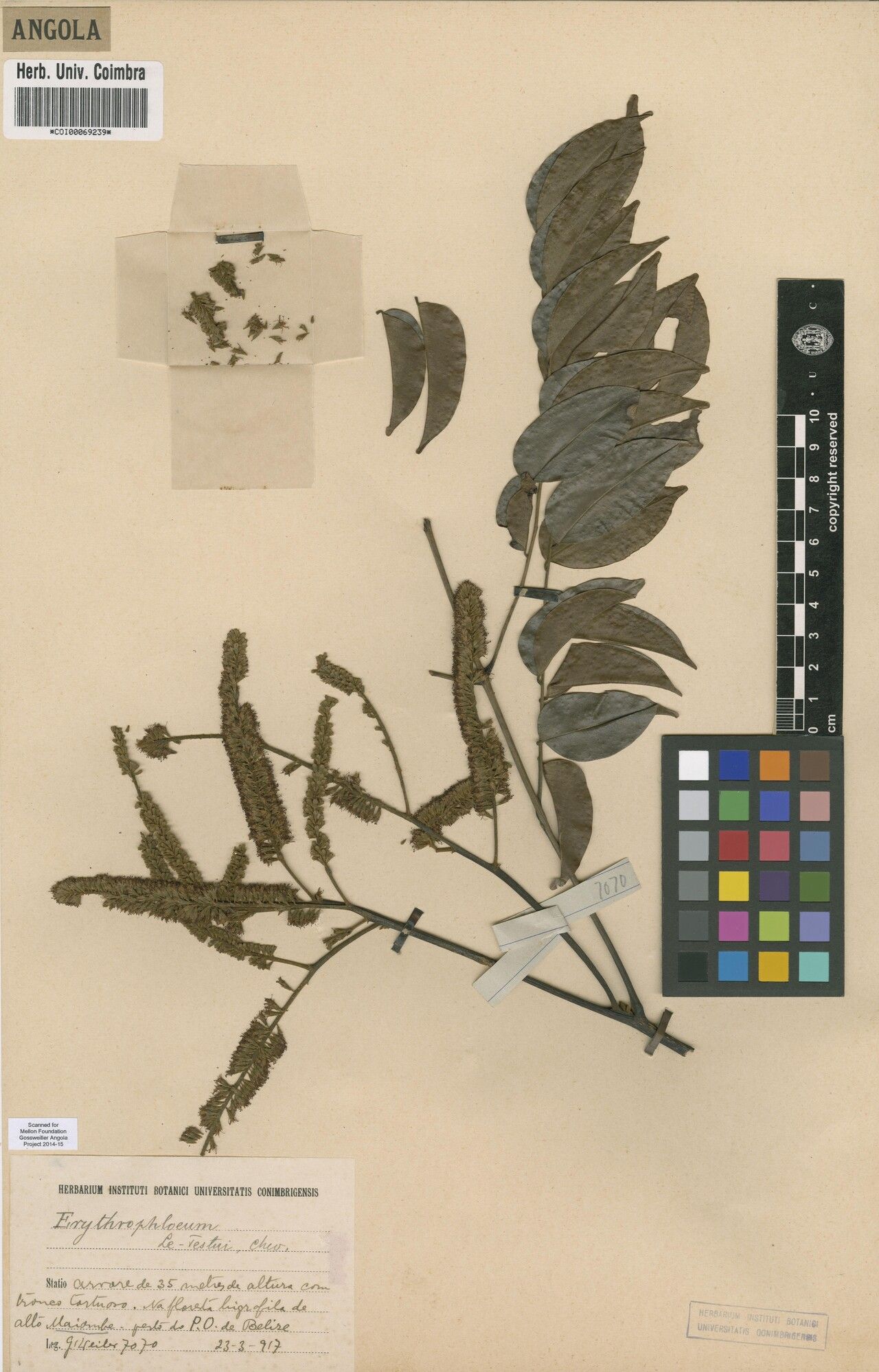
Erythrophleum fordii is a species of plant in the family Fabaceae. It is a tree about 10 metres (33 ft) tall, occasionally reaching 30 metres. It is found in southeastern China, Taiwan, and Vietnam. It is a valuable timber tree threatened by overexploitation. It is under second-class national protection in China.
Erythrophleum fordii is resistant to disease and is generally not susceptible to illnesses. Regarding care, this species is fairly low-maintenance. Planted outdoors it needs only light watering, and larger specimens usually do not require pruning; however, smaller plants ought to be pruned after they have finished blooming. Erythrophleum fordiit is appropriate for anyone with an outdoor area, such as a garden or deck, and does not demand much experience in plant care.
How to keep Erythrophleum Fordii.
Light
Erythrophleum fordii is native to open habitats, like sunny meadows and forest edges, that provide abundant light. It thrives in full sun but can also tolerate partial sun, adapting well to various sunlight conditions.
Temperature
Erythrophleum fordii is native to habitats where temperatures range from 59 to 100.4 °F (15 to 38 °C). It prefers climates within that range. Seasonal temperature adjustments should be made as needed to reproduce these conditions.
Fertilizer
Apply fertilizer to your Erythrophleum fordii in early spring to encourage healthy growth. Regular feeding improves overall health, producing vigorous growth, increased resilience to harsh conditions, and enhanced resistance to pests and diseases. Keep to a consistent fertilization schedule to preserve vibrant, deeply colored, and lush foliage.
Pruning
Erythrophleum fordii is a distinctive tree known for its dense hardwood and vibrant flowers. To maintain its health and appearance, prune the tree in early spring. This helps remove dead branches and improves air circulation. Regular maintenance is important for preventing overcrowding, promoting better flowering, and supporting a strong structure.
Botanical profile.
- Plant Type
- Tree
- Life Cycle
- Perennial
- Genus
- Erythrophleum
- Family
- Fabaceae
- Hardiness Zone
- 8-11
- Mature Height
- 10.06 m to 29.87 m
- Mature Spread
- 10.06 m to 14.94 m
- Leaf Color
- Dark Green
- Leaf Type
- Deciduous
- Flower Color
- White, Yellow
- Flower Size
- 15.24 cm to 20.32 cm
- Bloom Time
- Late spring, Early summer
- Planting Time
- Spring, Summer, Autumn
- Harvest Time
- Late summer, Early fall, Mid fall
- Native Area
- Cambodia, Vietnam, Laos, China
Reader questions.
What are the sunlight requirements for Erythrophleum fordii?
Erythrophleum fordii requires full sun to partial sun to thrive, meaning it should receive above 6 hours of sunlight for full sun and about 3-6 hours for partial sun. It originates from open environments such as sunny meadows and forest edges, which provide it with ample light. However, it's adaptable and can tolerate various sunlight conditions, making it versatile for different garden spots. It's important to watch how sunlight moves through your garden to ensure your plants get a balance of light and shade for optimal happiness.
What is the native climate range for Erythrophleum fordii?
Erythrophleum fordii flourishes in native climates with temperatures ranging from 59 to 100.4 °F (15 to 38 °C). It thrives best within these temperature parameters. To cultivate Erythrophleum fordii outside its native range, seasonal temperature adjustments might be needed to imitate its preferred climate.
How can artificial lighting be used for Erythrophleum fordii?
Indoor plants like Erythrophleum fordii require adequate lighting for optimal growth, especially when natural sunlight is insufficient. Artificial lights, particularly LED lights, are beneficial as they can be customized to provide specific wavelengths needed by the plants. Full sun plants need 30-50W/sq ft, partial sun plants need 20-30W/sq ft, and shade plants need 10-20W/sq ft of artificial light. The light source should be placed 12-36 inches above the plant, mimicking natural sunlight's distance, and kept on for 8-12 hours a day to simulate natural daylight hours.
How does Erythrophleum fordii tolerate cold temperatures?
Erythrophleum fordii has a moderate tolerance for cold, generally requiring no special protection when temperatures are above -5°C. If temperatures are anticipated to fall below -5°C, temporary cold protection measures should be taken, such as wrapping the plant in plastic, fabric, or other insulating materials, which must be removed once temperatures rise again.
What are the symptoms of light deficiency in Erythrophleum fordii?
Erythrophleum fordii shows several symptoms when suffering from light deficiency, including smaller new leaves, leggy or sparse growth, faster leaf drop, slower or no growth, and lighter-colored new leaves. These symptoms indicate the plant is not receiving enough sunlight, affecting its chlorophyll production and overall health. Additionally, excessive sunlight exposure can lead to chlorosis, sunscald, leaf curling, wilting, and leaf scorching, which damages the plant's leaves or stems and reduces its health and photosynthetic capacity.
What are the symptoms of low temperature stress in Erythrophleum fordii and how can they be managed?
Erythrophleum fordii displays moderate tolerance to cold but prefers temperatures above 15°C. If temperatures drop below -10°C, its leaves may droop, and in severe cases, wilt and fall off. The management for frost damage includes trimming the affected parts and using protective measures like wrapping the plant in non-woven fabric or constructing a wind barrier to shield it from cold winds.
How can light-induced issues be resolved for Erythrophleum fordii?
To resolve light-induced issues in Erythrophleum fordii, gradually increase its exposure to sunlight by moving the plant to a sunnier location each week until it reaches at least 6 hours of direct sunlight daily. For indoor plants, consider using artificial light for additional support, keeping a lamp on for at least 8 hours daily or investing in plant grow lights. For outdoor plants, avoid sudden changes in light intensity to prevent sunburn. Remove obstructions such as overhanging branches to let more sunlight through and transplant smaller plants during their dormant period to spots with better sunlight and drainage. Certain parts of the plant that suffered from insufficient sunlight may not recover, but new growth should be healthy with improved light exposure.
How does Erythrophleum fordii respond to high temperatures, and what care strategies should be employed?
During high temperatures, especially above 38°C, Erythrophleum fordii's leaves might lighten in color, tips could dry and wither, leaves may curl, and the plant could become prone to sunburn if temperatures exceed 43°C. To mitigate this, remove sunburned or dried parts of the plant, shade it during midday and afternoon sun, and ensure the soil remains moist with morning and evening waterings.