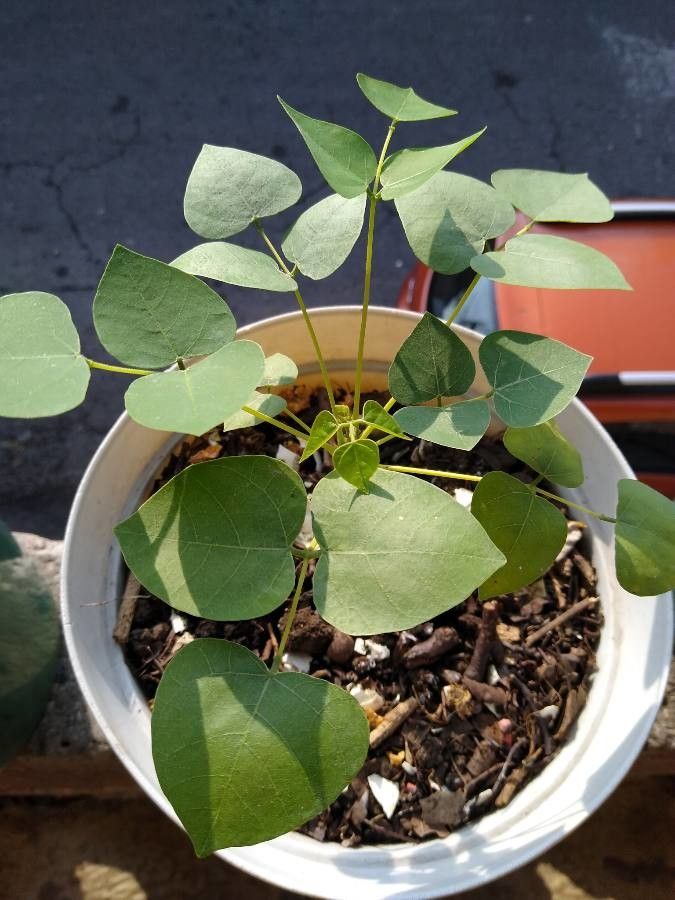
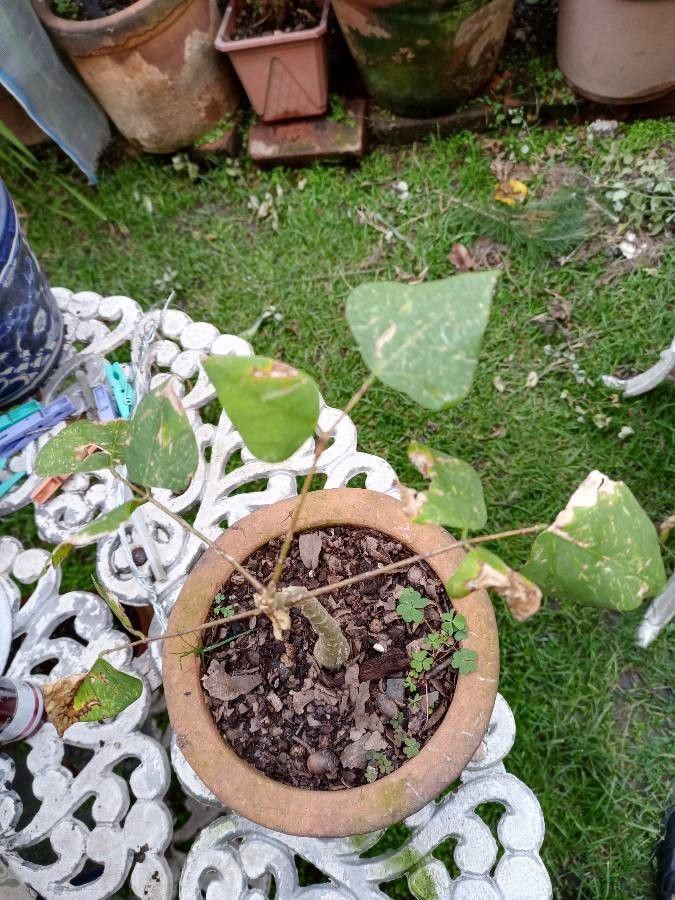
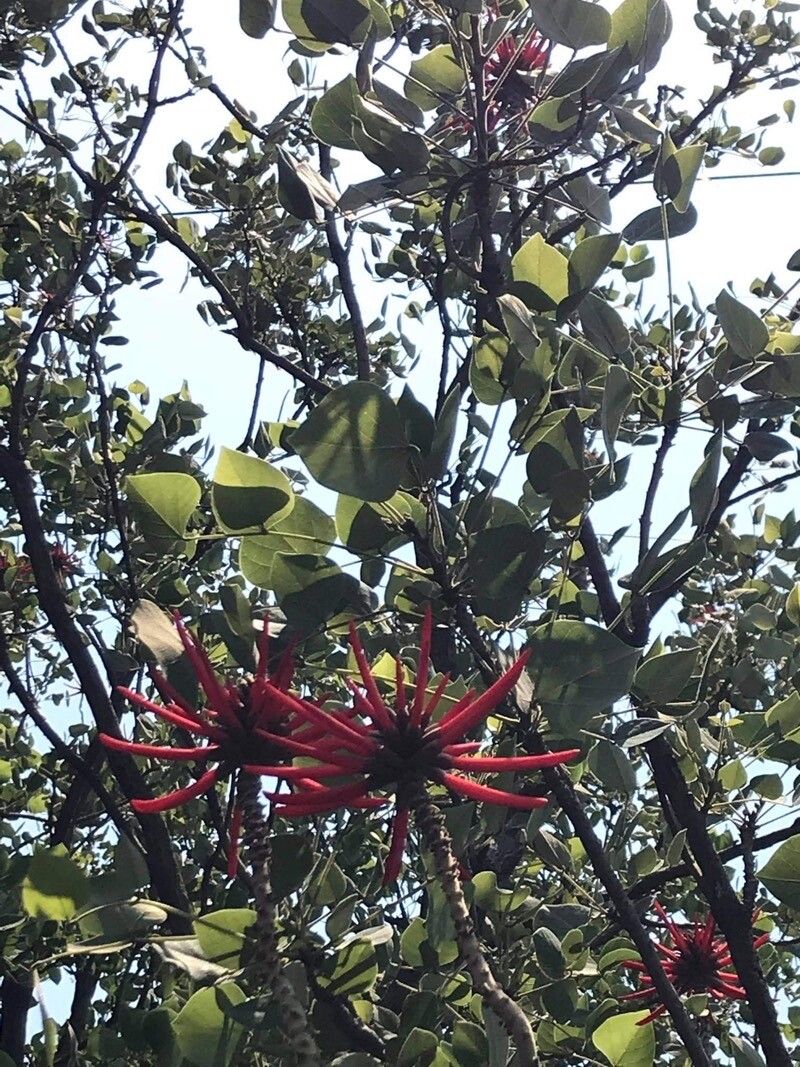
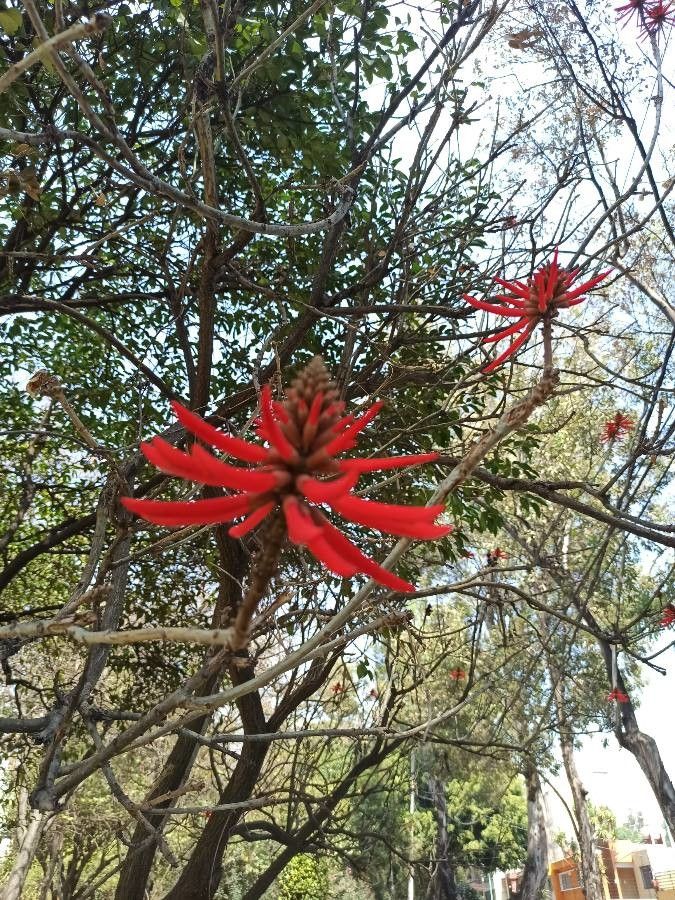
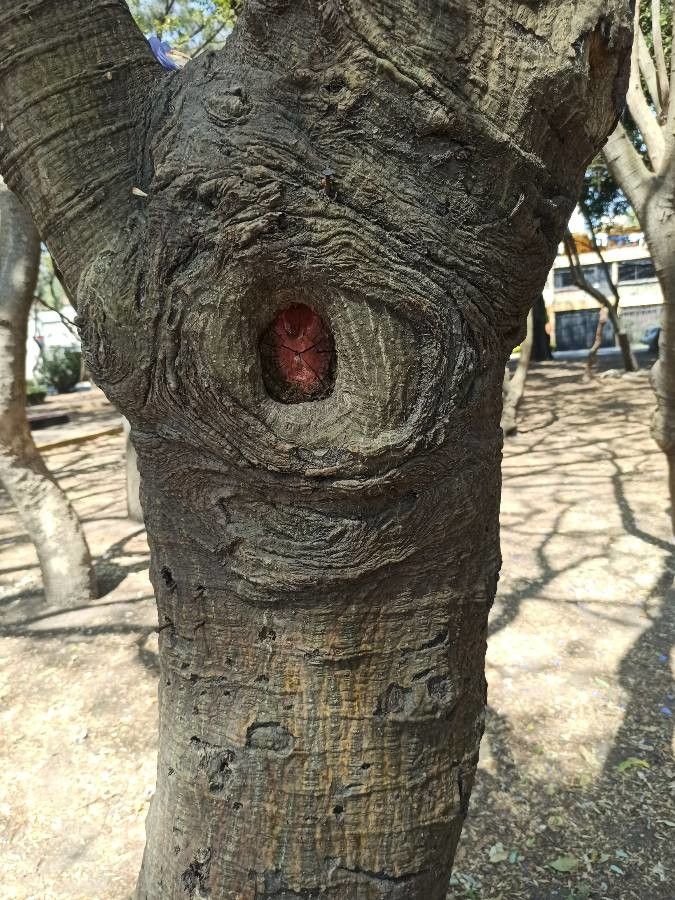
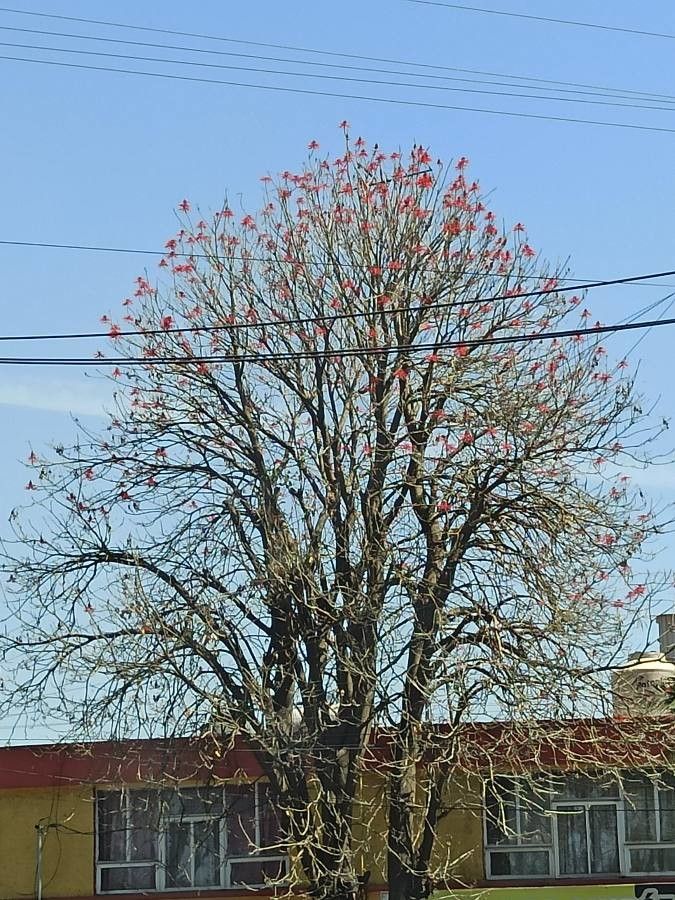
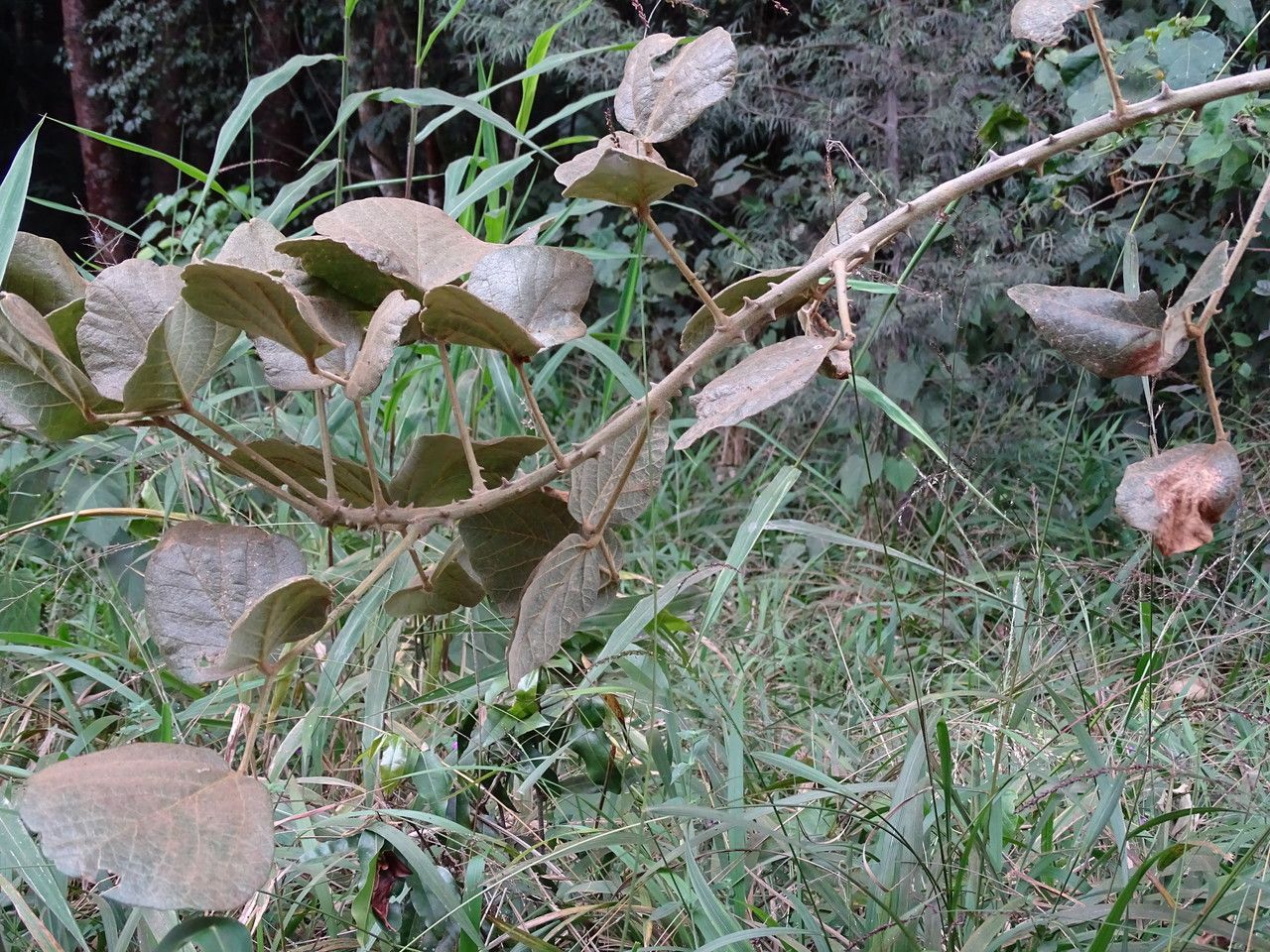
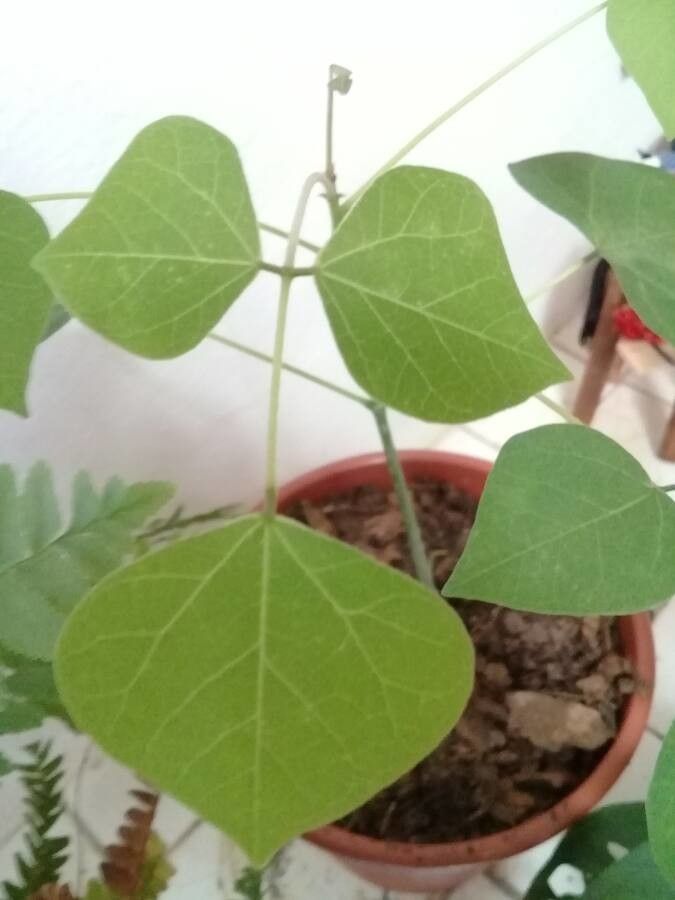
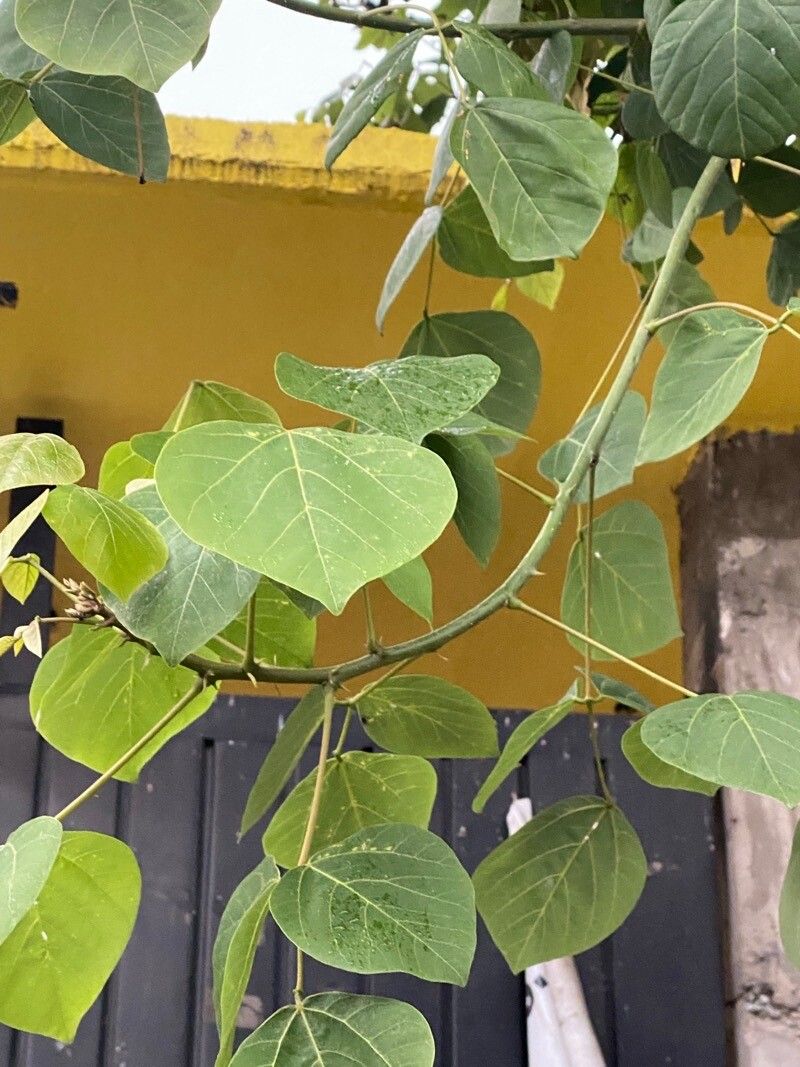
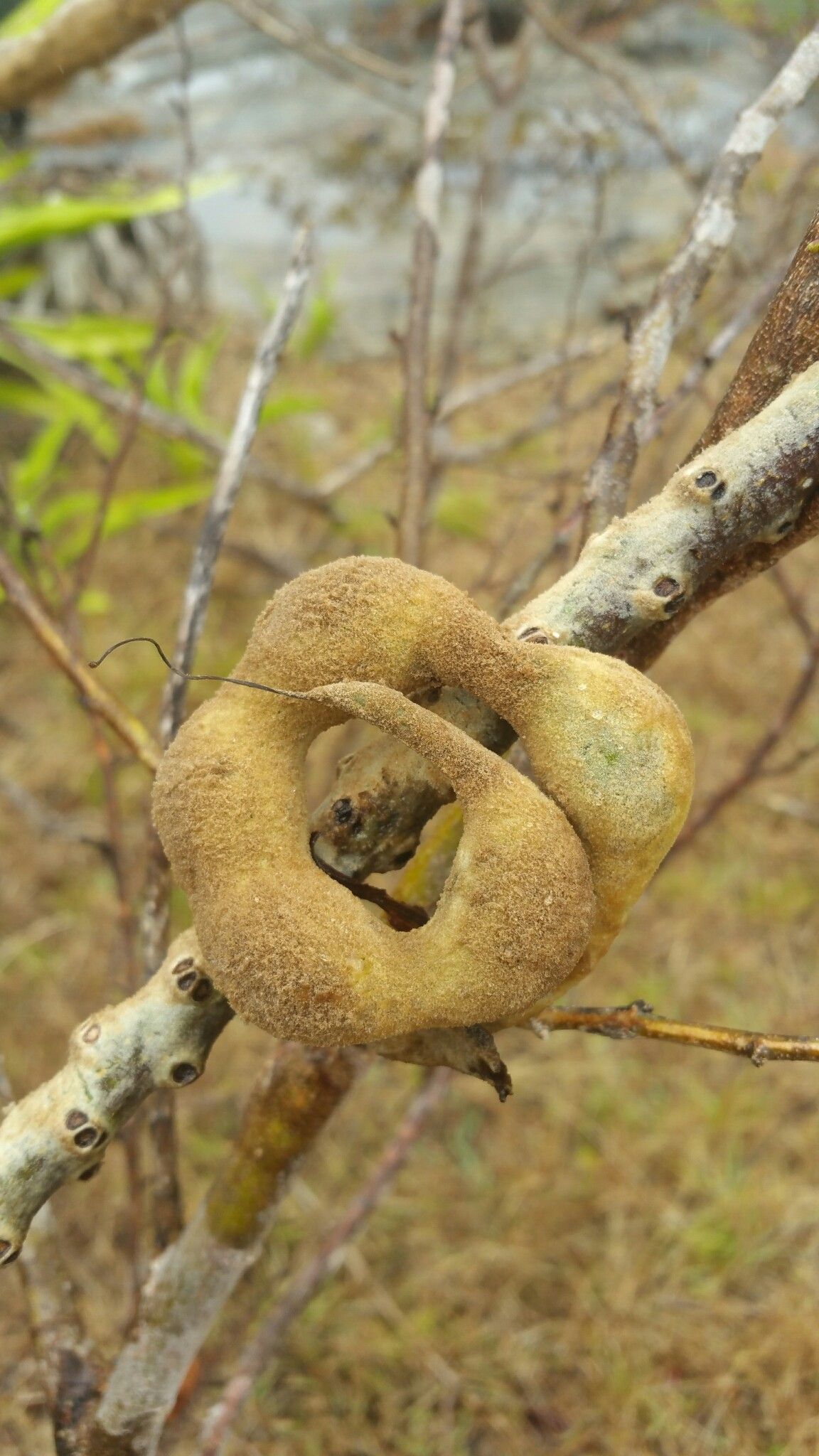
Erythrina coralloides (flame coral tree, naked coral tree) is a species of flowering tree in the pea family, Fabaceae, that is native to eastern Mexico. It ranges from Tamaulipas south to Oaxaca, and some taxonomists believe it is also native to southern Arizona in the United States.
The naked coral tree is quite disease-resistant and is generally not susceptible to illnesses. In terms of care, this plant is fairly low-maintenance. When grown outdoors it needs little watering, and larger specimens typically do not require pruning. Smaller plants, however, should be pruned after they have finished blooming. The naked coral tree is suitable for anyone with an outdoor area, such as a garden or deck, and does not demand extensive gardening experience.
How to keep Erythrina Coralloides.
Light
The naked coral tree comes from open habitats, such as sunny meadows and forest edges, which offer abundant light. It thrives in Full Sun but can also tolerate Partial Sun, adapting well to a range of sunlight conditions.
Water
The naked coral tree thrives in humid, moisture-rich environments that resemble its tropical origins. It requires regular watering, ideally twice a week, but can tolerate short periods of dryness. While it can be grown indoors, it flourishes outdoors, as it needs plenty of sunlight, which also influences its water requirements.
Temperature
Naked coral tree comes from tropical areas, where the climate is usually warm and humid. Consequently, it is adapted to high temperatures and moisture. It does not tolerate sudden temperature changes and favors a stable thermal environment, so indoor temperature fluctuations should be avoided. It generally cannot endure cold and needs warmer conditions to develop. If the ambient temperature falls too low, the plant may stop growing or even die.
Fertilizer
The best time to fertilize a Naked coral tree is in early spring, when it breaks dormancy. This encourages overall growth and the development of flowers. Fertilizing improves the foliage, stems, and branches, and helps produce flowers that are larger, more vivid, and longer-lasting. It assists in moving nutrients from the roots to the flowers and enhances the plant’s health and resistance to disease.
Pruning
The naked coral tree should be pruned early in spring to remove dead branches and thin out crowded areas, which will improve air circulation. To ensure the tree continues to flower, avoid heavy pruning. Regular shaping helps maintain a manageable size and structural integrity, while also promoting healthy growth and vibrant blooms.
Pot & Repot
Repot the naked coral tree every 2 to 3 years during its dormancy period, using a pot that is 20% to 25% larger than the current one. After repotting, ensure you use a well-draining soil mix and wait to resume watering until the tree has recovered. Providing a balanced amount of sunlight and moisture is crucial for the tree's healthy growth.
Botanical profile.
- Plant Type
- Tree
- Life Cycle
- Perennial
- Genus
- Erythrina
- Family
- Leguminosae
- Hardiness Zone
- 9-11
- Mature Height
- 6.1 m to 10.06 m
- Mature Spread
- 3.96 m to 6.1 m
- Leaf Color
- Green, Dark Green
- Leaf Type
- Deciduous
- Flower Color
- Red
- Flower Size
- 5.08 cm to 7.62 cm
- Bloom Time
- Late spring, Early summer, Mid summer
- Planting Time
- Summer
- Harvest Time
- Late summer, Early fall, Mid fall
- Native Area
- Mexico
Other names.
Reader questions.
What are the sunlight requirements for a Naked Coral Tree?
The Naked Coral Tree, known botanically as Erythrina coralloides, thrives under specific sunlight conditions. It requires 'full sun' exposure, which means it should receive above 6 hours of sunlight daily to flourish. Additionally, it can also tolerate 'partial sun' conditions, which means about 3-6 hours of sunlight each day. When selecting a planting location, it's important to observe the movement of sunlight in your garden to find spots that offer the right balance of light and shade. This careful placement ensures the plant's health and happiness.
What is the Naked Coral Tree?
The Naked Coral Tree, known scientifically as Erythrina coralloides, is a species of flowering plant in the legume family. It is characterized by its striking appearance, though specific details about its features, such as flowers, leaves, and growth habits, are not provided in the available information.
What is the botanical name of the Naked Coral Tree?
The botanical name of the Naked Coral Tree is Erythrina coralloides. This name helps distinguish it from other plants within the Erythrina genus, which are known for their striking appearance and vibrant flowers.