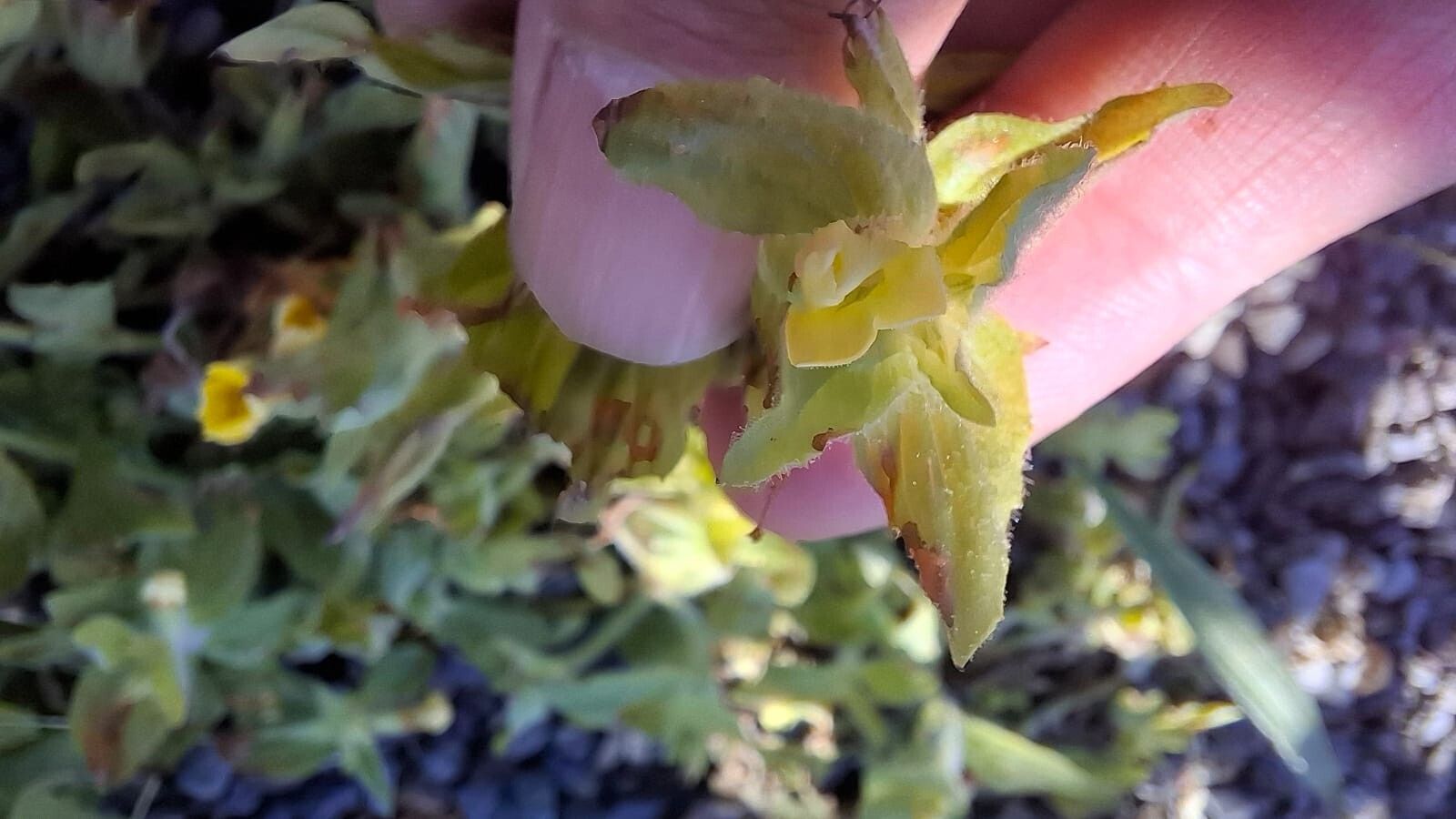
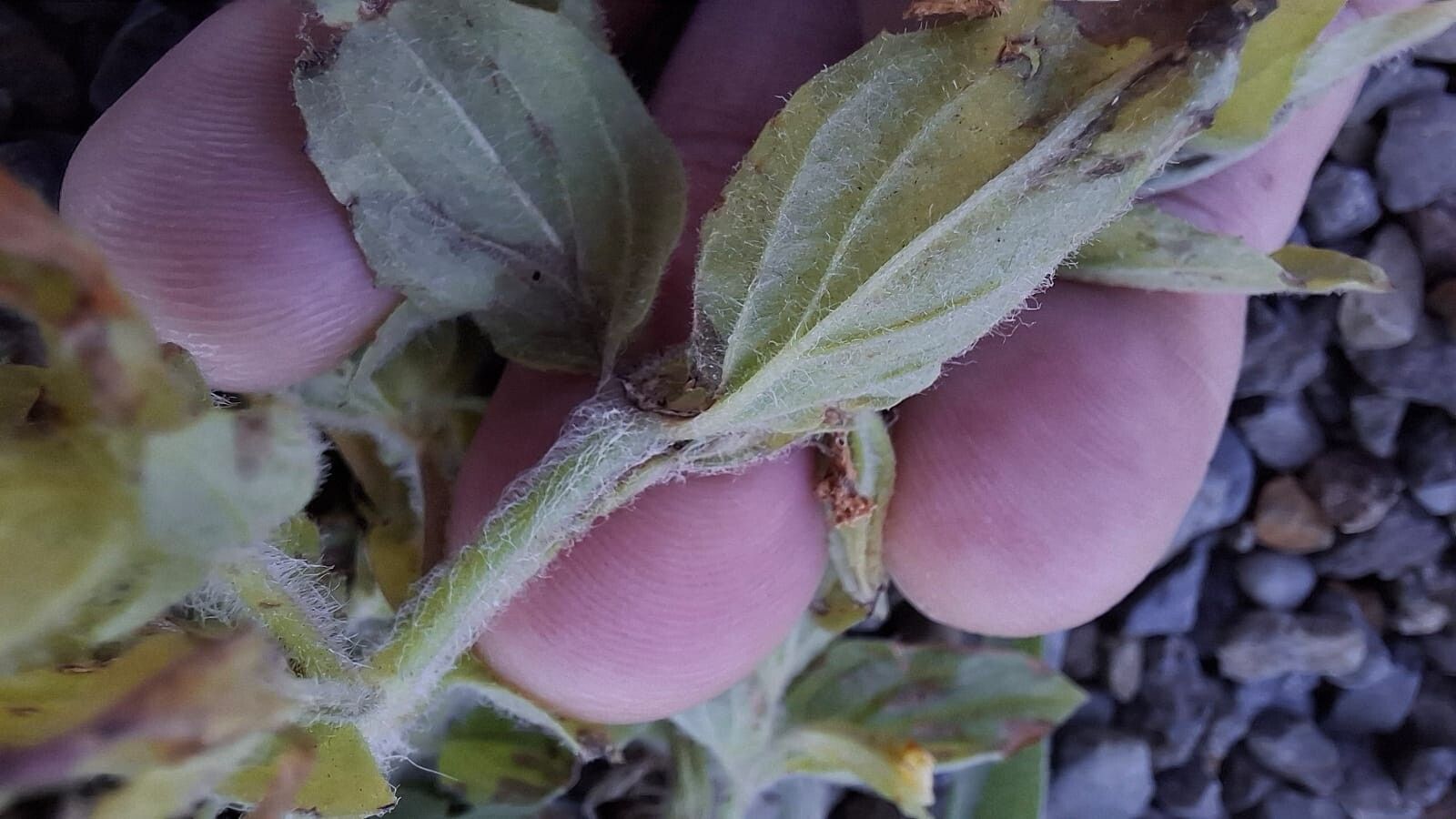
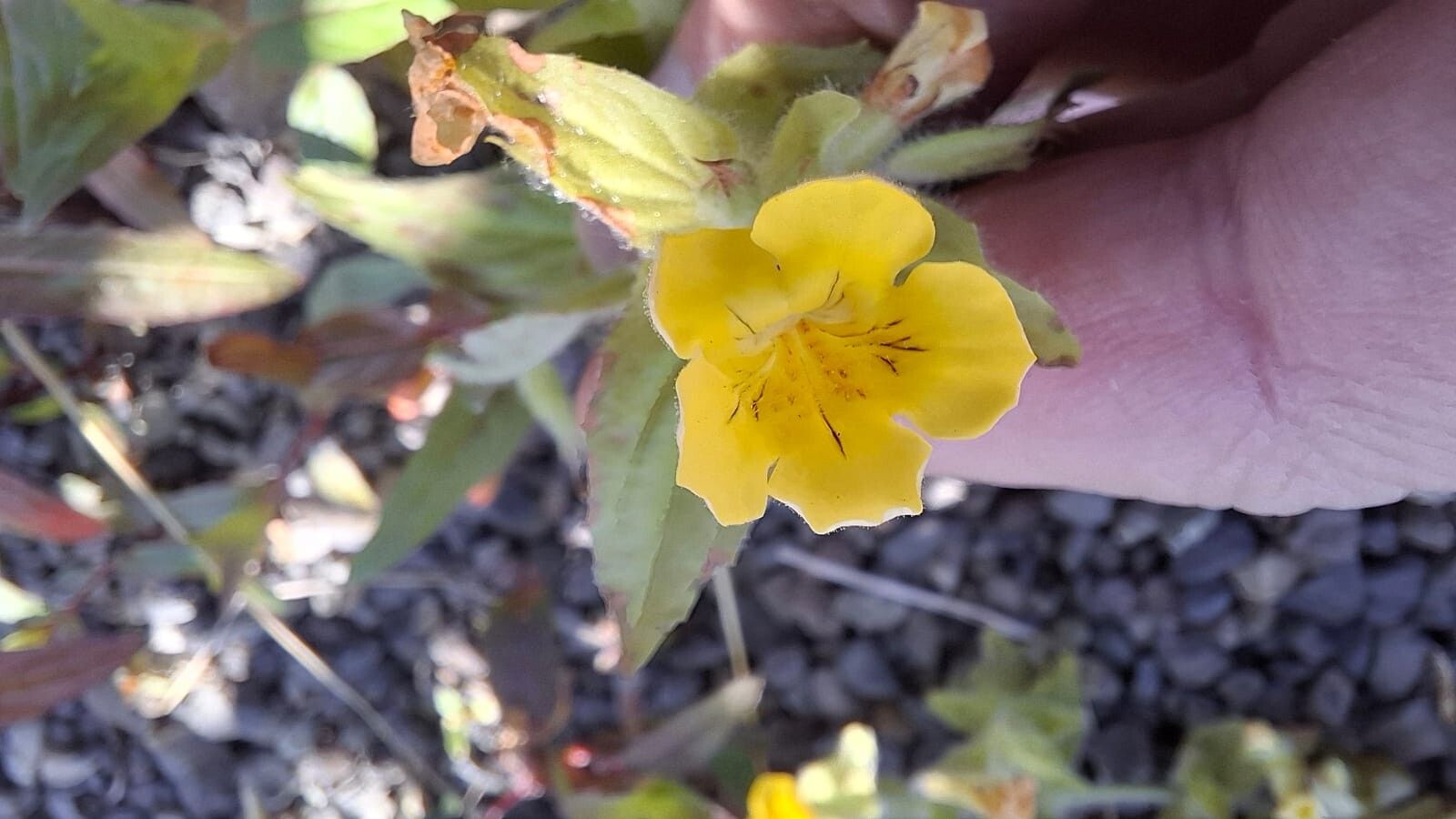
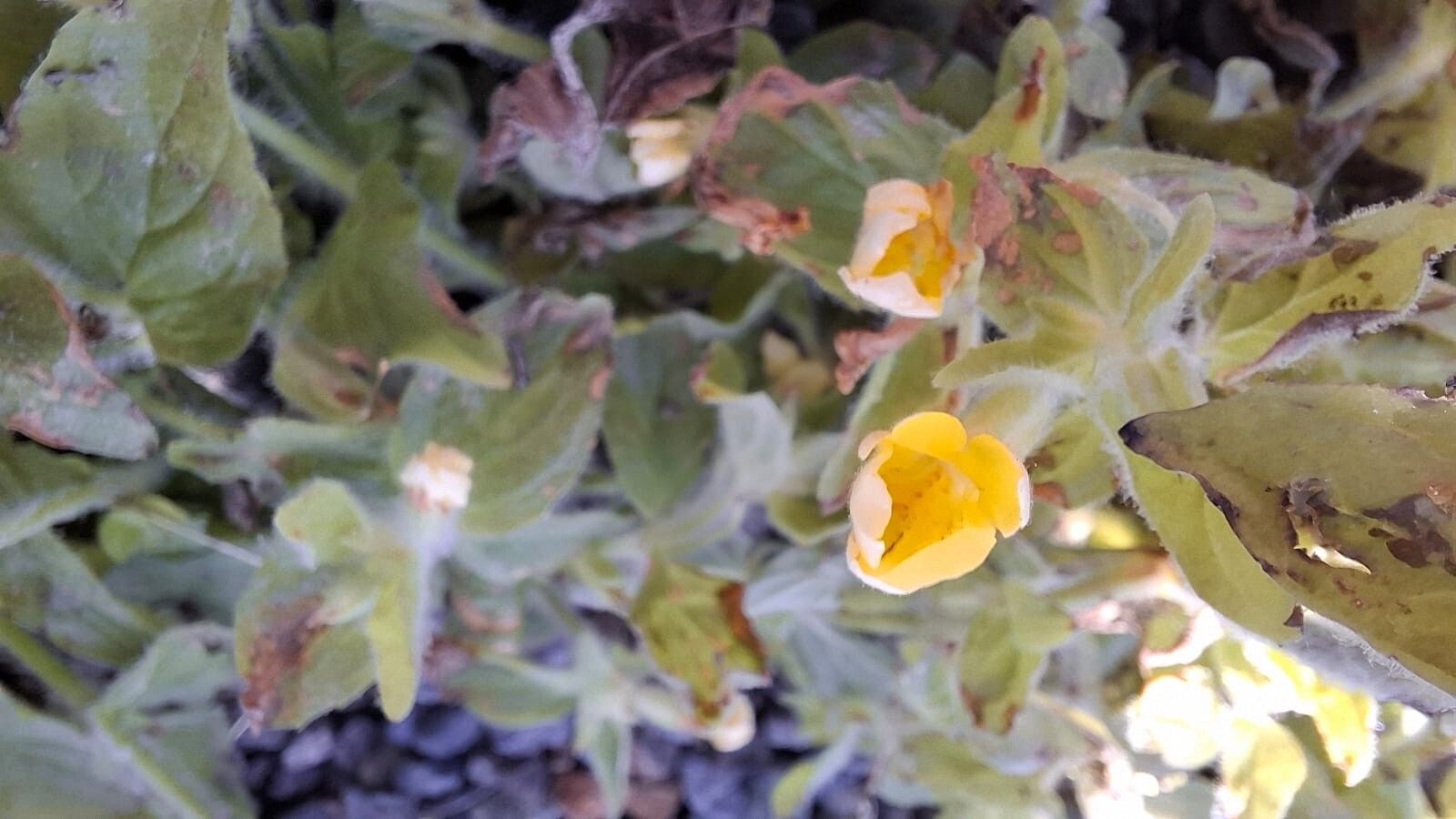
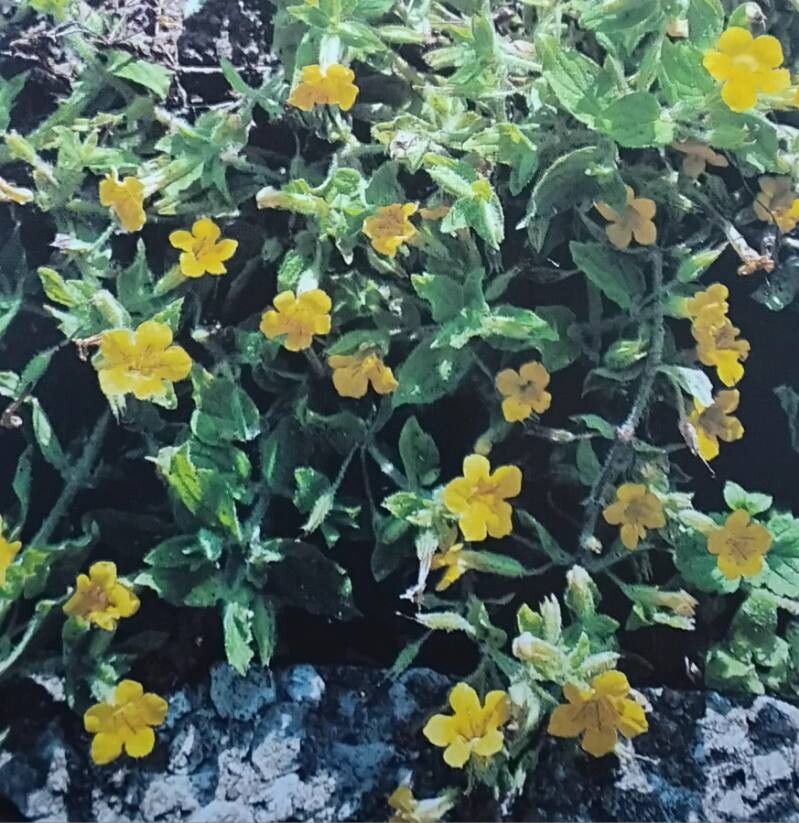
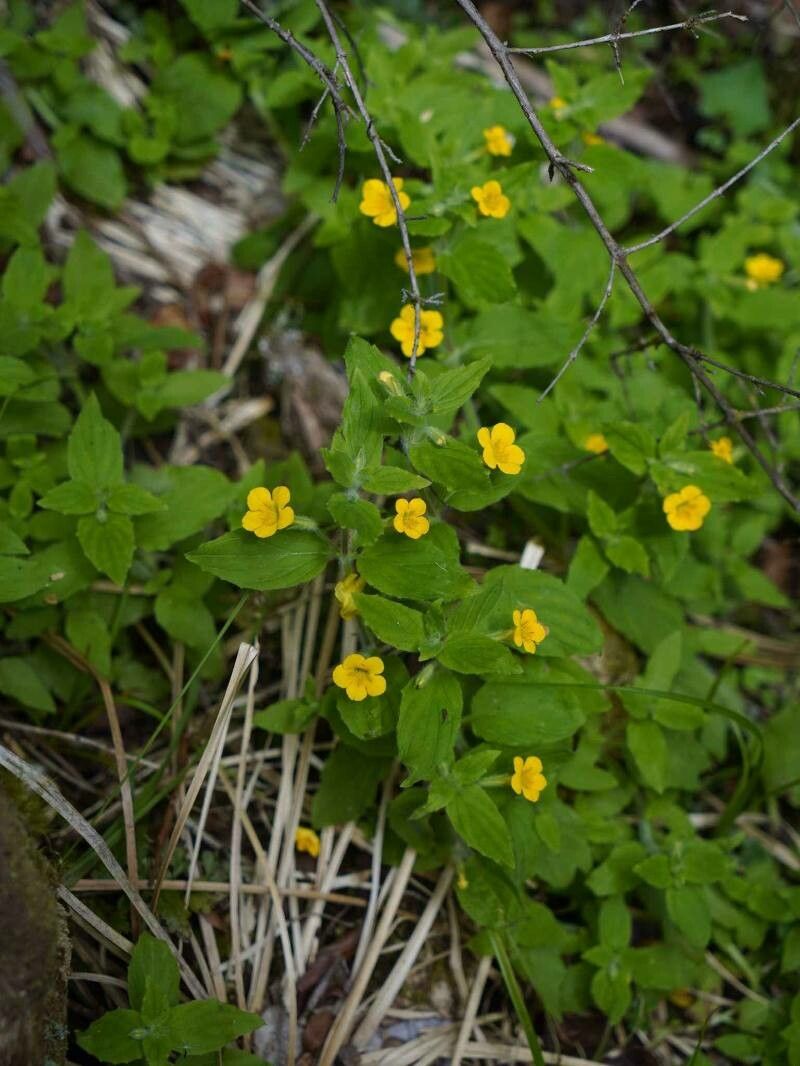
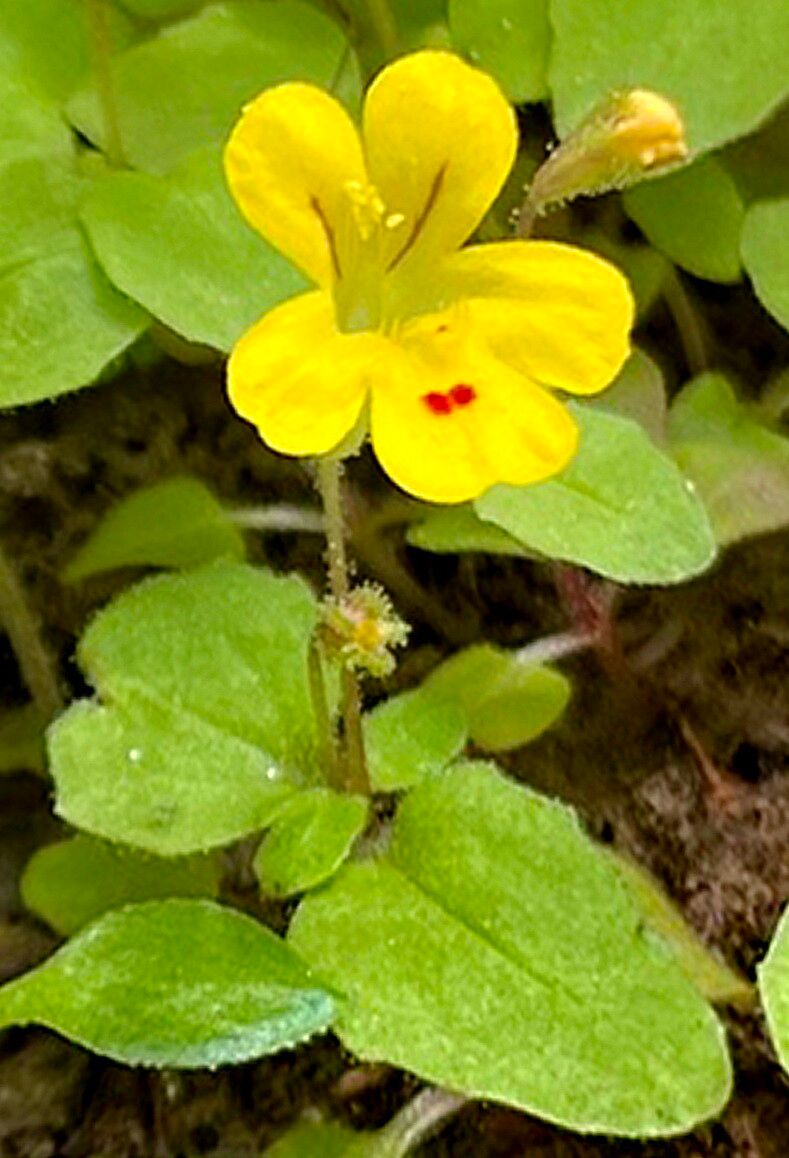
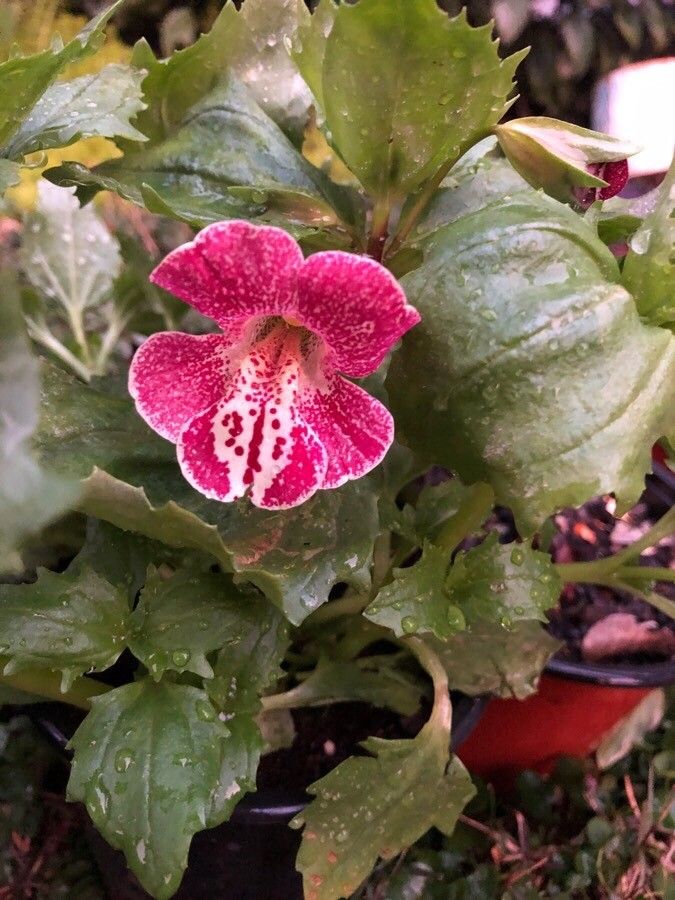
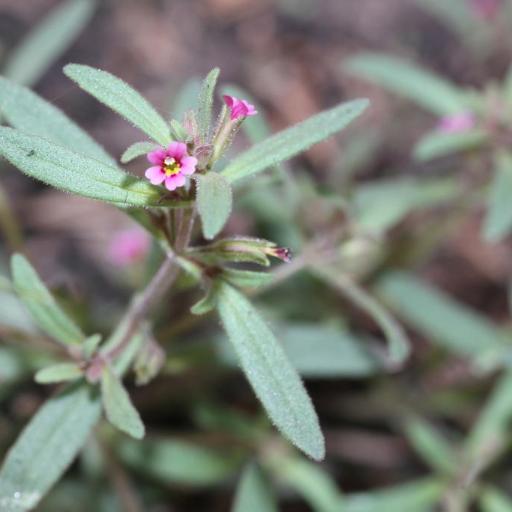
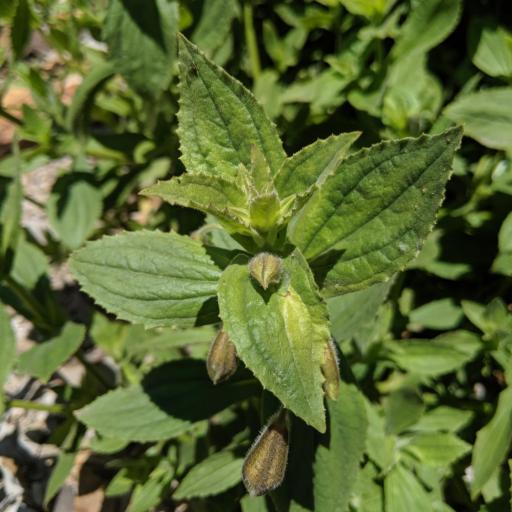
Erythranthe moschata is a species of monkeyflower known by the common names muskflower, musk monkeyflower, and formerly as the common musk, eyebright and musk plant. It was formerly known as Mimulus moschatus.
Musk is fairly disease-resistant and typically not prone to illness. However, it can be susceptible to pests and diseases present in its surroundings. These infections are usually not severe. Regarding care, this plant requires moderate maintenance. It needs regular pruning to keep a good appearance and support healthy growth. Fertilization can also help promote flowering. Musk is suitable for anyone with outdoor space, such as a garden or patio, and does not require a lot of care experience. It may need more attention when grown indoors.
How to keep Erythranthe Moschata.
Light
Musk is native to habitats like forest understories and rocky areas, where it occurs in natural shade. It prefers partial sun but can adapt to full sun or full shade, demonstrating its versatile and hardy nature.
Water
Musk naturally thrives in moist environments and prefers consistent moisture without becoming waterlogged. Watering it once a week is usually sufficient, in addition to any natural rainfall it receives. Its growth cycle coincides with seasonal rains, allowing it to effectively absorb water during these peak periods.
Temperature
Musk can tolerate a broad range of temperatures, though its distribution may still be restricted by specific combinations of moisture and heat. It grows best in warm summer climates with sufficient rainfall or regular watering. Extended periods of cloudy, rainy weather, or prolonged high temperatures, can raise the risk of Musk dying. In winter, shielding the plant from cold can boost its chances of survival.
Fertilizer
The best time to fertilize a Musk is in early spring, as it comes out of dormancy and begins active growth. Fertilization supplies essential nutrients for healthy development. Although Musk has relatively low fertilizer requirements, applying fertilizer annually can improve its survival and encourage better, longer-lasting flowers.
Pruning
Musk is known for its bright yellow flowers and fragrant leaves. To keep the plant healthy and well-shaped, prune it from early to late spring. This helps to remove dead stems, shape the plant, and improve airflow. Make sure to use sharp tools for clean cuts, as this reduces the risk of disease, promotes plant health, and enhances flowering. Regular trimming encourages robust growth and prevents the plant from becoming leggy.
Botanical profile.
- Plant Type
- Herb
- Life Cycle
- Perennial
- Genus
- Erythranthe
- Family
- Phrymaceae
- Hardiness Zone
- 6-9
- Mature Height
- 8 cm to 30 cm
- Mature Spread
- 20 cm
- Leaf Color
- Light Green, Forest Green
- Leaf Type
- Deciduous
- Flower Color
- Yellow
- Flower Size
- 1.52 cm to 3.05 cm
- Bloom Time
- Mid spring, Late spring, Summer, Early fall
- Planting Time
- Spring
- Harvest Time
- Summer, Fall
Other names.
Reader questions.
What are the sunlight requirements for Musk?
Musk requires partial sun, which means about 3-6 hours of sunlight daily. It's essential to observe the movement of sunlight through your garden to find spots that offer the ideal balance of light and shade, fostering the well-being of your Musk plants. This perennial herbaceous plant is native to environments like forest understories or rocky areas, experiencing natural shade, and can also tolerate full shade.
How can artificial lighting benefit indoor Musk plants?
Artificial lighting is crucial for Musk's growth indoors, especially when natural sunlight is inadequate, like in winter or less sunny spaces. It assists in promoting faster, healthier plant growth. LED lights, customizable to emit specific light wavelengths necessary for plants, are recommended. For full sun plants, 30-50W/sq ft is needed, partial sun plants require 20-30W/sq ft, and full shade plants need 10-20W/sq ft. The light source should be placed 12-36 inches above the plant, mimicking natural sunlight. Most plants thrive with 8-12 hours of light per day.
What are the signs of insufficient light in Musk plants?
When Musk plants don't receive enough light, they exhibit several symptoms including smaller new leaves, leggy or sparse growth, faster leaf drop, slower or no new growth, lighter-colored new leaves, chlorosis where leaves lose their green color, sunscald characterized by pale or necrotic areas on the leaves, leaf curling, wilting, and leaf scorching with brown, dry patches on leaves. These signs indicate a light deficiency and may affect the plant's growth and overall health.
What solutions can help Musk plants with insufficient sunlight?
To optimize growth for indoor Musk plants, gradually shift them to sunnier spots each week until they get 3-6 hours of direct sunlight daily. If moving the plant isn't feasible, use artificial light sources like desk or ceiling lamps for at least 8 hours daily, or invest in professional grow lights. For outdoor plants, acclimate them by moving to a sunnier location weekly to prevent sunburn. Reduce obstructions by pruning trees or moving smaller plants to sunlit locations. Remember, parts of the plant affected by low light might not recover, but new growth will be healthy after adjusting light exposure.