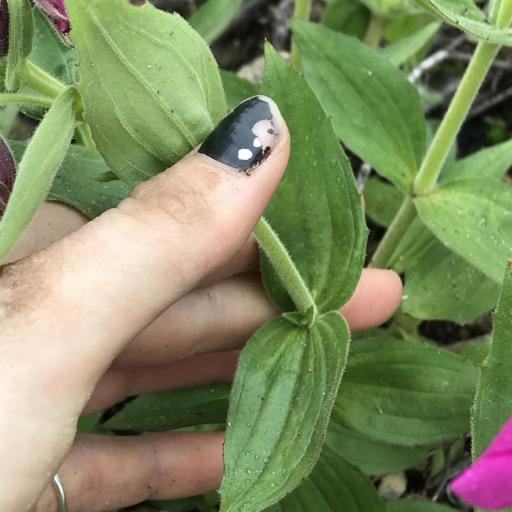
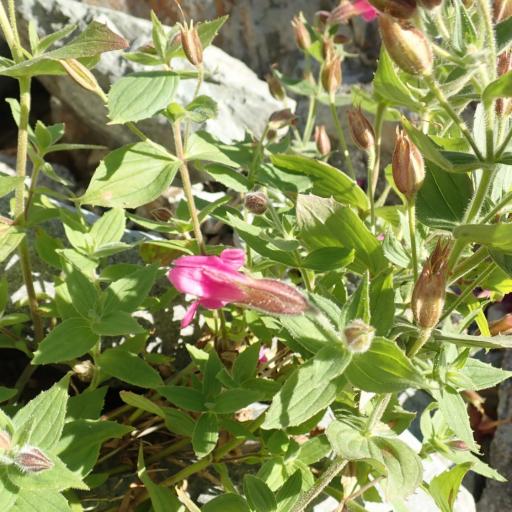
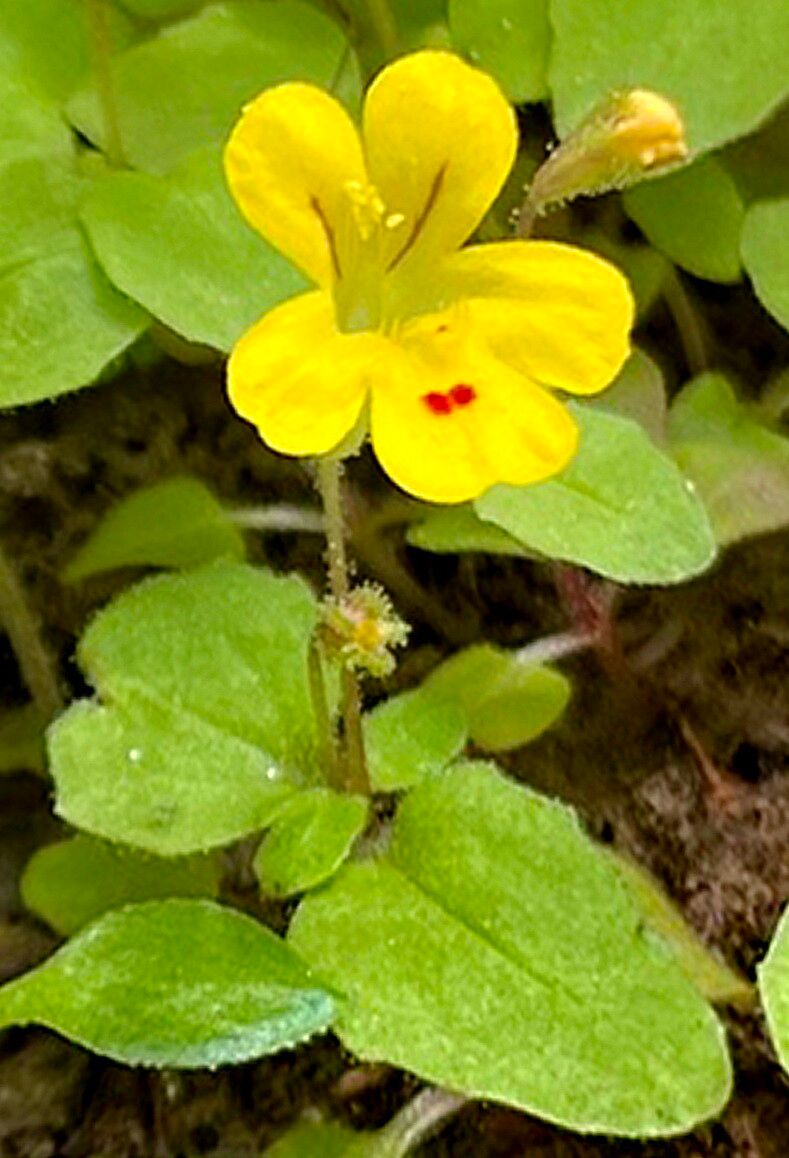
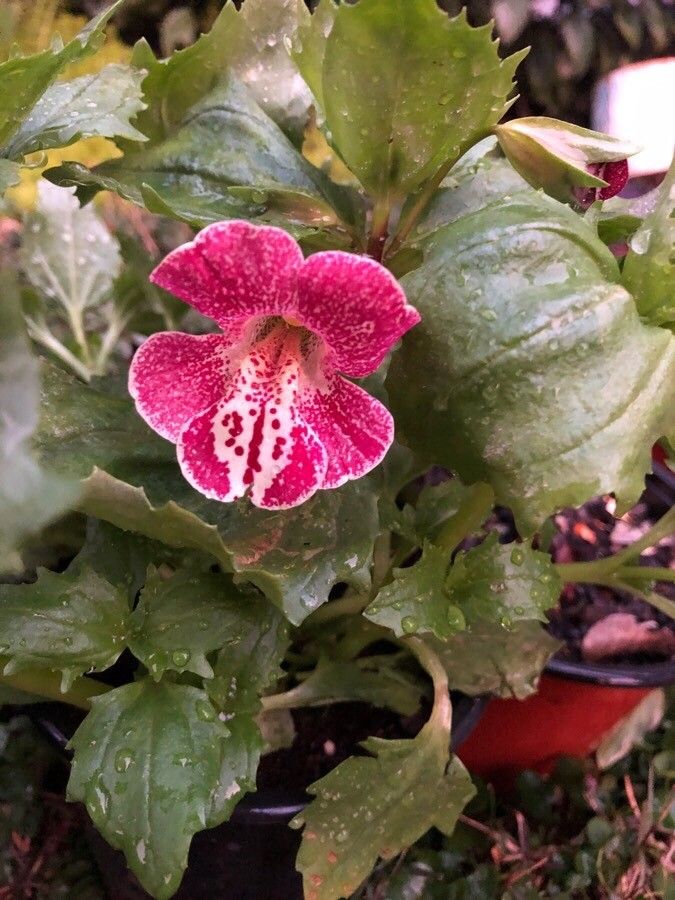
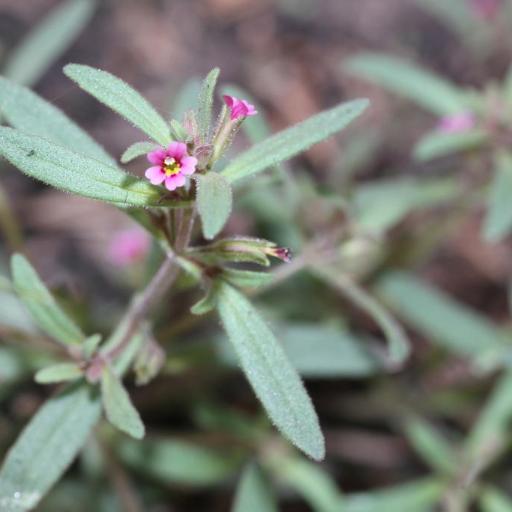
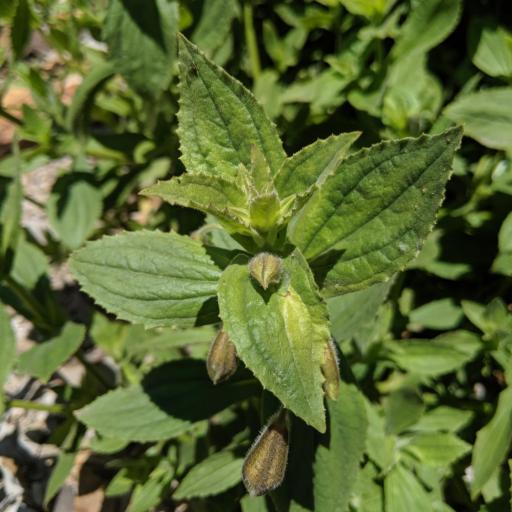
Erythranthe lewisii (Lewis' monkeyflower, great purple monkeyflower) is a perennial plant in the family Phrymaceae. It is named in honor of explorer Meriwether Lewis. Together with other species in Erythranthe, it serves as a model system for studying pollinator-based reproductive isolation. It was formerly known as Mimulus lewisii.
Lewis's monkeyflower is fairly resistant to disease and generally not highly susceptible. However, it can be affected by pests and diseases present in its surroundings. These infections are typically not severe. In terms of care, the plant needs moderate maintenance. It should be pruned regularly to keep a neat appearance and support healthy growth. Fertilizing can also help encourage flowering. Lewis's monkeyflower is suitable for people with outdoor spaces like a garden or patio and does not demand extensive care experience. It may need more attention when grown indoors.
How to keep Erythranthe Lewisii.
Light
Lewis's monkeyflower does best when exposed to plentiful daylight, though it can persist in locations with moderate light. Native to regions where sunlight is abundant, it shows vigorous growth with sufficient illumination. Overlapping or scarce light can adversely affect its growth and health.
Water
Lewis's monkeyflower thrives in moist environments and requires regular watering to maintain its health. To flourish, it needs weekly hydration, especially when grown outdoors, where it benefits from natural rainfall during its active growing season. It is not drought-tolerant, so consistent water supply is essential for optimal growth.
Temperature
Lewis's monkeyflower is native to temperate regions and prefers a temperature range of 41 to 89.6 °F (5 to 32 °C). Depending on the season, it may need temperature adjustments to simulate its natural environmental conditions.
Fertilizer
The best time to fertilize a Lewis's monkeyflower is in early spring, when it is coming out of dormancy and starting active growth. Fertilization supplies essential nutrients for healthy development. Although Lewis's monkeyflower has fairly low fertilizer requirements, giving it fertilizer once a year can boost its survival and produce better, longer-lasting blooms.
Pruning
Lewis's monkeyflower showcases vibrant pink blossoms. To maintain its health and appearance, prune the plant from early to late spring. Remove spent blooms, dead stems, and thin out any overcrowded areas to improve air circulation. This practice boosts the plant's vigor, enhances its flowering potential, and improves its overall structure.
Botanical profile.
- Plant Type
- Herb
- Life Cycle
- Perennial
- Genus
- Erythranthe
- Family
- Phrymaceae
- Hardiness Zone
- 4-7
- Mature Height
- 0.3 m to 1.22 m
- Mature Spread
- 30 cm to 61 cm
- Leaf Color
- Green
- Leaf Type
- Deciduous
- Flower Color
- Pink, Purple
- Flower Size
- 3.56 cm to 5.08 cm
- Bloom Time
- Late spring, Early summer, Mid summer
- Planting Time
- Spring, Summer
- Harvest Time
- Mid summer, Late summer, Early fall
Other names.