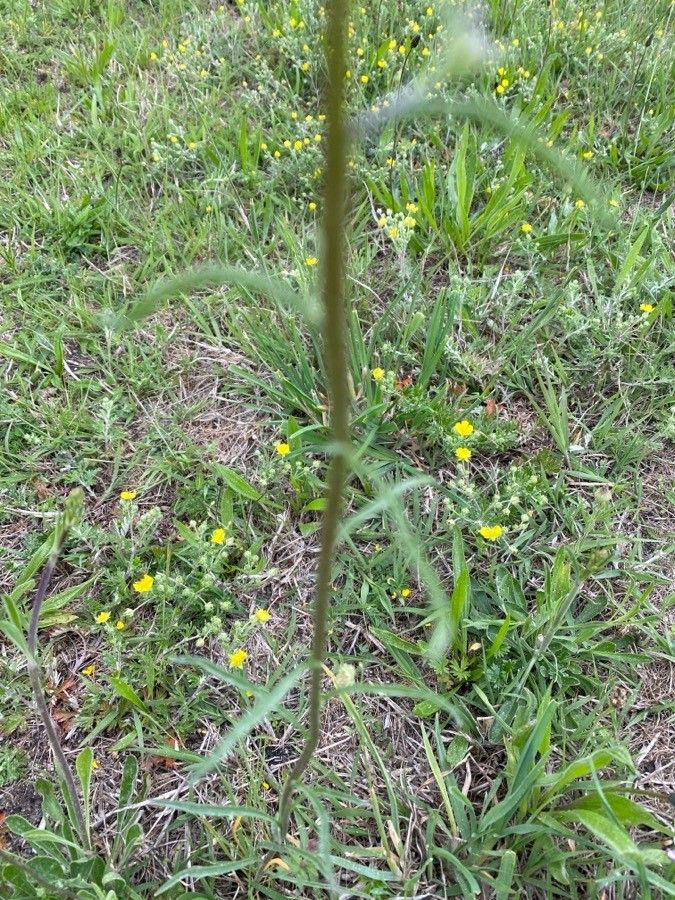
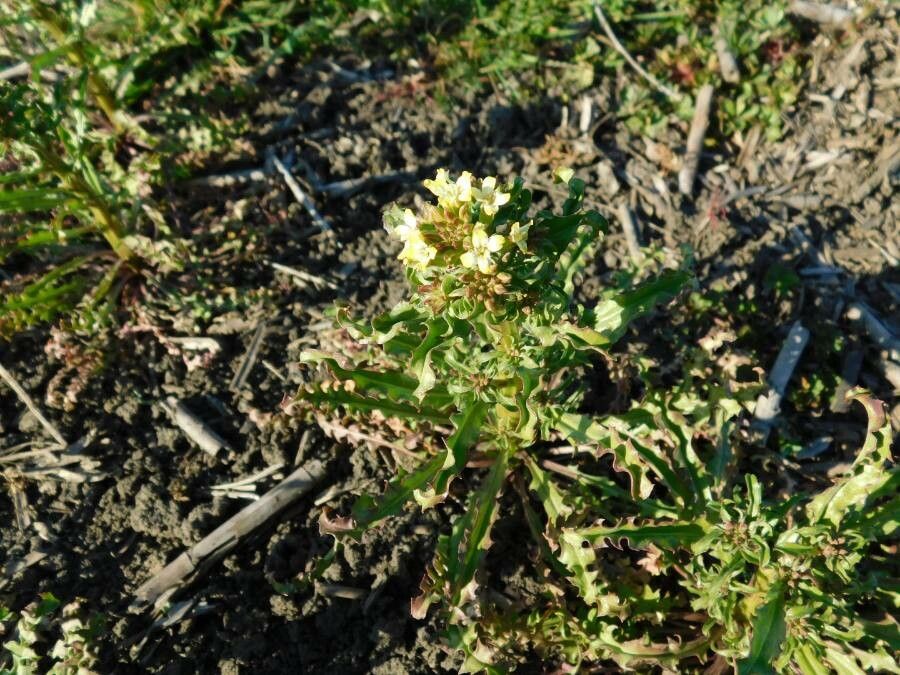
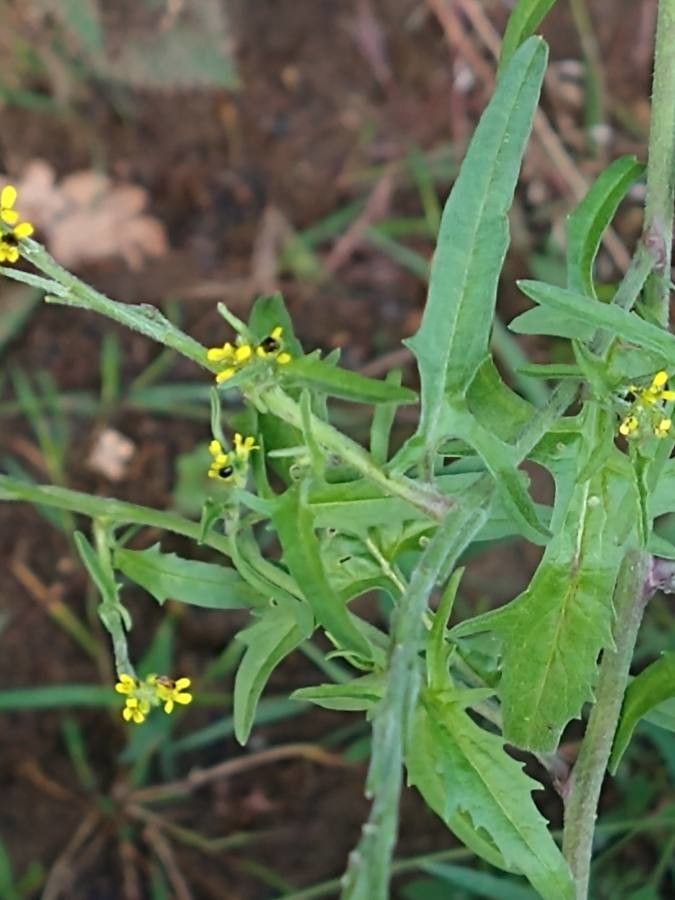
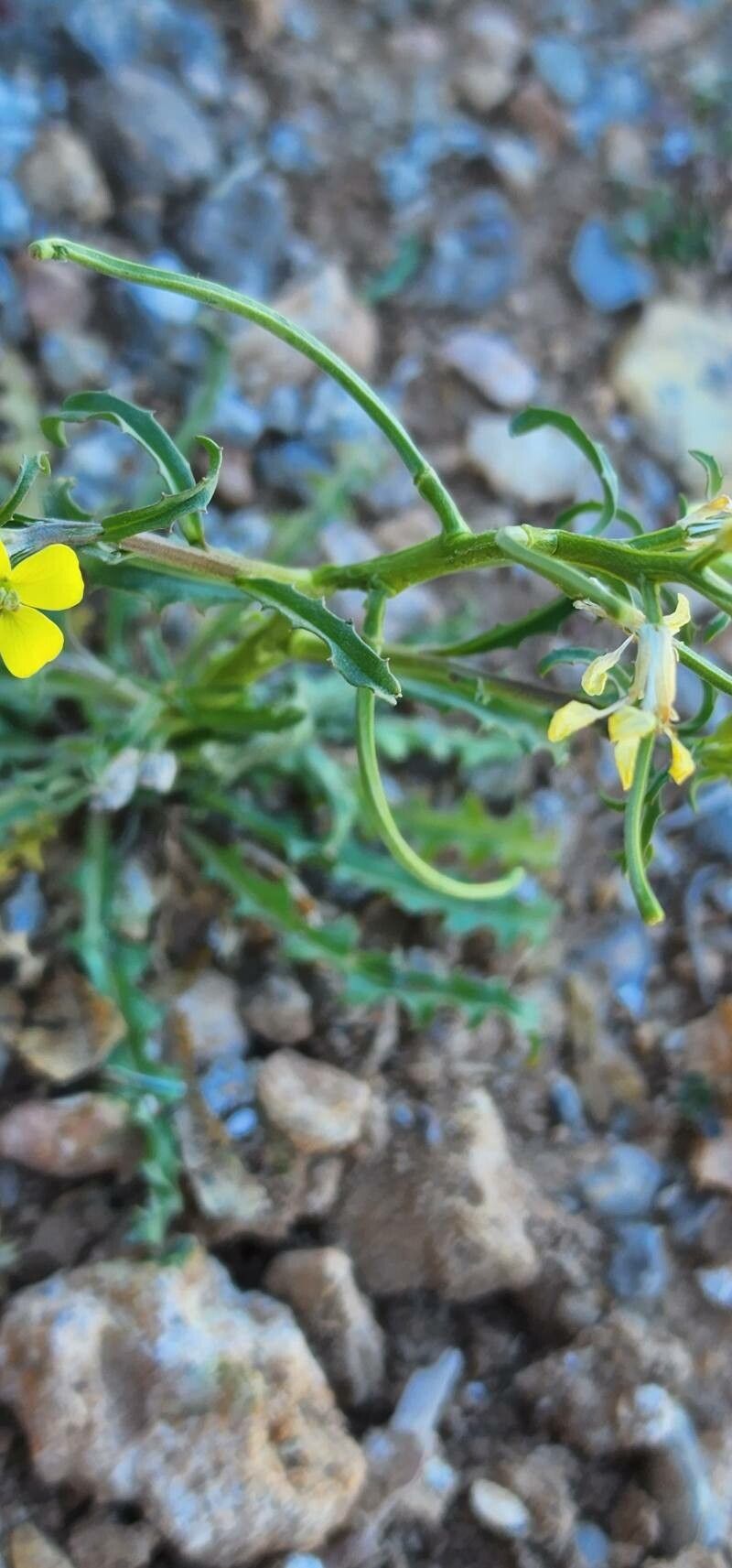
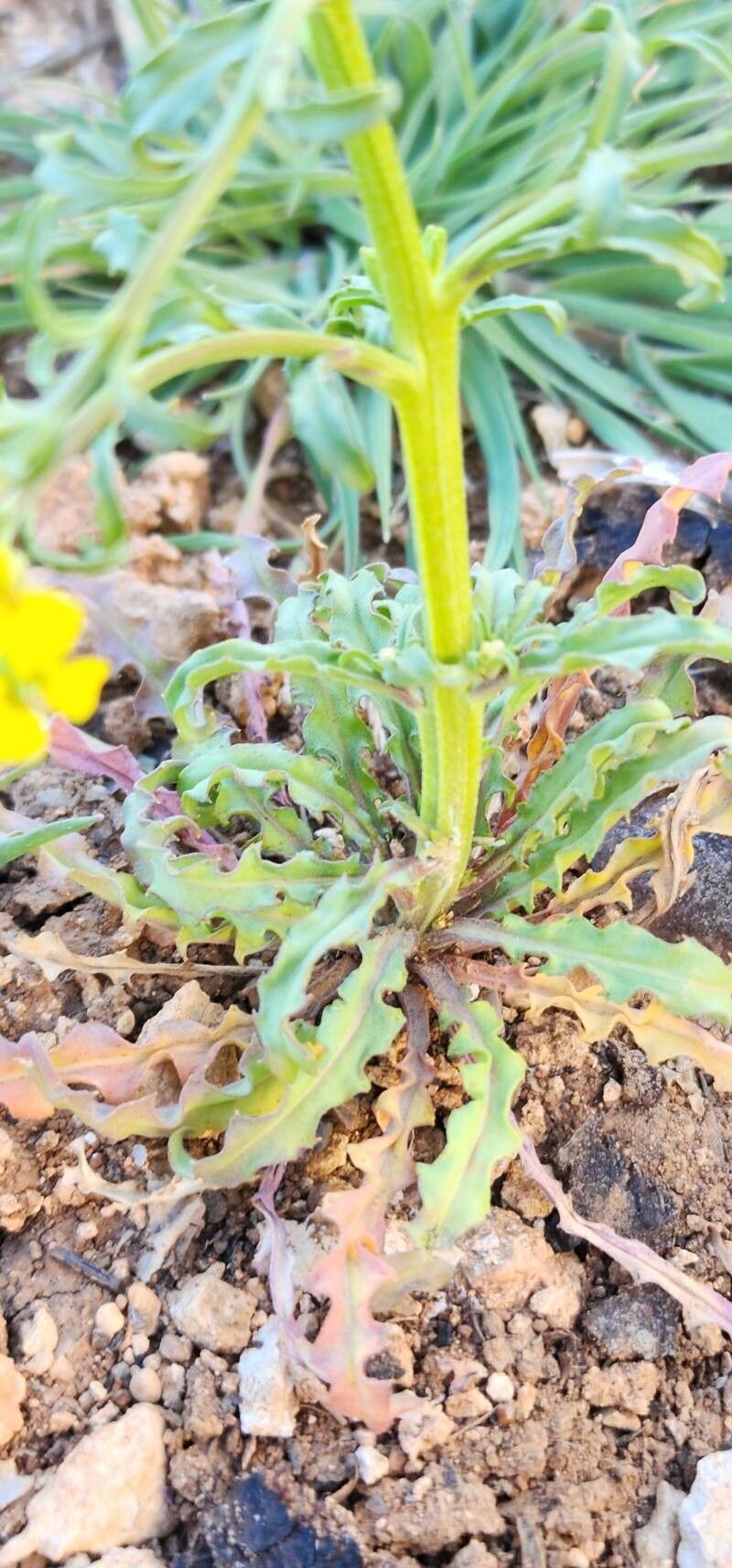
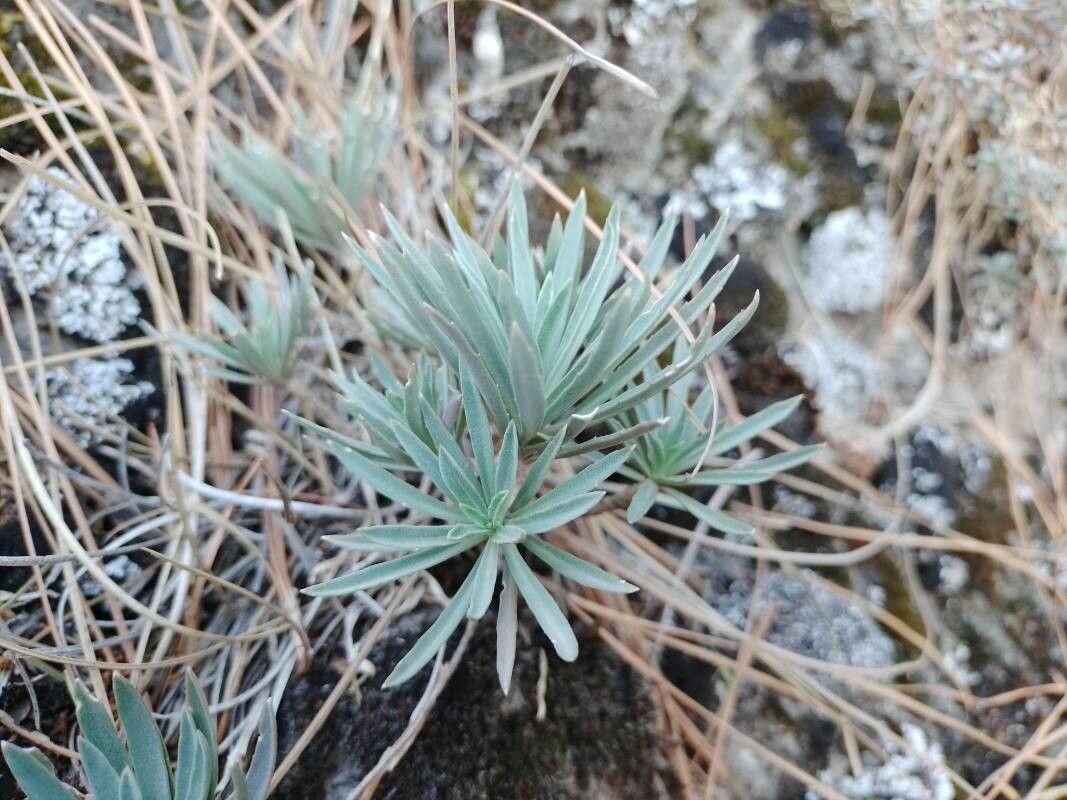
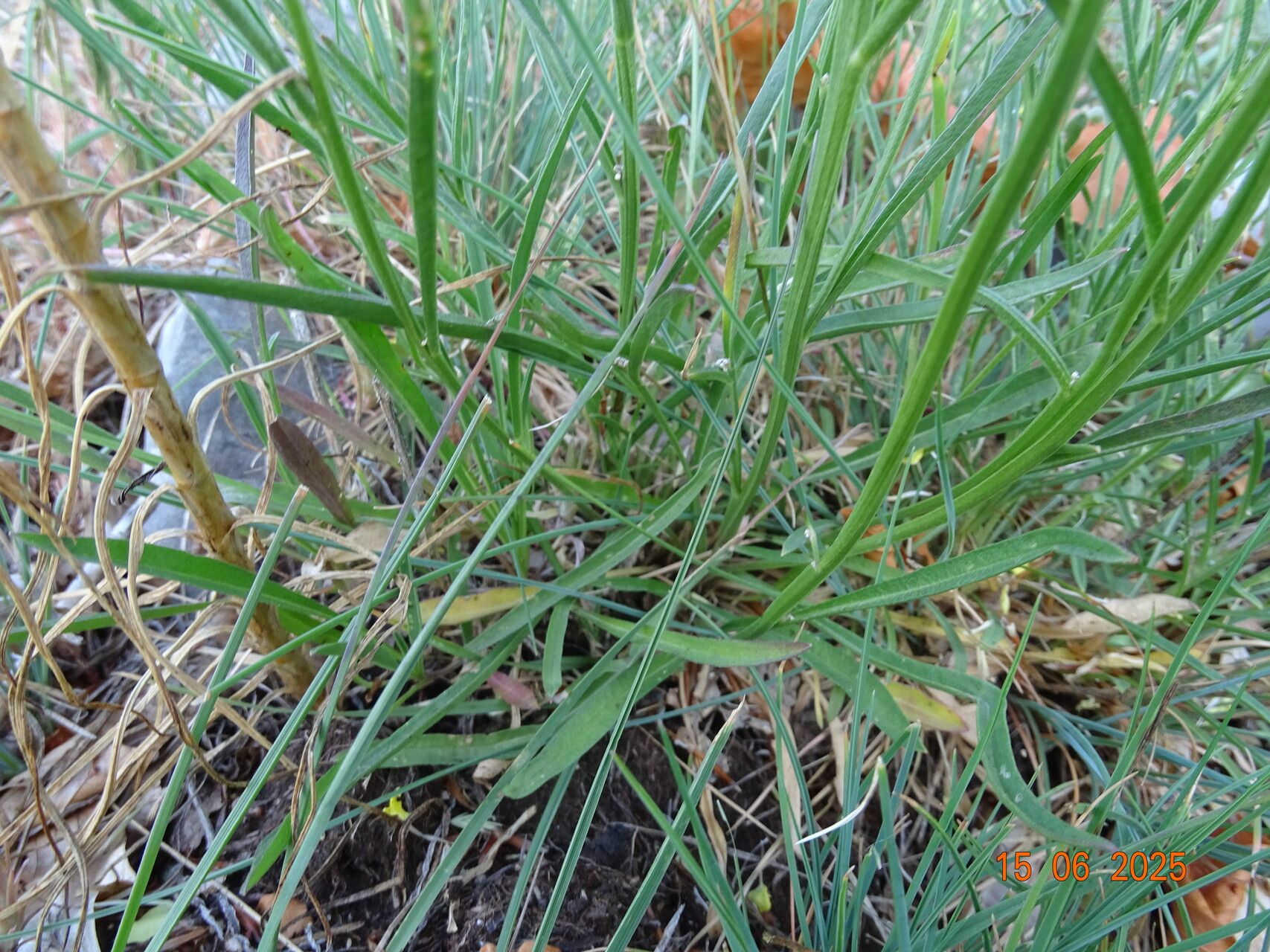
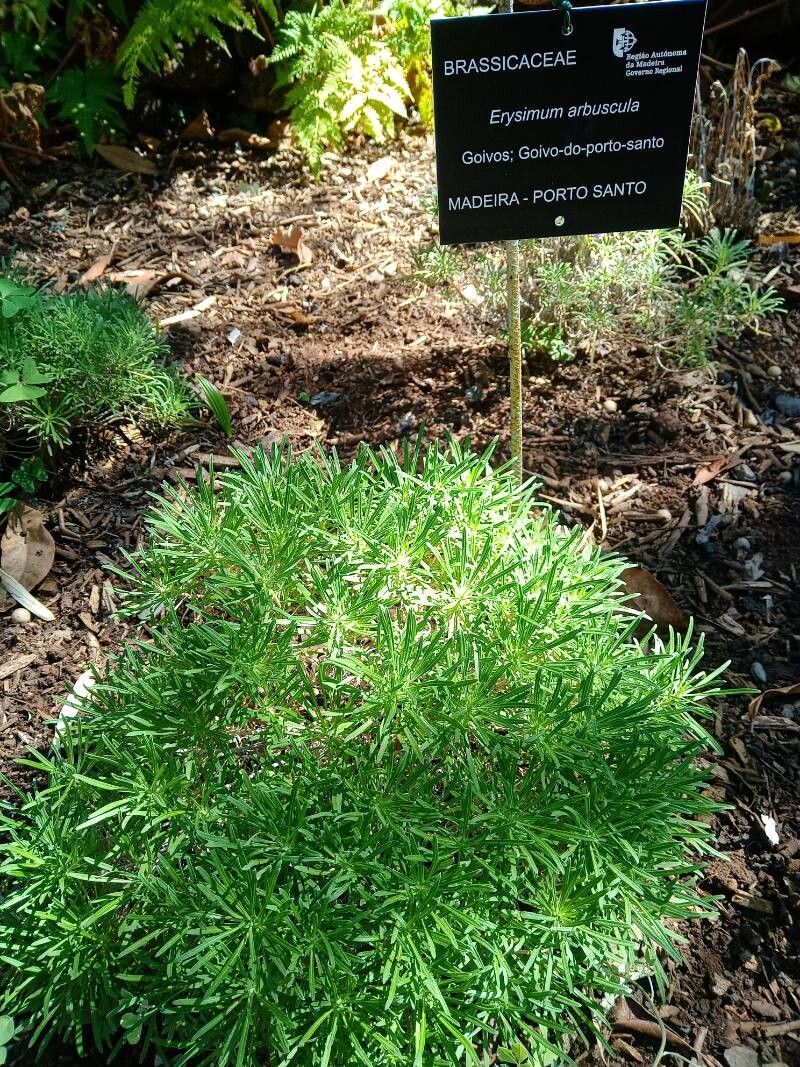
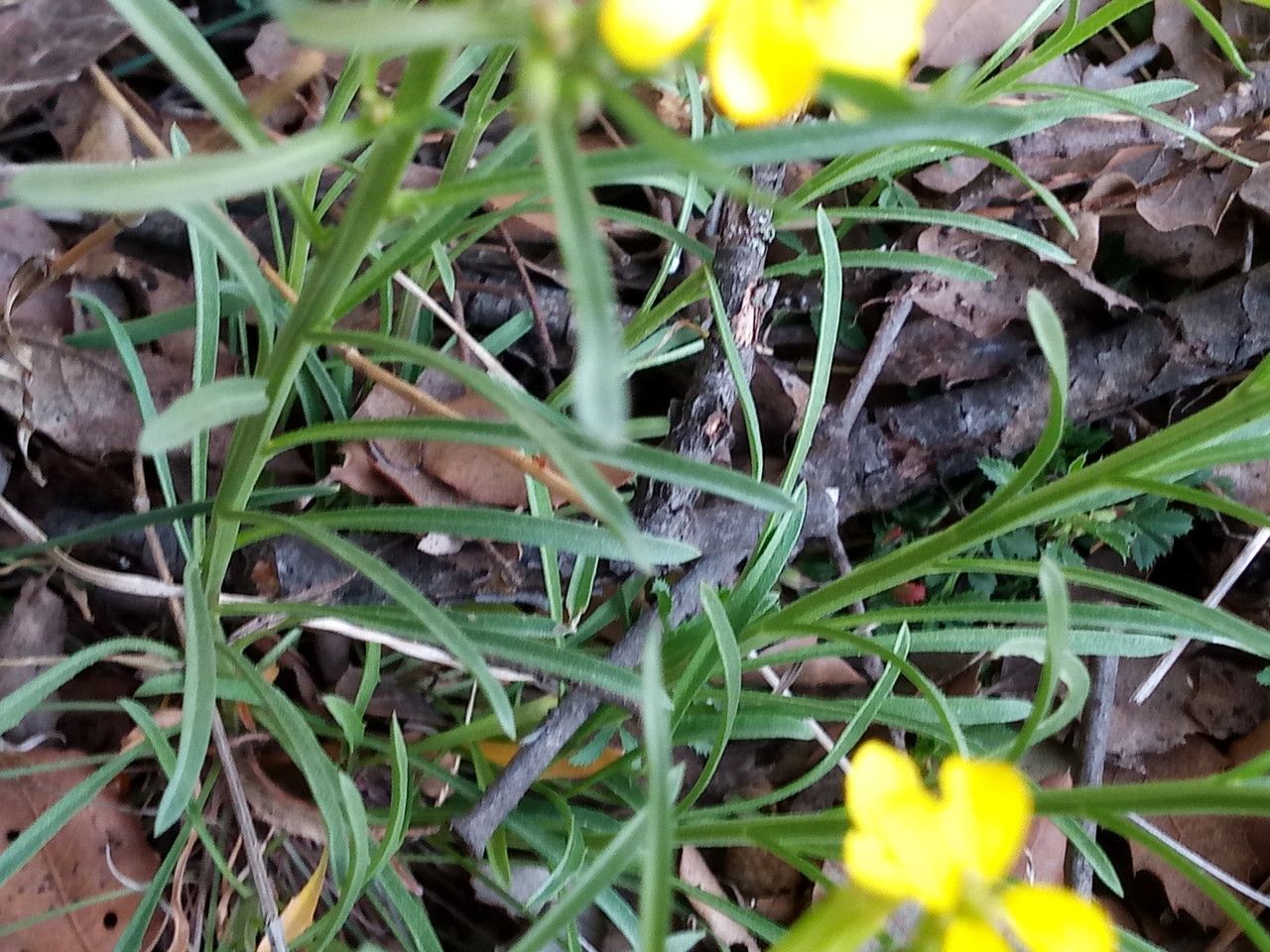
Erysimum repandum is a species of Erysimum known by several common names, including spreading wallflower, spreading treacle-mustard, and bushy wallflower. It is native to Eurasia, but it is known in many other parts of the world as an introduced species and a common roadside weed. Erysimum repandum is an annual herb growing up to about 0.5 m (1 ft 8 in) high. The leaves at the base of the stem are widely lance-shaped, bumpy or toothed along the edges, and up to 15 cm (5.9 in) long. The leaves farther up the stem are shorter, narrower, and more shallowly lobed or unlobed. The top of the stem is occupied by a raceme inflorescence of many yellow flowers. The fruit is a silique up to 10 cm (3.9 in) long.
Spreading wallflower is fairly disease-resistant and generally does not suffer from many illnesses. Still, it can be affected by pests and diseases present in its environment. Such problems are usually mild. For care, this plant needs moderate maintenance. It should be pruned regularly to keep a neat appearance and support healthy growth. Fertilizing can also encourage more blooms. Spreading wallflower is suitable for anyone with outdoor space, like a garden or patio, and does not demand a lot of experience. It may need extra attention when grown indoors.
How to keep Erysimum Repandum.
Light
The spreading wallflower does best with plentiful sunlight, a trait it takes from its natural habitat. Insufficient light leads to poor growth and fewer blooms, while excessive exposure can scorch the leaves. It can also tolerate conditions that are not full sun.
Water
The spreading wallflower thrives in environments with varying moisture levels, and it prefers drier conditions, which makes it drought-tolerant. To mimic its natural cycles, a weekly watering regimen is recommended. While typically grown outdoors, this plant benefits from seasonal rains and is ideally suited for temperate climates with regular precipitation.
Temperature
Spreading wallflower originates from moderate-climate environments and grows best at temperatures between 68 and 95 °F (20 to 35 ℃). Seasonal adjustments should aim to keep conditions within this optimal range for its growth.
Fertilizer
When Spreading wallflower has opened most of its blooms to full size, resume fertilizing. Around peak bloom production, fertilize once every three to four weeks as weather allows. Then, after the plant begins producing fewer new blooms, stop fertilizing; there's no need to feed it when it can no longer produce additional flowers.
Pruning
The spreading wallflower is known for its vibrant blooms and its tendency to grow outward. To keep the plant healthy, prune it from early to late spring after it has finished blooming. This helps remove dead stems and shape the plant. Proper pruning improves air circulation, reduces the risk of disease, and encourages abundant flowering, ensuring that the spreading wallflower remains vigorous and attractive.
Botanical profile.
- Plant Type
- Herb
- Life Cycle
- Annual
- Genus
- Erysimum
- Family
- Brassicaceae
- Hardiness Zone
- 5-9
- Mature Height
- 49 cm
- Mature Spread
- 61 cm
- Leaf Color
- Green
- Leaf Type
- Deciduous
- Flower Color
- Yellow
- Flower Size
- 0.76 cm
- Bloom Time
- Spring
- Planting Time
- Spring
- Harvest Time
- Late spring, Early summer, Mid summer
- Native Area
- Egypt, India, Turkey, Slovakia, Montenegro, Pakistan, Croatia, Slovenia, Belarus, Uzbekistan, Russia, Iraq, Germany, Romania, Tajikistan, Cyprus, Bulgaria, Poland, Armenia, Greece, Ukraine, Lebanon, Serbia, China, Afghanistan, Syria, Kyrgyzstan, Kazakhstan, Italy, Spain, Iran, Albania, Azerbaijan, Hungary, Turkmenistan
Other names.
Reader questions.
What are the sunlight requirements for spreading wallflower?
Spreading wallflower requires full sun, which means it needs above 6 hours of sunlight daily, or partial sun, around 3-6 hours of sunlight. It's important to observe how sunlight moves through your garden to find spots that offer the right balance of light and shade, ensuring your plants thrive. In its natural habitat, the spreading wallflower flourishes under abundant sunlight, which is crucial for its growth and the vibrancy of its flowers. Insufficient light may result in poor growth and a lackluster floral display, whereas too much direct sunlight can lead to leaf scorch.
What is the ideal temperature range for the growth of Spreading wallflower?
Spreading wallflower, known botanically as Erysimum repandum, thrives in moderate climates and is best suited to temperatures ranging from 68 to 95°F (20 to 35°C). To encourage optimal growth, it's important to make seasonal adjustments to ensure the environment remains within this temperature range. Despite its strong resistance to cold, with the capability to withstand winter conditions without special frost protection measures, caution should still be taken if temperatures are expected to drop below -25°C. In such cases, providing cold protection by covering the plant with soil or straw is advisable. Additionally, watering the plant abundantly before the first freeze of autumn to maintain moist soil can help prevent drought and water scarcity during the colder months.
How can artificial lighting help indoor spreading wallflowers?
Indoor spreading wallflowers require adequate lighting for optimal growth, especially when natural sunlight is insufficient, like during winter or in less sunny spaces. Artificial lighting provides a vital solution, helping promote faster, healthier growth. LED lights are recommended due to their ability to be customized according to the specific light wavelengths needed by plants. Full sun plants need 30-50W per square foot of artificial light, partial sun plants require 20-30W per square foot, and full shade plants should have 10-20W per square foot. The light source should be placed 12-36 inches above the plant to mimic natural sunlight, ensuring the plants receive 8-12 hours of light per day.
How does Spreading wallflower react to low temperatures?
Spreading wallflower exhibits a notable tolerance to cold, flourishing best when the temperature stays above 20°C. Throughout the winter, ensuring the temperature remains above 0°C is beneficial. However, when temperatures plummet below -25°C, the plant might not show immediate signs of distress during the winter but could experience a decrease in sprouting or a complete lack of sprouting come spring. The recommended course of action in spring for areas of the plant that fail to sprout is to remove these unproductive parts.
What are the symptoms of inadequate lighting in spreading wallflower?
When spreading wallflower receives inadequate light, it may exhibit symptoms such as smaller new leaves, leggy or sparse growth, faster leaf drop, slower or no new growth, paler new leaves, or even chlorosis, where leaves lose their green color. Sunscald may occur from excessive light exposure, causing pale or necrotic areas on plant tissue. Leaf curling, wilting, and leaf scorching are other symptoms that indicate a need for adjusting the plant’s exposure to sunlight.
What should be done if Spreading wallflower is exposed to high temperatures?
In response to high temperatures, particularly during summer, it is crucial to keep the Spreading wallflower's environment below 35°C. Exposure to temperatures above 38°C can lead to discoloration, curling of leaves, susceptibility to sunburn, and, in severe cases, wilting and drying of the entire plant. To mitigate these effects, sunburned and dried-up parts should be trimmed away. Relocating the plant to a shaded area or employing a shade cloth to block out midday and afternoon sun can help. Ensuring the plant is watered in the morning and evening will maintain soil moisture and further protect the plant from heat stress.
What solutions can improve light exposure for spreading wallflowers?
To improve light exposure for indoor spreading wallflowers, gradually move plants to sunnier locations until they receive at least 6 hours of direct sunlight, utilizing south-facing windows and keeping curtains open during the day. If the plant is large or not easily movable, use artificial lighting, such as desk or ceiling lamps for at least 8 hours daily or invest in professional plant grow lights. For outdoor plants, move them gradually to avoid shock and potential sunburn. You can also reduce obstructions by pruning or transplant smaller plants to more sun-exposed areas during their dormant period for better sunlight access and growth.