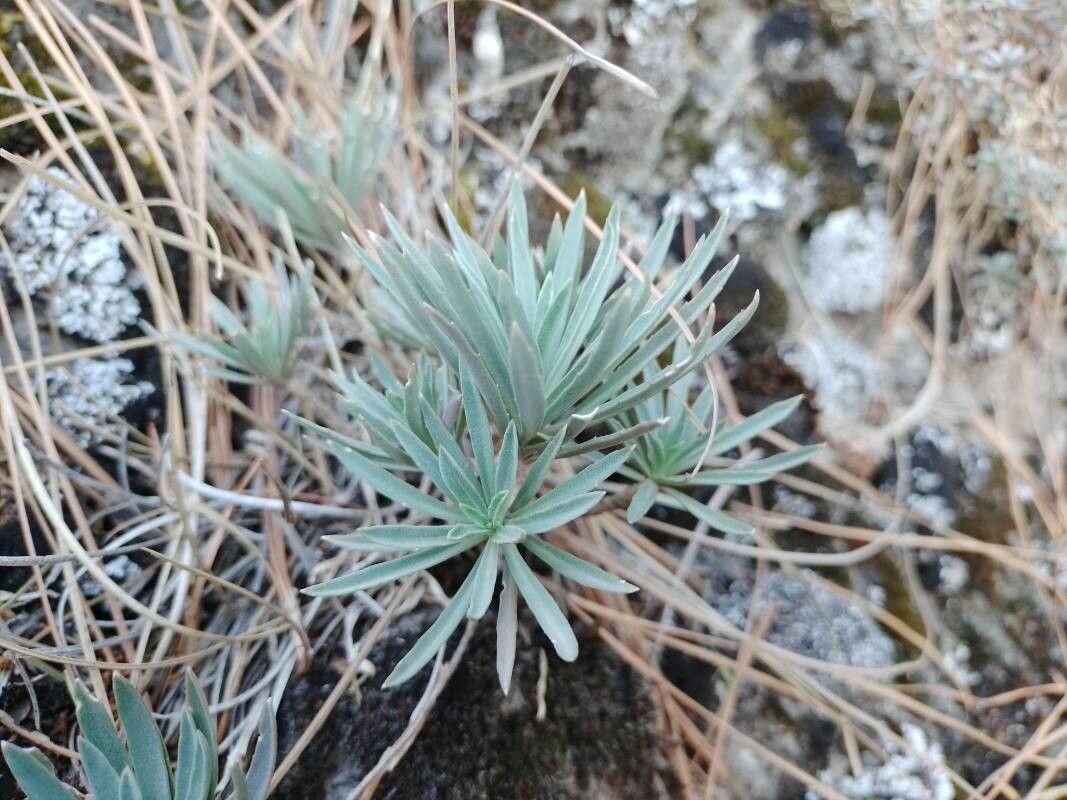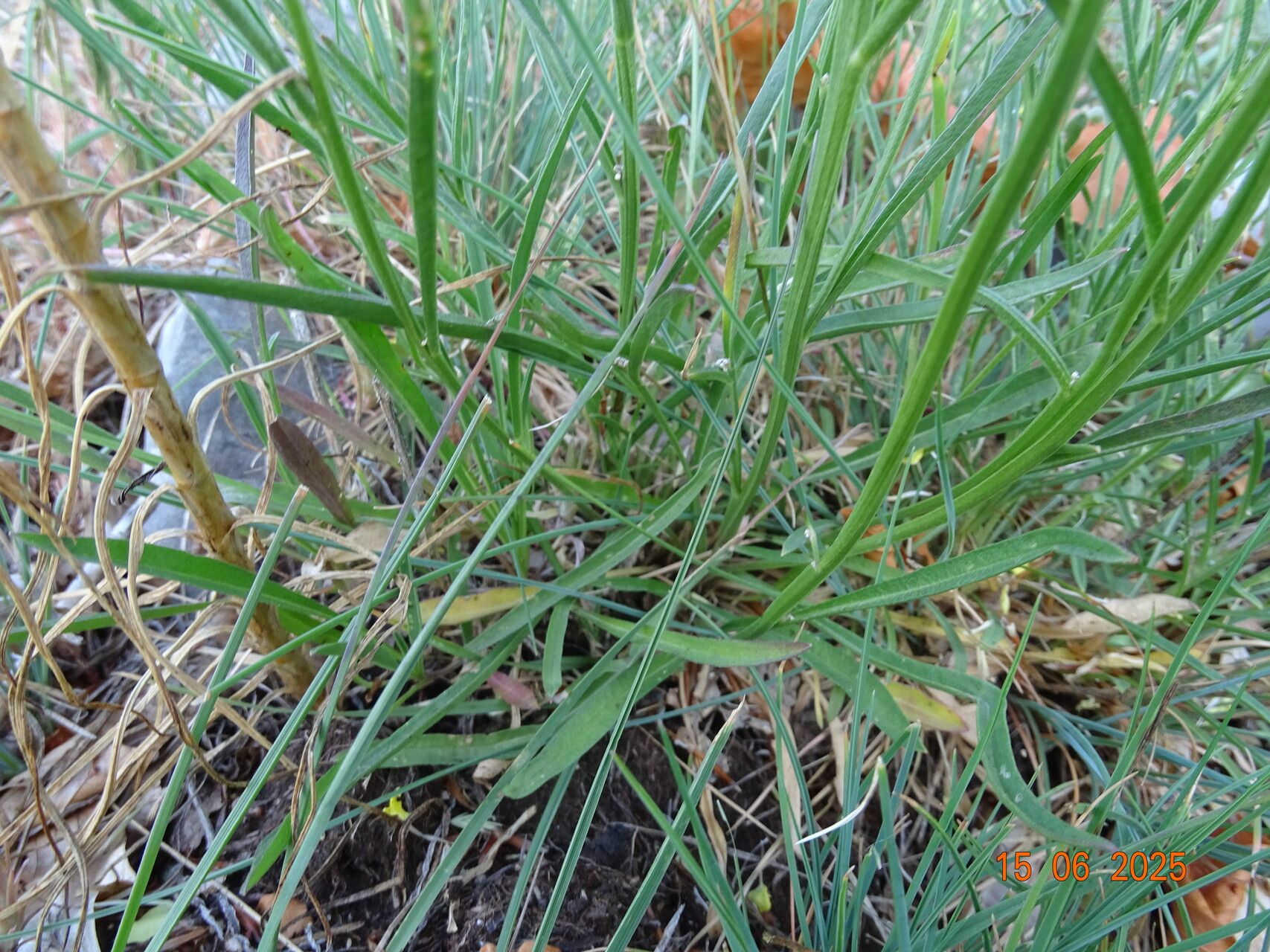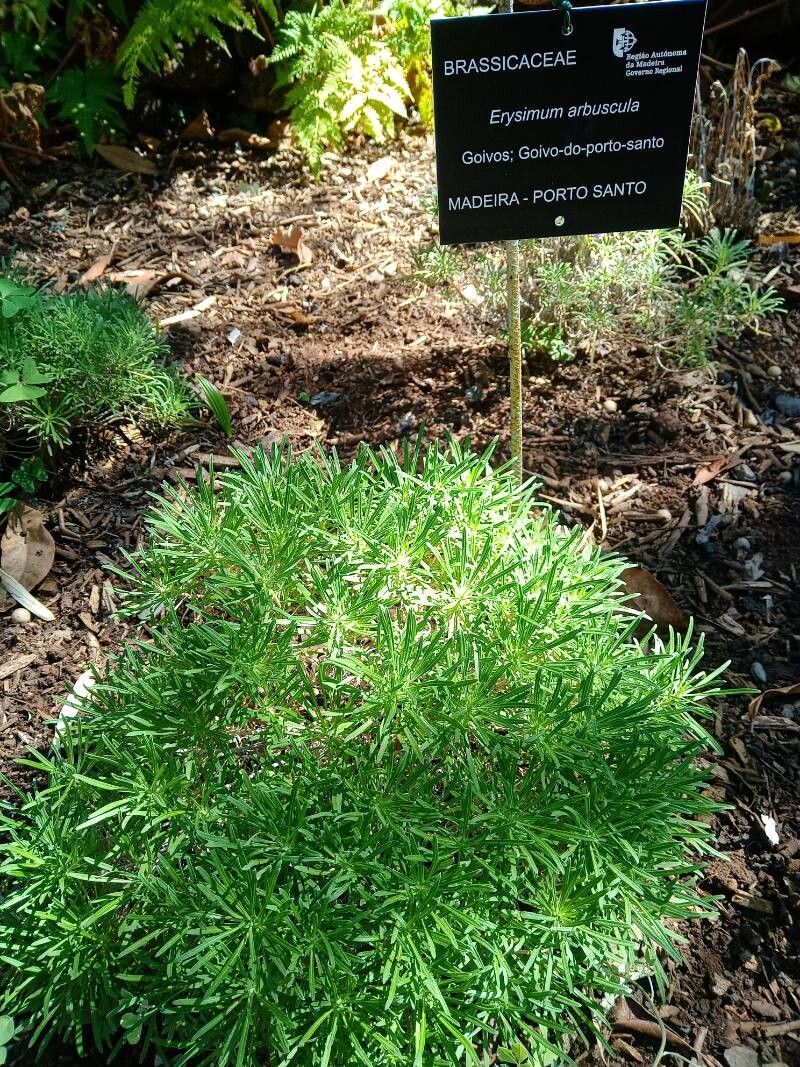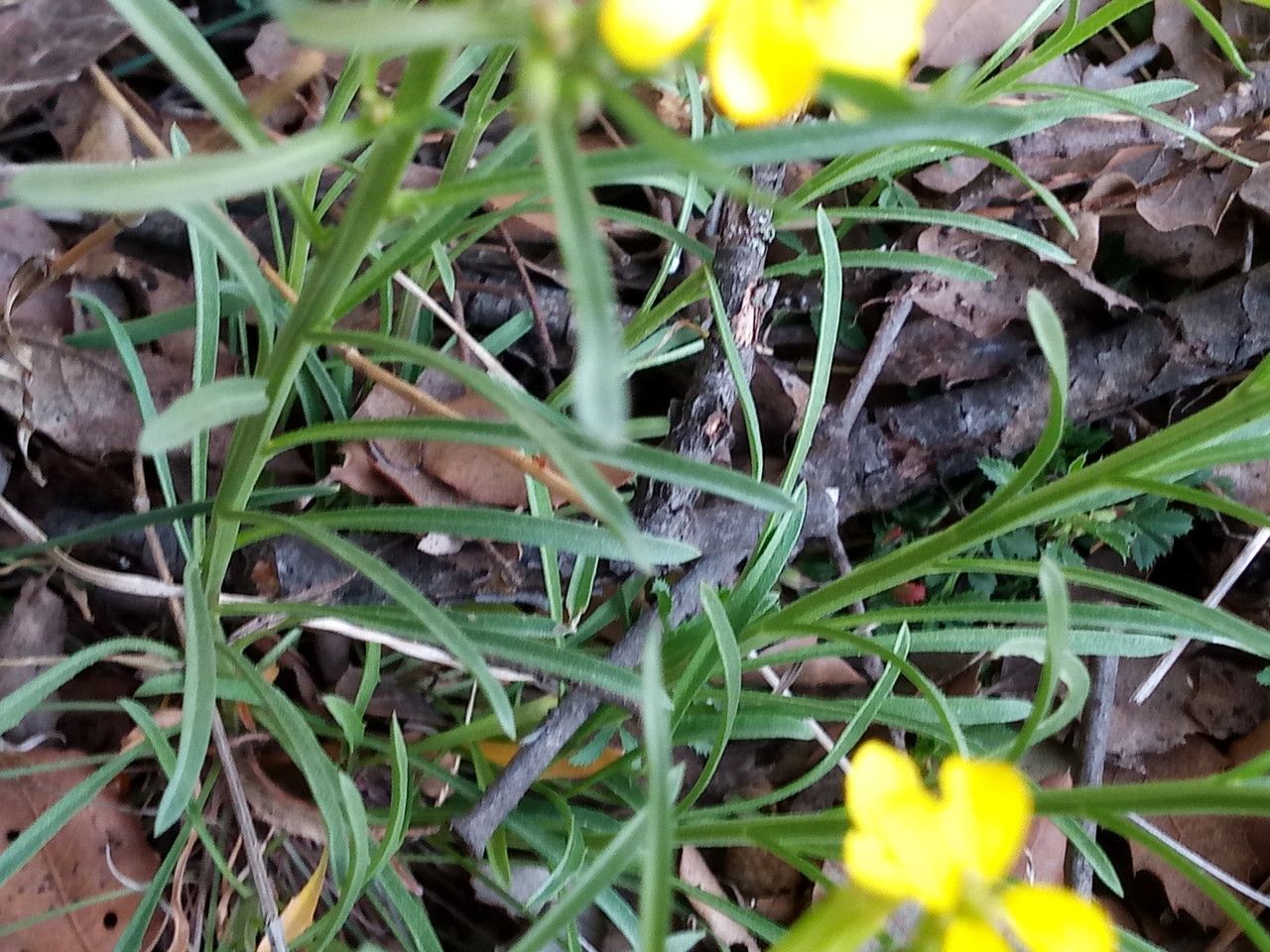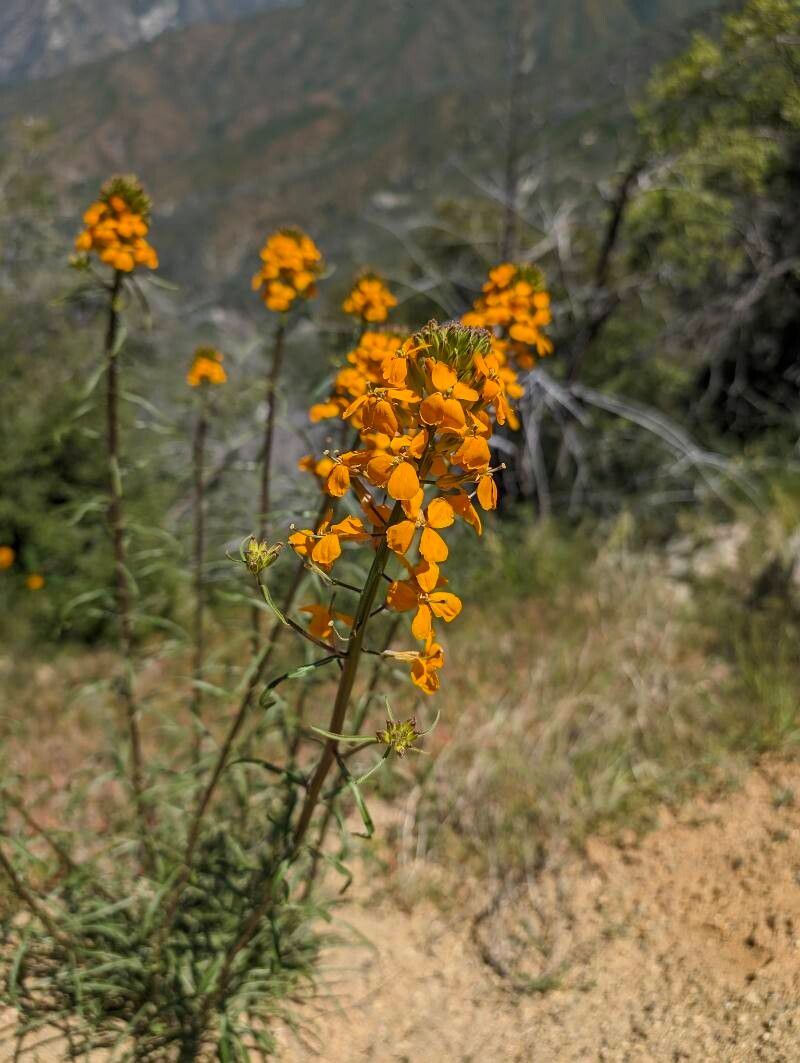
Sand dune wallflower has good disease resistance and is typically not prone to illnesses. However, it can be vulnerable to pests and diseases present in its surroundings. These infections are generally not severe. Regarding care, this plant requires a moderate level of maintenance. It should be pruned regularly to maintain a good appearance and healthy growth. Fertilizing can also encourage flowering. Sand dune wallflower is suitable for anyone with outdoor space, such as a garden or patio, and does not demand extensive care experience. It may need more attention when grown indoors.
How to keep Erysimum Perenne.
Light
The sand dune wallflower is a perennial herb which adores sunlight and is native to open environments, frequently flourishing in grasslands and meadows. While it has a strong preference for full sun exposure, it can also endure conditions of partial sunlight.
Water
The sand dune wallflower is perfectly suited to arid environments, thriving with minimal water and excellent drought resistance. It generally needs weekly watering to meet its moderate moisture requirements. For best growth, it should be planted outdoors where soil moisture levels resemble those of its natural habitat.
Temperature
Sand dune wallflower can adjust to a wide range of temperatures, but its distribution may still be constrained by various combinations of moisture and heat. It performs best in warm summer climates with sufficient rainfall or regular watering. Extended periods of cloudy, rainy weather, as well as sustained high temperatures, can increase the chance of Sand dune wallflower dying. In winter, suitable protection from cold can raise the plant's survival rate.
Fertilizer
Usually, a one-time use of fertilizer in the spring is enough for Sand dune wallflower, although more frequent feeding can boost growth. Apply fertilizers every four to six weeks. Fertilization not only improves the look and function of leaves, resulting in a consistent color and good texture, but also triggers the growth of roots and the absorption of nutrients, contributing to the plant's health in the long run.
Pruning
The sand dune wallflower thrives when regularly pruned, ideally between early and late spring. Be sure to remove any dead stems and spent flowers to promote new blooms. Pruning enhances air circulation, reduces the risk of disease, and helps maintain the plant’s shape. This ensures that the sand dune wallflower remains healthy and attractive throughout the growing season.
Botanical profile.
- Plant Type
- Herb
- Life Cycle
- Perennial
- Genus
- Erysimum
- Family
- Brassicaceae
- Hardiness Zone
- 5-9
- Mature Height
- 30 cm to 61 cm
- Mature Spread
- 30 cm to 46 cm
- Leaf Color
- Dark Green, Green
- Leaf Type
- Deciduous
- Flower Color
- Orange, Yellow
- Flower Size
- 2.03 cm to 3.05 cm
- Bloom Time
- Mid spring, Late spring, Early summer, Mid summer
- Planting Time
- Autumn
- Harvest Time
- Summer, Early fall