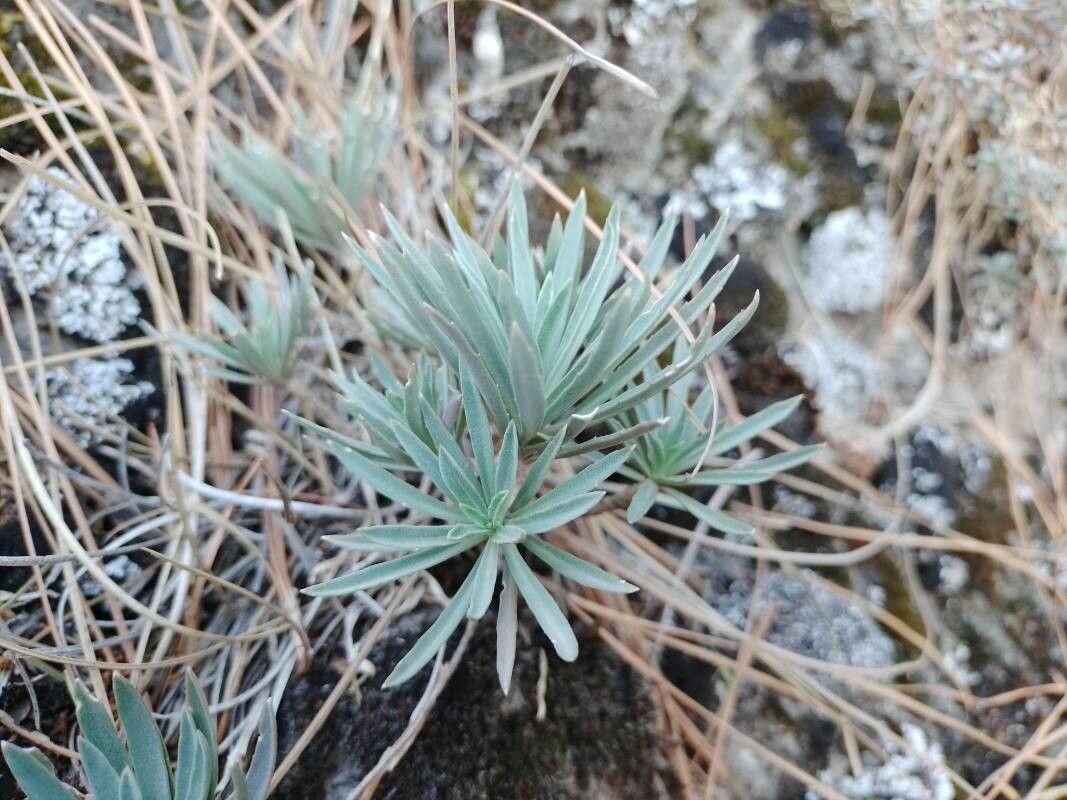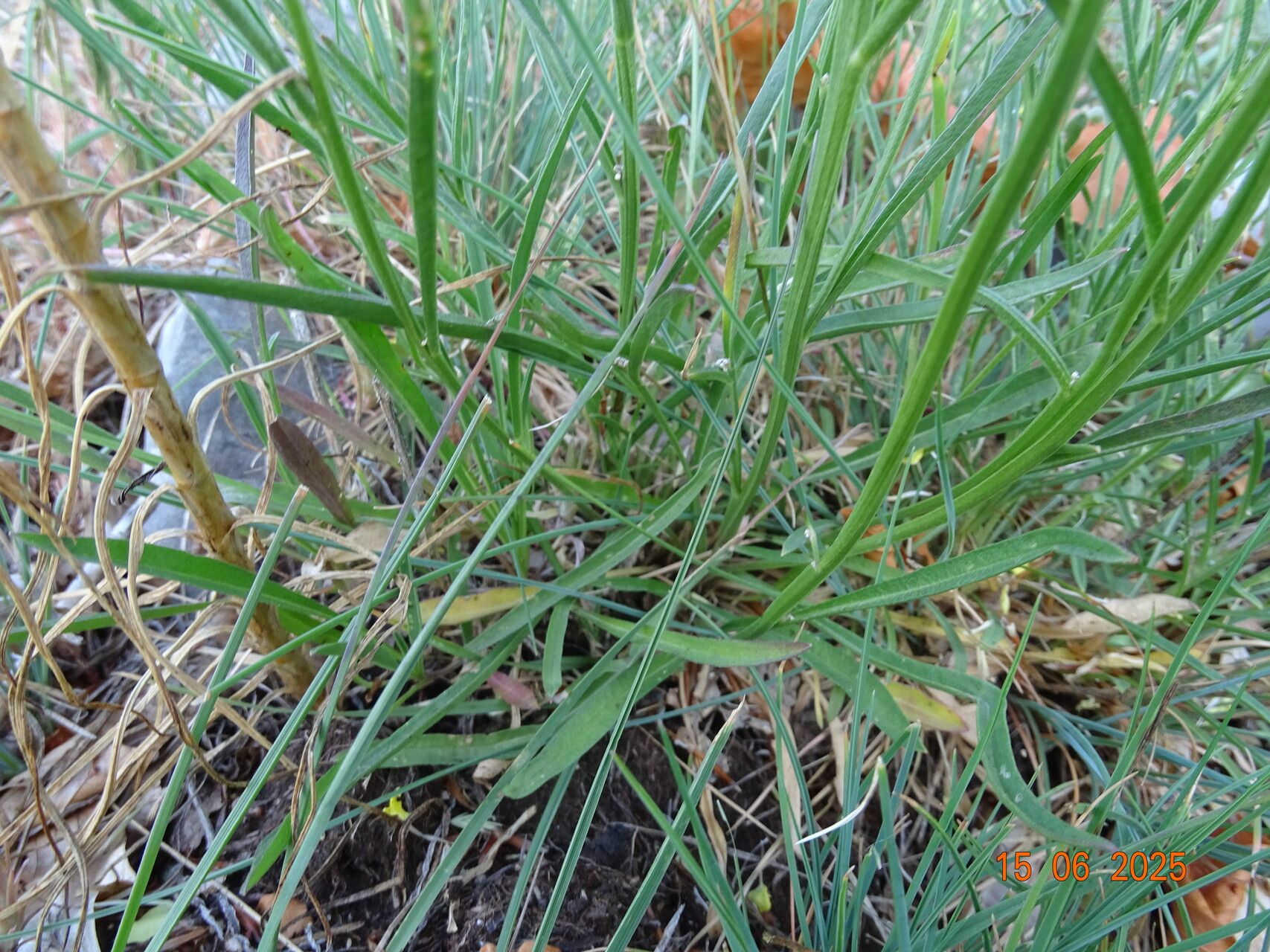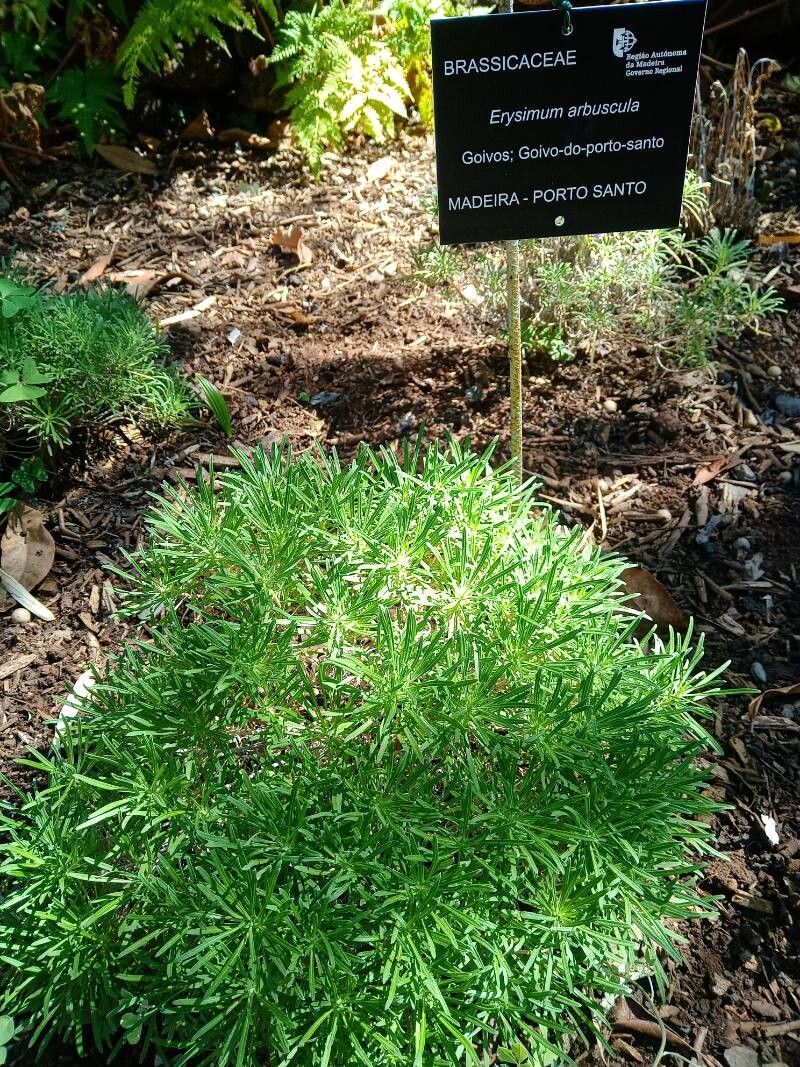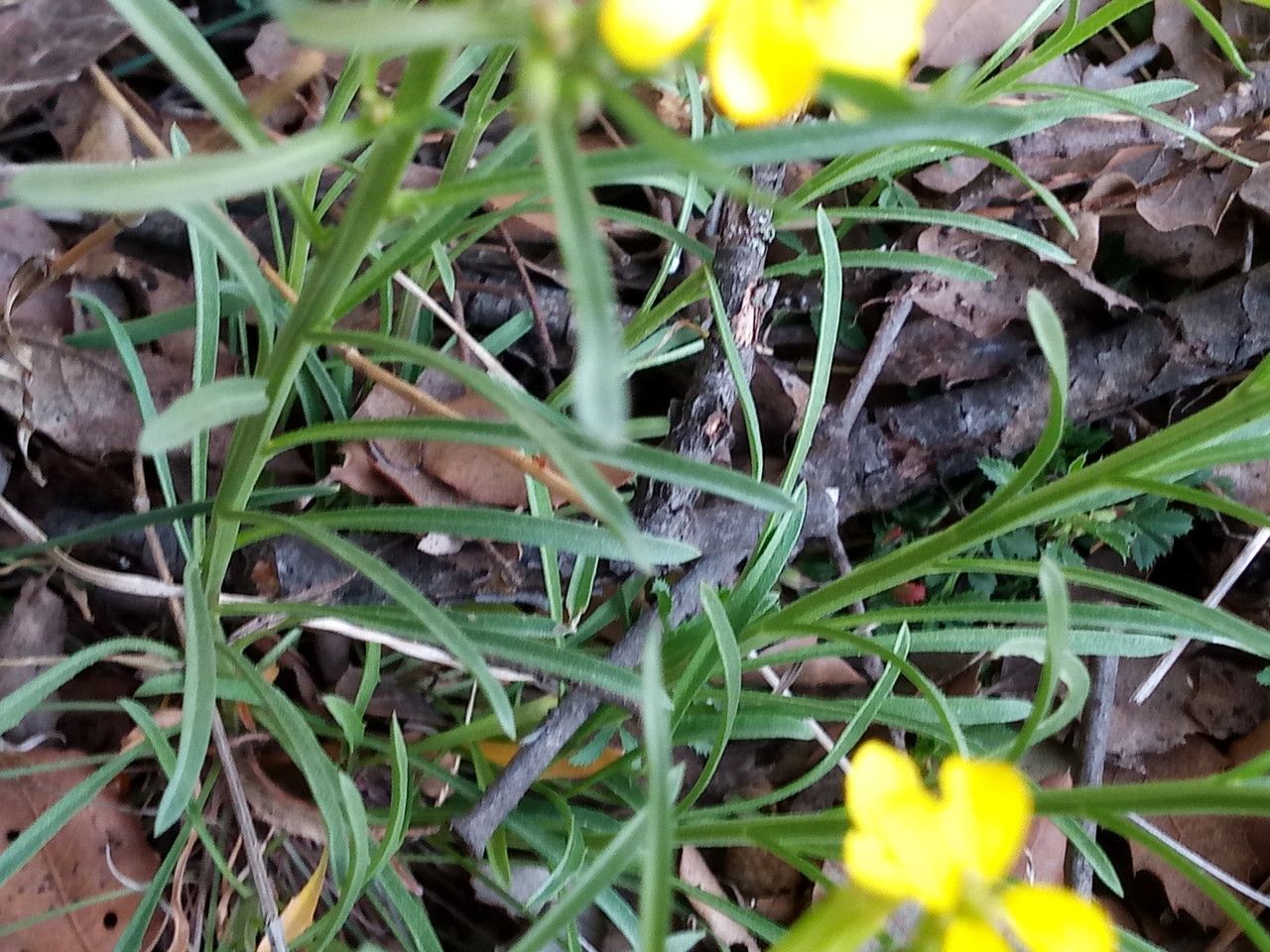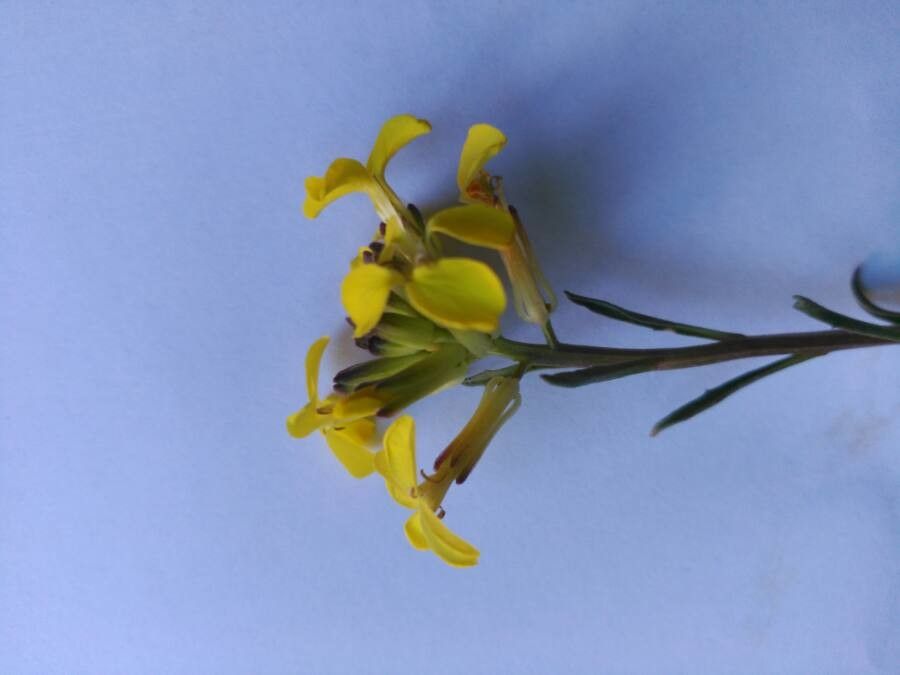
Diffuse wallflower is fairly disease-resistant and generally not prone to illnesses. However, it can be affected by pests and diseases present in its surroundings. These infections are typically mild. In terms of care, the plant requires moderate maintenance. It should be pruned regularly to maintain a tidy appearance and healthy growth. Fertilizing can also help encourage flowering. Diffuse wallflower is suitable for anyone with outdoor space, such as a garden or patio, and does not demand extensive experience in plant care. It may need more attention when cultivated indoors.
How to keep Erysimum Diffusum.
Light
Diffuse wallflower comes from bright, open habitats where it performs best in full sun. It can withstand some partial shade but favors direct sunlight for the best growth. This plant, which can be annual or biennial, is noted for its sun-loving habit.
Water
The diffuse wallflower thrives best in consistently moist soil, which means it needs to be watered weekly. As an outdoor plant, mulching the soil around it can help retain moisture, reducing the need for frequent watering during dry periods.
Temperature
Diffuse wallflower can tolerate a wide range of temperatures, though its distribution may still be restricted by different combinations of moisture and heat conditions. It performs best in warm summer climates with sufficient rainfall or watering. Extended periods of cloudy, rainy weather or prolonged high temperatures can raise the risk of the Diffuse wallflower dying. In winter, adequate protection from cold can increase the plant's survival chances.
Fertilizer
Diffuse wallflower are considered heavy feeders in terms of nutrients. They require frequent, small applications of nitrogen and potassium fertilizers and occasional doses of phosphorus, micronutrients, sulfur, and magnesium to maintain good growth and bright coloration. Continuous fertilization throughout the growing season prevents deficiency symptoms and maintains optimal growth.
Pruning
The diffuse wallflower benefits from strategic pruning in early to late spring, right after it finishes blooming. To promote a compact and vigorous plant, remove any spent blooms and leggy growth. Deadheading helps extend the flowering period, while avoiding heavy pruning in winter can prevent disease and encourage healthy new growth. This approach will result in an attractive, thriving plant.
Botanical profile.
- Plant Type
- Herb
- Life Cycle
- Biennial, Perennial
- Genus
- Erysimum
- Family
- Brassicaceae
- Hardiness Zone
- 7-9
- Leaf Type
- Semi-evergreen
- Bloom Time
- Summer
- Native Area
- Tajikistan, Turkey, Czech Republic, Slovakia, Montenegro, Bulgaria, Greece, Croatia, Ukraine, China, Uzbekistan, Russia, Serbia, Kyrgyzstan, Kazakhstan, Mongolia, Albania, Hungary