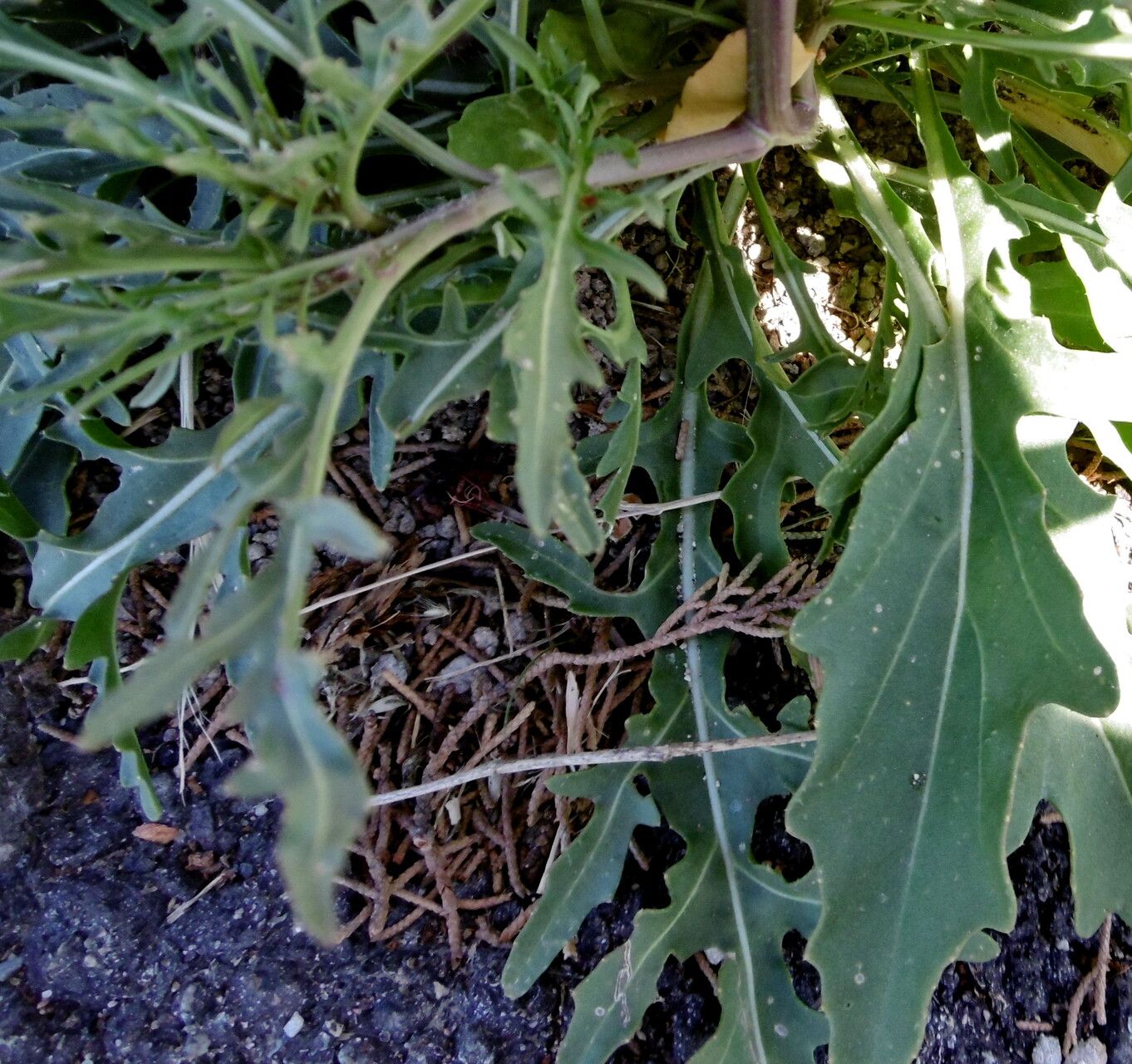
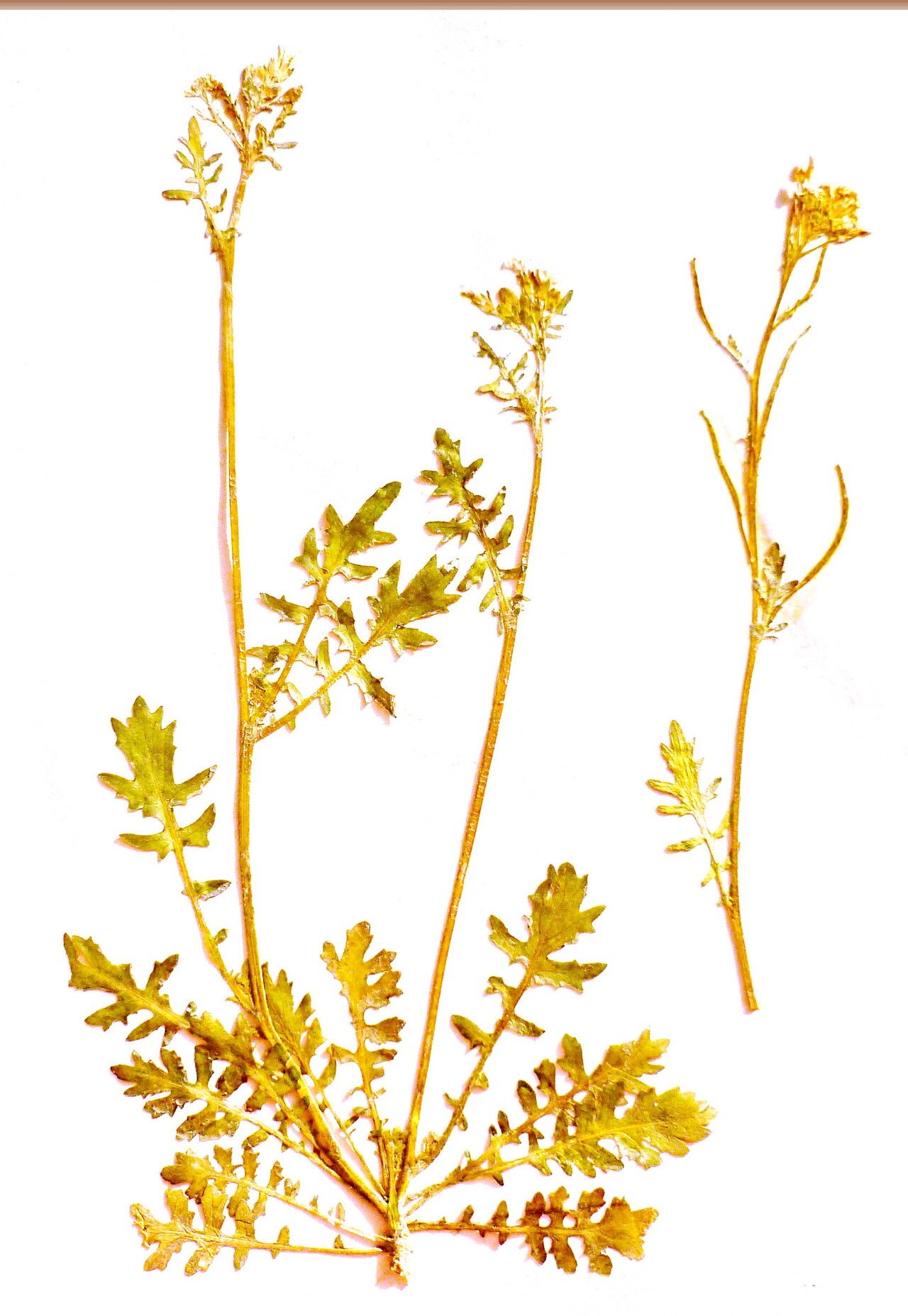
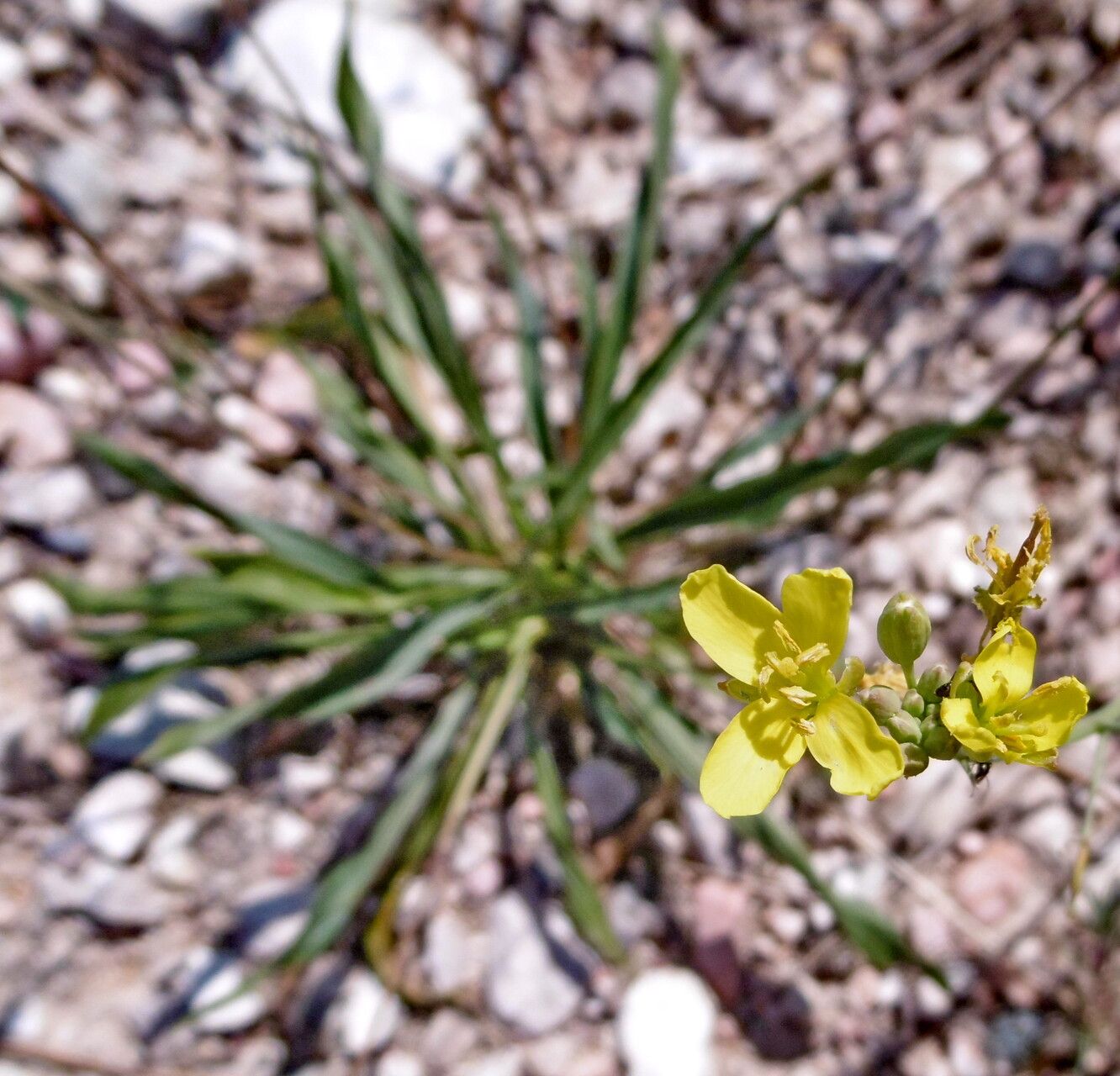
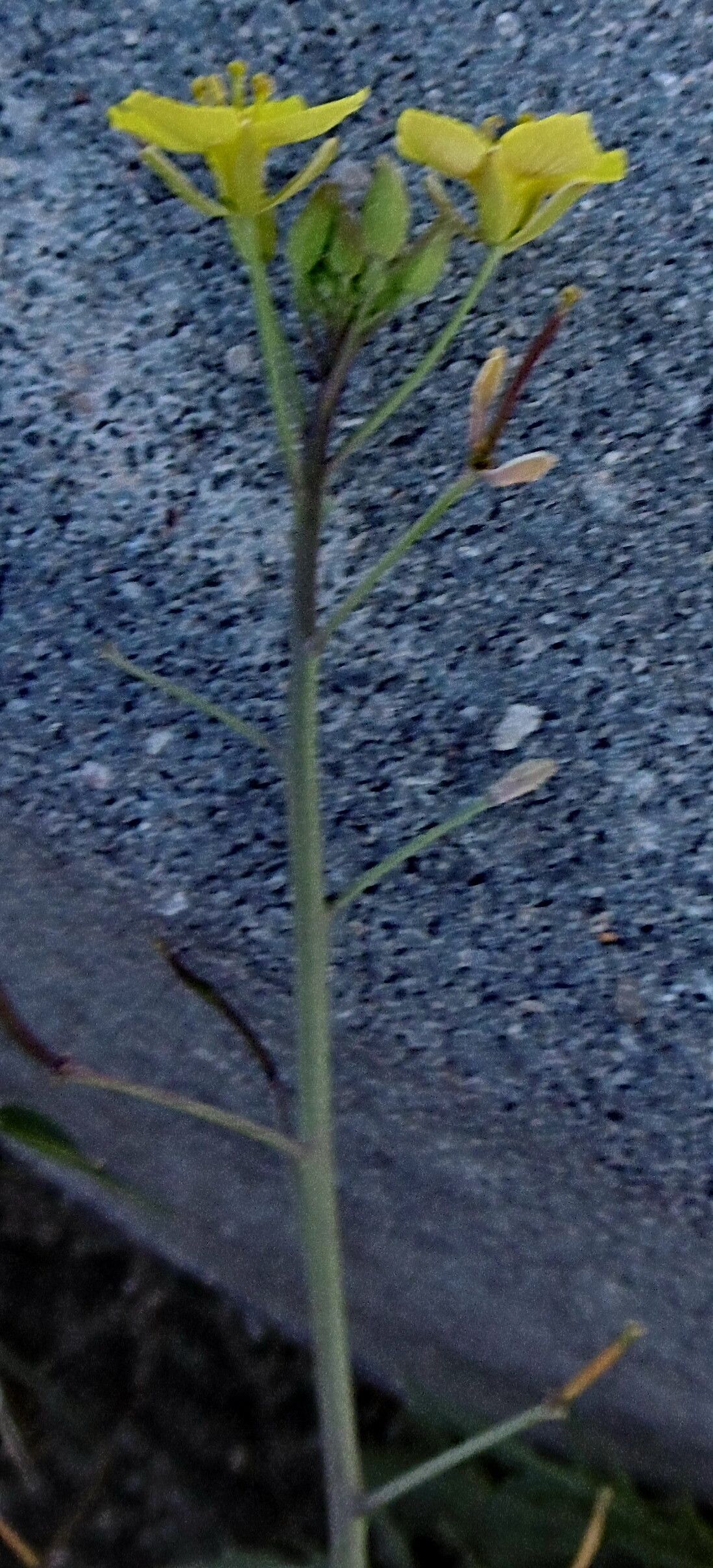
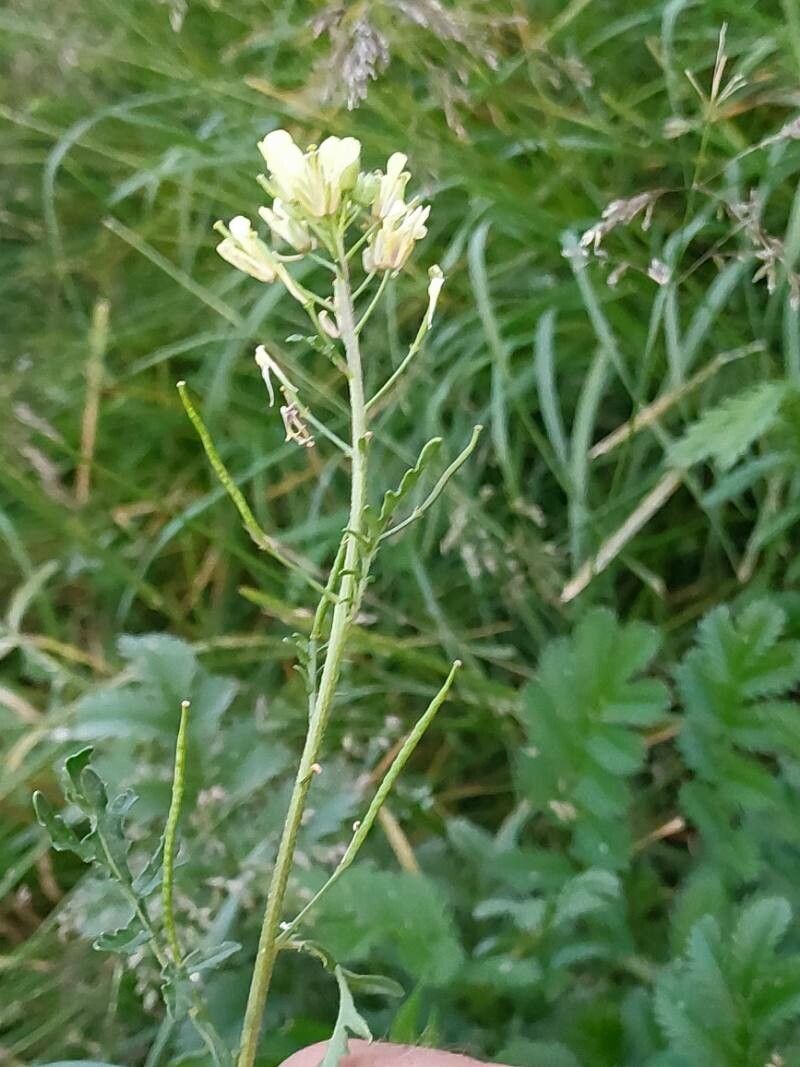
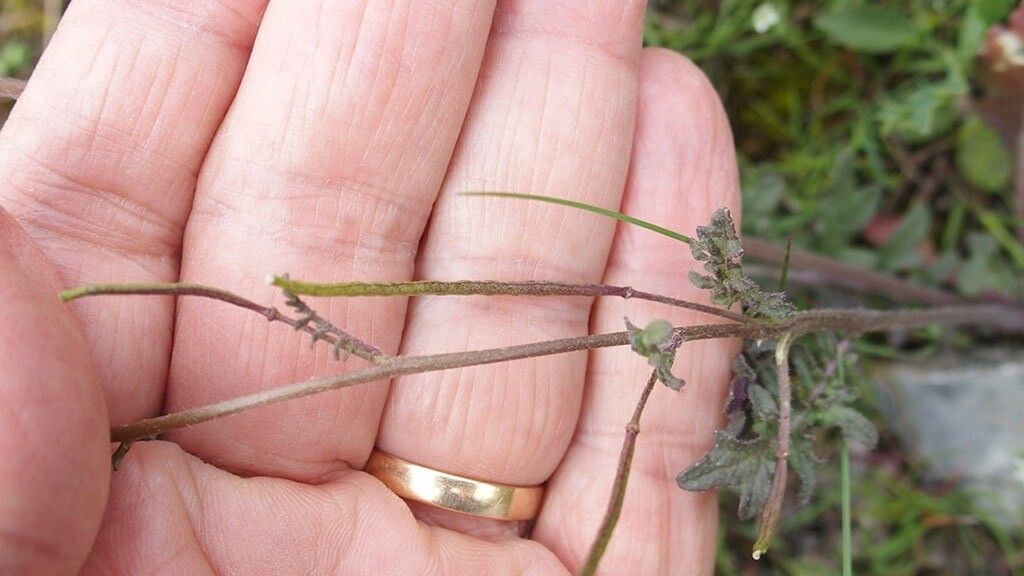
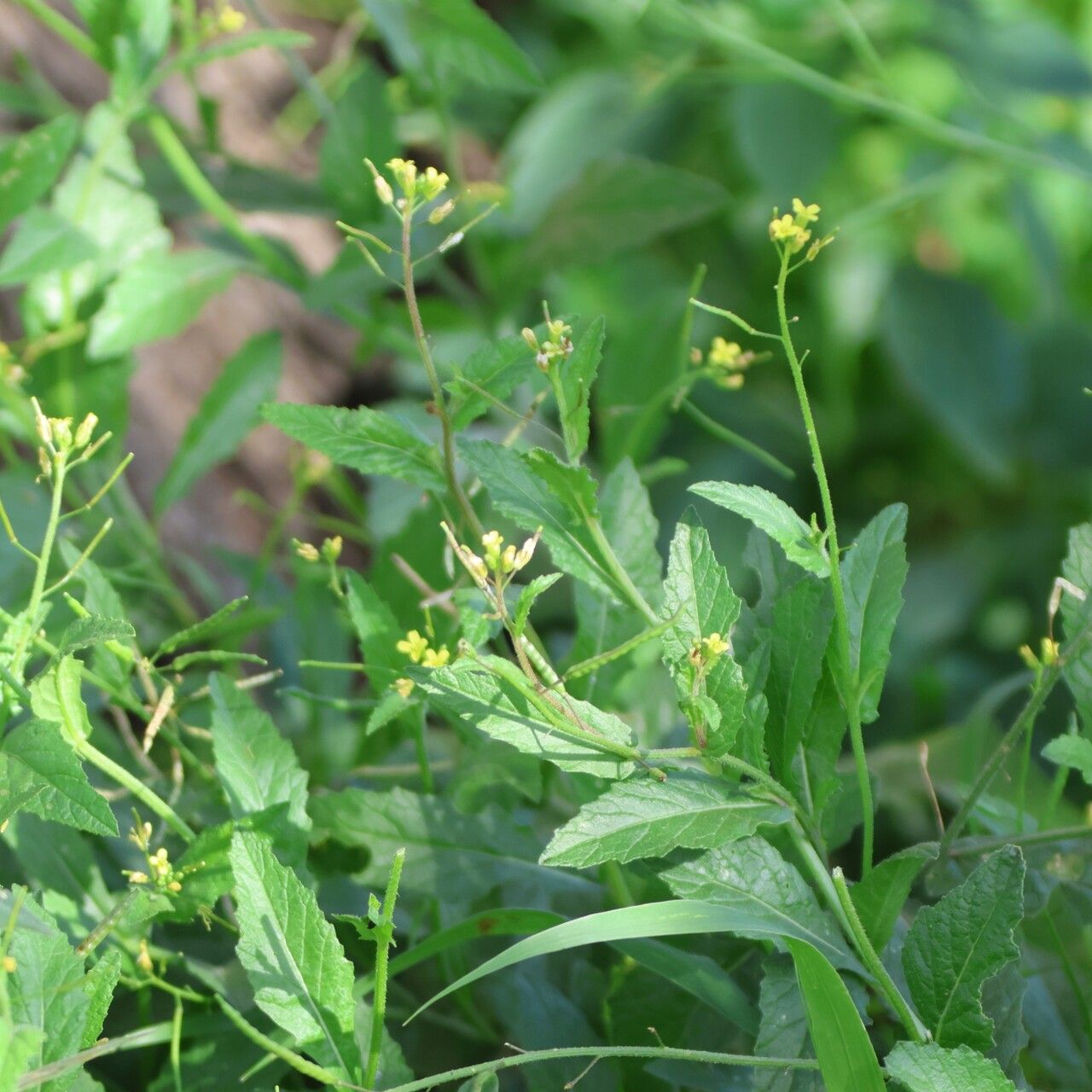
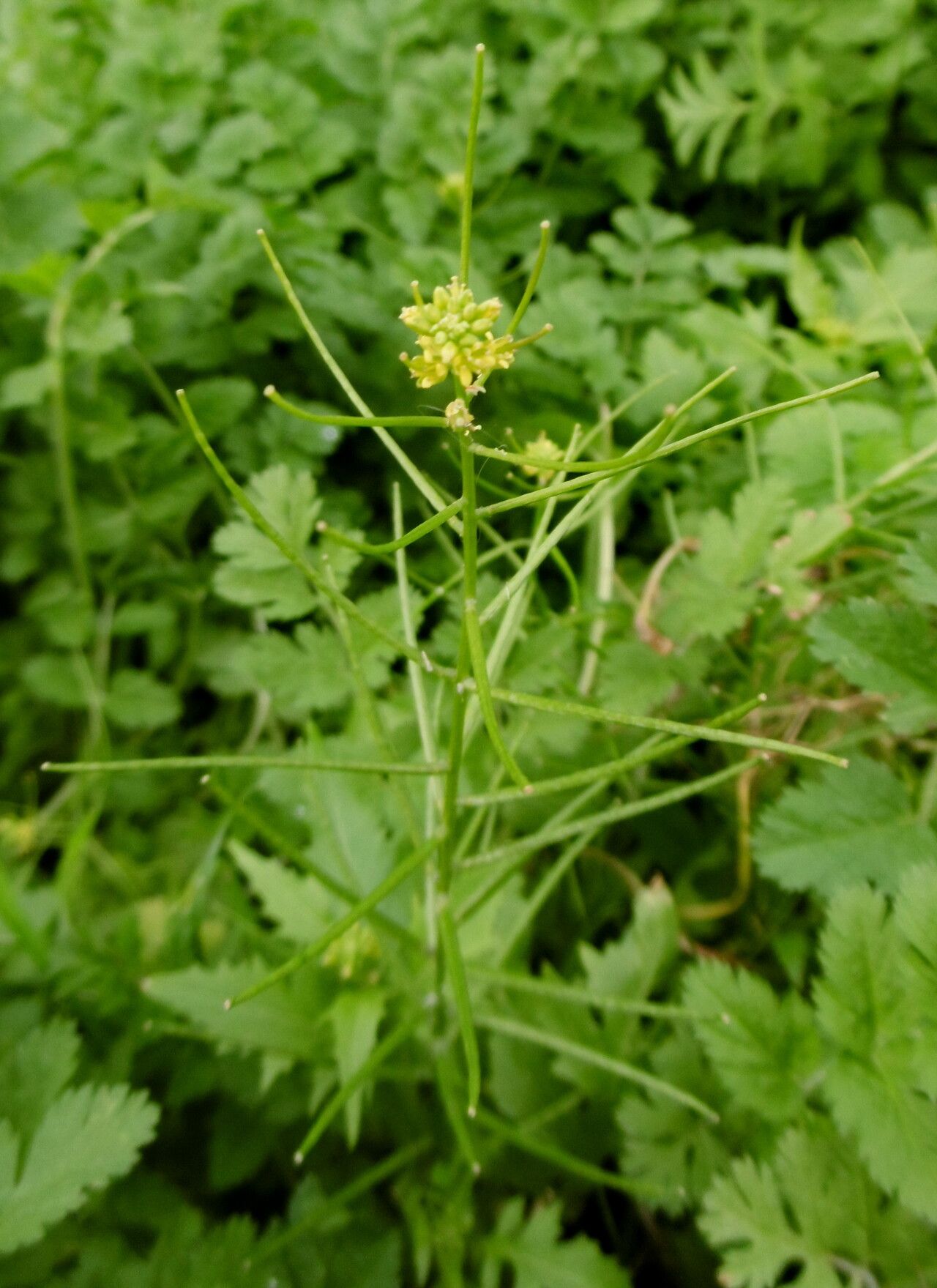
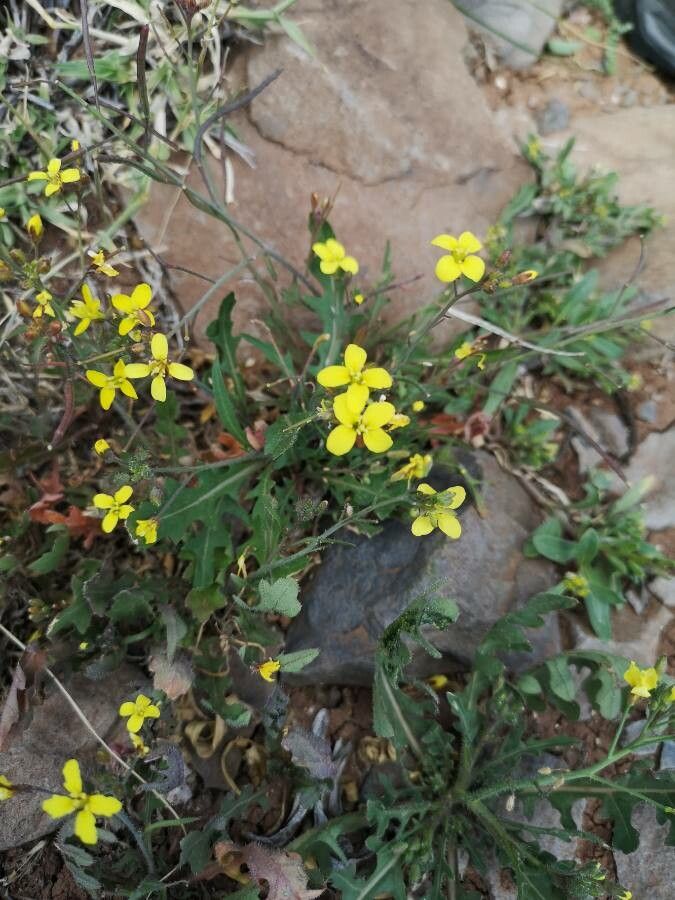
Erucastrum gallicum, commonly known as French rocket or rocket salad, is a species of flowering plant in the Brassicaceae family. Native to Europe and western Asia, it has also been introduced to North America. This plant typically grows up to 60 cm tall and features a rosette of basal leaves that are deeply lobed with toothed edges. The stem leaves are smaller and have fewer lobes.
The flowers of Erucastrum gallicum are small and white or pale yellow, arranged in clusters at the top of the stem. They bloom from May to August, depending on the location.
The plant prefers well-drained, nutrient-rich soils and can tolerate both full sun and partial shade. It is commonly found growing along roadsides, in fields and meadows, and in disturbed areas such as waste grounds.
Erucastrum gallicum has been used for culinary purposes for centuries due to its peppery taste, similar to that of arugula (Eruca sativa). Its young leaves can be eaten raw or cooked, while its flowers can be used to garnish salads.
In addition to its culinary uses, Erucastrum gallicum possesses medicinal properties, such as anti-inflammatory effects, due to its high flavonoid content. These flavonoids have been shown to be effective against various diseases, including the inhibition of cancer cell growth.
Overall, Erucastrum gallicum is a fascinating species with both culinary and medicinal applications, making it an important part of our ecosystem today.
Common dogmustard has strong resistance to diseases and typically is not prone to them. Still, it can be affected by pests and diseases present in its environment. Such infections are generally mild. Regarding care, this plant needs moderate maintenance. It should be pruned on a regular basis to preserve a neat appearance and encourage healthy growth. Adding fertilizer can also help stimulate flowering. Common dogmustard is appropriate for anyone who has outdoor space, like a garden or patio, and does not demand extensive gardening experience. It may need additional attention when kept indoors.
How to keep Erucastrum Gallicum.
Light
Common dogmustard comes from bright, open habitats where it thrives in full sun. It can tolerate partial sun but favors direct sunlight for optimal growth. This plant, which may be annual or biennial, is noted for its sun-loving nature.
Water
Common dogmustard thrives in moisture-rich environments, preferring weekly watering while avoiding waterlogging. During the growing season, rainwater supports its growth by meeting its hydration needs.
Temperature
Common dogmustard generally grows best in its natural habitats where temperatures fall between 68 and 100 °F (20 to 38 ℃). It is important to recreate these conditions for ideal growth, and adjustments should be made when seasonal temperatures swing to extremes.
Fertilizer
Common dogmustard does well with regular, light fertilizer applications to encourage healthy leaf growth. Fertilize Common dogmustard about once a month during the summer. Nitrogen is important for foliage, and providing nitrogen-rich sources helps Common dogmustard thrive.
Pruning
Common dogmustard is a plant known for its weedy growth and yellow flowers. To maintain its shape and health, regular pruning is essential. This involves removing dead stems and thinning out crowded areas. The best time for pruning is between early and late spring. Consistent maintenance helps prevent the plant from becoming invasive and encourages strong, healthy growth. Always use clean, sharp tools for the best results.
Botanical profile.
- Plant Type
- Herb
- Life Cycle
- Annual, Biennial
- Genus
- Erucastrum
- Family
- Brassicaceae
- Hardiness Zone
- 6-12
- Mature Height
- 30 cm to 61 cm
- Mature Spread
- 20 cm to 40 cm
- Leaf Color
- Green, Dark Green
- Leaf Type
- Semi-evergreen
- Flower Color
- Yellow
- Flower Size
- 0.51 cm to 1.02 cm
- Bloom Time
- Mid spring, Late spring, Summer
- Planting Time
- Spring, Summer, Autumn
- Harvest Time
- Summer, Early fall
- Native Area
- Hungary, Germany, Austria, Sweden, Spain, Switzerland, Slovakia, Netherlands, Albania, Greece, Croatia, Slovenia, Belarus, France
Other names.
Reader questions.
How should I water my Common dogmustard?
There are several ways to water Common dogmustard. You can use a garden hose with a spray nozzle, a watering can, or any other common watering tool. Common dogmustard isn't too picky about the water it receives - it can live off of rainwater, tap water, or filtered water. It's best to avoid watering this plant from overhead as it can damage the leaves and flowers and may cause disease. A good option is to set up a drip irrigation system, which applies water evenly and directly to the soil. If you have a container-grown Common dogmustard, you can use a cup, watering can, or tap to water it directly to the soil.
What are the sunlight requirements for Common dogmustard?
Common dogmustard (Erucastrum gallicum) thrives in environments with full sun, requiring more than 6 hours of sunlight daily for optimal growth. It can also tolerate partial sun, which means about 3-6 hours of sunlight each day. It is essential to watch how sunlight moves through your garden to find spots that provide the right balance of light and shade, ensuring your plants' happiness and health.
What is the ideal temperature range for growing Common dogmustard (Erucastrum gallicum)?
Common dogmustard (Erucastrum gallicum) thrives best in environments where the temperatures are between 68 to 100 °F (20 to 38 °C). To ensure optimal growth, it's important to maintain these conditions as closely as possible. Even though the plant has strong cold resistance, making special frost protection measures unnecessary in most cases, adjustments should be made during extreme temperature fluctuations to protect the plant.
What should I do if I give my Common dogmustard too much or too little water?
To fix underwatering issues with Common dogmustard, simply start watering the plant more regularly when you notice it is lacking moisture. Overwatering, on the other hand, can be much more serious. If not caught early, it can lead to diseases that cause the plant's decline and death. To prevent this, choose a proper growing location with plenty of sunlight to dry the soil and good drainage to prevent water from pooling. If your potted Common dogmustard is overwatered, consider changing to a new pot with better drainage and loose soil.
How does artificial lighting support the growth of indoor Common dogmustard plants?
When natural sunlight is insufficient, especially during winter or in less sunny spaces, artificial lighting can be a crucial alternative for indoor Common dogmustard plants, promoting faster and healthier growth. LED lights are recommended due to their customizable wavelengths, which can be tailored to the specific needs of the plant. For proper growth, full sun plants need 30-50W/sq ft, partial sun plants require 20-30W/sq ft, and full shade plants need 10-20W/sq ft of artificial light. The light source should be placed 12-36 inches above the plant, and the lighting duration should mimic natural daylight hours, typically between 8-12 hours per day.
How should Common dogmustard be protected during extreme winter conditions?
During winter, if temperatures are expected to drop below -25°C, it's important to protect Common dogmustard from the cold. This can be achieved by covering the plant with soil or straw to insulate it. Additionally, watering the plant abundantly before the first freeze in autumn ensures the soil remains moist and enters a frozen state, which helps prevent drought and water scarcity for the plant during the cold months.
How often do I need to water my Common dogmustard?
To properly water your Common dogmustard, keep in mind the following guidelines: During the growing season, which starts in spring, water your Common dogmustard about once a week. As the season progresses and temperatures rise, you may need to increase watering to two or three times a week. However, be careful not to exceed this rate as it can harm the plant. Regardless of watering frequency, ensure that the soil remains consistently moist but not overly wet. If your Common dogmustard is in a pot, adjust your watering schedule accordingly. Potted plants tend to dry out faster, so plan to water them a few times per week, as opposed to just once per week for plants in the ground.
What are the symptoms of inadequate light exposure in Common dogmustard?
Common dogmustard shows various symptoms when exposed to insufficient light, indicating a need for better lighting conditions. These symptoms include smaller new leaves, leggy or sparse growth, faster leaf drop, slower or no new growth, lighter-colored new leaves, chlorosis (yellowing leaves due to lack of chlorophyll), sunscald (damage from intense light exposure), leaf curling (a defense mechanism against excessive light), wilting (loss of turgor pressure causing droopiness), and leaf scorching (brown, dry edges on leaves due to excessive sunlight).
What symptoms indicate that Common dogmustard is experiencing temperature stress?
Symptoms of temperature stress in Common dogmustard vary based on whether it's too cold or too hot. In cold conditions, especially when temperatures fall below -25°C, the plant may exhibit decreased sprouting or fail to sprout in spring, even though it might not show noticeable changes during winter. In excessively hot conditions, temperatures above 43°C may cause the leaves to lighten in color, curl, become prone to sunburn, and in severe cases, the entire plant may wilt and dry up.
How much water does my Common dogmustard plant need?
There are a few ways you can decide how much water to give your Common dogmustard. Some gardeners prefer to check the soil moisture by feeling it. For this method, you would water until the top six inches of soil feel moist. Another option is to use a specific measurement. Typically, Common dogmustard needs about two gallons of water per week, but this can vary based on temperature and soil dryness. However, following strict guidelines might result in overwatering if your plant needs less water. When growing Common dogmustard in a container, a different method is needed. You should water enough to moisten all layers of the dry soil. To check, stick your finger in the soil or make sure water is gently coming out of the pot's drainage holes.
What solutions can help Common dogmustard with insufficient sunlight?
To address insufficient sunlight for Common dogmustard, gradually increase exposure to natural light, moving plants to sunnier spots each week until they receive at least 6 hours of direct sunlight daily. Indoors, use a south-facing window or artificial lighting, like desk or ceiling lamps, for at least 8 hours a day. Outdoors, avoid sudden changes in light intensity to prevent sunburn. Reducing obstructions, such as pruning trees, or transplanting smaller plants during their dormant period to sunnier locations, can improve sunlight access. Although parts of the plant already affected may not recover, new growth should be healthy with improved light conditions.
What are the solutions for Common dogmustard's temperature stress?
For cold stress, particularly if the plant fails to sprout in spring, removing the parts that did not sprout is recommended. For heat stress, trimming away the sunburned and dried-up parts of the plant helps. Moving the plant to a shaded location or using a shade cloth to protect it from the midday and afternoon sun can also mitigate damage. Maintaining soil moisture by watering the plant in the morning and evening is crucial during hot periods.