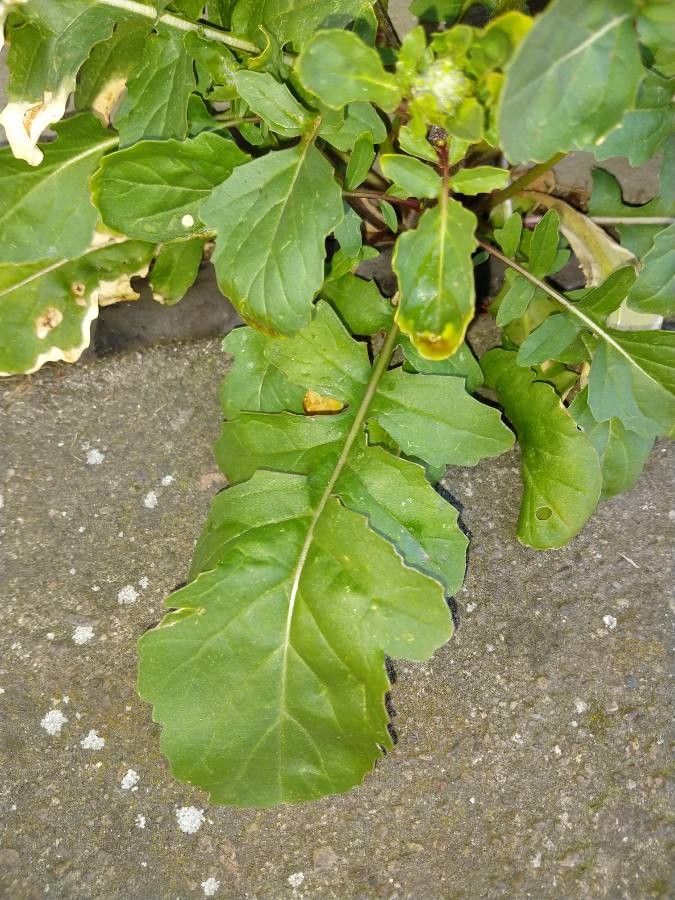
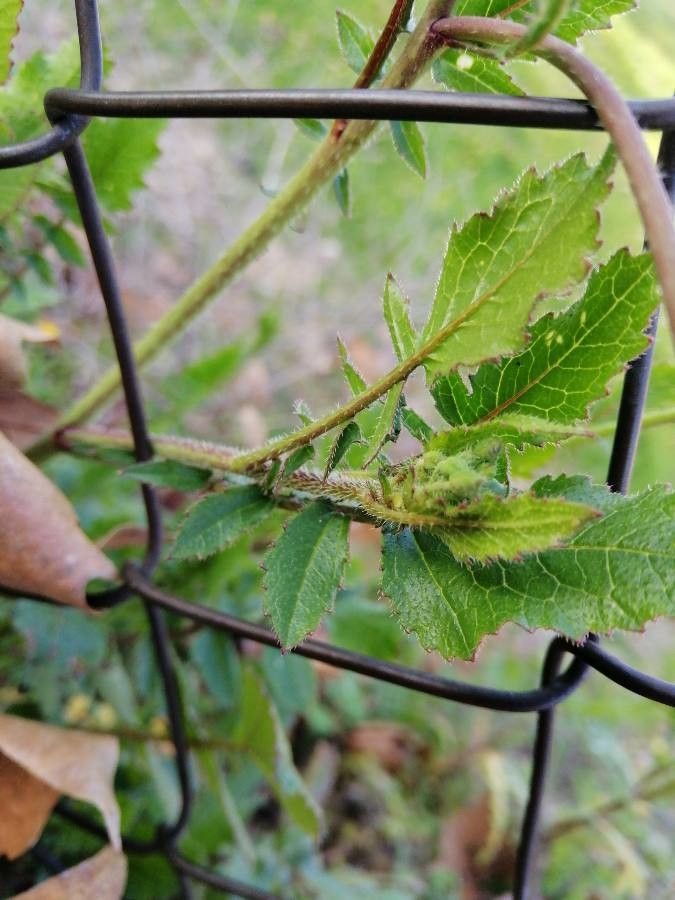
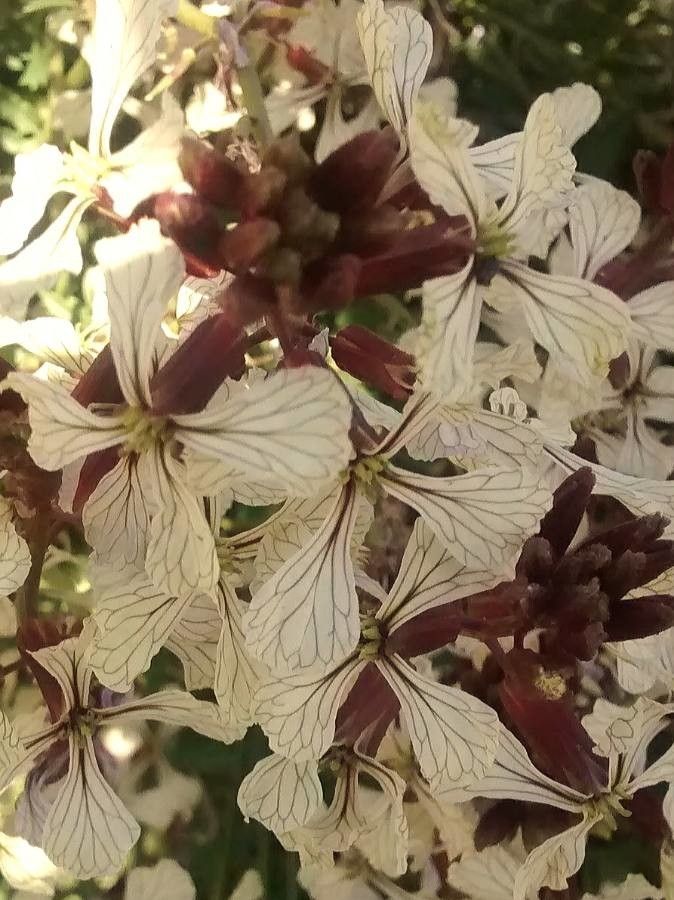
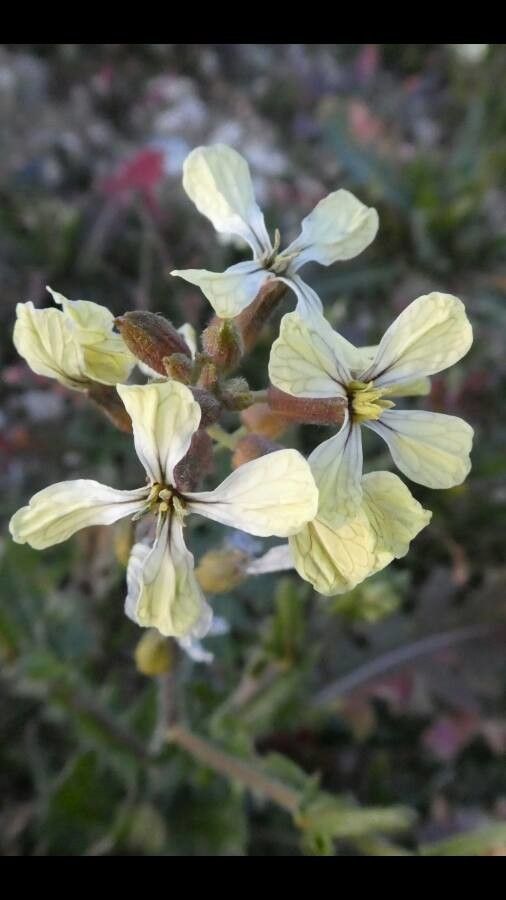
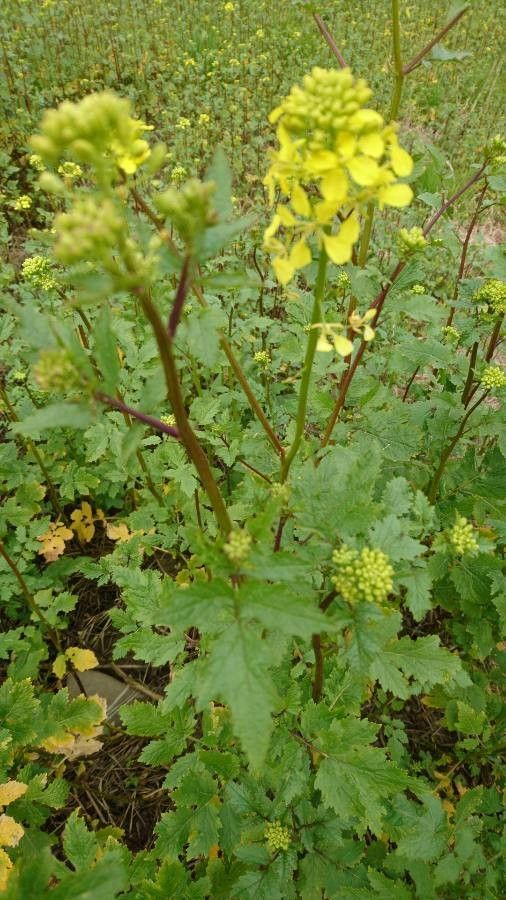
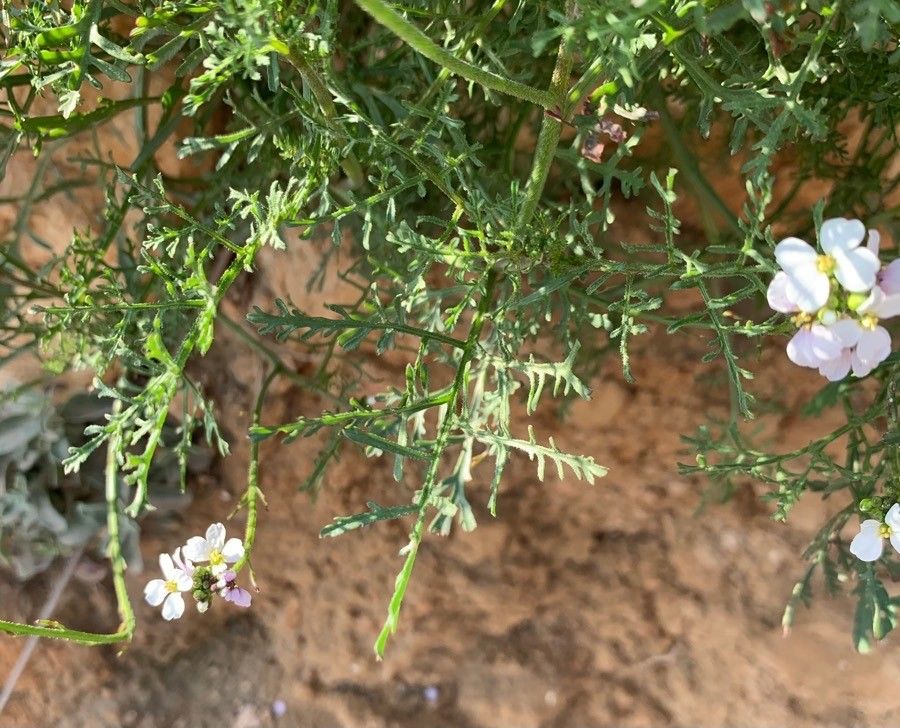
Eruca sativa, commonly known as arugula or rocket, is a leafy green plant from the Brassicaceae family. Native to the Mediterranean region, it has now spread worldwide. Arugula features a distinctive peppery taste and is frequently used in salads, sandwiches, and as a garnish.
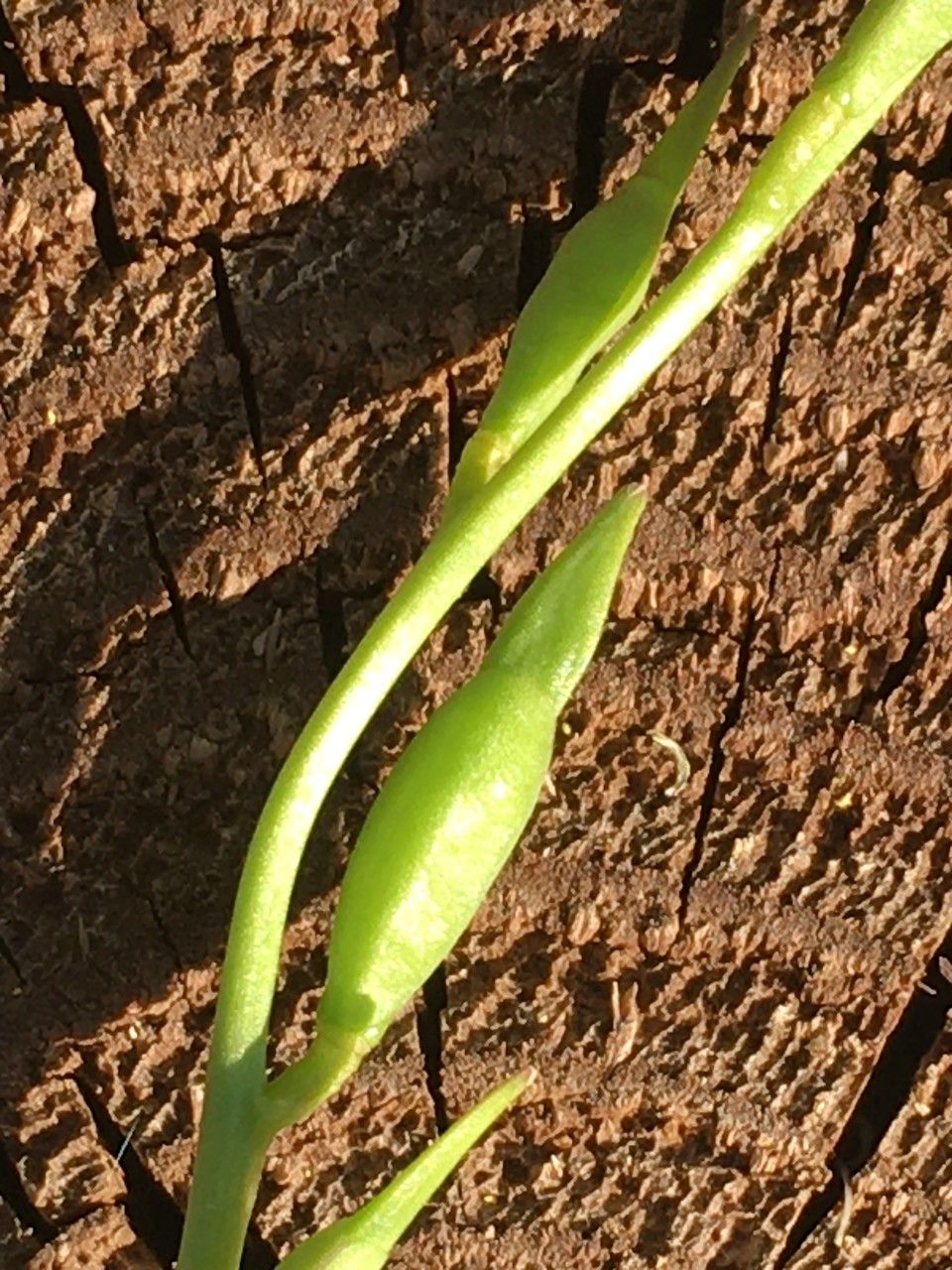
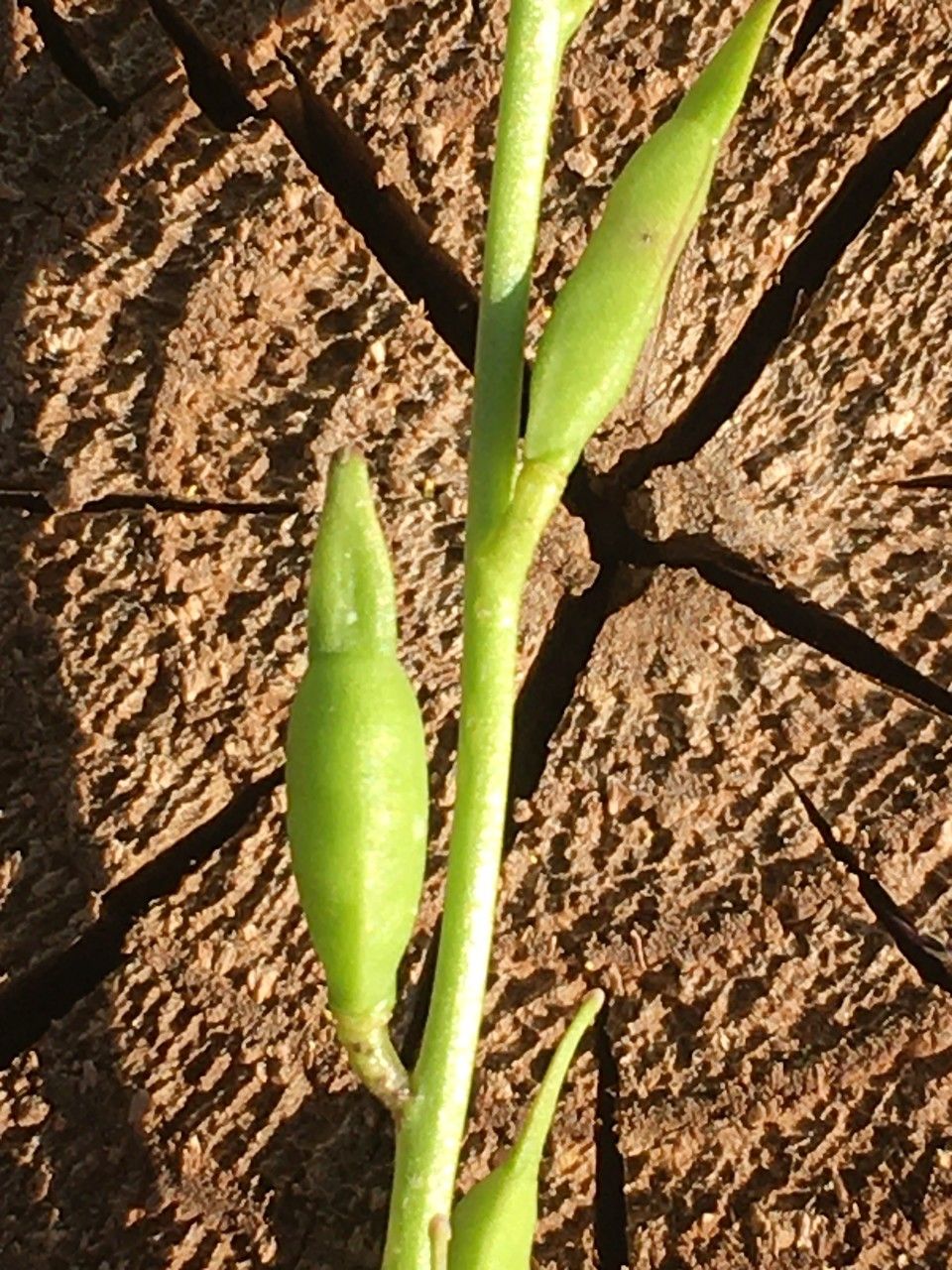
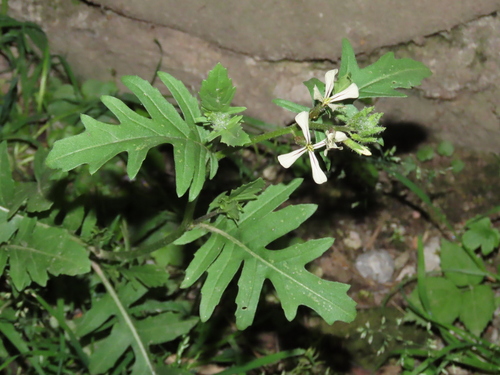
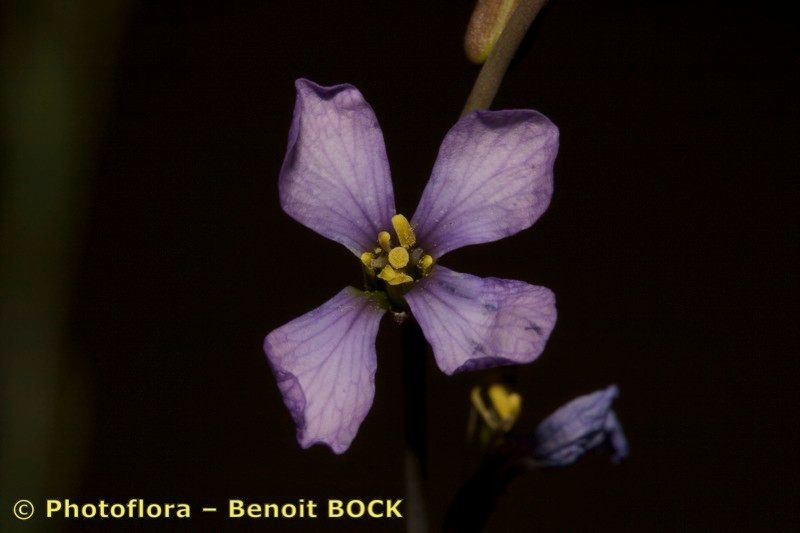
The plant can grow up to 2 feet tall and has elongated, deeply lobed leaves. It produces small white flowers that eventually develop into seed pods containing tiny black seeds.
Arugula is an easy-to-grow plant that thrives in cool temperatures and well-drained soil. It can be cultivated in containers or directly in the ground and requires regular watering.
Beyond its culinary applications, arugula offers several health benefits. It boasts high levels of vitamins A, C, and K, as well as essential minerals like calcium and iron. Additionally, arugula contains antioxidants that help protect against cancer-causing agents.
Overall, Eruca sativa, or arugula, is a versatile, easy-to-grow leafy green with a unique peppery flavor. It can be used in a variety of culinary dishes while also providing numerous health benefits, making it a valuable addition to any garden or kitchen!
Rocket salad has moderate resistance to disease but can still be affected by problems like leaf spot. Its vulnerability to insect pests varies by variety, though most types are not very resistant to pests. In terms of care, rocket salad requires regular watering and fertilization, and yellow leaves should be removed frequently. It is important to address pests and diseases promptly when they occur and to harvest the plant at the right time. Rocket salad is suitable for people who have some time and energy to devote to regular care.
How to keep Eruca Sativa.
Light
Rocket salad comes from places with plenty of sunlight, such as open fields and sunny meadows. It favors full sun but can tolerate partial sun as well.
Temperature
For Rocket salad, moderate temperatures are preferable, about the same as what people typically find comfortable. It performs well in conditions that are neither too warm nor too cold. The chief concern with high temperatures is the danger of sunburn, so providing some shade in summer is recommended to prevent excessive heat. When temperatures fall, Rocket salad goes into dormancy. If you want continuous growth, you need to keep temperatures higher over winter. Frost can damage the plant and should be avoided.
Fertilizer
Rocket salad produces nitrogen naturally through its roots, reducing the need for extra fertilizers. It prefers well-draining soils, and depending on soil makeup, additional fertilization may not be required. However, low potassium or phosphorus can impede successful growth, while a nitrogen shortage does not cause problems.
Botanical profile.
- Plant Type
- Herb
- Life Cycle
- Annual, Biennial
- Genus
- Eruca
- Family
- Brassicaceae
- Hardiness Zone
- 3-11
- Mature Height
- 30 cm
- Mature Spread
- 30 cm
- Leaf Color
- Green
- Leaf Type
- Semi-evergreen
- Flower Color
- White
- Flower Size
- 2.54 cm
- Bloom Time
- All year round
- Planting Time
- Spring, Summer, Autumn
- Harvest Time
- All year round
- Native Area
- Libya, Somalia, Egypt, Turkey, India, Djibouti, United Arab Emirates, Montenegro, Pakistan, Croatia, Slovenia, Morocco, Yemen, Belarus, Uzbekistan, Russia, Iraq, Oman, Romania, Qatar, France, Saudi Arabia, Tajikistan, Tunisia, Sudan, Cyprus, Bulgaria, Bangladesh, Armenia, Greece, Ukraine, Serbia, Lebanon, China, Afghanistan, Syria, Kyrgyzstan, Kazakhstan, Italy, Switzerland, Mongolia, Iran, Azerbaijan, Algeria, Hungary, Kuwait, Turkmenistan
Other names.