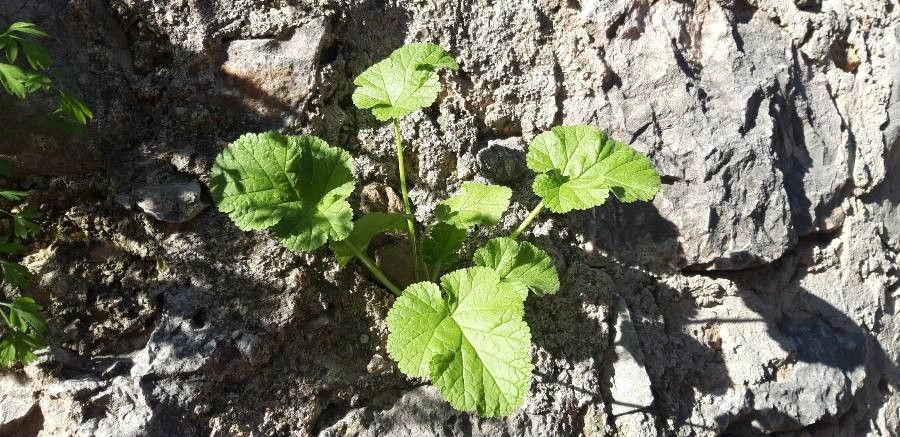
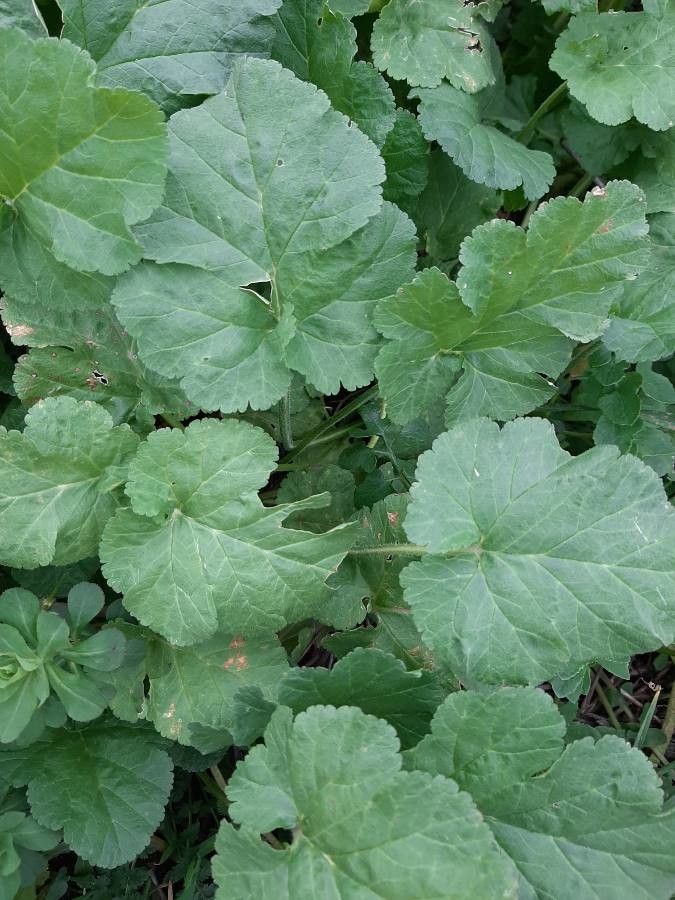
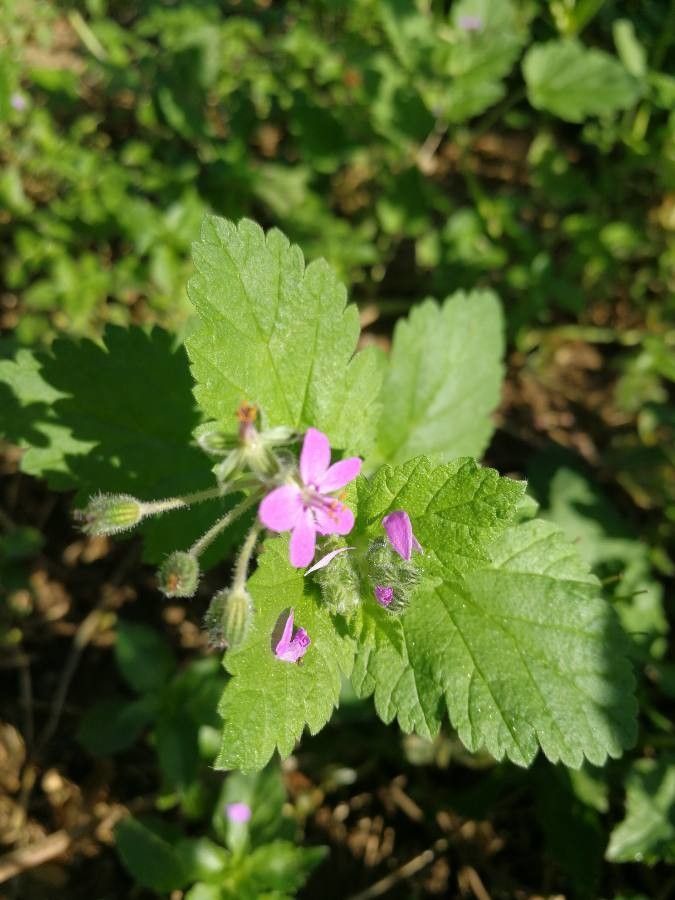
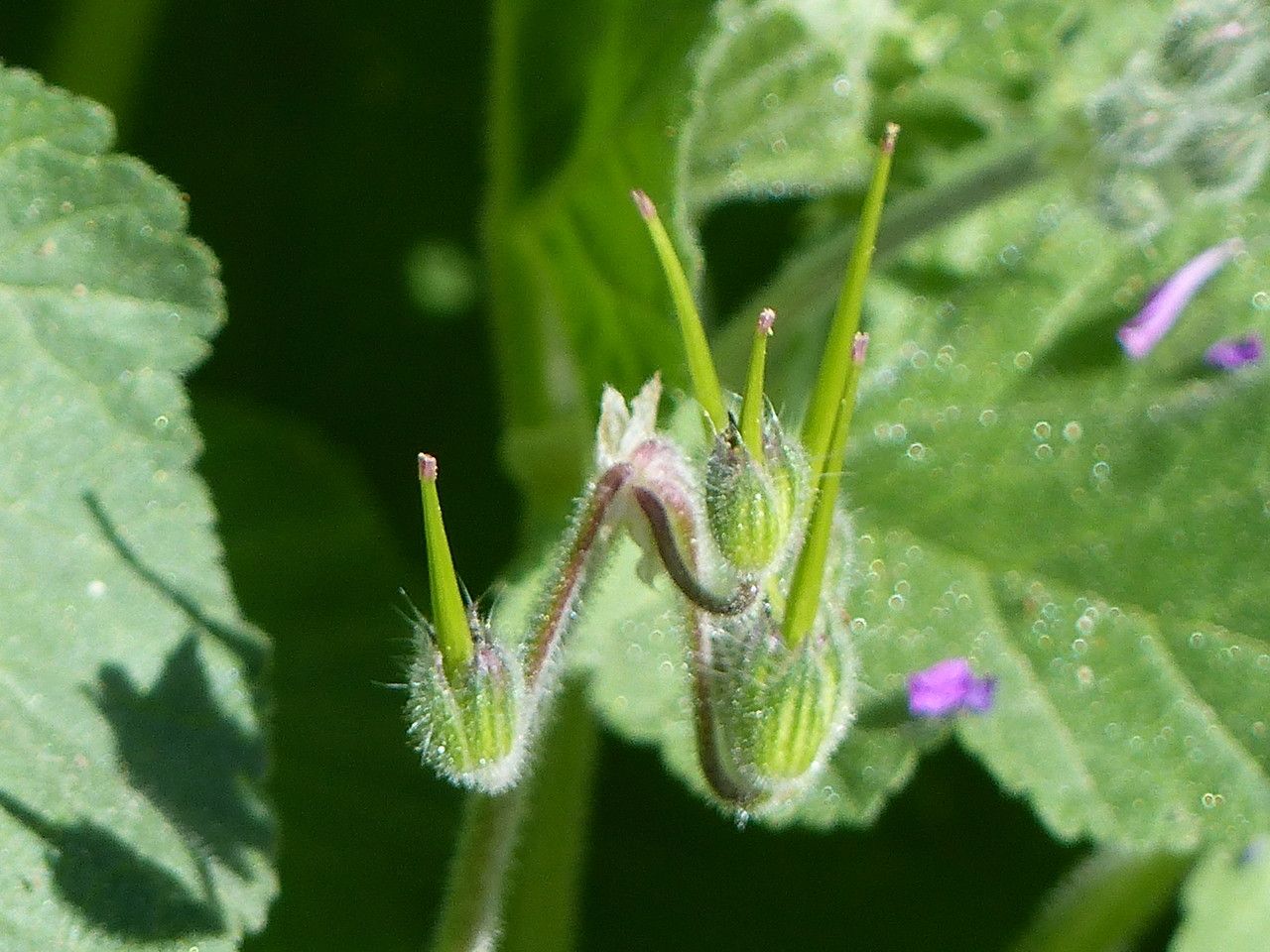
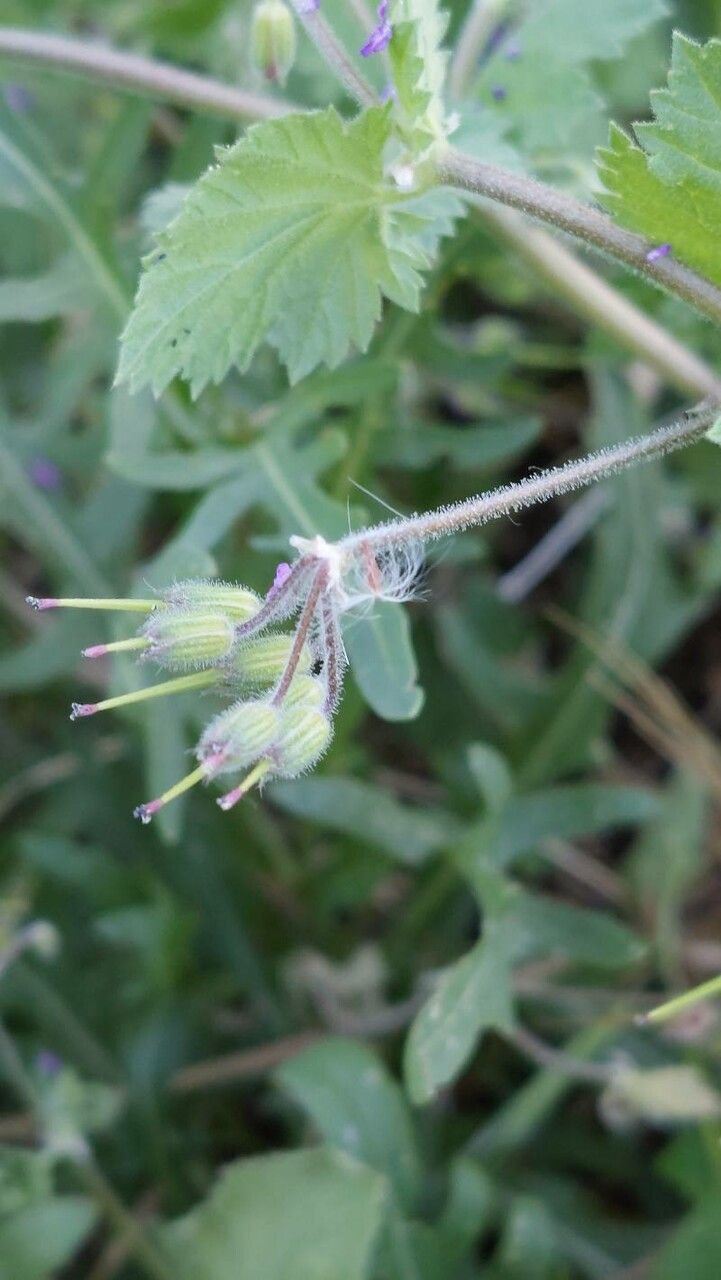
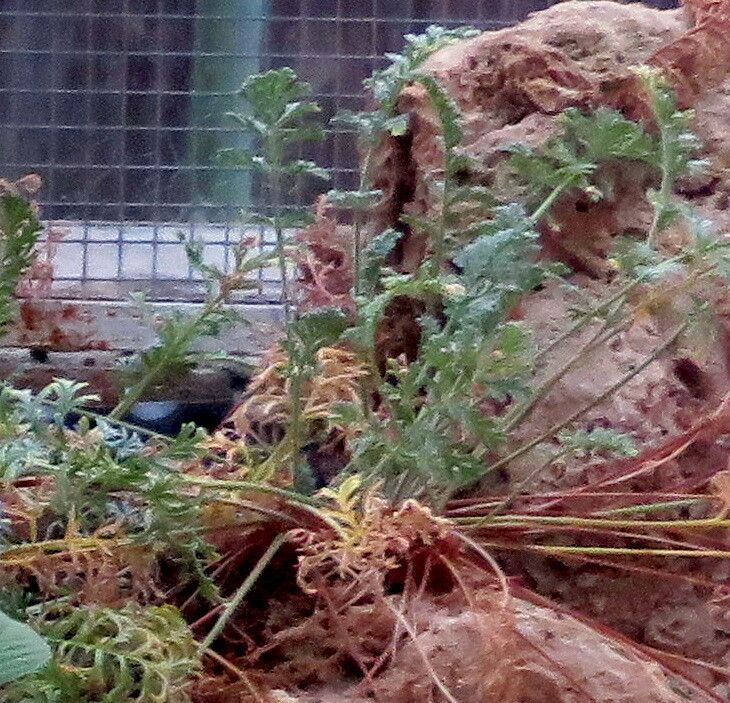
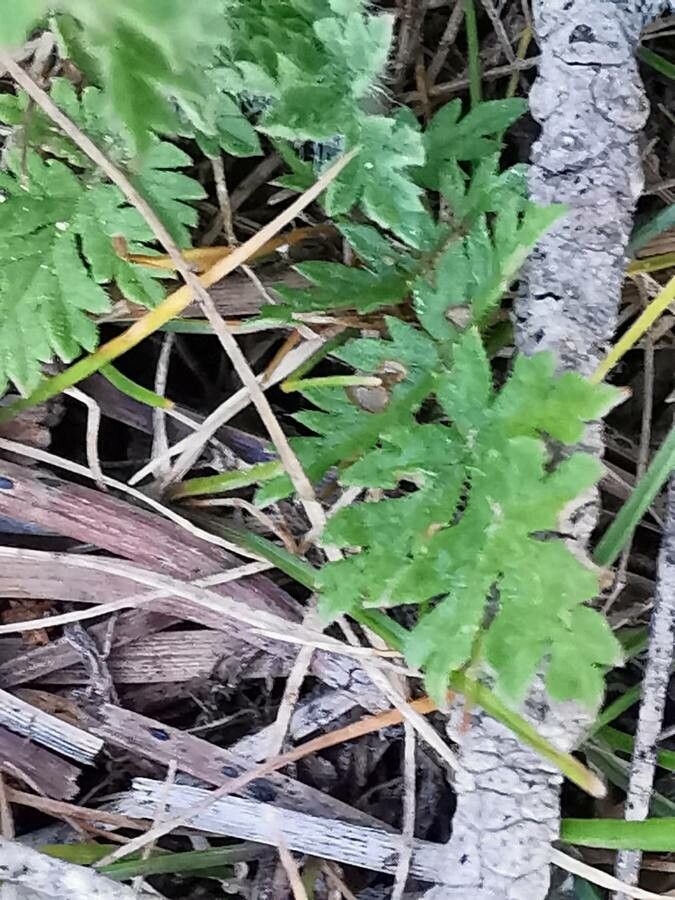
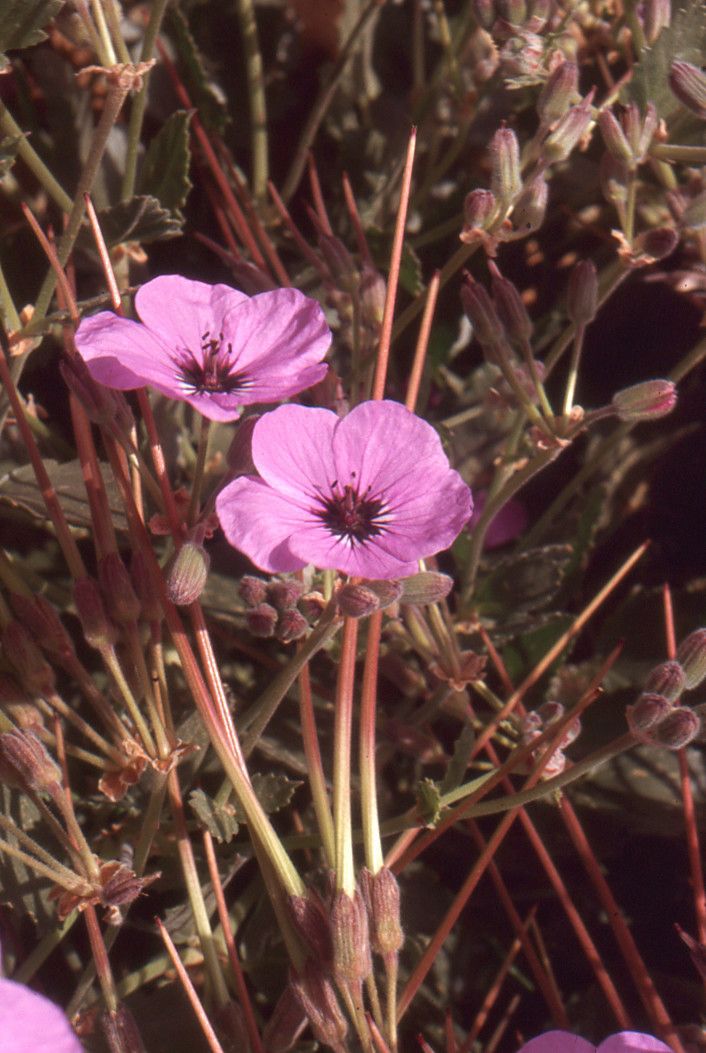
Erodium laciniatum is a species of flowering plant in the family Geraniaceae.
Cutleaf stork's bill has strong disease resistance and is generally not prone to illnesses. However, it can still be affected by pests and diseases present in its environment. These infections are usually mild. Regarding care, this plant requires moderate maintenance. It should be pruned regularly to keep a neat appearance and support healthy growth. Fertilizing can also encourage flowering. Cutleaf stork's bill is suitable for anyone with outdoor space, such as a garden or patio, and does not demand extensive plant-care experience. It may need more attention when grown indoors.
How to keep Erodium Laciniatum.
Light
The Cutleaf stork's bill flourishes in prolonged sun exposure, a nod to its native habitat that is rich in sunshine. Its development might be hindered by a lack of sunlight. Nevertheless, overly intense exposure could also have adverse effects on it.
Water
Cutleaf stork's bill is well-suited to dry environments due to its strong drought tolerance and adaptations for low humidity. When cultivating this plant, it needs to be watered weekly, but care should be taken not to over-water it. Its growth cycle outdoors is affected by rainfall, meaning it requires less irrigation during rainy periods.
Temperature
The Cutleaf stork's bill can adjust to numerous temperature scenarios, although its geographical spread may be constrained by various mixtures of heat and water conditions. It flourishes optimally in warm weather during the summer, provided there is sufficient precipitation or irrigation. Extended durations of overcast and wet weather, along with persistent high temperatures, can heighten the chances of Cutleaf stork's bill succumbing. On the other hand, adequate safeguards against cold in the winter can enhance the plant's likelihood of survival.
Fertilizer
Feeding Cutleaf stork's bill with diminished but frequent doses of fertilizer aids its leaf's healthy development. This plant requires fertilization roughly once a month throughout the summertime. Nitrogen plays a vital role in foliage growth, and providing nitrogen-rich supplements helps Cutleaf stork's bill to flourish.
Pruning
The Cutleaf Stork's Bill benefits greatly from regular pruning from early to late spring. Key techniques include removing dead stems, thinning out the plant to improve air circulation, and shaping it for better aesthetics. These practices enhance blooming, prevent disease, and contribute to a healthier appearance, making it a vigorous addition to any garden.
Botanical profile.
- Plant Type
- Herb
- Life Cycle
- Annual, Biennial, Perennial
- Genus
- Erodium
- Family
- Geraniaceae
- Hardiness Zone
- 7-10
- Mature Height
- 20 cm to 40 cm
- Mature Spread
- 30 cm to 49 cm
- Leaf Color
- Green, Dark Green
- Leaf Type
- Evergreen
- Flower Color
- Pink, White
- Flower Size
- 1.02 cm to 1.52 cm
- Bloom Time
- Spring
- Planting Time
- Spring, Summer
- Harvest Time
- Late spring, Early summer, Mid summer
- Native Area
- Saudi Arabia, Libya, Egypt, Turkey, Tunisia, United Arab Emirates, Cyprus, Greece, Morocco, Lebanon, Iraq, Portugal, Syria, Italy, Spain, Oman, Iran, Albania, Kuwait, Algeria, Qatar, Turkmenistan, France
Other names.
Reader questions.
How should I water my Cutleaf stork's bill plant?
To water Cutleaf stork's bill, there are multiple options for watering tools like a garden hose with a spray nozzle or a watering can. The plant is not particular about the type of water it receives, as rainwater, tap water, or filtered water are all suitable. However, it is generally advised not to water this plant from above to avoid damaging the leaves and flowers and prevent the possibility of disease. A drip irrigation system is often the best method for watering, as it allows for even and direct watering of the soil. For container-grown Cutleaf stork's bill, you can use tools like a cup, watering can, or tap water to apply the water directly to the soil.
What are the sunlight requirements for Cutleaf stork's bill?
Cutleaf stork's bill requires full sun, meaning it needs above 6 hours of sunlight daily to thrive. It is crucial to observe the movement of sunlight through your garden and select locations that offer a harmonious balance of light and shade. This balance ensures the plants receive the light they need without the adverse effects of too much direct sunlight.
If I give my Cutleaf stork's bill plant too much or too little water, what should I do?
If your Cutleaf stork's bill is underwatered, simply water it more regularly. Overwatering, on the other hand, can be more serious and may cause disease and plant decline. To prevent this, choose a location with good sunlight and drainage. If you overwater a potted plant, consider repotting it with well-draining soil and an efficient drainage system.
How does excessive or insufficient sunlight affect Cutleaf stork's bill?
Excessive sunlight can negatively impact Cutleaf stork's bill, which thrives best under relentless sun. While its origin habitat is abundant in sunlight, making it well-adapted to high light conditions, both insufficient and extreme sunlight exposure can hinder its growth. Inadequate sunlight limits its development, whereas too much direct sunlight might cause issues like chlorosis or sunscald.
How often do I need to water my Cutleaf stork's bill plant?
Cutleaf stork's bill requires regular watering throughout the growing season. In spring, water the plant once a week. As the season progresses and it gets warmer, you may need to increase watering to two or three times per week. It's important not to exceed this rate as it can harm the plant. Regardless of how often you water, make sure the soil remains moist but not wet. If you have a potted Cutleaf stork's bill, the watering frequency should be increased. Potted soil tends to heat up and dry out faster, so plan to water a container-grown plant a few times per week, compared to just once per week for an in-ground plant.
What artificial lighting requirements do indoor Cutleaf stork's bill plants have?
For indoor Cutleaf stork's bill plants not receiving enough natural sunlight, especially in winter or less sunny spaces, artificial lighting is essential. LED lights are a popular choice, and full sun plants require 30-50W/sq ft, partial sun plants need 20-30W/sq ft, and full shade plants require 10-20W/sq ft of artificial light. The light source should be placed 12-36 inches above the plant and provided for 8-12 hours per day to mimic natural sunlight effectively.
How much water does my Cutleaf stork's bill require?
There are a few ways to decide how much water to give your Cutleaf stork's bill plant. Some gardeners prefer to judge by feeling the soil for moisture. For this method, water until the top six inches of soil feels moist. Another option is to use a standard measurement. Generally, it's recommended to give your plant about two gallons of water per week, depending on temperature and soil dryness. However, sticking strictly to this guideline could lead to overwatering if your plant needs less water. When growing your Cutleaf stork's bill in a container, a different approach is necessary. Make sure to water enough to moisten all layers of dry soil. To check, stick your finger in the soil or look for a slight trickle of excess water draining from the pot's holes.
What are some common symptoms of light deficiency in Cutleaf stork's bill?
When Cutleaf stork's bill does not receive adequate light, it may show several symptoms such as smaller new leaves, leggy or sparse growth, faster leaf drop, slower or halted growth, and lighter-colored or yellowing leaves due to chlorosis. In addition, symptoms of excessive sunlight exposure include sunscald, leaf curling, wilting, and leaf scorching.
How do I know if I'm watering my Cutleaf stork's bill plant enough?
Avoiding overwatering your Cutleaf stork's bill can be challenging due to its deep-rooted nature. These plants require weekly soil moisture, but they are highly prone to root rot and browning if overwatered. Underwatering is less of a concern as these plants can survive without extra watering for some time. However, prolonged water deprivation will cause wilting and dry leaves.
How can I improve light conditions for my Cutleaf stork's bill?
To optimize the light conditions for Cutleaf stork's bill, gradually move plants to sunnier locations until they receive at least 6 hours of direct sunlight daily. For indoor plants, use a south-facing window or artificial lights, such as desk lamps or plant grow lights, for a minimum of 8 hours each day. Outdoor plants should be moved to the best spot for sunlight slowly to avoid sunburn. If your plants are blocked from sunlight by obstacles like trees, pruning branches and leaves or transplanting smaller plants during their dormant period to a brighter location can help significantly.
How do I water my Cutleaf stork's bill plant throughout the different seasons?
As the season progresses, you can expect your Cutleaf stork's bill to require more water. In spring, watering once per week is sufficient. However, as summer arrives with its heat, you may need to increase watering to about three times per week. This is particularly important for Cutleaf stork's bills grown in containers, as the soil in containers tends to dry out faster in warm weather. In autumn, when the temperature declines and the sun's intensity wanes, your Cutleaf stork's bill may need slightly less water, even though it is still blooming.
How should I water my Cutleaf stork's bill as it grows?
Cutleaf stork's bill goes through various growth stages throughout the year, and each stage requires a different amount of water. When you first start with a seed, it is important to provide extra water during germination. This means watering often enough to keep the soil consistently moist. Once the plant starts to grow above the soil after a few weeks, it will need slightly less water than when it was a seedling. Once the plant reaches maturity, it can be watered once a week. However, during flower development, you may need to increase the amount of water slightly to help the process.