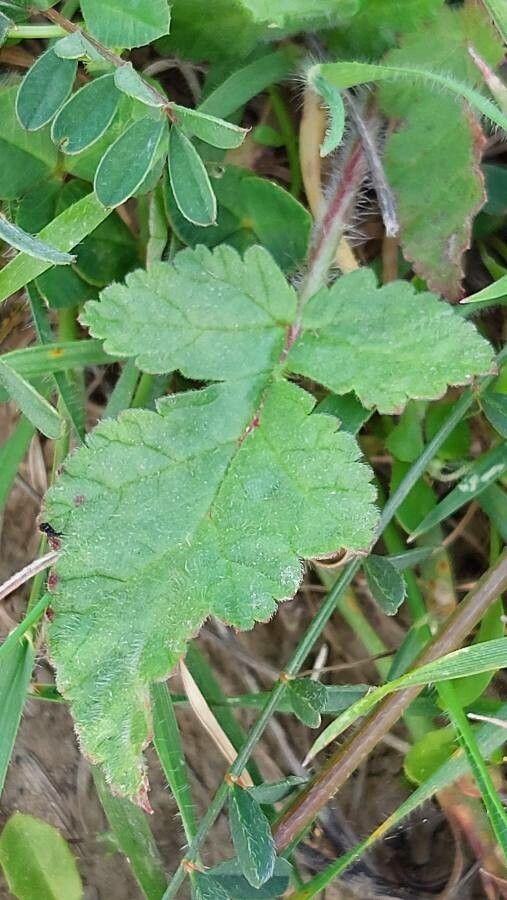
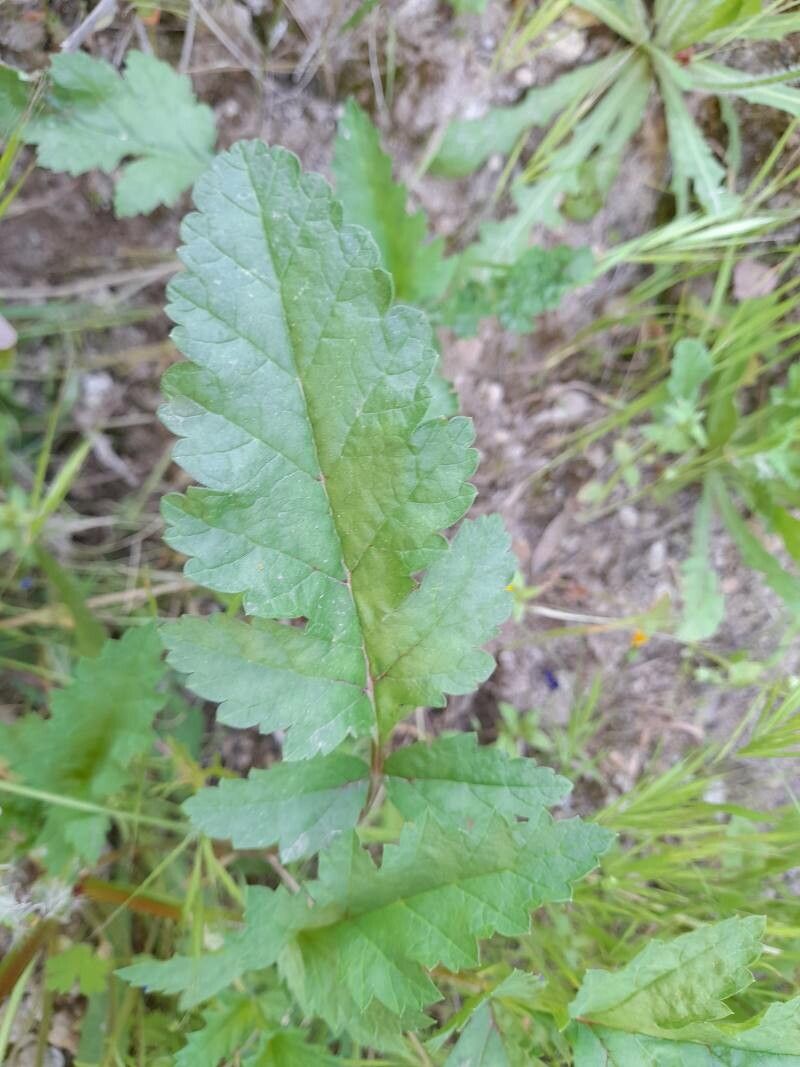
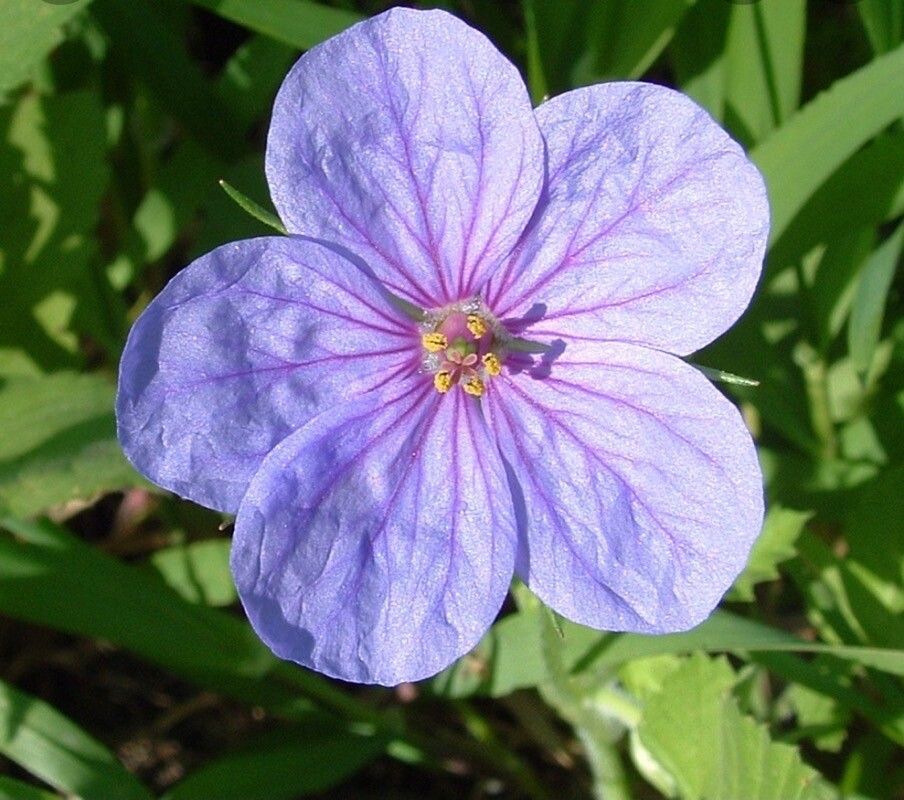
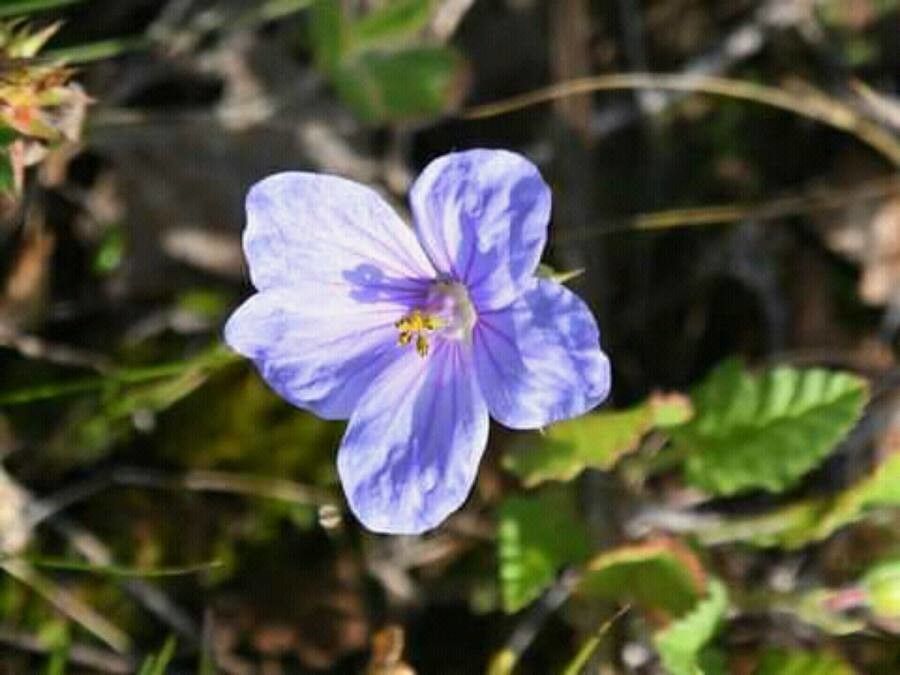
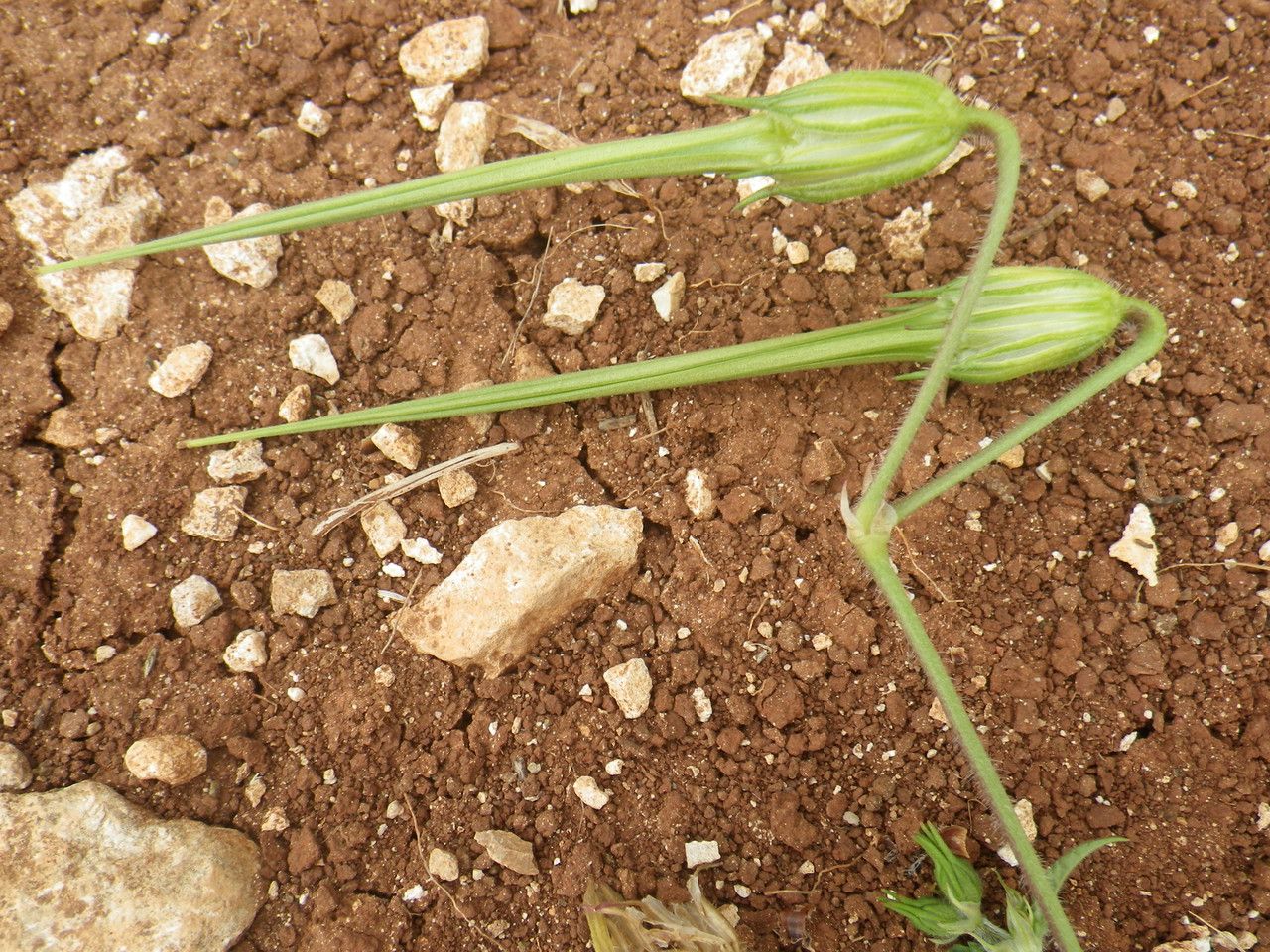
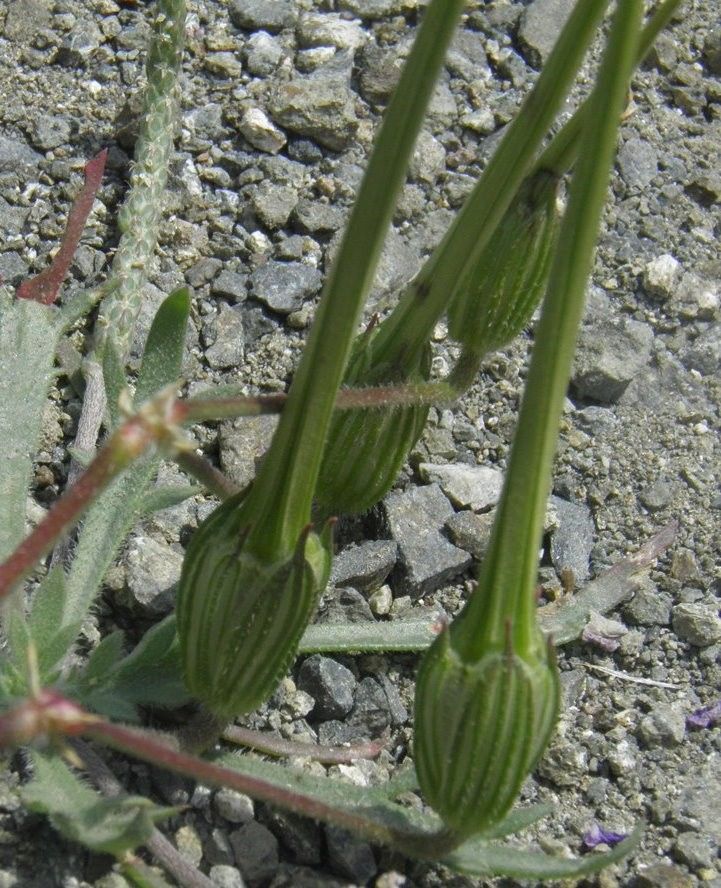
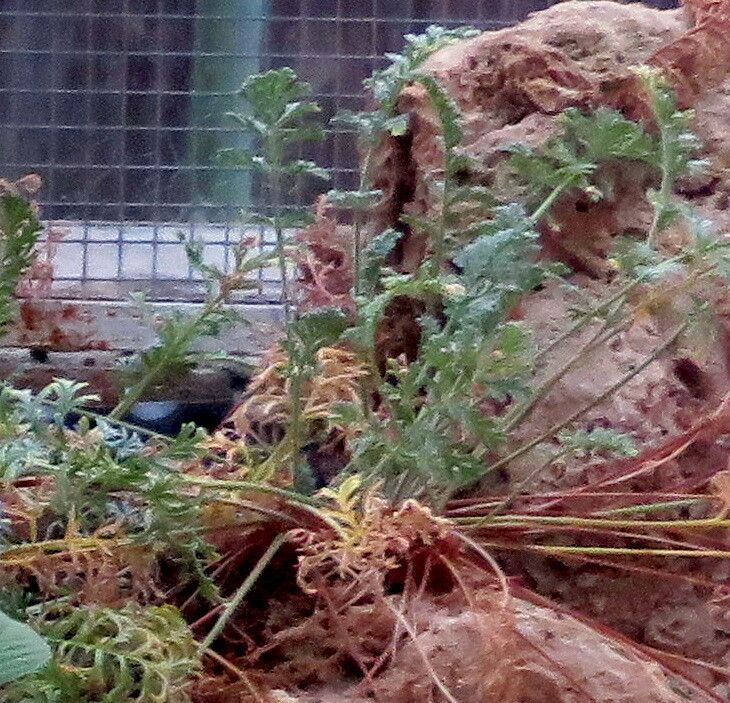
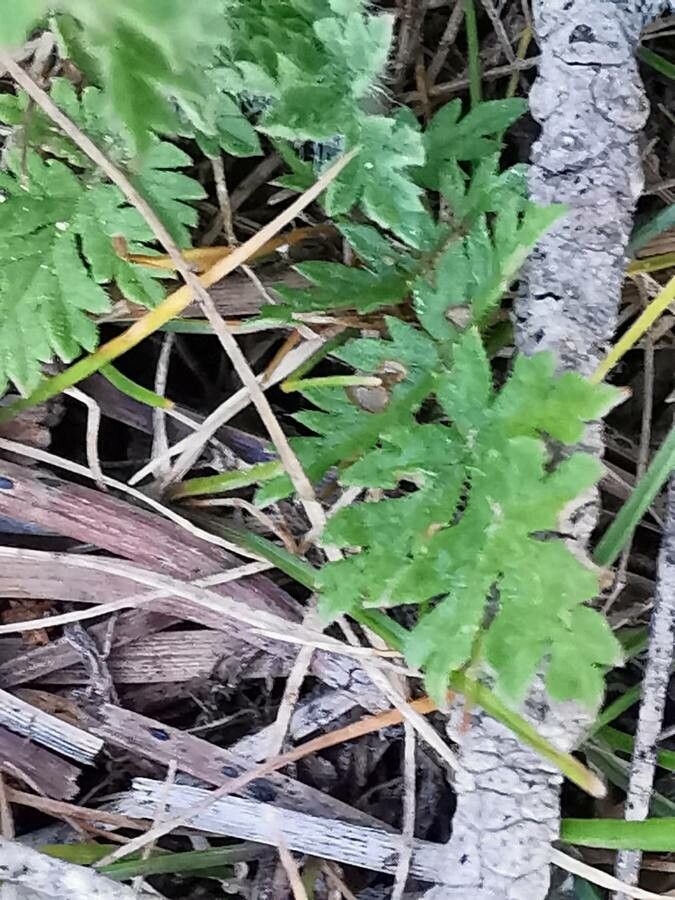
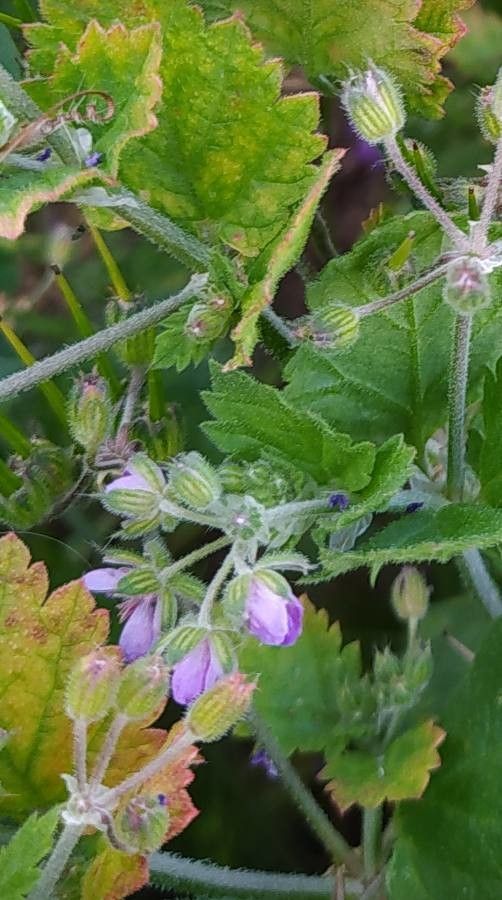
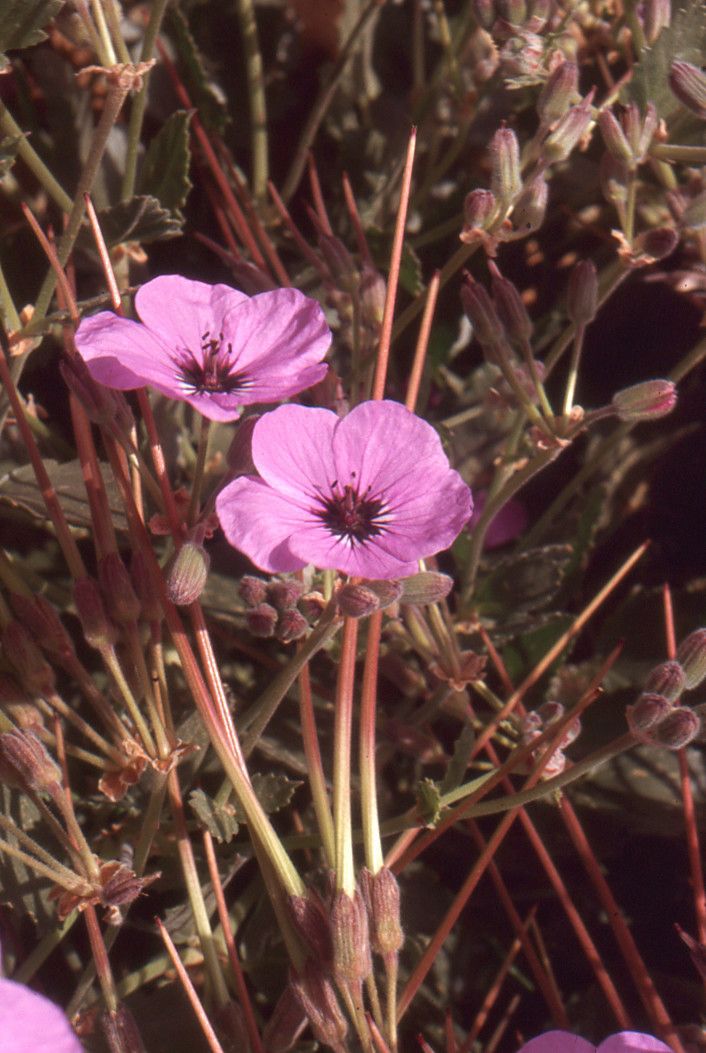
Iranian herons bill has strong resistance to disease and is generally not easily affected by illnesses. Nevertheless, it can be vulnerable to pests and diseases found in its surroundings. These problems are typically not serious. For care, this plant requires moderate maintenance. It should be pruned regularly to keep a pleasing appearance and healthy growth. Fertilizing can also aid in encouraging flowering. Iranian herons bill is suitable for anyone with outdoor space, such as a garden or patio, and does not demand extensive care experience. It may need more attention when grown indoors.
How to keep Erodium Gruinum.
Light
Iranian herons bill comes from bright, open habitats where it does best in full sun. It can tolerate partial sun but favors direct sunlight for optimal growth. This plant, which may be annual or biennial, is known for its sun-loving character.
Water
The Iranian heron's bill, native to semi-arid regions, thrives in dry conditions and needs to be watered only once a week. It prefers well-draining soil, and allowing the soil to dry out between waterings helps prevent root waterlogging. This practice supports the plant's growth and helps it adapt to its native climate.
Temperature
Iranian herons bill can tolerate a wide range of temperatures, but its distribution may still be restricted by particular combinations of moisture and heat. It grows best in warm summer climates with sufficient rainfall or watering. Extended periods of cloudy, rainy weather or prolonged high temperatures can increase the chance of Iranian herons bill dying. In winter, adequate protection from cold can improve the plant's survival rate.
Fertilizer
Iranian herons bill benefits from regular, light applications of fertilizer to encourage healthy leaf development. You should apply fertilizer to Iranian herons bill about once a month during the summer. Nitrogen is vital for foliage, and adding nitrogen-rich sources helps Iranian herons bill prosper.
Pruning
The Iranian heron's bill is known for its distinctive leaves and vibrant flowers, which thrive with regular pruning. To maintain a healthy plant, focus on key techniques such as removing dead stems, thinning out dense branches, and shaping the overall structure. It's best to prune from early to late spring to enhance air circulation, minimize the risk of disease, and encourage abundant blooms. Always use clean tools for the best results.
Pot & Repot
When repotting Iranian herons bill, choose a pot that is 1-2 inches (2.5–5.1 cm) larger in diameter and ensure it has good drainage. Use a well-draining potting mix and consider adding perlite for extra drainage. Repot in spring or early summer, water thoroughly afterward, and place it in a shady spot at first.
Botanical profile.
- Plant Type
- Herb
- Life Cycle
- Annual, Biennial
- Genus
- Erodium
- Family
- Geraniaceae
- Hardiness Zone
- 7-10
- Mature Height
- 40 cm
- Mature Spread
- 30 cm
- Leaf Color
- Light Green, Dark Green
- Leaf Type
- Semi-evergreen
- Flower Color
- Pink, Lavender
- Flower Size
- 2.03 cm to 3.05 cm
- Bloom Time
- Mid spring, Late spring, Early summer
- Planting Time
- Spring, Autumn
- Harvest Time
- Summer
- Native Area
- Libya, Iraq, Turkey, Syria, Italy, Egypt, Iran, Cyprus, Greece, Lebanon
Other names.
Reader questions.
What are the sunlight requirements for Iranian herons bill?
Iranian herons bill (Erodium gruinum) thrives in environments with full sun, requiring above 6 hours of sunlight daily for optimal growth. It can also tolerate partial sun, meaning it can grow in conditions with about 3-6 hours of sunlight. However, it prefers brighter, open spaces indicative of its natural habitat. It's essential to observe how sunlight moves through your garden to ensure plants receive the perfect balance of light and shade, thus guaranteeing their wellness and growth.
Why is artificial lighting important for indoor plants, and how can it be optimized for Iranian herons bill?
Indoor plants, including Iranian herons bill, require adequate lighting for optimal growth, especially when natural sunlight is insufficient, such as during winter or in less sunny spaces. Artificial lights offer a vital solution by promoting faster, healthier growth. For full sun plants like the Iranian herons bill, 30-50W/sq ft of artificial light is needed, and the light source should be placed 12-36 inches above the plant, mimicking natural sunlight as closely as possible. The duration of artificial lighting should replicate natural daylight hours, with most plants needing 8-12 hours of light per day.
What symptoms indicate insufficient light for Iranian herons bill when grown indoors?
When Iranian herons bill is grown indoors under inadequate light, several symptoms can indicate light deficiency. These include smaller new leaves compared to older ones, leggy or sparse growth with longer spaces between leaves or stems, faster leaf drop as the plant tries to conserve resources, slower or halted growth, lighter-colored new leaves indicating a lack of chlorophyll, and signs of chlorosis where leaves lose their green color and turn yellow. Addressing these symptoms promptly by adjusting the light exposure is crucial for the plant's health.
How can you address sunlight deficiency for Iranian herons bill both indoors and outdoors?
To address sunlight deficiency for Iranian herons bill, gradual adjustment to brighter conditions is key. For indoor plants, moving them to a sunnier location each week until they receive at least 6 hours of direct sunlight daily is advised. Using a south-facing window and keeping curtains open during the day maximizes sunlight exposure. Additionally, artificial lighting, such as desk lamps or grow lights, can be used for at least 8 hours daily if the plant is large or not easily movable. Outdoors, gradually relocating your plants to spots with better sunlight, while avoiding sudden changes to prevent sunburn, is recommended. Also, for ground plants, reducing obstructions like pruning tree branches can increase sunlight access. Transplanting smaller plants during their dormant period to a location with better light and drainage can also be beneficial.