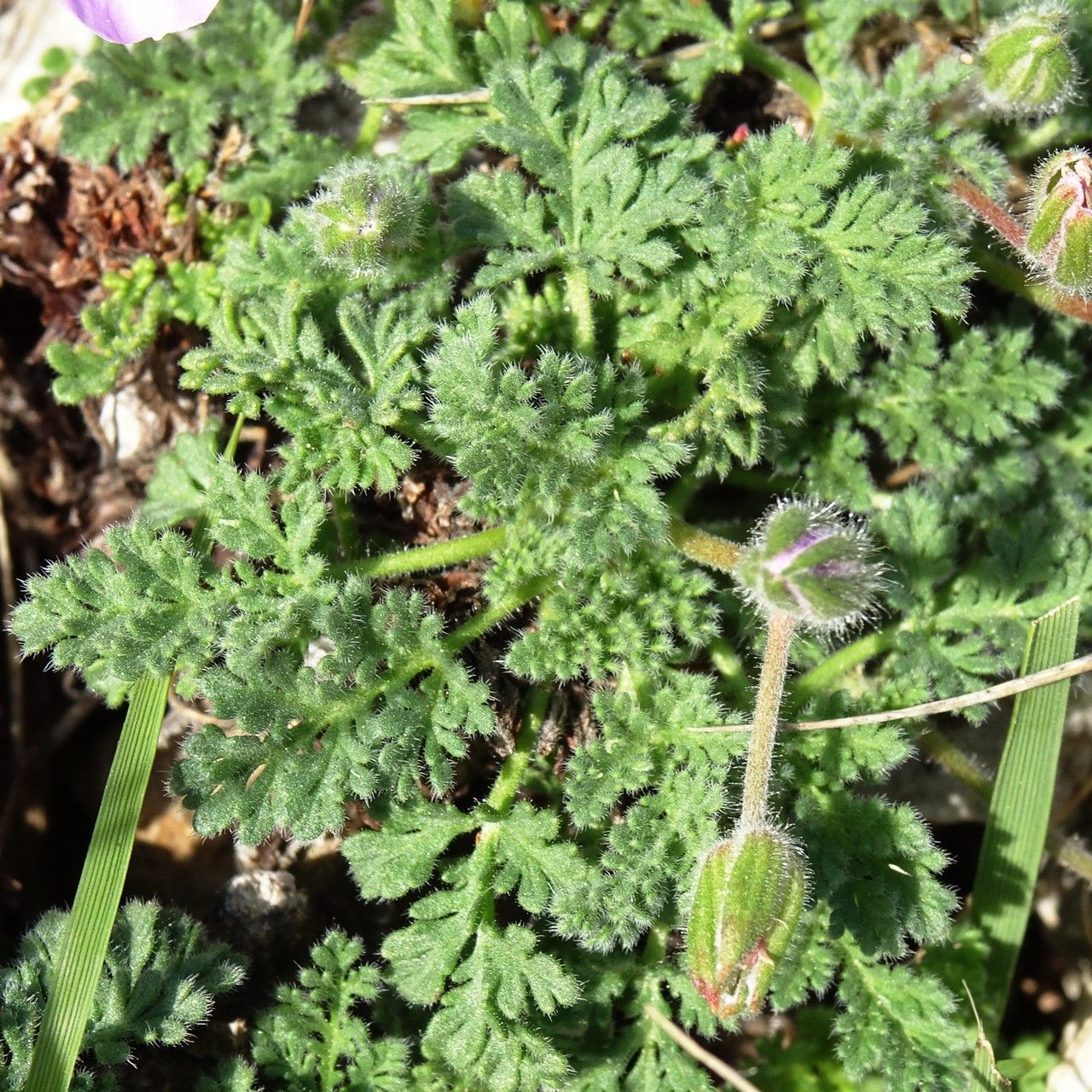
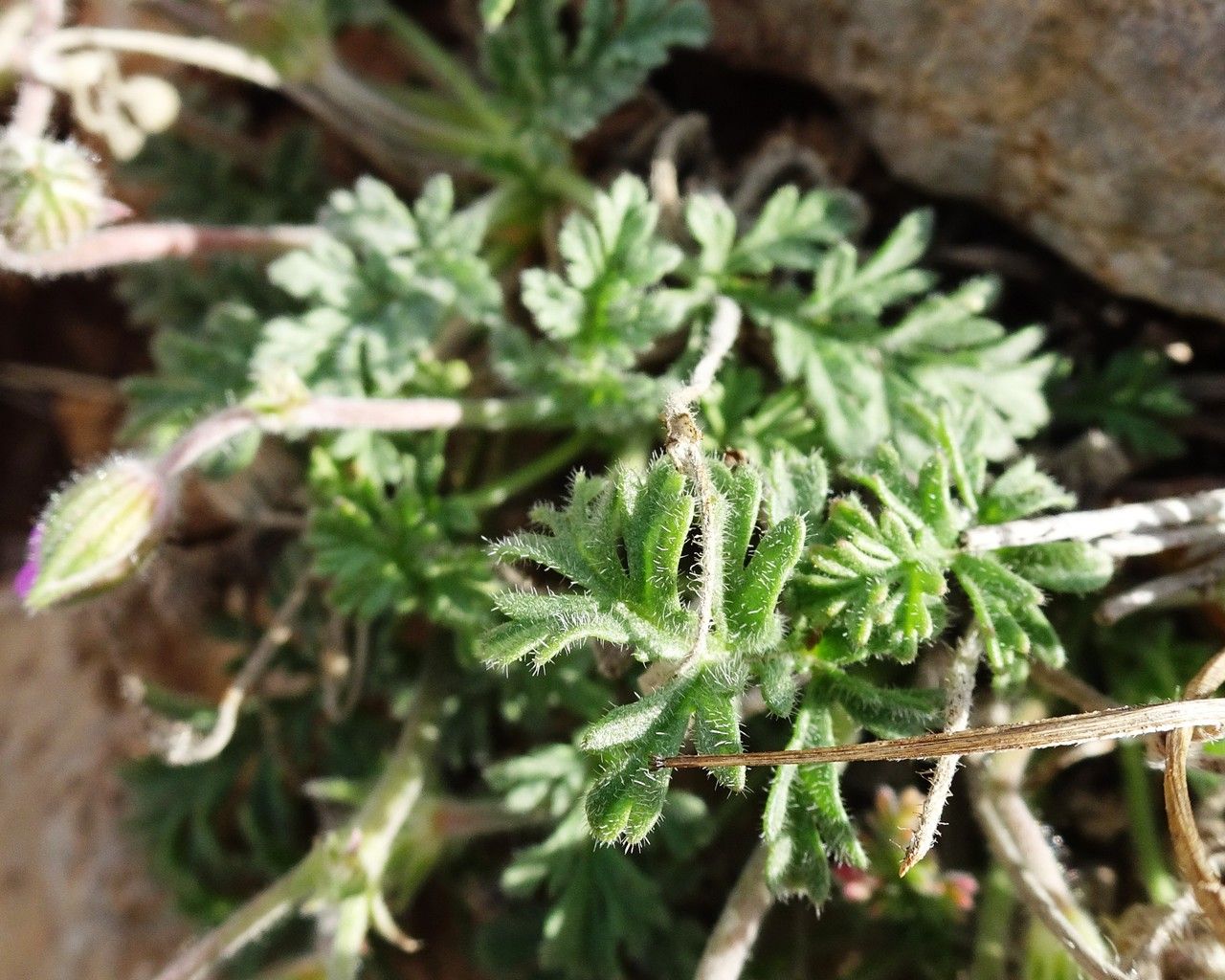
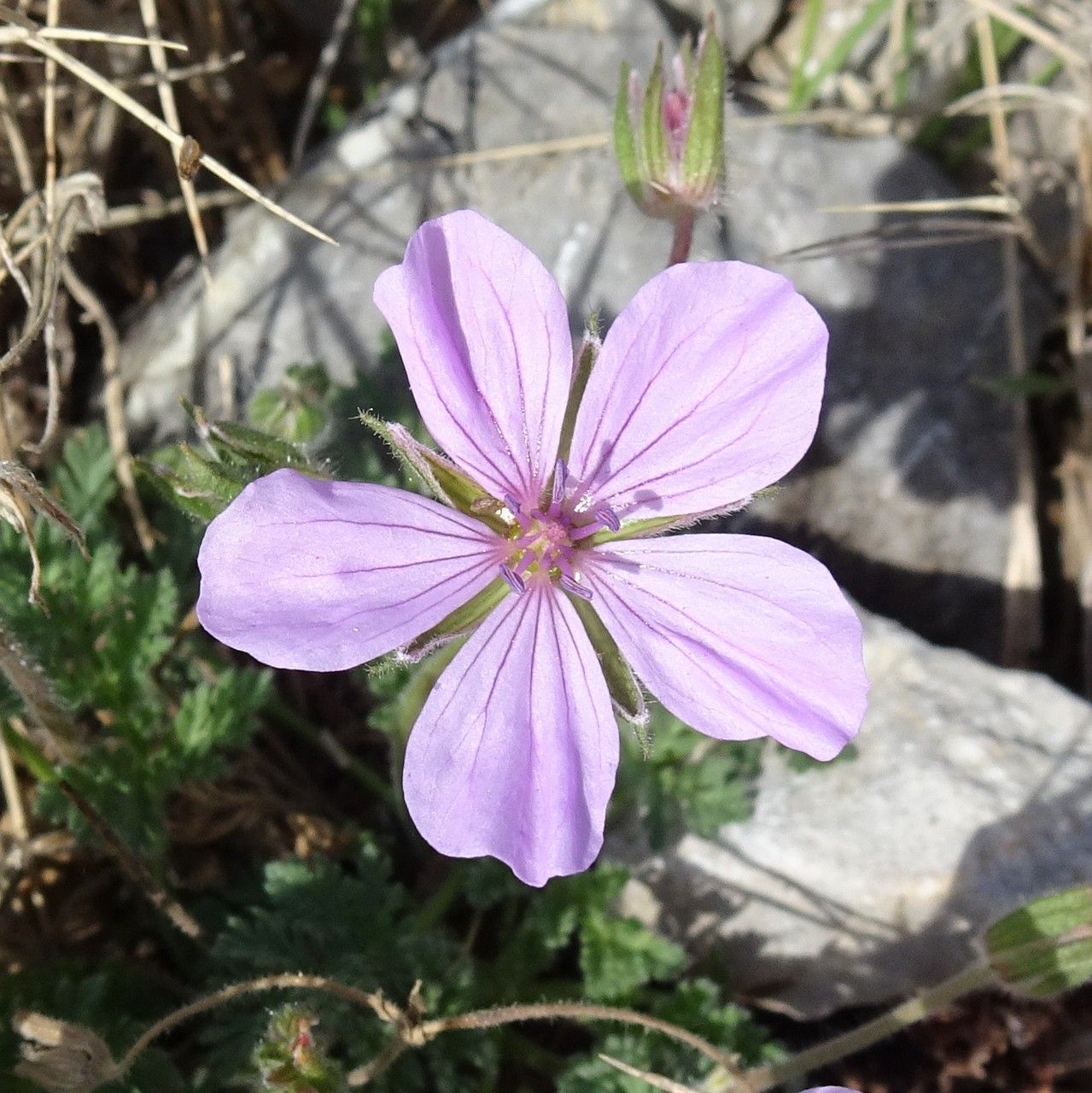
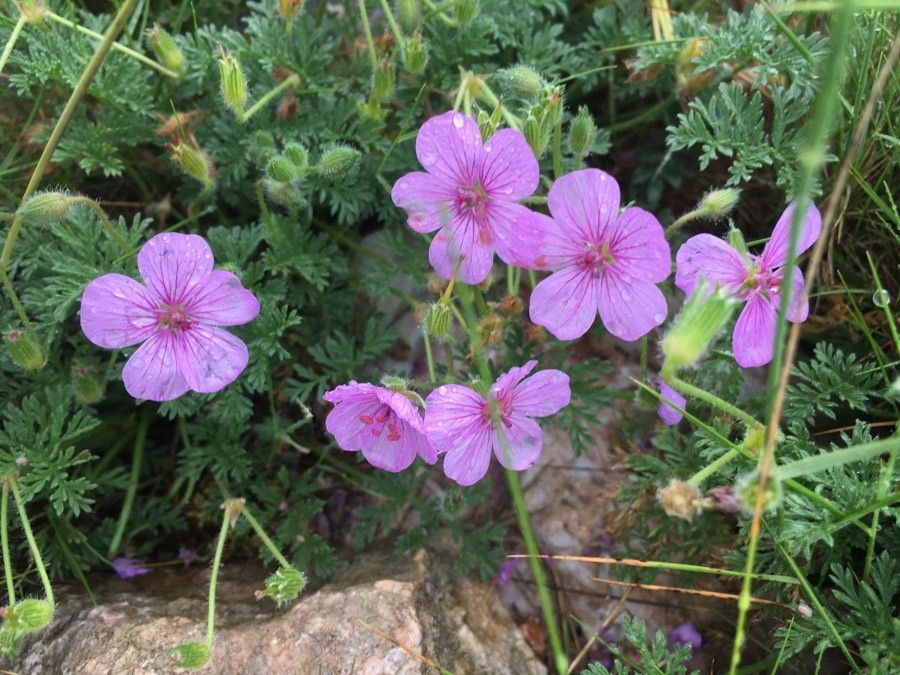
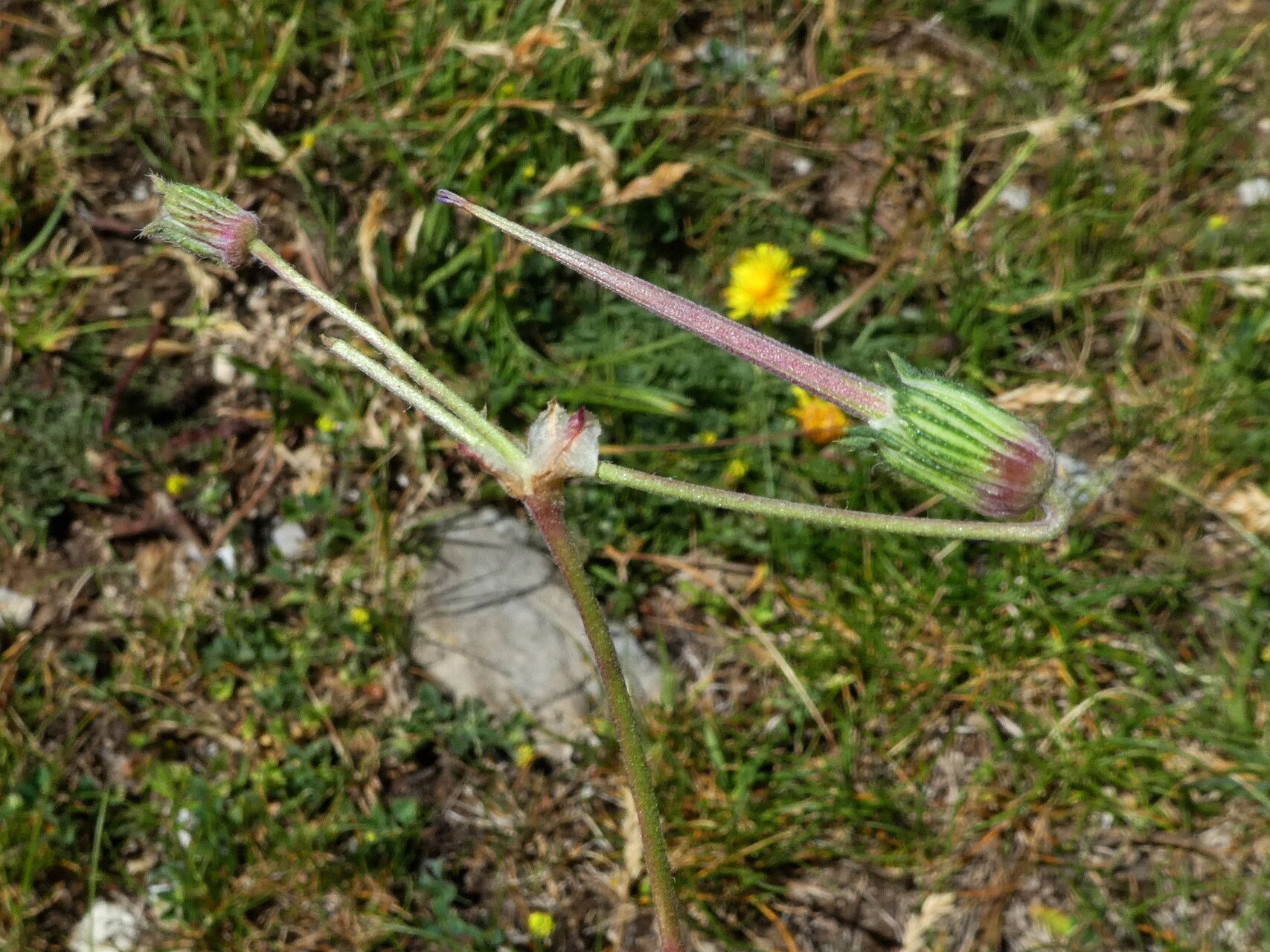
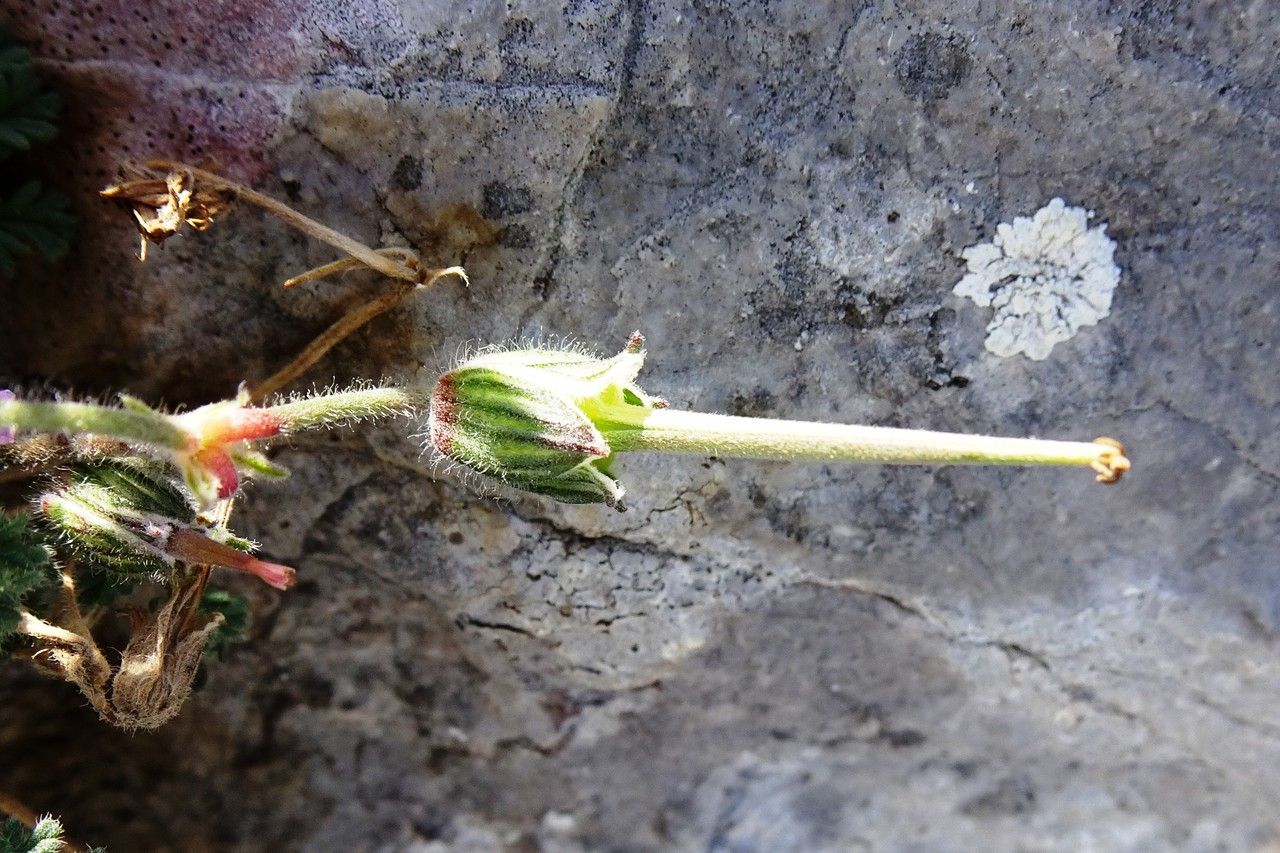
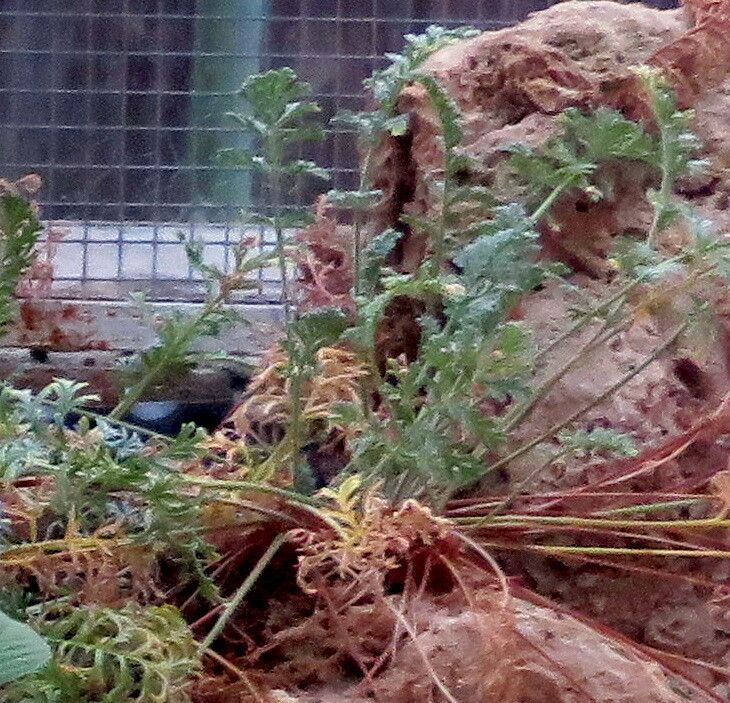
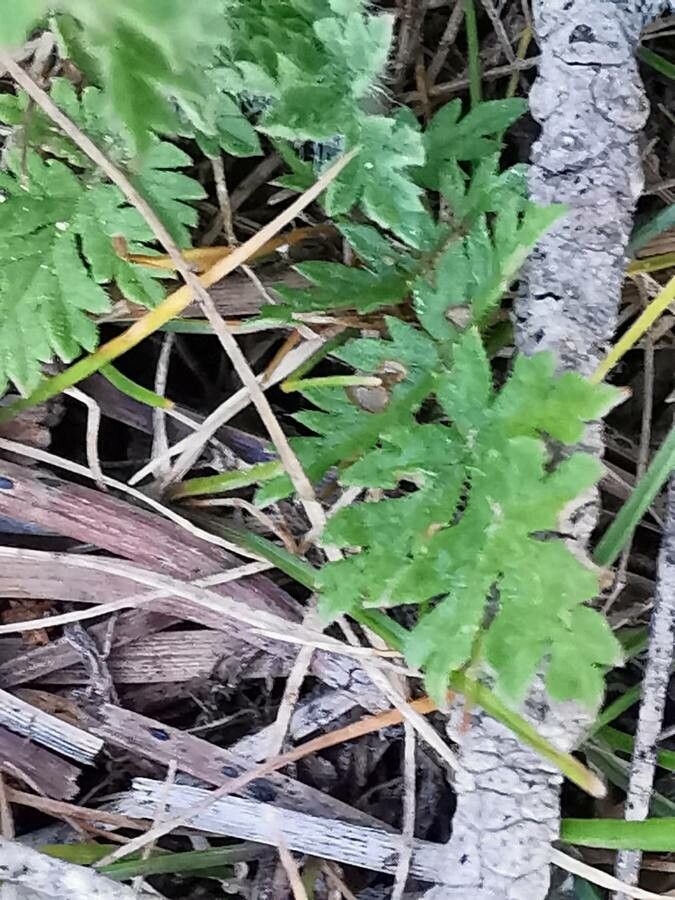
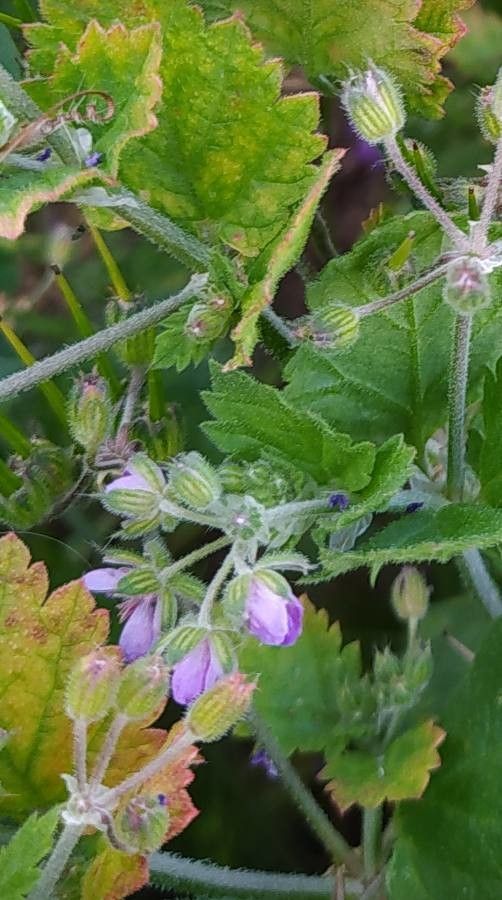
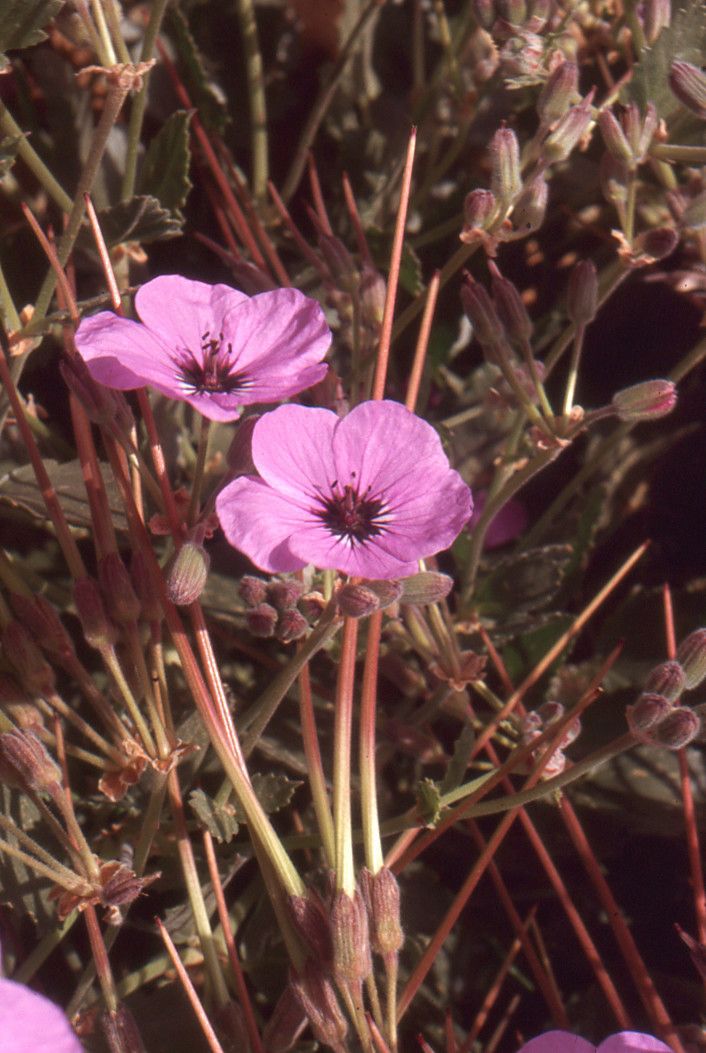
Rock herons bill is fairly disease-resistant and typically not easily affected by illnesses. However, it can be vulnerable to pests and diseases present in its environment. These problems are usually minor. In terms of care, this plant needs moderate maintenance. It should be pruned regularly to preserve a tidy appearance and support healthy growth. Fertilizing can also help encourage flowering. Rock herons bill is suitable for anyone with outdoor space, such as a garden or patio, and does not require extensive care experience. It may need more attention when grown indoors.
How to keep Erodium Foetidum.
Light
Rock herons bill is a sun-loving, perennial herbaceous plant that comes from open habitats and frequently flourishes in meadows and grasslands. It prefers full sun but can also tolerate partial sun conditions.
Water
The rock heron's bill plant thrives in rocky landscapes with limited moisture, demonstrating a remarkable tolerance for drought. To replicate its natural environment, water the plant once a week, ensuring infrequent but deep watering. Usually grown outdoors, the rock heron's bill prefers well-draining soil to prevent water from accumulating around its roots, thereby mimicking its native arid conditions.
Humidity
This plant will thrive in moderate humidity, which is probably the level in your home. However, misting it a few times a week can be very beneficial. Make sure the room has good ventilation.
Temperature
The rock heron's bill comes from tropical areas, where the climate is usually warm and humid. Therefore it is adapted to high heat and humidity. It does not tolerate sudden temperature shifts and prefers a steady thermal environment, so avoiding temperature fluctuations indoors is important. It typically cannot endure cold and needs higher temperatures to grow. If the surrounding temperature falls too low, the plant may stop growing or even die.
Fertilizer
Proper fertilization is essential for Rock herons bill's health and appearance. Apply fertilizer to Rock herons bill in summer, repeating the application monthly throughout the season. Nutrients support growth and help maintain the plant's parts. Fertilizing improves Rock herons bill's flower display, producing the best blooms.
Pruning
Prune Rock Heron's Bill from early to late spring to encourage healthy growth and flowering. Remove any dead stems and thin out dense areas to improve air circulation. Pinch back new growth to promote bushiness. Be sure to clean your tools to prevent disease, which will enhance both the plant's vigor and appearance. Reliable sources recommend these practices for optimal plant care.
Botanical profile.
- Plant Type
- Herb
- Life Cycle
- Perennial
- Genus
- Erodium
- Family
- Geraniaceae
- Hardiness Zone
- 7-10
- Mature Height
- 25 cm
- Mature Spread
- 46 cm
- Leaf Color
- Green, Dark Green
- Leaf Type
- Semi-evergreen
- Flower Color
- Pink, Purple
- Flower Size
- 1.02 cm to 1.52 cm
- Bloom Time
- Mid spring, Late spring, Early summer
- Planting Time
- Spring, Summer
- Harvest Time
- Summer
- Native Area
- Spain, France
Other names.
Reader questions.
What are the sunlight requirements for Rock herons bill (Erodium foetidum)?
Rock herons bill (Erodium foetidum) thrives in various sunlight conditions. For 'Full sun' exposure, it requires above 6 hours of sunlight per day. If the location offers 'Partial sun,' then about 3-6 hours of sunlight daily is sufficient. It's important to observe the way sunlight moves through your garden, allowing you to find the ideal spots that offer a perfect balance of light and shade. This careful placement ensures the happiness and health of your Rock herons bill plants.