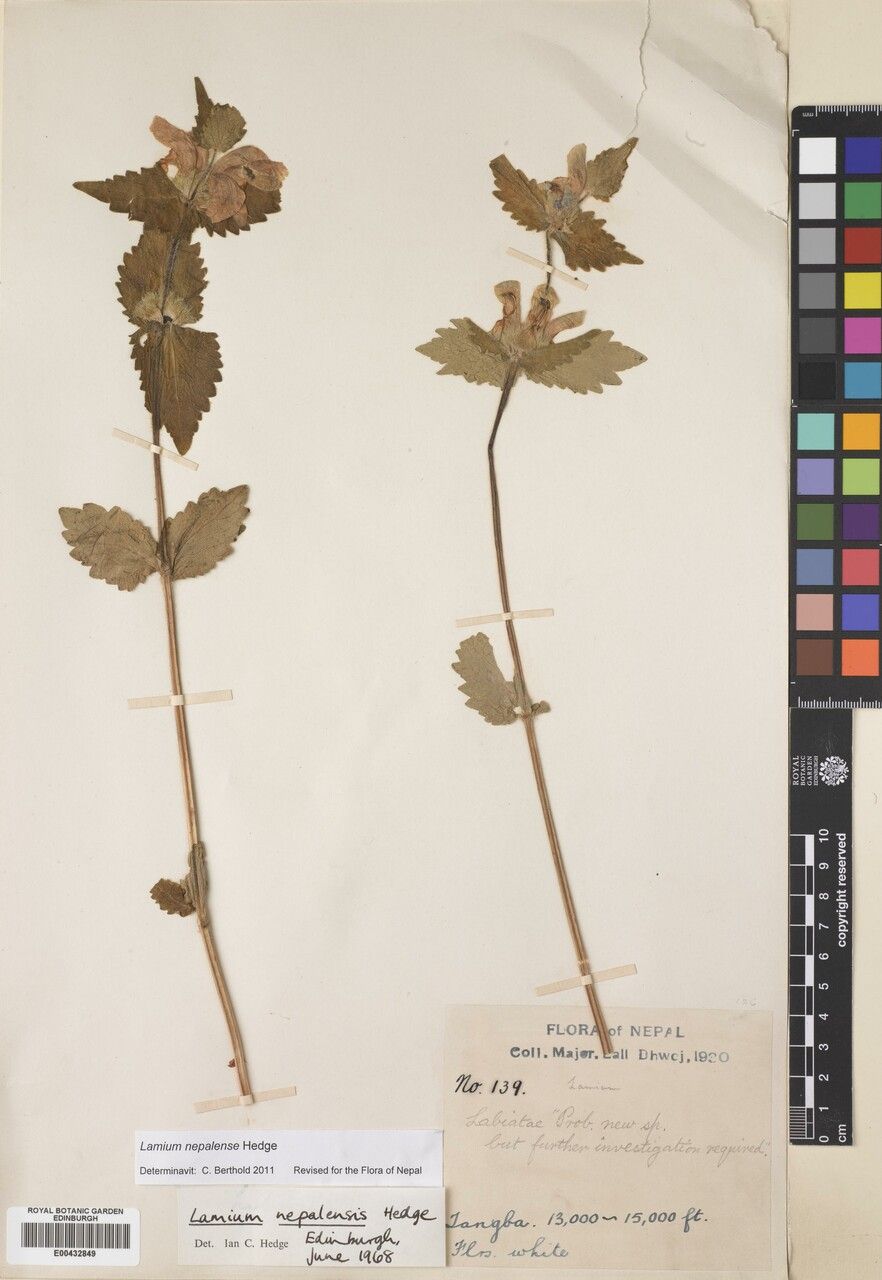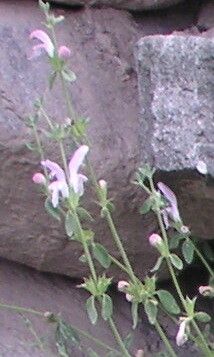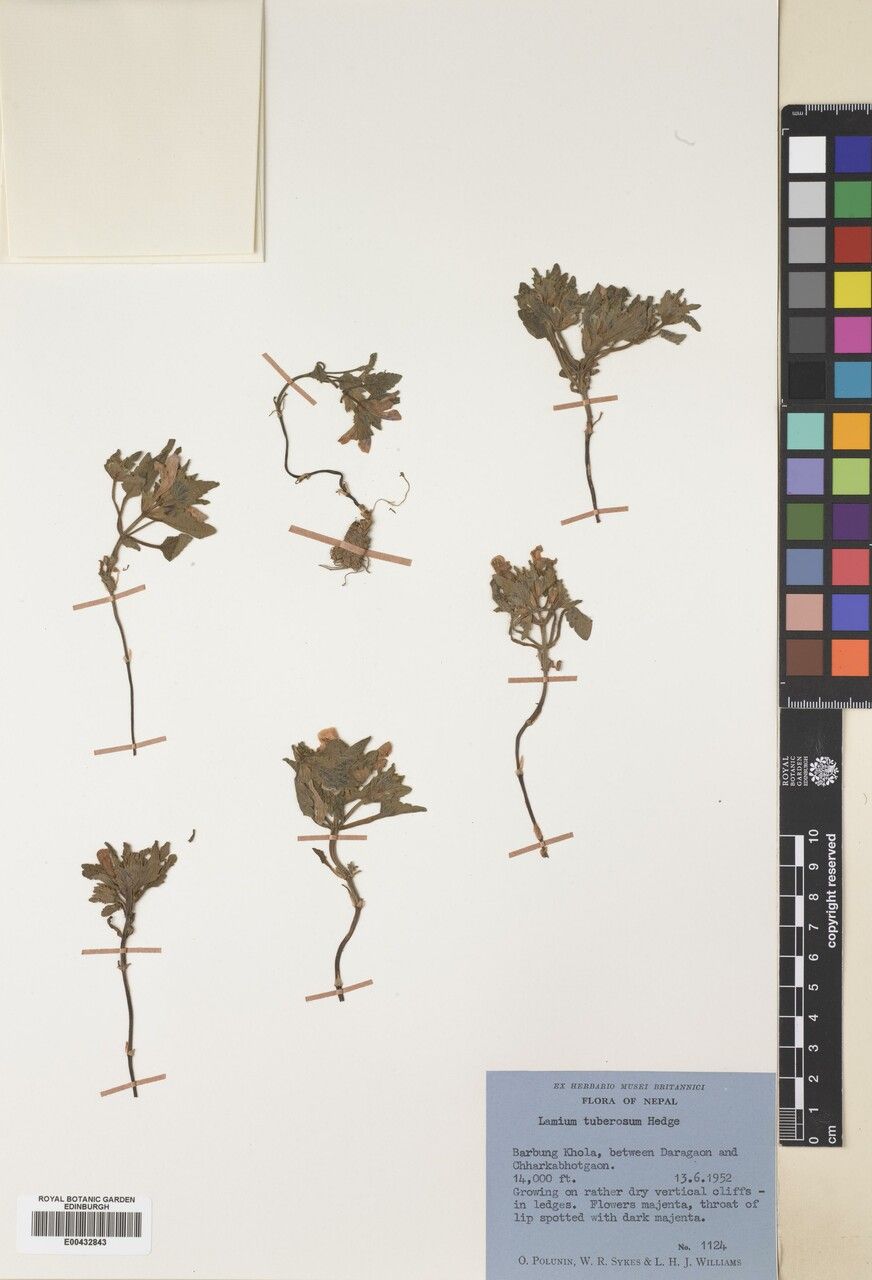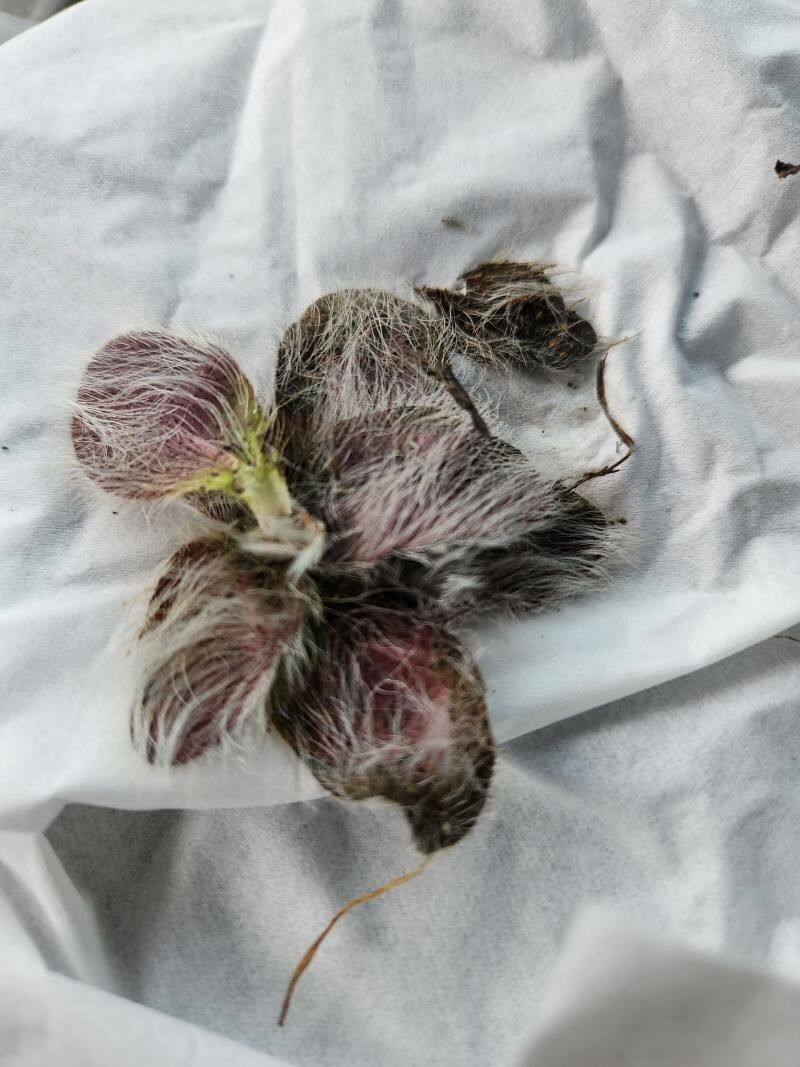
Mian shen is largely disease-resistant and generally not prone to illness. Still, it can be vulnerable to pests and diseases that exist in its surroundings. Such infections are typically not serious. For care, this plant needs moderate maintenance. It should be pruned regularly to preserve a good appearance and support healthy growth. Fertilizing can also aid in encouraging flowering. Mian shen is well suited for anyone with outdoor space, like a garden or patio, and does not demand extensive care experience. It may call for more attention if grown indoors.
How to keep Eriophyton Wallichii.
Light
Mian shen thrives with plentiful light, reflecting its native habitat which is generally bathed in sunlight. It can also grow in partly shaded spots, though at a slower rate. Both excessive and insufficient light can be harmful, hindering growth and overall plant health.
Water
Mian shen is an herb that originates from the Himalayan region and thrives in environments with moderate moisture and well-draining soils. To keep the plant healthy, it's best to water it weekly, ensuring that the soil does not become waterlogged. As an outdoor herb, mian shen flourishes when the soil moisture matches its active growth period, which promotes optimal growth and resilience.
Temperature
Mian shen occurs naturally in habitats where temperatures range from 41 to 89.6°F (5 to 32℃). It is inherently adapted to temperate climates. When possible, modify the living conditions for mian shen with the seasons to mirror its native environment.
Fertilizer
One application of fertilizer in spring is typically enough for Mian shen, though repeated feedings can maximize growth. Fertilize approximately every one to one and a half months. Feeding improves the leaves' appearance and function, helping them keep an even color and healthy texture. It also encourages root development and nutrient uptake, supporting long-term plant health.
Pruning
To optimize growth, prune Mian shen between early and late spring. Concentrate on removing dead stems, thinning out dense areas, and trimming back leggy growth to encourage bushiness. Regular pruning helps maintain the plant's health and enhances flowering. For best results, always use sharp, sanitized tools.
Botanical profile.
- Plant Type
- Herb
- Life Cycle
- Perennial
- Genus
- Eriophyton
- Family
- Lamiaceae
- Hardiness Zone
- 4-8
- Mature Height
- 5 cm to 10 cm
- Mature Spread
- 4 cm to 5 cm
- Leaf Color
- Gray, Light Gray
- Leaf Type
- Semi-evergreen
- Flower Color
- Purple
- Flower Size
- 2.54 cm to 3.05 cm
- Bloom Time
- Early summer, Mid summer
- Planting Time
- Spring, Summer
- Harvest Time
- Late summer, Early fall
- Native Area
- Nepal, Bhutan, India, China
Reader questions.
How should I water my Mian shen plant?
To properly water the Mian shen plant, it is recommended to use filtered water at room temperature. Tap water may contain harmful particles, so it is best to avoid using it. The plant prefers warm water because it is accustomed to a warm environment, and cold water can be a shock to its system. Instead of watering from above, it is better to water the soil directly until it is completely soaked. This ensures that the roots are moistened and allows them to spread through the soil and absorb necessary nutrients.
What are the sunlight requirements for Mian shen?
Mian shen requires conditions that mimic its native habitat for optimal growth, thriving best under abundant light exposure. It prefers locations with more than 6 hours of sunlight (full sun) but can also sustain growth in partially shaded areas with about 3-6 hours of sunlight. However, growth may be slower in these conditions. It's essential to watch how the sunlight moves through your garden to ensure you choose spots that provide a perfect balance of light and shade, promoting the happiness and health of your Mian shen.
What is Mian Shen and its ideal temperature range?
Mian Shen, known botanically as Eriophyton wallichii, thrives in temperatures ranging from 41 to 89.6°F (5 to 32°C). It is native to environments favoring a temperate climate, and for optimal growth, it is beneficial to adjust its living conditions with the changing seasons to closely emulate its native habitat.
What do I do if I give my Mian shen too much or too little water?
Overwatering can be harmful to your Mian shen plant, causing wilting, yellowing leaves, and potential diseases like root rot, mold, and mildew. However, overwatering is more common than underwatering. Underwatering is less likely but can lead to brittle, brown leaves. It is important to recognize the signs of overwatering and take action promptly. If you notice early signs, reduce watering and improve soil drainage. If your plant is underwatered, simply increase watering until the signs improve.
How does artificial lighting support Mian shen's growth indoors?
Indoor plants, including Mian shen, require adequate lighting for optimal growth, especially when natural sunlight is insufficient, such as during winter or in less sunny spaces. Artificial lights, particularly LED lights, offer a vital solution by providing the specific wavelengths of light needed for the plant. For full sun plants, 30-50W/sq ft of artificial light is recommended, while partial sun plants need 20-30W/sq ft, and full shade plants require 10-20W/sq ft. The artificial light source should be placed 12-36 inches above the plant to mimic natural sunlight and should be kept on for 8-12 hours per day to mimic the length of natural daylight hours.
How does Mian Shen handle cold temperatures and frost?
Mian Shen possesses strong cold resistance and does not require special frost protection measures under normal winter conditions. However, if temperatures are anticipated to fall below -30°C, protective measures should be taken. This can be done by covering the plant with soil or straw to insulate it against extreme cold. Additionally, watering the plant abundantly before the first freeze in autumn helps the soil stay moist and enter a frozen state, which aids in preventing drought and water scarcity during the winter and early spring.
How often should I give water to my Mian shen?
If your plant is in a pot, the most accurate way to determine if your Mian shen needs water is by checking the moisture of the soil. Simply stick your finger into the soil and if the top two to three inches feel dry, it's time to water it. The same method can be used if your Mian shen is planted outdoors in the ground. If the first few inches of soil are dry, it's time to add water. Typically, during the spring and early fall, watering once a week is sufficient. However, during extremely hot weather, it may be necessary to water twice or more per week. It's worth noting that mature, well-established Mian shen can handle drought quite well.
What are the symptoms of inadequate lighting for Mian shen?
Symptoms of inadequate lighting for Mian shen include smaller new leaves, leggy or sparse growth, faster leaf drop, slower or no new growth, lighter-colored new leaves, and symptoms of excessive sunlight, such as chlorosis, sunscald, leaf curling, wilting, and leaf scorching. These symptoms highlight the plant's struggle in poor light conditions, either attempting to conserve resources or being damaged by excessive light. It's vital to monitor these indicators closely to adjust care and ensure the health of your Mian shen.
What should be done if Mian Shen experiences temperatures below its tolerance level?
Mian Shen can tolerate cold down to -25°C, but temperatures falling below -30°C may prevent the plant from sprouting in spring. In the event of such low temperatures, it's recommended to remove any parts of the plant that fail to sprout in spring. Similarly, during the summer, if temperatures exceed 32°C, causing the leaves to lighten, curl, or the plant to wilt, the affected parts should be trimmed. Moving the plant to a shaded area or using a shade cloth, along with watering in the morning and evening, can mitigate damage from high temperatures.
How much water should I give to my Mian shen?
When it's time to water your Mian shen, don't hesitate to give it plenty of water. Make sure the top two to three inches of soil are dry, then water the plant thoroughly until the soil is completely soaked. It's important to add enough water so that it drains out of the pot through the drainage holes. If you don't see any excess water draining, you haven't watered enough. However, be careful not to let water accumulate in the soil, as this can harm the plant. On the other hand, if water doesn't drain properly, it could mean the soil isn't draining well, which can also be harmful. If your plant is outside, one inch of rain per week will be enough.
What solutions can address Mian shen's lighting problems?
To optimize Mian shen's growth regarding light exposure, consider gradually moving the plant to sunnier locations until it receives the desired amount of direct sunlight daily, at least 6 hours. Indoors, use a south-facing window or supplement with artificial light if the plant is large or not easily movable. Outdoors, avoid sudden changes in light intensity to prevent sunburn. Reducing sunlight obstructions and transplanting smaller plants during their dormant period can also improve sunlight access. Remember, parts of the plant that have been severely affected by poor lighting conditions may not recover, but new growth should be healthy with proper light exposure.
How do I water my Mian shen at different stages of growth?
The water needs of the Mian shen can vary at different growth stages. When the Mian shen is young or recently transplanted, it requires extra water to support root development. During these stages, the plant puts a lot of energy into growing new roots, which thrive with a bit more moisture. As the Mian shen matures, it will require less water. Another stage that may require additional watering is during the blooming period. The development of flowers uses up a significant amount of moisture, so providing extra water during this time may be necessary.