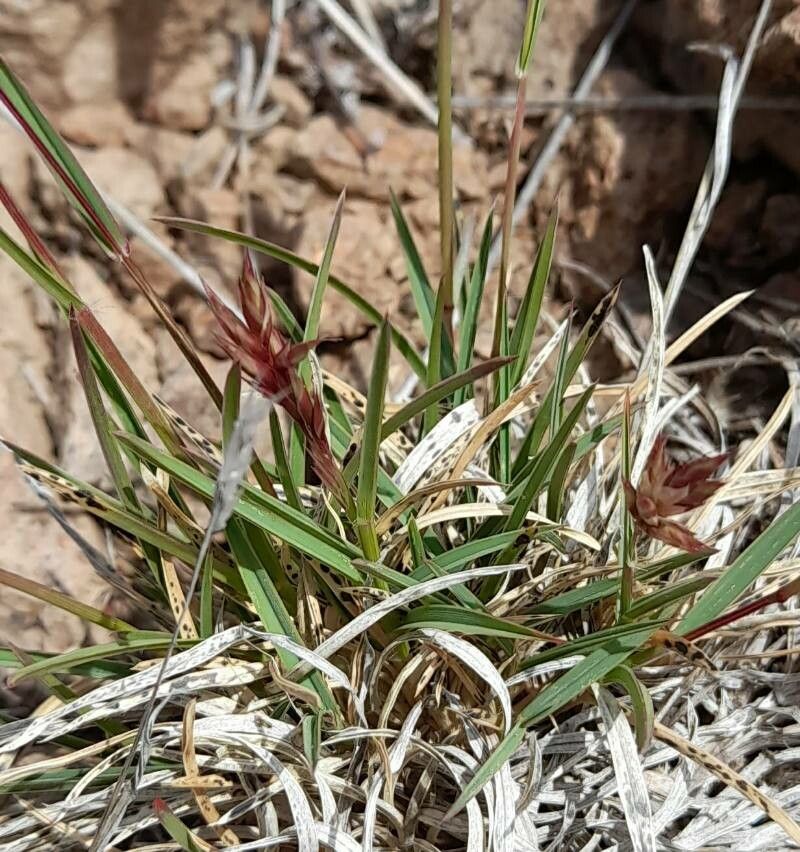
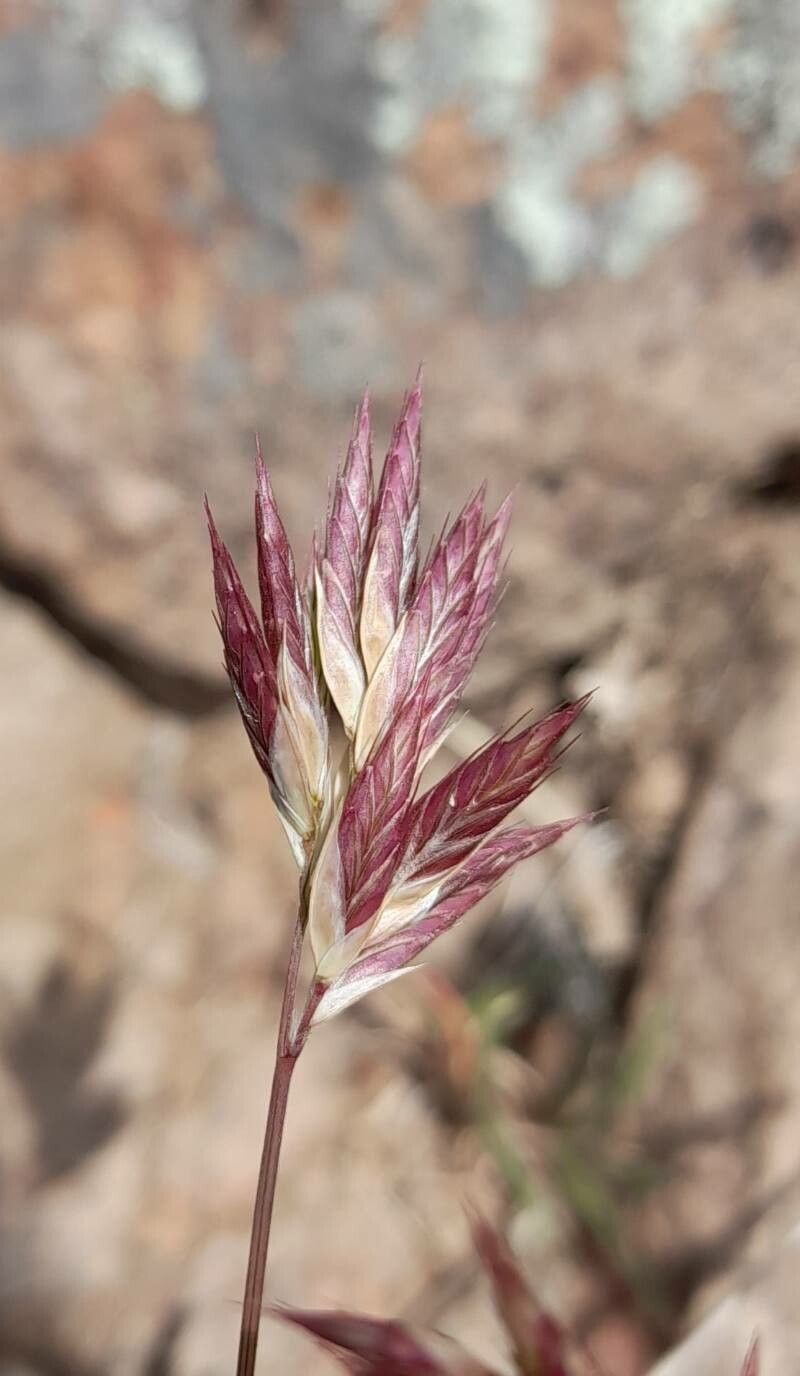
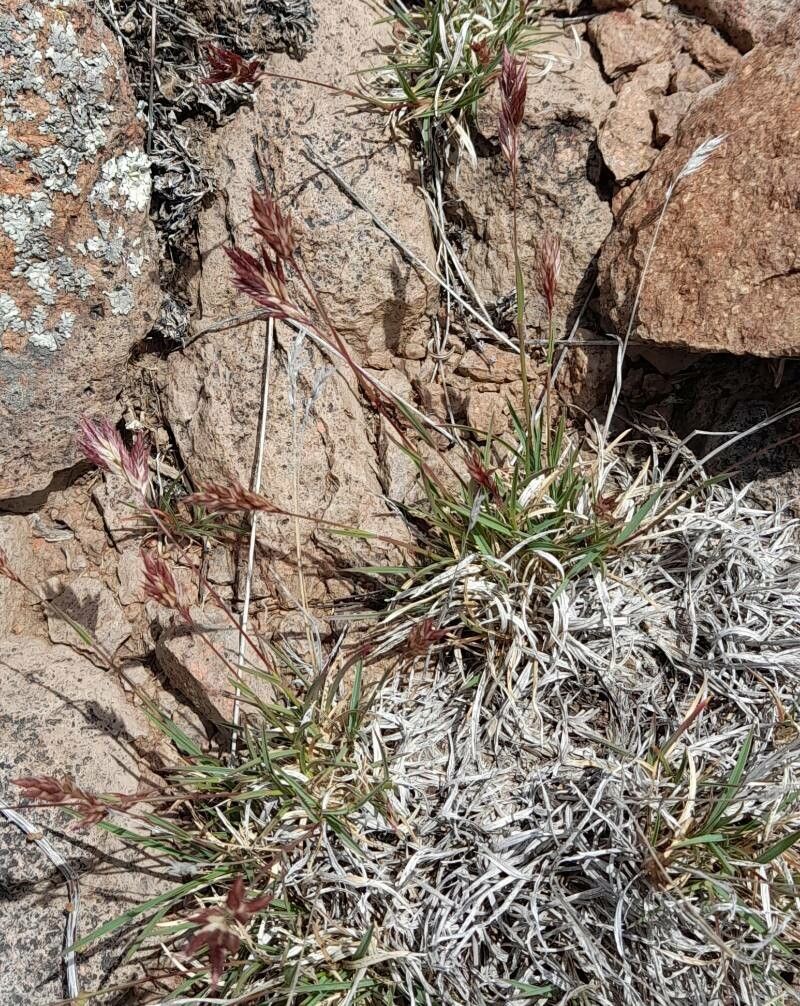
Erioneuron pilosum, the hairy woollygrass, hairy erioneuron or hairy tridens, is a short, perennial grass often occurring on overgrazed rangelands in the Americas. Within the familyPoaceae, it belongs to the subfamily Chloridoideae, which mainly occurs in arid tropical and subtropical grasslands.
Hairy woolly grass is resistant to disease and generally not susceptible to illnesses. In terms of care, this plant is fairly low-maintenance. When grown outdoors it needs little watering, and larger plants typically do not require pruning. Smaller plants, however, should be pruned after they finish blooming. Hairy woolly grass is suitable for anyone with an outdoor area, such as a garden or deck, and does not demand extensive care experience.
How to keep Erioneuron Pilosum.
Light
Hairy woolly grass is a sun-loving, perennial herbaceous plant that originates from open habitats and is commonly found in meadows and grasslands. It prefers full sun but can also tolerate partial sun.
Water
Hairy woolly grass is well-suited for arid regions, as it can tolerate high drought conditions. It thrives with deep, infrequent watering, ideally once a week. To prevent root rot, it's essential to plant it in well-draining soil, making it an excellent choice for outdoor growth.
Temperature
Hairy woolly grass can adjust to a wide range of temperatures, but its distribution may still be restricted by different combinations of moisture and heat. It grows best in warm summer conditions when rainfall or irrigation is adequate. Extended periods of cloudy, rainy weather, as well as prolonged high temperatures, can increase the chance of Hairy woolly grass dying. In winter, proper protection from cold can improve the plant’s chances of survival.
Fertilizer
Hairy woolly grass needs extra nutrients to encourage healthy new growth. In spring, adding some compost around the base of the plant will effectively supply the nutrition it requires. Fertilizing supports vigorous growth and helps the plant resist diseases and pests.
Pruning
Hairy woolly grass is a distinctive type of grass characterized by its woolly, hairy texture. To encourage healthy growth and maintain its shape, prune the grass in early spring to remove any dead or unwanted growth. Use sharp tools for pruning to minimize the risk of damage. Additionally, keep an eye out for signs of stress or disease and adjust your care routine as needed.
Botanical profile.
- Plant Type
- Grass
- Life Cycle
- Perennial
- Genus
- Erioneuron
- Family
- Poaceae
- Hardiness Zone
- 5-9
- Mature Height
- 10 cm to 30 cm
- Mature Spread
- 5 cm to 15 cm
- Leaf Color
- Green, Gray
- Leaf Type
- Semi-evergreen
- Flower Color
- Yellow, Green, Purple, Brown
- Flower Size
- 0.25 cm to 0.51 cm
- Bloom Time
- Late spring, Early summer, Mid summer
- Planting Time
- Spring, Summer, Autumn
- Harvest Time
- Summer
- Native Area
- Mexico
Other names.
Reader questions.
What are the sunlight requirements for Hairy woolly grass?
Hairy woolly grass (Erioneuron pilosum) is a sun-loving perennial herbaceous plant that thrives in full sun, requiring more than 6 hours of sunlight daily. However, it can also tolerate partial sun conditions, which means about 3-6 hours of sunlight each day. Watching how sunlight moves through your garden is crucial for placing your plants in spots that provide the perfect balance of light and shade, ensuring their health and happiness.
What should I do if my Hairy woolly grass doesn't get enough natural light?
If your Hairy woolly grass isn't receiving adequate natural light, especially indoors or during less sunny seasons, artificial lighting can be an effective solution. It's advised to choose the right type of artificial light, such as LED lights, which can be customized to provide specific wavelengths needed by your plants. For full sun plants, 30-50W/sq ft of artificial light is recommended. The light source should be placed 12-36 inches above the plant, mimicking natural sunlight for about 8-12 hours per day to promote faster, healthier growth.
What are the signs of light deficiency in Hairy woolly grass?
Signs of light deficiency in Hairy woolly grass include the development of smaller new leaves compared to the earlier ones, leggy or sparse growth, faster leaf drop, slower or no new growth, and lighter-colored new leaves. These symptoms indicate that the plant is not receiving adequate sunlight, which is essential for its overall health and ability to photosynthesize properly.
What damage does excessive sunlight cause to Hairy woolly grass?
Excessive sunlight can cause several issues for Hairy woolly grass, including chlorosis (leaf yellowing due to chlorophyll breakdown), sunscald (damage from intense sun exposure), leaf curling (a defense mechanism to minimize water loss), wilting (loss of turgor pressure), and leaf scorching (brown, dry edges on leaves). These symptoms indicate overexposure to sunlight, which can affect the plant's ability to maintain hydration and its overall health.
How can I manage light conditions for Hairy woolly grass to ensure optimal growth?
To ensure optimal growth for Hairy woolly grass, gradually move the plants to sunnier locations, aiming for at least 6 hours of direct sunlight daily. For indoor plants, consider using artificial light if they are large or not easily movable, keeping a desk or ceiling lamp on for at least 8 hours daily. Outdoors, it's important to avoid sudden changes in light intensity to prevent sunburn. If necessary, reduce light obstructions by pruning trees or transplanting smaller plants to sunnier spots, especially during their dormant period.