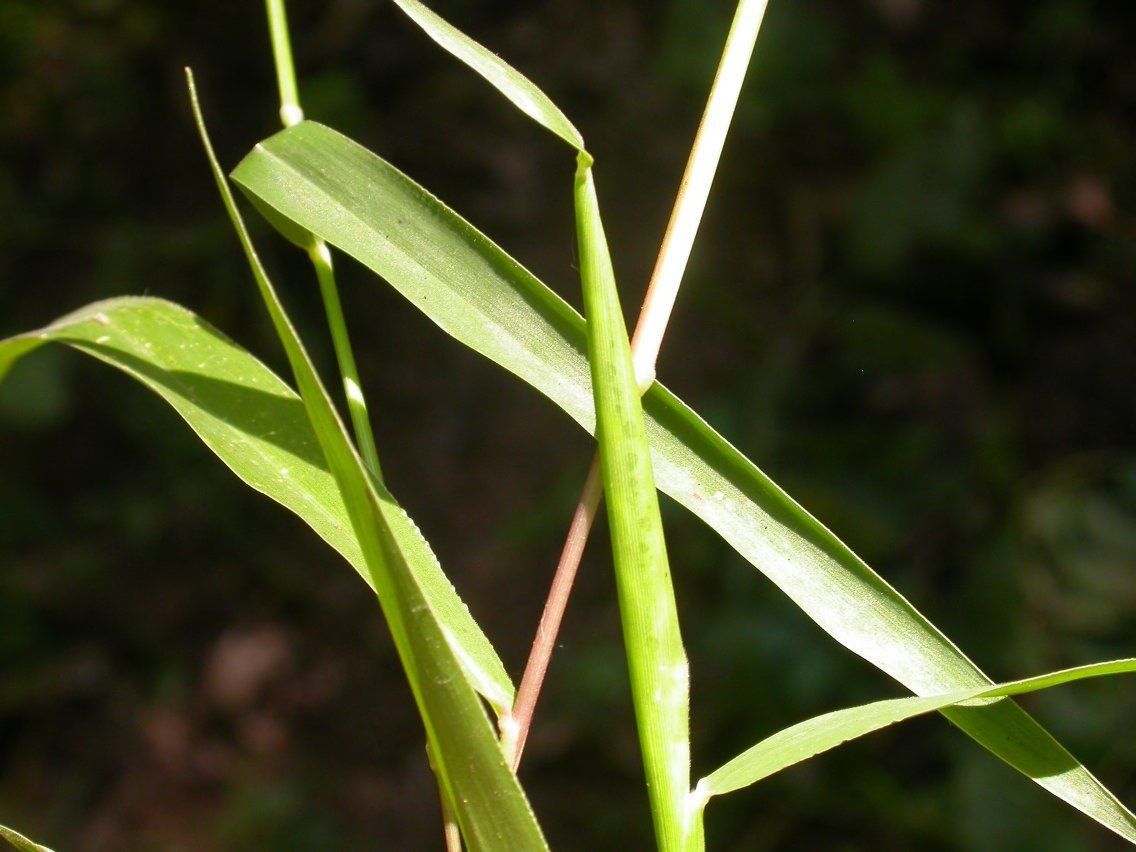
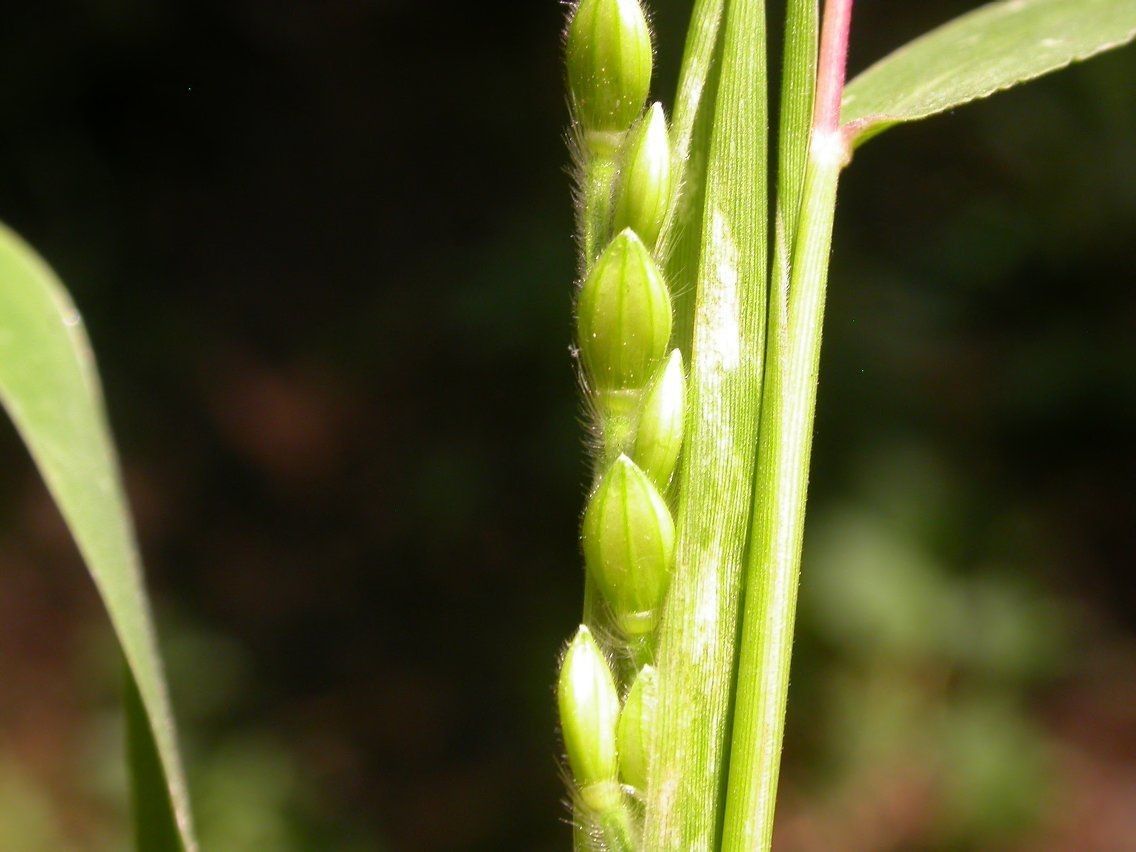
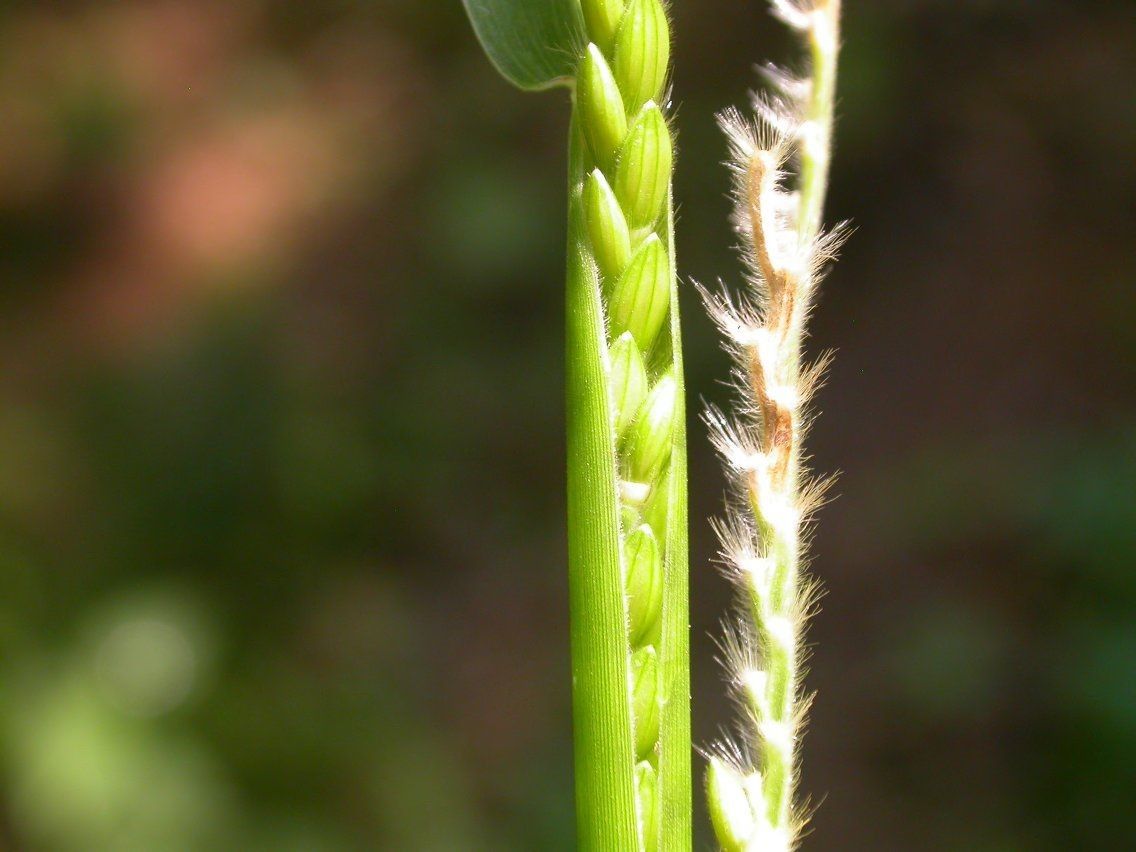
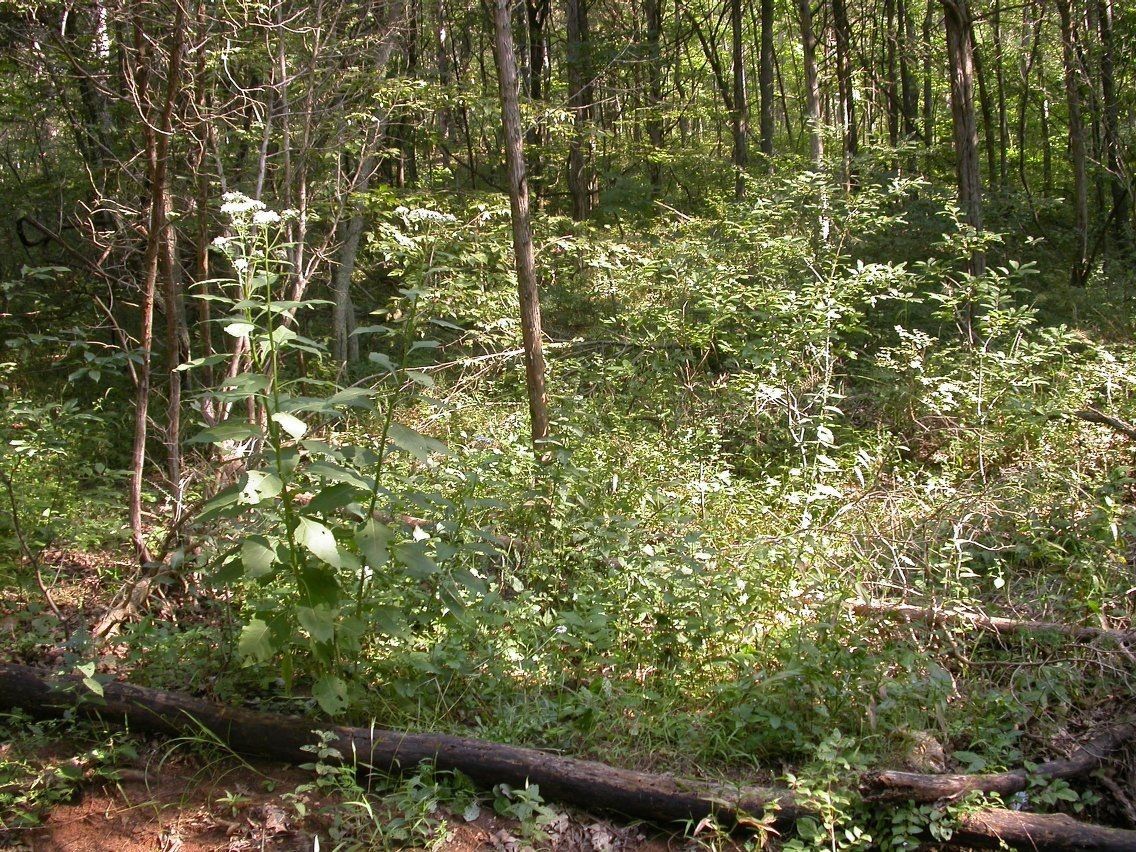
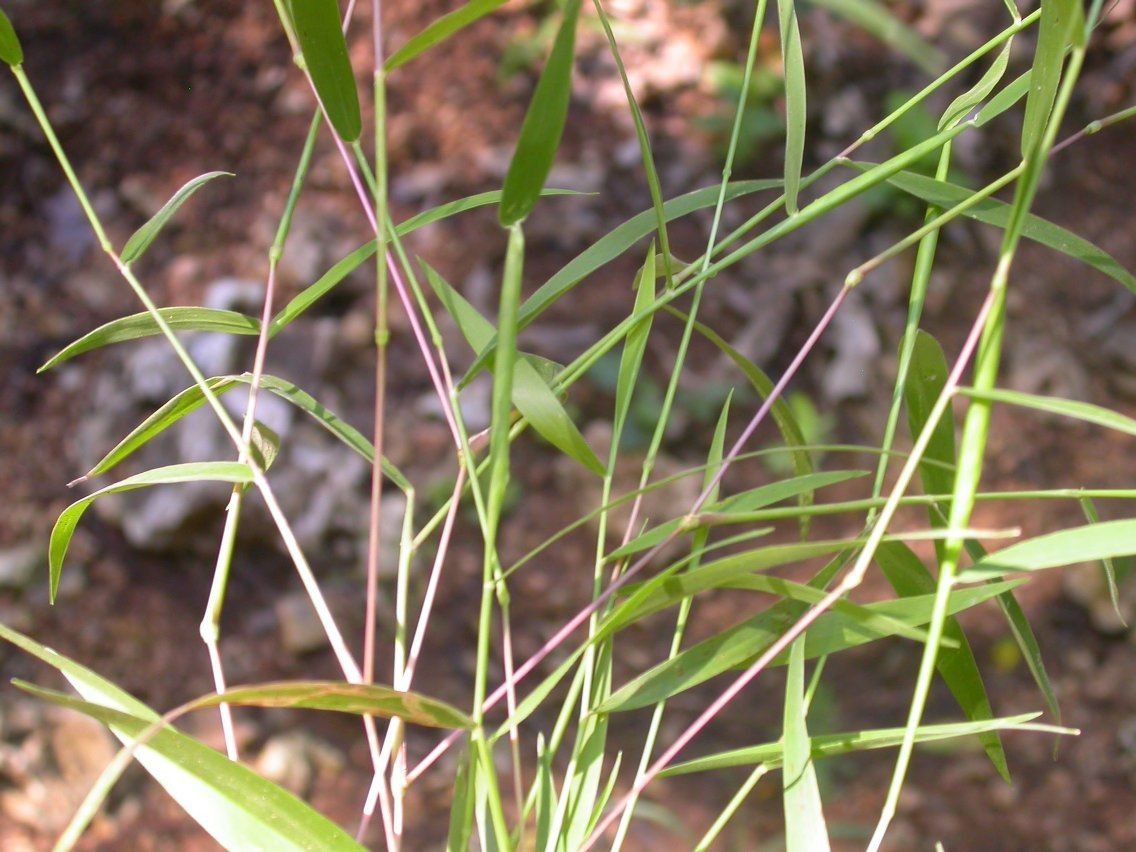
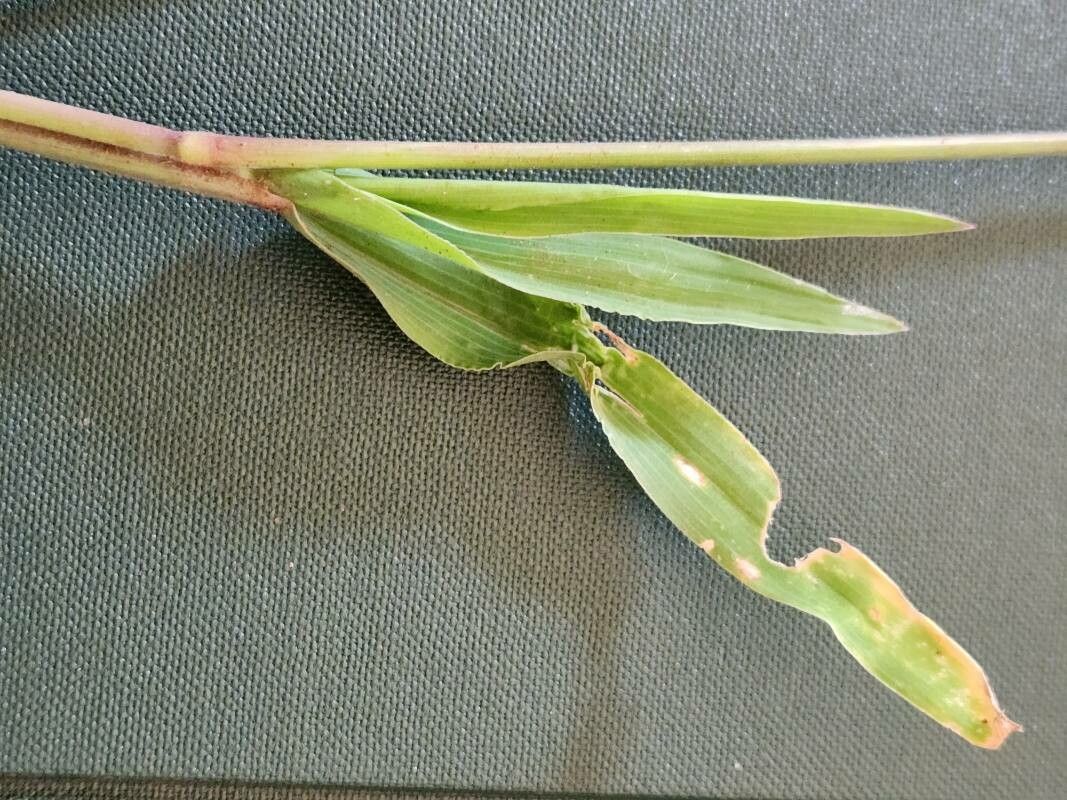
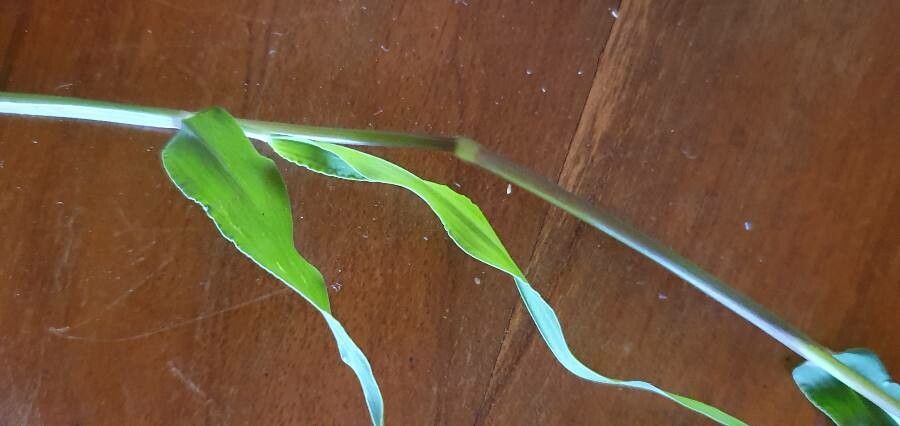
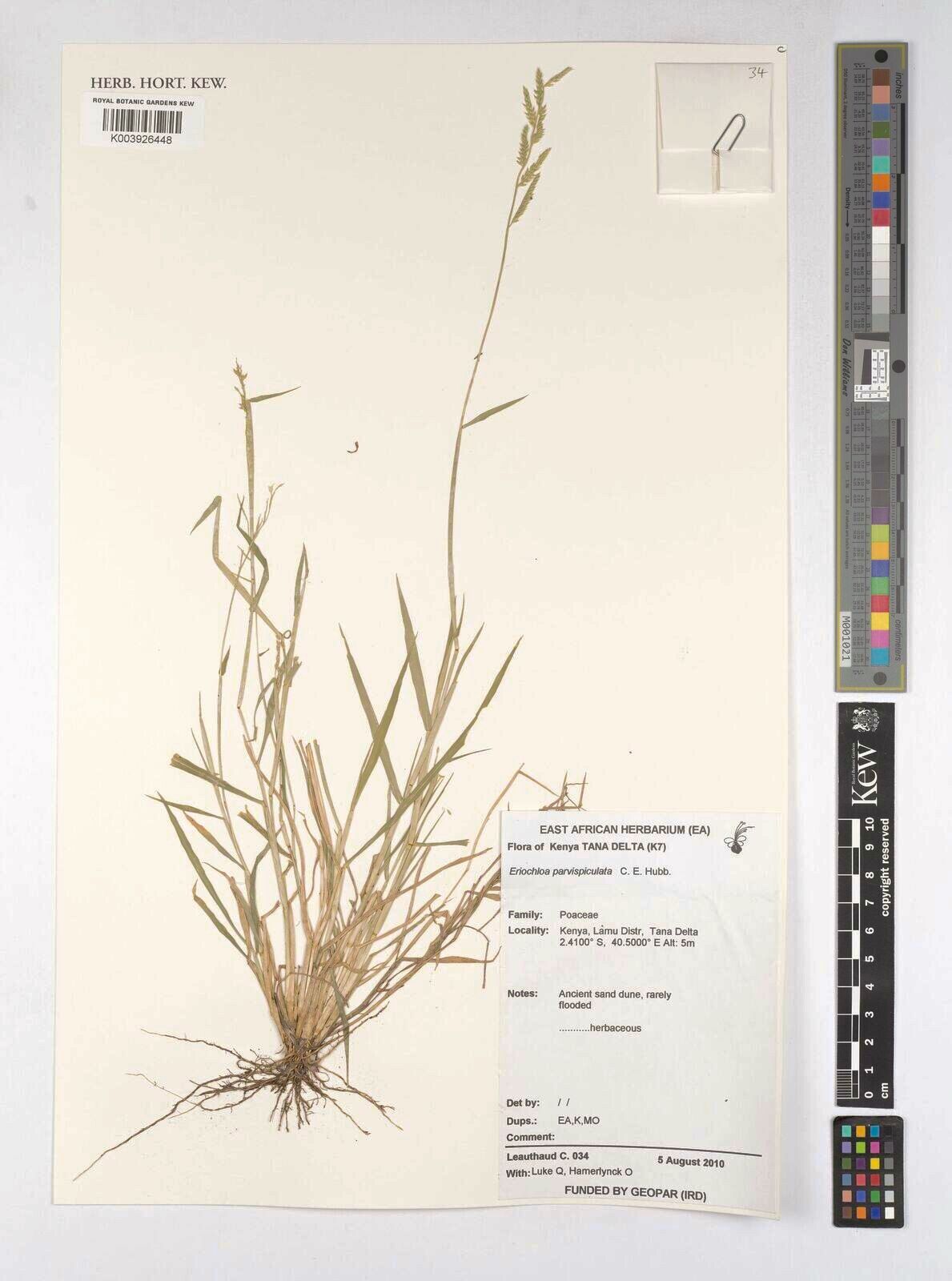
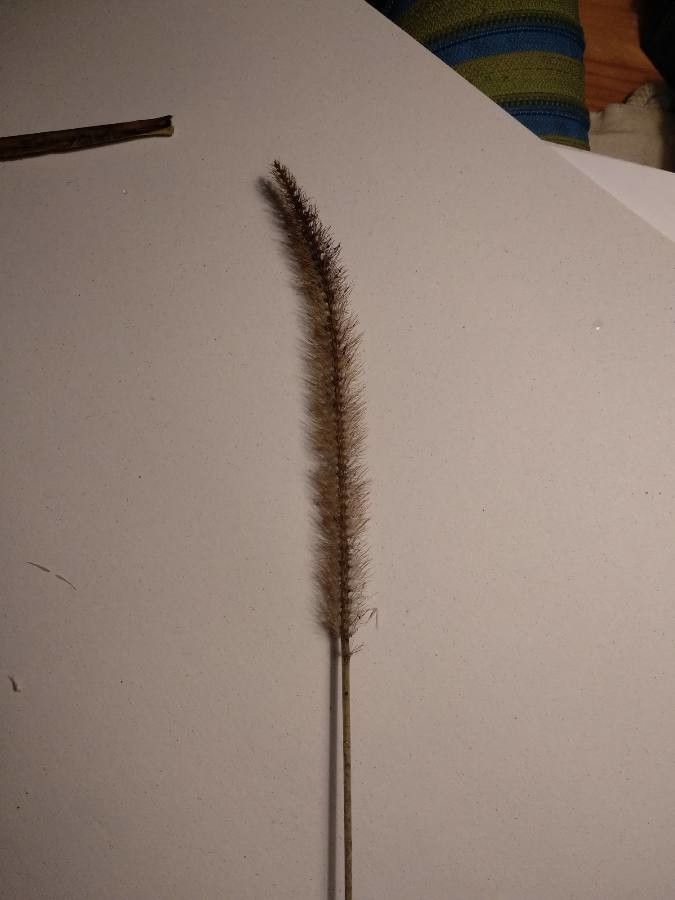
Hairy cupgrass is resistant to disease and is generally not susceptible to illnesses. Regarding care, this plant is fairly low-maintenance. When grown outdoors it needs little watering, and larger plants typically do not require pruning. Smaller plants, however, should be trimmed after they have finished blooming. Hairy cupgrass is appropriate for anyone with an outdoor area, such as a garden or deck, and does not demand much care experience.
How to keep Eriochloa Villosa.
Light
Hairy cupgrass comes from bright, open habitats where it does best in full sun. It will tolerate some shade but favors direct sunlight for its best growth. This plant, which can be annual or biennial, is noted for its sun-loving character.
Water
Hairy cupgrass thrives in environments that mimic its native habitat, benefiting from consistent moisture provided by periodic rainfall. It needs weekly watering, ensuring a balance between dampness and proper drainage. Commonly cultivated outdoors, hairy cupgrass is effective at controlling soil erosion, particularly in regions with heavy rainfall.
Temperature
Hairy cupgrass is native to areas where temperatures range from 68 to 95 °F (20 to 35 ℃). It grows best under these warm conditions. Environmental adjustments may be necessary if temperatures fall outside this range.
Pruning
For optimal growth, prune hairy cupgrass from early to late spring. This will remove dead material and crowded stems, allowing for better air circulation and sunlight exposure. Regular pruning helps maintain the plant's health and manage its growth. Always sanitize your tools before pruning to prevent the spread of disease. Additionally, refer to horticultural guides for practices specific to your region.
Botanical profile.
- Plant Type
- Grass
- Life Cycle
- Annual
- Genus
- Eriochloa
- Family
- Poaceae
- Hardiness Zone
- 2-10
- Mature Height
- 30 cm to 91 cm
- Mature Spread
- 20 cm to 40 cm
- Leaf Color
- Green
- Leaf Type
- Semi-evergreen
- Flower Color
- Yellow, Green, Purple, Brown
- Flower Size
- 1.52 cm to 4.06 cm
- Bloom Time
- Summer
- Planting Time
- Spring, Summer, Autumn
- Harvest Time
- Late summer, Early fall, Mid fall
- Native Area
- Russia, Vietnam, Japan, Koppen, South Korea, China
Other names.
Reader questions.
What are the sunlight requirements for Hairy Cupgrass?
Hairy Cupgrass (Eriochloa villosa) is a plant that thrives in environments with abundant sunlight. It requires full sun, meaning it needs more than 6 hours of sunlight daily to grow optimally. The plant can also tolerate partial sun conditions, which is about 3-6 hours of sunlight per day. It's important to observe the movement of sunlight through your garden to ensure that your plants are placed in spots that offer a good balance of light and shade, ensuring their health and happiness.
What is the indigenous temperature range for Hairy cupgrass?
Hairy cupgrass, also known by its botanical name Eriochloa villosa, is indigenous to regions where the temperature ranges from 68 to 95 °F (20 to 35 °C). It thrives best under warm conditions within this temperature range. To ensure the plant remains healthy, adjustments to its environment may need to be made if temperatures fluctuate outside of this preferred range.
What are the essentials for growing Hairy Cupgrass?
Hairy Cupgrass originates from bright, open environments and is best suited for areas that receive full sunlight, although it can tolerate partial sun. Its growth is optimal under direct sunlight conditions, making it a sun-loving plant both as an annual and biennial. When natural sunlight is not sufficient, especially during winter or in less sunlight-exposed areas, artificial lighting can be a crucial alternative. Using LED lights can be beneficial, as they provide specific wavelengths needed for plant growth. Full sun plants require 30-50W per square foot, partial sun plants 20-30W per square foot, and full shade plants need 10-20W per square foot of artificial light. The right distance and duration of light exposure are also key factors; lights should be placed 12-36 inches above the plant for 8-12 hours per day to mimic natural sunlight.
Does Hairy cupgrass require special frost protection measures during winter?
Hairy cupgrass demonstrates strong cold resistance, which generally eliminates the need for special frost protection measures during winter. However, in the event that winter temperatures are expected to plummet below -40°C, it becomes important to protect the plant against the cold. This protection can be provided by covering the plant with soil, straw, or similar materials. Additionally, watering the plant abundantly before the first freeze in autumn is recommended to ensure the soil remains moist and enters a frozen state, helping to prevent drought and water scarcity for the plant during the colder months.
What are the symptoms of light deficiency in Hairy Cupgrass?
When Hairy Cupgrass does not receive adequate light, it may show several symptoms. New leaves may appear smaller, and the plant might exhibit leggy or sparse growth, indicating a thin and stretched appearance due to long spaces between leaves or stems. There may be faster leaf drop as the plant tries to conserve resources, alongside slower or completely halted growth as it enters survival mode. Additionally, insufficient sunlight can cause new leaves to become lighter in color, signifying a lack of chlorophyll and essential nutrients. Other symptoms include chlorosis, where leaves turn yellow; sunscald that damages leaves or stems with intense sunlight; leaf curling as a defense mechanism against extreme sunlight; wilting due to loss of turgor pressure; and leaf scorching, characterized by brown, dry edges on leaves from too much sunlight.
What should you do if Hairy cupgrass is exposed to temperatures below 0°C?
Hairy cupgrass is cold tolerant and thrives best when temperatures remain above 20°C. In the winter, it's important to keep the temperature above 0°C. If the temperature falls below -40°C, there might not be any noticeable changes during winter, but a decrease in sprouting or a complete lack of sprouting may occur in the spring. In such cases, the solution is to remove any parts of the plant that have failed to sprout.
How can I address light deficiency symptoms in Hairy Cupgrass?
To address light deficiency in Hairy Cupgrass, gradually move the plants to locations with more sunlight, ensuring at least 6 hours of direct sun exposure daily. If moving the plant isn't feasible, such as for larger ones, consider using artificial light like desk lamps or professional grow lights for at least 8 hours a day. For outdoor plants, it's crucial to adjust them gradually to new lighting conditions to prevent sunburn. Note that parts of the plant that have suffered from insufficient light may not recover, but new growth should be healthy with adequate light exposure. Additionally, reduce obstructions like overhanging branches to improve sunlight access, and consider transplanting smaller plants during their dormant period to better-lit locations with good drainage.
How should you care for Hairy cupgrass during high temperatures?
During the summer, it's crucial to ensure that Hairy cupgrass is not exposed to temperatures exceeding 35°C. When temperatures surpass 41°C, the plant's leaves may become lighter in color, prone to curling, susceptible to sunburn, and in severe cases, the entire plant may wilt and dry up. To address this, trim away any sunburned and dried-up parts of the plant. Move the plant to a location where it receives shade during the midday and afternoon, or use a shade cloth to create necessary shade. Additionally, watering the plant in the morning and evening helps keep the soil moist and the plant healthy.