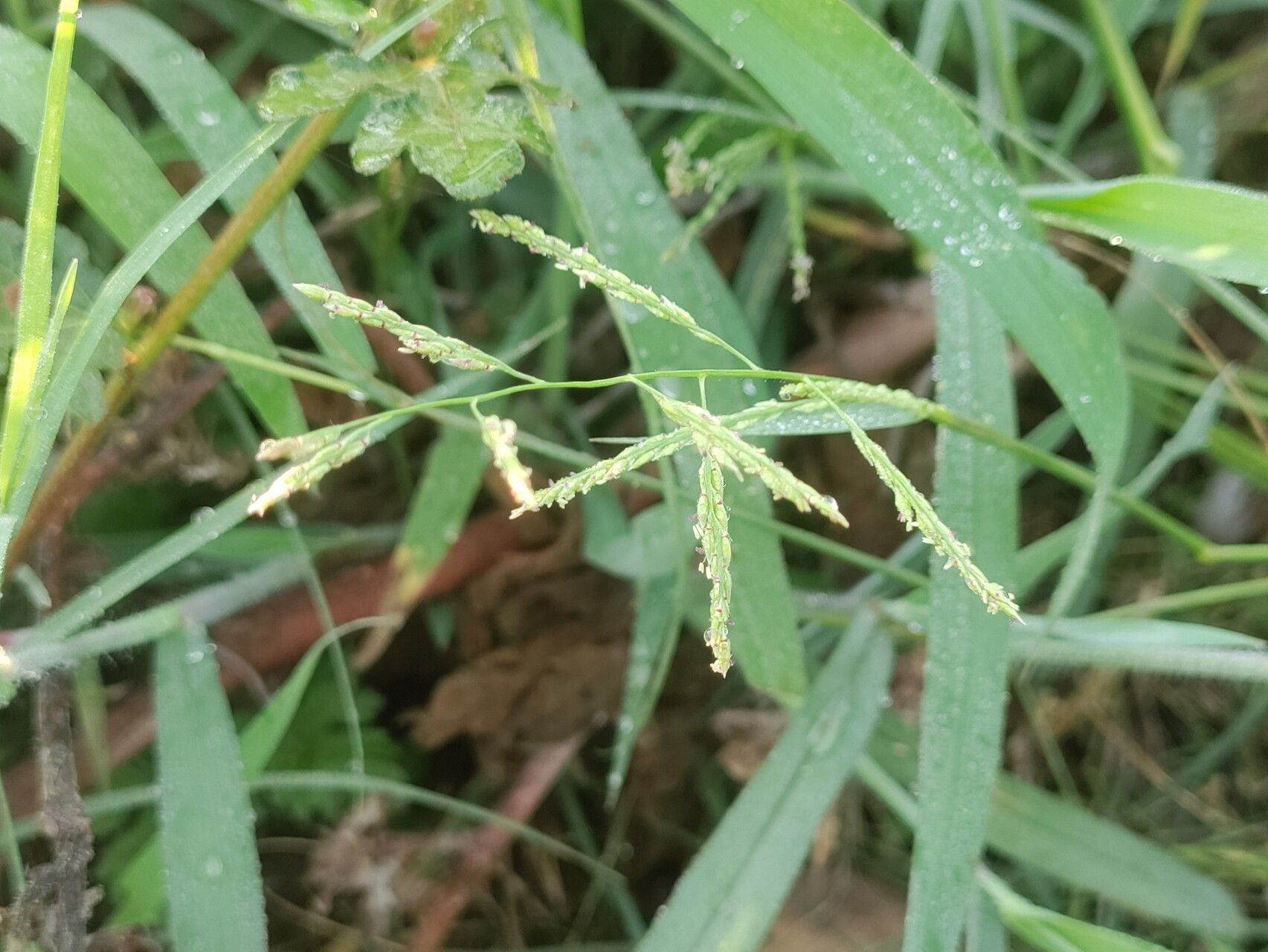
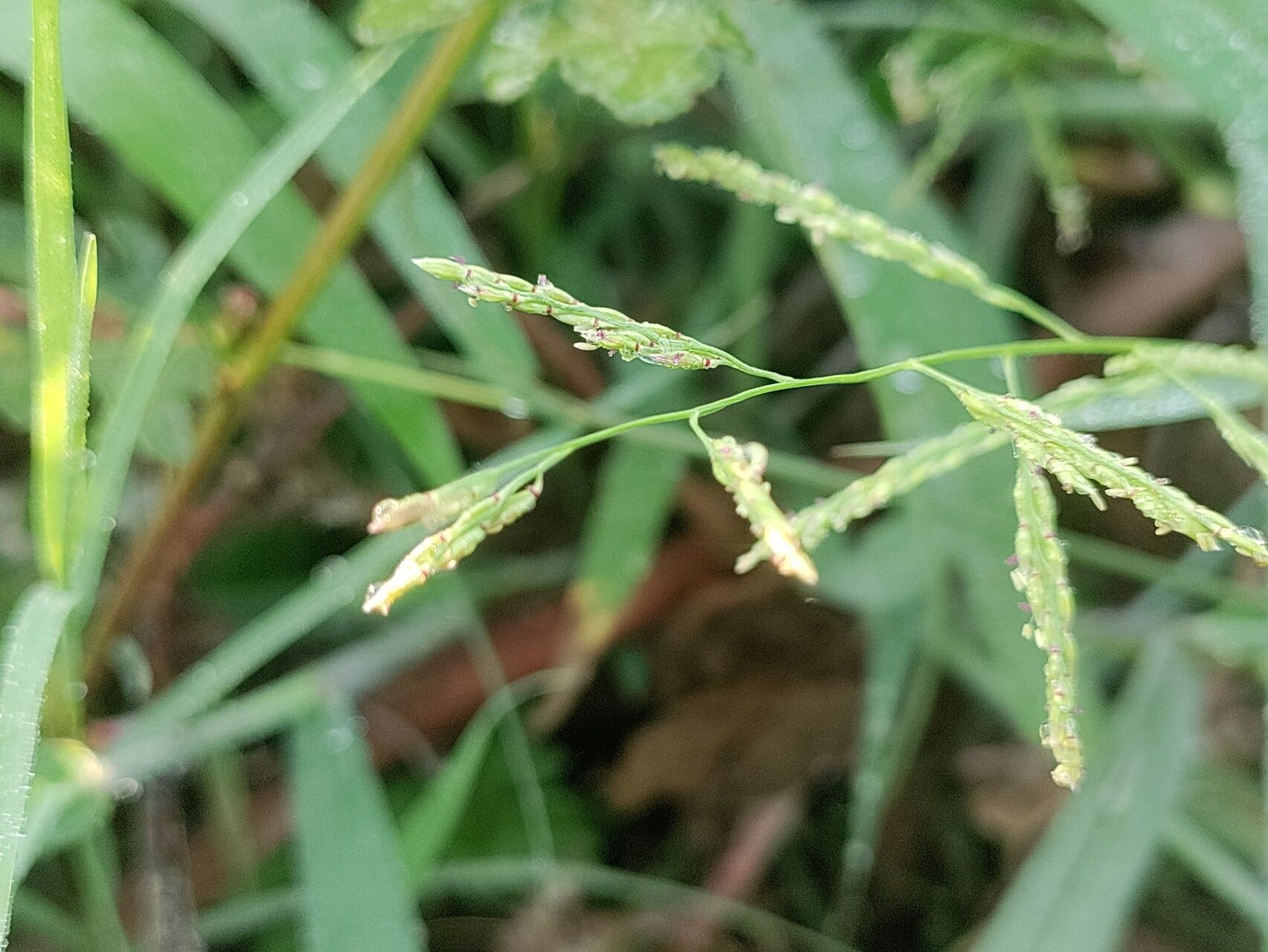
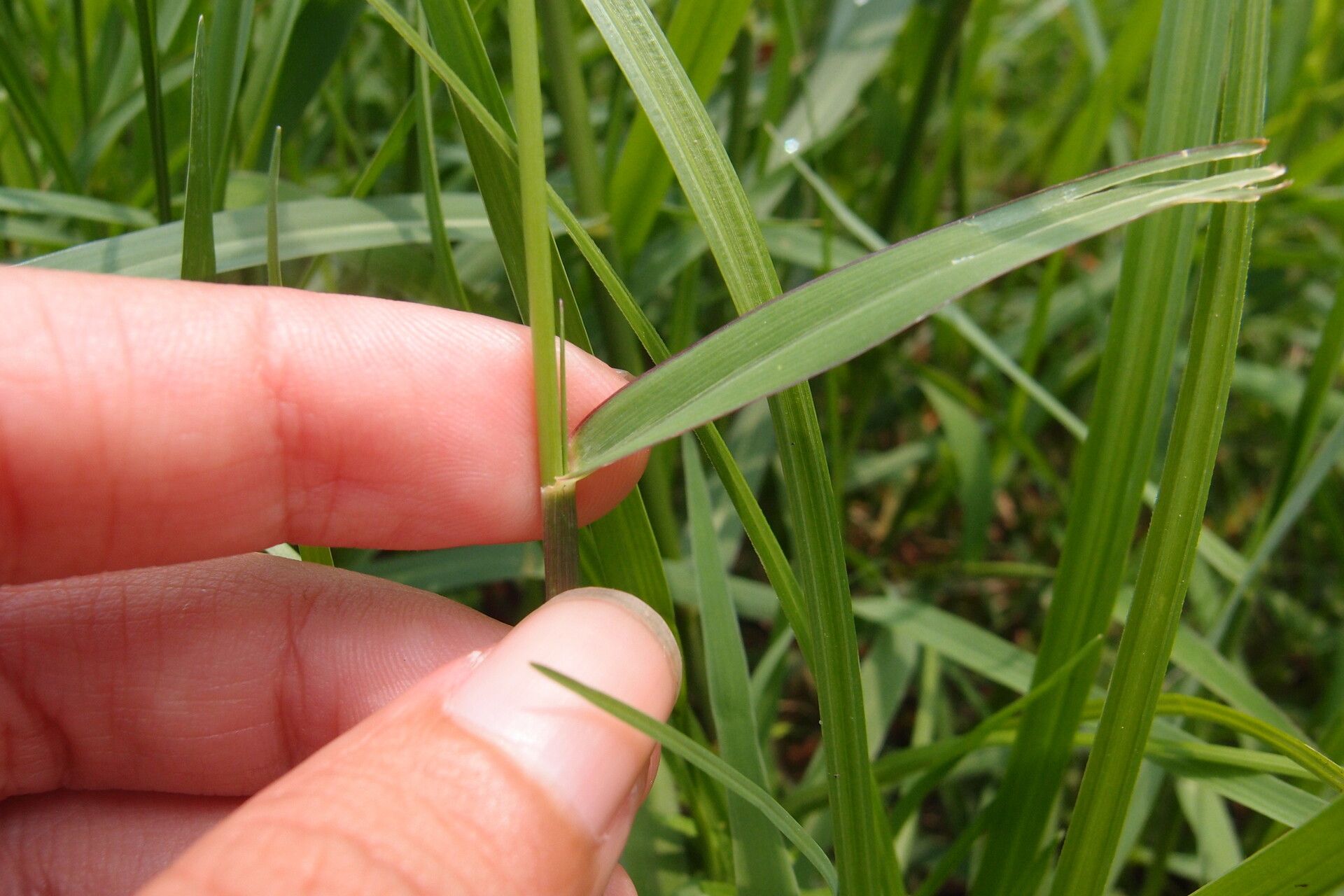
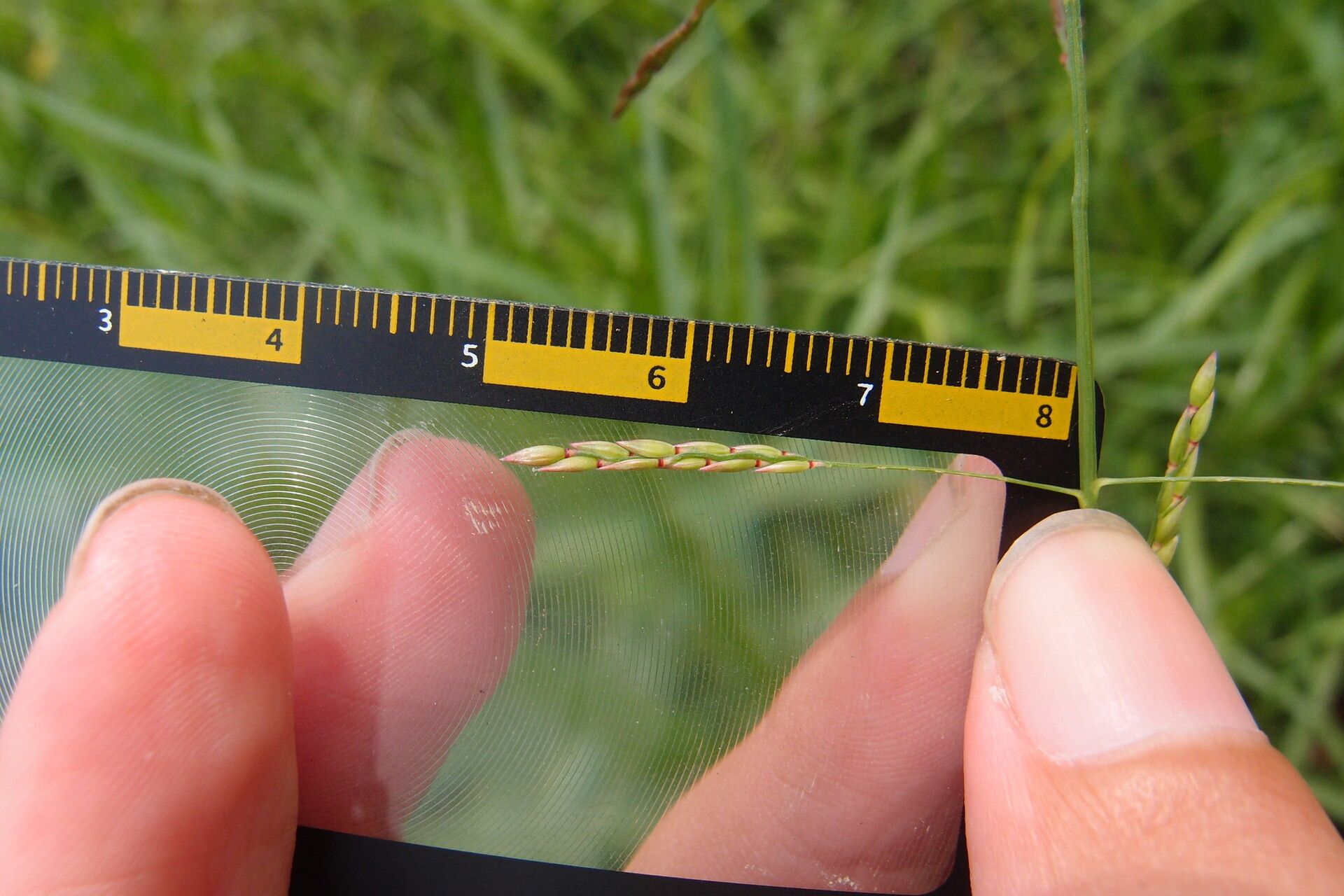
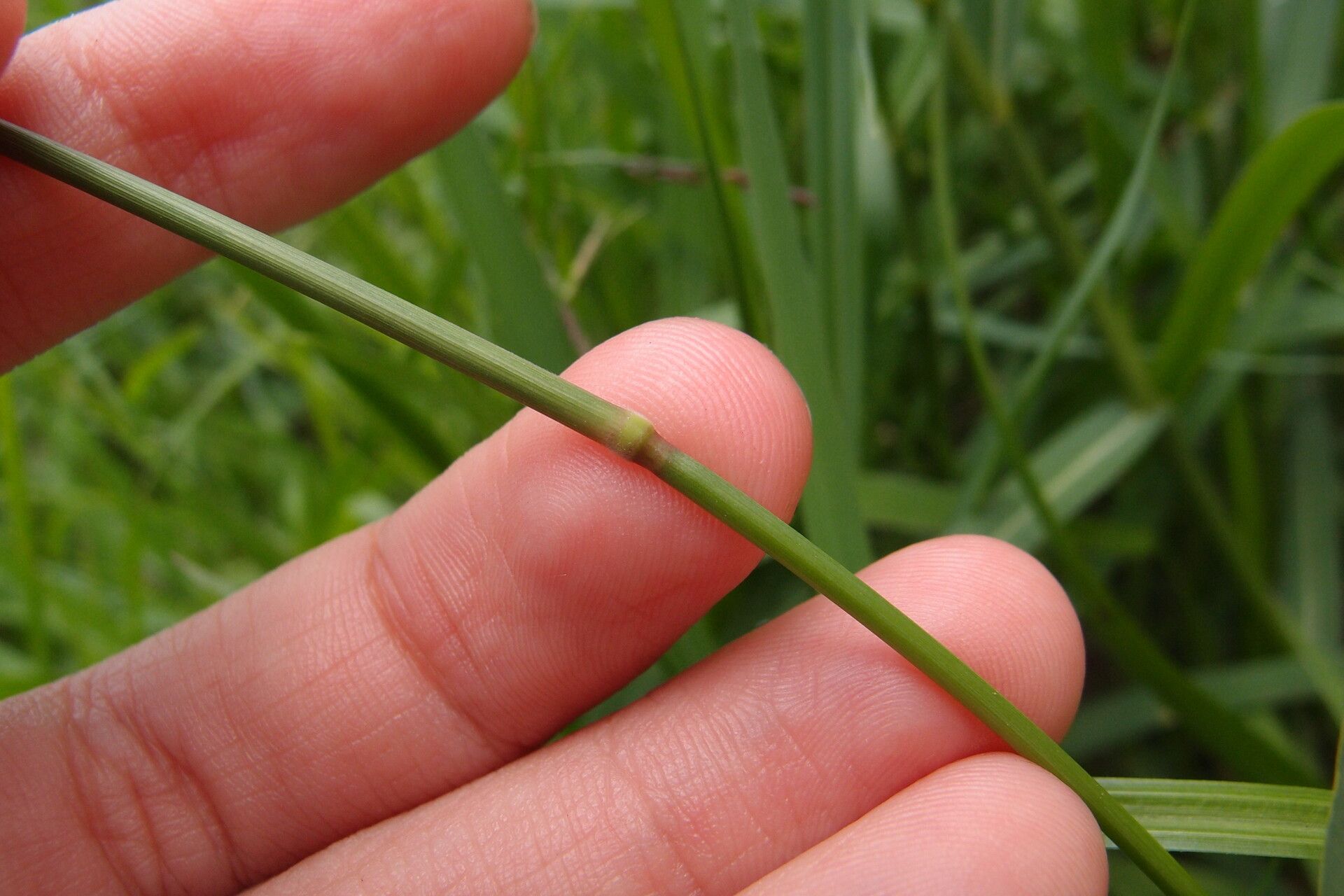
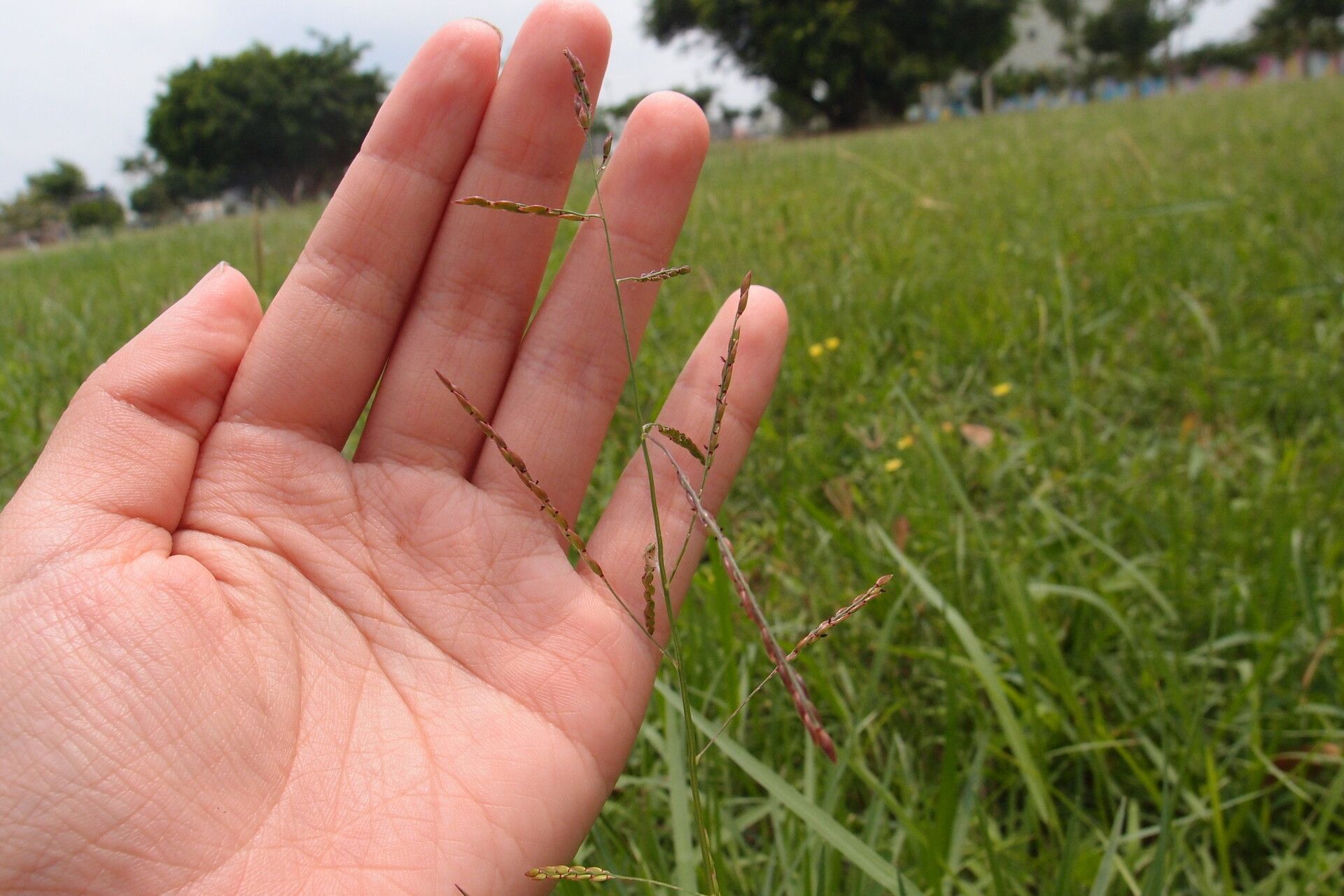
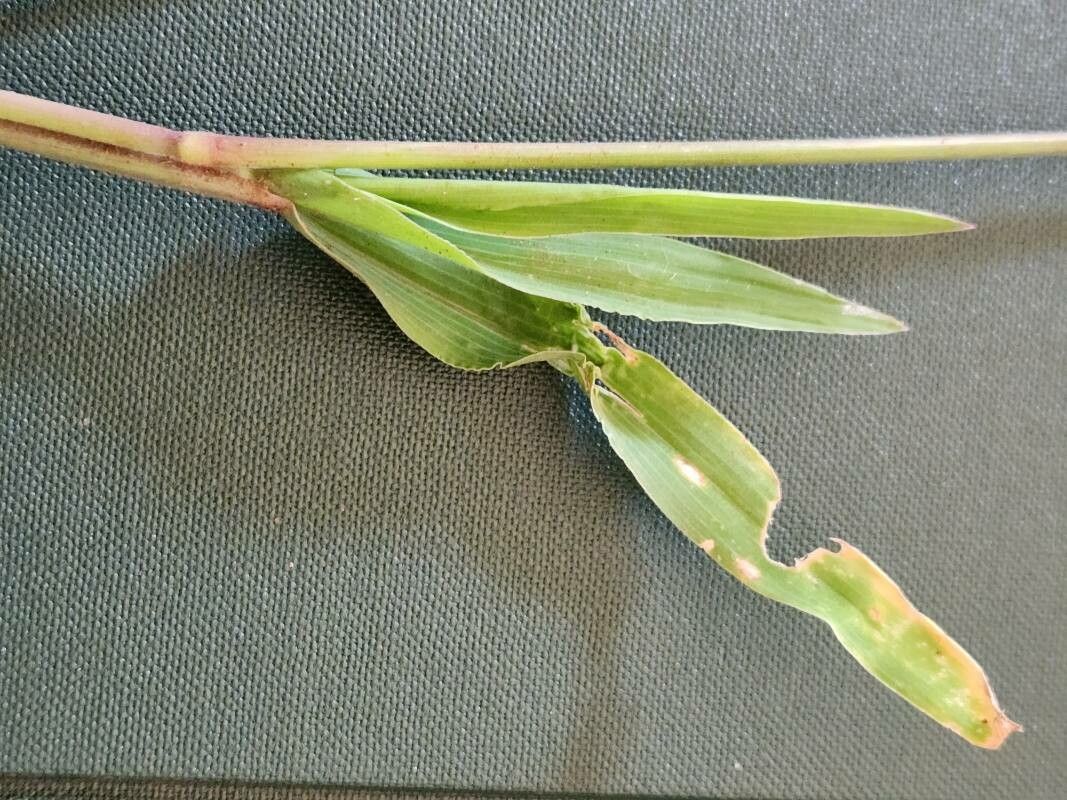
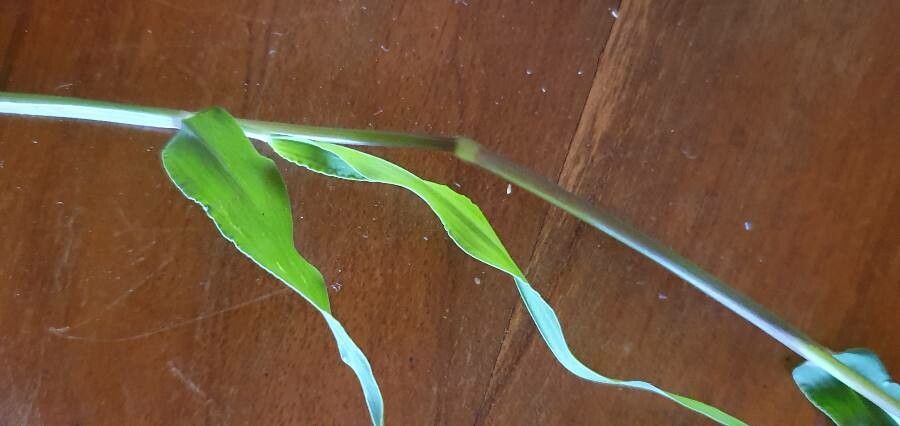
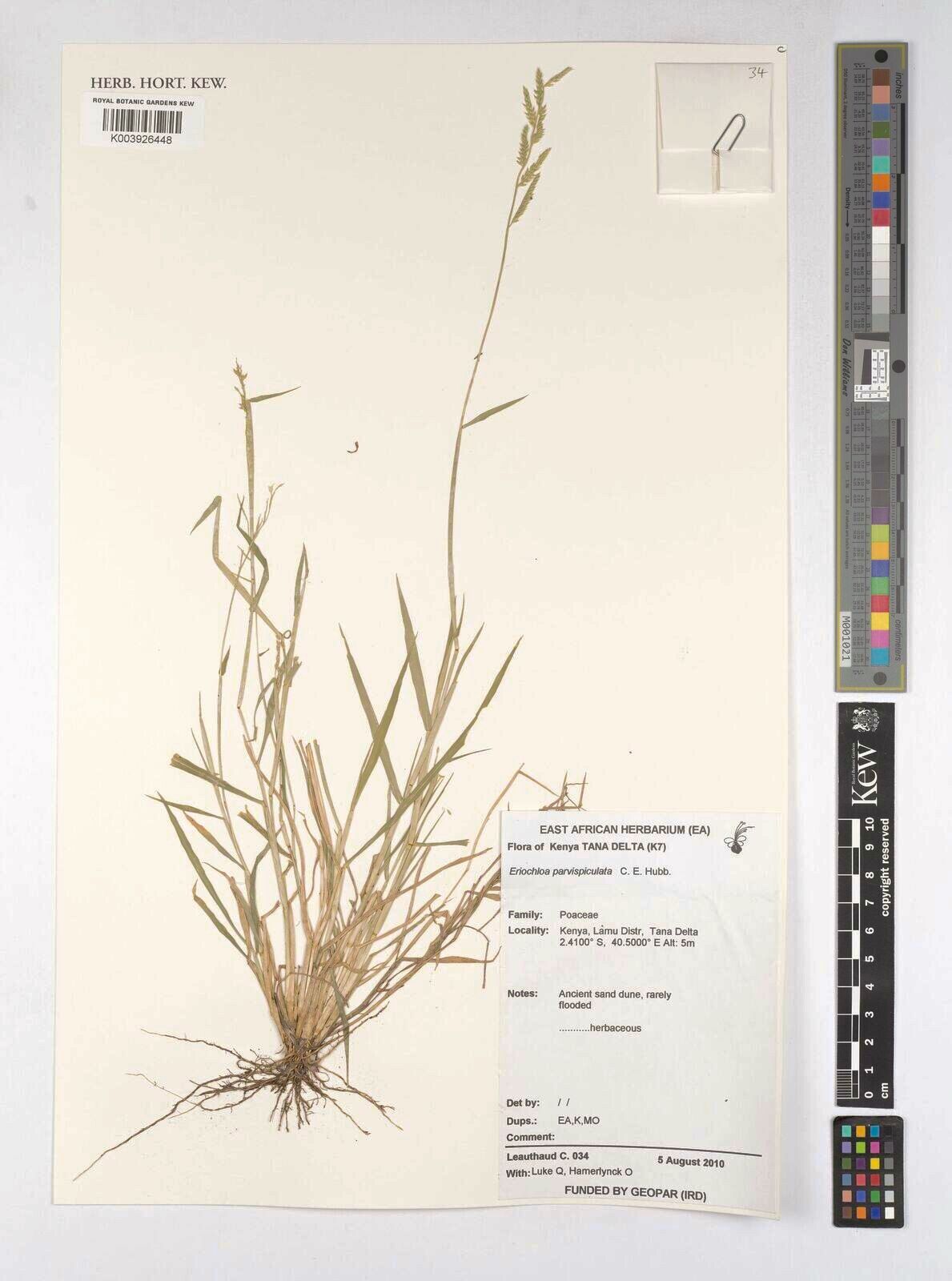
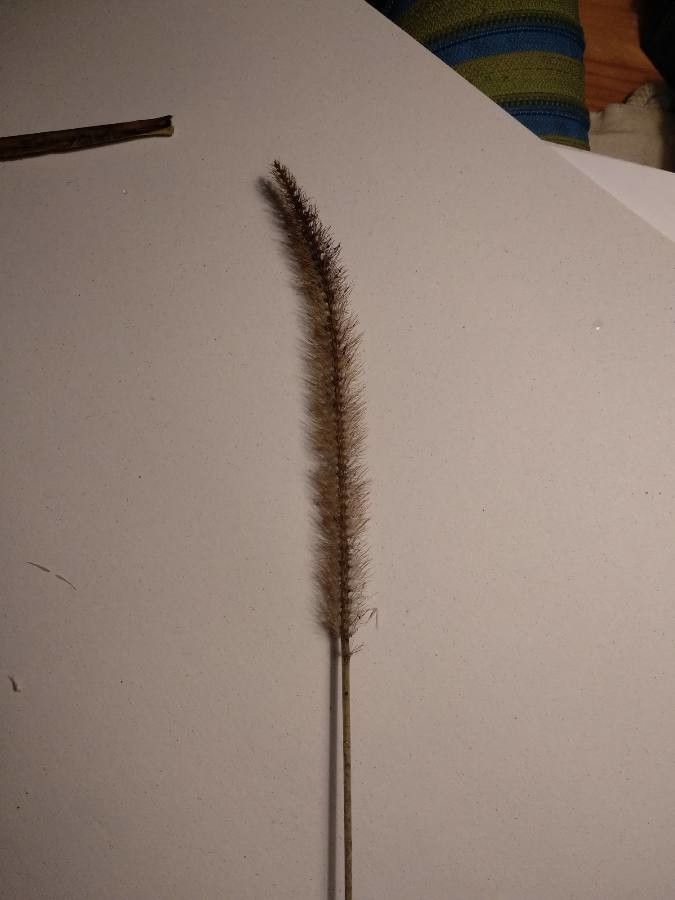
Spring grass is resistant to disease and is usually not susceptible to illnesses. As for maintenance, this plant is fairly low-maintenance. When grown outdoors it needs little watering, and larger plants typically do not require pruning. Smaller plants, however, should be trimmed after they finish blooming. Spring grasst is suitable for anyone with an outdoor area, such as a garden or deck, and does not demand much care experience.
How to keep Eriochloa Procera.
Light
Spring grass is indigenous to bright, open areas, and it flourishes when exposed to full sun. While it can manage in partial sun, it has a preference for direct sunlight for its best growth. This plant, which has an annual and biennial life cycle, is known for its preference for sunny conditions.
Temperature
Spring grass is native to tropical areas, where conditions are often hot and moist. This makes it acclimated to high heat and humidity levels. It doesn't fare well with abrupt shifts in temperature and favours a consistent thermal ambiance, hence it's crucial to maintain stable indoor temperatures. It generally can't withstand cold climates and needs elevated temperatures to thrive. If the ambient temperature falls excessively, the plant could stop growing or potentially perish.
Botanical profile.
- Plant Type
- Grass
- Life Cycle
- Annual
- Genus
- Eriochloa
- Family
- Poaceae
- Hardiness Zone
- 8-11
- Mature Height
- 0.3 m to 1.52 m
- Mature Spread
- 20 cm to 40 cm
- Leaf Color
- Green
- Leaf Type
- Deciduous
- Flower Color
- Purple, Green
- Flower Size
- 10.16 cm to 20.32 cm
- Bloom Time
- Summer, Early fall, Mid fall
- Planting Time
- Spring, Summer
- Harvest Time
- Late summer, Fall, Early winter
- Native Area
- Sri Lanka, Malawi, India, Malaysia, Philippines, Bangladesh, Pakistan, Laos, Kenya, Uganda, Tanzania, China, Indonesia, Cambodia, Vietnam, Mozambique, Myanmar, Japan, Ethiopia, Congo (DRC), Thailand
Other names.