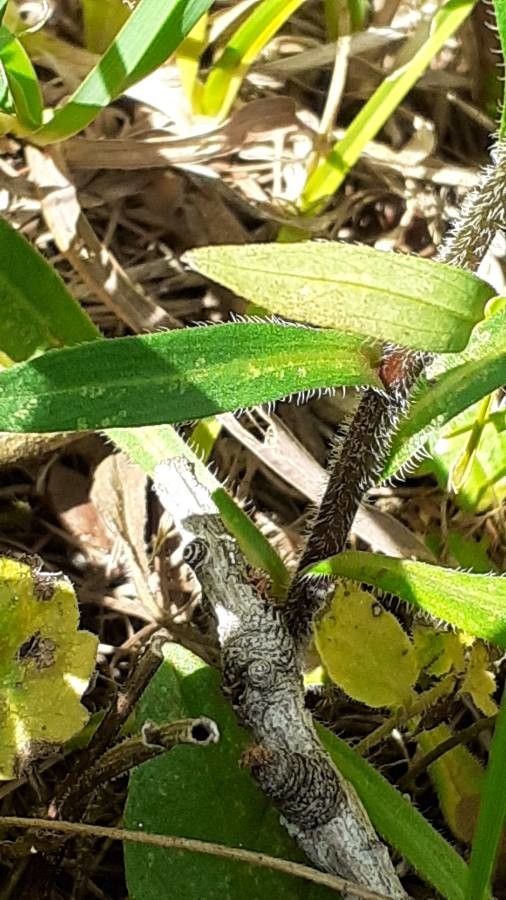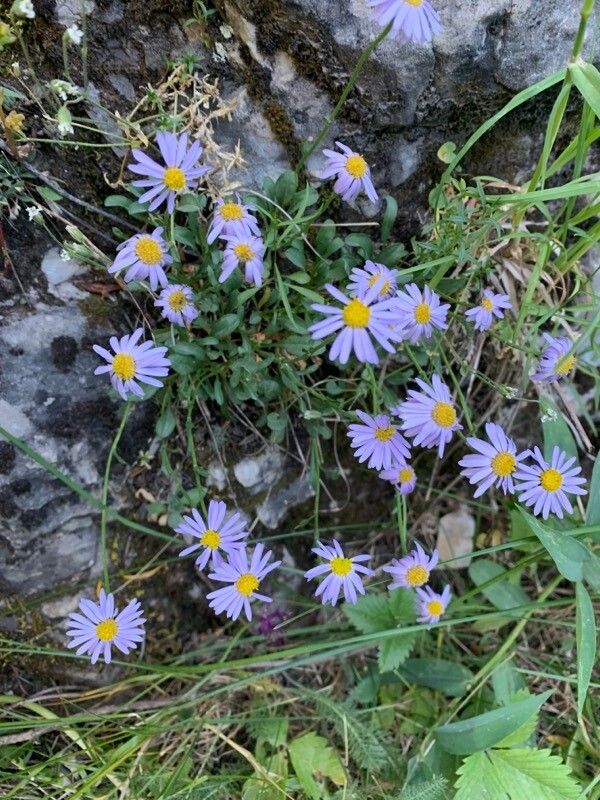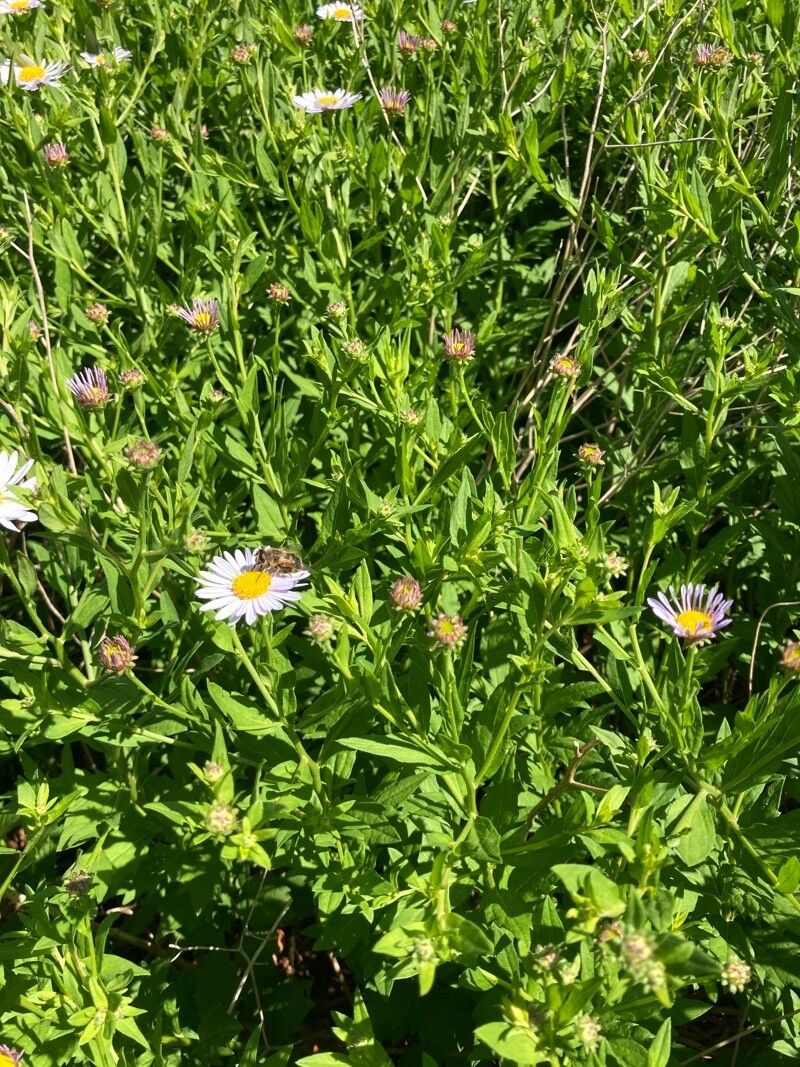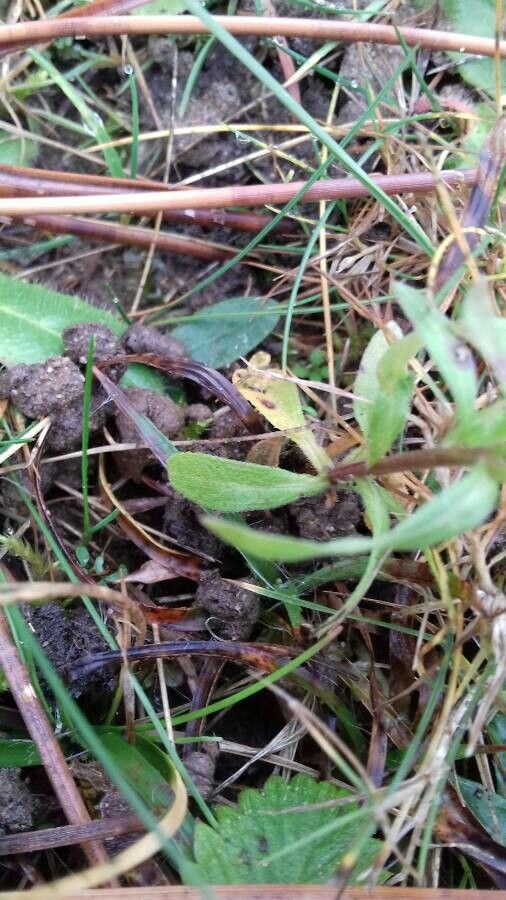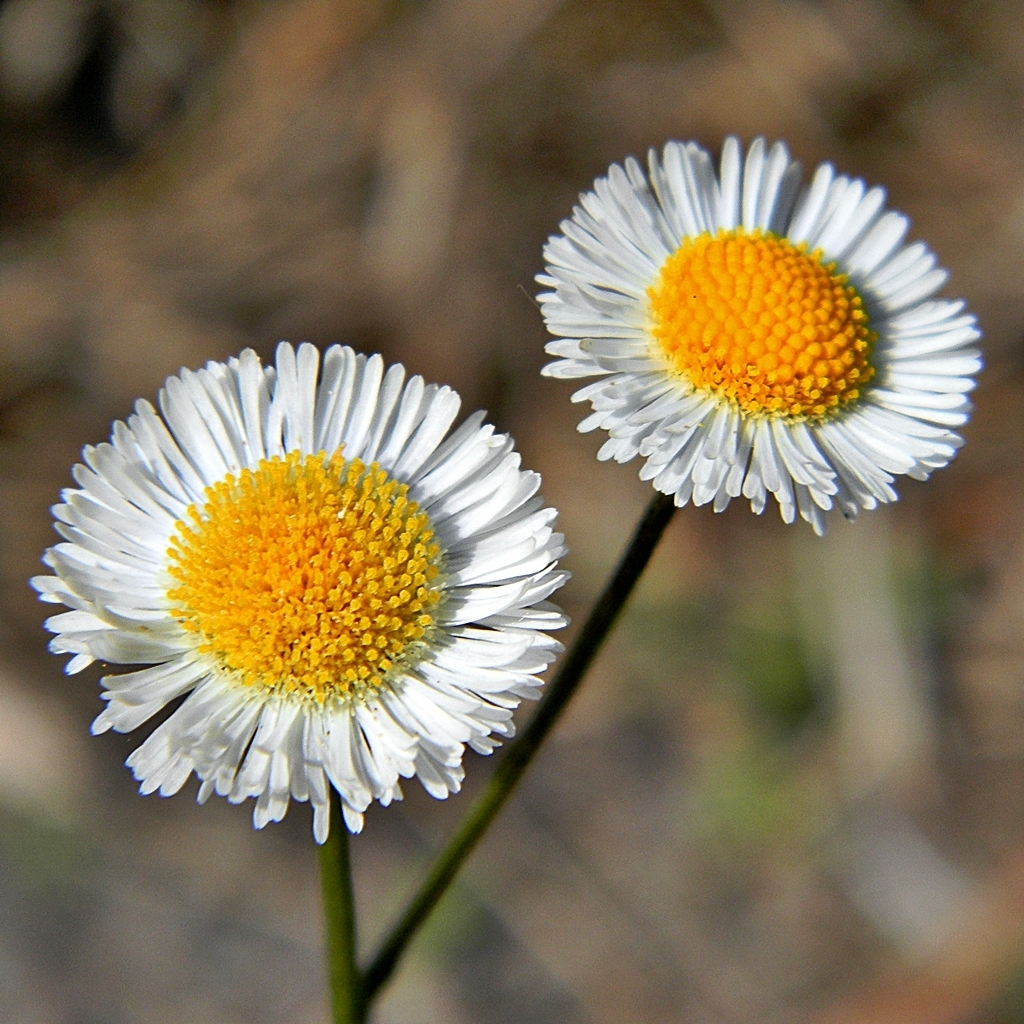
Erigeron quercifolius, commonly known as oak-leaved fleabane, is a perennial herbaceous plant that belongs to the Asteraceae family. Native to North America, it thrives in various habitats such as meadows, woodlands, and rocky slopes. The plant can grow up to 60 cm tall and features a basal rosette of leaves that are deeply lobed, resembling oak leaves. Its hairy stem produces small, daisy-like flowers with white or pink petals, which bloom from late spring to early summer and attract bees and butterflies.
Traditionally, Erigeron quercifolius has been used for its anti-inflammatory properties. The plant contains compounds like flavonoids, tannins, and sesquiterpene lactones, which have been shown to reduce inflammation in the body.
In addition to its medicinal applications, the plant is popular for ornamental purposes. Its attractive foliage and flowers make it an excellent choice for gardens or containers with well-drained soil, thriving in either full sun or partial shade.
Overall, Erigeron quercifolius is a versatile plant with both medicinal and ornamental value, making it a unique and useful addition for gardeners seeking something special.
Philadephia fleabane has strong disease resistance and is generally not prone to illnesses. Still, it can be vulnerable to pests and diseases present in its environment. These infections tend to be mild. Regarding care, this plant needs moderate maintenance. It should be pruned regularly to keep a neat appearance and encourage healthy growth. Applying fertilizer can also aid in boosting blooms. Philadephia fleabane is appropriate for anyone with an outdoor area, like a garden or patio, and does not demand extensive gardening experience. It may need extra attention if cultivated indoors.
How to keep Erigeron Quercifolius.
Light
The Philadelphia fleabane thrives with abundant daily sunlight, though it can also do well with moderate light levels. Its native habitat is characterized by sunny conditions. Too little sunlight may hinder its growth, while excessive light can cause damage.
Water
Southern fleabane thrives in moist, well-drained soil and benefits from consistent moisture, requiring weekly watering for optimal growth. This adaptable species is often cultivated outdoors and benefits from natural rainfall in regions with regular precipitation, aligning its water needs with the local climate.
Temperature
Philadephia fleabane is native to habitats with a moderate temperature range of 68 to 95°F (20 to 35℃). It prefers and does best in summer and the warmer months of spring. During colder seasons, consider slightly increasing the temperature around them.
Fertilizer
Philadelphia fleabane are regarded as heavy feeders when it comes to nutrients. They need frequent, low-dose applications of nitrogen and potassium fertilizers and periodic additions of phosphorus, micronutrients, sulfur, and magnesium to sustain good growth and bright coloration. Continuous fertilization throughout the growing season prevents deficiency symptoms and maintains optimal growth.
Pruning
To help Southern fleabane thrive, it's important to prune it strategically, ideally between early and late spring. Remove any spent blooms and trim away dead or damaged stems to encourage healthy growth. Always use clean, sharp tools to reduce the risk of disease. Proper pruning not only promotes bushier growth and enhances flowering but also helps manage the plant's size and prevent overcrowding.
Botanical profile.
- Plant Type
- Herb
- Life Cycle
- Biennial, Perennial, Annual
- Genus
- Erigeron
- Family
- Asteraceae
- Hardiness Zone
- 7-9
- Mature Height
- 15 cm to 76 cm
- Mature Spread
- 30 cm
- Leaf Color
- Green
- Leaf Type
- Deciduous
- Flower Color
- White, Pink
- Flower Size
- 2.54 cm
- Bloom Time
- Mid spring, Late spring, Early summer
- Planting Time
- Spring, Autumn
- Harvest Time
- Early summer, Mid summer
Other names.
Reader questions.
How should I water my Southern fleabane?
To water Southern fleabane, you have various options such as using a garden hose with a spray nozzle, a watering can, or any other common watering tool. Southern fleabane is not too particular about the type of water it receives, whether it's rainwater, tap water, or filtered water. However, it's generally recommended to avoid watering this plant from overhead as it can cause damage to the leaves and flowers, and may also lead to disease. Instead, a drip irrigation system is often the best method as it applies water evenly and directly to the soil. For container-grown Southern fleabane, you can follow a similar watering approach, but by using a cup, watering can, or tap to directly water the soil.
What are the sunlight requirements for Southern Fleabane?
Southern Fleabane requires full sun, which is above 6 hours of sunlight, or partial sun, about 3-6 hours of sunlight daily. It's important to watch how sunlight moves through your garden to find spots that provide the perfect balance of light and shade, ensuring the plants' happiness and health.
What is the native climate for Southern fleabane?
Southern fleabane thrives in temperate climate environments, ideally between temperatures of 68 to 95°F (20 to 35°C). It is a robust plant that can handle mild temperature variations without needing adjustments to seasonal changes.
What should I do if I give my Southern fleabane plant too much or too little water?
If you notice your Southern fleabane plant is not getting enough water, the solution is simple: increase the frequency of watering. Overwatering, on the other hand, can be a more serious problem if not caught early. It can lead to diseases and eventual death of the plant. To prevent this, choose a sunny spot with good drainage to ensure the soil dries properly and excess water can drain away. If your potted Southern fleabane is overwatered, consider transferring it to a new pot with better drainage. Use loose soil and a well-draining pot during repotting.
What are the essentials for growing Southern Fleabane successfully?
Southern Fleabane thrives best with an abundance of light throughout the day, adapting well to both full exposure and somewhat filtered light. Excess or lack of sun can inhibit its growth, given its origin in habitats with open conditions. During different growth stages, the plant may have varying sunlight needs. When natural light is insufficient, especially in winter or less sunny spaces, artificial lighting can be crucial for optimal growth. LED lights are recommended for indoor plants, with full sun plants requiring 30-50W/sq ft, partial sun plants needing 20-30W/sq ft, and full shade plants needing 10-20W/sq ft. The light source should be placed 12-36 inches above the plant for 8-12 hours per day to mimic natural sunlight.
How does Southern fleabane respond to cold temperatures?
Southern fleabane is highly cold-tolerant and doesn't require special frost protection measures during the winter. However, to help the plant during winter and early spring, it is recommended to water it generously before the first freeze of autumn to keep the soil moist and prevent drought.
How many times should I water my Southern fleabane?
To ensure optimal growth of Southern fleabane, it is important to provide regular watering throughout the growing season. In the spring, watering once a week is sufficient. However, as the weather gets warmer, watering two to three times a week may be necessary. It is crucial to avoid excessive watering as it can harm the plant. It is recommended to keep the soil where the Southern fleabane is planted consistently moist, but not oversaturated. Watering potted Southern fleabane requires more frequent watering compared to plants in the ground, as the soil in pots tends to heat up and dry out faster. Generally, watering container-grown Southern fleabane a few times per week is ideal, whereas once per week may suffice for plants in the ground.
What are the symptoms of inadequate light for Southern Fleabane?
Southern Fleabane may show several symptoms when cultivated indoors with inadequate light, including smaller new leaves, leggy or sparse growth, faster leaf drop, slower or no new growth, paler new leaves, chlorosis, sunscald, leaf curling, wilting, and leaf scorching. These signs indicate the plant is not receiving the ideal light conditions for its health and growth.
What should be done if Southern fleabane experiences temperatures below -40°C?
Although Southern fleabane is extremely cold-tolerant, temperatures dropping below -40°C can affect its sprouting in spring. If this occurs, the parts of the plant that have failed to sprout should be removed as they emerge in spring.
How often should I water my Southern fleabane?
To determine how much water to give your Southern fleabane, there are a few options. One method is to feel the soil to gauge its moisture level. In this case, you would water until the top six inches of soil feel moist. Another approach is to use a specific measurement, like giving two gallons of water per week, taking into consideration the temperature and how quickly the soil dries. However, following rigid guidelines can cause overwatering if your plant needs less. If you're growing Southern fleabane in a container, you need to adjust your watering method. In this case, ensure that all layers of dry soil are moistened by sticking your finger into the soil or observing a slight trickle of water from the pot's drainage holes.
What are the solutions for insufficient sunlight exposure for Southern Fleabane?
To address insufficient sunlight, gradually move plants to a sunnier location each week for both indoor and outdoor settings until they receive at least 6 hours of direct sunlight daily. Indoor plants can benefit from additional artificial lighting if they are large or not easily movable. If sunlight is blocked by obstructions like trees, pruning to allow more light through is recommended. For smaller plants that are shadowed, transplanting them during their dormant period (late winter or early spring) to a location with ample sunlight and good drainage can be effective. However, parts of the plant that suffered from insufficient sunlight may not recover, but new growth should be healthy with improved light conditions.
How does Southern fleabane react to high temperatures and what are the solutions?
Southern fleabane is not tolerant of high temperatures. Exceeding 35°C will halt its growth and increase susceptibility to rot. To combat this, sunburned and dried-up parts should be trimmed away. The plant should be relocated to a shaded area or covered with a shade cloth during intense midday and afternoon sun. It's also beneficial to water the plant in the morning and evening to maintain soil moisture.