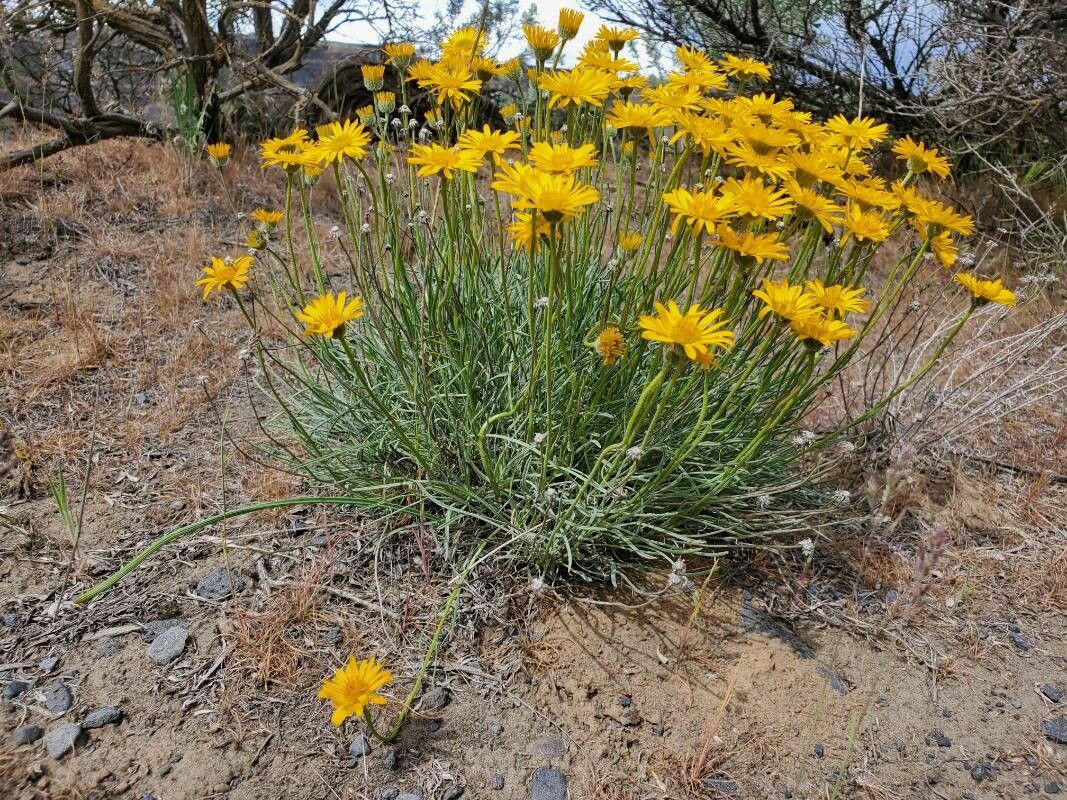
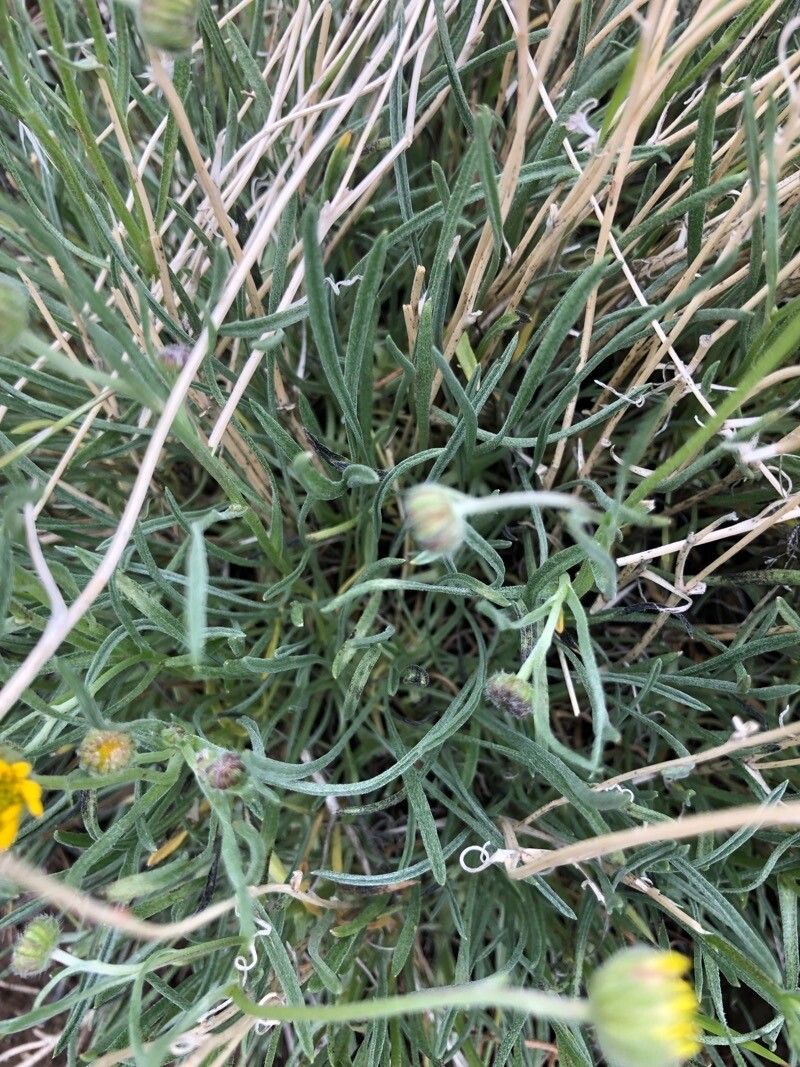
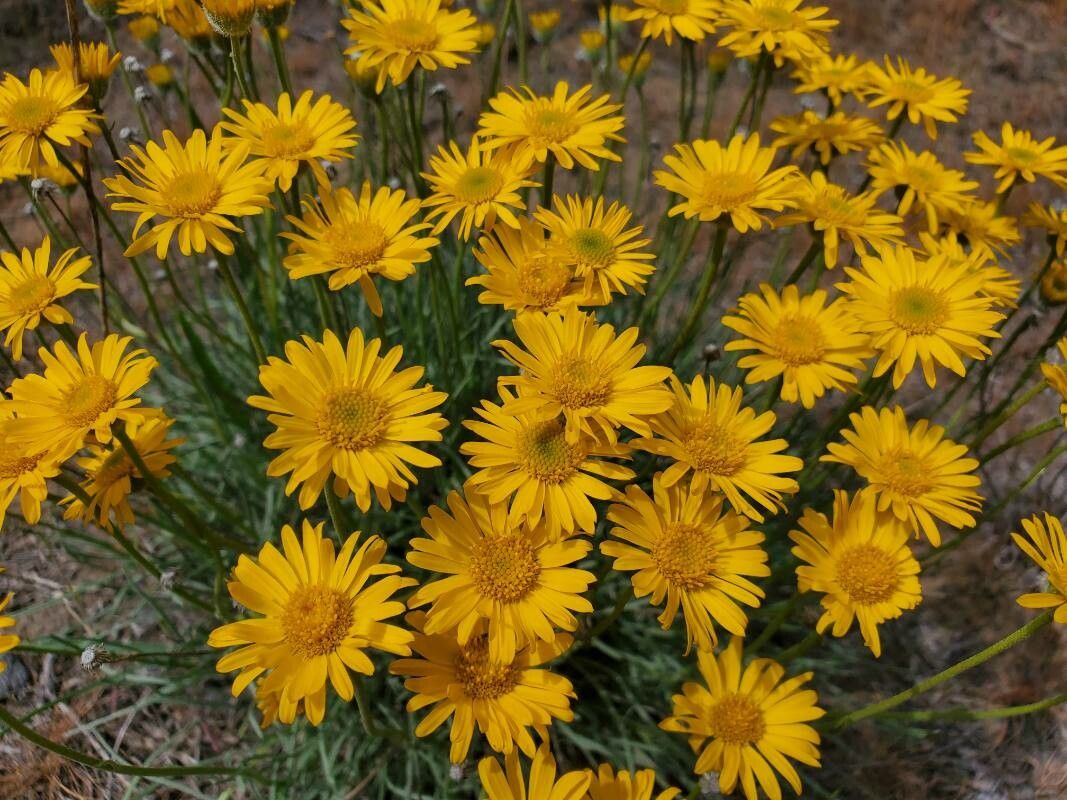
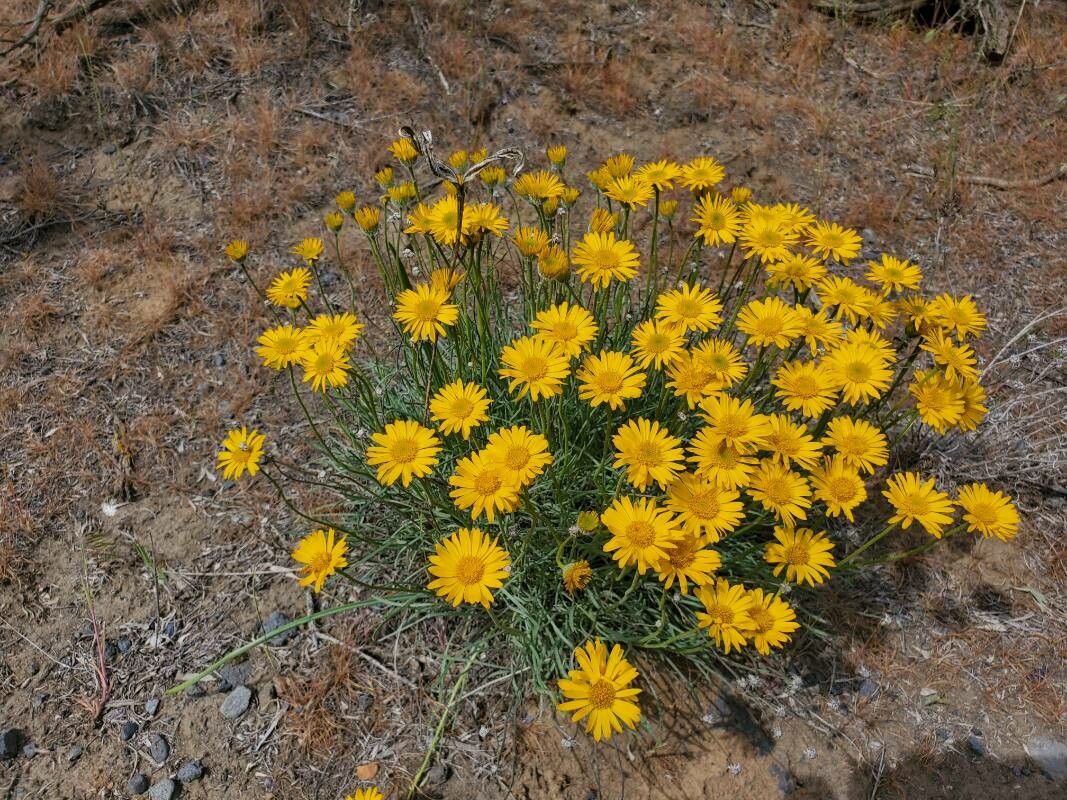
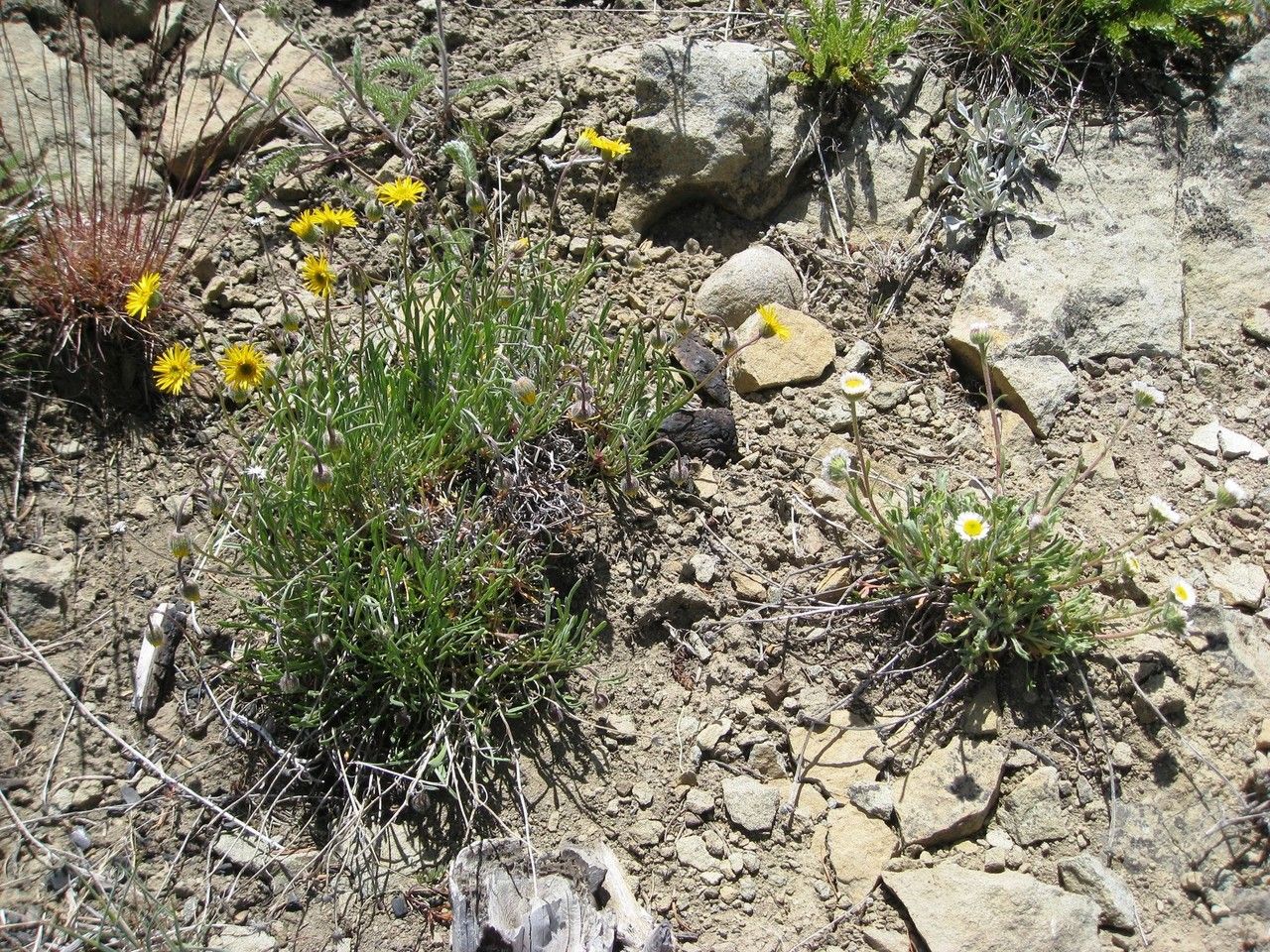
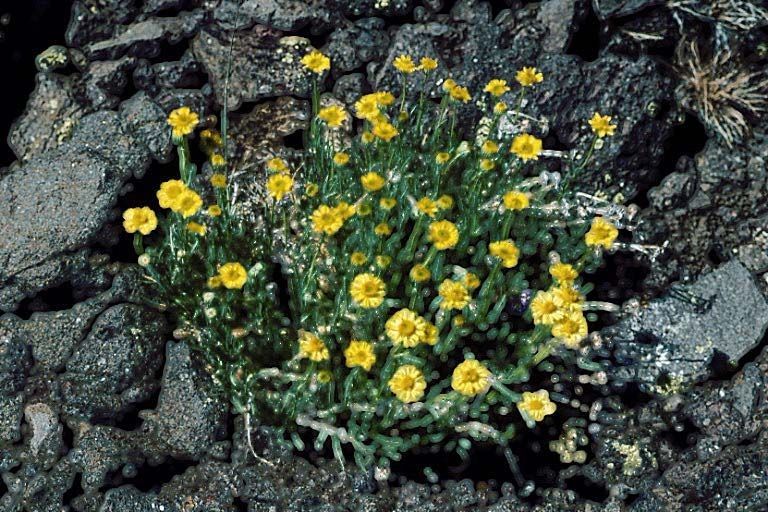
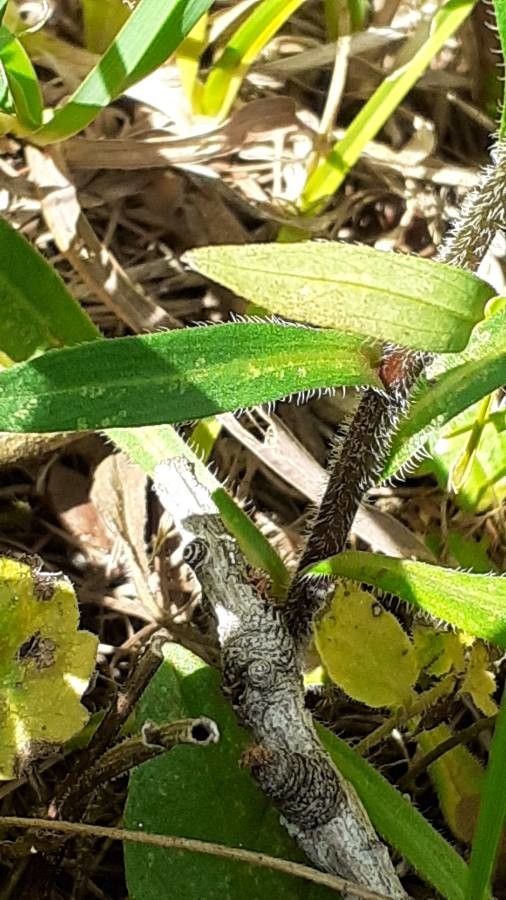
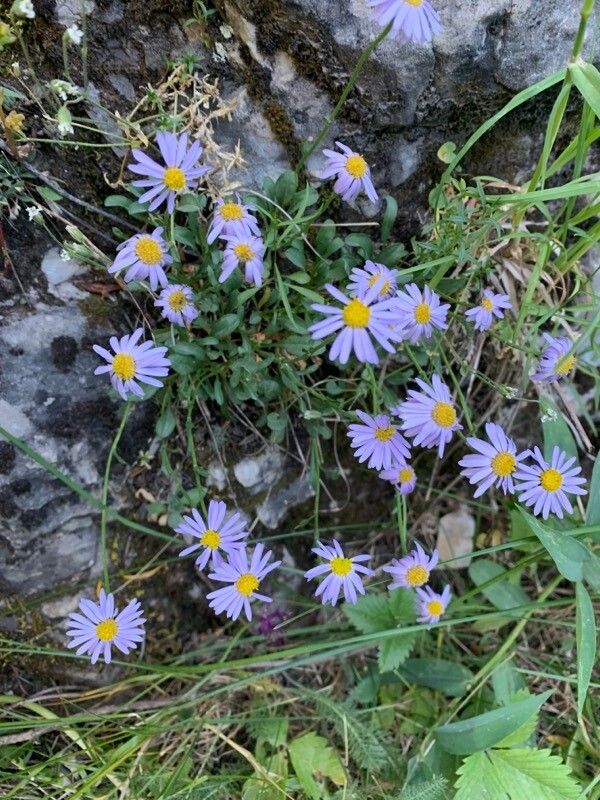
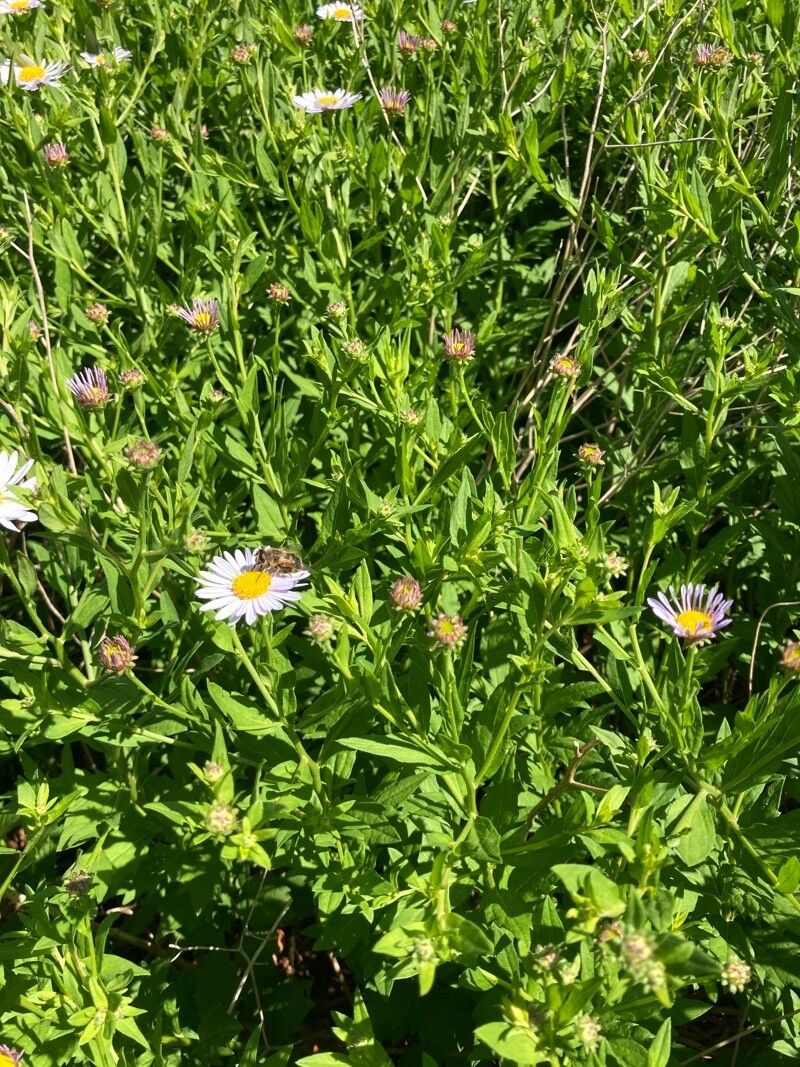
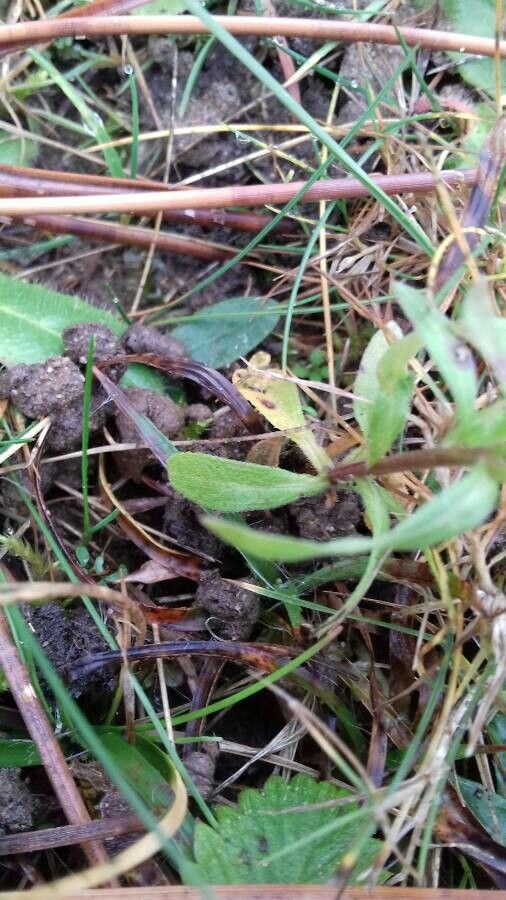
Erigeron linearis is a species of flowering plant in the family Asteraceae known by the common name desert yellow fleabane or narrow leaved fleabane.
Desert yellow fleabane is fairly resistant to disease and typically does not suffer from many illnesses. Still, it can be vulnerable to pests and diseases that exist in its environment. Such infections are generally mild. Regarding care, this plant needs a moderate level of maintenance. It should be pruned regularly to preserve a neat appearance and encourage healthy growth. Applying fertilizer can also support more abundant flowering. Desert yellow fleabane is well-suited for anyone who has outdoor space, like a garden or patio, and it doesn't demand extensive gardening experience. It may, however, need extra attention when kept indoors.
How to keep Erigeron Linearis.
Light
Desert yellow fleabane is a sun-loving herbaceous perennial native to open habitats, where it commonly grows in meadows and grasslands. It prefers full sun but can tolerate partial sun.
Water
Desert yellow fleabane is well-adapted to arid environments, exhibiting high drought tolerance and requiring very little moisture to thrive. For optimal growth, it should be watered once a week to maintain a healthy balance. Its slender leaves are adept at storing water, allowing it to survive in rocky terrains. This makes desert yellow fleabane an excellent choice for xeriscaping, which promotes water conservation.
Temperature
Desert yellow fleabane can tolerate a wide range of temperatures, although its distribution may still be restricted by particular combinations of moisture and heat. It performs best in warm summer climates with sufficient rainfall or watering. Extended periods of cloudy, rainy weather and prolonged high temperatures can raise the chances of Desert yellow fleabane dying. In winter, appropriate protection from cold can enhance the plant's survival rate.
Fertilizer
With Desert yellow fleabane, the primary time to apply fertilizer is in early spring as the flowers begin to form. Using the proper fertilizer promotes better blooms and helps Desert yellow fleabane produce attractive flowers. Fertilizing in early spring ensures strong flowering during the season and supplies energy for dormant growth periods.
Pruning
Regularly pruning desert yellow fleabane from early to late spring encourages healthy growth and abundant flowering. Concentrate on removing dead stems and shaping overgrown sections to enhance air circulation, prevent disease, and improve the plant's appearance. Use clean, sharp tools to minimize damage and promote faster recovery.
Botanical profile.
- Plant Type
- Herb
- Life Cycle
- Perennial
- Genus
- Erigeron
- Family
- Asteraceae
- Hardiness Zone
- 4-8
- Mature Height
- 5 cm to 30 cm
- Mature Spread
- 15 cm to 25 cm
- Leaf Color
- Green, Gray
- Leaf Type
- Evergreen
- Flower Color
- Yellow, White
- Flower Size
- 1.02 cm to 2.03 cm
- Bloom Time
- Mid spring, Late spring, Early summer
- Planting Time
- Spring, Summer
- Harvest Time
- Summer
Other names.
Reader questions.
What are the sunlight requirements for Desert yellow fleabane?
Desert yellow fleabane thrives best in full sun, which means it requires more than 6 hours of sunlight per day to grow optimally. It is important to observe the movement of sunlight through your garden to identify spots that offer a perfect balance of light and shade, ensuring your plants are happy. This sun-loving perennial herbaceous plant can also tolerate partial sun conditions, making it versatile for various garden locations.
What artificial lighting is needed for indoor Desert yellow fleabane plants?
When natural sunlight is insufficient, especially during winter or in less sunny spaces, artificial lighting becomes crucial for the growth of indoor Desert yellow fleabane plants. LED lights are recommended due to their ability to be customized for the specific wavelengths of light that plants require. For full sun plants like Desert yellow fleabane, 30-50W/sq ft of light is ideal, positioned 12-36 inches above the plant to mimic natural sunlight and provided for 8-12 hours per day.
What are the symptoms of inadequate lighting for Desert yellow fleabane?
Desert yellow fleabane exhibits several symptoms when exposed to inadequate lighting, including smaller new leaves, leggy or sparse growth, faster leaf drop, slower or no new growth, and lighter-colored new leaves. Conditions such as chlorosis, sunscald, leaf curling, wilting, and leaf scorching can also occur either due to insufficient or excessive sunlight, indicating the plant's struggle with the lighting conditions.
How can I address lighting issues for Desert yellow fleabane both indoors and outdoors?
To address lighting issues for Desert yellow fleabane, gradually acclimate the plant to receive at least 6 hours of direct sunlight daily; for indoor plants, move them closer to a south-facing window or use artificial lighting such as a desk or ceiling lamp for at least 8 hours a day. Outdoors, gradually transition the plants to sunnier spots to avoid sunburn. For plants with insufficient sunlight exposure, consider reducing obstructions like pruning branches or transplanting smaller plants to locations with better sunlight and drainage. It's essential to note that parts of the plant affected by poor lighting may not recover, but new growth will be healthy post-adjustment.