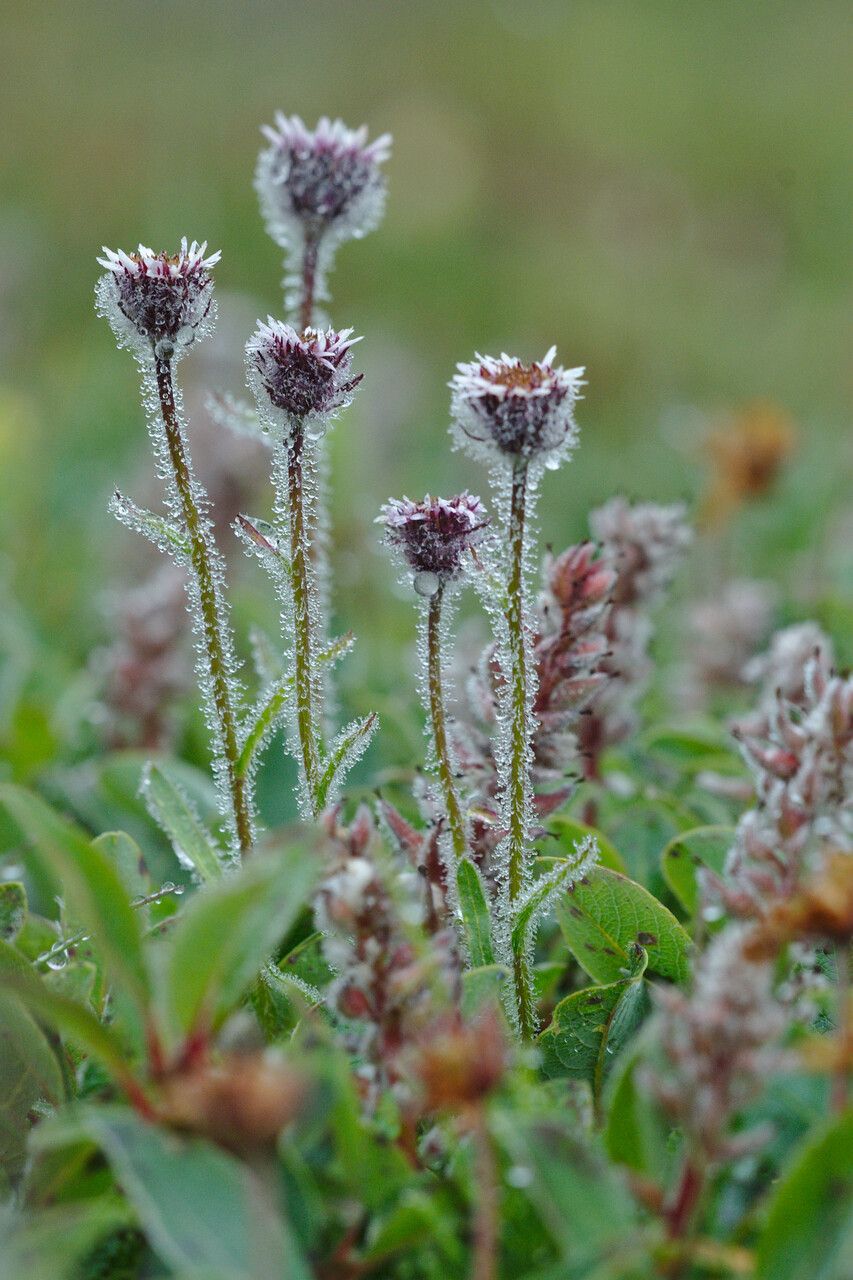
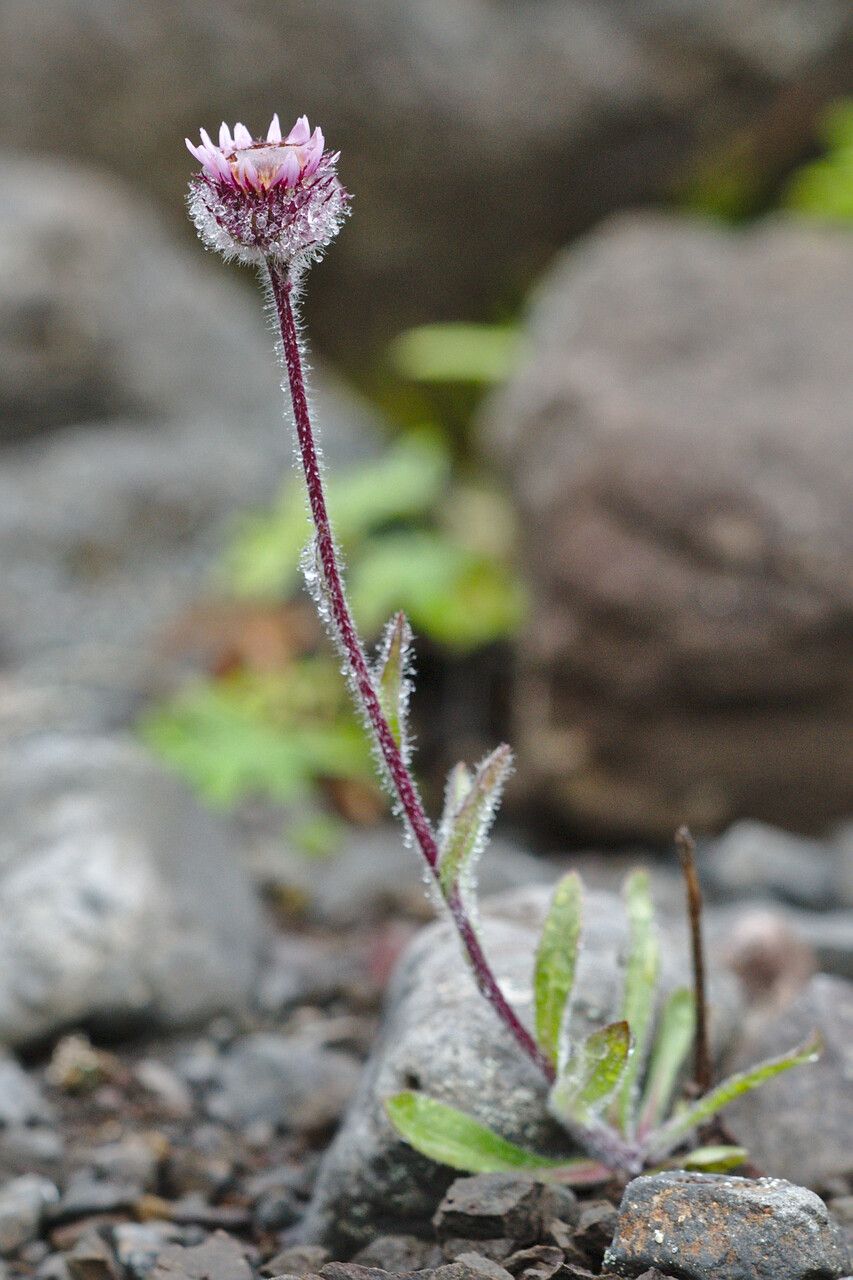
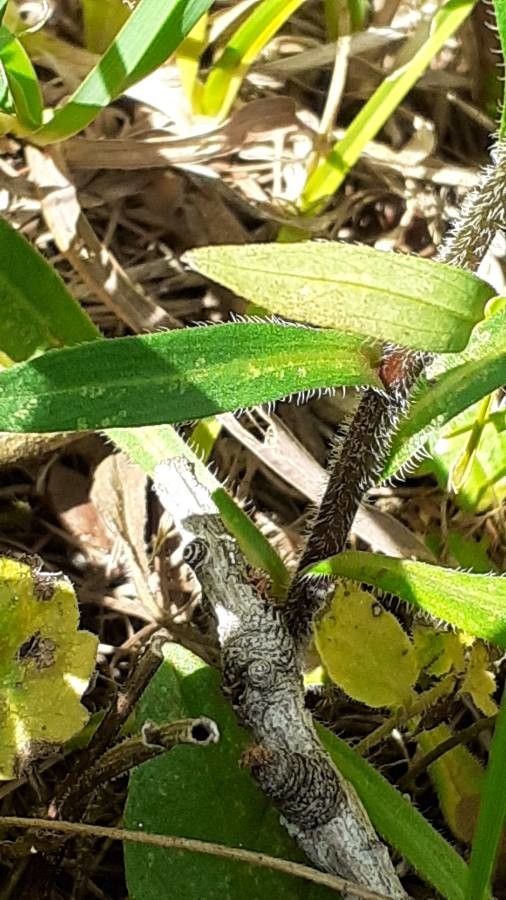
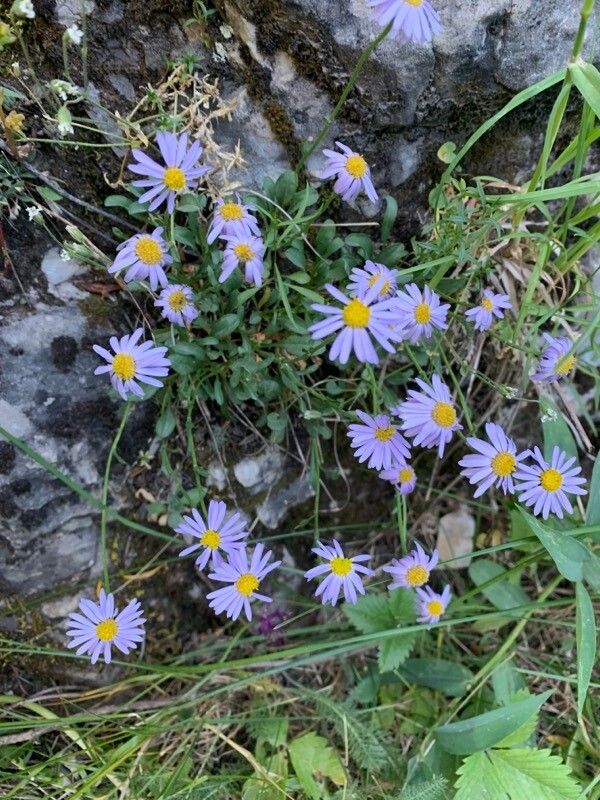
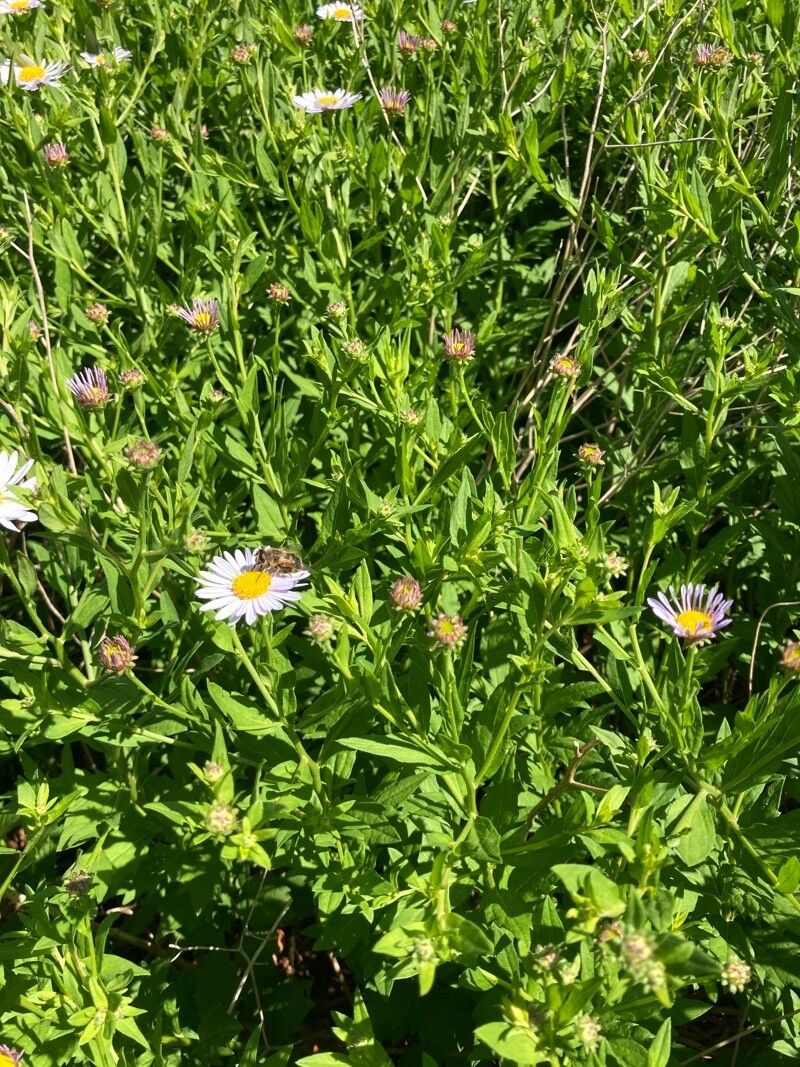
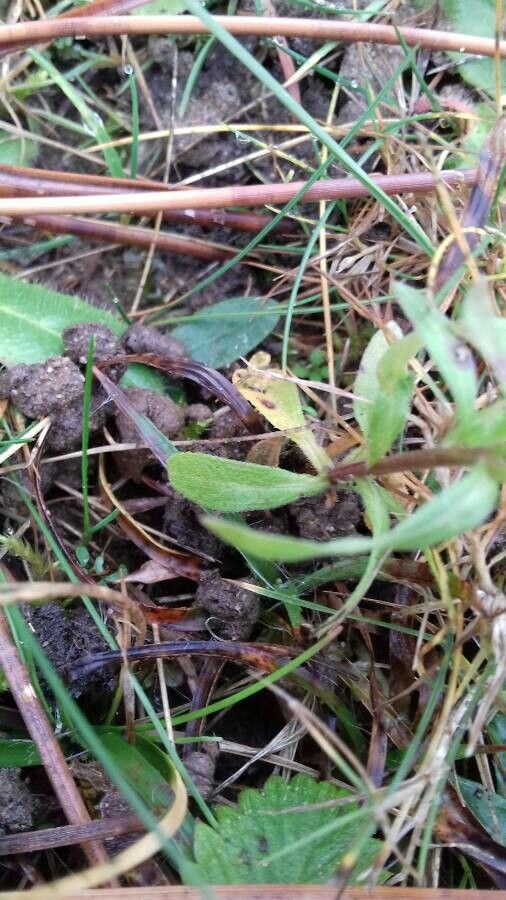
Erigeron humilis is an arctic and alpine species of flowering plants in the family Asteraceae known as Arctic Alpine fleabane. It is widespread across the colder regions of the Northern Hemisphere. In North America, it has been found in Alaska, much of Canada, Greenland, and the Rocky Mountains of the United States as far south as Colorado. In Eurasia, it has been found in Scandinavia (including Iceland), and the Chukotka region in the Russian Far East.Erigeron humilis is a perennial herb up to 25 centimeters (10 inches) tall, spreading by means of underground rhizomes. Each plant generally produces only one flower head, with sometimes as many as 150 blue or purple ray florets surrounding numerous yellow disc florets.
Arctic alpine fleabane is fairly disease resistant and generally not prone to illnesses. Nevertheless, it can be affected by pests and diseases present in its environment. Such issues are typically not severe. This plant requires moderate care. Regular pruning is needed to keep it looking good and to support healthy growth. Fertilizing can also help encourage flowering. Arctic alpine fleabane is suitable for people with outdoor spaces like a garden or patio and does not require extensive care experience. It may need more attention when grown indoors.
How to keep Erigeron Humilis.
Fertilizer
One fertilizer application in spring is generally enough for Arctic alpine fleabane, although repeated feedings can maximize growth. Feed every month to every month and a half. Fertilization improves leaf appearance and function, helping maintain consistent color and a healthy texture. It also encourages root growth and nutrient uptake for long-term plant health.
Pruning
The Arctic Alpine Fleabane is a low-growing perennial that thrives in alpine environments. To encourage vigorous flowering and maintain compact growth, prune it in early spring to remove any dead stems. Be careful not to prune too heavily, as this can stress the plant. Instead, light pruning will support optimal blooming while preserving the plant’s natural shape.
Botanical profile.
Other names.