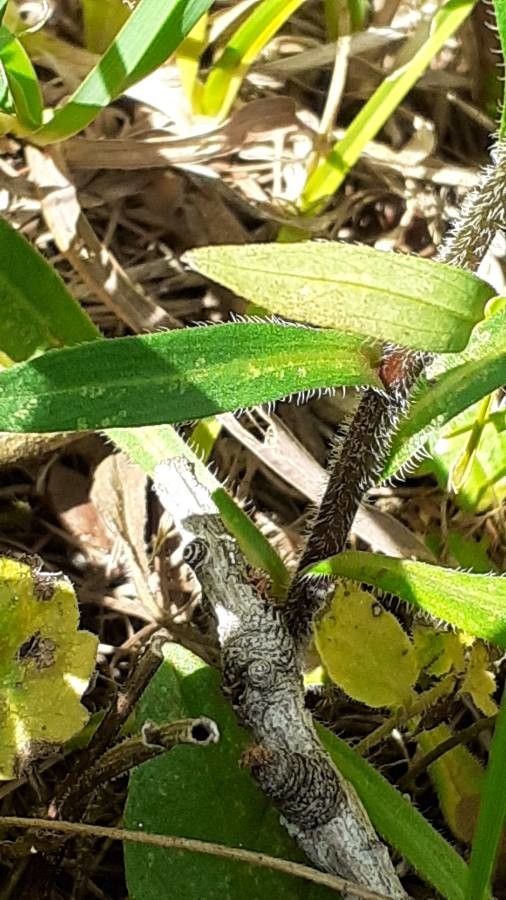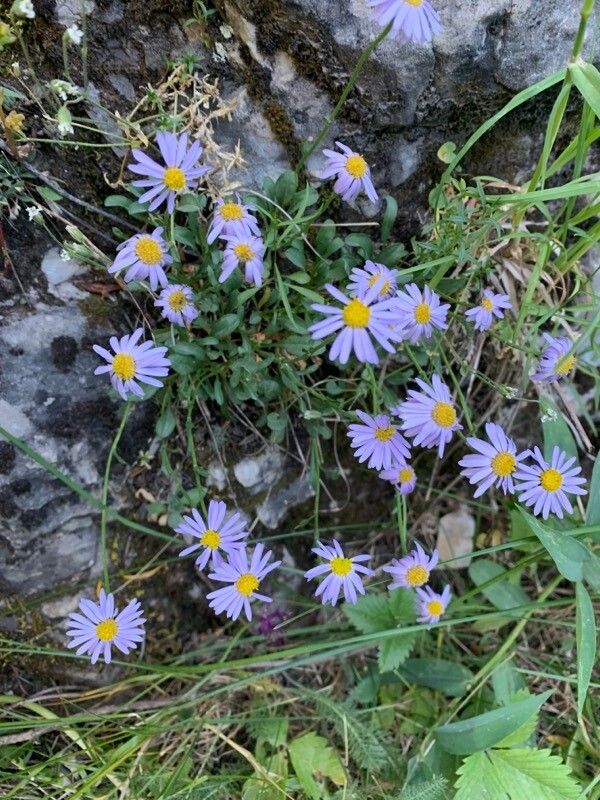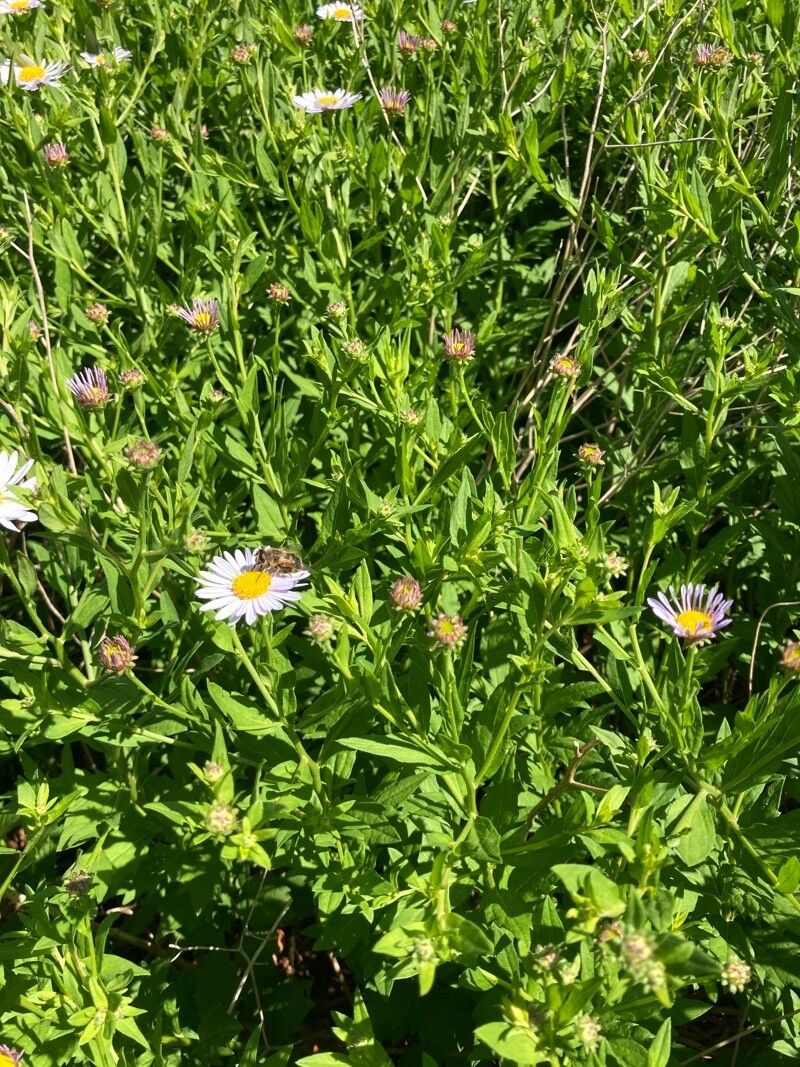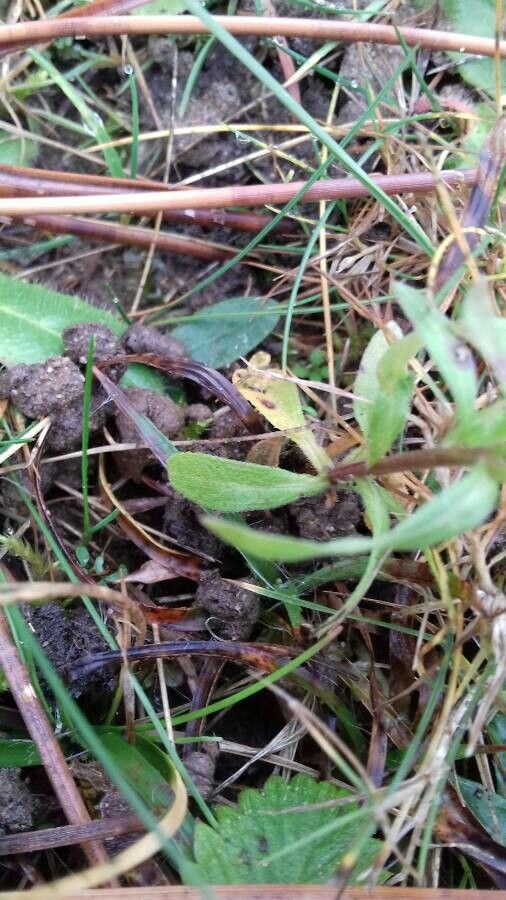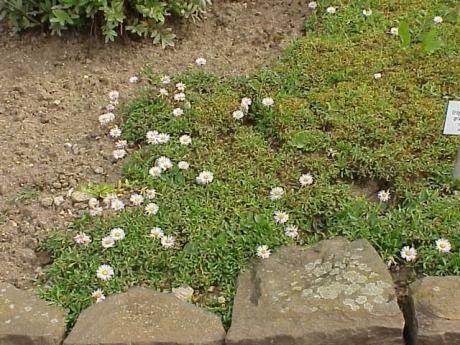
Erigeron grandiflorus is a North American species of flowering plant in the family Asteraceae known by the common names Rocky Mountain alpine fleabane and largeflower fleabane.Erigeron grandiflorus is native to the Rocky Mountains and other nearby mountain ranges of western Canada and the western United States, from Alberta and British Columbia south to New Mexico and Arizona. It grows in meadows, rocky areas, and near timberline.Erigeron grandiflorus is a perennial herb up to 25 cm (10 inches) tall, spreading by means of underground rhizomes. The plant generally produces only one flower heads per stem. Each head contains as many as 130 blue, pink, white, or purple ray florets surrounding numerous yellow disc florets.
Aspen Fleabane is fairly disease-resistant and generally does not suffer from many ailments. Nevertheless, it can be vulnerable to pests and diseases present in its surroundings. Such infections are usually mild. Regarding care, the plant needs moderate maintenance. Regular pruning is required to keep a neat appearance and encourage healthy growth. Applying fertilizer can also help stimulate flowering. Aspen Fleabane is appropriate for people with outdoor areas like a garden or patio and does not demand extensive care experience. It may need extra attention if grown indoors.
How to keep Erigeron Grandiflorus.
Light
The aspen Fleabane typically flourishes when it is exposed to a significant amount of sunlight daily. It naturally chooses habitats that provide a considerable amount of light each day. With these conditions in place, the aspen Fleabane demonstrates the best health and growth. Insufficient light may result in reduced growth, however, overexposure to sunlight does not cause significant harm to the plant.
Temperature
The Aspen Fleabane plant thrives in temperatures between 41 and 89.6 ℉ (5 to 32 ℃). It is naturally found in regions with moderate temperature conditions. It has the capacity to withstand slightly lower temperatures during the autumn season and slightly higher temperatures during the spring season, enabling it to adapt to changing seasons.
Fertilizer
Typically, an Aspen Fleabane requires a solitary fertilization in the spring, although more frequent feedings could optimize its growth. Aim to feed every one to one and a half months. By fertilizing, you improve the look and performance of the leaves, leading to a steady color and robust texture. Furthermore, it provokes root development and the intake of nutrients, which contributes to the overall wellbeing of the plant in the long run.
Pruning
The large-flower fleabane showcases big, daisy-like blooms. To encourage abundant flowering, it's important to prune the plant in both early and late spring. Be sure to remove any dead stems and trim back any leggy growth by one-third. This helps improve air circulation and promotes healthy flowering. However, be cautious about heavy pruning outside these recommended times, as it can stress the plant.
Pot & Repot
When transplanting Aspen Fleabane, opt for a container that's 1-2 inches (2.5–5 cm) bigger with sufficient drainage. Employ a potting soil that drains well. Carry out the repotting in either the spring or autumn, making sure that the root mass sits a little under the top edge of the pot. Once repotted, drench the plant with water and position it in a warm location with indirect sun exposure.
Botanical profile.
- Plant Type
- Herb
- Life Cycle
- Perennial
- Genus
- Erigeron
- Family
- Asteraceae
- Hardiness Zone
- 4-7
- Mature Height
- 15 cm to 76 cm
- Mature Spread
- 25 cm
- Leaf Color
- Green, Gray
- Leaf Type
- Deciduous
- Flower Color
- Purple, Lavender, Yellow
- Flower Size
- 2.54 cm to 7.62 cm
- Bloom Time
- Late spring, Early summer, Mid summer
- Planting Time
- Spring
- Harvest Time
- Mid summer
- Native Area
- Mexico