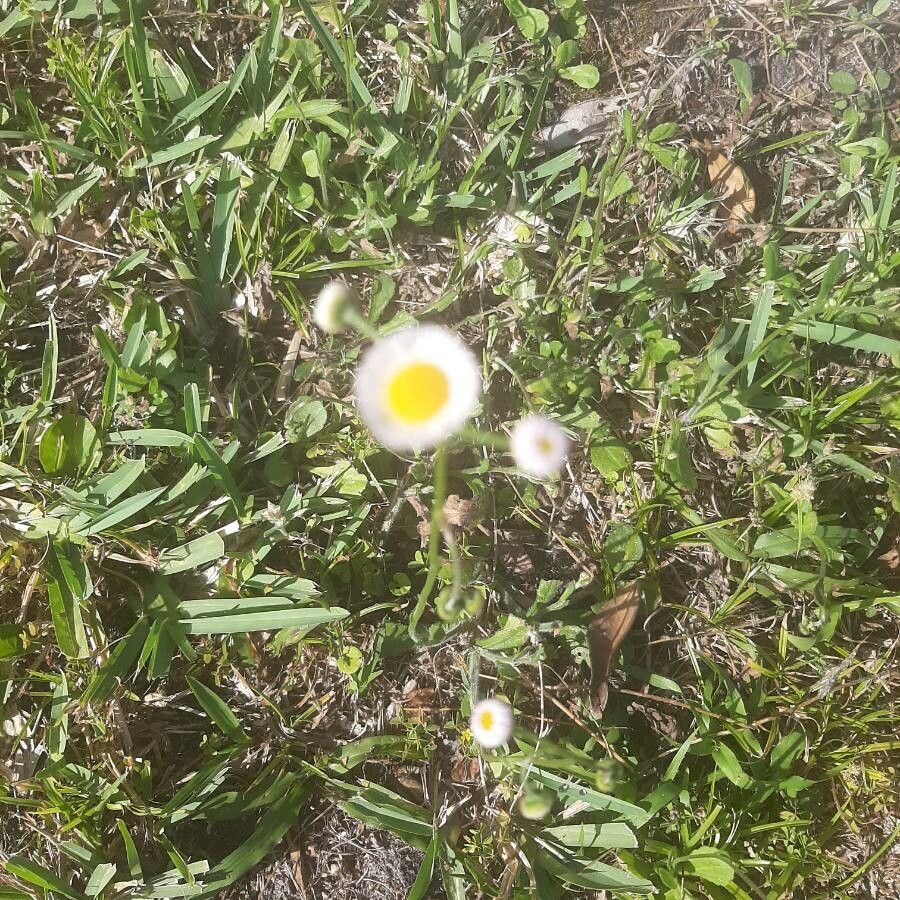
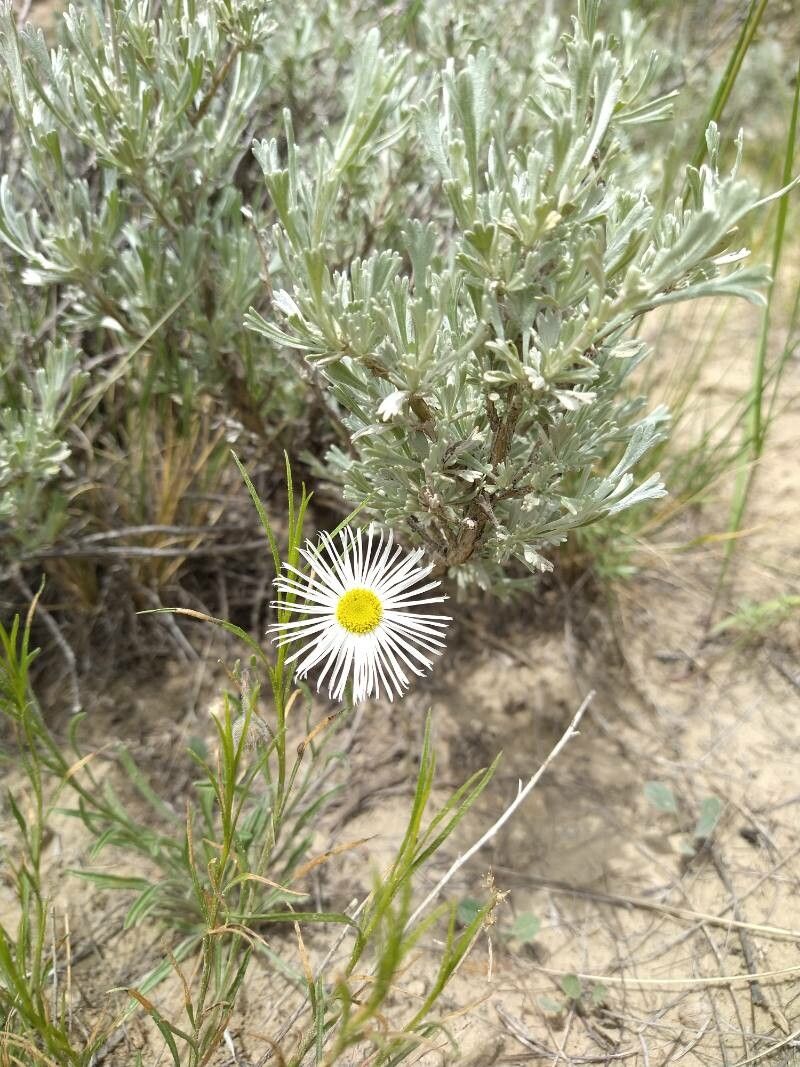
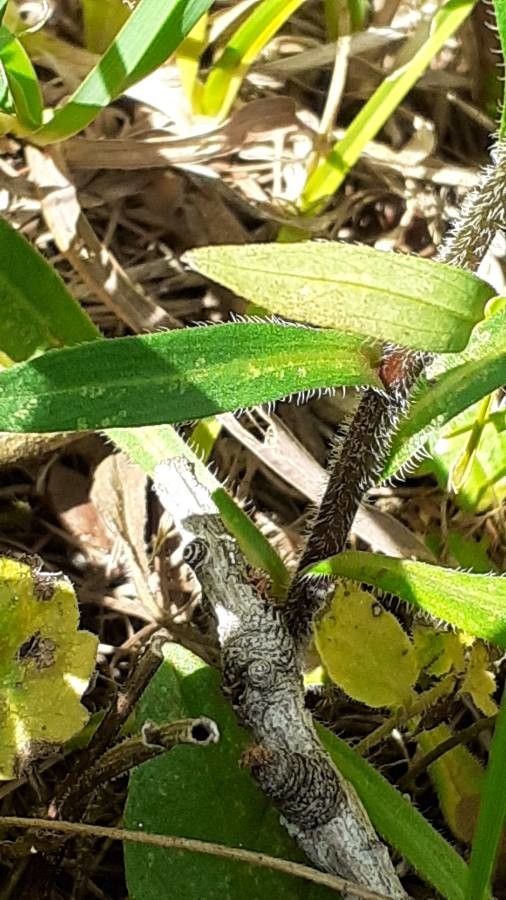
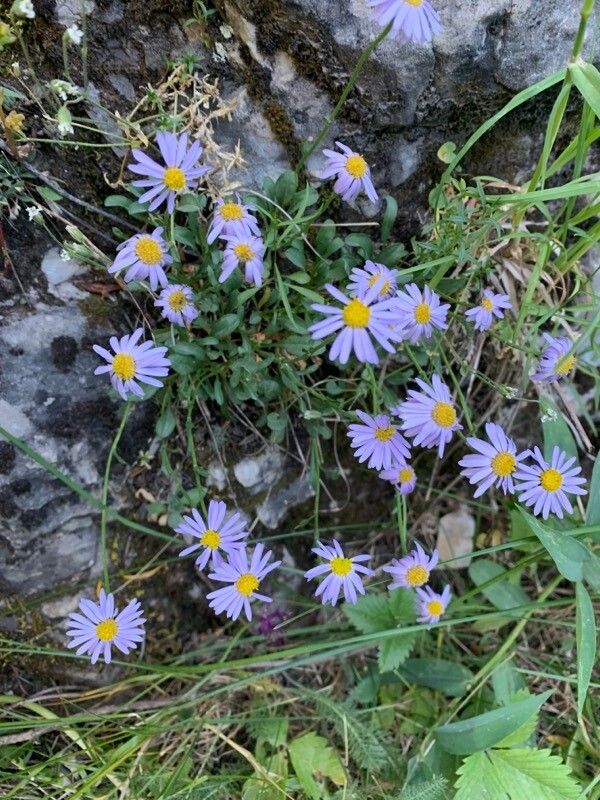
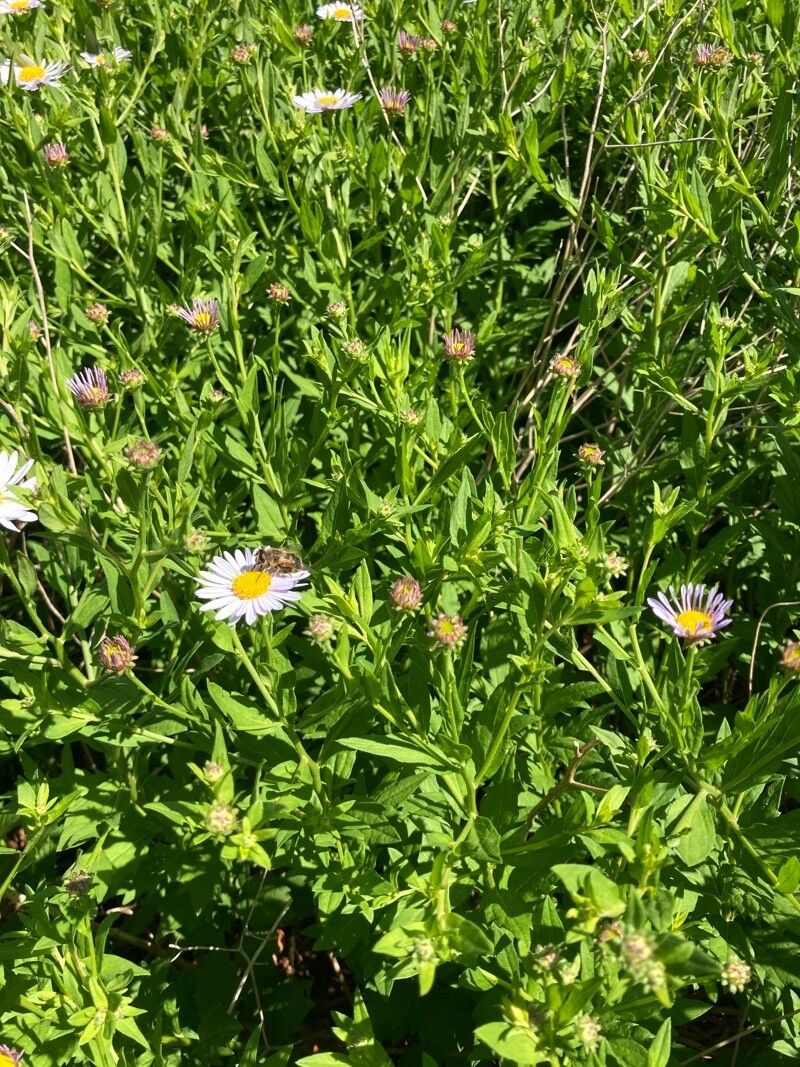
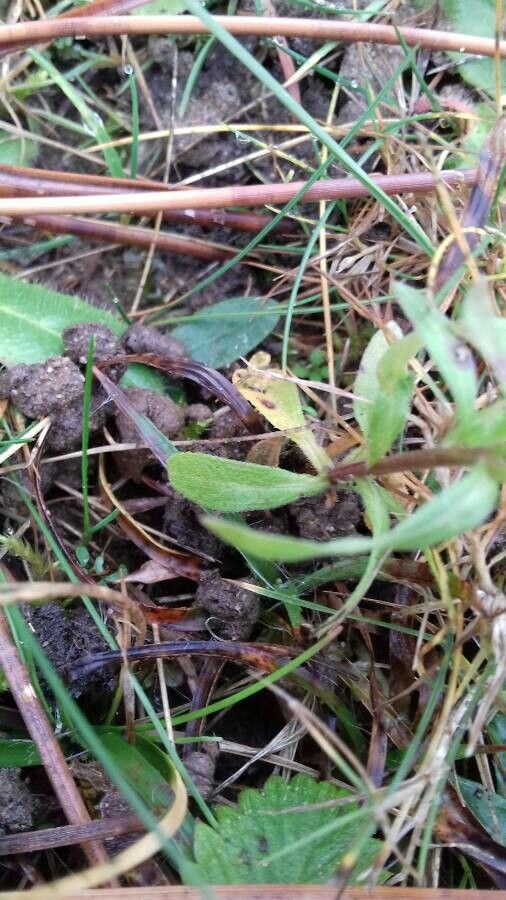
Erigeron divergens, commonly known as Spreading Fleabane, is a perennial herbaceous plant in the Asteraceae family. Native to western North America, it thrives in various habitats, including meadows, rocky slopes, and forests. The plant can grow up to 60 cm tall and has a spreading habit with numerous branches. The leaves are narrow, lance-shaped, and toothed at the edges. The small flowers, featuring white or pink petals surrounding a yellow center disk, bloom from June to September.
Indigenous peoples have used Erigeron divergens for medicinal purposes to treat ailments such as coughs, colds, fever, wounds, and stomach problems, thanks to its anti-inflammatory properties.
Additionally, Erigeron divergens serves as an important food source for pollinators like bees and butterflies due to its nectar-rich flowers.
Overall, Erigeron divergens is an attractive wildflower that enhances the beauty of natural landscapes and provides ecological benefits through its role in pollination.
Spreading fleabane is fairly resistant to disease and typically not highly susceptible. Nonetheless, it can be vulnerable to pests and illnesses present in its environment. Such infections are usually mild. In terms of care, the plant requires moderate maintenance. Regular pruning is needed to preserve a neat appearance and support healthy growth. Fertilizing can also help encourage flowering. Spreading fleabane suits anyone with outdoor space, such as a garden or patio, and does not demand extensive care experience. It may need more attention when grown indoors.
How to keep Erigeron Divergens.
Light
Spreading fleabane grows best in areas with plenty of filtered sunlight. The plant favors sun more than shade. While it prefers partial sun, it can tolerate various amounts of sun exposure. Excessive sun or a marked lack of sunlight can impede its growth and wellbeing, affecting its overall health.
Water
Spreading fleabane thrives in dry environments due to its drought tolerance and preference for balanced moisture. It avoids over-saturation, and its moderate water needs can be met with weekly watering, making it ideal for xeric conditions. This resilience makes spreading fleabane an excellent choice for water-conscious gardeners looking for low-maintenance plants.
Temperature
Spreading fleabane is native to warm environments, thriving best at 68 to 95 °F (20 to 35 ℃). During cooler seasons, consider gradually adjusting the temperature to alleviate stress.
Fertilizer
Spreading fleabane requires regular fertilization to encourage flowering but does not tolerate excess. It benefits from small, frequent doses of fertilizer throughout its life cycle, especially during the peak of active growth and while it is flowering. You should continue feeding your spreading fleabane until it stops blooming.
Pruning
Spreading fleabane is an evergreen perennial valued for its vibrant flowers. To support healthy growth, prune the plant from early to late spring. Remove spent blooms and trim any damaged stems. Proper pruning not only enhances air circulation but also reduces the risk of disease and encourages vigorous growth. Always use clean, sharp tools to prevent unnecessary stress on the plant.
Botanical profile.
- Plant Type
- Herb
- Life Cycle
- Biennial
- Genus
- Erigeron
- Family
- Asteraceae
- Hardiness Zone
- 2-10
- Mature Height
- 15 cm to 46 cm
- Mature Spread
- 1 cm
- Leaf Color
- Green, Dark Green
- Leaf Type
- Deciduous
- Flower Color
- White, Yellow
- Flower Size
- 2.54 cm to 5.08 cm
- Bloom Time
- Late spring, Early summer, Mid summer
- Planting Time
- Spring, Summer, Autumn
- Harvest Time
- Early summer, Mid summer
- Native Area
- Mexico
Other names.
Reader questions.
How should I water my Spreading fleabane plant?
To properly care for the Spreading fleabane plant, it is important to water it with filtered water at room temperature. Tap water should be avoided as it may contain harmful particles. Additionally, because the plant is accustomed to warm environments, it is best to avoid using cold water, which can be a shock to its system. Instead of overhead watering, which can cause issues with the foliage, it is recommended to apply the filtered room temperature water directly to the soil until it is fully soaked. This helps to moisten the roots and support their spread through the soil, allowing them to collect the necessary nutrients.
How much sunlight does Spreading fleabane need to grow?
The Spreading fleabane thrives in partial sunlight and benefits from 3-6 hours of direct sunlight per day. To plant it in your garden, select a location with morning sun and afternoon shade. Alternatively, you can place the Spreading fleabane under a tree that provides filtered sunlight. If growing in containers, they can be placed on a patio, balcony, or porch, but should be repositioned to ensure they receive adequate light throughout the day.
What temperature is best for spreading fleabane?
The temperature requirements for Spreading fleabane depend on the time of year. There are two main seasons to consider: the growing season and the dormancy season. During the growing season, when the plant is sprouting, the ideal temperature range is 65-80℉ (18-27℃). If the temperature drops below 15℉ (-10℃), the plant may suffer, with its leaves browning and wilting. However, if it's a short cold period, the plant may survive with some assistance. During the warmer months, Spreading fleabane needs protection from excessively high temperatures. The upper limit is 95-105℉ (35-40℃). Temperatures above this range can harm the foliage and blooms, causing wilting, drooping, and even sunburn. It can be challenging for Spreading fleabane to recover from these issues. There are various simple and quick methods to address this problem.
What should I do if I give too much or too little water to my Spreading fleabane?
Overwatering and underwatering can harm your Spreading fleabane, but overwatering is more common. Excess water can cause wilting, yellowing leaves, and diseases like root rot, mold, and mildew, which can be fatal. While underwatering is less likely due to the plant's drought tolerance, it is still a possibility. In such cases, the leaves become brittle and brown. It's important to identify signs of overwatering promptly since some issues, like root rot, cannot be fixed if not addressed early. Reduce watering immediately if you notice early signs and consider the quality of the soil. If it drains poorly, replace it with a well-draining potting mix. On the other hand, if your plant lacks water, increase watering until signs diminish.
What happens if Spreading fleabane doesn't get enough sunlight?
Insufficient sunlight can negatively impact the growth of Spreading fleabane. When deprived of adequate sunlight, these plants may become leggy, exhibiting long, thin stems that stretch towards the available sunlight. Additionally, they will not flower or produce seeds when shaded. Lack of sunlight also causes the leaves of Spreading fleabane to turn yellow or pale green, which stunts their growth. Furthermore, reduced light exposure makes these plants more vulnerable to diseases and pests.
The ideal temperature needed for first-year or young Spreading fleabane plants.
If this is the first year you have planted Spreading fleabane outside, it may require extra care during the coldest months. Frost can cause greater damage to a first-year plant and even prevent it from growing back healthy in the spring. To protect the plant, it should be kept at a temperature of 40℉ (5℃) or above. This can be achieved by either bringing the plant indoors for a month or two, or by using mulch or fabric barriers to shield it from frost. Additionally, it is advisable to plant Spreading fleabane in a shadier area during the first year or two. Smaller and weaker plants have more difficulty regulating their temperature in high heat, so they should not receive more than five hours of direct sunlight per day, especially if the temperature surpasses 80℉ (27℃). To control the summer heat, shadecloth and regular watering or misting are important.
How frequently should I give water to my Spreading fleabane?
If your Spreading fleabane is in a pot, you can check if it needs water by sticking your finger in the soil. If the top two to three inches of soil are dry, it's time to water it. If you have your Spreading fleabane planted outside in the ground, you can use the same method to test the soil. Once again, if the top few inches of soil have dried out, it's time to water. In the spring and early fall, watering once a week is usually sufficient. However, during extremely hot weather, you may need to water twice or more per week. It's worth noting that mature, well-established Spreading fleabane plants can handle drought quite well.
What will happen if Spreading fleabane gets too much sunlight?
The Spreading fleabane is sensitive to excessive sunlight, particularly in the hot summer months. Too much sun can cause brown spots on the leaves and flowers, and may even result in leaf loss. The plant can also become dehydrated and the leaves may wilt. If any of these signs are observed, it is recommended to either relocate the Spreading fleabane to a shadier spot or reduce the amount of sunlight it receives.
How do I keep Spreading fleabane safe from very hot or very cold temperatures?
If cold temperatures (below 15℉(-10℃)) occur during the growing season, there are a few ways to protect Spreading fleabane from frost or cold damage. If you're growing it in a container, simply bring the container inside in bright, indirect light until the temperatures rise above the lower threshold again. For ground-planted Spreading fleabane, use mulch or horticultural fabric to create a barrier that insulates the plant from frost and cold wind. When temperatures are hotter than 80℉(27℃) in the shade during the day, be cautious about exposing Spreading fleabane to sunlight. Limit its exposure to six hours or less per day, preferably in the morning. To reduce direct sunlight during the hottest parts of the day, set up shade cloth or a fine plastic mesh. Additionally, consider installing a misting system to release cooling mist around the base of the plant and lower ground temperatures.
How much water does my Spreading fleabane plant need?
To properly water your Spreading fleabane, do not hold back in terms of the amount of water you provide. Wait until the top two to three inches of soil are dry and then give the plant a thorough watering, ensuring that the soil is completely soaked. The quantity of water should be enough to make excess water flow out of the drainage holes in the bottom of the pot. If you don't see any excess water draining, it's likely that you haven't watered enough. However, be cautious of letting water accumulate in the soil, as this can harm the plant. On the other hand, if water doesn't drain through the pot easily, it could indicate that the soil doesn't drain well, which is not good for the plant's health. If the plant is outdoors, one inch of rain per week should be adequate.
Recommended temperatures for Spreading fleabane during the dormant season.
Spreading fleabane requires a certain amount of cold to remain dormant during winter and avoid sprouting too early. If it sprouts too early and encounters frost, it can be fatal for the plant. Ideally, winter temperatures should be below freezing, but anything below 40℉ (5℃) is generally acceptable. However, in more temperate climates like woodland rainforests, there may be unexpected warm spells that trigger premature sprouting. In such cases, if frost is still likely, covering the plant with clear plastic on stakes can protect it. This covering can be removed when the danger of frost has passed. Although spreading fleabane may naturally resprout at the right time, using this method increases the chances of a successful second sprouting.
How do I water my Spreading fleabane when it is growing at different stages?
The water needs of the Spreading fleabane can vary depending on its growth stages. When the plant is in its early years or has just been transplanted, it requires extra water. During these stages, the Spreading fleabane focuses on developing new roots to support future growth, which is why they need more moisture. However, as the plant matures over a few seasons, its water requirements decrease. Another stage where more water may be needed is during the bloom period, as the flower development utilizes a significant amount of moisture.