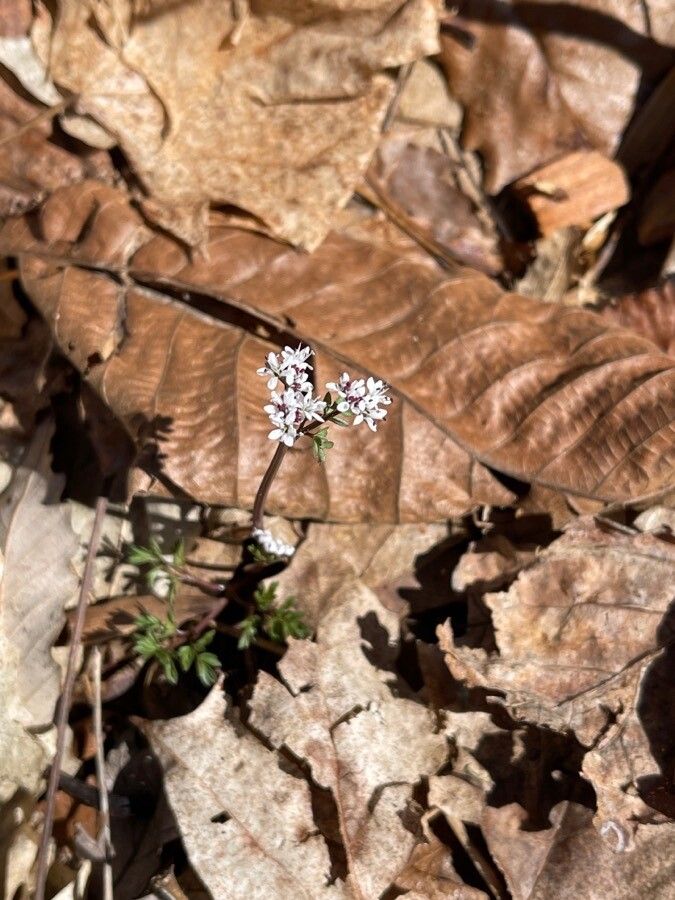
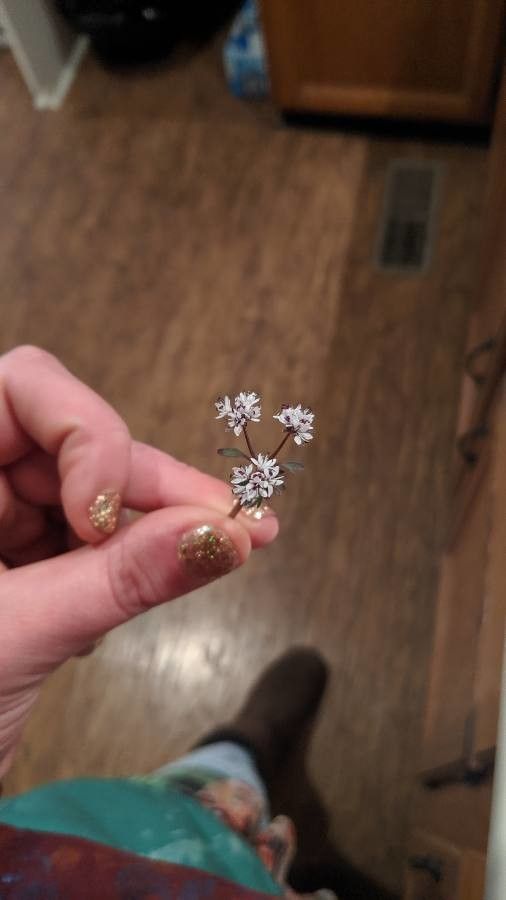
Erigenia bulbosa, also known as harbinger of spring or pepper and salt, is a perennial plant in the family Apiaceae. E. bulbosa is the only species in the genus Erigenia and tribe Erigenieae. This plant is known as harbinger of spring because it is one of the earliest blooming native wildflowers of rich forests in the mid-latitude United States. Throughout most of its range it blooms from late February through early April.
Harbinger of spring shows strong resistance to disease and is typically not very susceptible. Still, it can be affected by pests and illnesses found nearby. When infections do occur, they are generally mild. Regarding upkeep, this plant needs a moderate level of care. Regular pruning is necessary to keep it looking good and to support healthy growth. Applying fertilizer can also encourage more blooms. Harbinger of spring is a good choice for anyone with outdoor areas like a garden or patio and does not demand extensive gardening experience. It can be more demanding to care for if kept indoors.
How to keep Erigenia Bulbosa.
Light
Harbinger of spring does best in locations that receive a moderate amount of sunlight, with overlapping tree canopies as its favored habitat. Sunlight is vital to its health and rapid growth, particularly during the sprouting phase. Too much or too little sunlight will negatively impact its development, causing discolored, withered leaves with overexposure and poor or stunted growth with insufficient light.
Water
Native to moist woodlands, the harbinger of spring thrives in evenly moist soil and can tolerate short periods of dryness. Watering it weekly ensures it stays hydrated without becoming waterlogged. As an early bloomer, the harbinger of spring marks the end of dormancy in deciduous forests and announces the arrival of spring.
Temperature
Harbinger of spring naturally thrives in environments with milder temperatures, favoring a range of 68 to 95°F (20 to 35℃). For seasonal adjustments, warmer indoor conditions during winter are recommended. Modify conditions as needed to keep it within its preferred range.
Fertilizer
One fertilizer application in spring is typically adequate for Harbinger of spring, though several feedings can boost growth. Feed about every month to six weeks. Fertilizing improves the leaves’ appearance and function, encouraging even color and a healthy texture. It also promotes root development and nutrient uptake, supporting long-term plant health.
Pruning
The harbinger of spring is characterized by its early white blooms. To ensure healthy growth, it requires pruning in the spring: this involves removing dead stems and improving air circulation and light penetration. Pruning after the blooms have faded encourages new growth. Regular maintenance enhances both its visual appeal and vigor, promising vibrant displays in the seasons to come.
Botanical profile.
- Plant Type
- Herb
- Life Cycle
- Perennial, Annual
- Genus
- Erigenia
- Family
- Apiaceae
- Hardiness Zone
- 4-7
- Mature Height
- 0.91 m to 3.05 m
- Mature Spread
- 10 cm to 30 cm
- Leaf Color
- Green, Dark Green
- Leaf Type
- Deciduous
- Flower Color
- White
- Flower Size
- 0.76 cm
- Bloom Time
- Late winter, Early spring
- Planting Time
- Spring
- Harvest Time
- Mid spring, Late spring
Other names.
Reader questions.
How should I water my Harbinger of spring plant?
To properly water the Harbinger of spring, it is important to follow a few guidelines. First, always use filtered water that is at room temperature. Tap water may contain harmful particles that can affect the plant's health. Additionally, be mindful of the water temperature, ensuring it is at room temperature or slightly warmer. This is because the Harbinger of spring is accustomed to a warm environment, and cold water can be a shock to its system. Moreover, it is best to avoid overhead watering for this plant, as it can cause issues with its foliage. Instead, focus on applying the filtered room temperature water directly to the soil until it becomes completely soaked. This method is beneficial as it helps moisten the roots, allowing them to spread and absorb the necessary nutrients from the soil.
What are the sunlight requirements for Harbinger of spring?
Harbinger of spring, or Erigenia bulbosa, thrives best in conditions where it can receive a moderate amount of sunlight, with partial sun, about 3-6 hours of sunlight per day, being ideal. It's essential to observe how sunlight moves through your garden to find spots that offer a good balance of light and shade. This consideration ensures the plants' growth and health are optimized. Especially during its sprouting stage, sunlight is crucial. However, too much or too little sunlight can lead to problems such as discolored, withered leaves or stunted growth.
What are the ideal temperature conditions for Harbinger of spring (Erigenia bulbosa)?
Harbinger of spring thrives in milder temperatures, preferring environments between 68 to 95°F (20 to 35°C). To accommodate seasonal changes, it is recommended to maintain warmer indoor conditions during winter to keep within this temperature range. Despite its high cold tolerance, ensuring it stays within its favored temperature range is essential for its well-being.
What should I do if I either give my Harbinger of spring too much water or too little water?
Overwatering and underwatering can both harm your Harbinger of spring, but overwatering is more common. Too much water can cause wilting, yellowing leaves, and diseases like root rot, mold, and mildew which can be fatal. Underwatering is less likely, as this plant can tolerate drought, but it can still happen resulting in brittle, brown leaves. It's essential to recognize signs of overwatering early to prevent irreparable damage. Reduce watering immediately if you notice these signs and consider improving soil drainage. If your Harbinger of spring lacks water, increase watering until signs of dehydration disappear.
What should I do if my Harbinger of spring isn't getting enough natural light?
If your Harbinger of spring is not receiving adequate natural sunlight, especially during winter or in less sunny spaces, introducing artificial lighting can be an effective solution. For indoor plants, this means choosing the right type of light, such as LED lights, which can be customized to produce specific wavelengths necessary for plant growth. Depending on your plant's needs, adjust the wattage, distance of the light source from the plant (12-36 inches), and duration of exposure (8-12 hours per day) to mimic natural sunlight conditions and promote healthy growth.
How should Harbinger of spring be cared for in winter to prevent cold damage?
Although the Harbinger of spring is highly tolerant of cold and doesn't require additional frost protection, it's advisable to water the plant generously before the first freeze in autumn. This practice ensures the soil remains moist and enters a frozen state, which helps to prevent drought and water scarcity for the plant during the winter and early spring months.
How frequently should I water my Harbinger of spring?
If your Harbinger of spring plant is in a pot, the best way to determine if it needs water is by sticking your finger in the soil. If the top two to three inches of soil feel dry, it's time to water. The same method can be used if your plant is grown outdoors in the ground. Again, if the top few inches of soil are dry, it's time to add water. Typically, during spring and early fall, watering once a week is sufficient. However, during extremely hot weather, you may need to water twice a week or more. It's worth noting that mature, well-established Harbinger of spring plants have a strong ability to withstand drought.
What are the symptoms of insufficient light in Harbinger of spring?
When Harbinger of spring does not receive adequate light, it may exhibit several symptoms indicating light deficiency. These include smaller new leaves, leggy or sparse growth, faster leaf drop, slower or stopped growth, lighter-colored new leaves, chlorosis (leaves turning yellow), sunscald, leaf curling, wilting, and leaf scorching. These symptoms demonstrate the plant struggling with light conditions, affecting its overall health and development.
What measures should be taken if Harbinger of spring experiences temperatures below -30°C?
Harbinger of spring can withstand extremely cold temperatures, but it is crucial to keep winter temperatures above -30°C. If temperatures drop below this threshold, you may not notice immediate changes, but there could be a decrease in sprouting, or the plant may not sprout at all in spring. In such cases, it is advised to remove any parts of the plant that have failed to sprout as a corrective measure.
How much water does my Harbinger of Spring plant need?
When watering your Harbinger of spring, don't be stingy with the amount of water you give. Make sure the first two to three inches of soil are dry, and then give the plant a good, thorough soaking. The water should be enough to completely saturate the soil, and you should see excess water draining out of the pot's drainage holes. If you don't see any excess water draining, you may not have given the plant enough water. However, be careful not to let water accumulate inside the soil, as this can harm the plant. Similarly, if water is not draining properly from the pot, it could indicate that the soil is not draining well, which is not good for the plant's health. If the plant is outside, it should receive about 1 inch of rainfall per week.
How can I address light-related issues in Harbinger of spring?
To remedy light-related issues in Harbinger of spring, both indoor and outdoor strategies can be employed. Indoor plants can be moved to sunnier spots gradually each week until receiving 3-6 hours of direct sunlight daily. If moving the plant isn't viable, consider artificial lighting solutions, keeping lights on for at least 8 hours a day. For outdoor plants, similarly, gradual relocation to sunnier spots is advised to avoid shock. For those growing in the ground, reducing obstructions like pruning branches or transplanting to sunnier locations can help alleviate light deficiencies. Remember that parts of the plant affected by insufficient sunlight might not recover, but new growth will be healthy with improved light conditions.
How does high temperature affect Harbinger of spring and what are the solutions?
Harbinger of spring is not tolerant to high temperatures. Growth will cease, and the plant becomes more susceptible to rot if temperatures exceed 35°C. To combat high temperature stress, trim away any sunburned or dried-up parts of the plant. Relocate the plant to an area with shade during the midday and afternoon sun, or use a shade cloth. Ensure the soil remains moist by watering the plant in the morning and evening.