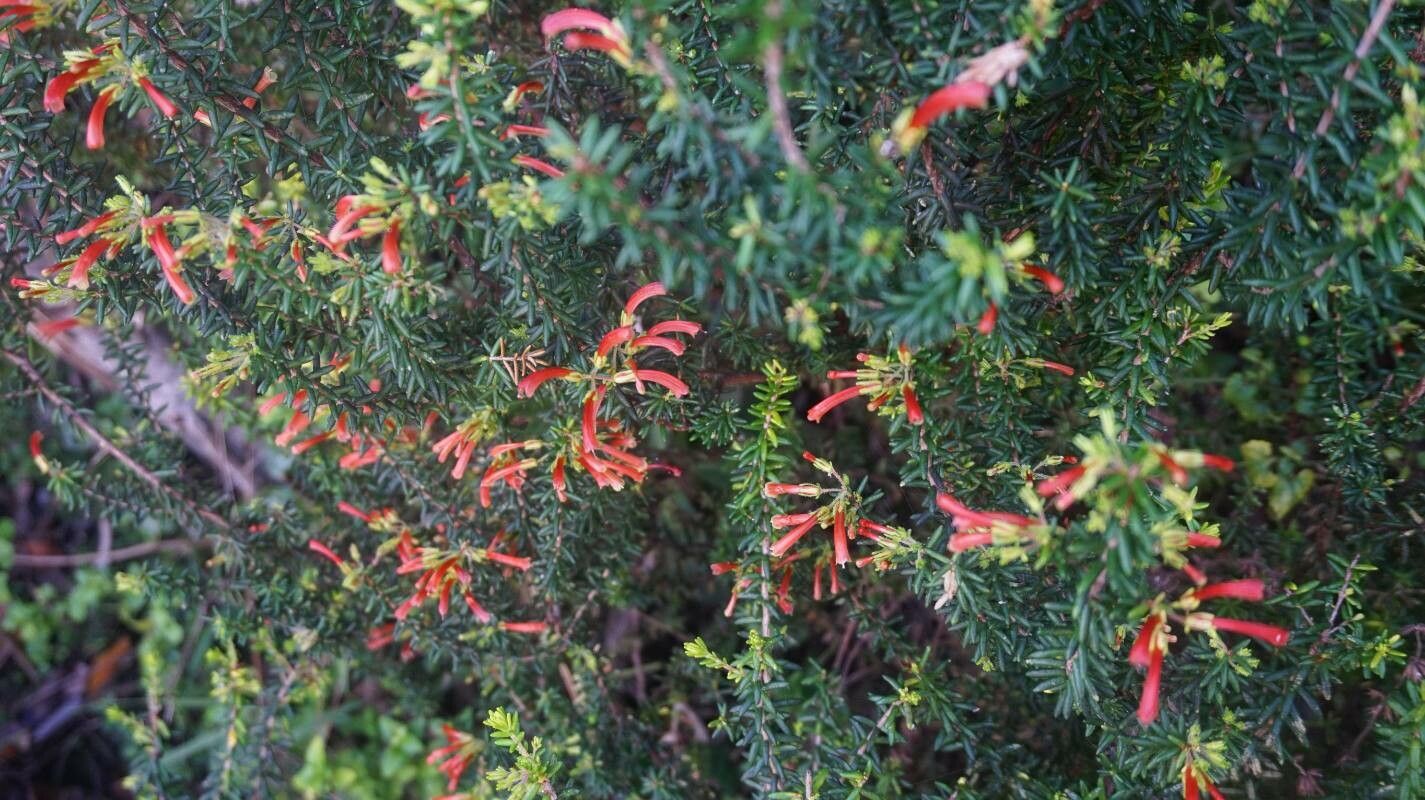
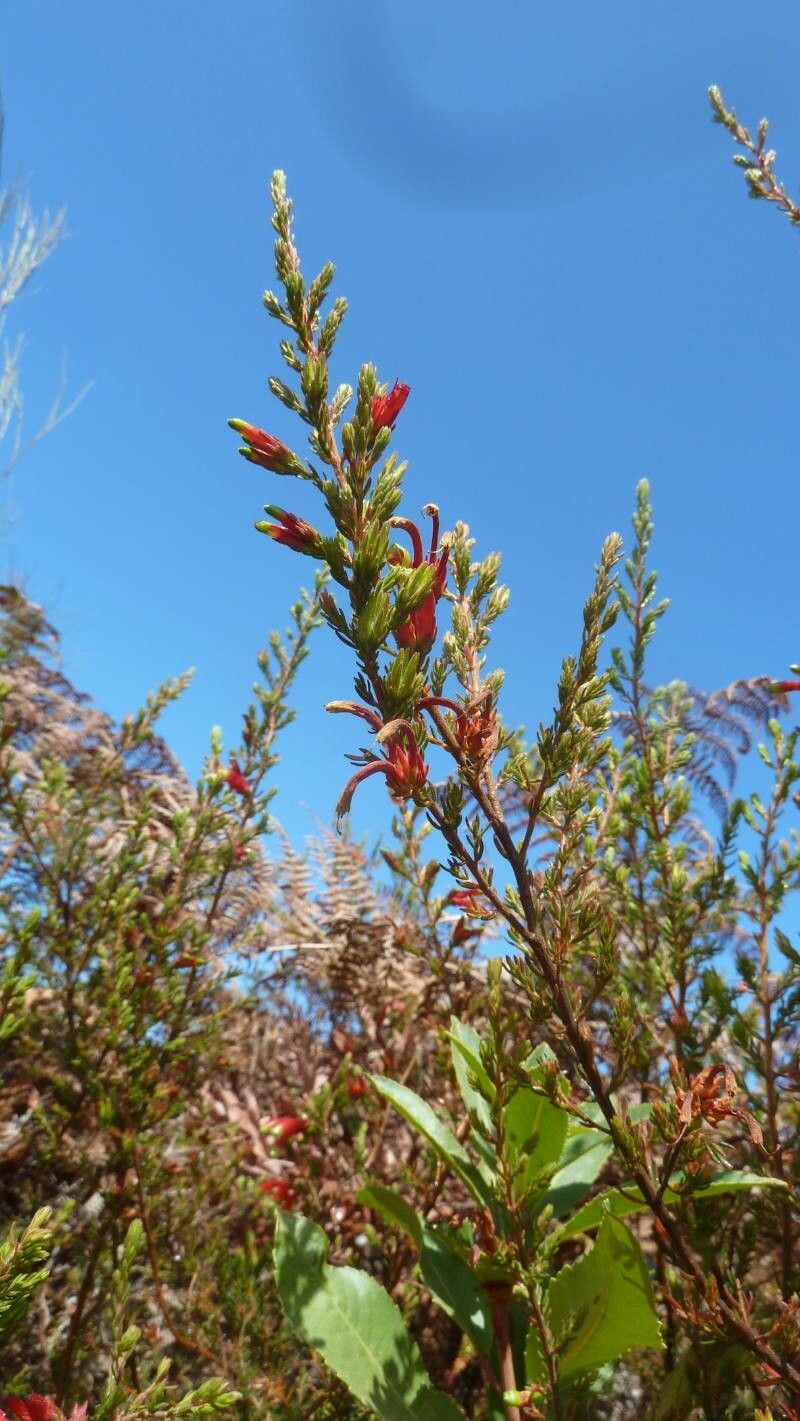
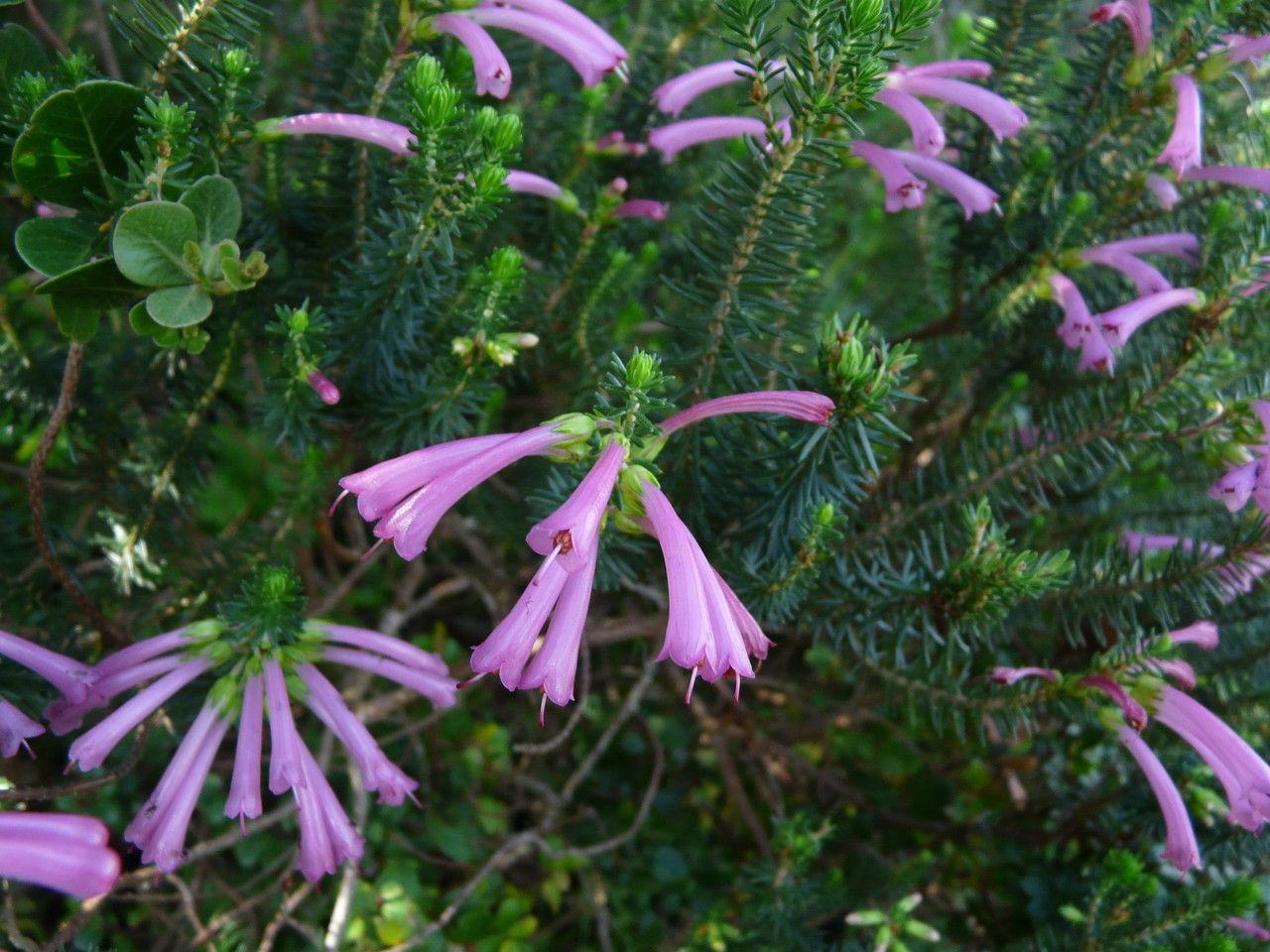
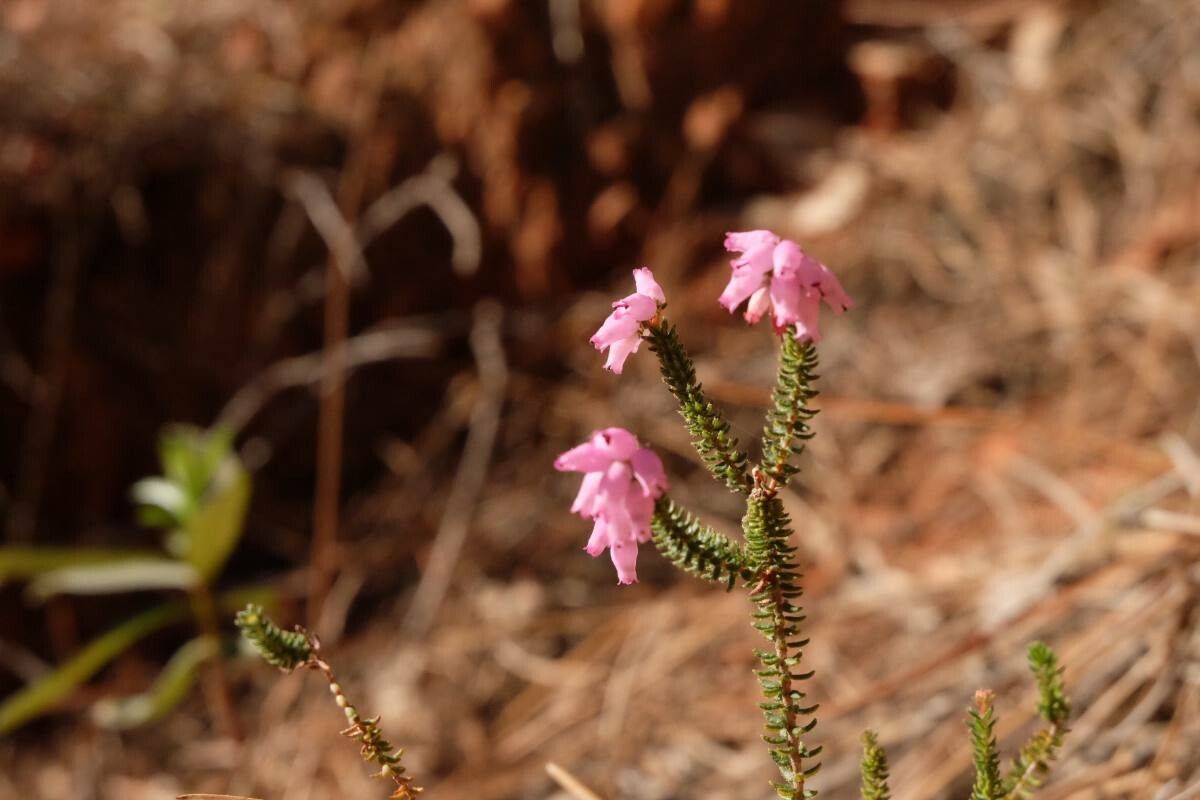
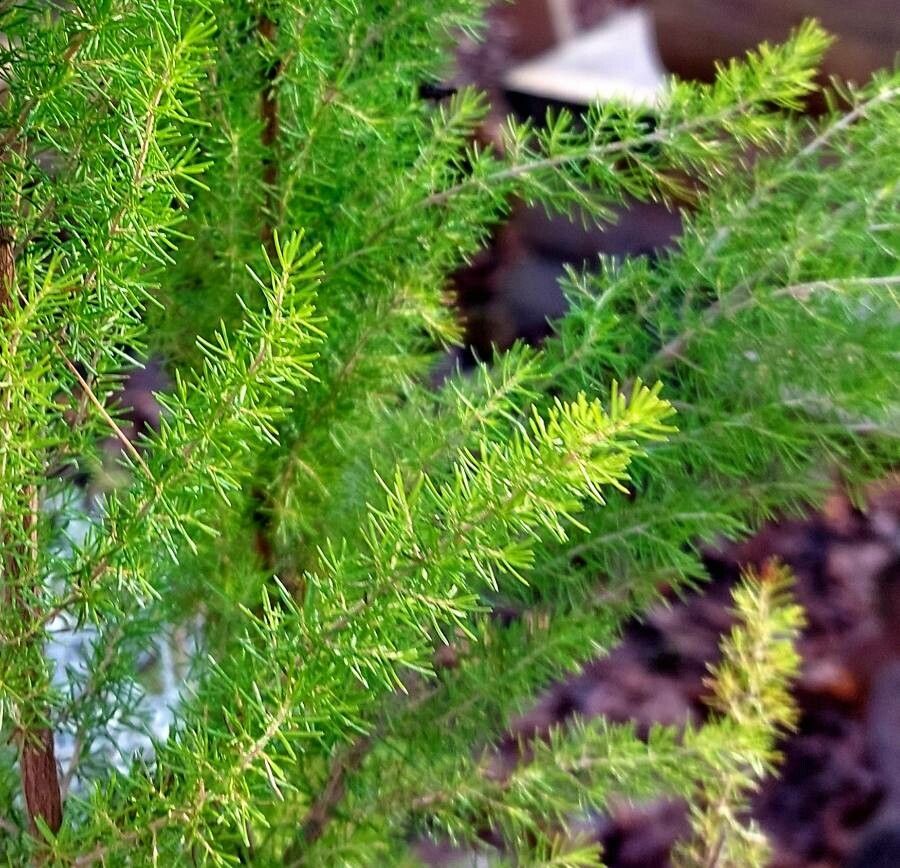
Erica versicolor is a species of flowering plant in the family Ericaceae, native to South Africa’s Cape Province. In cultivation E. versicolor requires well-drained acidic soil and a sheltered situation in full sun. It cannot tolerate freezing temperatures. In the UK it has gained the Royal Horticultural Society’s Award of Garden Merit.
Colour-changing heath has strong resistance to disease and is generally not susceptible to illnesses. Regarding care, this plant is fairly low-maintenance. When grown outdoors it needs little watering, and larger plants typically do not require pruning. Smaller plants, however, should be pruned after they have finished blooming. Colour-changing heath is appropriate for anyone with an outdoor area, such as a garden or deck, and does not need extensive plant-care experience.
How to keep Erica Versicolor.
Light
Colour-changing heath is native to open habitats, for example sunny meadows and forest margins, where light is abundant. It prefers Full Sun but tolerates Partial Sun, adapting well to a range of light exposures.
Water
The colour-changing heath thrives in environments with alternating periods of moisture and dryness, showing strong drought resistance once it is established. It should be watered every 1-2 weeks, especially during its peak growth periods, which are influenced by rainfall. Typically grown outdoors, this plant flourishes in moderate humidity, maintaining lush foliage and vibrant blooms.
Temperature
Colour-changing heath adapts well to temperature, tolerating higher heat and large temperature swings. In hot weather, be mindful of watering and provide proper shade to avoid sunburn. However, Colour-changing heath is fairly sensitive to low temperatures. While it can endure some cold, overly frigid conditions can cause frost damage.
Fertilizer
The timing of fertilizing Colour-changing heath is vital. Fertilize in early spring and continue monthly until early summer. Fertilizer promotes attractive blooms and supplies energy during both dormant and active growth phases.
Pruning
Color-changing heath thrives with regular pruning, especially in early spring. Effective techniques include thinning to improve air circulation and maintain the plant's shape. Be sure to remove dead stems at the base to prevent disease and encourage a denser growth. For the best results, refer to reputable horticultural sources.
Botanical profile.
- Plant Type
- Shrub
- Life Cycle
- Perennial
- Genus
- Erica
- Family
- Ericaceae
- Hardiness Zone
- 7-10
- Mature Height
- 3.05 m
- Mature Spread
- 91 cm
- Leaf Color
- Green
- Leaf Type
- Evergreen
- Flower Color
- Pink, Red
- Flower Size
- 3.05 cm
- Bloom Time
- Winter, Early spring, Mid spring
- Planting Time
- Spring, Summer, Autumn
- Harvest Time
- Spring
- Native Area
- South Africa
Reader questions.
What are the sunlight requirements for Colour-changing heath?
Colour-changing heath thrives best in full sun, requiring above 6 hours of sunlight daily. It can also tolerate partial sun, which means about 3-6 hours of sunlight. It is crucial to watch how sunlight moves through your garden to select spots that provide a balanced mix of light and shade, ensuring your plants' growth and happiness.
What is the Colour-changing heath?
The Colour-changing heath, known botanically as Erica versicolor, is a plant species renowned for its distinct feature implied by its name. However, specific details regarding its essentials, such as care instructions, habitat preference, or its unique qualities, were not provided.
How can artificial lighting benefit indoor Colour-changing heath plants?
Indoor Colour-changing heath plants can benefit significantly from artificial lighting, especially when natural sunlight is inadequate. Artificial lights, such as LED, can be tailored to provide specific wavelengths needed for optimal growth. For full sun plants, 30-50W/sq ft is recommended, 20-30W/sq ft for partial sun plants, and 10-20W/sq ft for full shade plants. The light source should be placed 12-36 inches above the plant to mimic sunlight effectively, and the duration should match natural daylight hours, typically 8-12 hours per day.
What are the symptoms of light deficiency in Colour-changing heath?
When Colour-changing heath is grown in insufficient light, it may display symptoms such as smaller new leaves, leggy or sparse growth, faster leaf drop, slowed or halted growth, and lighter-colored or yellowing new leaves (chlorosis). Extreme sunlight exposure can also cause symptoms like sunscald, leaf curling, wilting, leaf scorching, indicating damage or stress.
What solutions are available for managing insufficient sunlight for Colour-changing heath?
To address insufficient sunlight for indoor Colour-changing heath, gradually move the plant to sunnier spots until it receives at least 6 hours of direct sunlight daily. If moving the plant isn't feasible, consider using artificial lights for at least 8 hours daily. For outdoor plants, adjust their location gradually to avoid shock and sunburn. If sunlight is blocked by obstacles like trees, try pruning or transplanting to better-lit areas. Remember, damaged parts might not recover, but new growth will be healthy with improved light conditions.