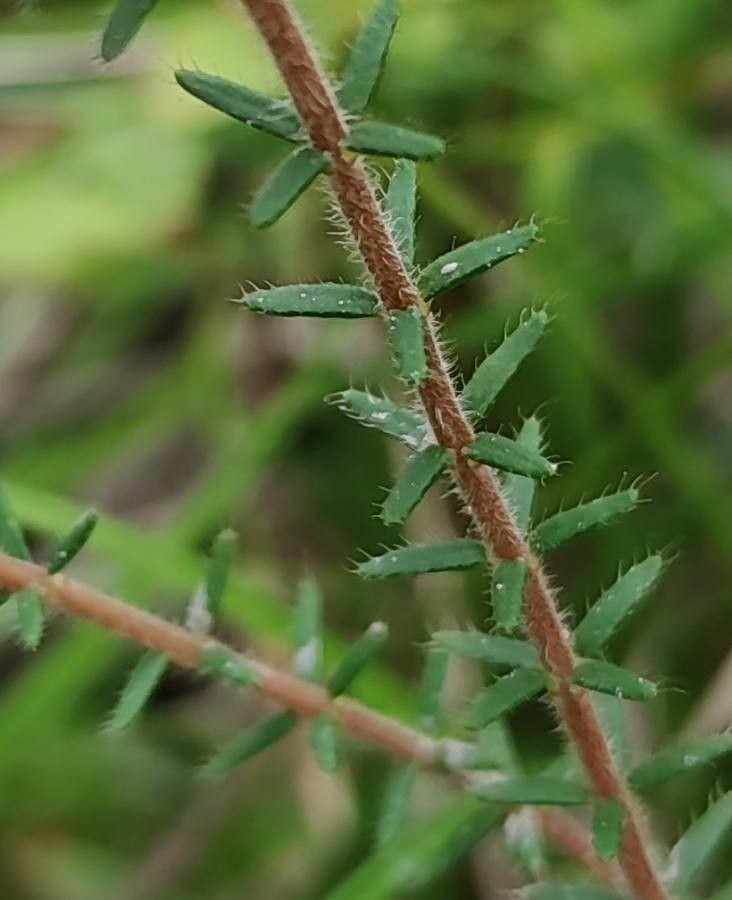
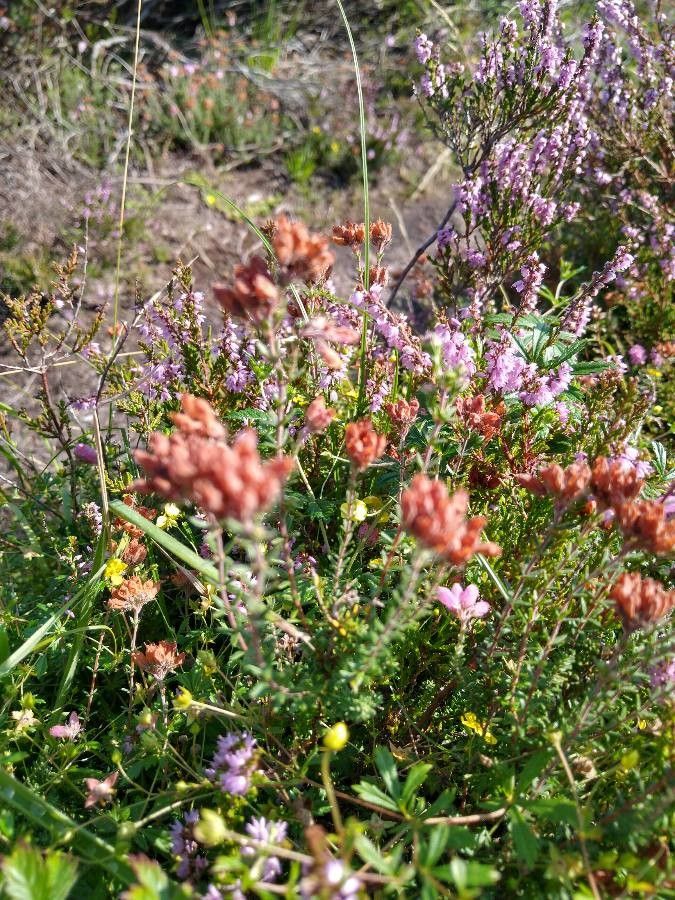
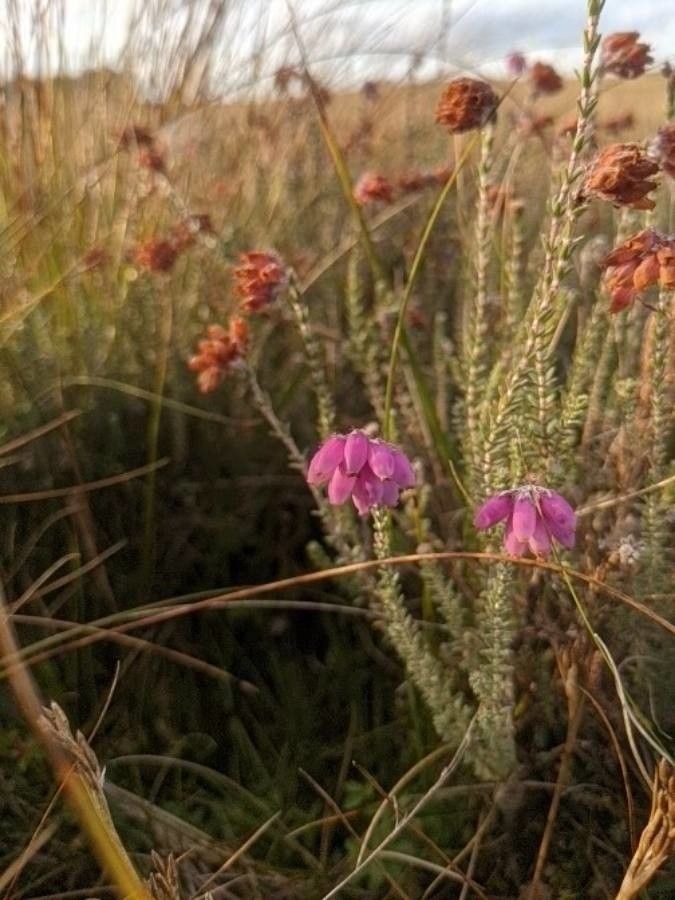
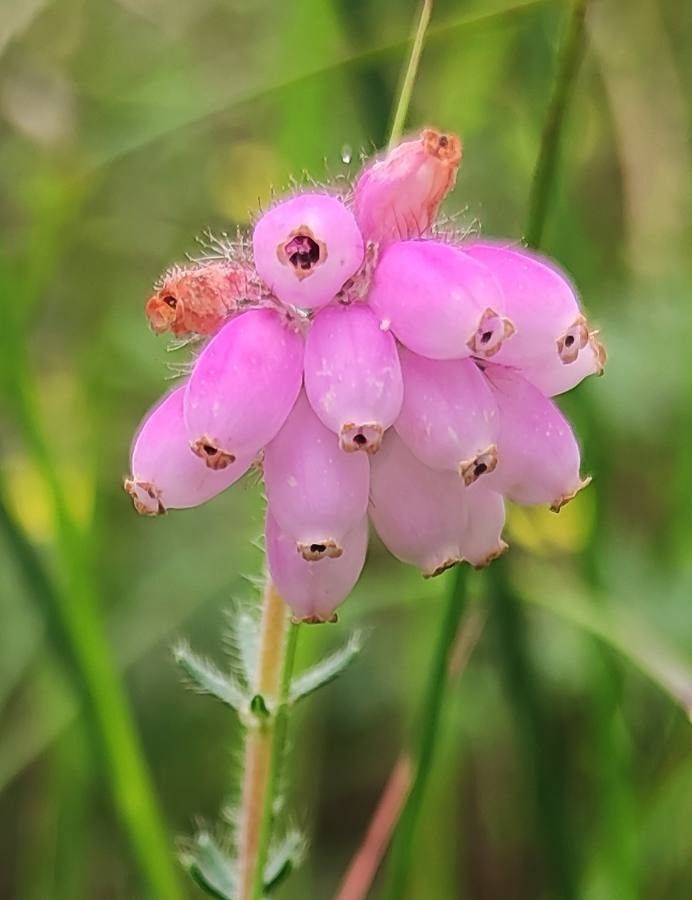
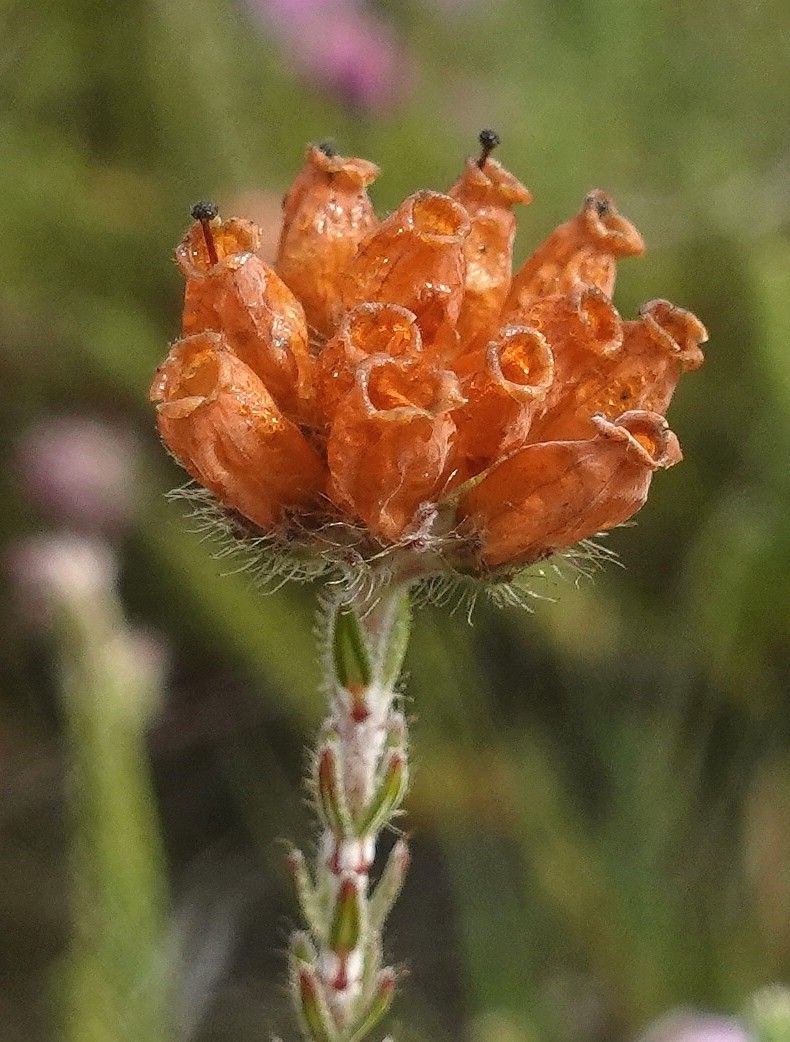
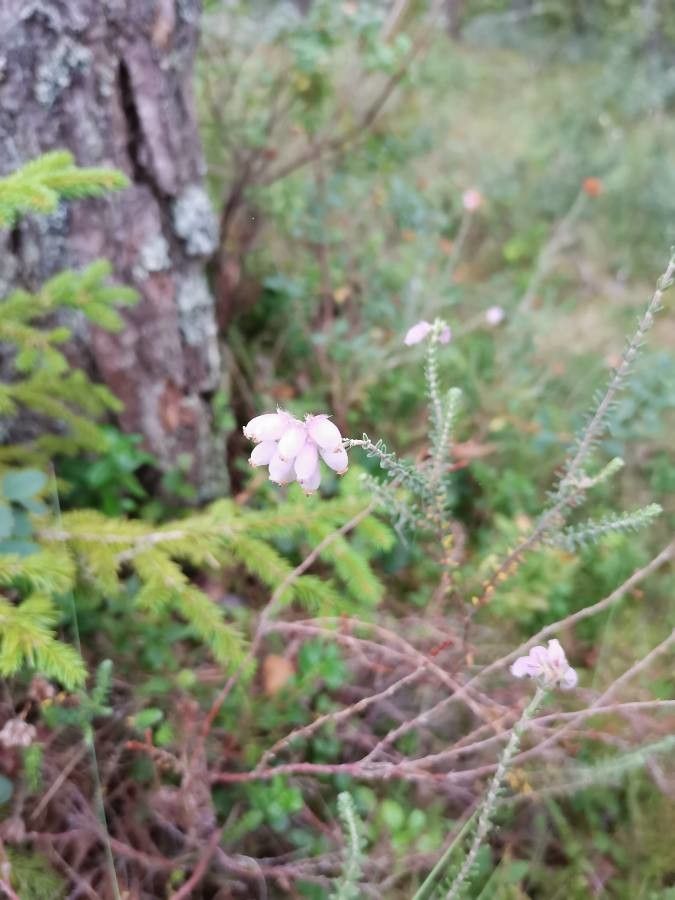
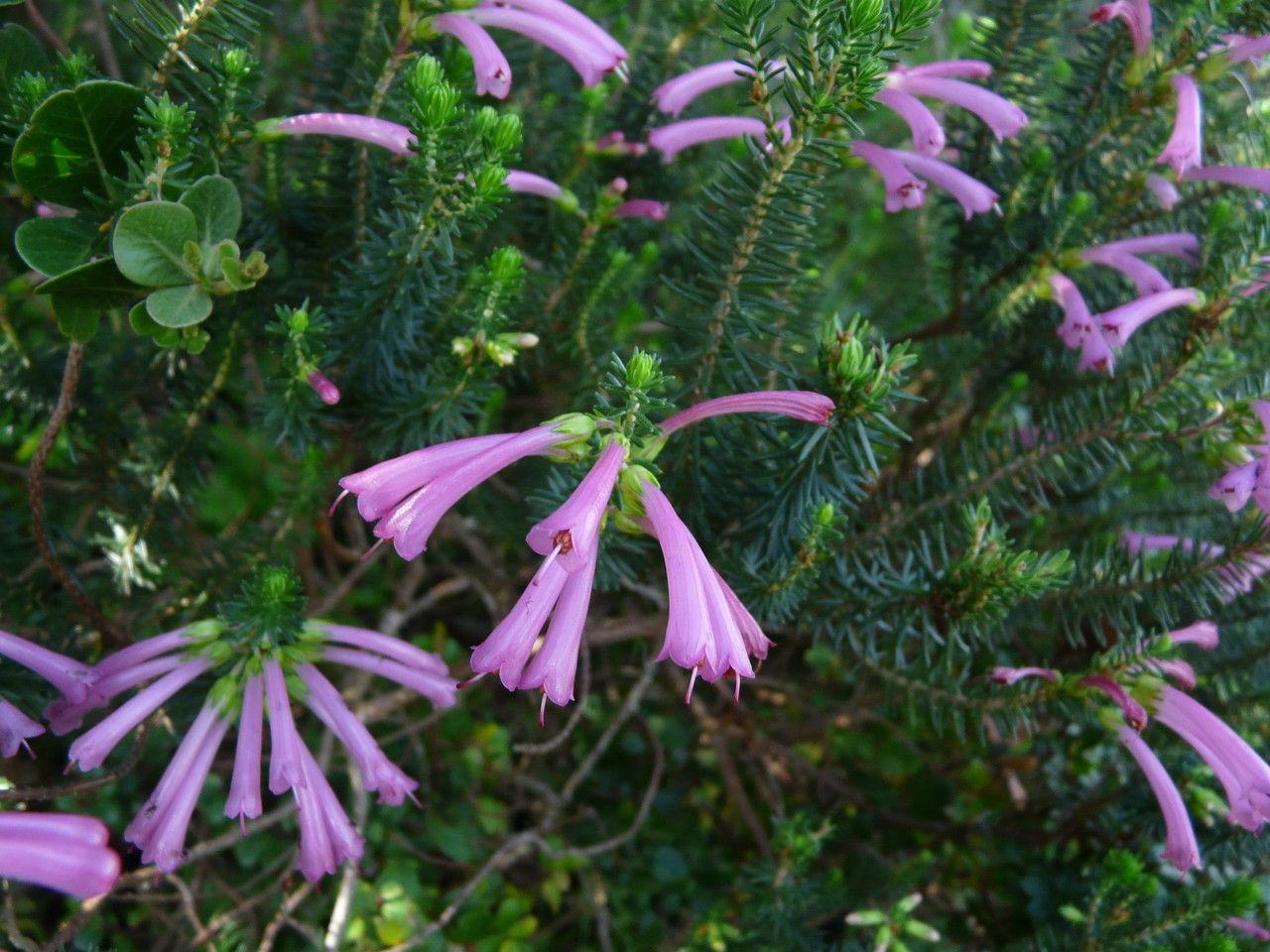
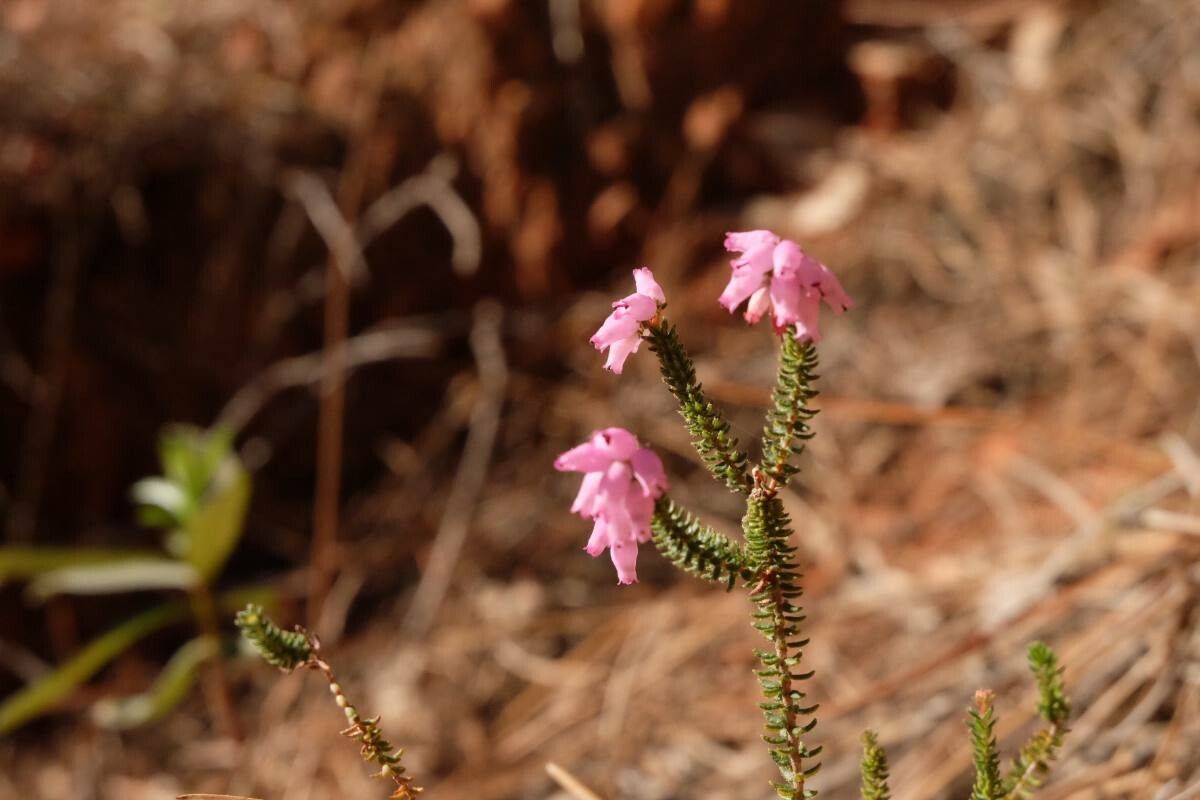
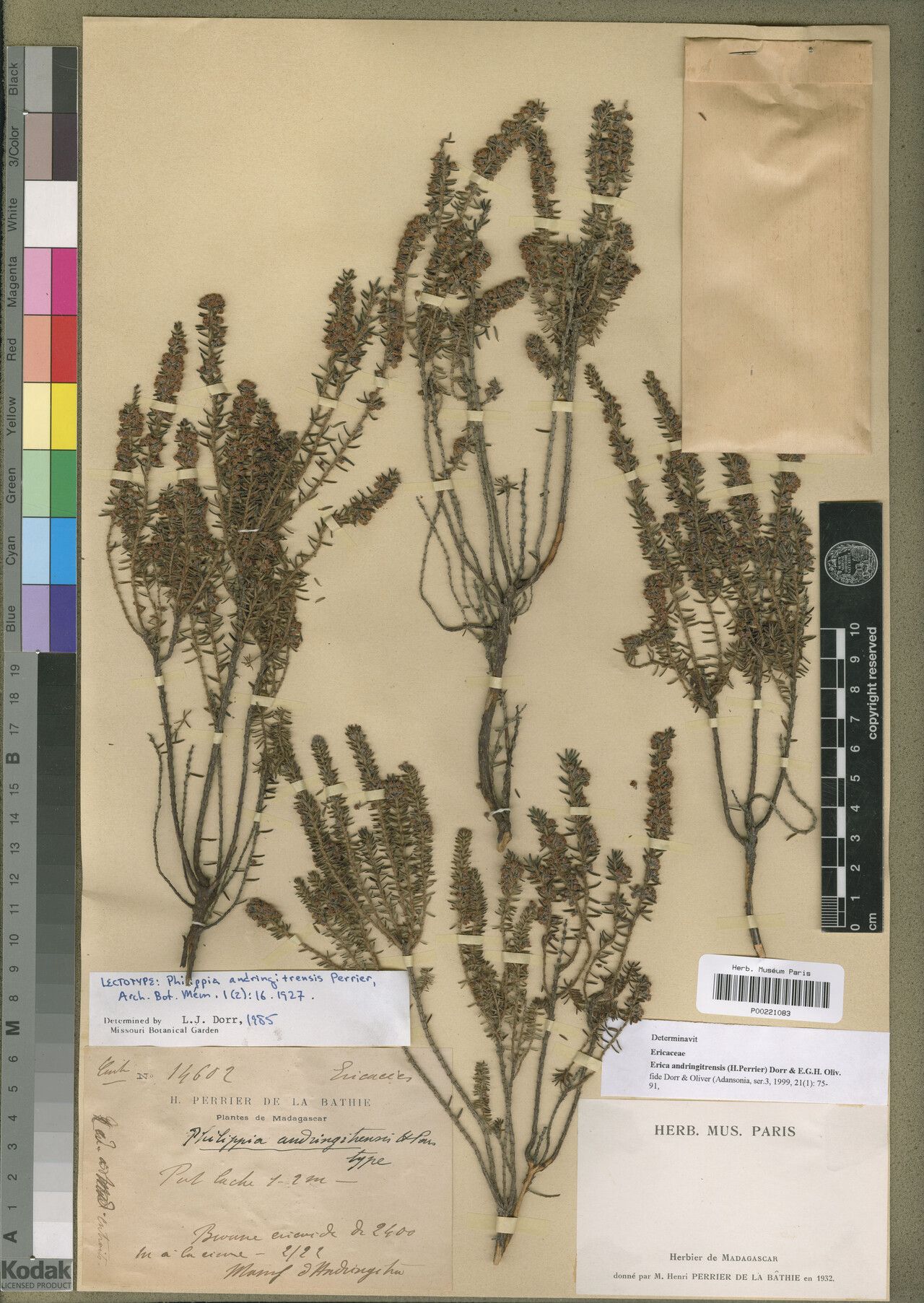
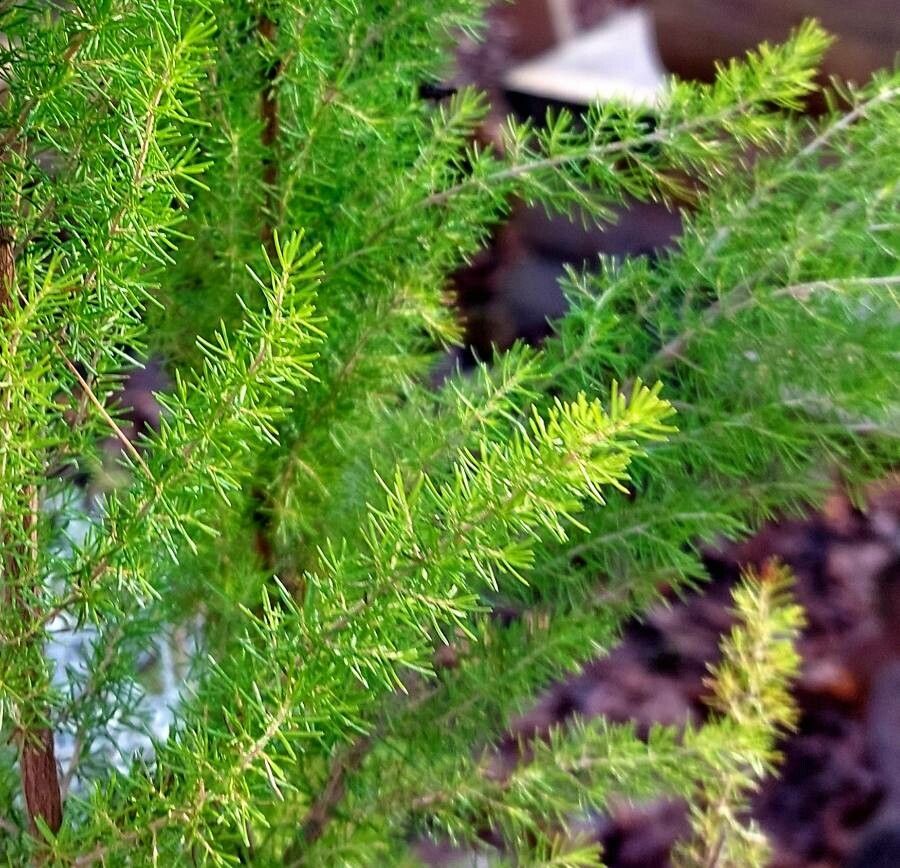
Erica tetralix, commonly known as cross-leaved heath, is a small evergreen shrub belonging to the Ericaceae family. Native to Europe, it thrives in wet heathlands, bogs, and moors. The plant typically grows up to 50 cm in height and features needle-like leaves arranged in whorls of four around the stem. Its pink or purple flowers, which bloom from June to September, have four petals that form a cross shape, lending the plant its common name. These blossoms attract bees and other pollinators.
Cross-leaved heath prefers acidic soils with high moisture content but can tolerate some drought once established. It is a crucial plant for wildlife, offering shelter to insects, birds, and mammals, such as the red grouse, which feed on its leaves during the winter months.
Traditionally, the plant has been used medicinally to treat coughs, colds, and rheumatism, thanks to its anti-inflammatory properties.
Erica tetralix is an attractive addition to gardens, particularly in rock gardens or boggy areas, where it can be planted alongside other acid-loving species like rhododendrons or azaleas. It requires minimal maintenance once established but benefits from occasional pruning after flowering to maintain its shape.
Overall, Erica tetralix is a beautiful native shrub with significant ecological value due to its support of wildlife habitats and medicinal properties. It adds both aesthetic and functional interest to gardens and natural landscapes alike.
Crossleaf heath has strong resistance to disease and is generally not susceptible to illnesses. Regarding care, this plant is relatively low-maintenance. When planted outdoors it requires minimal watering, and larger plants usually do not need pruning. However, smaller plants should be pruned after they have finished blooming. Crossleaf heath is suitable for anyone with an outdoor space, such as a garden or deck, and does not require much care experience.
How to keep Erica Tetralix.
Light
The Crossleaf heath is a plant that flourishes when exposed to a substantial amount of sunlight during the day, although it can also prosper in situations where sunlight is intermittent. Its natural habitat, which is abundant in sunlight, has influenced its adaptive nature. However, too much or too little sunlight can be detrimental to its wellbeing.
Water
Crossleaf heath is native to European peat bogs and thrives in consistently moist, well-draining soil. To keep it hydrated, water the plant every 1-2 weeks, particularly during the active growing season. This hardy plant is usually grown outdoors and requires careful moisture management to replicate its natural environment.
Temperature
Crossleaf heath originates from temperate climates, ideally flourishing in temperatures between 32 and 90 °F (0 to 32 ℃). When the seasons change and temperatures vary, it is advised to make suitable modifications in order to sustain this ideal temperature range for its robust development.
Fertilizer
The timing for fertilizing Crossleaf heath is critical. Start fertilizing at the beginning of spring and continue on a monthly basis until the start of summer. Fertilizer aids in the production of beautiful blooms and supplies energy during both dormant and active stages of growth.
Pruning
The Crossleaf Heath is characterized by its small, bell-shaped flowers and evergreen leaves. To help it thrive, prune it lightly from early to late winter, after it has finished blooming. Focus on removing any dead or damaged branches to encourage healthy growth. This practice helps maintain the plant's shape, improves air circulation, and reduces the risk of disease, as Crossleaf Heath flowers on old wood.
Botanical profile.
- Plant Type
- Shrub
- Life Cycle
- Perennial
- Genus
- Erica
- Family
- Ericaceae
- Hardiness Zone
- 3-7
- Mature Height
- 10 cm to 20 cm
- Mature Spread
- 30 cm to 49 cm
- Leaf Color
- Green, Gray, Silver
- Leaf Type
- Evergreen
- Flower Color
- Pink
- Flower Size
- 0.51 cm to 1.02 cm
- Bloom Time
- Summer, Fall
- Planting Time
- Summer, Autumn, Winter
- Harvest Time
- Fall, Winter
- Native Area
- Sweden, Czech Republic, Poland, Lithuania, Norway, Germany, Spain, Denmark, Netherlands, Finland, Estonia, France, Ireland, United Kingdom, Latvia, Belgium, Portugal
Other names.
Reader questions.
How should I water my Crossleaf heath plant in the best way?
Your Crossleaf heath plant is not very particular about how you water it. You can use various common watering tools like watering cans, hoses, or even cups to keep the soil moist. It's important to water the plant by directly applying the water to the soil. Make sure to evenly moisten all parts of the soil to provide sufficient water to the entire root system. Using filtered water is preferable because tap water can contain harmful particles. Additionally, it's best to use water at room temperature or slightly above, as extremely cold or hot water can shock the Crossleaf heath. However, this plant generally thrives with any kind of water.
Why should I put fertilizer on my Crossleaf heath?
No matter what type of Crossleaf heath you have, regular fertilization is essential for its overall health. Providing the right nutrients promotes stronger growth, making your Crossleaf heath more resistant to challenging conditions and better at fighting diseases and pests. Your Crossleaf heath's foliage is one of its most appealing aspects, so it's important to preserve it. This entails adhering to a custom fertilization schedule for your specific Crossleaf heath. By doing this, you will encourage deep-colored leaves and a lush appearance.
What are the sunlight requirements for Crossleaf Heath?
Crossleaf Heath requires full sun, which means it needs to be exposed to more than 6 hours of sunlight daily to thrive optimally. It can also grow in partial sun conditions, where it would receive about 3-6 hours of sunlight. It's essential to observe how sunlight moves through your garden to ensure you choose spots that offer a balance of light and shade, ensuring your plants' happiness and health.
What is the ideal temperature range for crossleaf heath?
Crossleaf heath thrives best in temperate environments with an ideal temperature range between 32 to 90 °F (0 to 32 °C). To ensure healthy growth, it is important to maintain this temperature range, especially during seasons when temperatures fluctuate significantly.
What do I need to do if I give my Crossleaf heath too much or too little water?
Caring for outdoor plants, especially new ones or seedlings, can be a challenge when it comes to watering. It's important to remember to water them consistently in the first few months, while they are still small or recently planted. Once the roots are established, these plants can usually rely on rain for hydration. However, when growing Crossleaf heath in pots, overwatering becomes a common issue. If you accidentally overwater your Crossleaf heath, take immediate action to address the problem. Stop watering the plant to minimize the impact of overwatering. Check the roots by removing the plant from its pot. If no root rot is present, you can safely return the plant to its container. In case of root rot, trim affected roots and consider using a fungicide to prevent further damage. Repot the Crossleaf heath in well-draining soil. On the other hand, underwatering is a simpler problem to fix. If leaves are drooping, drying out, or falling off, increase the frequency of watering. The leaves should recover their fullness quickly when properly hydrated. Make sure to adjust your watering routine promptly when underwatering occurs.
When should I fertilize my Crossleaf heath plant?
To keep your Crossleaf heath healthy and promote growth, fertilize it first during late winter or early spring. This provides the necessary nutrients for it to thrive once the weather warms up. If you live in a warm climate region, another round of fertilization in early fall can be beneficial. This not only adds nutrients for the following growing season but also helps your Crossleaf heath tolerate and survive winter without damage to its foliage. Fertilizing earlier in fall ensures that new branches have sufficient time to grow and withstand the cold winter.
How does Crossleaf Heath respond to different lighting conditions?
Crossleaf Heath thrives well in its origin habitat with ample exposure to the day's light, showing great adaptability to varying light conditions. It grows well even when sunlight is not constant throughout the day but still requires a significant portion of daylight to thrive. Excessive or insufficient sunlight, however, can harm its health. When natural light is insufficient, especially indoor, artificial lighting can be a solution. LED lights are recommended for indoor plants, with specific wattages based on the plant’s sunlight needs: full sun plants require 30-50W/sq ft, partial sun plants 20-30W/sq ft, and full shade plants 10-20W/sq ft. The artificial light should mimic natural daylight as closely as possible regarding duration and intensity.
How should crossleaf heath be cared for in winter?
Crossleaf heath is highly cold-tolerant and does not require additional frost protection. However, before the onset of the first freeze in autumn, it's recommended to water the plant generously. This ensures the soil remains moist and enters into a frozen state properly, which helps prevent drought and water scarcity for the plant during the winter and early spring.
How regularly should I water my Crossleaf heath?
When it comes to watering outdoor plants, most of them can rely on natural rainfall. However, if your area doesn't get enough rain, you'll need to water your plants every 2 weeks during the spring and fall, and more often in the summer. In the winter, you can water less frequently since plants grow slower and require less water. In fact, you might not need to water at all during the winter. If you have a young or newly planted Crossleaf heath, you should water it more often to help it establish and grow into a more adaptable and drought-tolerant plant. For potted plants, there are two main approaches to determine watering frequency for your Crossleaf heath. The first is to follow a predetermined watering schedule, such as once every week or every other week. However, this may not always work as it doesn't take into account the specific conditions of your plant's growing environment. Another approach is to determine watering frequency based on soil moisture. Generally, it's best to wait until the top two to four inches of soil (around ⅓ to ½ depth of the pots) have completely dried out before watering again. Keep in mind that during the summer, when the plant's water needs are highest, a predetermined watering schedule may not be sufficient.
When is it not a good idea to fertilize my Crossleaf heath plant?
There are a few times throughout the year when you should avoid fertilizing your Crossleaf heath. The first is in early and mid-winter when the plant is dormant and doesn't need any food. It's also not recommended to fertilize during late spring and summer, as the weather tends to be hotter and drier. Fertilizing during these times can have a negative effect on the plant. To avoid any issues, it's best to stick to a fertilization schedule that only includes feeding in early spring and early fall.
What symptoms indicate Crossleaf Heath is receiving inadequate light?
Symptoms of inadequate light for Crossleaf Heath include the growth of smaller new leaves, leggy or sparse growth, faster leaf drop, slower or halted new growth, the development of lighter-colored or chlorotic new leaves, and potential sunscald. These symptoms suggest that the plant is struggling to photosynthesize efficiently due to suboptimal light conditions. On the other end, excessive sunlight can cause issues like sunscald, leaf curling, wilting, and leaf scorching. These indicate the plant is receiving more light than it can handle, affecting its overall health and growth.
What should be done if crossleaf heath experiences temperatures below -35°C?
Although crossleaf heath is extremely cold-tolerant, winter temperatures should be maintained above -35°C. If temperatures drop below this threshold, the branches may become brittle and dry by springtime, with no new shoots emerging. Pruning away any dead branches that have failed to produce new leaves in the spring is recommended.