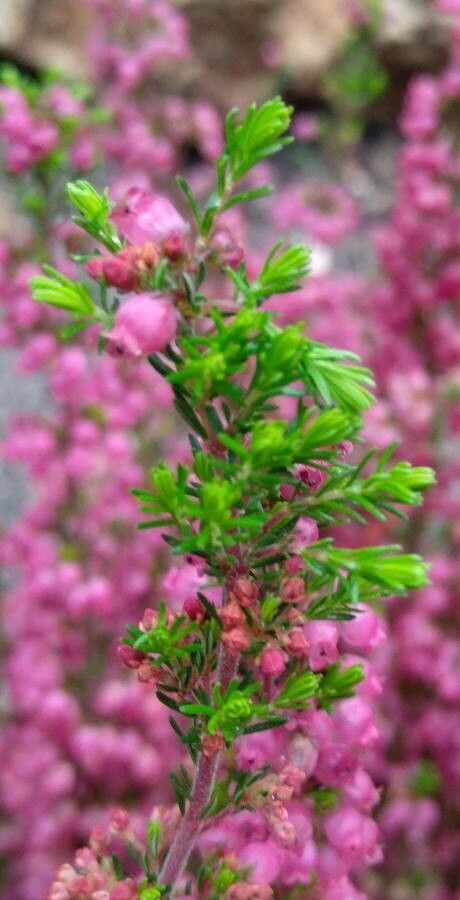
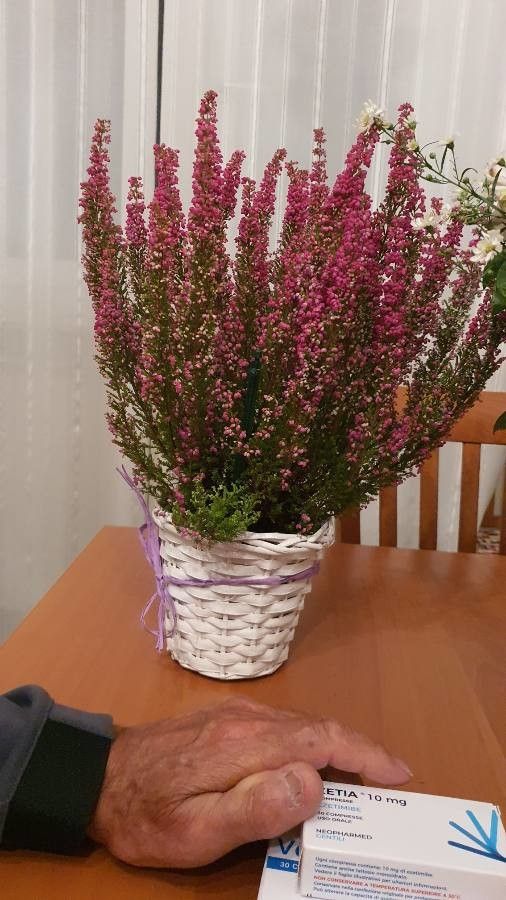
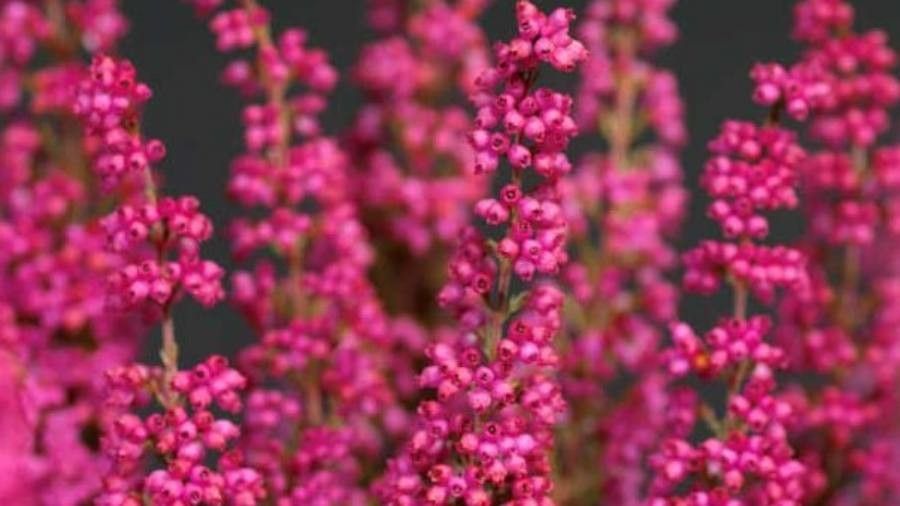
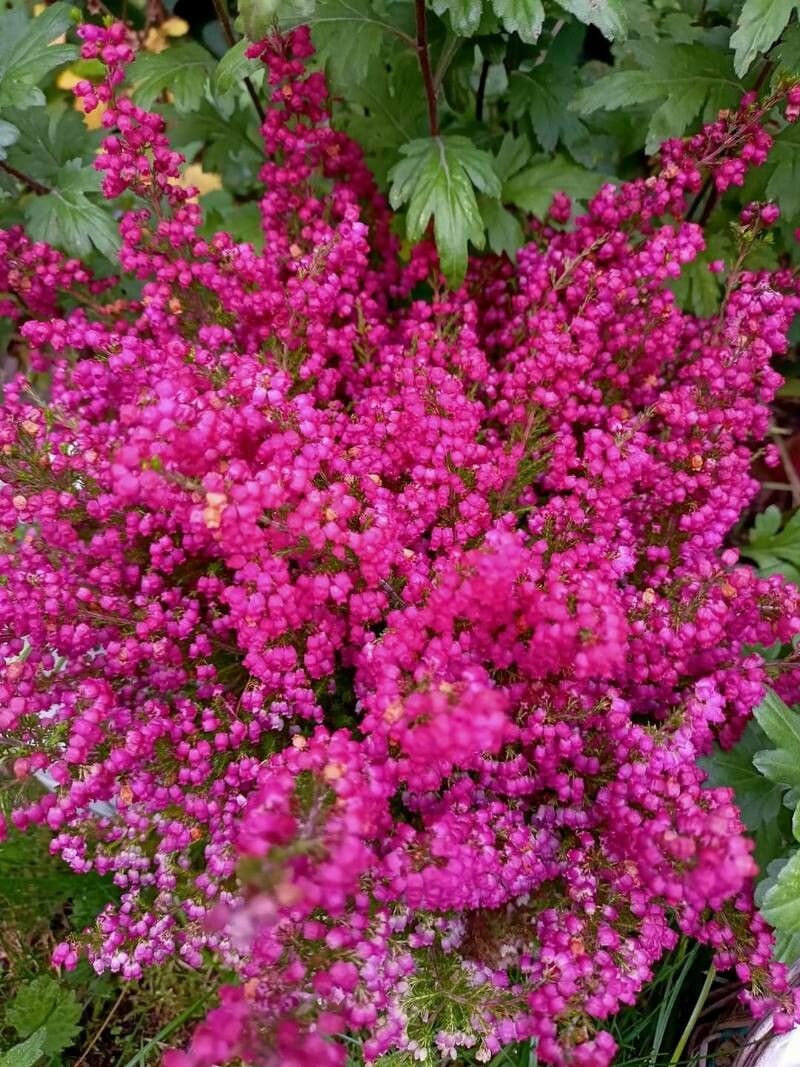
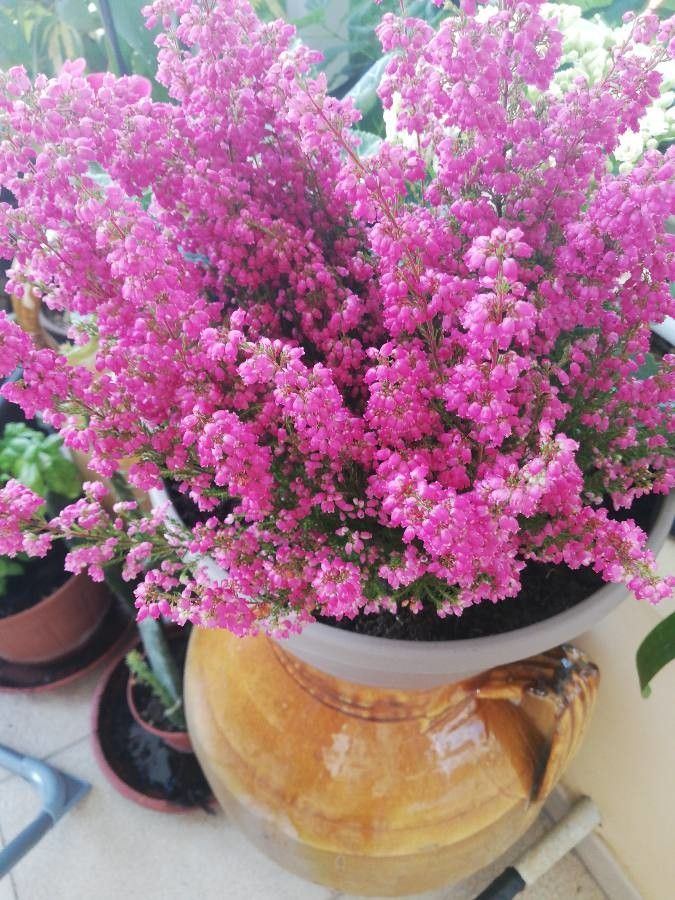
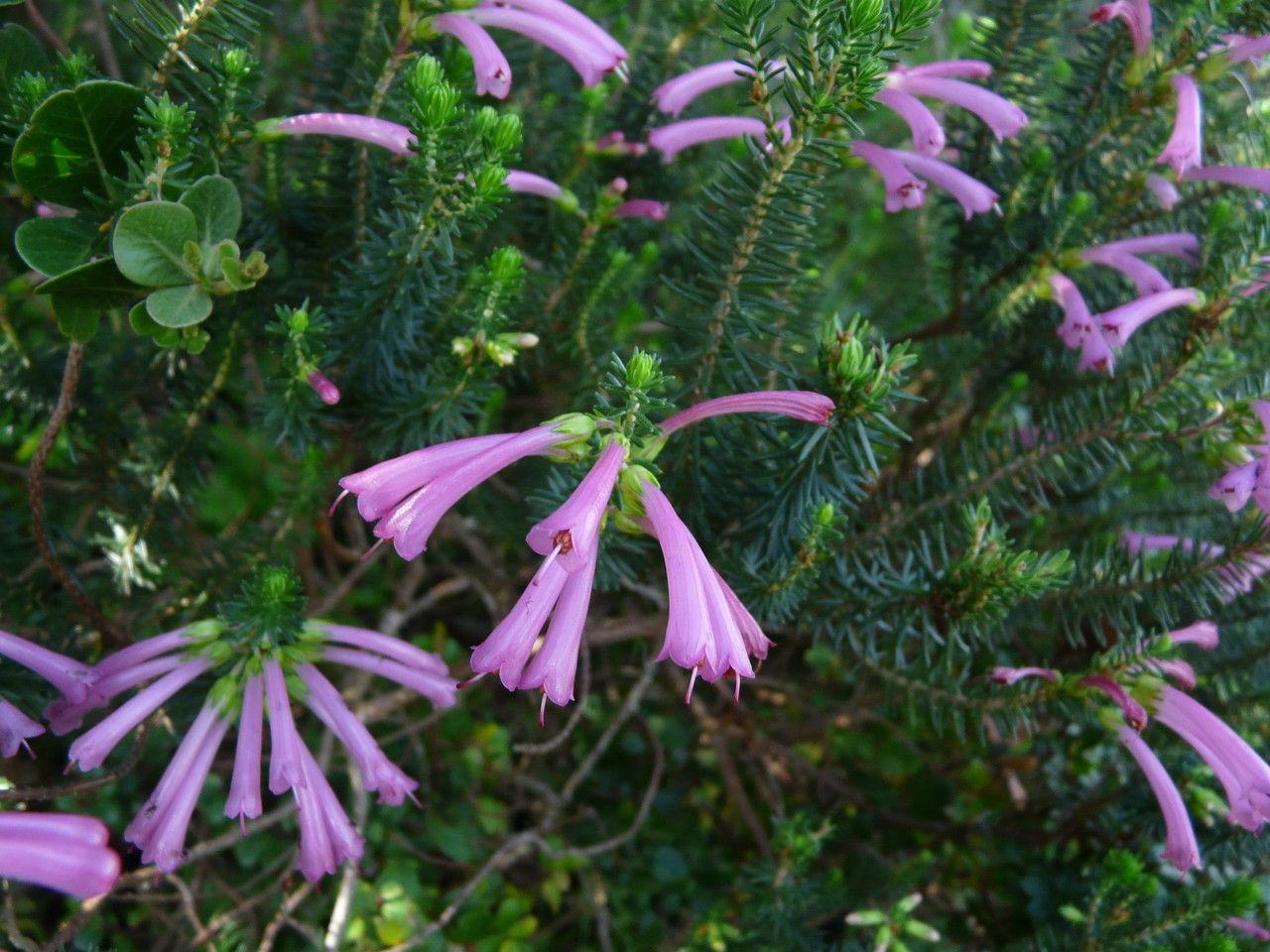
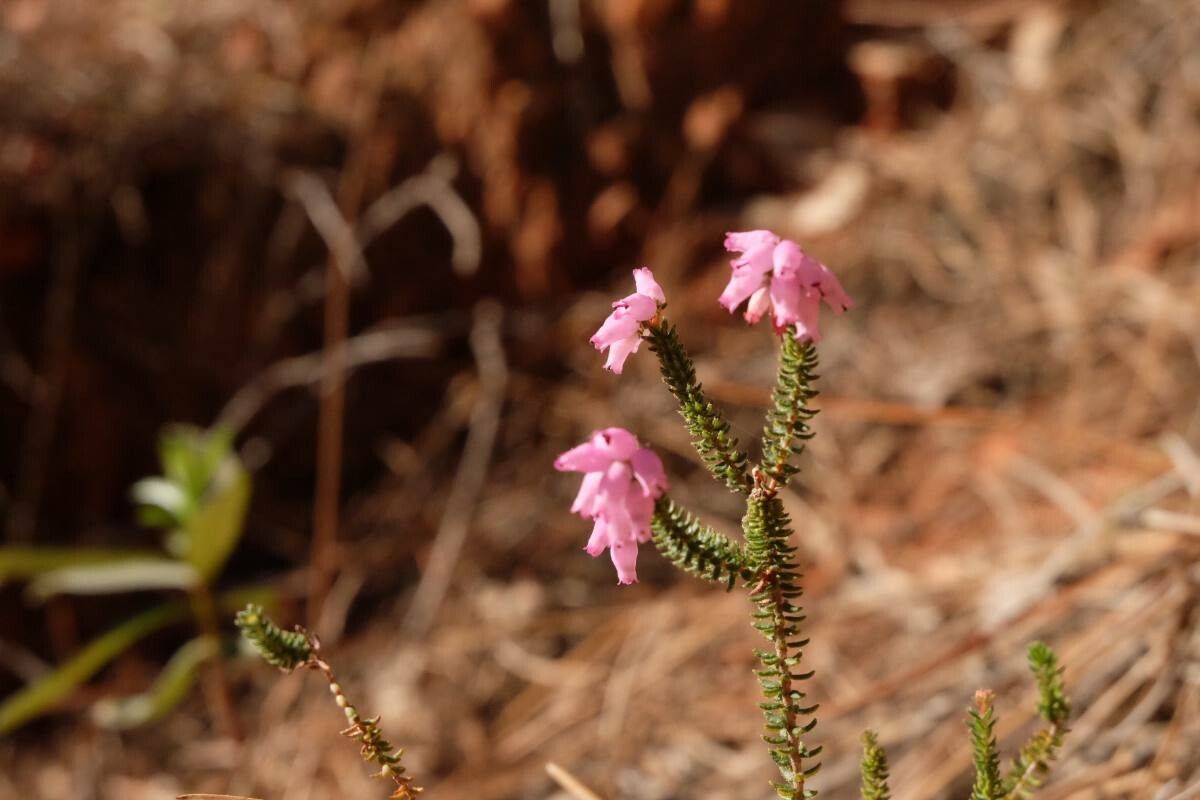
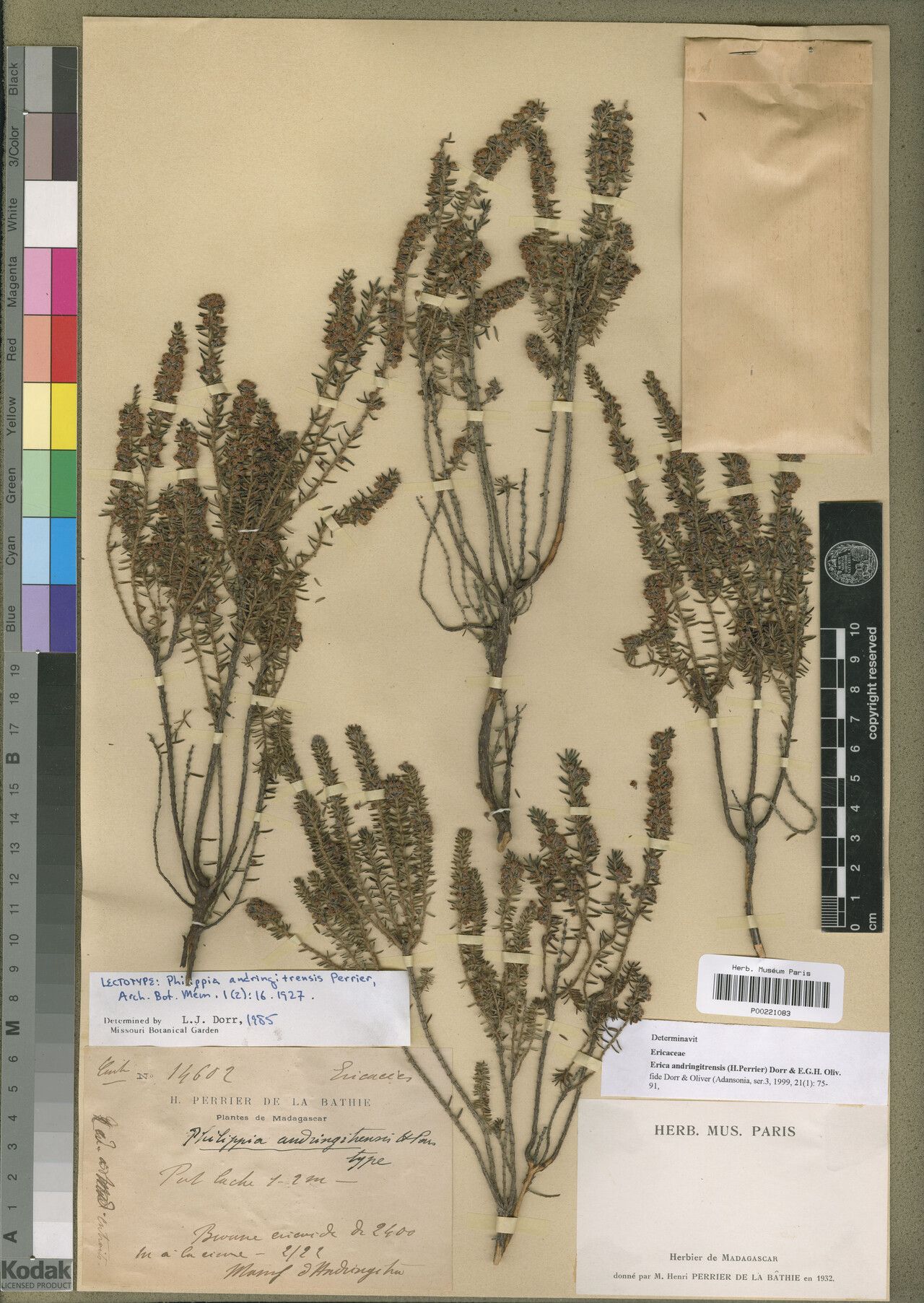
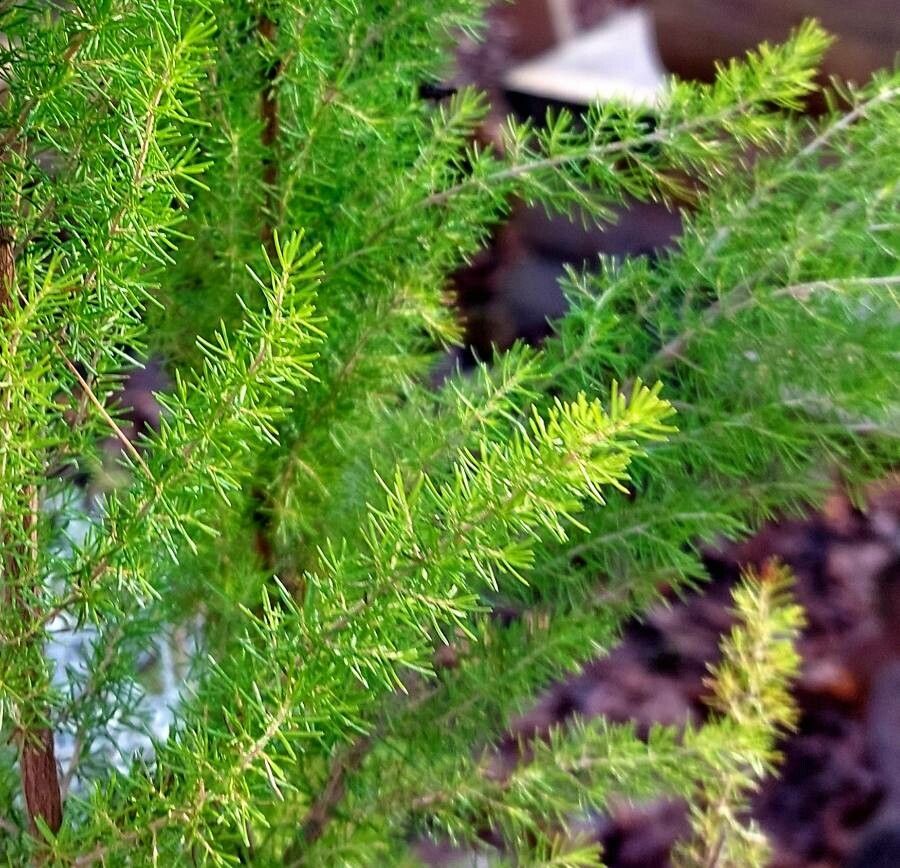
Erica gracilis is a plant belonging to the genus Erica and forming part of the fynbos. The species is endemic to the Western Cape.
Cape heath is resistant to diseases and is usually not susceptible to them. In terms of care, this plant is fairly low-maintenance. When grown outdoors, it needs little watering and larger plants typically do not require pruning. Smaller plants, however, should be pruned after they finish blooming. Cape heatht is appropriate for anyone with an outdoor area, such as a garden or deck, and does not need much gardening experience.
How to keep Erica Gracilis.
Light
Cape heath is native to habitats like forest understories or rocky areas, where it grows in natural shade. It prefers partial sun but can adapt to full sun or full shade, showing its versatile and hardy nature.
Water
Cape heath, a plant native to South Africa, thrives when planted in consistently moist, well-drained soil. It should be watered weekly to maintain its health. This plant prefers stable humidity and is not tolerant of drought conditions. As an evergreen, cape heath retains its leaves throughout the year, so regular watering is essential to support its growth and to prevent it from drying out.
Humidity
This plant needs special care because it loves high humidity levels of 60-80% or more. The best way to achieve this is by placing a humidifier near the plant. Daily misting is also essential! Make sure the room has good ventilation.
Temperature
Cape heath is highly adaptable to a range of climate conditions, from searing summers to cold winters. Still, it has an ideal temperature range for healthy growth. When temperatures become too high, the plant is vulnerable to heat and humidity stress, which can cause it to die. In areas where temperatures approach the lower end of its cold tolerance, providing insulation to protect the plant is important.
Fertilizer
Correct timing is essential when fertilizing Cape heath. Begin in early spring and apply fertilizer once a month until early summer. Fertilizer encourages lovely blooms and supplies energy both during dormancy and active growth.
Pruning
Cape heath benefits from careful pruning after its blooming period, ideally between early and late winter. To promote healthy, compact growth and a more floriferous habit, remove any dead or weak stems. Make sure your cuts are clean and avoid removing too much foliage to preserve the plant's vigor and aesthetic appeal.
Botanical profile.
- Plant Type
- Shrub
- Life Cycle
- Perennial
- Genus
- Erica
- Family
- Ericaceae
- Hardiness Zone
- 7-9
- Mature Height
- 30 cm
- Mature Spread
- 49 cm
- Leaf Color
- Dark Green
- Leaf Type
- Evergreen
- Flower Color
- Pink
- Flower Size
- 0.25 cm to 0.51 cm
- Bloom Time
- Fall, Winter
- Planting Time
- Spring, Summer, Autumn
- Harvest Time
- Late winter, Early spring, Mid spring
- Native Area
- South Africa
Other names.
Reader questions.
How much sunlight does Cape heath (Erica gracilis) require?
Cape heath, also known by its botanical name Erica gracilis, thrives in conditions that provide ample sunlight, but it can also adapt to less intense sunlight conditions. For optimal growth, it requires full sun, meaning it should receive more than 6 hours of direct sunlight daily. However, Cape heath can also tolerate partial sun, which equates to about 3-6 hours of sunlight each day. It's important to observe the sunlight's movement through your garden to find the ideal spot for your Cape heath, balancing the right amounts of light and shade to ensure the plant's well-being.
What is the botanic name of Cape Heath?
The botanic name of Cape Heath is Erica gracilis. This name helps in accurately identifying the plant, distinguishing it from other species within the Erica genus.