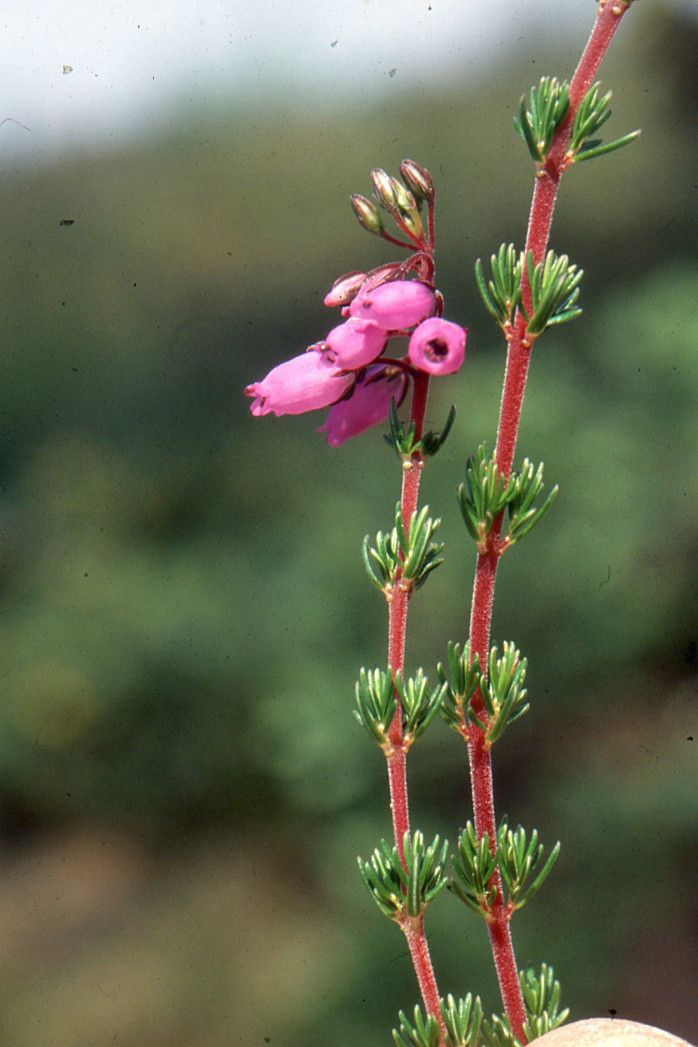
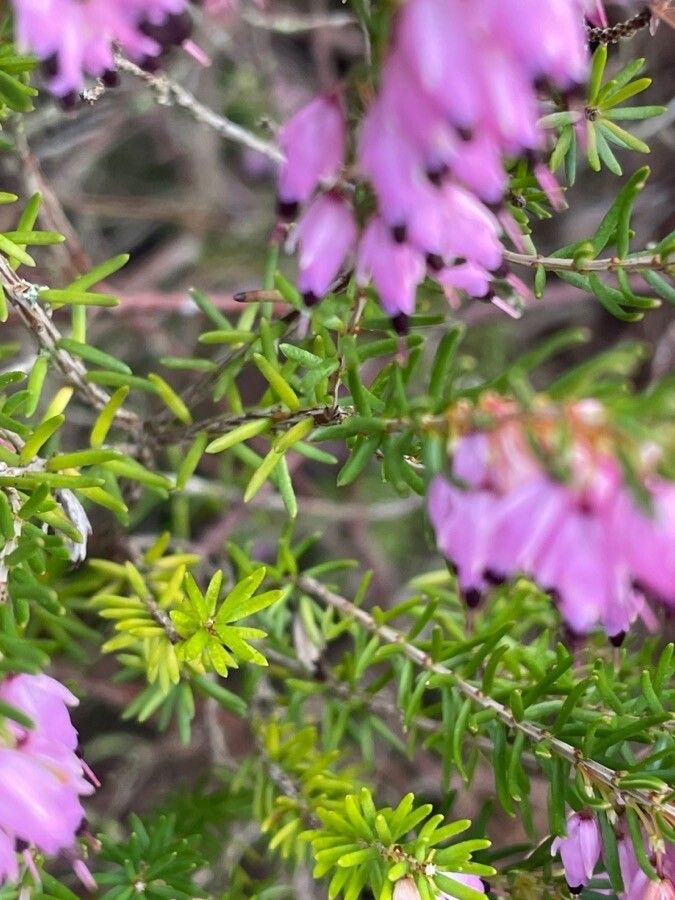
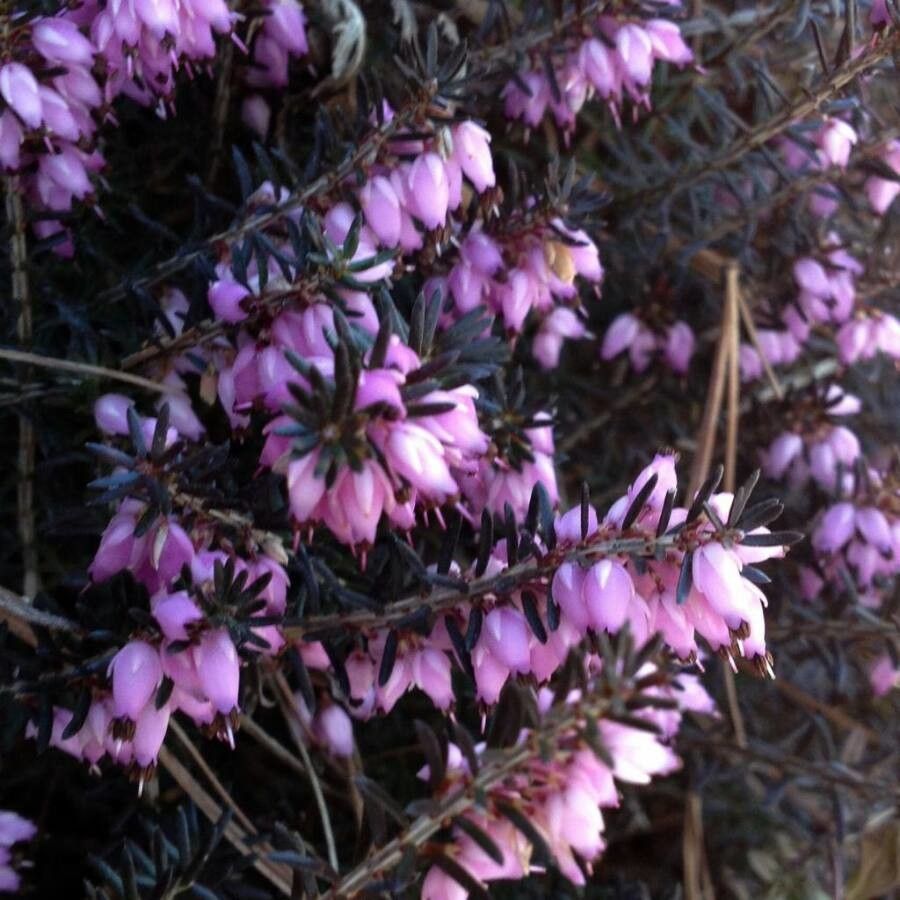
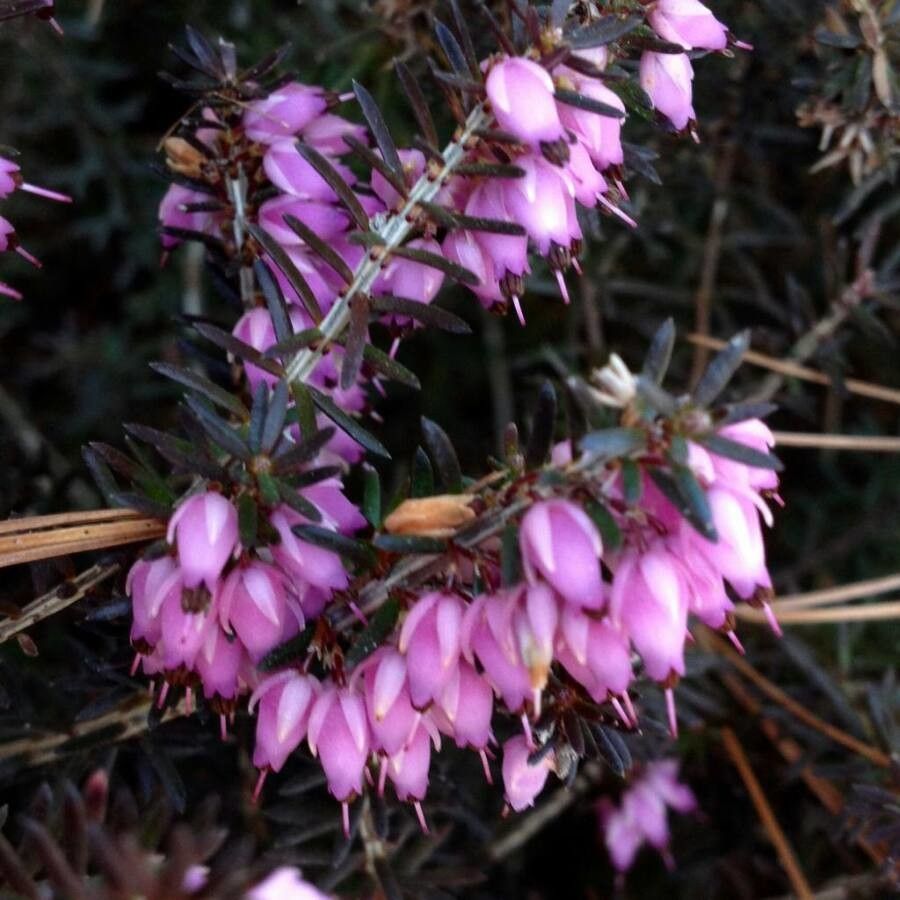
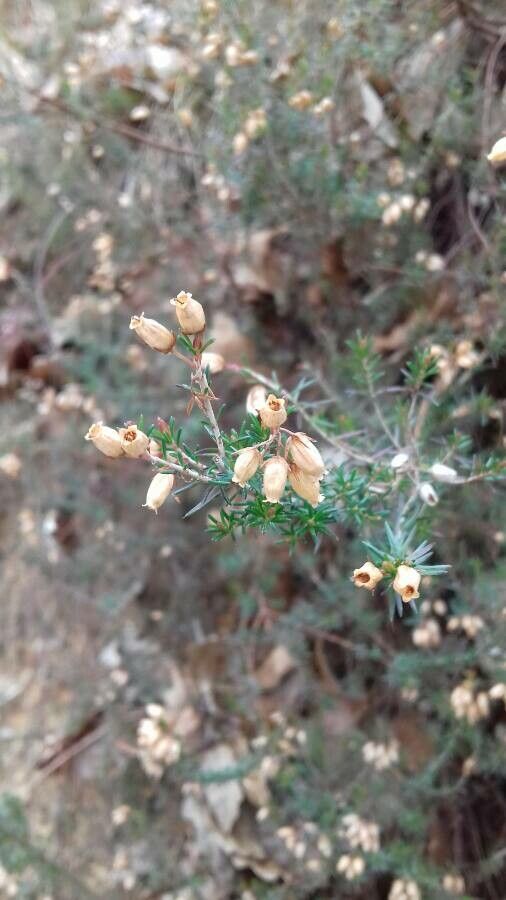
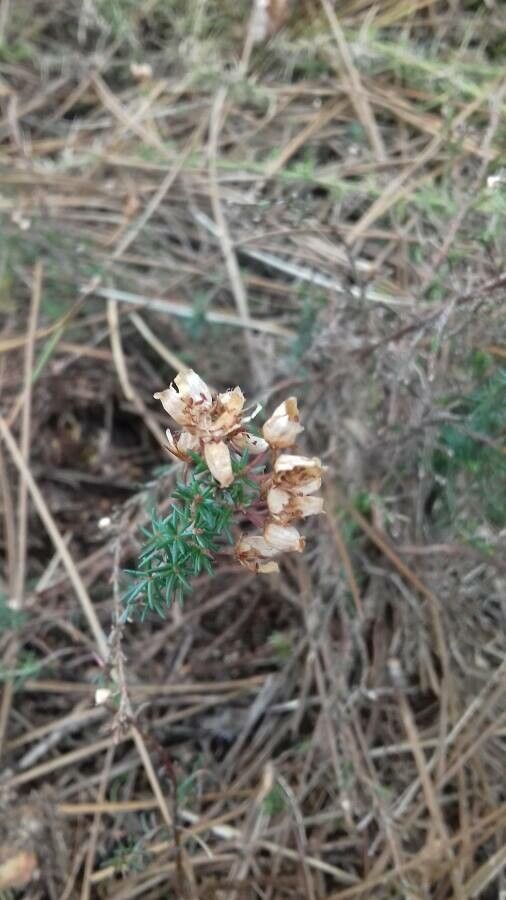
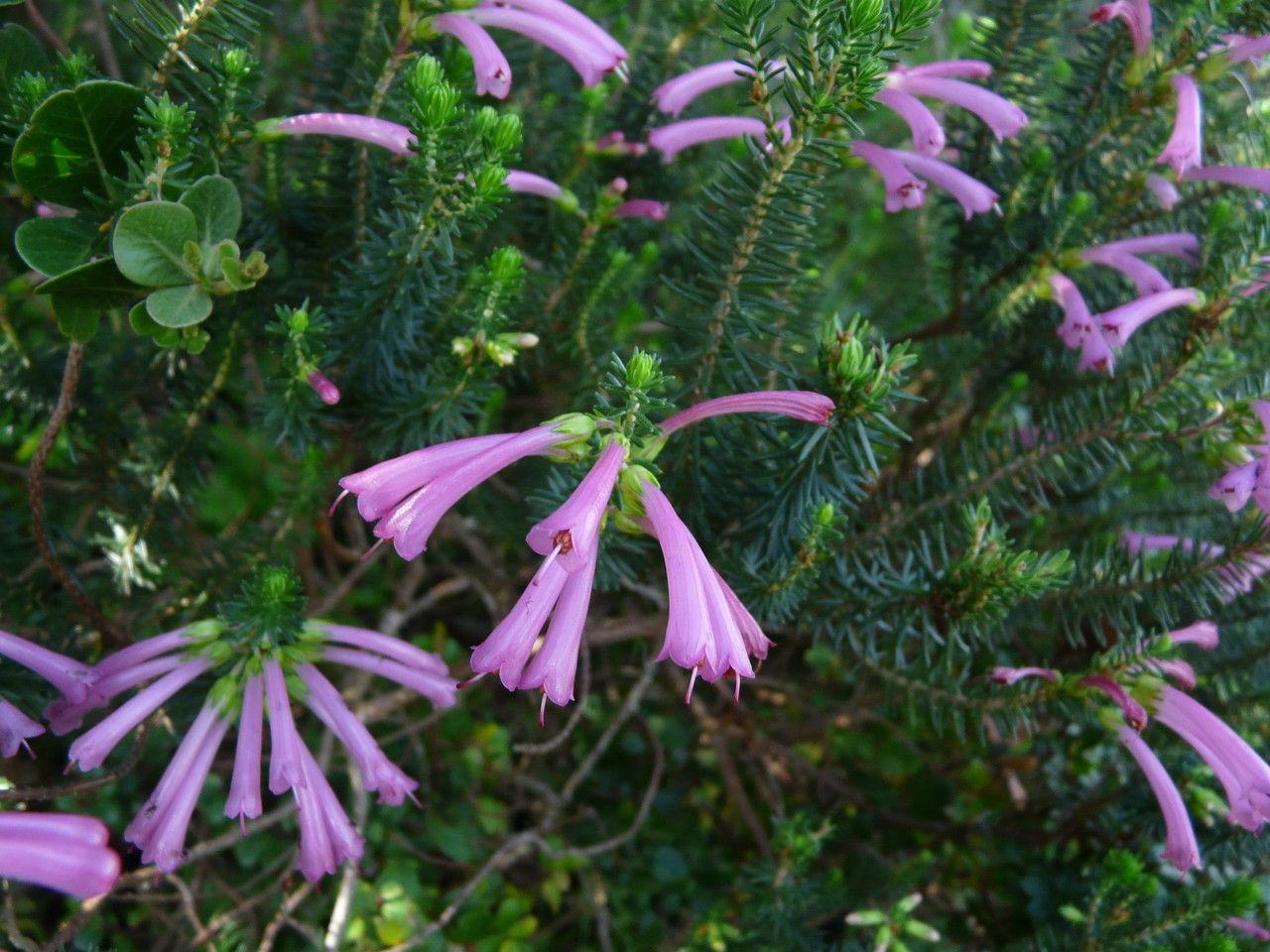
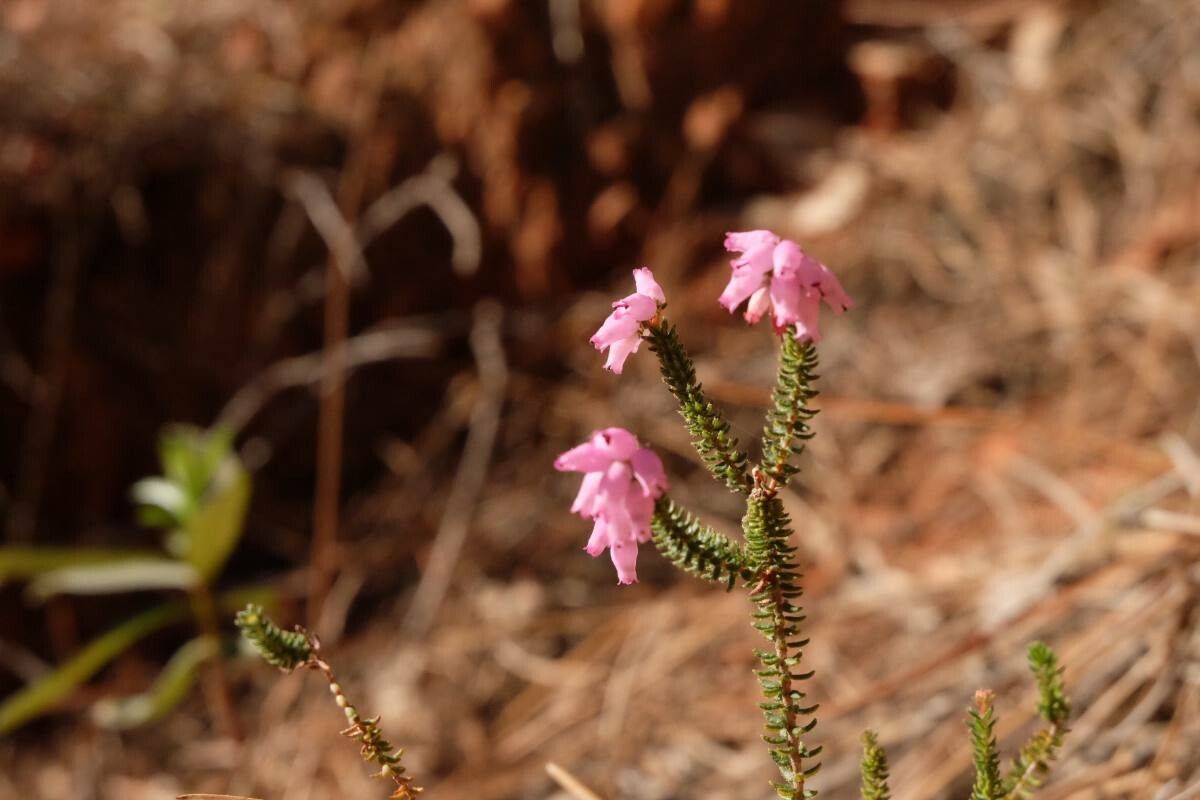
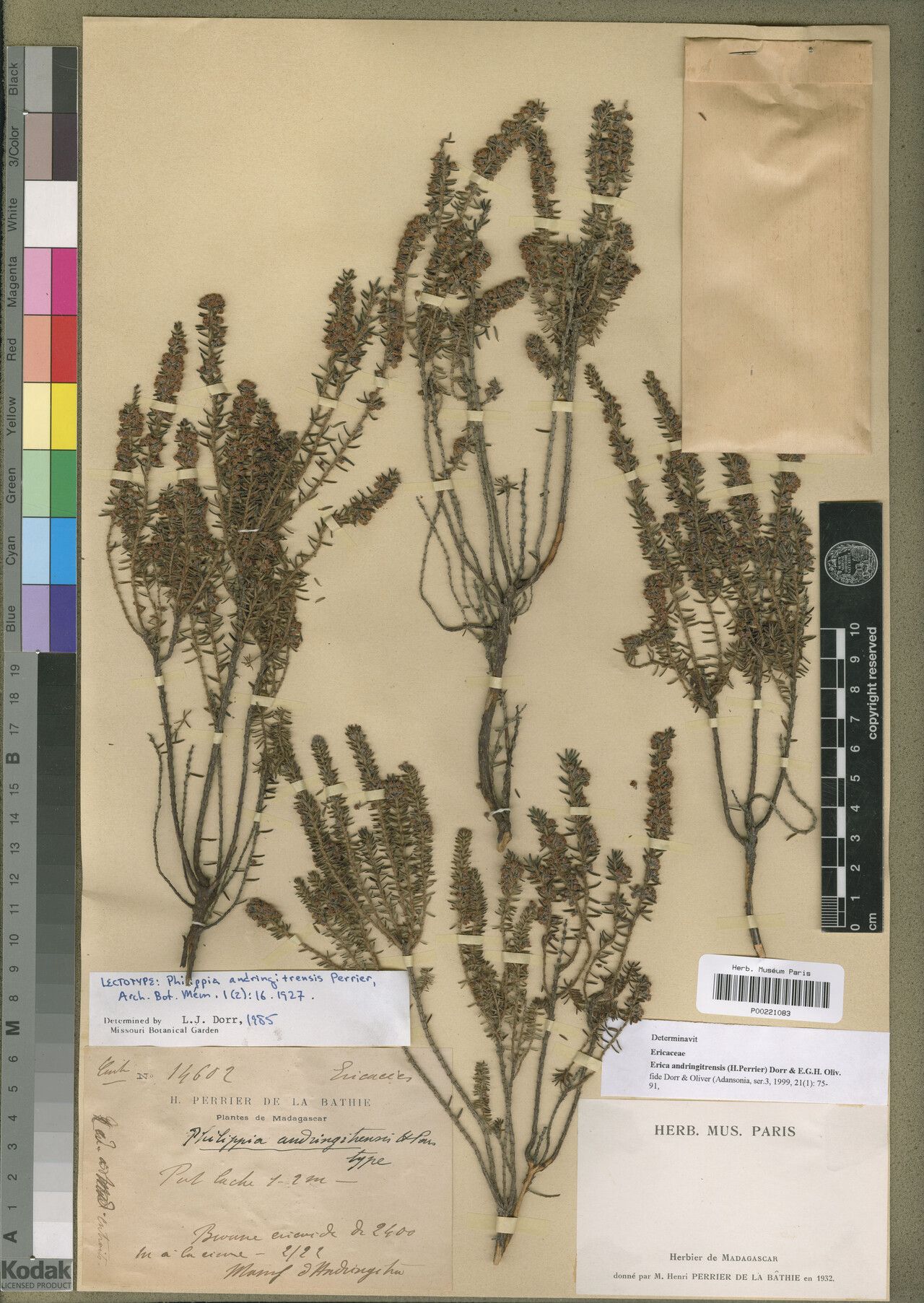
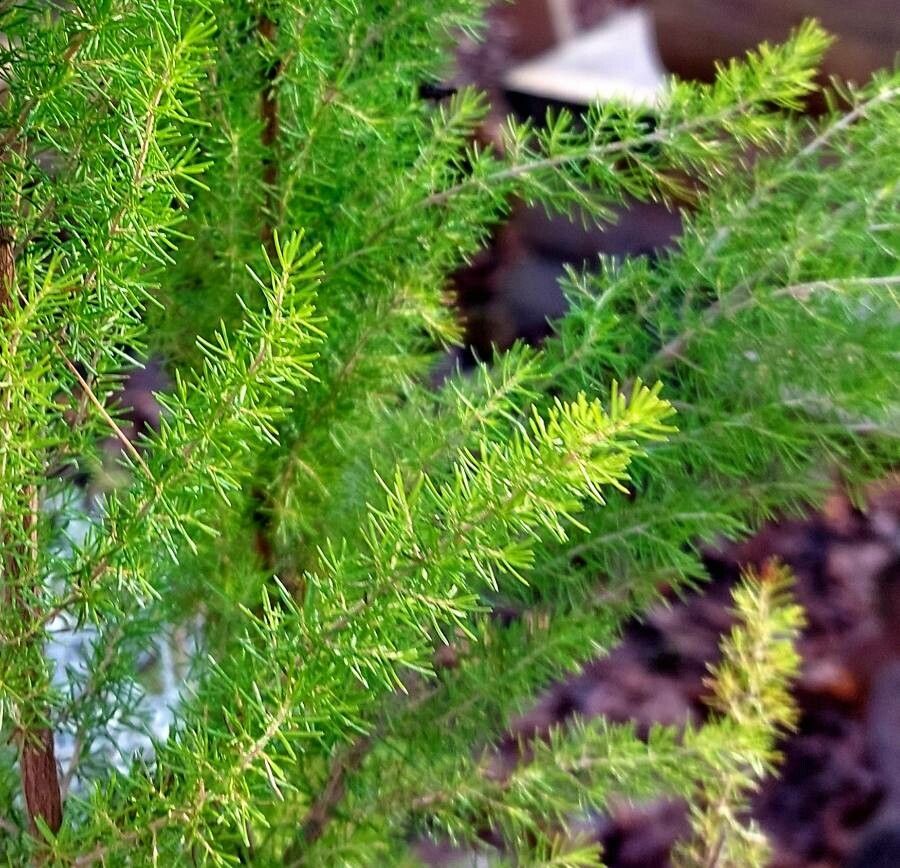
This small, hardy shrub features abundant clusters of deep violet, bell-like flowers. When planted alongside other heathers, it can create a multi-hued groundcover reminiscent of a Persian carpet, offering year-round flowers and foliage.
Bell heather is disease-resistant and is usually not susceptible to diseases. Regarding care, the plant is fairly low-maintenance. When grown outdoors it needs little watering, and larger specimens typically do not require pruning; however, smaller ones should be trimmed after they finish blooming. Bell heather is appropriate for anyone with an outdoor area, such as a garden or deck, and does not demand extensive gardening experience.
How to keep Erica Cinerea.
Light
Bell heather prospers with constant sunlight, which encourages vigorous growth. In its native environment it typically receives abundant sun, necessary for its development. Insufficient light can lead to weak growth and poor health, while too much sun generally does not harm the plant.
Water
Bell heather thrives in its native habitat with sporadic rainfall by adapting to infrequent watering. It is drought-tolerant and needs a balanced amount of moisture, requiring watering every 1 to 2 weeks. It flourishes in well-draining soil, which helps to prevent waterlogging during its active growing season.
Temperature
Bell heather comes from temperate regions and prefers cooler conditions, ideally between 41 and 77 °F (5 to 25 ℃). If planted outside those zones, extra care should be taken to modify the conditions, especially during extreme seasons.
Fertilizer
The timing of fertilizing Bell heather is important. Apply fertilizer in early spring and then monthly through early summer. Fertilizer promotes attractive blooms and supplies energy both during dormancy and periods of active growth.
Pruning
Bell heather, known for its vibrant purple flowers, benefits from annual pruning in early spring. To promote healthy growth and prevent pests, trim one-third of the woody stems. After the blooming period, light pruning encourages better flowering for the next season. Consistent pruning also improves air circulation and light penetration, both of which are essential for the plant’s vigor and visual appeal.
Pot & Repot
Bell heather is a low-growing shrub that benefits from being repotted every 2-3 years, ideally in the spring. When repotting, choose a slightly larger pot to accommodate root growth. After repotting, make sure to keep the soil moist and place the plant in an area with bright, indirect light. Using a breathable pot can also support healthy regrowth.
Toxicity
No part of the Erica cinerea is toxic or harmful if ingested or touched.
Further reading →
The toxicity and danger assessments provided are for reference only. We do not assure their accuracy, so it's crucial not to depend on them. Seek professional advice when necessary for accurate guidance.
Botanical profile.
- Plant Type
- Shrub
- Life Cycle
- Perennial
- Genus
- Erica
- Family
- Ericaceae
- Hardiness Zone
- 5
- Mature Height
- 61 cm
- Mature Spread
- 76 cm
- Leaf Color
- Green, Yellow, Bronze
- Leaf Type
- Evergreen
- Flower Color
- Purple, Pink
- Flower Size
- 7.62 cm
- Bloom Time
- Mid summer
- Planting Time
- Spring, Autumn
- Harvest Time
- Mid summer, Late summer
- Native Area
- Norway, Germany, Italy, Spain, Netherlands, France, Ireland, United Kingdom, Algeria, Belgium, Portugal
Other names.
Reader questions.
How should I water my Bell heather plant?
Your Bell heather is not fussy about how you water it. You can use any common watering tool like cans, hoses, or even cups. It is important to water the plant directly onto the soil, ensuring all areas are evenly moistened for the root system. Filtered water is recommended to avoid harmful particles, and using water at room temperature or slightly above is best to avoid shocking the plant. However, the Bell heather generally responds well to any type of water given.
Why should I put fertilizer on my Bell heather plant?
Fertilizing your Bell heather is important for multiple reasons. Firstly, it helps the plant produce beautiful blooms. Fertilizing in early spring is especially effective for ensuring excellent flowers during that season. Additionally, fertilizer provides the Bell heather with energy that it can store in the ground during its dormant growth phases. By giving your Bell heather extra nutrients during fall planting or late spring, you will help it accumulate more energy to use when active growth resumes.
What are the light requirements for Bell Heather?
Bell heather requires full sun exposure to thrive, ideally receiving more than 6 hours of sunlight daily. However, it can also grow in partial sun, which means about 3-6 hours of sunlight each day. It's important to monitor the movement of sunlight through your garden to identify the best spots that offer a balance of light and shade, ensuring the plants' optimal growth and health.
What are the ideal temperature conditions for growing bell heather?
Bell heather thrives in temperate zones, preferring cooler temperatures that range between 41 to 77 °F (5 to 25 °C). When grown outside these temperature ranges, particular attention should be paid to modifying the environmental conditions, especially during extreme seasonal changes. Despite its high tolerance to cold, where it does not require additional frost protection, it is suggested to water bell heather generously before the first freeze of autumn. This ensures the soil is moist when it freezes, helping to prevent drought and water scarcity during the winter and early spring months.
What do I need to do if I give my Bell heather too much or too little water?
Outdoor plants, specifically newly planted ones or plant seedlings, are prone to lack of watering. It is important to remember to keep them adequately watered for the first few months, especially when the plant is small or recently planted. Once the roots are established, Bell heather can rely on rain most of the time. However, when Bell heather is planted in pots, overwatering is more likely to occur. If you accidentally overwater your Bell heather, take immediate action to address the issue. First, stop watering the plant to minimize the impact of overwatering. Then, inspect the roots by removing the plant from its pot. If there are no signs of root rot, you can return the plant to its container. In case of root rot, trim affected roots and consider applying a fungicide. Lastly, repot the Bell heather in well-draining soil. On the other hand, if your Bell heather is underwatered, simply water it more frequently. Underwatering is easily rectified as the plant's leaves will droop and dry out, but they will quickly regain fullness after sufficient watering. So, make sure to adjust your watering frequency promptly when underwatering occurs.
When should I fertilize my Bell heather for the best results?
To effectively fertilize Bell heather, timing is crucial. Applying fertilizer too early while the plant is still dormant will be ineffective, as it will be washed away by rainwater, causing waste and pollution. The first application of fertilizer should be done during early spring, and subsequent fertilizations should be carried out once a month until early summer.
Why is sunlight important for Bell Heather, and what are the effects of inadequate or excessive sun exposure?
Sunlight is crucial for the robust growth of Bell Heather, replicating its natural habitat conditions where it receives a significant amount of sunlight. Insufficient sun exposure can lead to poor growth and health, highlighting the necessity for continuous exposure to sun rays. While Bell Heather generally tolerates overexposure to sunlight well, it's still essential to ensure it gets enough light without the risk of harm.
How does bell heather cope with low temperatures, and what measures should be taken if temperatures drop too low?
Bell heather is extremely cold-tolerant, capable of withstanding temperatures down to -25°C. Below this threshold, the plant may survive the winter without noticeable harm, but its branches can become brittle and dry by spring, potentially failing to produce new shoots. To counteract any damage caused by such low temperatures, it's advised to prune any dead branches in the spring that haven't produced new leaves, helping the plant to recover and grow effectively.
How often should I give water to my Bell heather plant?
Most outdoor plants can grow naturally with rainfall. However, if your area lacks rainfall, here's what you should do
When is it not a good idea to fertilize my Bell heather?
To ensure optimal growth of Bell heather, it's important to carefully manage its fertilizer intake. Avoid using fertilizers with excessive nitrogen content, as this can result in abundant leaf growth but fewer blooms. Instead, opt for fertilizers that have a lower nitrogen level compared to other nutrients. Additionally, refrain from fertilizing Bell heather after early autumn, as this can lead to excessive growth just before winter sets in. Furthermore, it's advisable not to fertilize the plant during hot and dry periods, as dry soil is not as effective in delivering the fertilizer's benefits as moist soil. Fertilizing during such times can also stimulate growth, increasing the plant's water requirements, which might not be readily available. It is therefore best to apply fertilizer earlier in the season when temperatures are cooler. Lastly, be mindful that Bell heather can absorb fertilizer intended for neighboring plants or lawns, so be cautious to avoid unintentionally over-fertilizing any nearby trees or shrubs.
Can artificial lighting be used for Bell Heather, and if so, how?
Yes, artificial lighting can be an effective solution for Bell Heather when natural sunlight is insufficient, such as during winter or in less sunlit indoor spaces. Optimal growth can be achieved by choosing the right type of artificial light, like LED lights, which can be tailored to provide specific light wavelengths needed by the plant. For full sun plants, 30-50W/sq ft of artificial light is recommended, with partial sun plants requiring 20-30W/sq ft, and full shade plants needing 10-20W/sq ft. It's also important to place the light source 12-36 inches above the plant and to mimic natural daylight hours, generally providing 8-12 hours of light per day.
What should be done if bell heather experiences high temperatures?
Bell heather has a limited tolerance for high temperatures, suffering significant leaf drop or even death if temperatures rise above 25°C. In response to high temperatures, affected sunburned and dried parts of the plant should be trimmed away. It's beneficial to move the plant to a shaded location or use a shade cloth to protect it from the midday and afternoon sun. Additionally, watering the plant in the morning and evening will help keep the soil moist and support the plant's health during hotter periods.