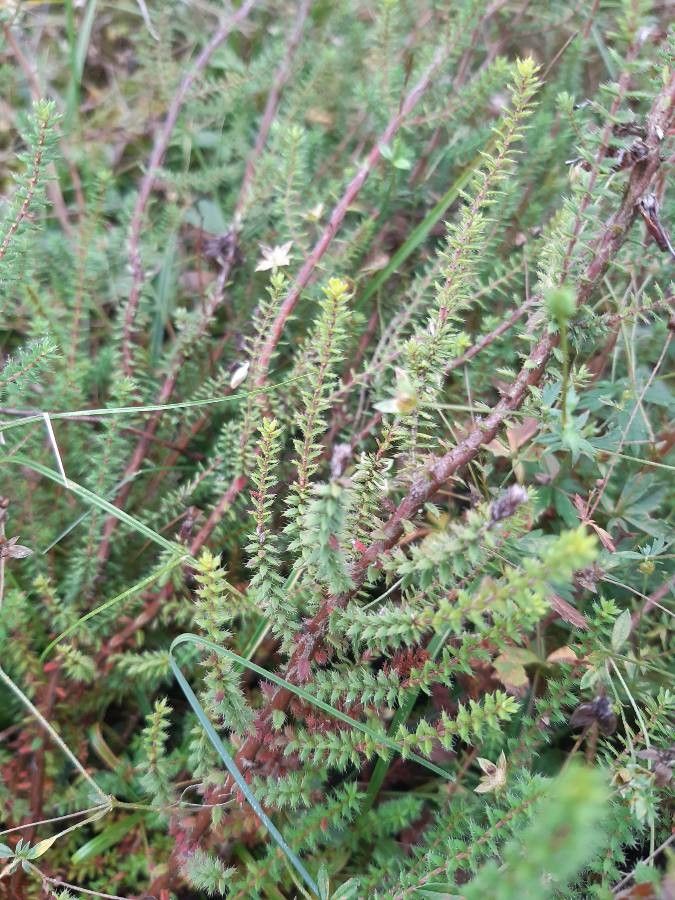
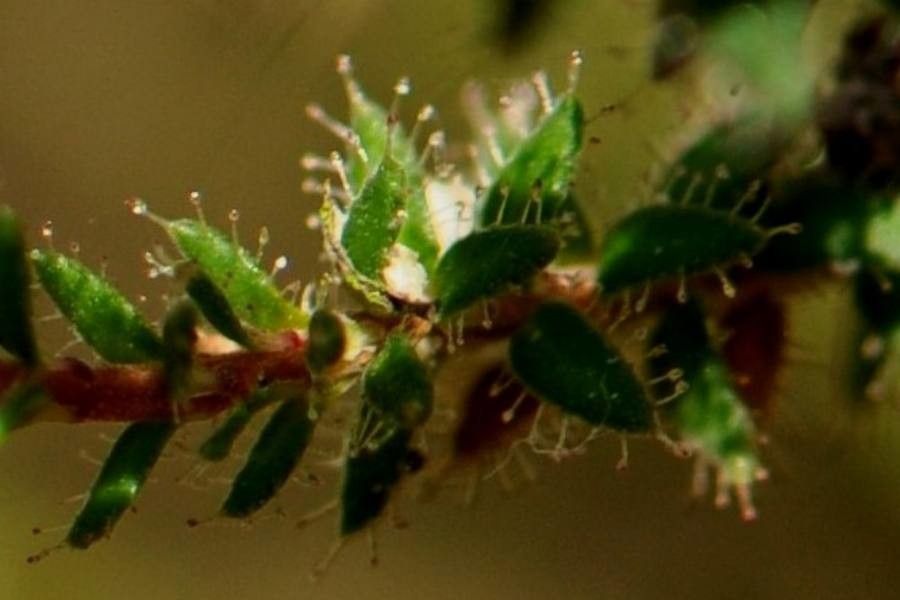
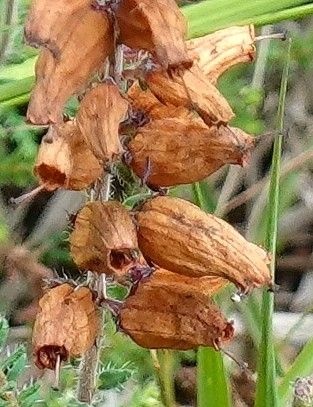
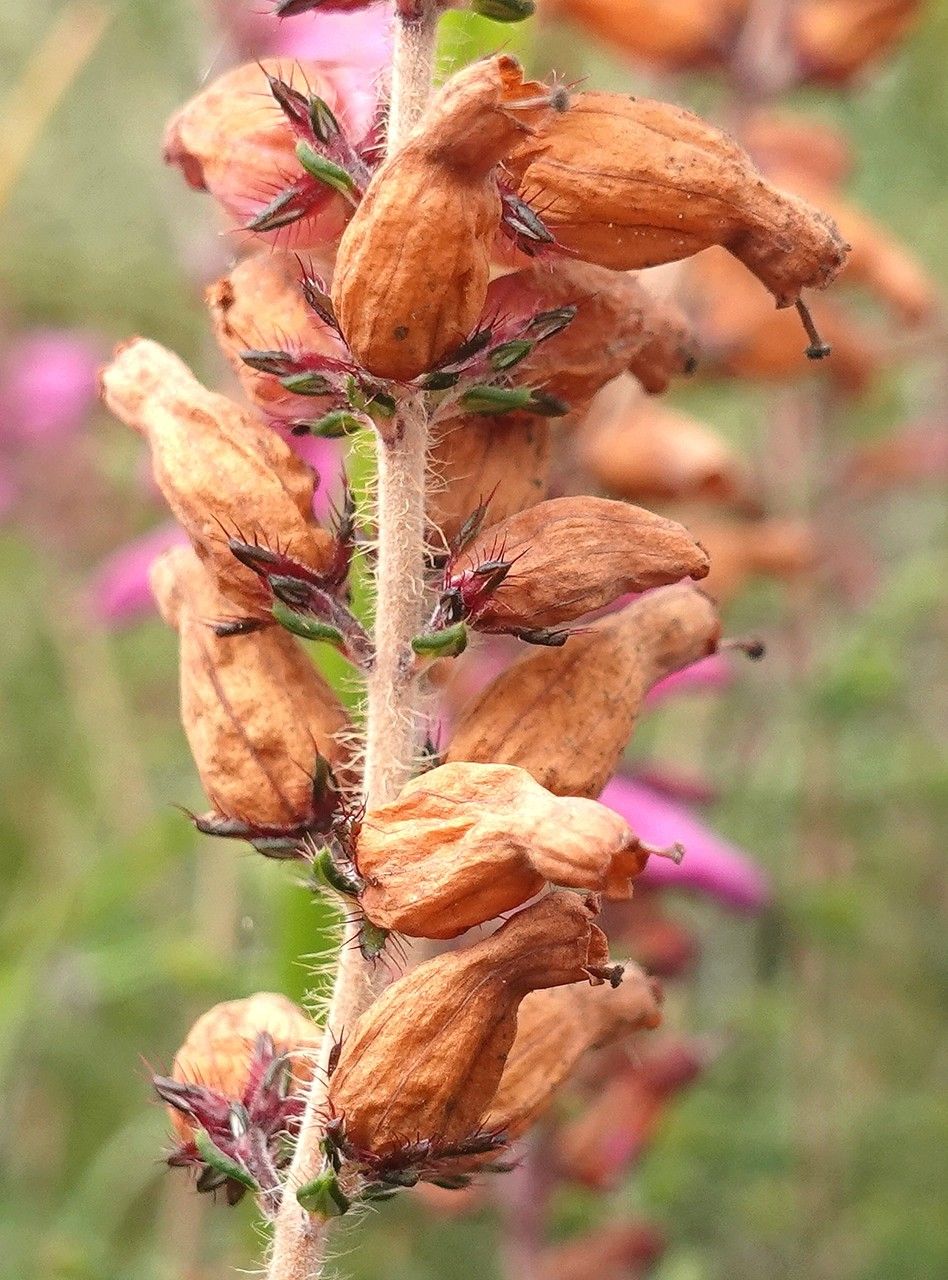
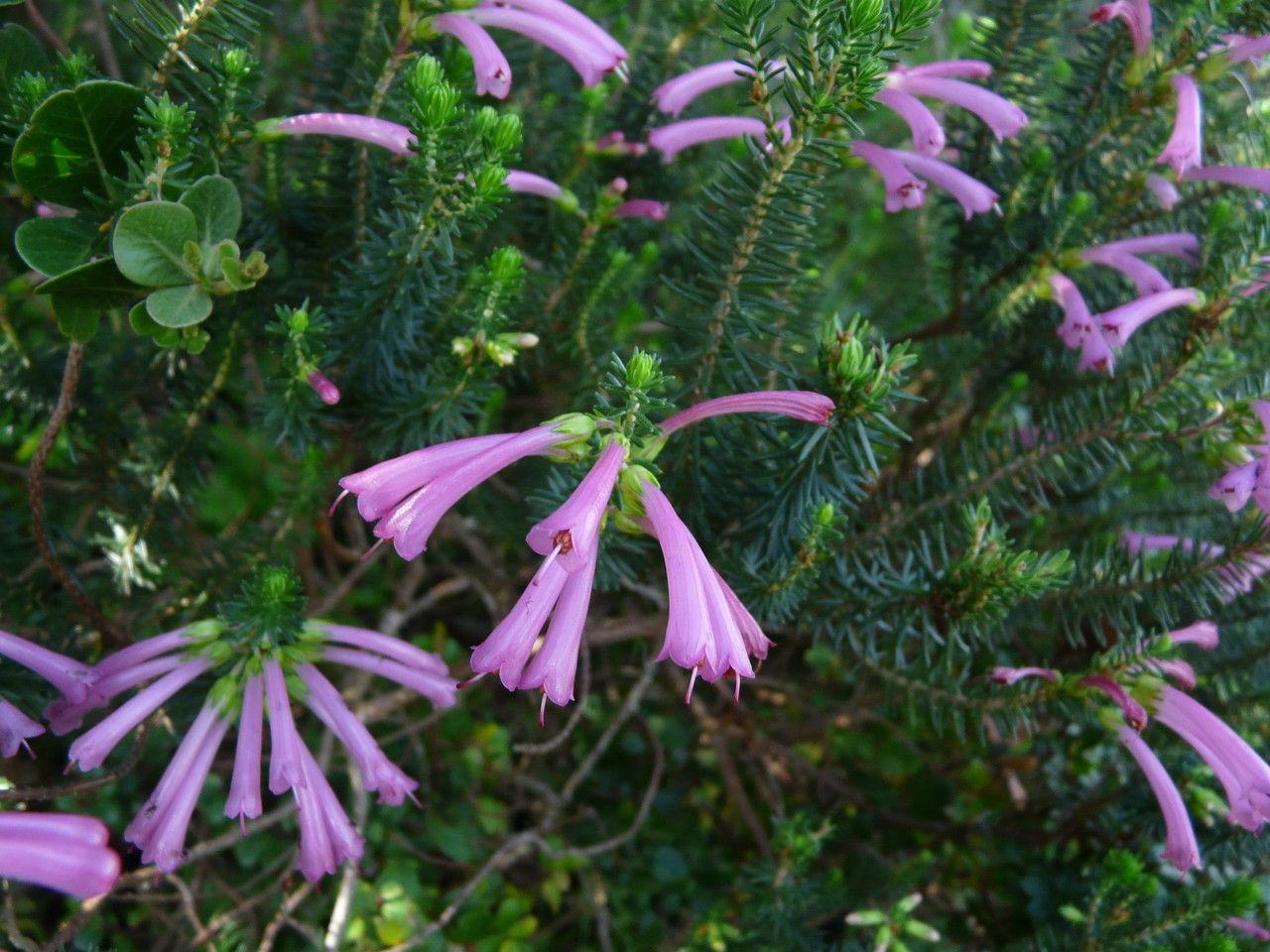
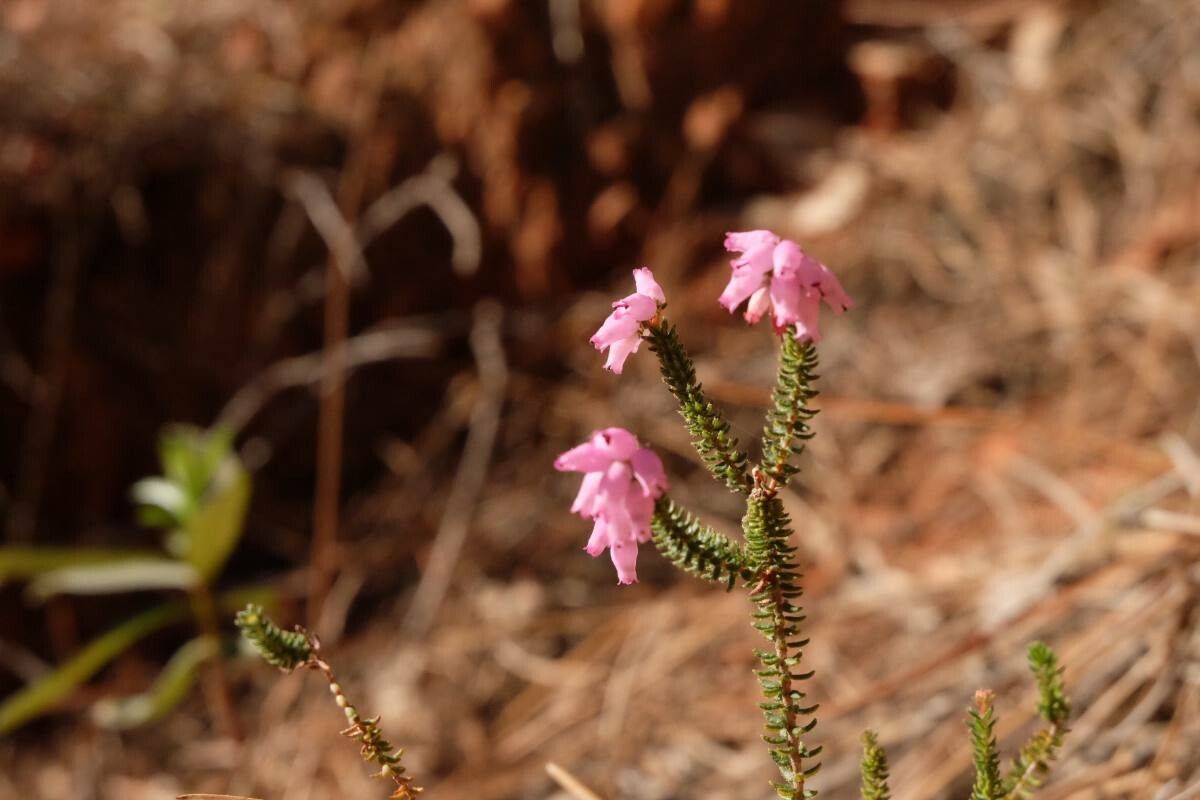
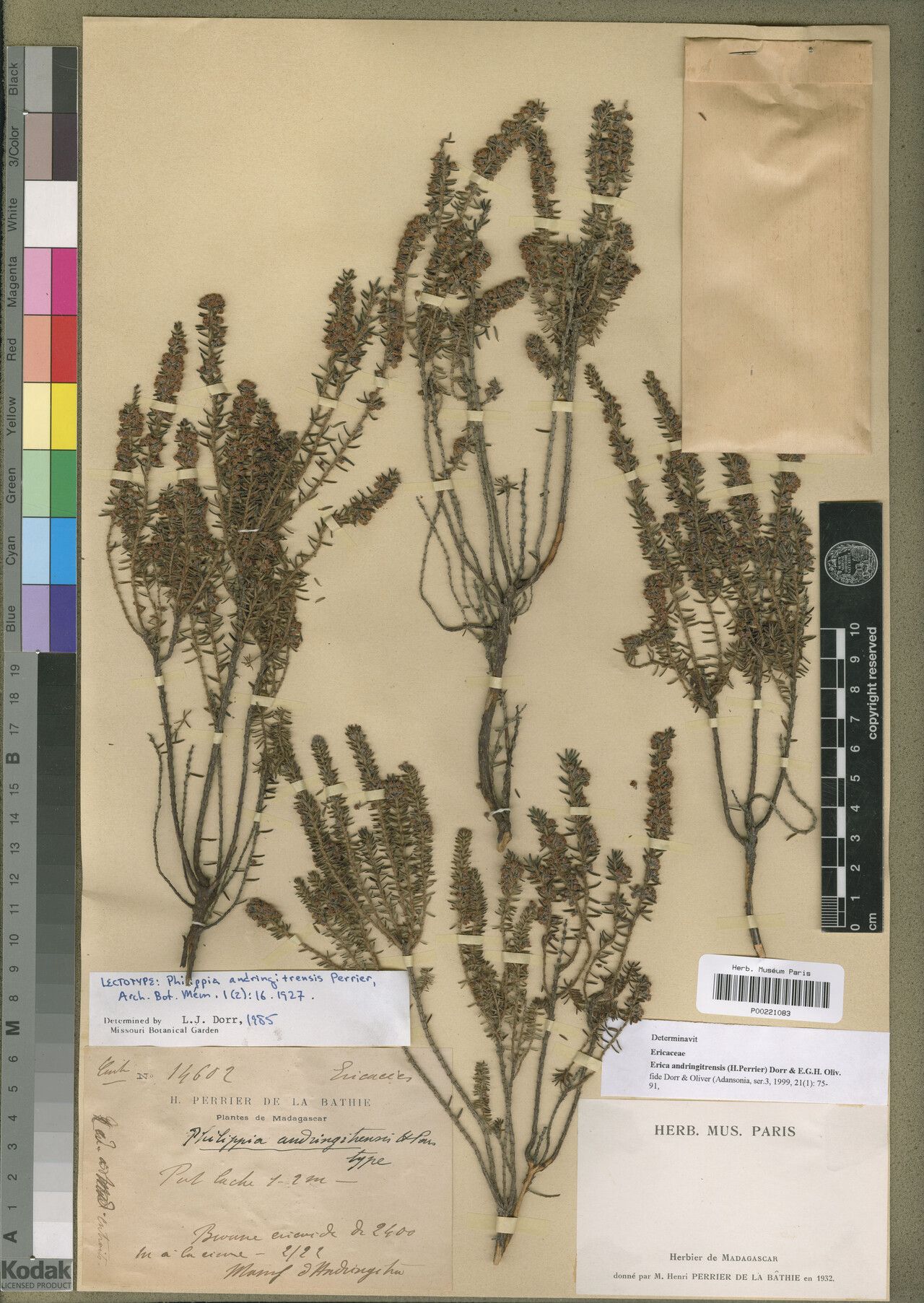
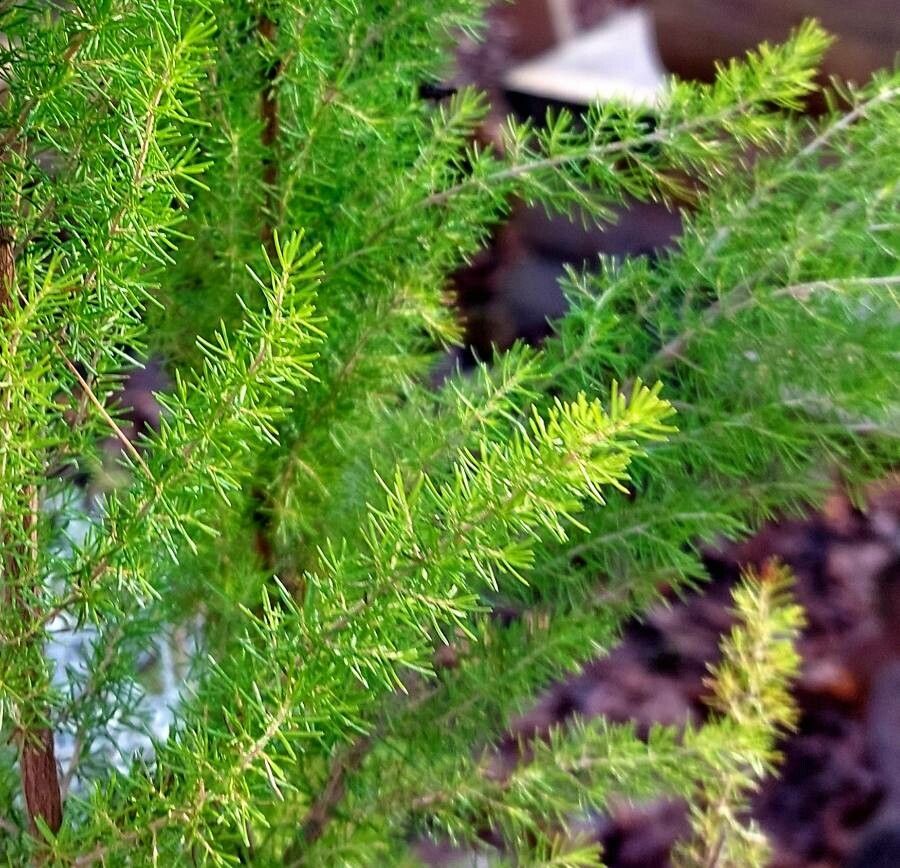
Erica ciliaris, commonly known as Dorset heath or pink winter heath, is a small evergreen shrub belonging to the Ericaceae family. Native to Western Europe, it thrives in heathlands, moors, and open woodlands. The plant typically grows up to 60 cm in height, featuring slender stems and small, needle-like leaves arranged in whorls around the stem.
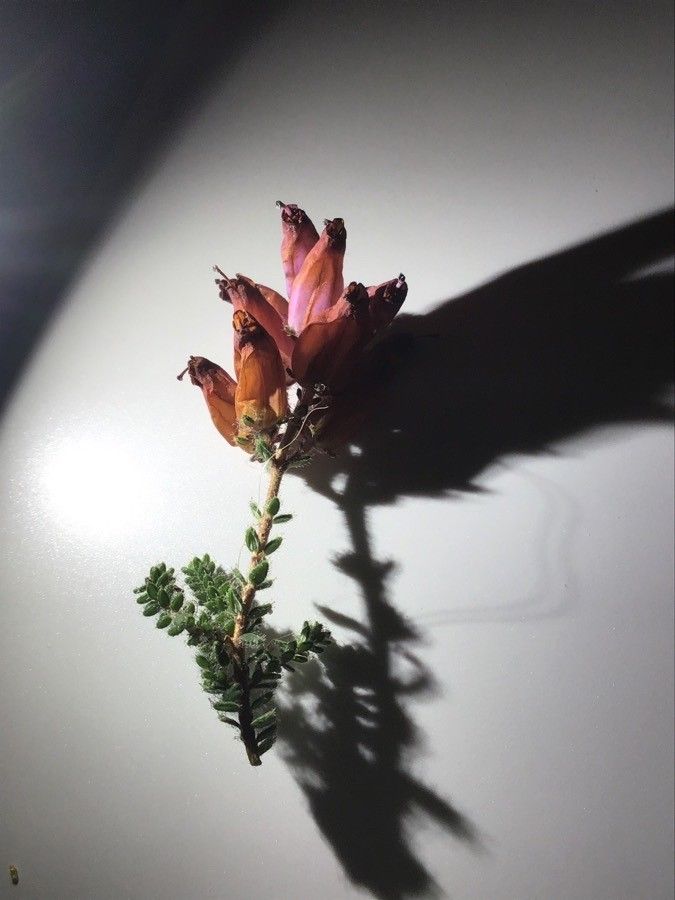
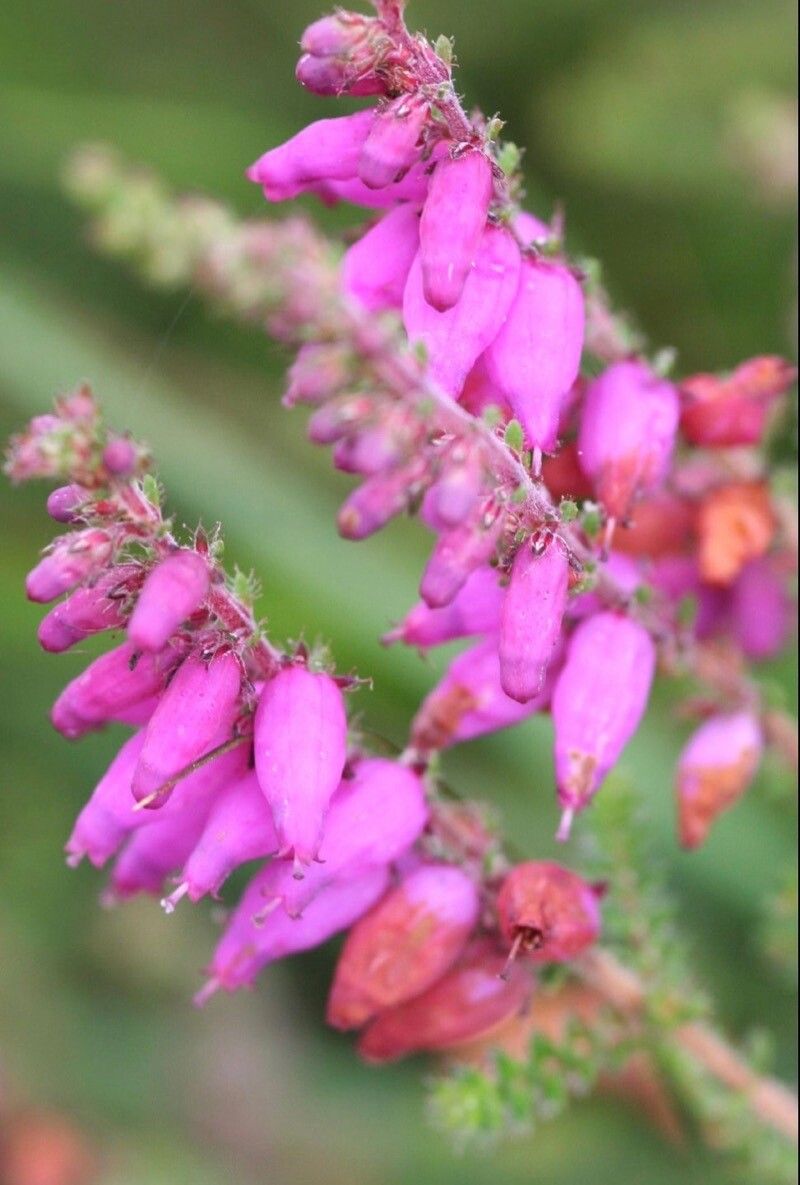
During the winter months, Erica ciliaris produces clusters of pink or purple bell-shaped flowers that bloom from December through April. These highly fragrant flowers attract bees and other pollinators, adding vibrant color and life to the landscape.
Erica ciliaris prefers well-drained, acidic soils with full sun exposure but can also tolerate partial shade. It is a hardy plant requiring minimal maintenance once established, though occasional pruning can help maintain its shape.
Historically, indigenous people have used the plant for its anti-inflammatory properties. Additionally, it has served as a natural dye source due to its vibrant pink coloration.
Overall, Erica ciliaris is an attractive ornamental shrub with year-round appeal owing to its evergreen foliage and winter blooms. It makes an excellent addition to any garden or landscape design project.
Heather is fairly disease-resistant and usually not prone to illnesses. However, if grown in poor conditions it can become more vulnerable to disease. It also has few problems with insect pests. Care requirements for this plant are moderate. It needs plenty of sunlight, since insufficient light can make it more disease-prone and cause spindly growth. As it is often kept indoors, it may need to be moved regularly to a bright spot. It does not need frequent watering. Overall, Heather is suitable for most people, though it performs best with those who can provide strong light conditions.
How to keep Erica Ciliaris.
Light
Heather requires abundant sunlight to grow vigorously. It performs best beneath an unobstructed sky, though it can tolerate some shade. This need for extensive light is tied to its native habitat of open land. Too little light can restrict growth, while excessive exposure may cause damage.
Water
Dorset heath naturally grows in moist, acidic heathlands, where it thrives in high humidity and consistent moisture. To care for this plant, water it every 1 to 2 weeks, keeping the soil slightly damp but not waterlogged. Being an evergreen, it thrives outdoors, taking advantage of natural rainfall to maintain its foliage year-round.
Temperature
Heather favors a native growing environment with cooler temperatures of 41 to 68 ℉ (5 to 20 ℃). It can tolerate temperatures from 41 to 77 ℉ (5 to 25 ℃), though it favors the cooler range. Adjust watering schedules across seasons to keep moisture levels steady, because temperature changes can alter water needs.
Fertilizer
Timing is essential for fertilizing Heather. Apply fertilizer in early spring and continue monthly until early summer. Fertilizer promotes attractive blooms and supplies energy during both dormant and active growth phases.
Pruning
Dorset heath is a low-growing shrub characterized by its delicate flowers and needle-like foliage. For optimal health and appearance, prune it lightly in early spring. This will help remove any dead branches and maintain its shape, encouraging dense growth and abundant blooms while reducing the risk of disease. To ensure healthy flowering, avoid heavy pruning.
Pot & Repot
When repotting Heather, select a pot 1-2 inches (2.5–5.1 cm) larger with ample drainage. Use a well-draining potting mix. Repot in spring or fall, making sure the root ball sits slightly lower than the rim of the flower pot. Water thoroughly after repotting and place it in a warm spot with indirect sunlight.
Botanical profile.
- Plant Type
- Shrub
- Life Cycle
- Perennial
- Genus
- Erica
- Family
- Ericaceae
- Hardiness Zone
- 4-6
- Mature Height
- 20 cm to 49 cm
- Mature Spread
- 30 cm to 61 cm
- Leaf Color
- Green, Yellow, Gray, Red, Orange
- Leaf Type
- Evergreen
- Flower Color
- Pink, Purple, White
- Flower Size
- 2.54 cm
- Bloom Time
- Mid summer
- Planting Time
- Spring, Autumn
- Harvest Time
- Early spring, Mid spring, Late summer, Fall, Winter
- Native Area
- Turkey, Austria, Sweden, Slovakia, Montenegro, Croatia, Slovenia, Morocco, Belarus, Russia, Germany, Iceland, Estonia, Romania, Latvia, Belgium, Netherlands, France, Portugal, Czech Republic, Bulgaria, Poland, Ukraine, Serbia, Lithuania, Norway, Italy, Kazakhstan, Spain, Switzerland, Denmark, Finland, Ireland, United Kingdom, Hungary
Other names.
Reader questions.
How can I water my Dorset heath plant in the best way?
Your Dorset heath is not picky when it comes to watering methods. You can use common tools like watering cans, hoses, or even cups to water it. It's important to water the plant directly on the soil, making sure all areas are evenly moistened to provide water to all parts of the roots. Using filtered water is recommended to avoid harmful particles present in tap water. Additionally, using water that is at or slightly above room temperature is beneficial as extreme temperatures can shock the Dorset heath. However, the plant generally responds well to any type of water.
Why do I have to put plant food on my Dorset heath?
Fertilizing a Dorset heath is important for a few reasons. Firstly, it helps the heath produce beautiful blooms. One of the best times to fertilize is in early spring to ensure excellent flowers in that season. Additionally, fertilizer provides the heath with energy that it can store in the ground during its dormant growth phases. By giving the heath extra nutrients during fall planting or late spring, it will have more energy to use when active growth resumes.
What are the sunlight requirements for Dorset heath?
Dorset heath requires abundant sunlight throughout the day to thrive, ideally being exposed to more than 6 hours of sunlight for full sun conditions, and about 3-6 hours for partial sun conditions. It's crucial to observe how sunlight moves through your garden to find the optimal spot for your plant, ensuring a balance of light and shade to keep your plants healthy. In its natural habitat, Dorset heath is accustomed to significant daylight exposure, and lack of sufficient sunlight can lead to stunted growth. However, it is interesting to note that Dorset heath does not suffer from overexposure to sunlight.
What should I do if I give too much or too little water to my Dorset heath?
Outdoor plants, especially newly planted ones or seedlings, are susceptible to lack of watering. When the tree is small or newly planted, it's important to consistently water it for a few months. Once the roots are established, the plant can rely on rain for most of its water needs. When your Dorset heath is in pots, be cautious of overwatering. If you accidentally overwater, you should act quickly to address the situation. Stop watering the plant immediately to minimize the impact. Take the plant out of its pot to check the roots. If there are no signs of root rot, you can return the plant to its container. However, if you see signs of root rot, trim away the affected roots and consider using a fungicide to prevent further damage. Repot the plant in well-draining soil. On the other hand, underwatering a Dorset heath is relatively easy to fix. If you notice drooping, drying out, and falling leaves, water the plant more frequently. The leaves should regain their fullness after sufficient watering. Adjust your watering frequency as soon as you notice underwatering.
When should I fertilize my Dorset heath for best results?
To effectively fertilize Dorset heath, timing is crucial. Applying fertilizer too early, when the plant is still dormant, will result in ineffective use and wastage due to rainwater washout, which can also lead to pollution. It is recommended to begin applying the first round of fertilizer in early spring, and continue with monthly applications until early summer.
How can artificial lighting supplement sunlight for Dorset heath?
When natural sunlight is not enough, especially during winter or in areas receiving little sunlight, artificial lighting can be a game-changer for indoor Dorset heath plants, promoting faster and healthier growth. LED lights are often recommended due to their ability to be customized to provide specific light wavelengths needed by plants. For optimal growth under artificial lights, full sun plants require 30-50W per square foot, partial sun plants need 20-30W per square foot, and full shade plants should have 10-20W per square foot. The light source should be placed 12-36 inches above the plant, mimicking natural sunlight conditions, and provided for 8-12 hours per day.
How often do I need to water my Dorset heath plant?
Most plants can grow naturally with rainfall, but if you have less rain in your area, make sure to water your plants every 2 weeks in spring and fall. In the summer, you will need to water them more often. In winter, you can water less since plants grow slower and need less water. If your Dorset heath is young or newly planted, water it more frequently to help it establish and grow. For potted plants, there are two ways to determine watering frequency for your Dorset heath. You can either set a predetermined schedule, like once a week or every other week. However, this may not always work because it doesn't consider the specific conditions of your plant's environment. Another option is to check the soil moisture. Wait until the top two to four inches of soil have completely dried out before watering again.
When shouldn't I put fertilizer on my Dorset heath?
To ensure optimal growth and blooming of Dorset heath, it is essential to be mindful of fertilizer use. Avoid fertilizers rich in nitrogen as they promote excessive leaf growth but limited blooming. Look for a fertilizer with lower nitrogen levels in comparison to other nutrients. Timing is crucial when it comes to fertilizing Dorset heath. Avoid fertilizing after early autumn, as this can lead to excessive growth just before winter. Additionally, it is not recommended to fertilize during hot and dry times of the year. Dry soil does not effectively deliver fertilizer, and stimulating growth during such periods may pose water availability issues. It is advisable to apply fertilizer earlier in the season when temperatures are cooler. Lastly, it is important to be cautious of inadvertently providing excess fertilizer to Dorset heath. The plant can absorb fertilizer applied to nearby plants or lawns, possibly resulting in a double dose. Therefore, it is necessary to be mindful of this possibility and avoid unintentionally over-fertilizing the tree/shrub.
What are the symptoms of insufficient or excessive sunlight exposure in Dorset heath?
Dorset heath can exhibit various symptoms due to insufficient sunlight, such as smaller new leaves, leggy or sparse growth, quicker leaf drop, halted new growth, paler new leaves, and overall weaker appearance. On the other hand, excessive sunlight can cause chlorosis (leaves turning yellow due to chlorophyll breakdown), sunscald (damage from intense exposure resulting in pale or necrotic areas), leaf curling (a defense mechanism against too much sunlight), wilting from transpiration-related water loss, and leaf scorching characterized by brown, dry, crispy leaf edges. These symptoms highlight the plant's sensitivity to its light environment and the need for balanced sun exposure.
How much water does my Dorset heath plant need?
To keep your Dorset heath plant healthy, you may be surprised to learn that it does not require a lot of water. If only a few inches of soil have dried since your last watering, give it about five to ten ounces of water each time. Another way to gauge the amount of water needed is by checking the moisture level of the soil. Keep track of how many inches of soil have dried between waterings. To ensure the plant receives enough moisture, water it until all the soil layers that dried out since the last watering are moistened. If more than half of the soil has dried out, give it more water than usual and keep watering until you see excess water draining from the pot's drainage holes. If the Dorset heath is planted in an area that receives sufficient rain, it may not need additional watering. However, when the plant is young or still establishing, make sure it receives 1-2 inches of rain per week. As the plant grows, it can rely solely on rainwater, except during hot weather with no rainfall for 2-3 weeks. In those cases, consider giving the Dorset heath a full watering to prevent stress.
What kind of fertilizer does my Dorset heath require?
A balanced mix of plant nutrients, with slightly more phosphorus, is the ideal fertilizer for a Dorset heath. Alternatively, gardeners can add organic materials like compost, worm castings, and manure to improve the soil. When flower buds start appearing, experienced gardeners may supplement with water-soluble fertilizers containing phosphorus. This promotes better flower development, leading to larger and longer-lasting blooms. Fertilizers for Dorset heath come in various forms, but liquid or powdered ones are considered the best. Regardless of the form, it's important to dilute the fertilizer and apply it while watering the plant.
What solutions can be applied to address sunlight-related issues for Dorset heath?
To optimize Dorset heath's growth, gradual adjustment to sunlight is key. For indoor plants, it's beneficial to move them closer to south-facing windows or use artificial lighting, such as lamps or professional grow lights, ensuring at least 6 hours of direct sunlight daily or 8 hours of artificial light. Outdoors, plants should be moved to sunnier spots gradually to prevent sunburn. Minimizing obstructions by pruning trees or transplanting can also enhance sunlight access. It's essential to understand that parts of the plant damaged by insufficient light may not fully recover, but new growth will be healthy with improved light conditions.