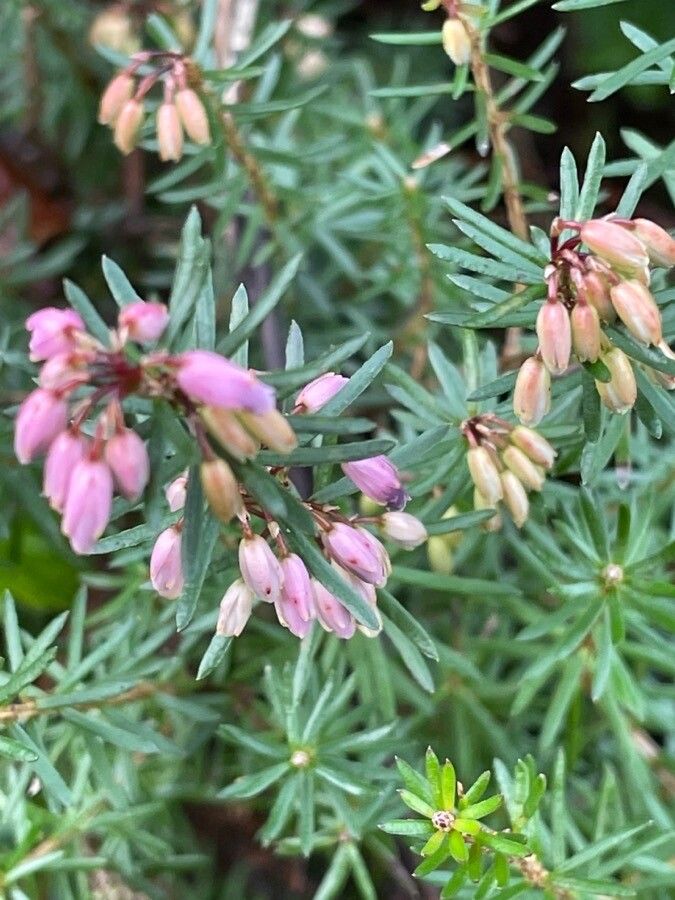
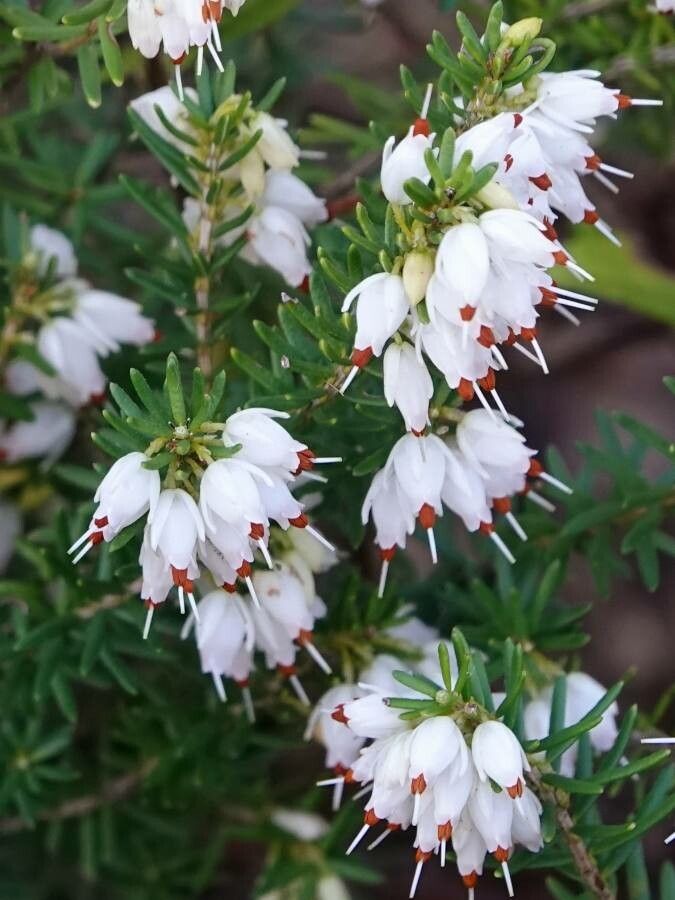
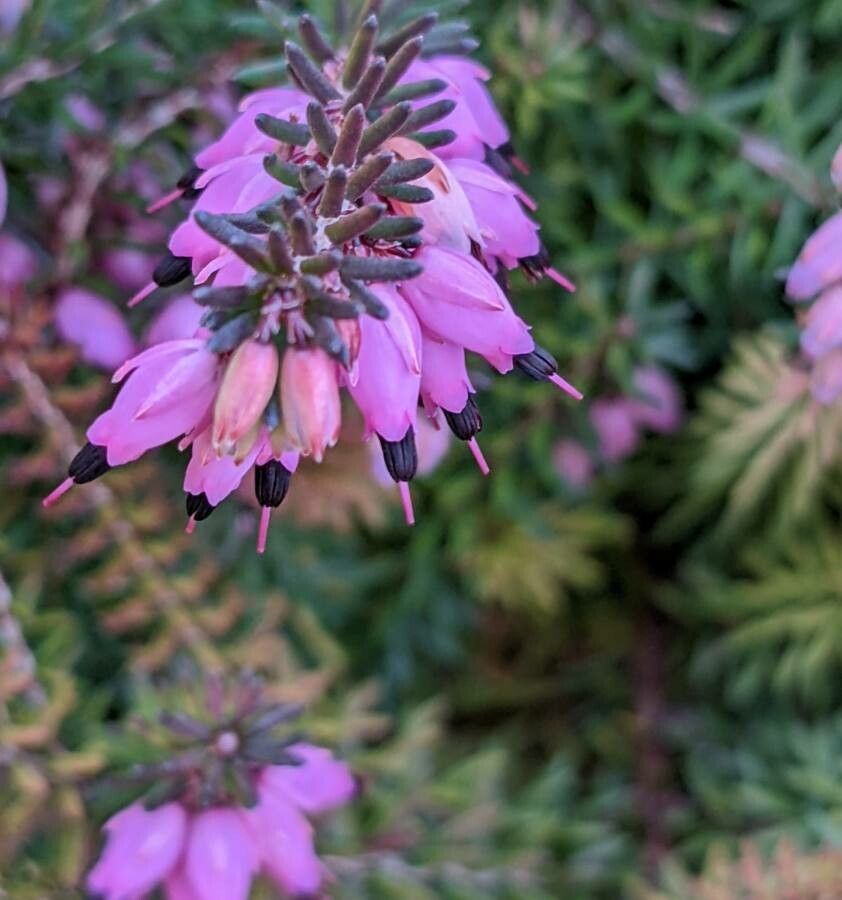
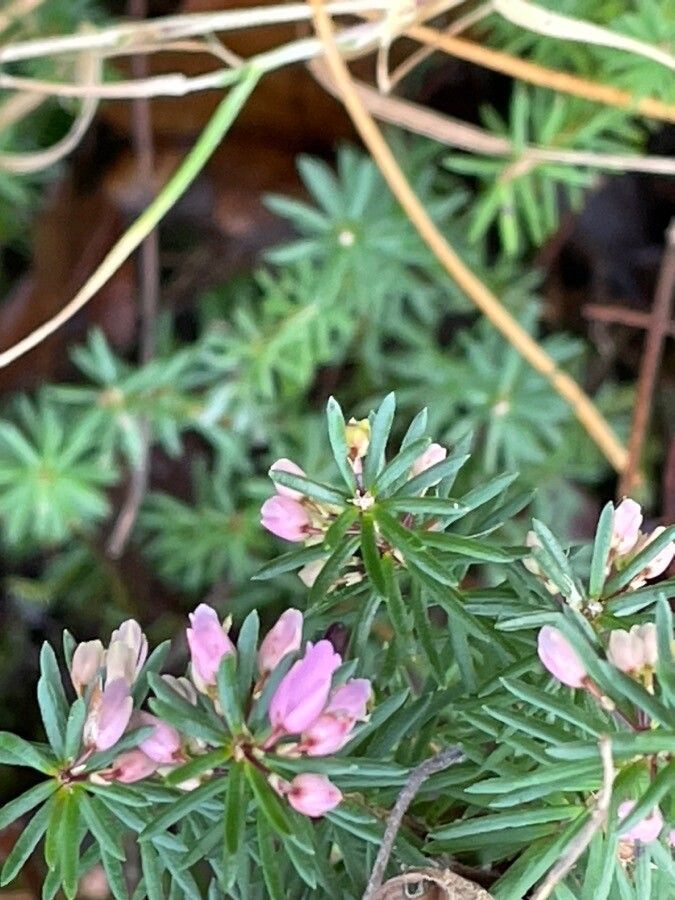
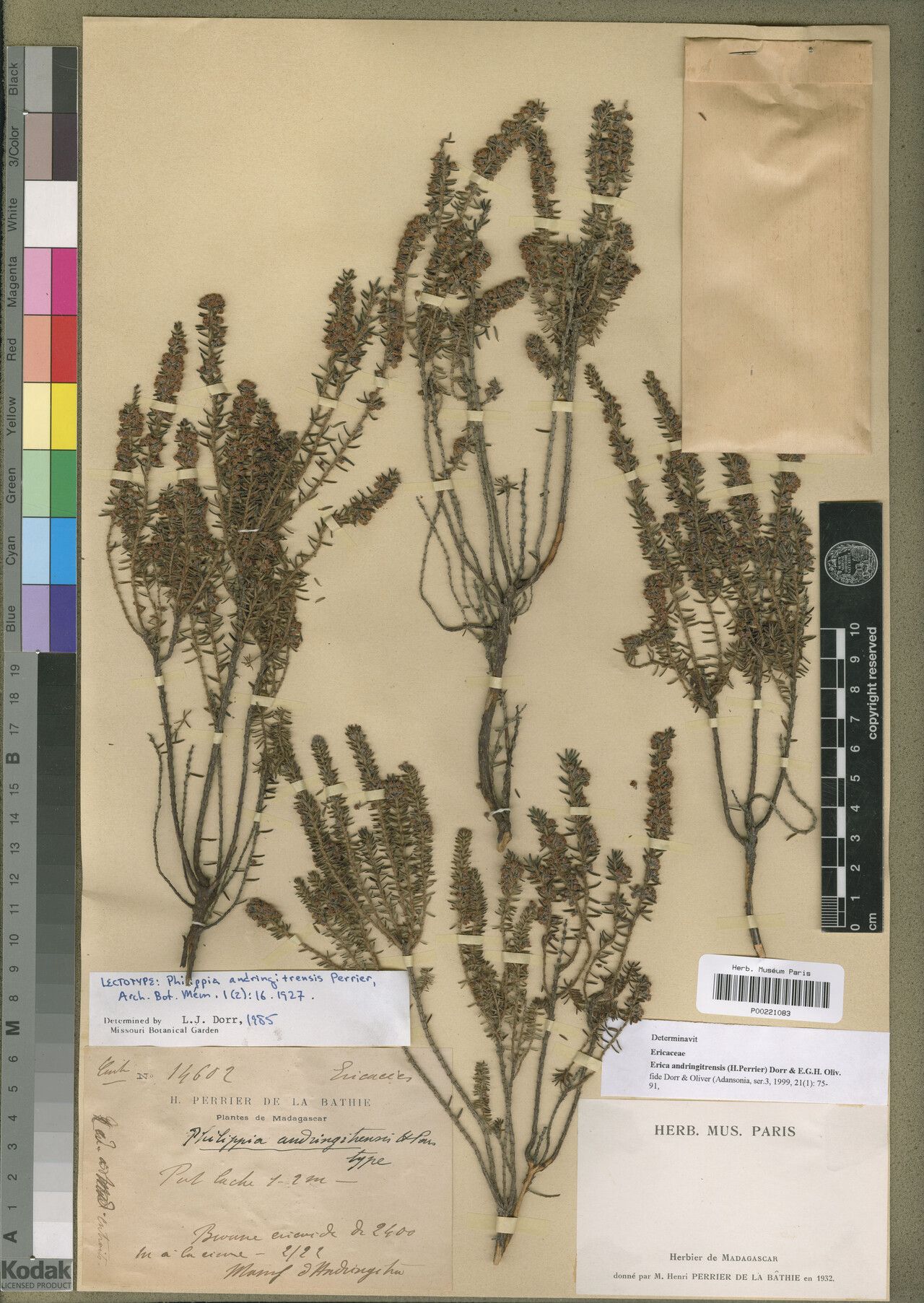
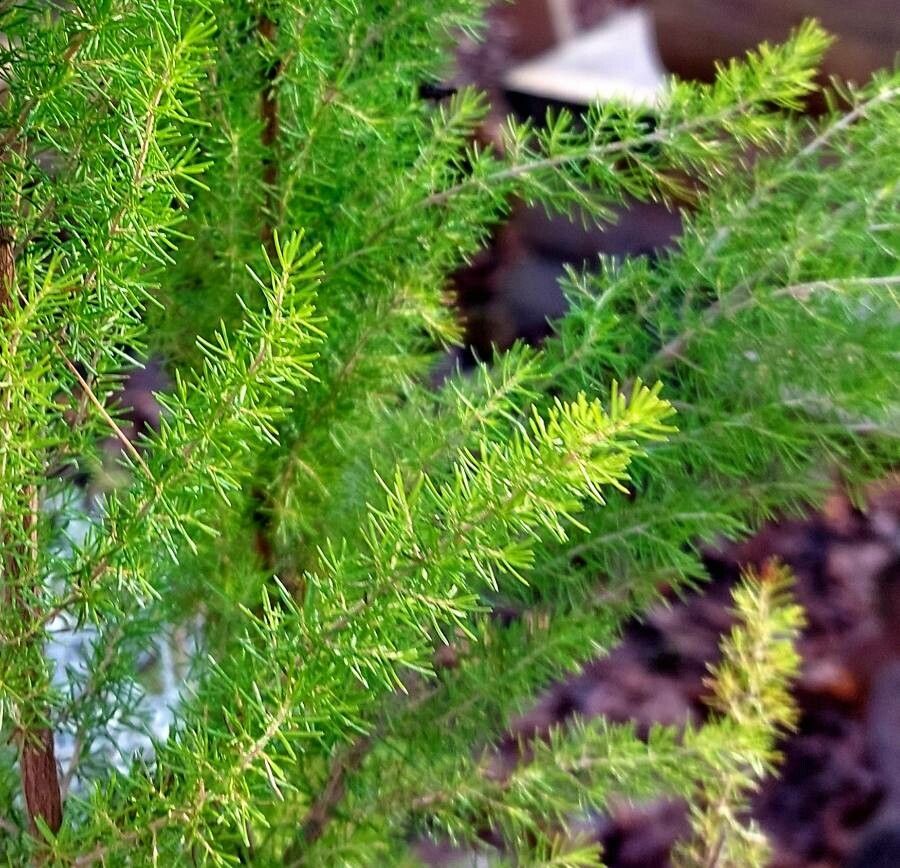
Erica carnea, the winter heath, winter-flowering heather, spring heath or alpine heath, is a species of flowering plant in the family Ericaceae, native to mountainous areas of central, eastern and southern Europe, where it grows in coniferous woodlands or stony slopes.
Winter heath has strong disease resistance and is generally not susceptible to disease. Regarding care, this plant is fairly low-maintenance. When grown outdoors it needs little watering, and larger specimens typically do not require pruning. Smaller plants, however, should be pruned after they have finished blooming. Winter heath is suitable for anyone with outdoor space, such as a garden or deck, and does not require much care experience.
How to keep Erica Carnea.
Light
Winter heath thrives best with plenty of sunlight, though it can tolerate moderate light levels. Sunlight fuels its growth and overall vigor, encouraging abundant flowering. In its natural habitat it grows in well-lit spots. However, both too little light and excessive exposure to sun can negatively affect its growth.
Water
Winter heath originates from alpine regions and thrives in well-drained soils with moderate moisture. It prefers to be watered consistently every 1-2 weeks, although it can tolerate short periods of drought. Typically grown outdoors, winter heath flourishes when the soil moisture mirrors the natural wet-dry cycles of its active growing season.
Temperature
Winter heath comes from areas with cool to moderate temperatures and does best between 41 and 90°F (5 to 32℃). Seasonal changes may require adjusting temperatures to maintain the plant's optimal growing conditions.
Fertilizer
Timing is vital for fertilizing Winter heath. Apply fertilizer in early spring and continue monthly until early summer. Fertilizer promotes attractive blooms and supplies energy during both dormant and active growth periods.
Pruning
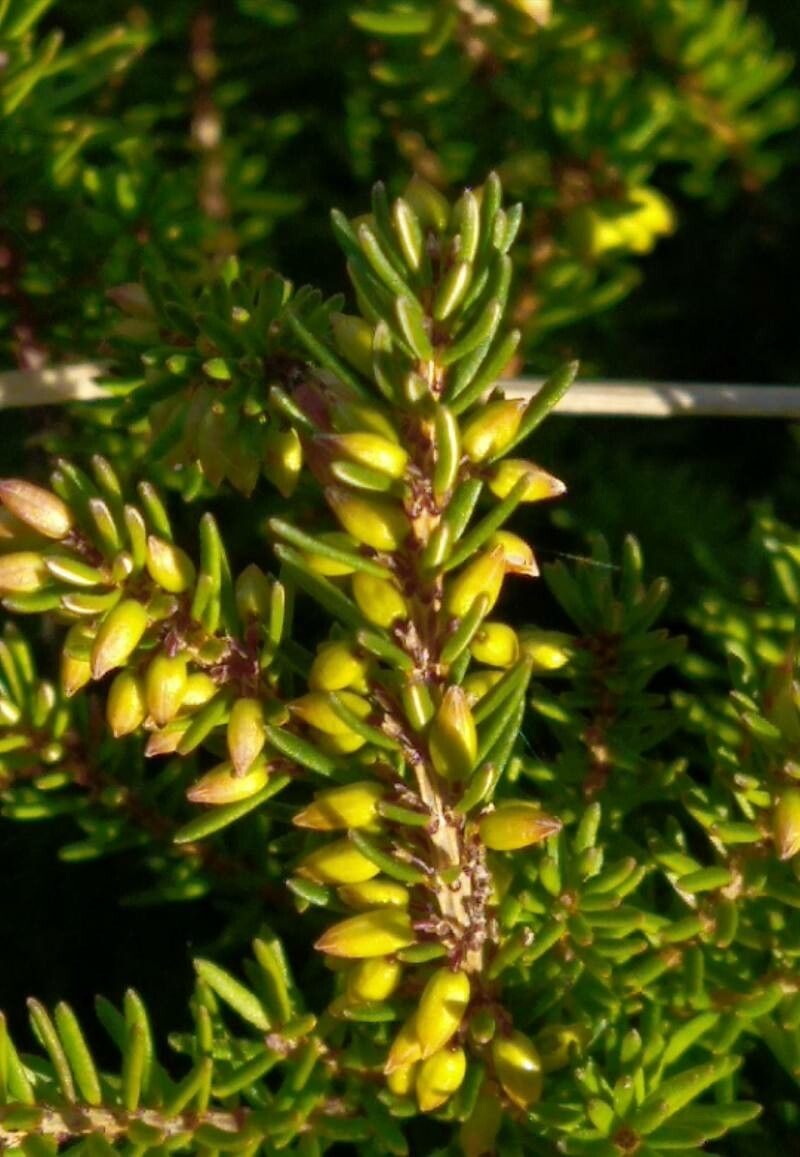
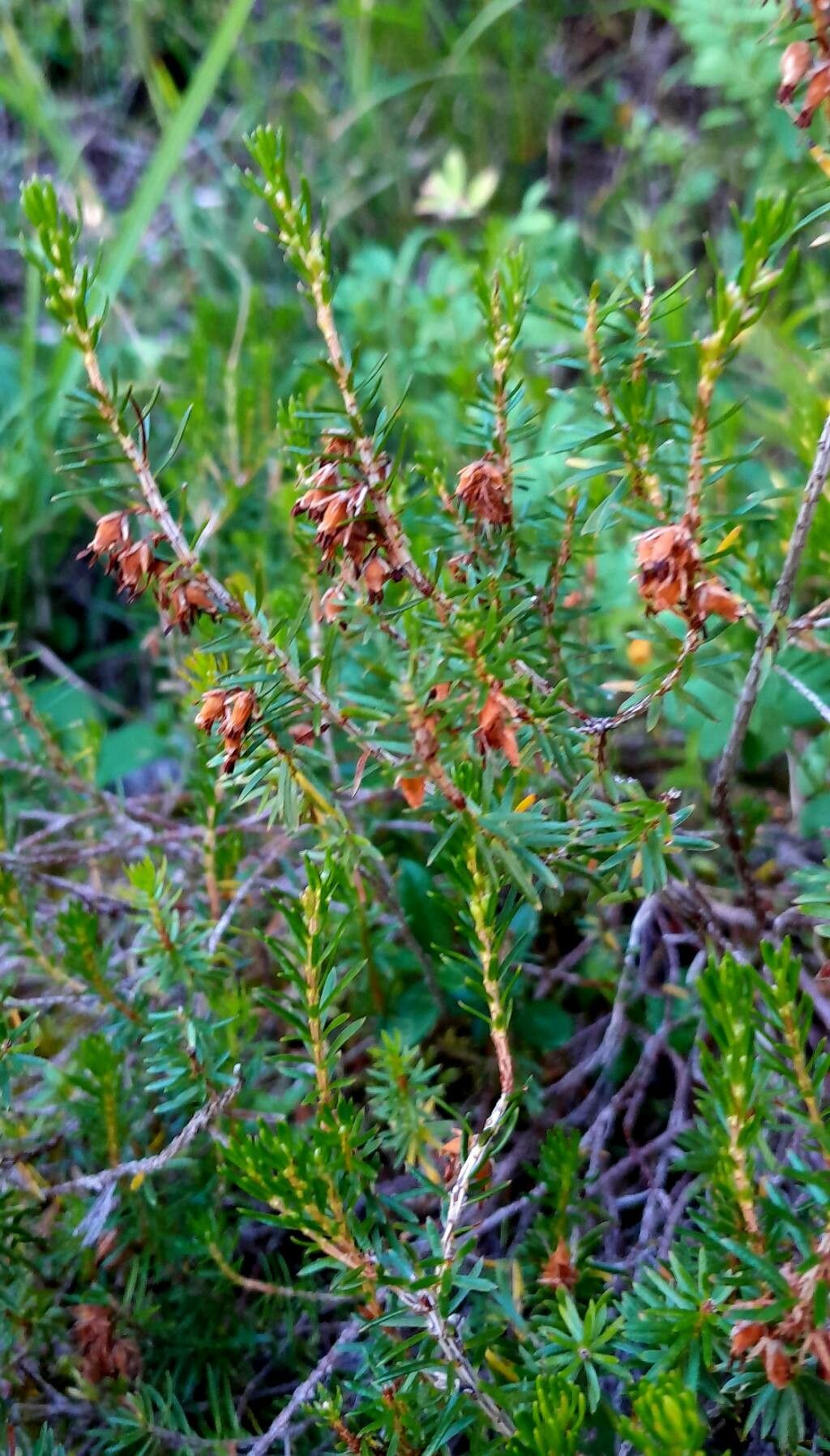
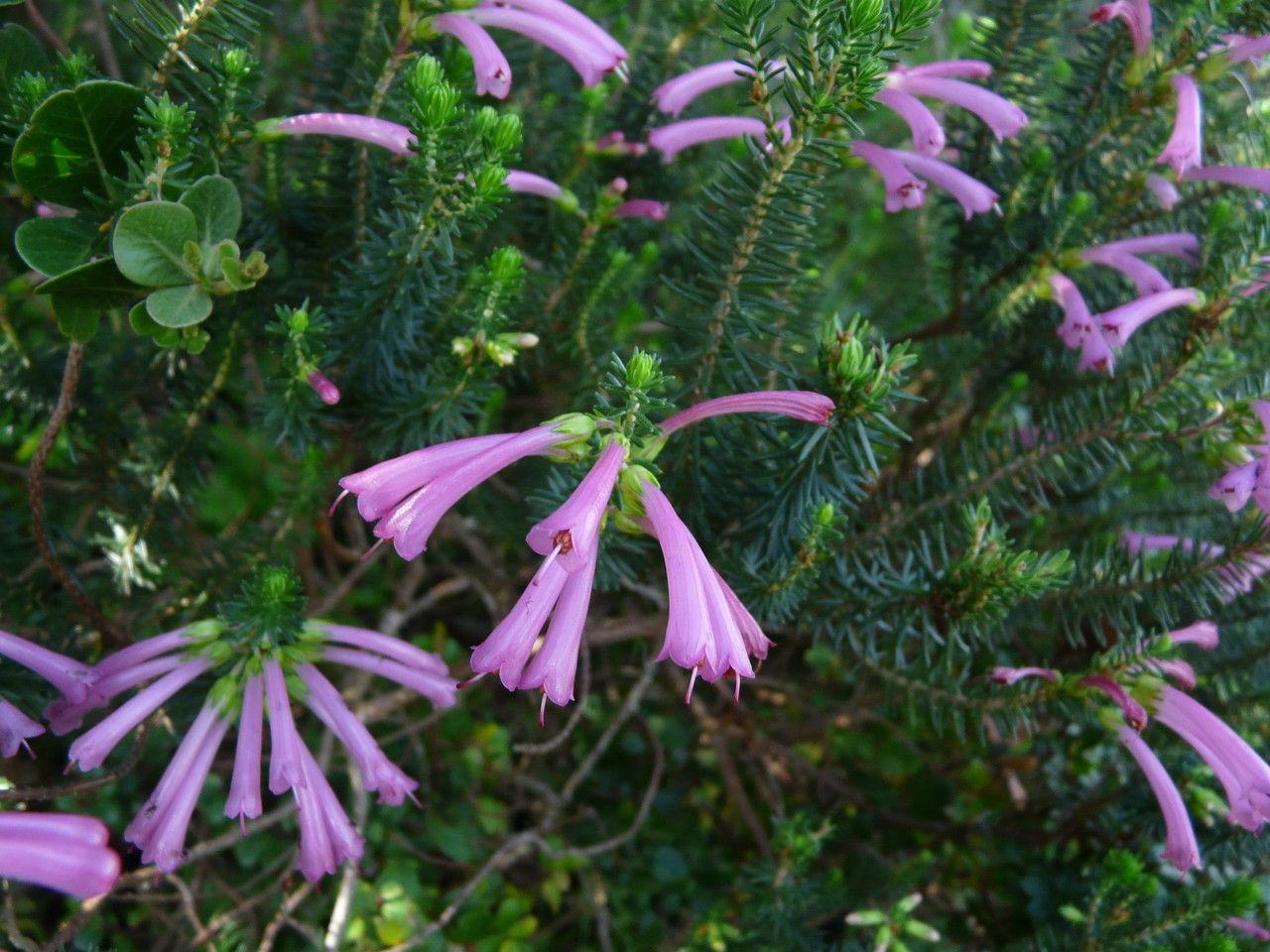
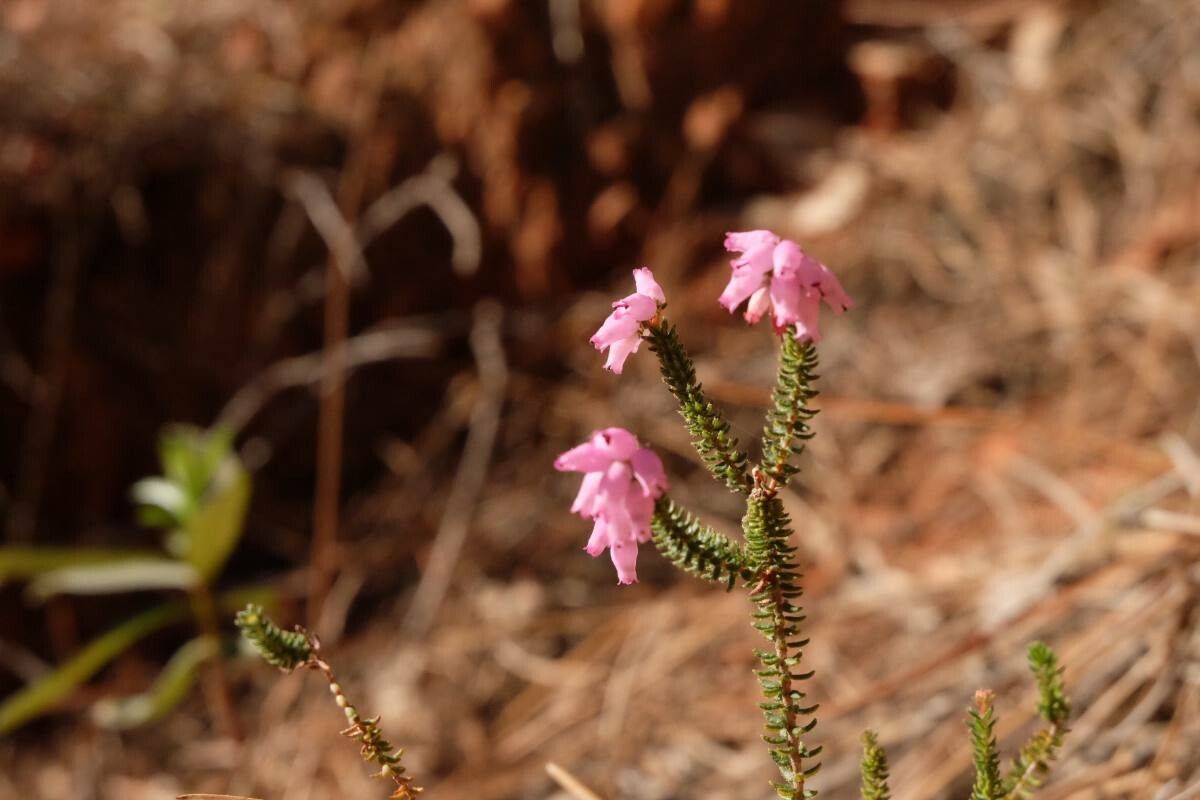
Winter heath features evergreen, needle-like leaves and produces pink to white flowers in winter. To maintain its shape and health, prune the plant after it finishes flowering in late spring. Be sure to remove any dead wood during the pruning process. Avoid cutting into old wood, as this may hinder the plant's ability to regenerate. Proper pruning not only enhances the plant's appearance but also supports its overall health and encourages vibrant blooms.
Pot & Repot
Repot your winter heath every 2-3 years in the spring, just before new growth begins. Select a slightly larger pot that has good drainage. Once repotted, place the winter heath in a location with bright light and water it sparingly to help it acclimate. Consistent care is crucial to ensure your winter heath remains healthy and thrives.
Botanical profile.
- Plant Type
- Shrub
- Life Cycle
- Perennial
- Genus
- Erica
- Family
- Ericaceae
- Hardiness Zone
- 5-7
- Mature Height
- 10 cm to 25 cm
- Mature Spread
- 46 cm
- Leaf Color
- Green
- Leaf Type
- Evergreen
- Flower Color
- Pink
- Flower Size
- 2.54 cm
- Bloom Time
- Early spring, Mid spring, Mid fall, Late fall, Winter
- Planting Time
- Spring, Autumn
- Harvest Time
- Mid spring, Late spring, Early summer
- Native Area
- Germany, Austria, Italy, Switzerland, Czech Republic, Serbia, Albania, Greece, Croatia, Slovenia, France
Other names.
Reader questions.
How should I water my Winter heath plant?
When watering your Winter heath, you have many options. You can use watering cans, hoses, or even cups. It's important to water directly onto the soil and make sure all areas of the soil are evenly moistened to provide water to the entire root system. Filtered water is better than tap water as it can contain harmful particles. It's also best to use water that is at or slightly above room temperature, as extremely cold or hot water can shock the Winter heath. However, this plant usually does well with any type of water.
Why should I add fertilizer to my Winter heath plants?
Fertilizing your Winter heath is essential for a few reasons. Firstly, fertilizers will assist in producing beautiful blooms. To achieve excellent flowers during the season, it is recommended to fertilize in early spring. Additionally, fertilizing provides extra energy for your Winter heath to store in the ground during its dormant growth phases. By giving it nutrients during the fall planting process or late spring, your Winter heath will have more energy to utilize once active growth resumes.
What are the sunlight requirements for Winter heath?
Winter heath requires full sun, which means it needs more than 6 hours of sunlight daily, to thrive and promote abundant blooming. It can also grow under partial sun conditions, receiving about 3-6 hours of sunlight. Ensuring the right balance of light and shade is crucial for the plant's health and happiness. It's important to watch how sunlight moves through your garden to pick the perfect spots for your plants.
What is the native environment of Winter Heath?
Winter heath (Erica carnea) thrives in environments with cool to moderate temperature ranges, specifically preferring temperatures of 41 to 90°F (5 to 32°C). These plants are native to areas where such temperature conditions are commonplace, allowing them to adapt and grow optimally throughout different seasons.
What should I do if I give too much or too little water to my Winter heath plant?
For outdoor plants, especially newly planted ones or seedlings, it's important to ensure they are watered regularly. This is particularly crucial during the first few months when the plant is small or just recently planted. Once the roots are established, outdoor plants usually rely on rainwater. When it comes to Winter heath that is planted in pots, be cautious not to overwater. If you accidentally overwater your Winter heath, take immediate action to address the issue. Stop watering the plant right away to minimize the impact of overwatering. Then, carefully remove the Winter heath from its pot to examine its roots. If there is no sign of root rot, you can return the plant to its container. However, if root rot is present, trim away any affected roots and consider applying a fungicide to prevent further damage. Finally, repot the Winter heath using well-draining soil. In the case of underwatering, simply water the Winter heath more frequently. Recognize signs of underwatering such as drooping, dried-out leaves that may fall off. After sufficient watering, the leaves will regain fullness. Adjust your watering frequency as soon as you notice signs of underwatering.
When should I fertilize my Winter heath plants?
Timing is crucial when fertilizing Winter heath. If you apply fertilizer too early, while the plant is still dormant, it won't be effective and will just get washed away by rainwater, leading to waste and pollution. Instead, the first application of fertilizer should be done in early spring, and then continue to fertilize once a month until early summer.
Can Winter heath grow under artificial lighting?
Yes, Winter heath can grow under artificial lighting, which is particularly helpful when natural sunlight is insufficient. Artificial lights, like LED, can be customized to provide the specific wavelengths of light that plants need for optimal growth. For full sun plants, 30-50W/sq ft of artificial light is recommended, while partial sun plants need 20-30W/sq ft, and full shade plants require 10-20W/sq ft. The light source should be placed 12-36 inches above the plant for 8-12 hours per day to mimic natural daylight hours.
How does Winter Heath react to cold temperatures and frost?
Winter heath is highly cold-tolerant and does not require additional frost protection measures. To prepare for winter, it is advisable to water the plant generously before the first freeze of autumn. This ensures the soil around the plant remains moist when it enters a frozen state, thereby preventing drought and water scarcity throughout the winter and early spring periods.
How much should I water my Winter heath plant?
Most plants can grow naturally outdoors with rainfall, but if your area lacks rainfall, you should water them every 2 weeks during the spring and fall. In the summer, they will need more frequent watering, while in the winter, when growth slows down, you should water them sparingly or not at all. However, if your Winter heath is young or newly planted, it may need more frequent watering to help it establish and grow. For potted plants, you can either set a predetermined watering schedule, but this may not always be accurate for your plant's specific environment. Alternatively, you can water based on soil moisture, waiting until the top few inches of soil have dried out before watering again.
When is it not a good time to fertilize my Winter heath plant?
To promote optimal blooming, it is important to be mindful of the nitrogen content in the fertilizer for Winter heath. Avoid using a fertilizer with too much nitrogen as this can result in excessive leaf growth but limited blooms. Instead, opt for a fertilizer that contains a lower amount of nitrogen compared to other nutrients. It is also crucial to refrain from fertilizing Winter heath in late autumn, as this can stimulate excessive growth right before winter. Additionally, it is not advisable to fertilize during hot and dry periods, as the dry soil may not effectively deliver the fertilizer and the subsequent growth would demand more water that might not be available. It is recommended to apply fertilizer earlier in the season when temperatures are cooler. Lastly, be mindful that Winter heath can absorb fertilizer from nearby plants or lawns, so be cautious about unintentionally providing the tree or shrub with an extra dose of fertilizer.
What are the symptoms of insufficient light in Winter heath?
Symptoms of insufficient light in Winter heath include smaller new leaves, leggy or sparse growth, faster leaf drop, and slower or no new growth. These signs indicate the plant is not receiving enough sunlight to maintain its health and growth. Insufficient sunlight can also lead to lighter-colored new leaves, a condition called chlorosis, where leaves lose their green color. Overexposure to sunlight can cause symptoms like sunscald, leaf curling, wilting, and leaf scorching.
What should be done if Winter Heath is subjected to temperatures below -25°C?
Though winter heath is extremely cold-tolerant, temperatures dipping below -25°C can lead to damage where the branches may become brittle, dry during spring, and fail to produce new shoots. To mitigate this, the damaged, dead branches should be pruned away in spring to encourage new growth and help the plant recover.