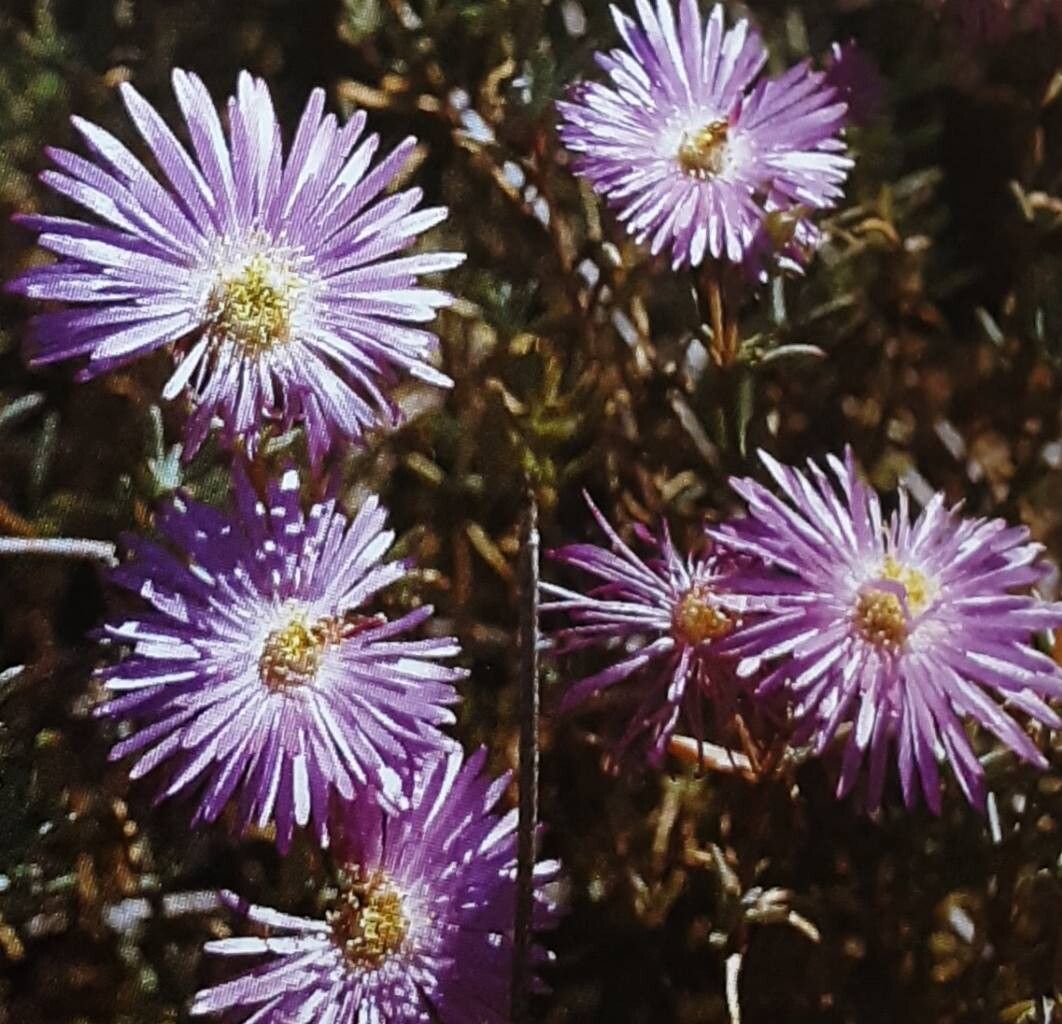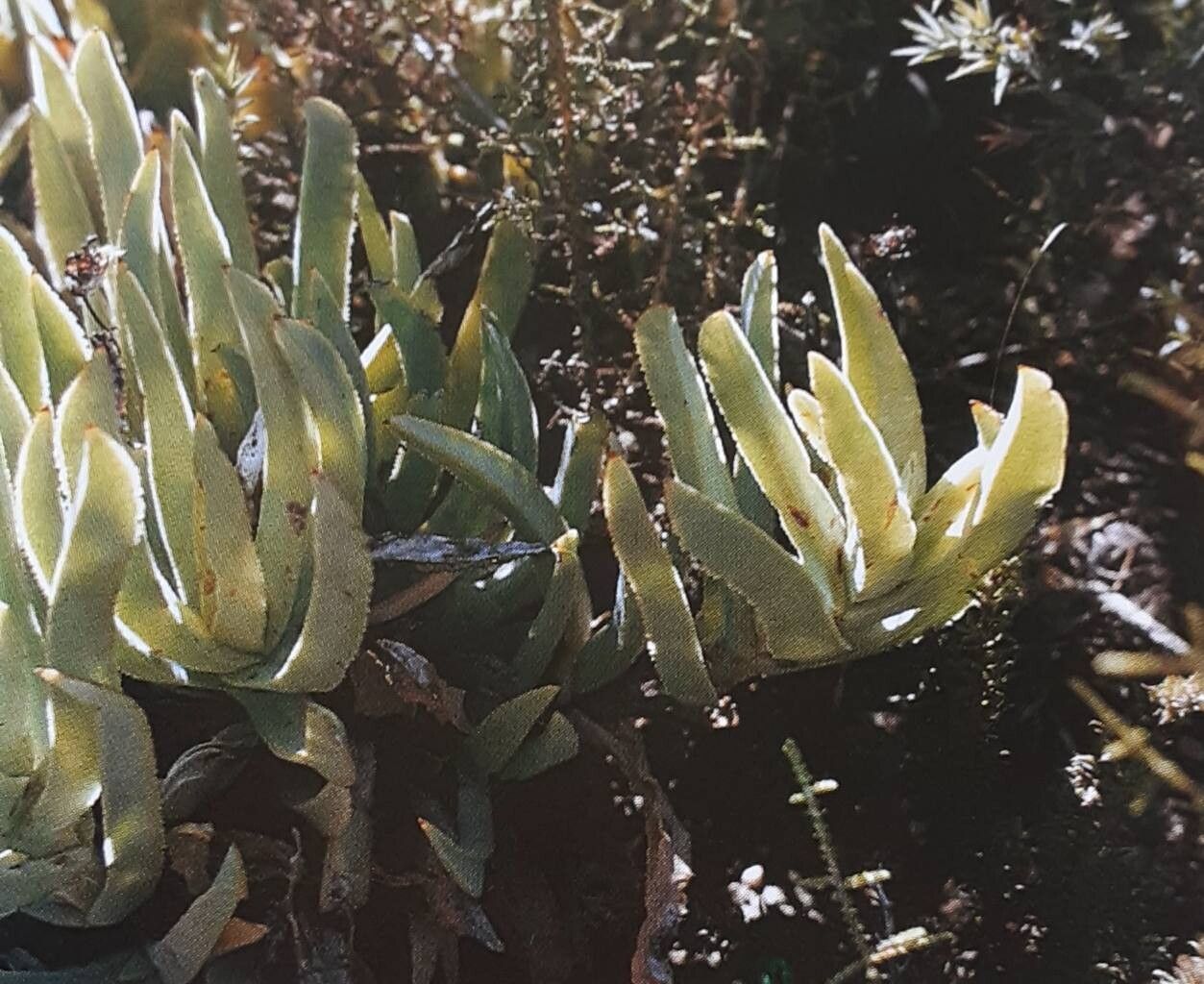
Torn spoonfig has moderate resistance to disease but is more vulnerable to high humidity and excessive watering. It also becomes more prone to illnesses if it is both deprived of light and overwatered. Regarding care, Torn spoonfig tolerates drought and can go long stretches without watering. It requires little fertilizer and only occasional pruning. Because of these traits, it is appropriate for growers at any skill level, especially those who prefer to spend less time on plant care or who may be away from home for extended periods. It suits people who do not want to devote much time to maintenance yet still desire an easy-to-care-for plant.
How to keep Erepsia Lacera.
Light
The Torn spoonfig, native to drought-prone areas, flourishes under bright sunlight, reflecting the nature of its origin which is marked by intense sunlight and limited shade. Nonetheless, it does allow for some flexibility in its growth by also tolerating partial sunlight.
Temperature
The Torn spoonfig plant flourishes in hot climates and necessitates elevated temperatures during its development period to boost growth and metabolism. It prefers abundant sunshine, suitable hydration, and adequate airflow. But it's vulnerable to harm from extremely cold temperatures and too much water. It's crucial to maintain equilibrium and steer clear of excessively hot temperatures and incredibly dry situations too.
Fertilizer
For the Torn spoonfig, providing mild fertilizer quantities 1-2 times annually during the growth phase is adequate. Refrain from applying fertilizer in the winter and summer periods when the plant is inactive. After repotting, lessen the fertilizer use and delay fertilization by a few months. Using fertilizer aids in fostering robust growth and promotes flowering.
Botanical profile.
- Plant Type
- Succulent, Shrub
- Life Cycle
- Perennial
- Hardiness Zone
- 9-11
- Mature Height
- 10 cm to 20 cm
- Mature Spread
- 30 cm to 61 cm
- Leaf Color
- Green, Dark Green
- Leaf Type
- Evergreen
- Flower Size
- 3.05 cm to 5.08 cm
- Bloom Time
- Mid spring, Late spring, Early summer, Mid summer
- Planting Time
- Spring, Autumn
- Harvest Time
- Summer, Early fall
- Native Area
- South Africa