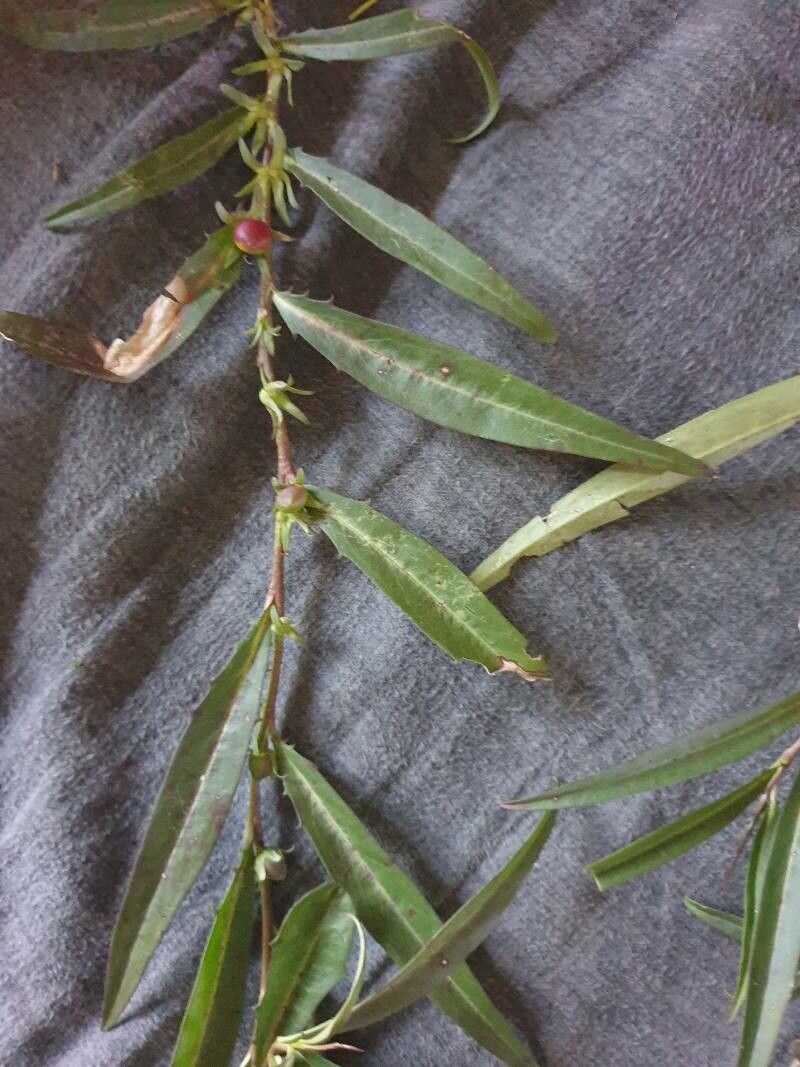
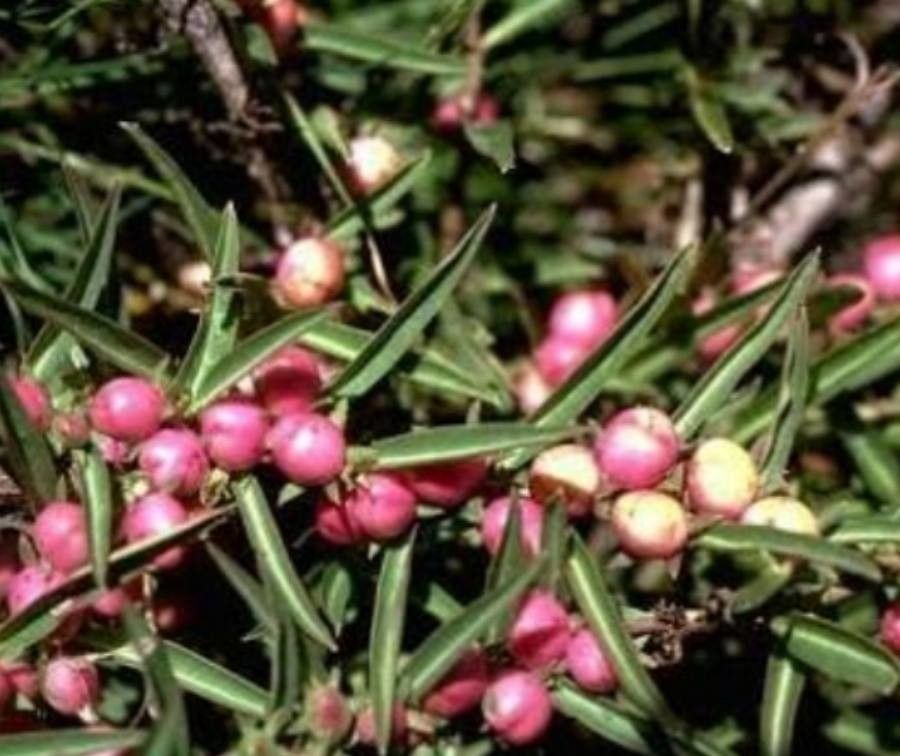
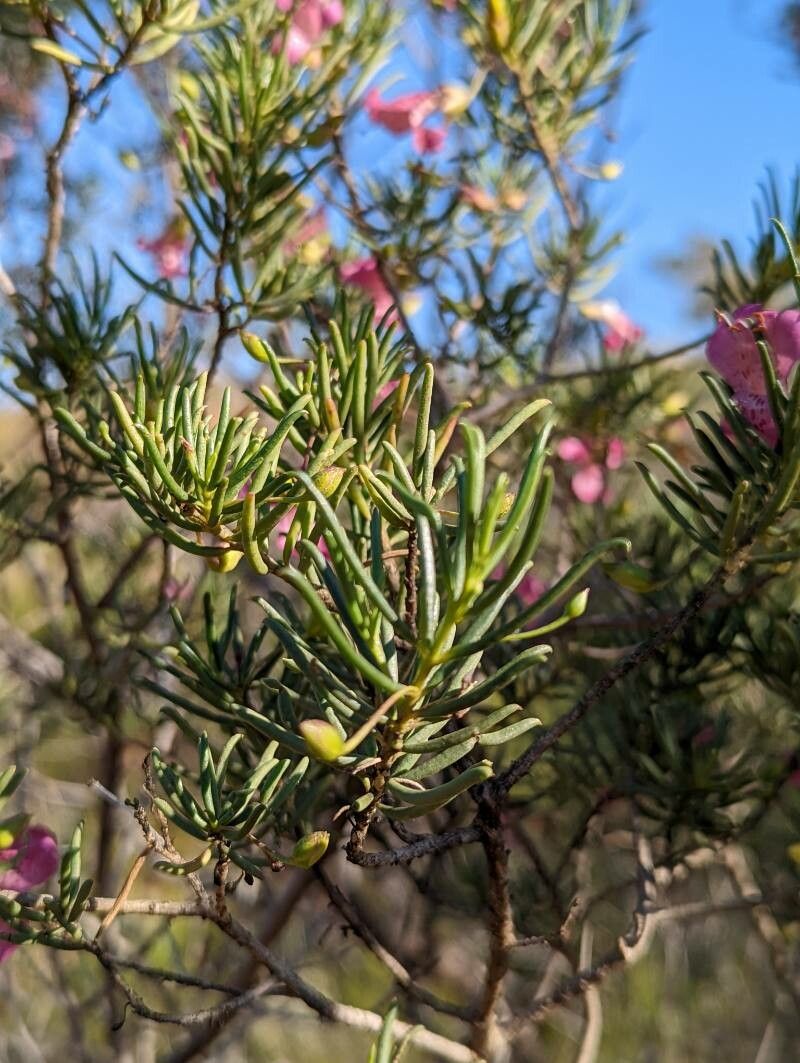
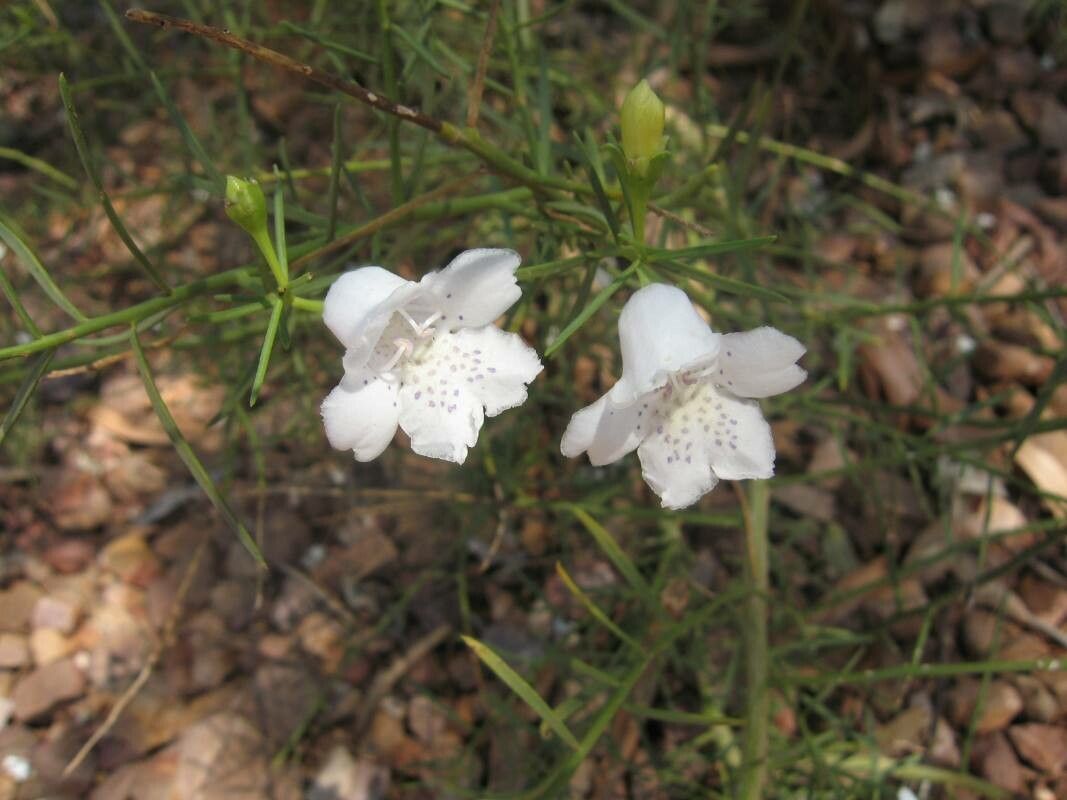
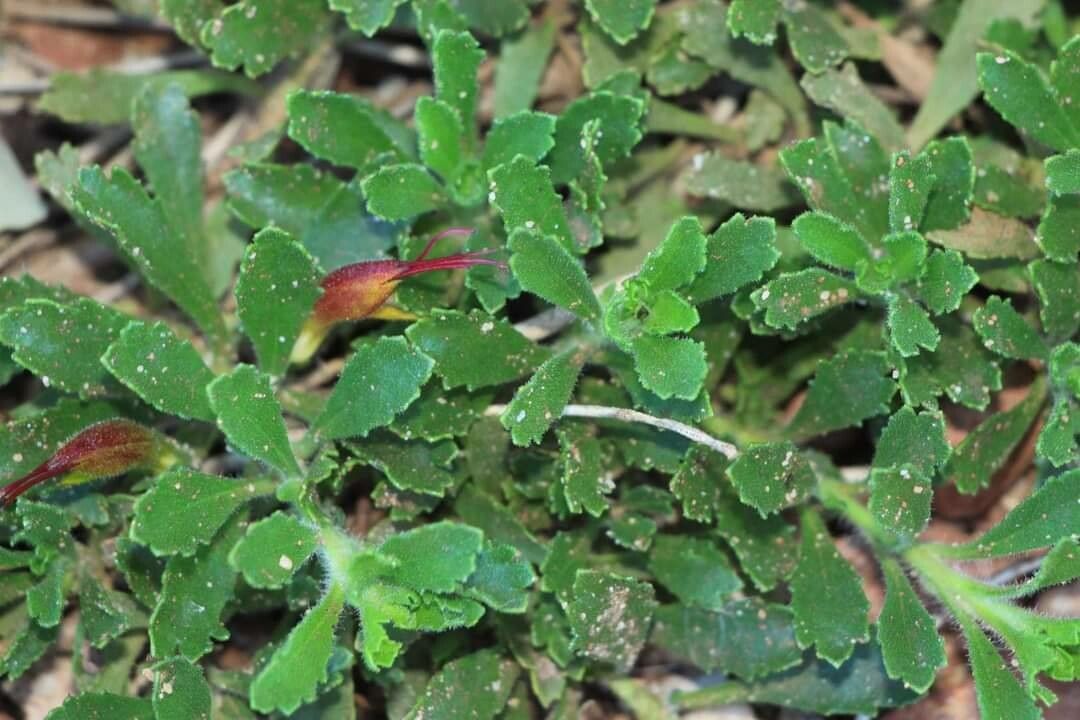
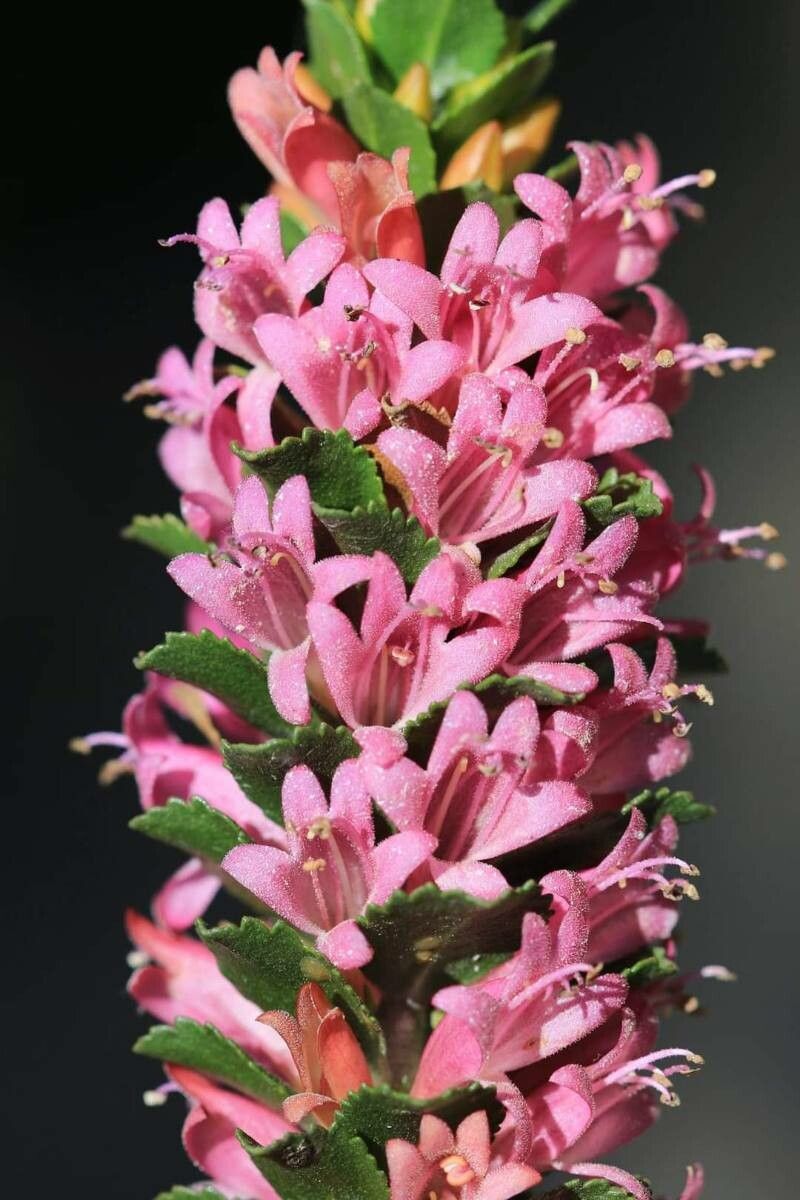
Eremophila debilis, commonly known as the Emu Bush, is a small shrub native to the arid regions of Western Australia. Belonging to the family Scrophulariaceae, it can grow up to 1.5 meters in height. The plant features narrow, gray-green leaves covered with fine hairs, which help it retain moisture in its harsh environment.
The Emu Bush produces small tubular flowers in shades ranging from white to pink or purple, blooming from late winter through spring. These flowers attract a variety of pollinators, including bees, butterflies, and birds.
Well adapted to its arid environment, Eremophila debilis has a deep root system that allows it to access water deep underground during dry periods. Additionally, it has a unique ability to store water within its leaves for extended periods.
Indigenous Australians have utilized Eremophila debilis for medicinal purposes, such as treating coughs and colds, due to the antibacterial properties found in the plant's essential oils.
Overall, Eremophila debilis is an intriguing shrub with unique adaptations that enable it to thrive in harsh environments while also offering medicinal benefits for those who use it properly.
The Winter apple is resistant to disease and, overall, is not easily affected by illnesses. Regarding care, this plant is fairly low-maintenance. When grown outdoors it needs only minimal watering, and larger specimens typically do not require pruning. Smaller plants, however, should be pruned after they finish blooming. Winter applet is appropriate for anyone with an outdoor area, such as a garden or deck, and does not demand much care experience.
How to keep Eremophila Debilis.
Light
Winter apple comes from open habitats, such as sunny meadows and forest edges, where light is abundant. It flourishes in Full Sun but can also tolerate Partial Sun, adapting well to a range of sunlight conditions.
Temperature
Winter apple has good temperature adaptability, able to endure higher heat and larger temperature fluctuations. In hot conditions, attention should be paid to irrigation and providing suitable shade to prevent sunburn. However, Winter apple is relatively sensitive to low temperatures; although it can tolerate some cold, excessively low temperatures can cause frost damage.
Fertilizer
Timing is important when fertilizing Winter apple. Apply fertilizer in early spring and continue once a month until early summer. Fertilizer promotes attractive blooms and supplies energy during both dormant and active growth stages.
Pruning
Pruning your winter apple trees in early spring encourages vigorous growth and improves their shape. Be sure to trim just above the nodes and remove any dead wood to boost the tree's health. Regular pruning also enhances air circulation, which reduces the risk of disease and helps the tree maintain a dense appearance. For more detailed pruning techniques, refer to horticultural guides.
Botanical profile.
- Plant Type
- Shrub
- Life Cycle
- Perennial
- Genus
- Eremophila
- Family
- Scrophulariaceae
- Hardiness Zone
- 9-11
- Mature Height
- 20 cm to 49 cm
- Mature Spread
- 0.91 m to 2.13 m
- Leaf Color
- Green, Dark Green
- Leaf Type
- Evergreen
- Flower Color
- Lavender
- Flower Size
- 1.02 cm to 1.52 cm
- Bloom Time
- Mid summer, Late summer, Early fall
- Planting Time
- Spring, Summer, Autumn
- Harvest Time
- Fall
- Native Area
- New Zealand
Other names.