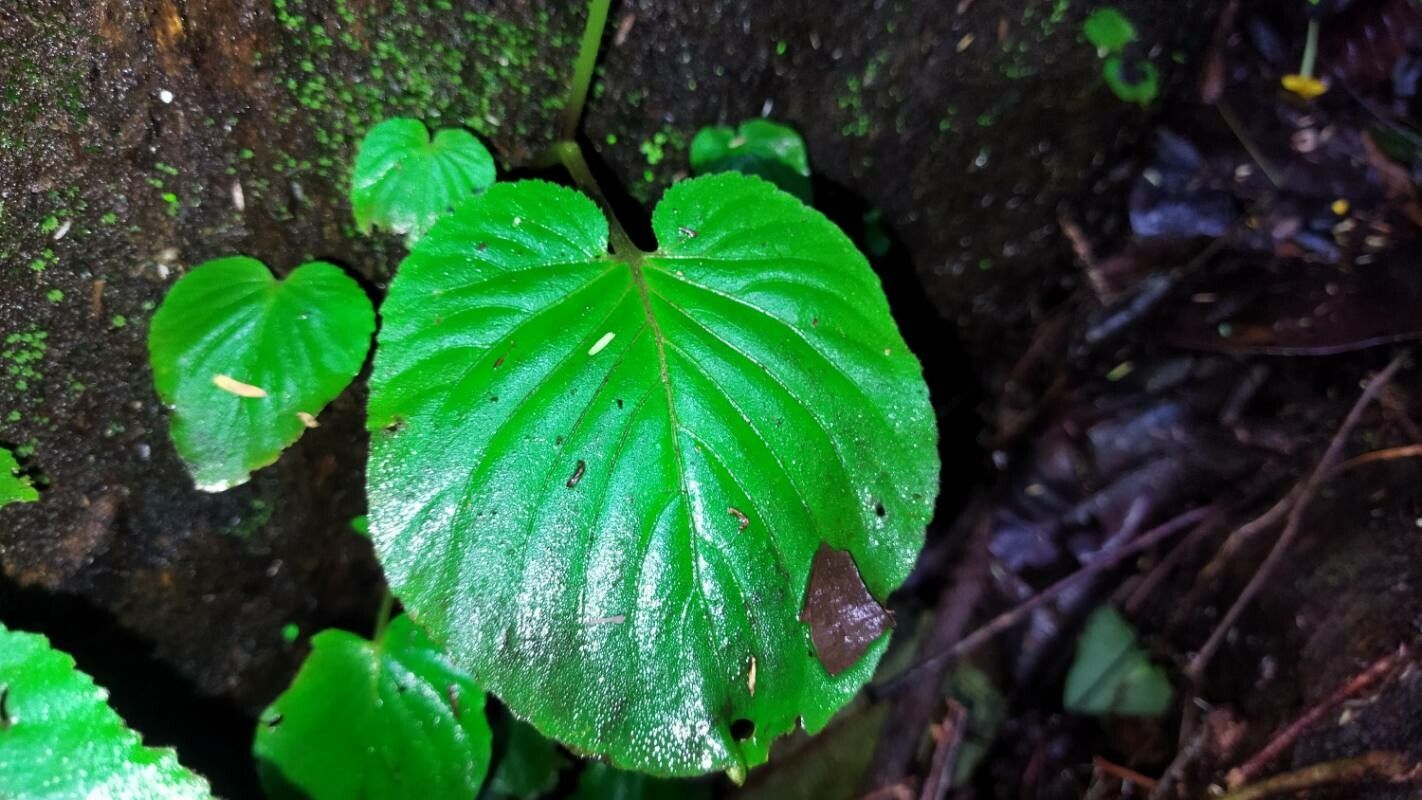
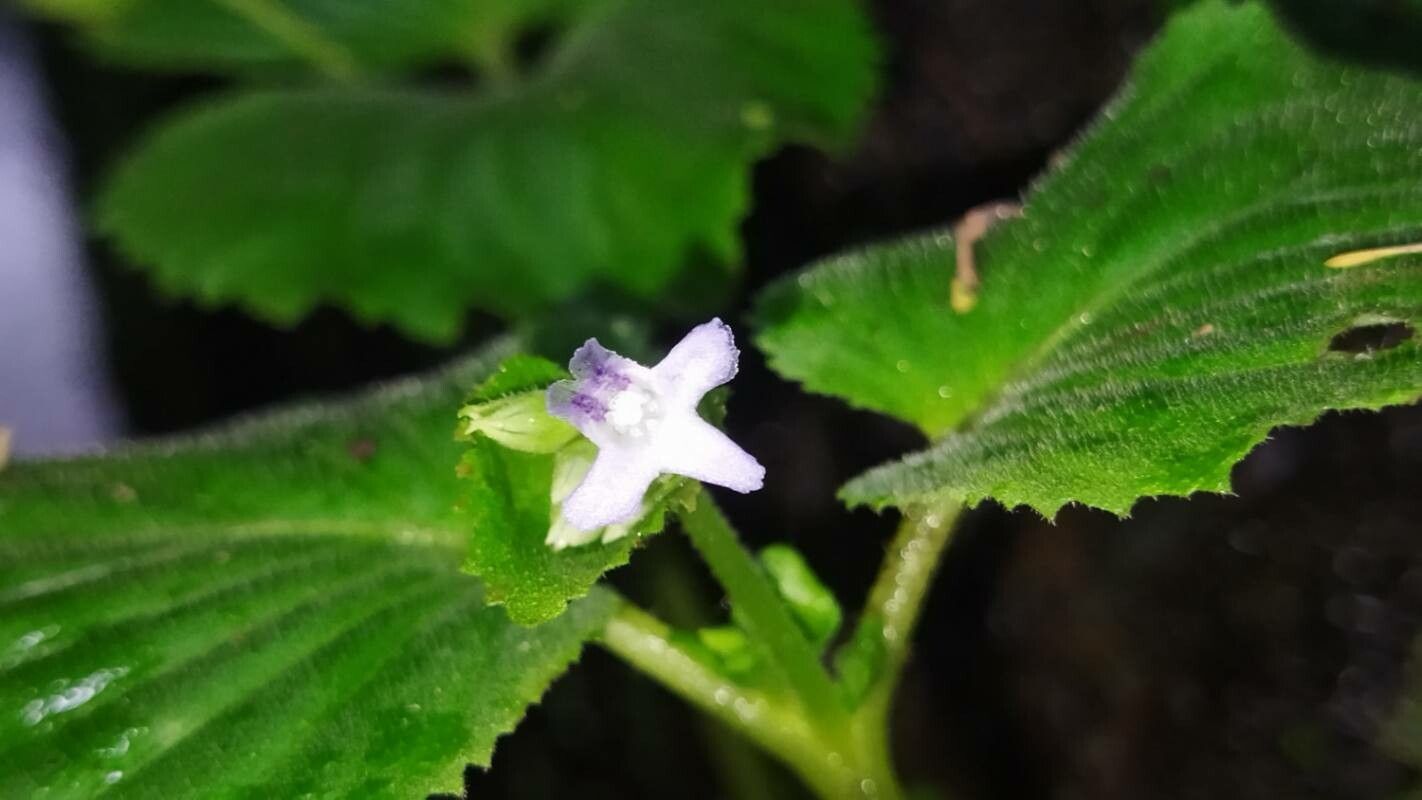
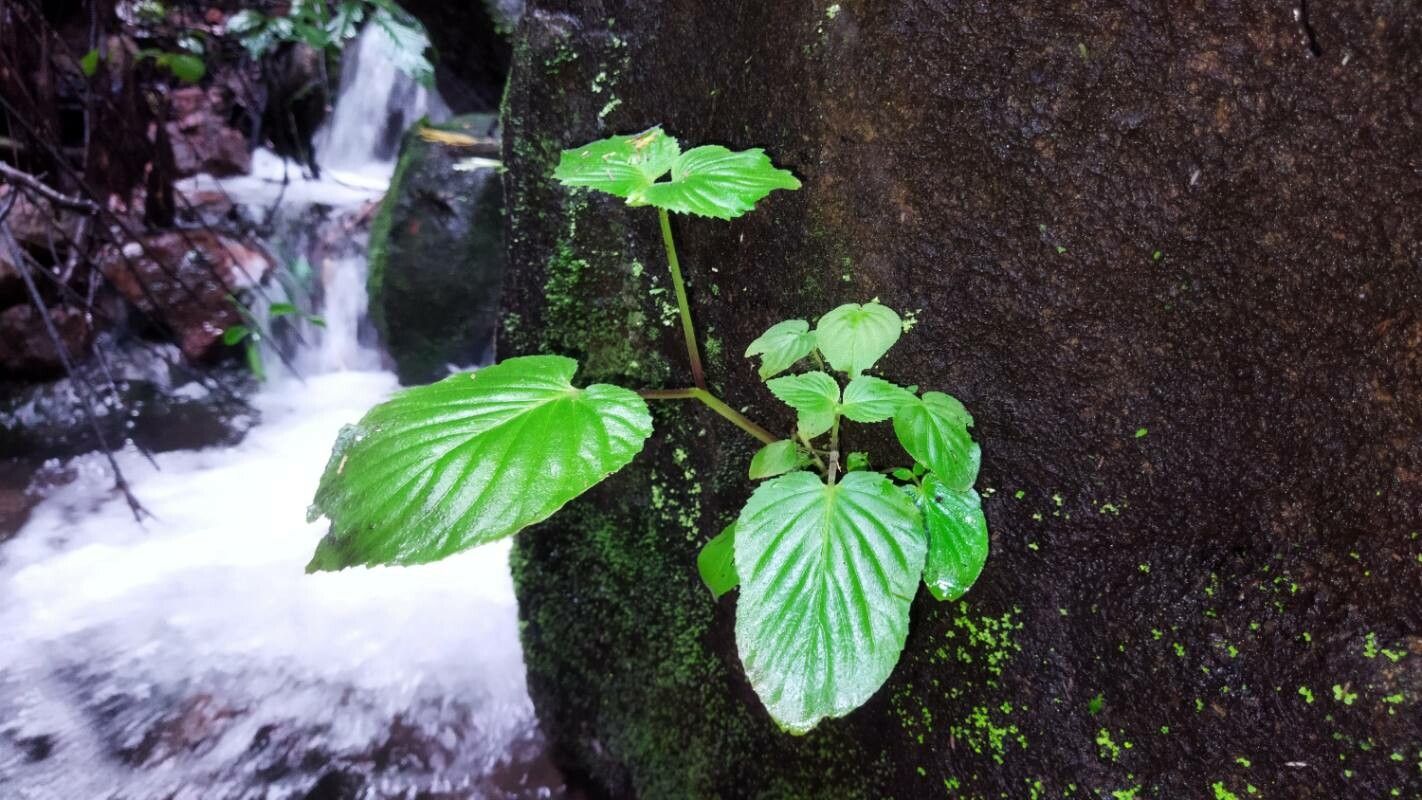
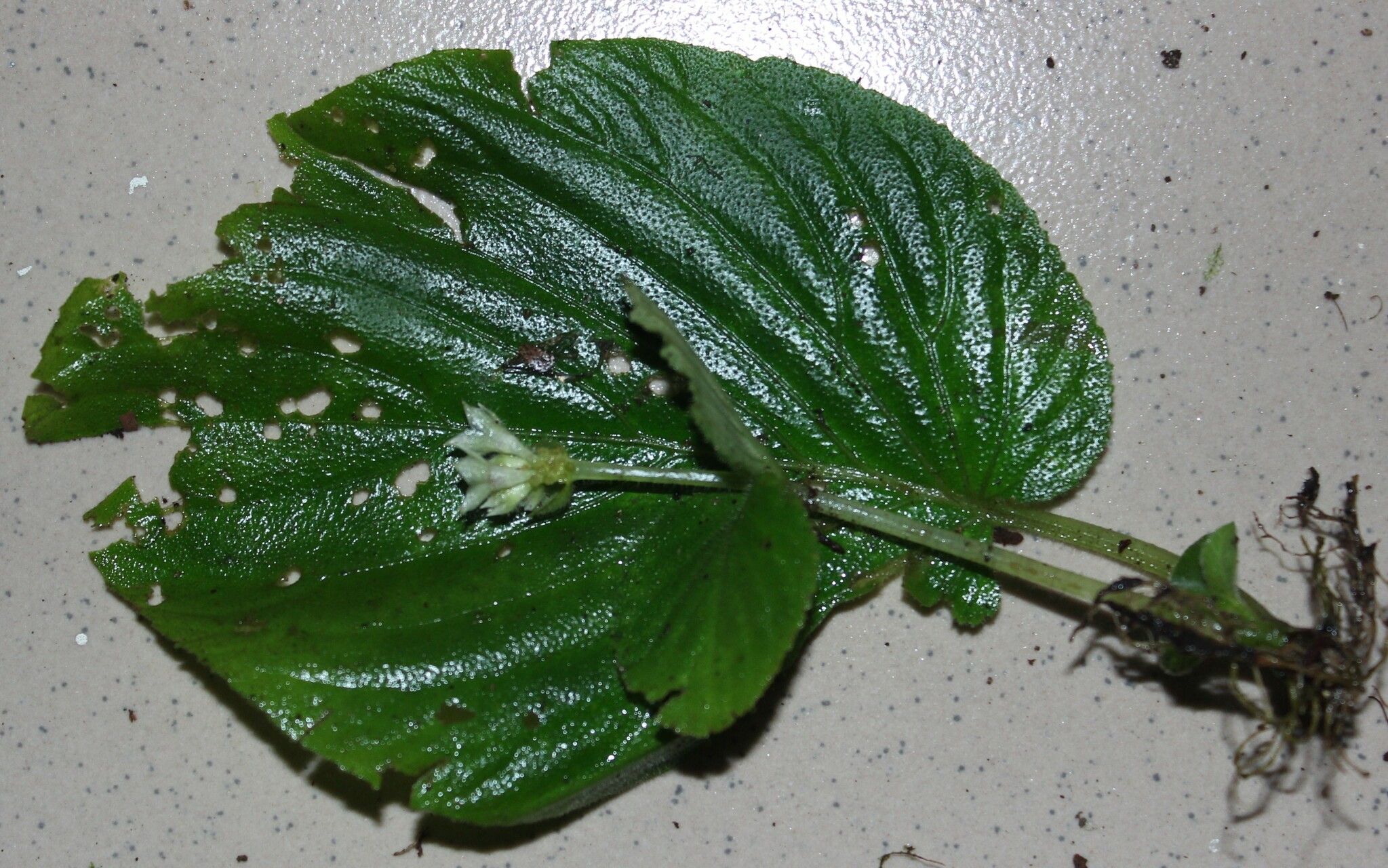
Fleshy epithema is fairly resistant to disease and generally does not easily suffer from illnesses. Still, it can be vulnerable to pests and diseases found nearby, though such infections are typically mild. Regarding care, the plant needs a moderate level of maintenance. Regular pruning is necessary to keep it attractive and to support healthy growth. Applying fertilizer can also encourage it to bloom. Fleshy epithema is well suited for people who have outdoor areas like a garden or patio and does not demand extensive gardening experience. It may need more attention when cultivated indoors.
How to keep Epithema Carnosum.
Light
Fleshy epithema is a sun-loving perennial herbaceous plant that originates in open habitats and commonly thrives in meadows and grasslands. It prefers full sun but can also tolerate partial sun.
Water
Fleshy epithema thrives in high humidity and consistently moist conditions, preferring slightly damp soil. To maintain optimal hydration, water it weekly. Often cultivated indoors, this plant benefits from well-draining containers that mimic its natural habitat. These containers ensure adequate water retention without causing waterlogging.
Temperature
Fleshy epithema comes from tropical areas, where the climate is usually warm and humid. As a result, it is well adapted to high temperatures and humidity. It is sensitive to sudden temperature changes and prefers a stable temperature, so avoiding indoor temperature fluctuations is important. It generally does not tolerate cold and needs higher temperatures to grow. If the surrounding temperature falls too low, the plant may stop growing or even die.
Fertilizer
Appropriate fertilization is essential for Fleshy epithema's health and appearance. Fertilize Fleshy epithema during summer, repeating the application once a month throughout the season. Nutrients support growth and sustain the plant's parts. Fertilizing boosts Fleshy epithema's floral display, ensuring the best blooms.
Pruning
The fleshy epithema has succulent leaves and a compact growth habit. Prune it from early to late spring to remove damaged foliage and encourage new growth. Light, frequent trimming helps maintain the plant's shape and prevents it from becoming leggy. Be sure to sterilize your tools during this process to avoid spreading disease, thereby enhancing the plant's vigor.
Botanical profile.
- Plant Type
- Herb
- Life Cycle
- Perennial
- Genus
- Epithema
- Family
- Gesneriaceae
- Hardiness Zone
- 10-12
- Mature Height
- 8 cm to 15 cm
- Mature Spread
- 1 cm to 2 cm
- Leaf Color
- Dark Green, Forest Green
- Leaf Type
- Evergreen
- Flower Color
- White, Lavender
- Flower Size
- 1.02 cm to 1.52 cm
- Bloom Time
- Summer, Early fall, Mid fall
- Planting Time
- Spring, Summer, Autumn
- Harvest Time
- Late summer, Fall, Early winter
- Native Area
- Nepal, India, Myanmar, Bhutan, Laos, Thailand, China