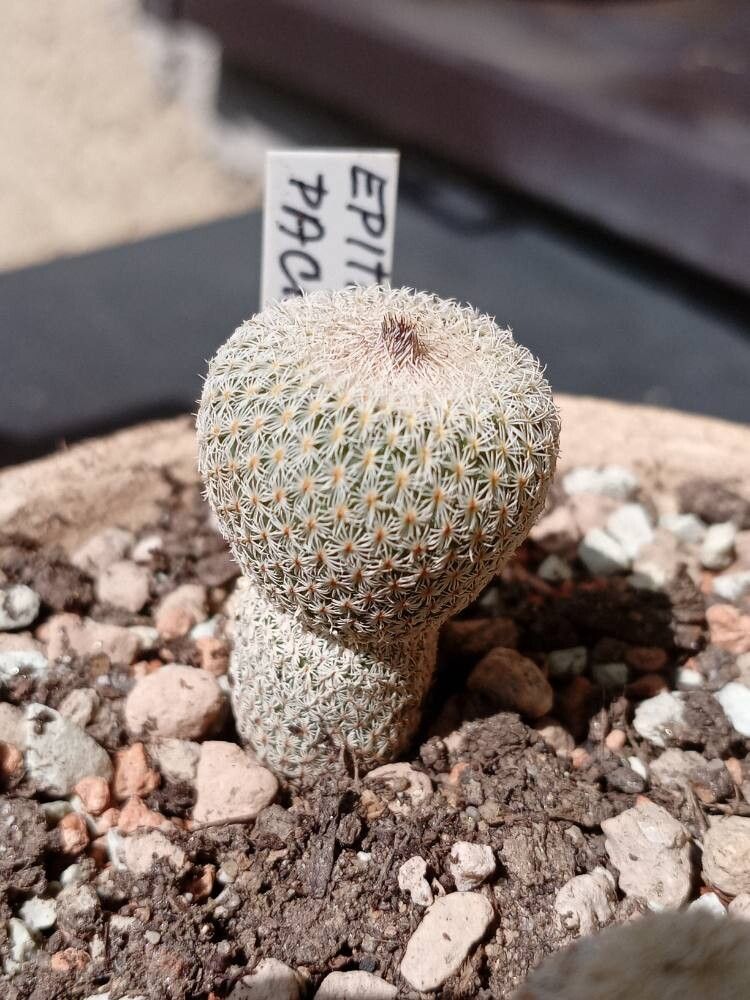
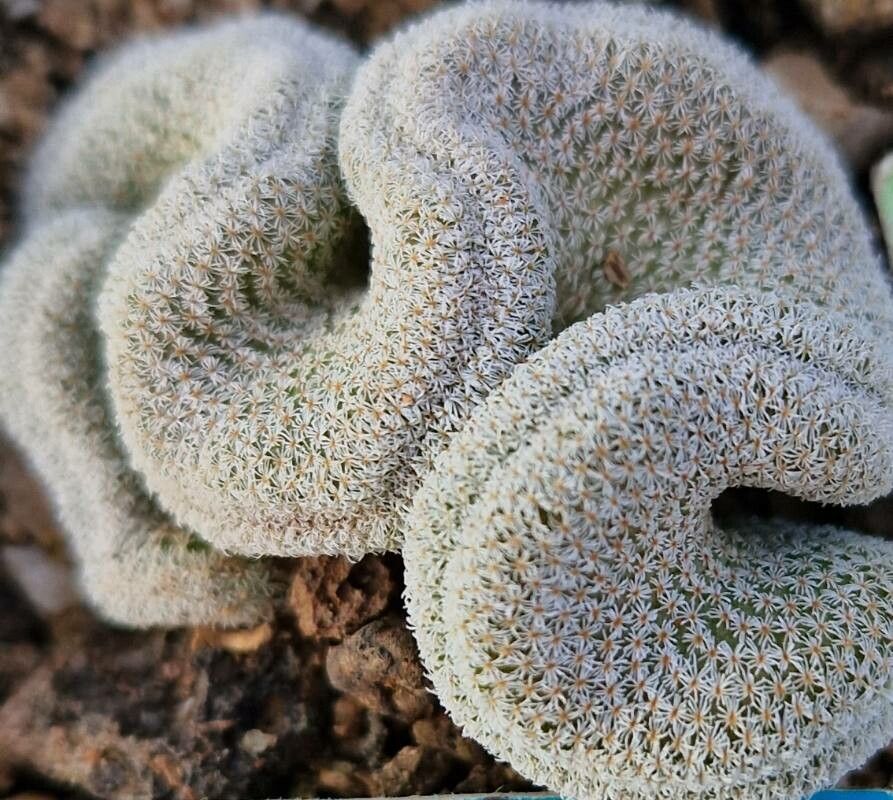
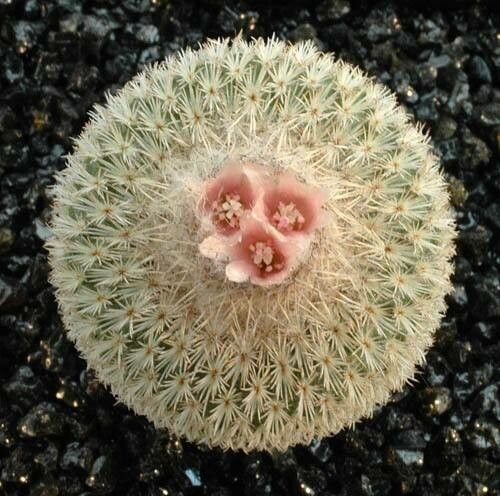
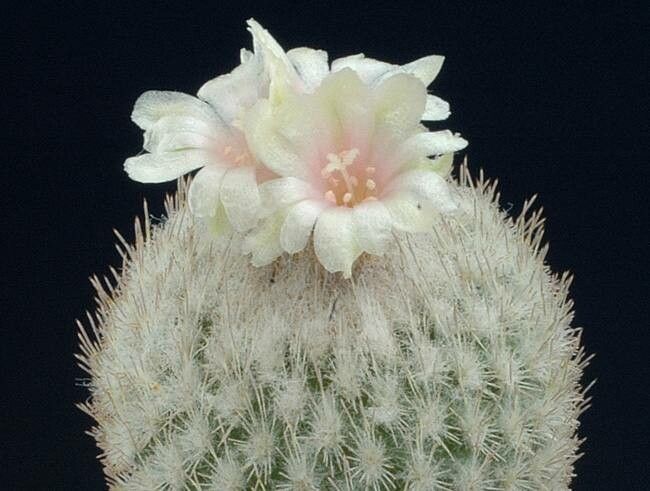
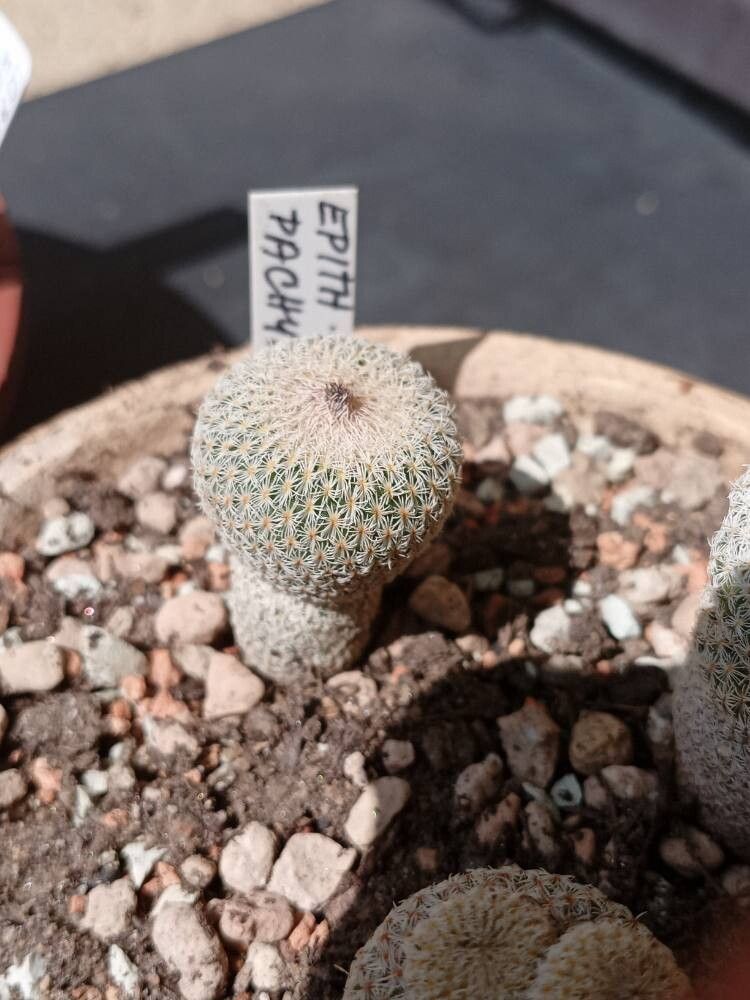
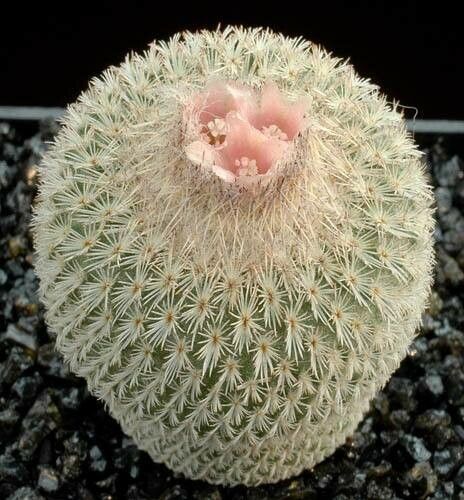
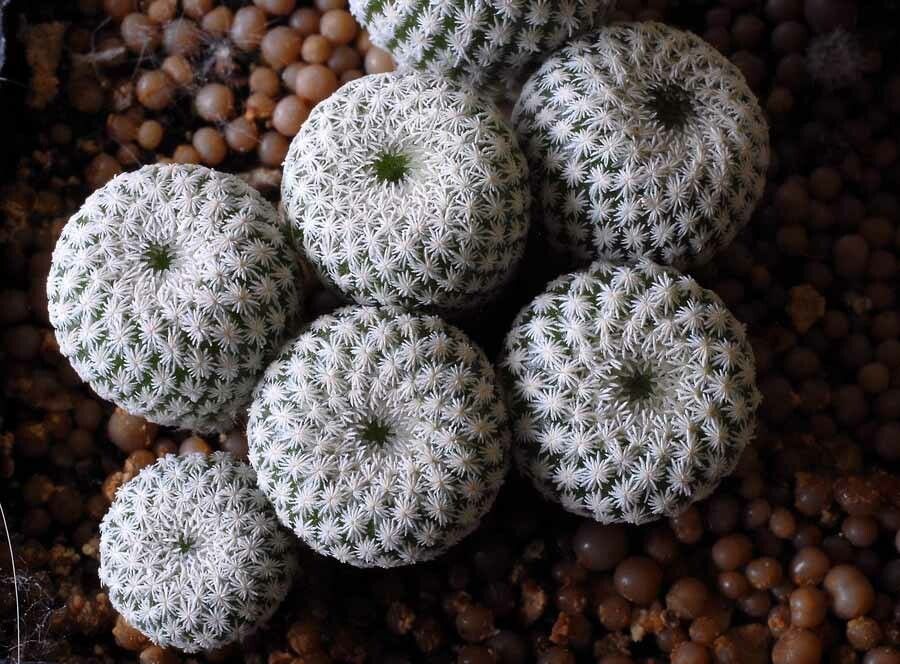
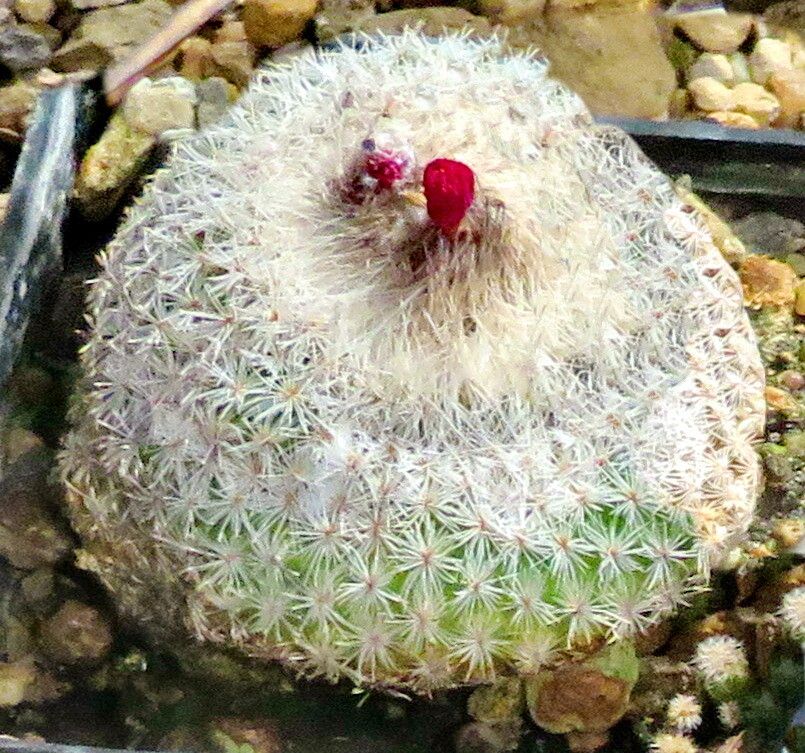
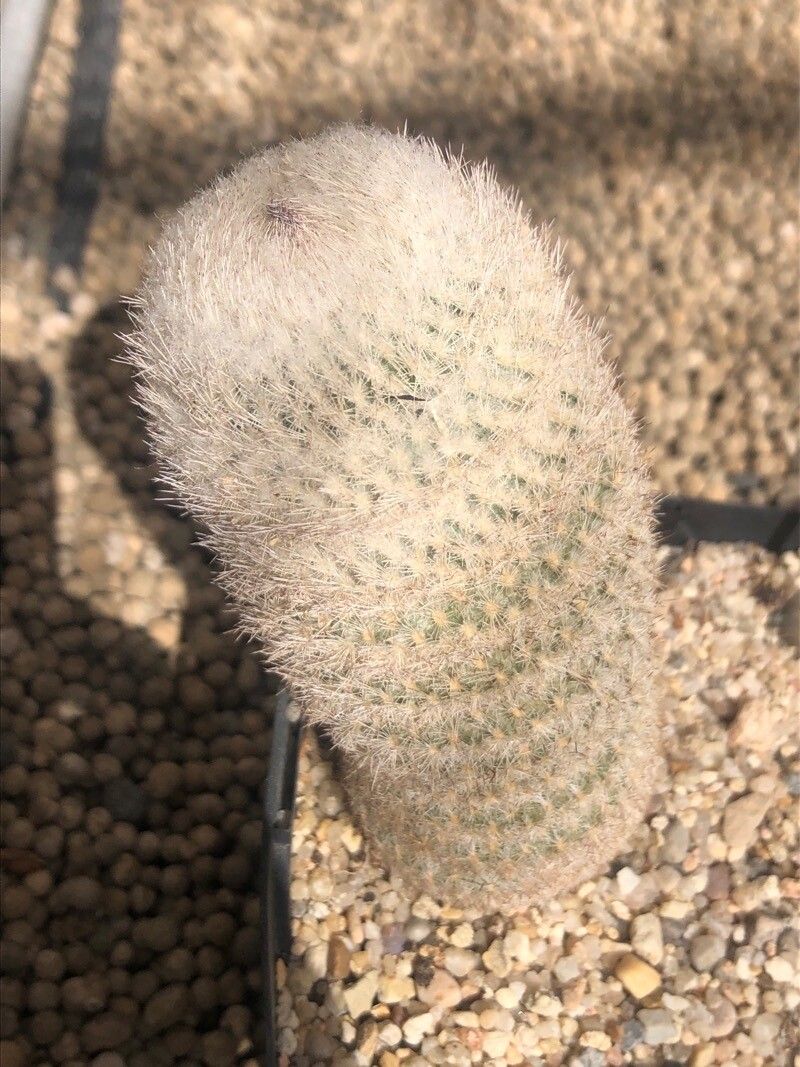
The Pingpong-ball cactus shows good resistance to disease and handles typical care without becoming ill easily. It can, however, be vulnerable to mealybugs; these pests may cause some damage but are usually not a serious menace. Regarding care, the Pingpong-ball cactus is drought-tolerant and does not need frequent watering. It can endure long intervals without water and requires little fertilizer. That said, if left in poor lighting and overwatered, it is highly prone to root rot. Overall, the Pingpong-ball cactus is well suited to people who prefer to spend less time on plant care, though it’s important to know and meet its basic needs. It is particularly appropriate for individuals who are often away for extended periods and might forget to water their plants regularly.
How to keep Epithelantha Pachyrhiza.
Light
Growing best in environments similar to its native habitat, the pingpong-ball cactus needs a generous amount of sunlight throughout its life for optimal growth. It also tolerates the absence of shade. Excessive light can cause scorching, while too little can slow growth and reduce flowering.
Temperature
The Pingpong-ball cactus occurs naturally in cool to warm climates and prefers temperatures between 59 and 100°F (15 to 38°C). While it can withstand seasonal fluctuations, steady temperatures are preferable for its growth.
Fertilizer
For Pingpong-ball cactus, light applications of fertilizer once or twice a year during the growing season are sufficient. Do not fertilize in winter or summer when the plant is dormant. Cut back on fertilizer for repotted plants and wait a couple of months after repotting before applying any fertilizer. Fertilizing helps maintain healthy growth and encourages flowering.
Pot & Repot
Repot the pingpong-ball cactus in spring or summer, selecting a pot slightly larger than the present one that provides good drainage. Use a well-draining, sandy or gritty cactus mix. Handle it carefully to avoid the spines. Let the cactus dry out before repotting to help prevent root rot. After repotting, wait for a week before watering so the roots can heal.
Botanical profile.
- Plant Type
- Succulent
- Life Cycle
- Perennial
- Genus
- Epithelantha
- Family
- Cactaceae
- Hardiness Zone
- 8-11
- Mature Height
- 1 cm to 5 cm
- Mature Spread
- 2 cm to 4 cm
- Leaf Color
- Green, Dark Green
- Leaf Type
- Deciduous
- Flower Color
- Pink, White
- Flower Size
- 2.54 cm
- Bloom Time
- Summer
- Planting Time
- Spring, Summer, Winter
- Harvest Time
- Late summer, Early fall, Mid fall
- Native Area
- Mexico