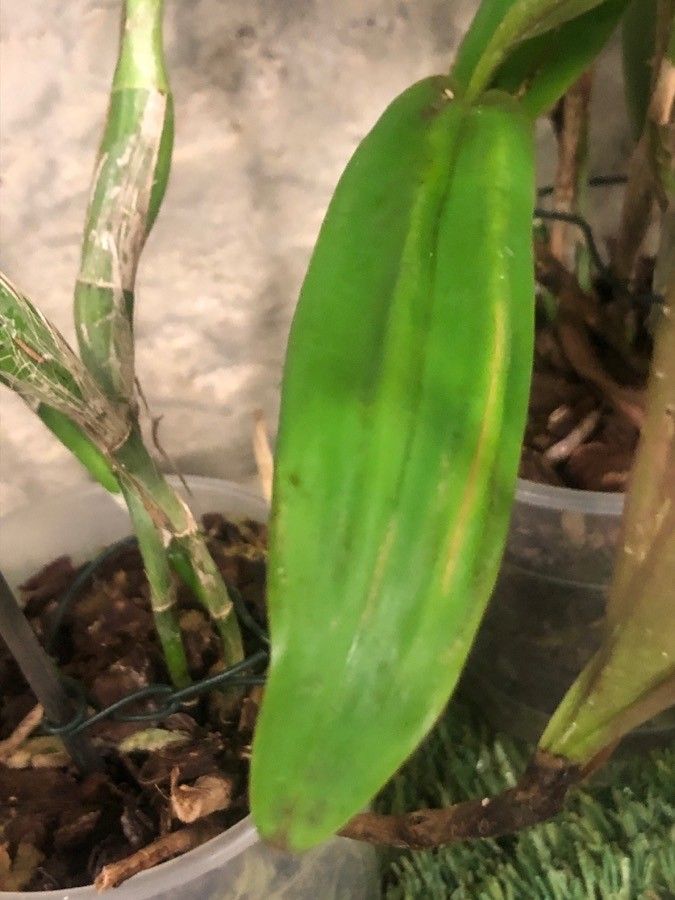
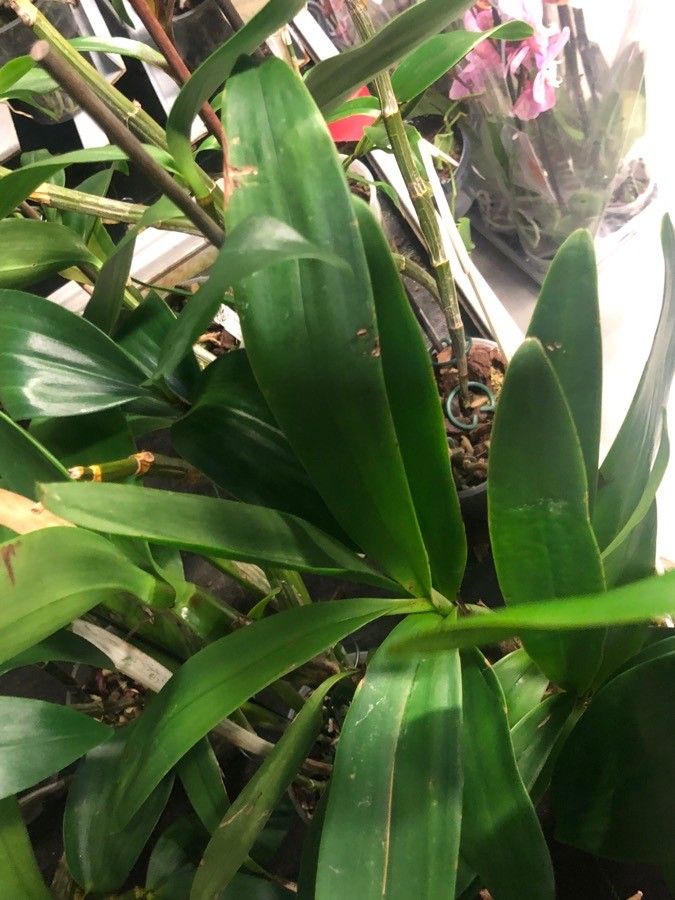
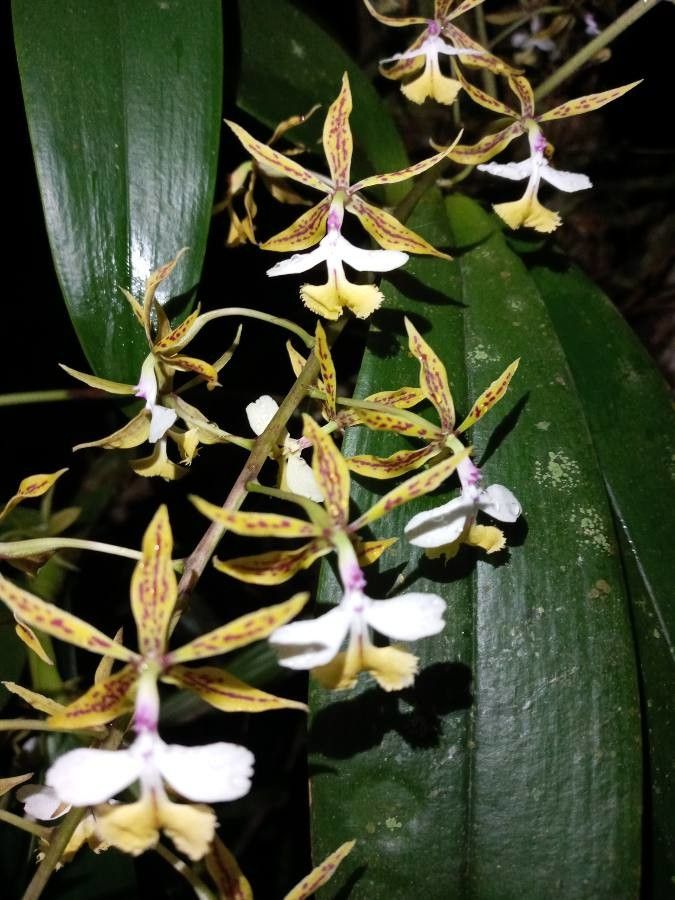
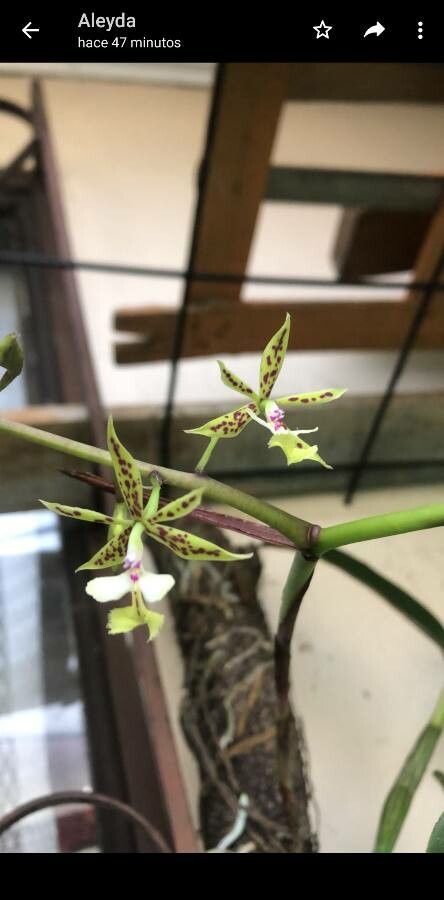
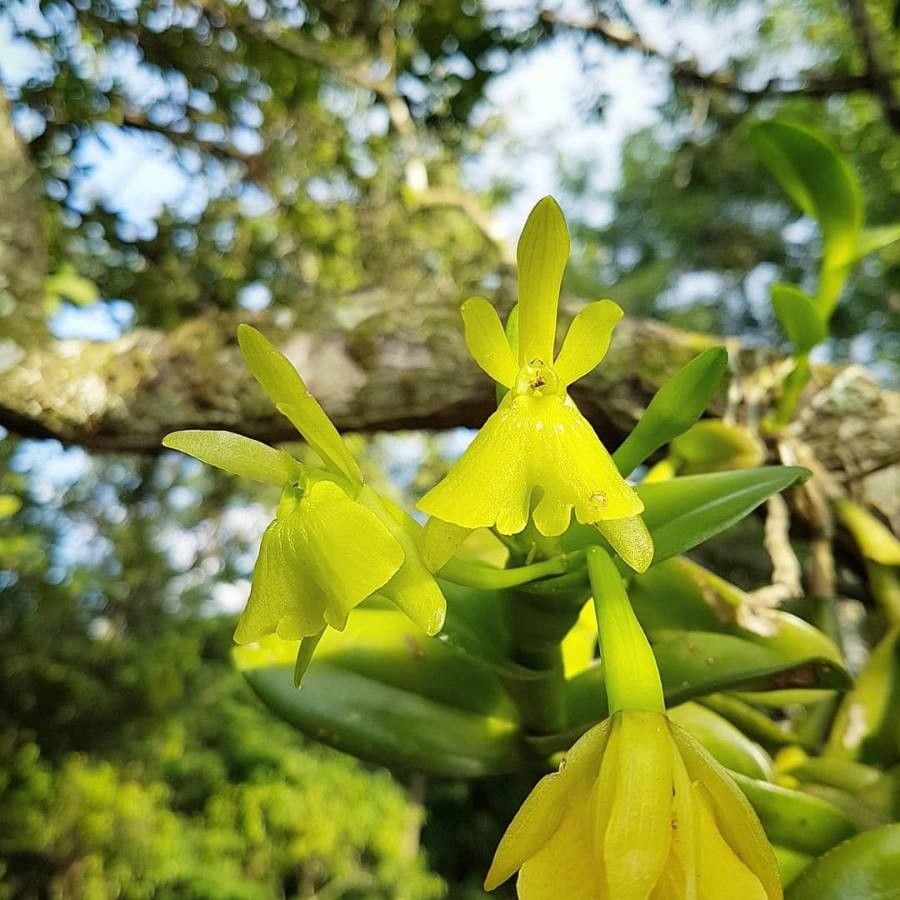
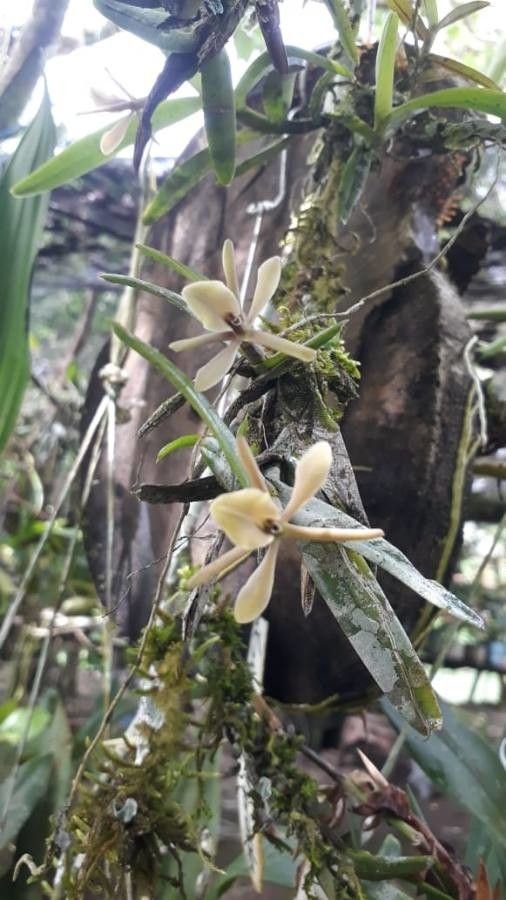
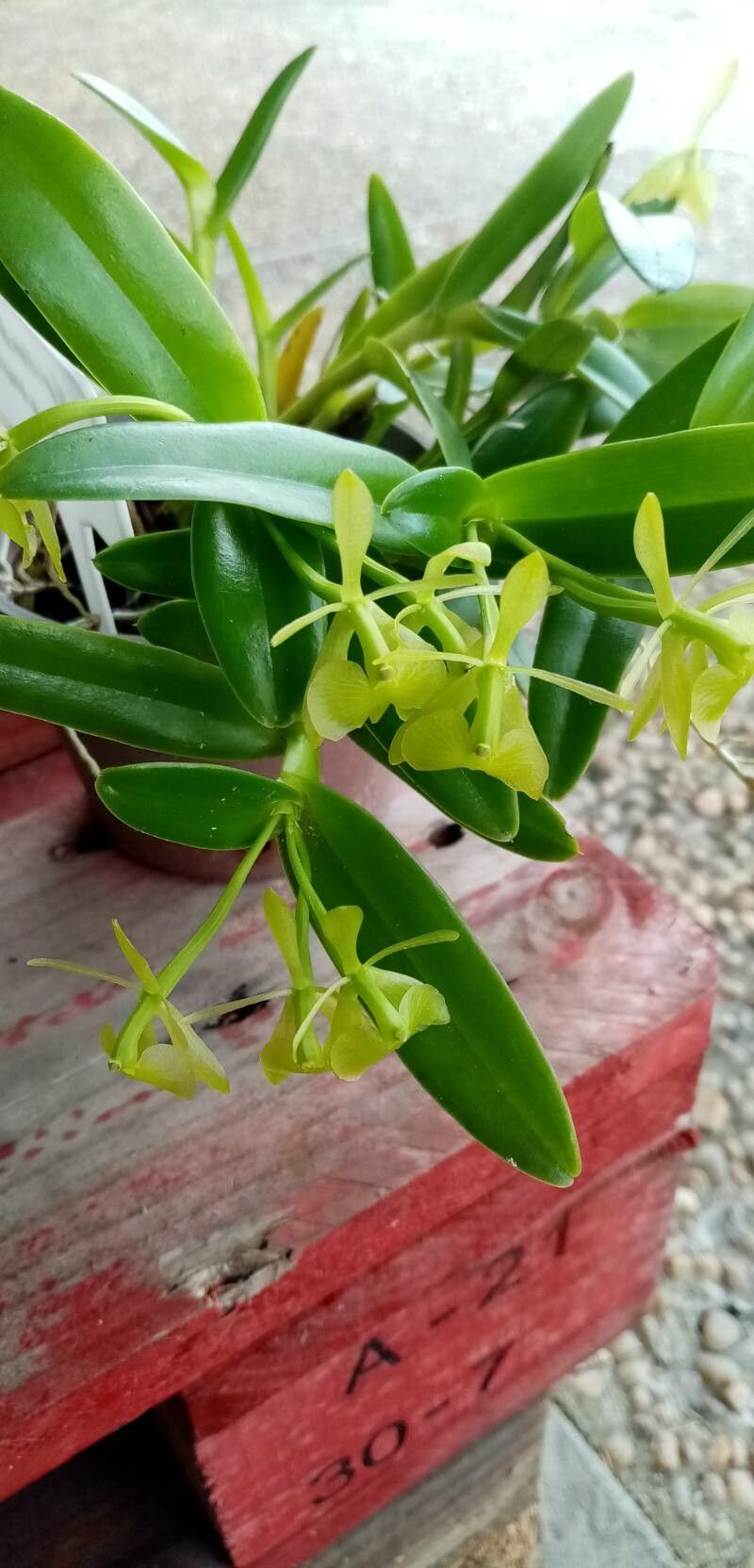
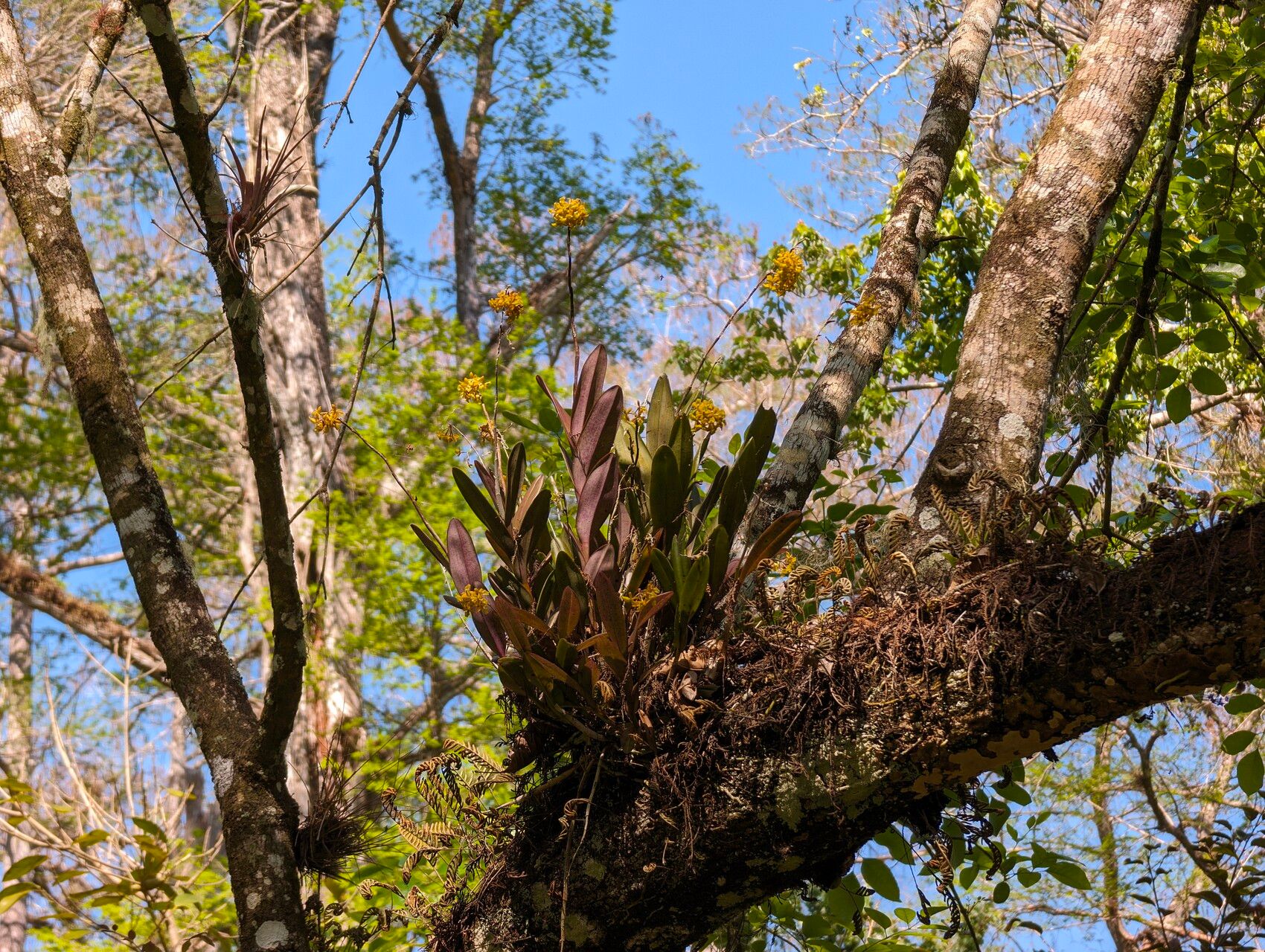
Stamford's epidendrum is generally resistant to disease and is affected by relatively few insect pests. Its care is considered difficult because it needs high humidity while maintaining good ventilation and low levels of harmful pathogens. Too much watering can cause root rot. Growing Stamford's epidendrum is suitable for anyone, but keeping it healthy and getting it to flower again requires more cultivation experience.
How to keep Epidendrum Stamfordianum.
Light
Stamford's epidendrum occurs naturally in habitats like forest understories or rocky sites, where it grows in natural shade. It prefers partial sun but can adapt to full sun or full shade, showing that it is versatile and hardy.
Water
Stamford's epidendrum thrives in humid conditions, reflecting its tropical rainforest origins. For optimal health, it should be watered moderately every 1-2 weeks. Being an evergreen, it keeps its foliage throughout the year, which means it needs more frequent watering during the growing season.
Temperature
Stamford's epidendrum does best in warm conditions. It prefers moderately high temperatures but not excessively hot or humid ones. Sunlight helps warm the plant and encourages flowering. However, prolonged direct sun in summer can cause sunburn, so the amount of light should be controlled during that season. The plant usually does not tolerate cold well and needs adequate protection and higher temperatures in winter to prevent freezing.
Fertilizer
Appropriate fertilization is vital for the health and appearance of Stamford's epidendrum. Fertilize Stamford's epidendrum during the summer, repeating the treatment monthly throughout the season. Nutrients supply energy for growth and help maintain the plant's parts. Fertilization improves Stamford's epidendrum's flower display, ensuring the best blooms.
Pruning
Stamford's epidendrum showcases beautiful clustered flowers and is quite resilient. To promote growth and encourage blooming, prune it in early spring by removing dead stems and trimming back old flower spikes. This process improves air circulation, reduces disease, and gives the plant a tidier shape, resulting in healthier and more abundant flowers.
Pot & Repot
When repotting Stamford's epidendrum, pick a slightly larger pot with good drainage, preferably a clear orchid pot. Use an orchid-specific, well-draining mix that includes bark or moss. Carefully clean the roots and trim any that are dead or rotting. Repot after flowering, usually in spring or fall, water thoroughly, and place in bright, indirect light. Avoid disturbing the roots once repotted.
Botanical profile.
- Plant Type
- Herb
- Life Cycle
- Perennial
- Genus
- Epidendrum
- Family
- Orchidaceae
- Hardiness Zone
- 10-12
- Mature Height
- 30 cm to 61 cm
- Mature Spread
- 20 cm to 30 cm
- Leaf Color
- Forest Green
- Leaf Type
- Evergreen
- Flower Size
- 2.03 cm to 3.05 cm
- Bloom Time
- Spring, Early summer, Mid summer
- Planting Time
- Spring, Summer, Autumn
- Harvest Time
- Summer, Early fall, Mid fall
- Native Area
- Colombia, Belize, Honduras, Mexico, Guatemala, Venezuela, El Salvador, Nicaragua, Costa Rica, Panama
Reader questions.
What is Stamford's epidendrum?
Stamford's epidendrum is a plant known botanically as Epidendrum stamfordianum. Information about its essential features, symptoms of its health, and any additional details were not provided.