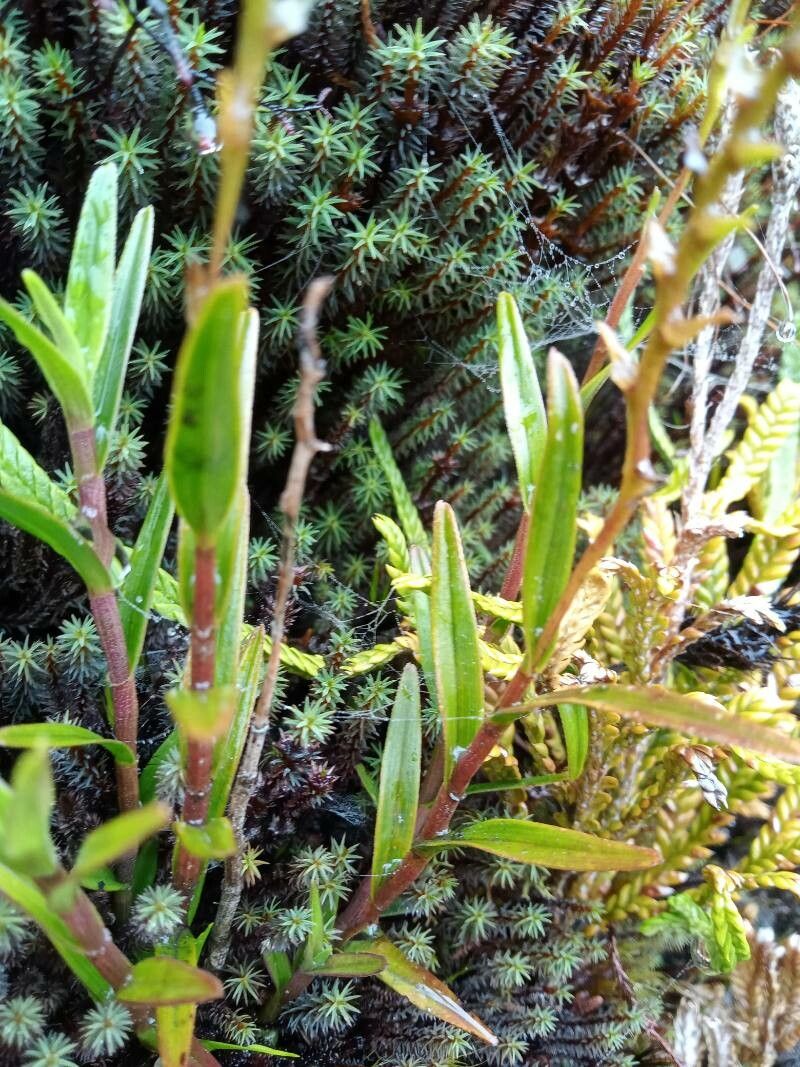
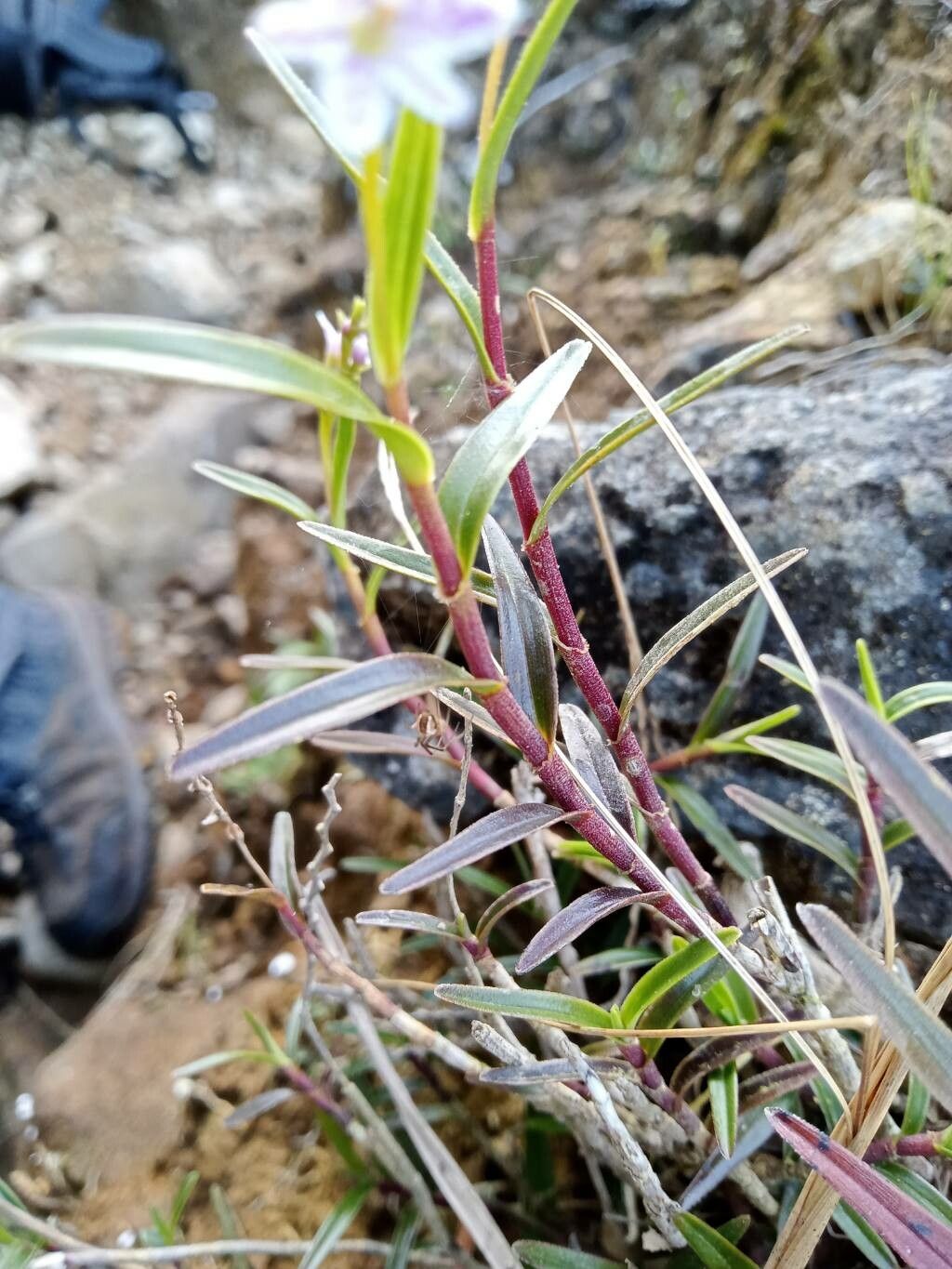
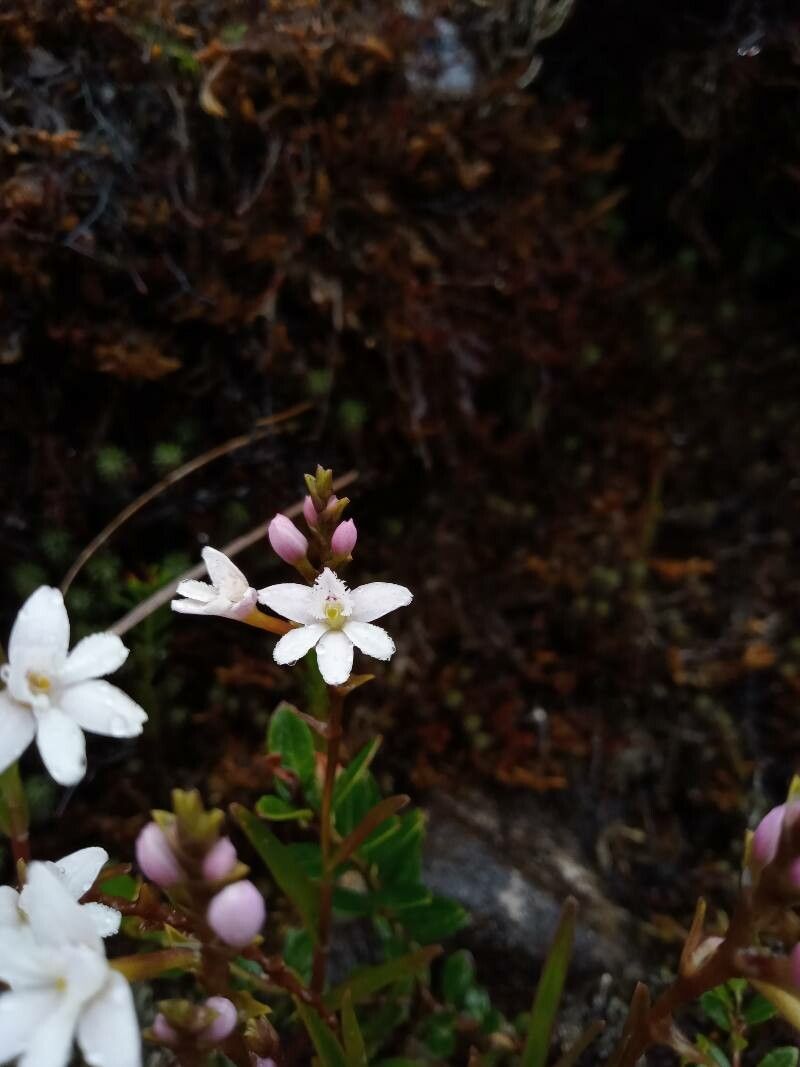
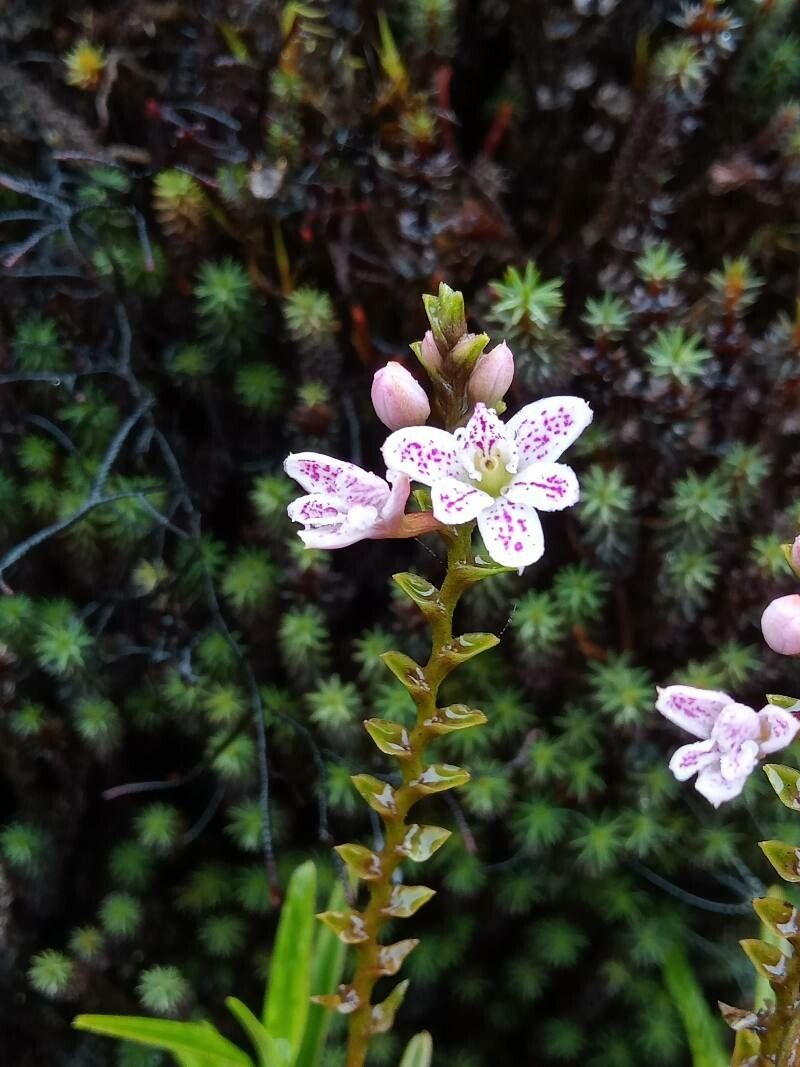
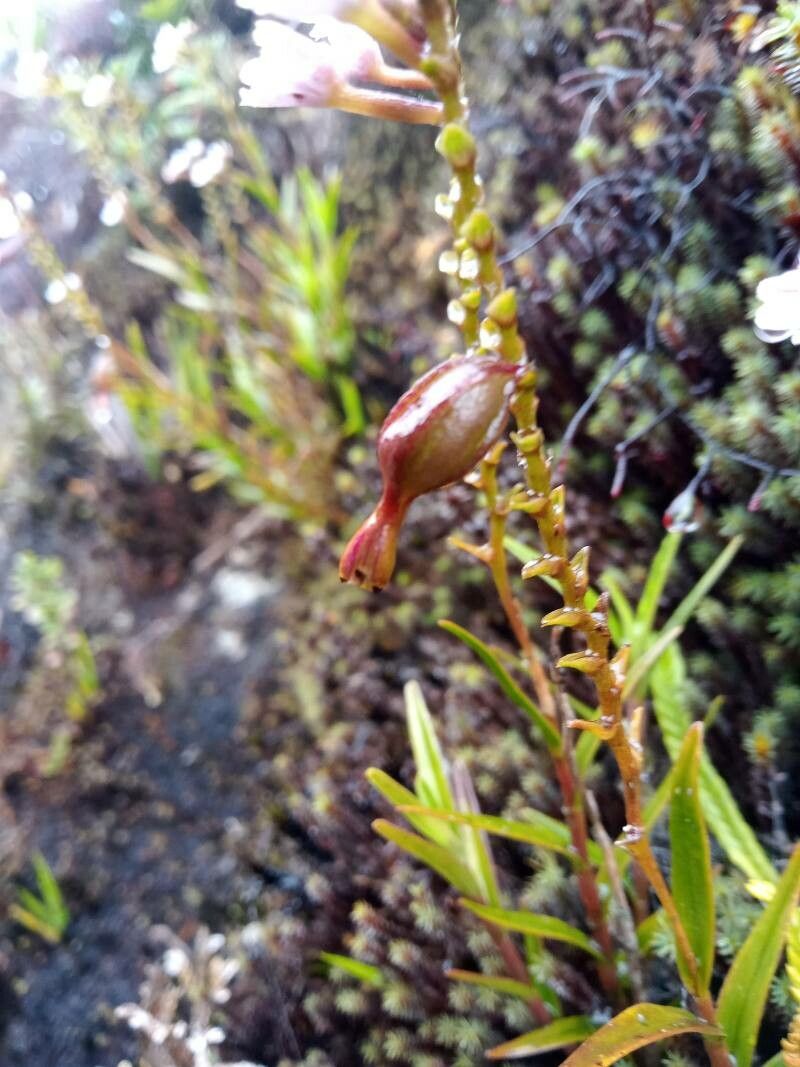
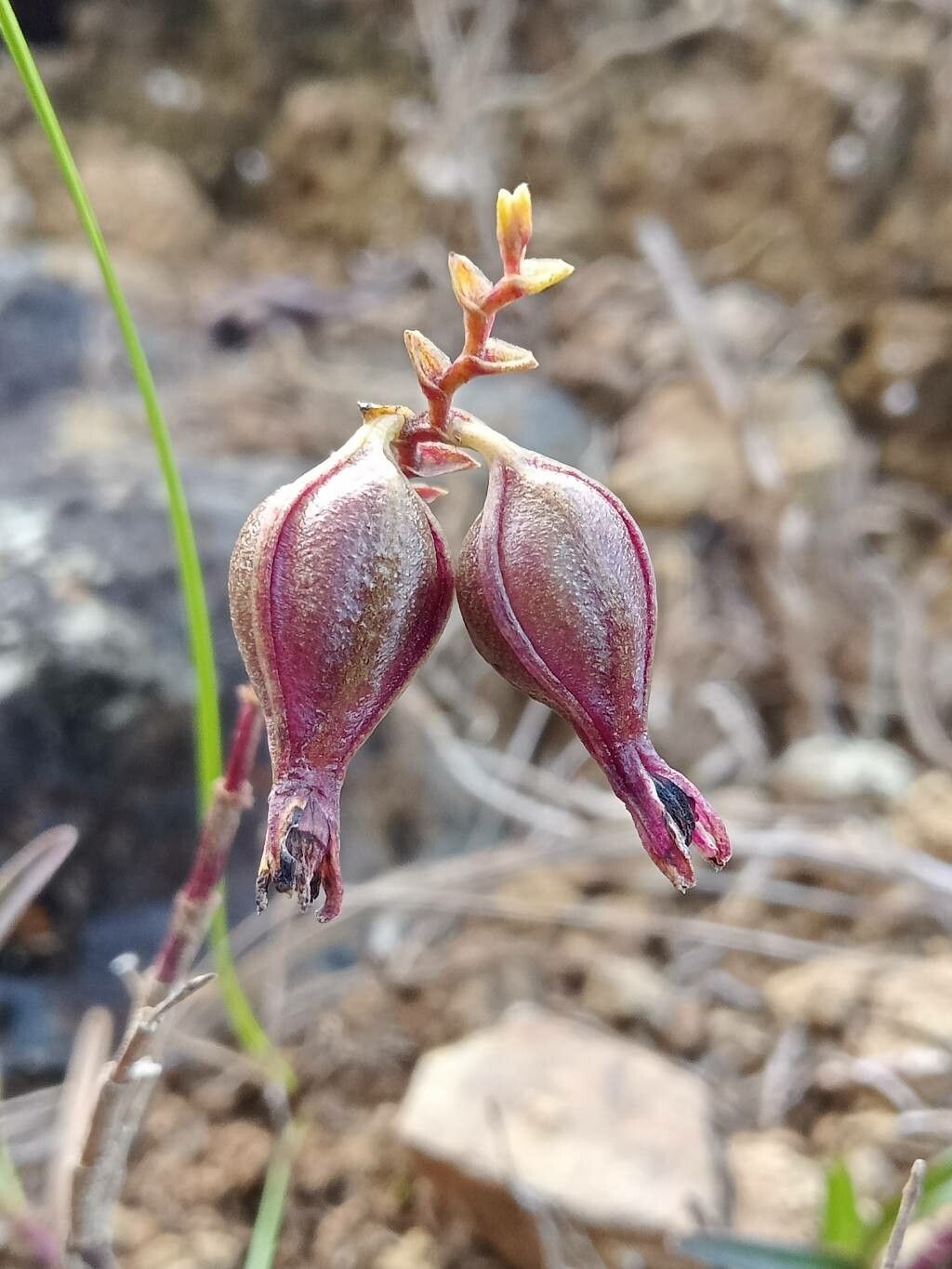
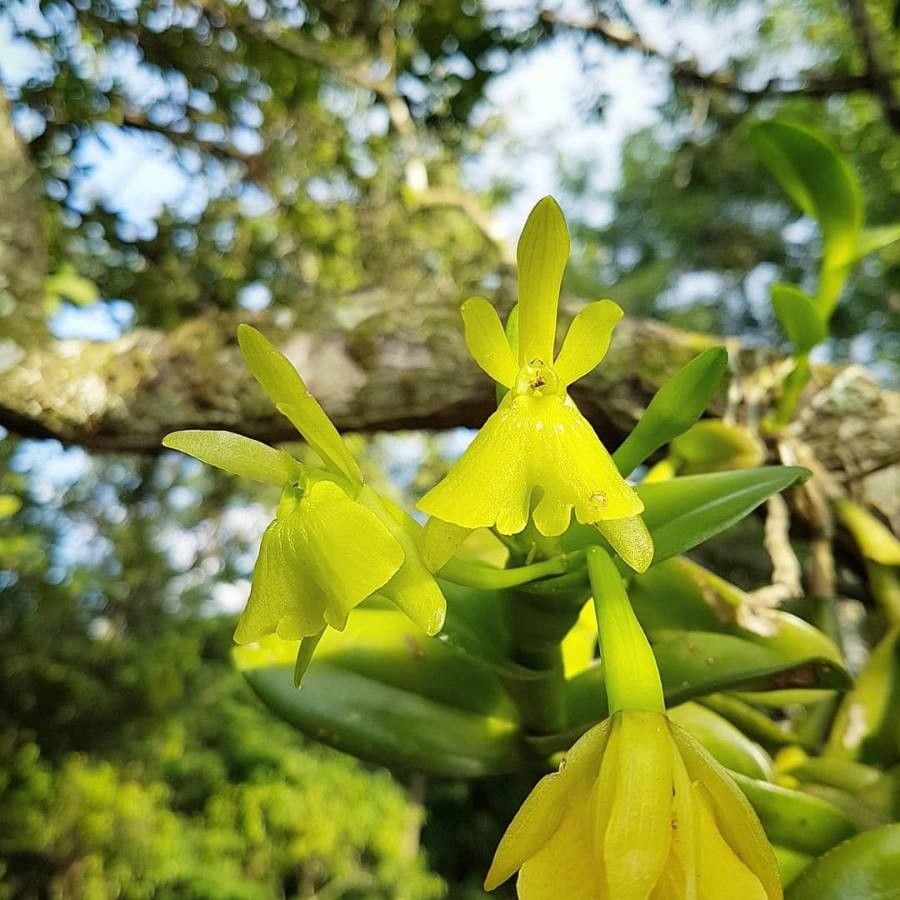
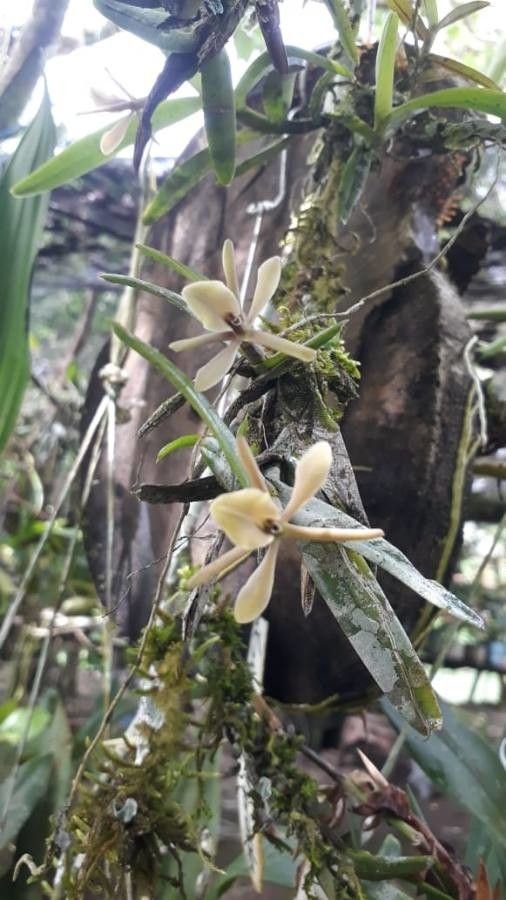
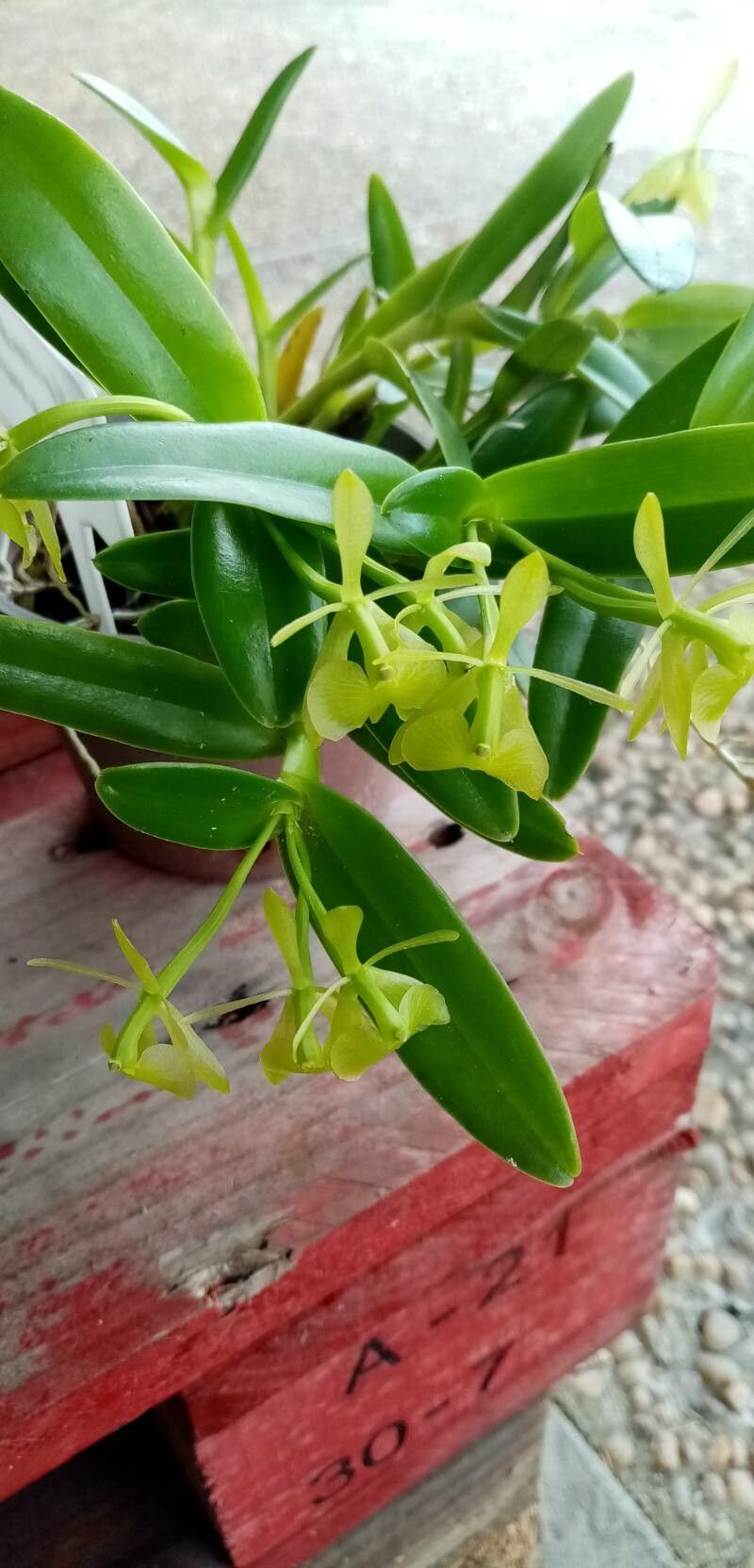
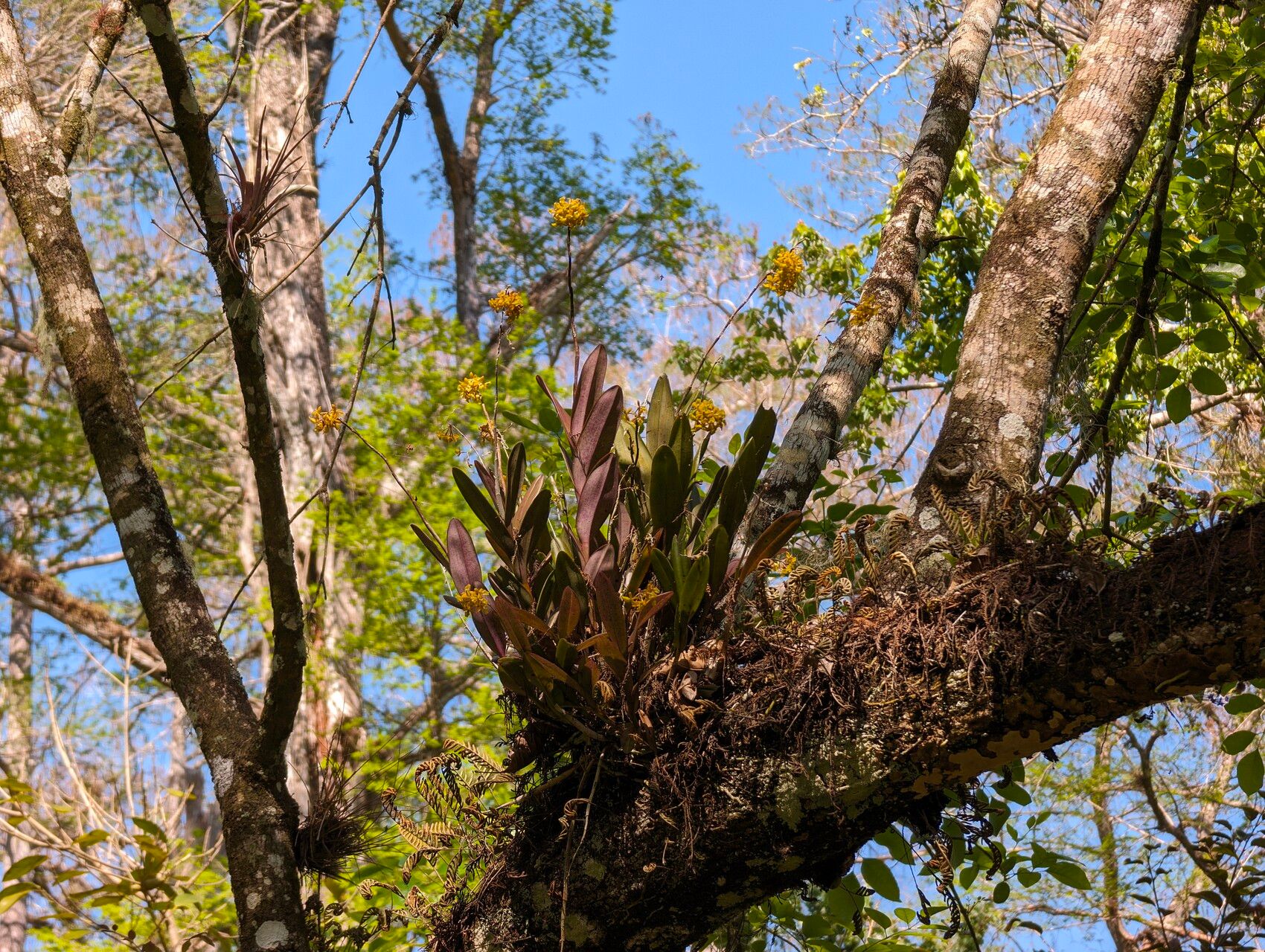
Epidendrum fimbriatum is a terrestrial orchid native to high altitudes (2.2—3.4 km) in Bolivia, Colombia, Ecuador, Peru, and Venezuela.
Mini-orchids generally have good resistance to disease and relatively few insect pests. Their care is considered difficult because they need a high-humidity yet well-ventilated environment with few harmful pathogens. Overwatering can cause root rot. While anyone can grow Mini-orchids, keeping them healthy and getting them to bloom again demands more growing experience.
How to keep Epidendrum Fimbriatum.
Light
Mini-orchids prefer moderate sun exposure and do best in places where sunlight is filtered or diffused. They can tolerate full sun and also low light, but a balanced amount is ideal. Native to habitats where sunlight is constantly changing, these plants may have their growth hindered if light is noticeably too little or too much.
Water
Mini-orchids thrive in high humidity and require consistent moisture to mimic their natural tropical rainforest habitat. Water them twice a week, but ensure there are short dry periods in between. Misting the plants is beneficial, especially during the growing season when they produce vibrant blooms.
Temperature
Mini-orchids prefer warm conditions. They grow best at moderately high temperatures but not in extremely hot, humid weather. Sunlight helps warm the plant and encourages flowering. However, extended direct sun in summer can cause sunburn, so you should limit how much sunlight they get during that season. The plants generally handle cold poorly, so they need proper protection and warmer conditions in winter to avoid freezing.
Fertilizer
Appropriate fertilization is essential for Mini-orchids' health and appearance. Fertilize Mini-orchids in summer, repeating the application monthly throughout the season. Nutrients support growth and help maintain the plant's tissues. Fertilization improves Mini-orchids' flower display, ensuring the best blooms.
Pruning
Pruning mini-orchids annually is crucial for their health and blooming. The best time to do this is from late winter to early spring. Start by removing any dead stems and spent blooms. Make sure your tools are sterilized to prevent the spread of diseases. Regular pruning enhances air circulation and stimulates vigorous growth.
Pot & Repot
When repotting mini-orchids, pick a pot that is just a bit larger and has good drainage, ideally a clear orchid pot. Use an orchid-specific, well-draining mix that includes bark or moss. Carefully clean the roots and cut away any that are dead or rotting. Repot after the plant has finished flowering, typically in spring or fall, water thoroughly, and place the plant in bright, indirect light. Do not disturb the roots once repotted.
Botanical profile.
- Plant Type
- Herb
- Life Cycle
- Perennial
- Genus
- Epidendrum
- Family
- Orchidaceae
- Hardiness Zone
- 10-12
- Mature Height
- 30 cm to 61 cm
- Mature Spread
- 20 cm to 30 cm
- Leaf Color
- Green, Blue
- Leaf Type
- Evergreen
- Flower Color
- Yellow
- Flower Size
- 2.03 cm to 3.05 cm
- Bloom Time
- All year round
- Planting Time
- Spring, Summer, Autumn
- Harvest Time
- All year round
- Native Area
- Colombia, Bolivia, Venezuela, Peru, Ecuador
Reader questions.
What are the sunlight requirements for Mini-orchids?
Mini-orchids thrive in moderate sun exposure, with a preference for areas where sunlight is filtered or diffuse. They can tolerate full sun exposure and the absence of sun to some extent, but a balance between the two is optimal. This is reflective of their natural habitat, where sunlight conditions are ever-changing. Artificial lighting can also be used to supplement natural light, especially in less sunny spaces or during the winter. LEDs are a good choice, providing the specific wavelengths plants need. The amount of artificial light required varies based on the type of sunlight the plant needs (full sun, partial sun, full shade), with recommended wattages per square foot for each category.
What is the botanical name of Mini-orchids?
The botanical name of Mini-orchids is Epidendrum fimbriatum.
What are the symptoms of improper light exposure on Mini-orchids?
Improper light exposure can lead to several symptoms in Mini-orchids. Insufficient light may result in smaller new leaves, leggy or sparse growth, faster leaf drop, slower or no new growth, lighter-colored new leaves, or leaf curling. On the other hand, excessive light can cause chlorosis (leaves turning yellow), sunscald, wilting, and leaf scorching. These symptoms reflect the plant's struggle to adapt to its lighting conditions, impacting its health and growth.
How can I alleviate symptoms of improper light exposure in Mini-orchids?
To address light-related issues in Mini-orchids, gradually acclimatize them to optimal light conditions. For indoor plants, shift to sunnier spots weekly until achieving 3-6 hours of direct sunlight daily, or use artificial lighting for large, immovable plants, ensuring at least 8 hours of light daily. Outdoors, similarly acclimatize plants to sunlight, avoiding abrupt changes to prevent sunburn. If light is obstructed, consider pruning or transplanting to more sunlit areas. Note that damaged parts might not recover, but new growth should be healthy with improved lighting.
What specific care tactics can ensure Mini-orchids thrive in the correct light conditions?
Ensuring Mini-orchids thrive involves several strategies tailored to their lighting needs. Indoors, employing artificial light like LED grow lights can supplement natural light, especially in darker spaces or during less sunny seasons. Placement should mimic natural sunlight, with adjustments made for light intensity and duration based on the plant’s needs. Outdoors, a gradual transition to sunnier or shadier spots helps prevent shock. Managing obstructions, such as by pruning overhanging branches, and considering the plant's natural growth and dormant periods when transplanting, can optimize sunlight exposure and plant health.