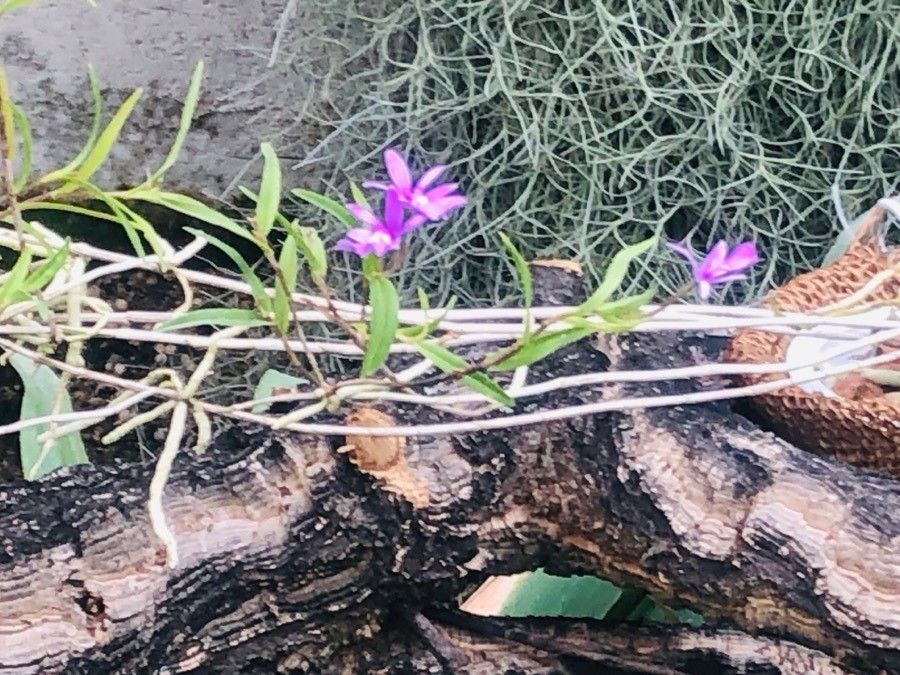
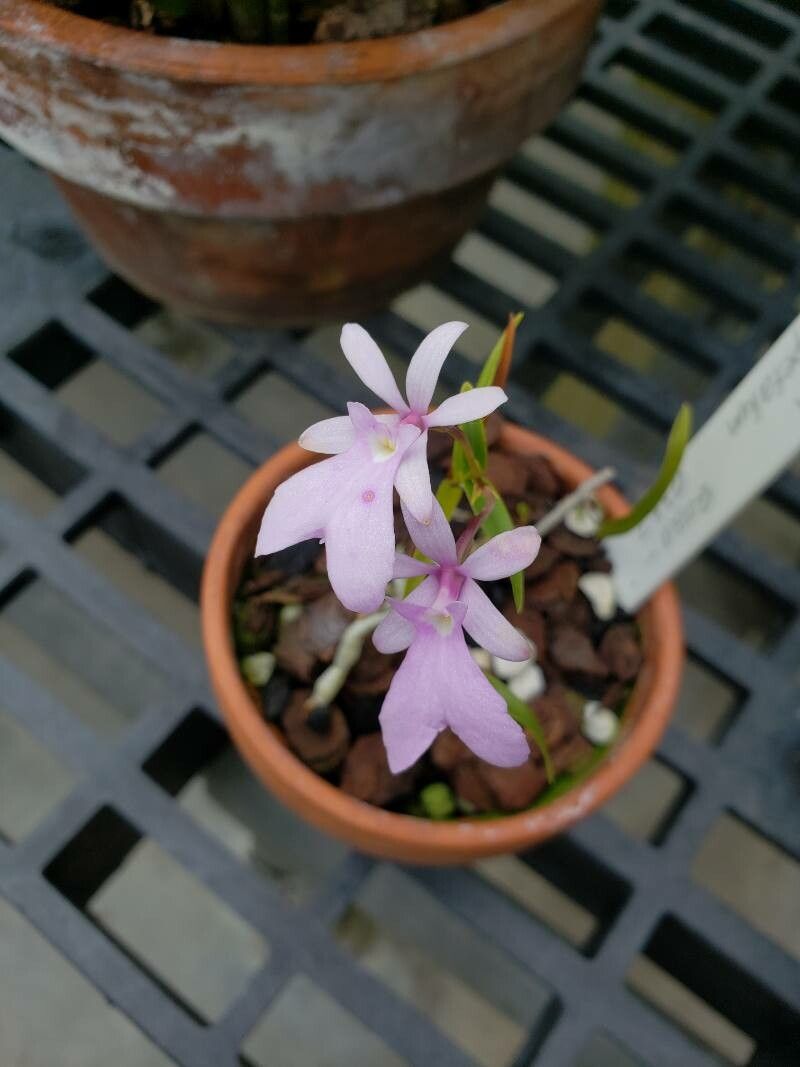
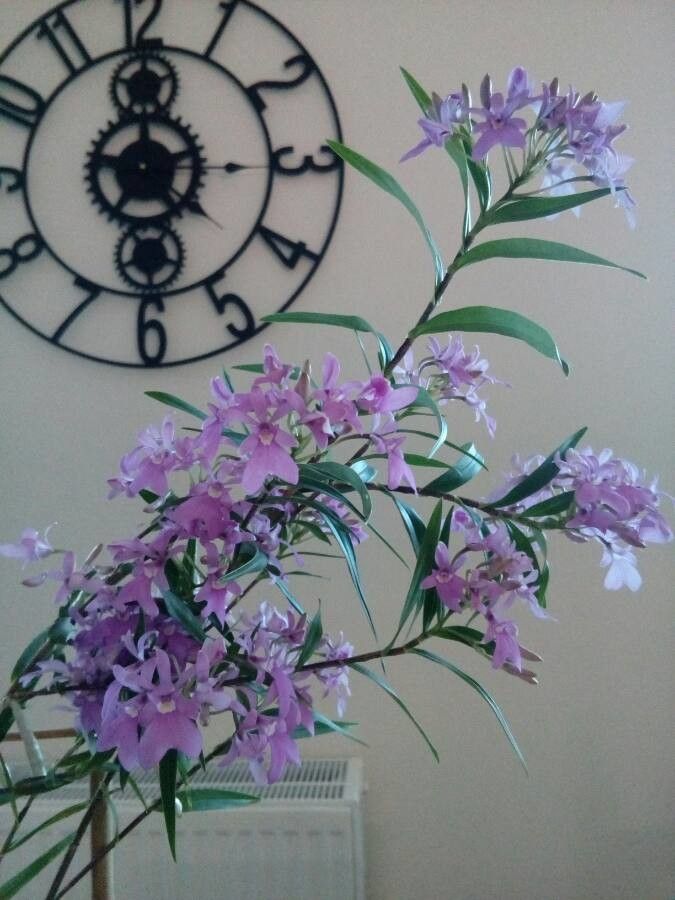
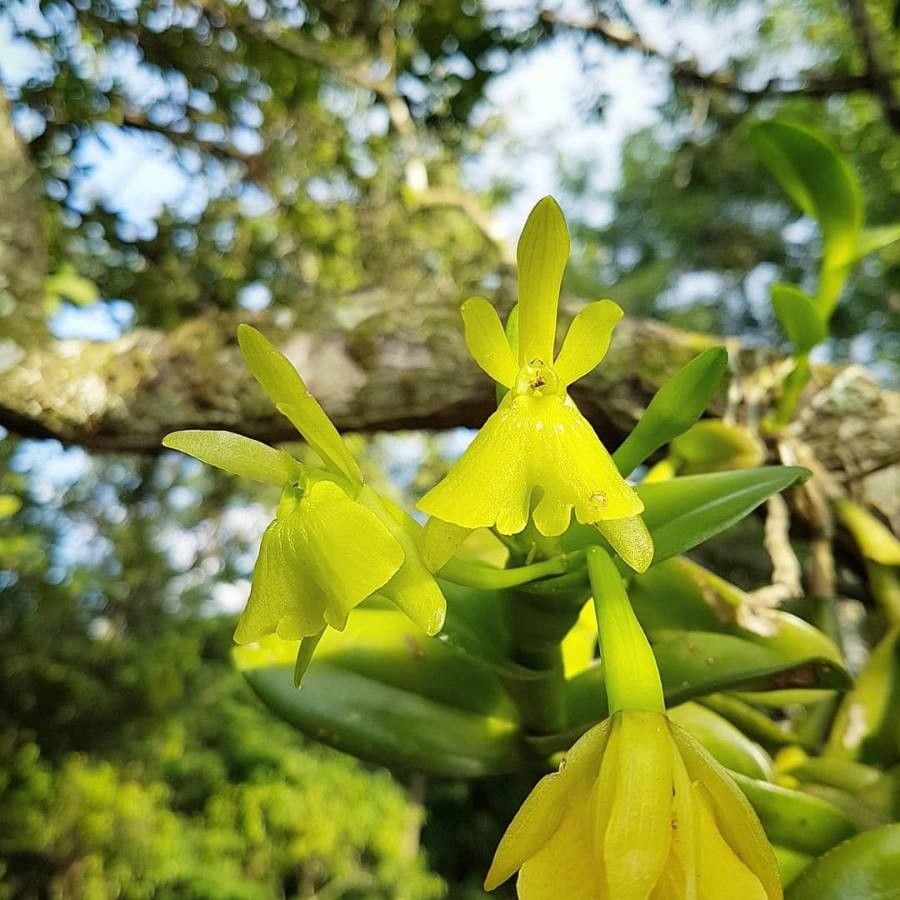
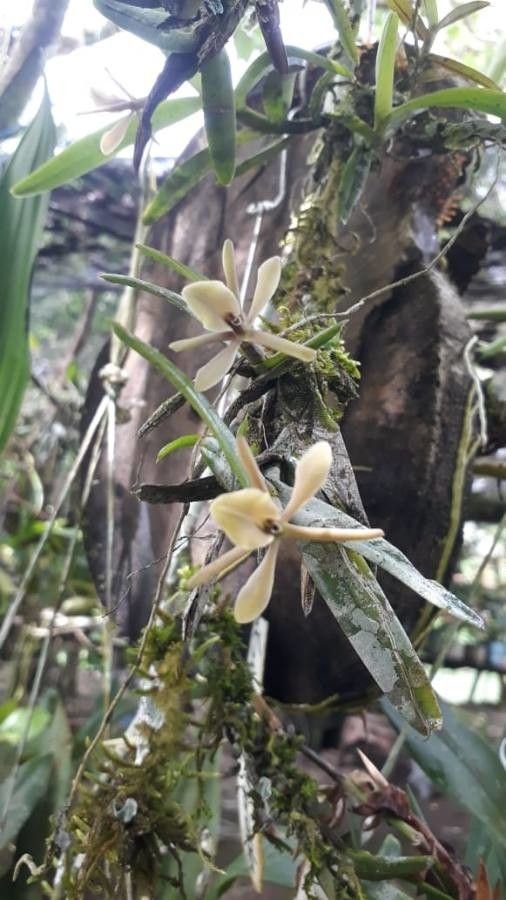
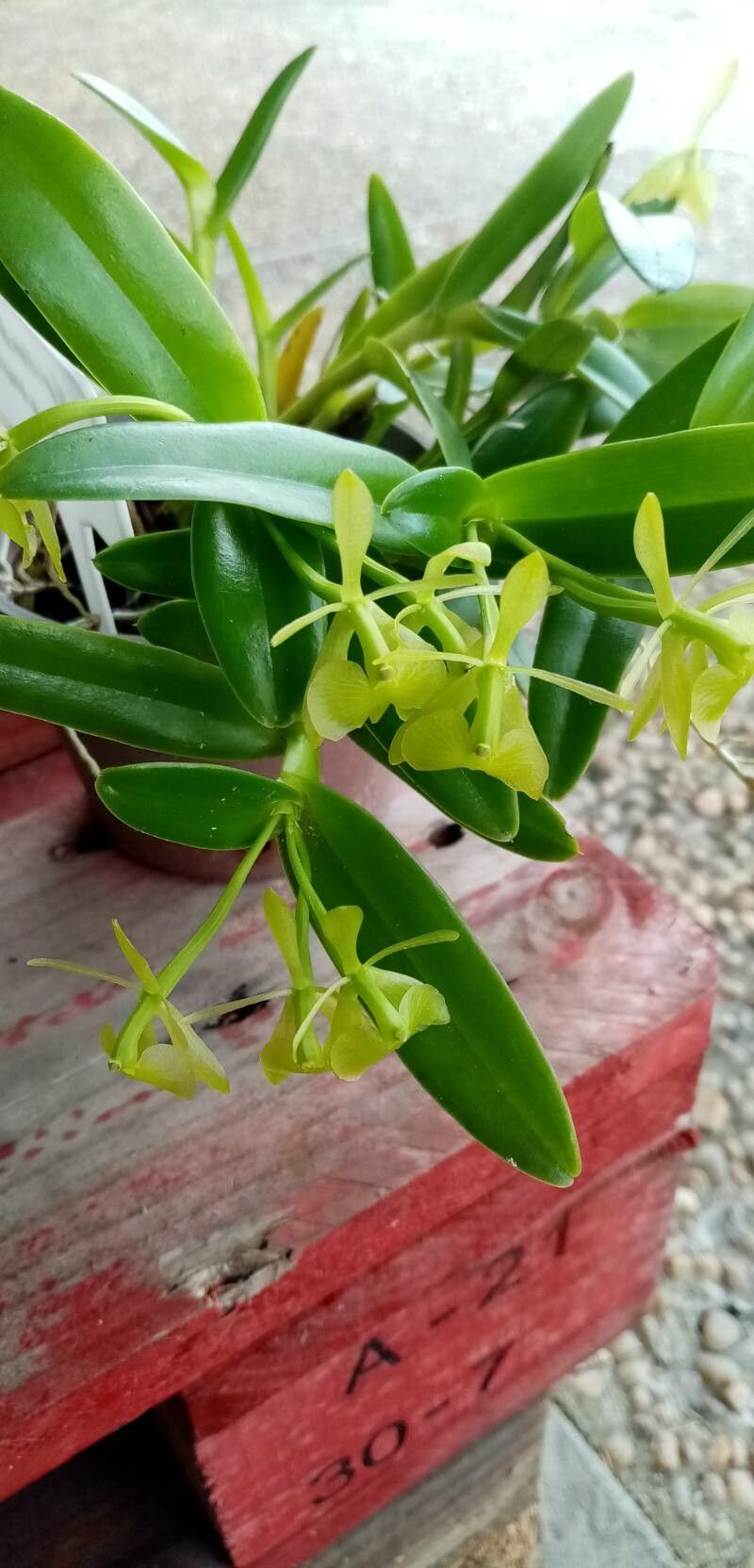
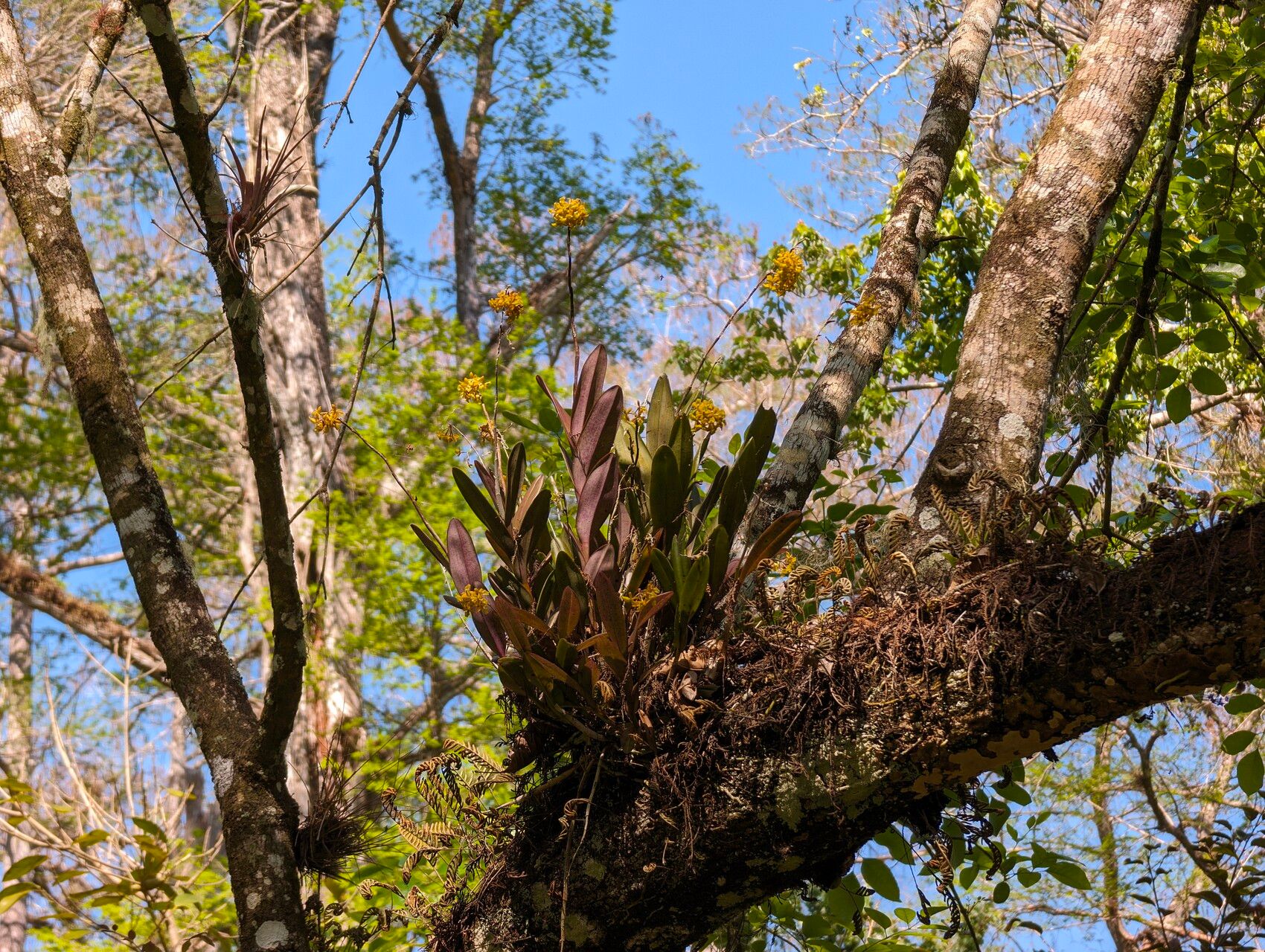
Epidendrum centropetalum is generally resistant to disease and encounters relatively few insect pests. Its care is considered challenging because it needs high humidity together with good ventilation and minimal harmful pathogens. Too much watering can cause root rot. While anyone can grow Epidendrum centropetalum, keeping it healthy and getting it to flower again requires more cultivation experience.
How to keep Epidendrum Centropetalum.
Light
Epidendrum centropetalum is native to habitats like forest understories and rocky sites, where it grows in natural shade. It prefers partial sun but can adjust to full sun or full shade, reflecting its hardy and adaptable nature.
Water
Epidendrum centropetalum, originally from tropical regions, flourishes in humid environments and requires regular moisture. Watering it twice a week is ideal. As an epiphytic orchid, it needs high humidity and good air circulation to prevent problems like root rot, especially when grown indoors.
Temperature
Epidendrum centropetalum prefers warm conditions. It develops best at temperatures that are fairly high but not excessively hot and humid. Sunlight helps warm the plant and encourages flowering. However, extended direct sun in summer can cause sunburn, so the amount of light it receives should be managed during that season. The plant generally does not tolerate cold well, so it needs proper protection and warmer conditions in winter to avoid freezing.
Fertilizer
Proper fertilization is essential for the health and appearance of Epidendrum centropetalum. Fertilize Epidendrum centropetalum in summer, applying fertilizer monthly throughout the season. Nutrients provide fuel for growth and help maintain the plant's components. Fertilization improves Epidendrum centropetalum's flower display, ensuring the best blooms.
Pruning
Epidendrum centropetalum is known for its stunning orchids and thrives best in well-drained conditions. To keep it healthy and promote blooming, prune it in early spring to remove any dead stems. Be sure to sterilize your tools to prevent the spread of disease. Pruning also offers several benefits, such as improved air circulation, reduced pest problems, and enhanced overall plant health, which all support vibrant growth, as noted by horticultural experts.
Pot & Repot
When repotting Epidendrum centropetalum, select a slightly larger pot with good drainage, preferably a clear orchid pot. Use a well-draining, orchid-specific mix that includes bark or moss. Gently clean the roots and trim any that are dead or rotting. Repot after flowering, typically in spring or fall. Water thoroughly after repotting and place in bright, indirect light. Avoid disturbing the roots once repotted.
Botanical profile.
- Plant Type
- Herb
- Life Cycle
- Perennial
- Genus
- Epidendrum
- Family
- Orchidaceae
- Hardiness Zone
- 10-12
- Mature Height
- 30 cm to 61 cm
- Mature Spread
- 20 cm to 30 cm
- Leaf Color
- Dark Green
- Leaf Type
- Evergreen
- Flower Size
- 2.03 cm to 3.05 cm
- Bloom Time
- All year round
- Planting Time
- Spring, Summer
- Harvest Time
- Late spring, Summer, Fall, Winter, Early spring, Mid spring
- Native Area
- Honduras, Mexico, Guatemala, Nicaragua, Costa Rica, Panama
Reader questions.
What is Epidendrum centropetalum?
Epidendrum centropetalum is a plant with a specific botanical name also recognized as Epidendrum centropetalum. However, details regarding its essential characteristics and symptoms when stressed or unhealthy were not provided in the data.