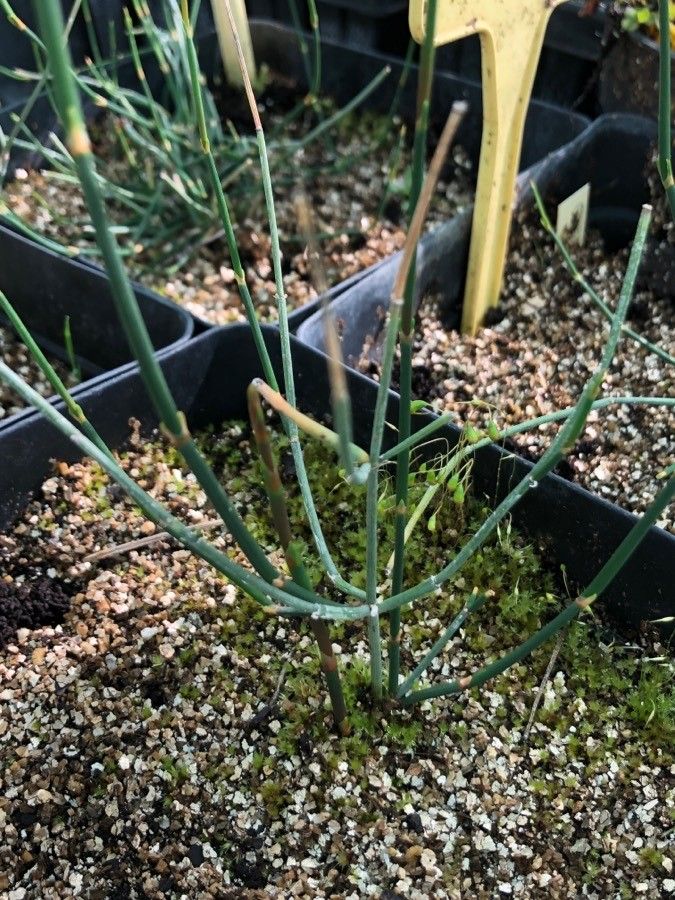
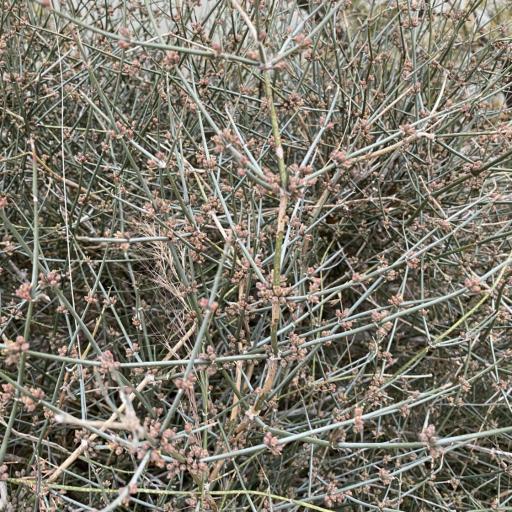
Ephedra distachya, commonly known as joint pine or Siberian ephedra, is a shrub-like plant that belongs to the Ephedraceae family. It is native to the arid regions of Europe and Asia and can be found in countries such as Russia, Kazakhstan, Mongolia, and China.
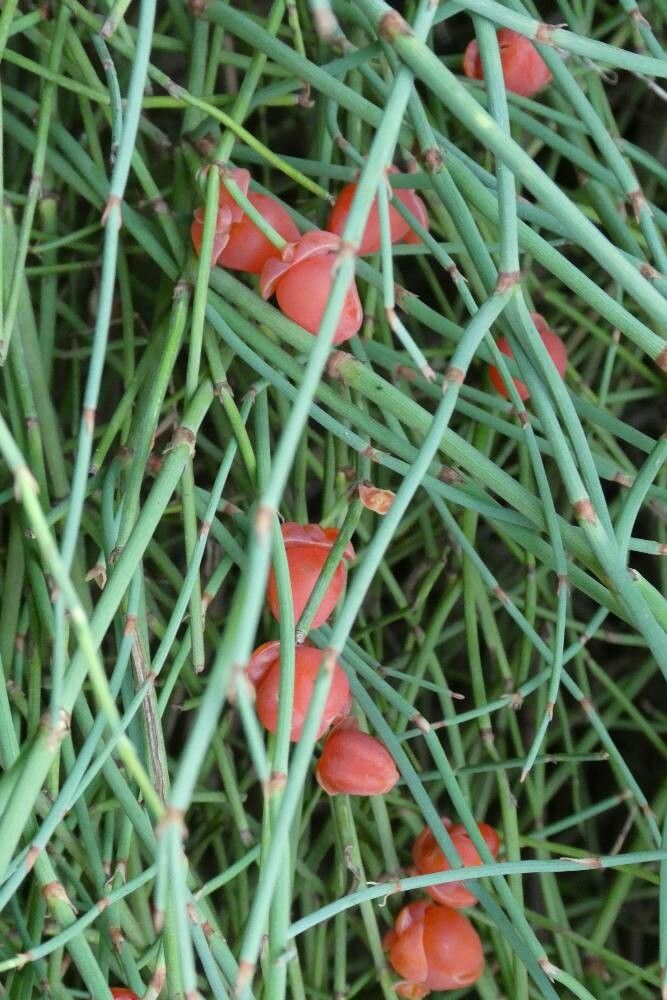
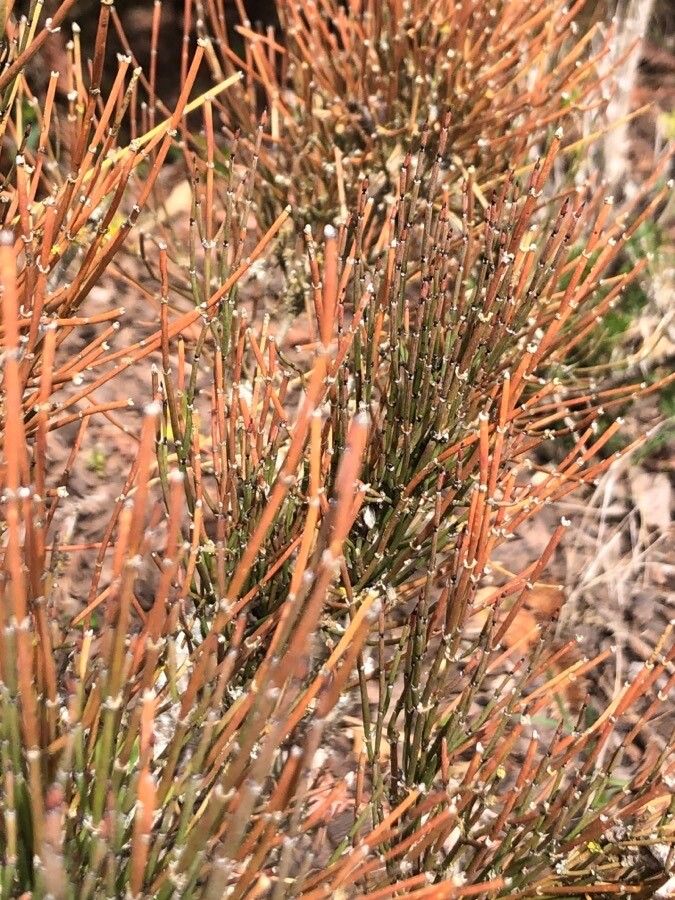
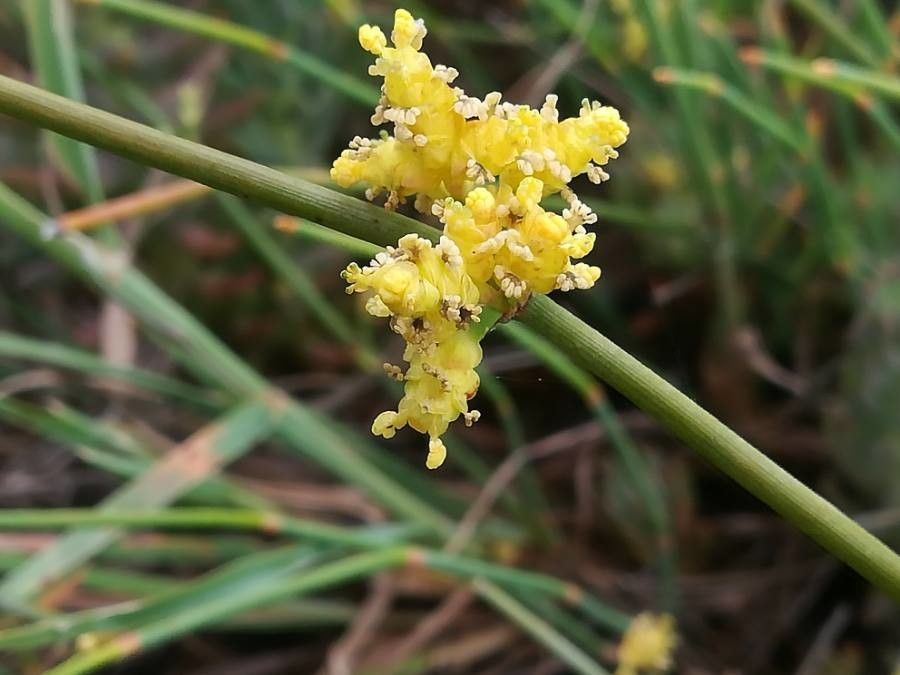
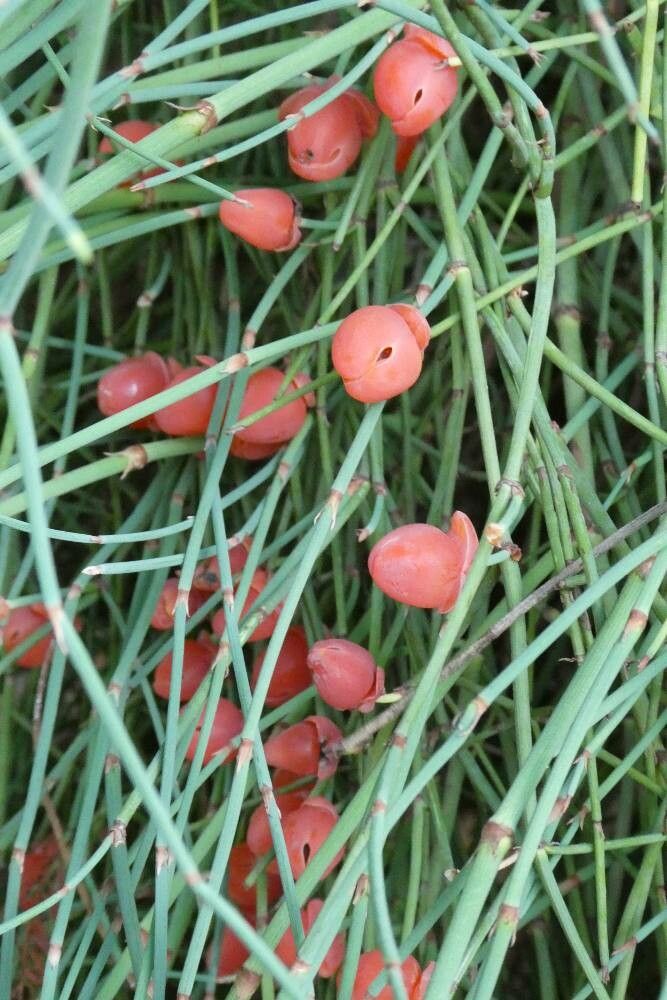
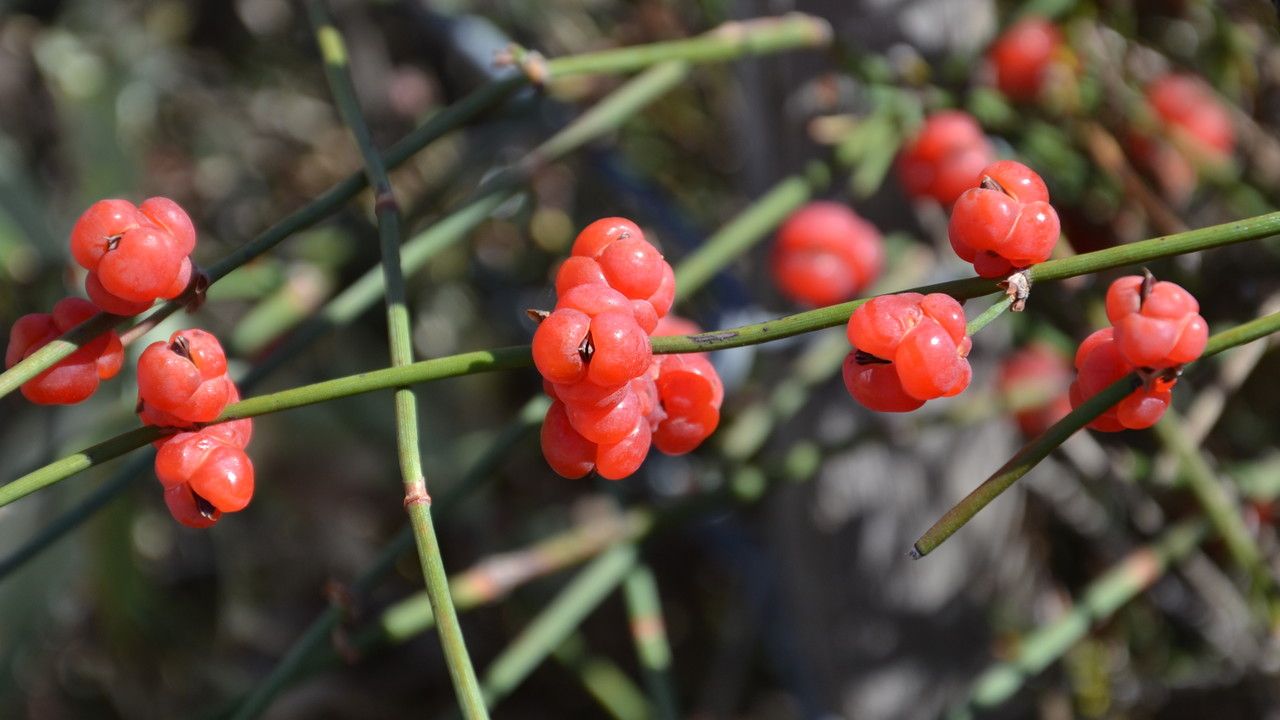
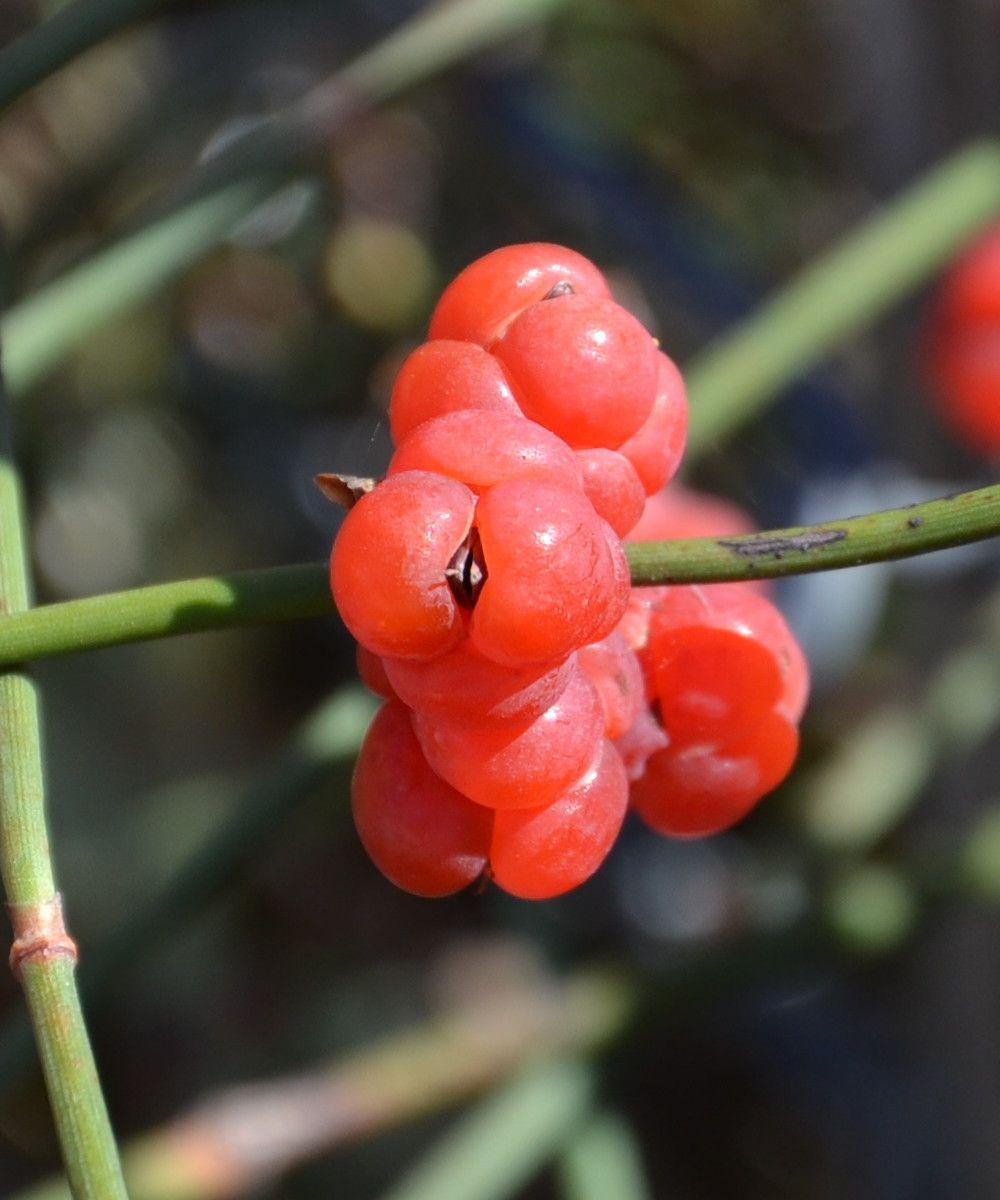
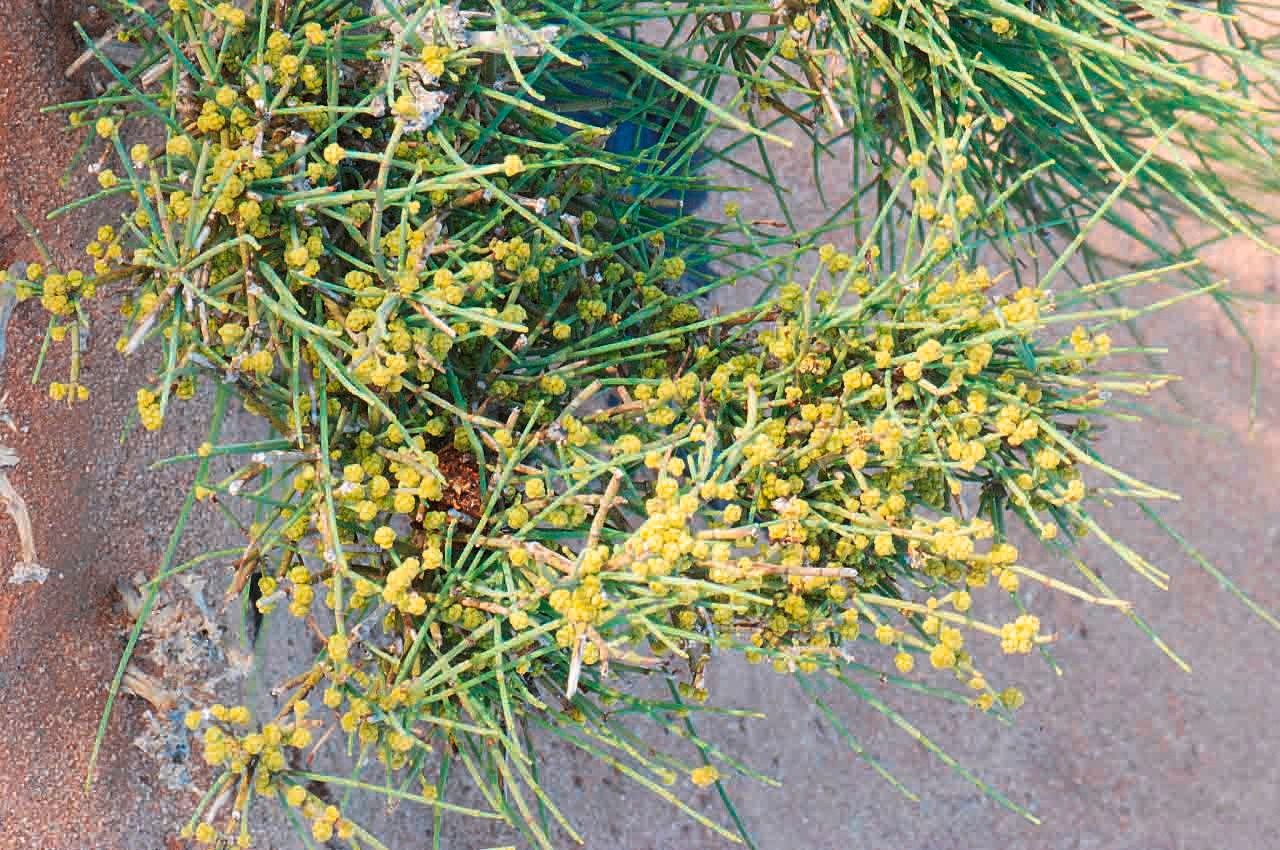
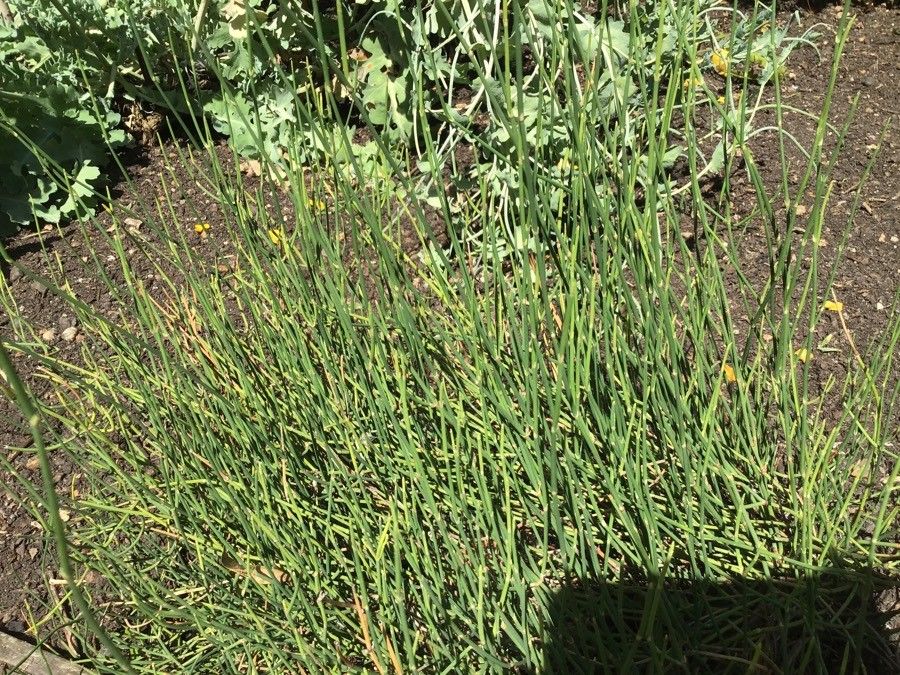
The plant has a unique appearance with jointed stems that are greenish-grey in color. Its leaves are reduced to small scales that grow in pairs at each joint of the stem. Male and female flowers grow on separate plants, with male flowers being yellowish-brown and female flowers being green.
Ephedra distachya has been used for centuries for its medicinal properties. It contains ephedrine alkaloids, which have been used as decongestants and bronchodilators for respiratory conditions such as asthma and bronchitis. Additionally, it has traditionally been used to treat fever, headaches, arthritis pain, and other ailments.
The plant also holds cultural significance among some indigenous communities, where it is used in traditional ceremonies and rituals.
Despite its medicinal properties, Ephedra distachya should be consumed under medical supervision due to potential side effects, including high blood pressure and heart palpitations, which can occur when taken in high doses without medical oversight.
Overall, Ephedra distachya is an intriguing plant with unique medicinal and cultural characteristics, making it an important part of traditional medicine practices around the world today.
Botanical profile.
- Plant Type
- Shrub
- Life Cycle
- Perennial
- Genus
- Ephedra
- Family
- Ephedraceae
- Hardiness Zone
- 5-9
- Mature Height
- 25 cm to 49 cm
- Mature Spread
- 49 cm to 91 cm
- Leaf Color
- Green
- Leaf Type
- Evergreen
- Flower Color
- Yellow, Green
- Flower Size
- 0.25 cm to 0.51 cm
- Bloom Time
- Mid spring, Late spring
- Planting Time
- Autumn
- Harvest Time
- Mid summer, Late summer
Other names.