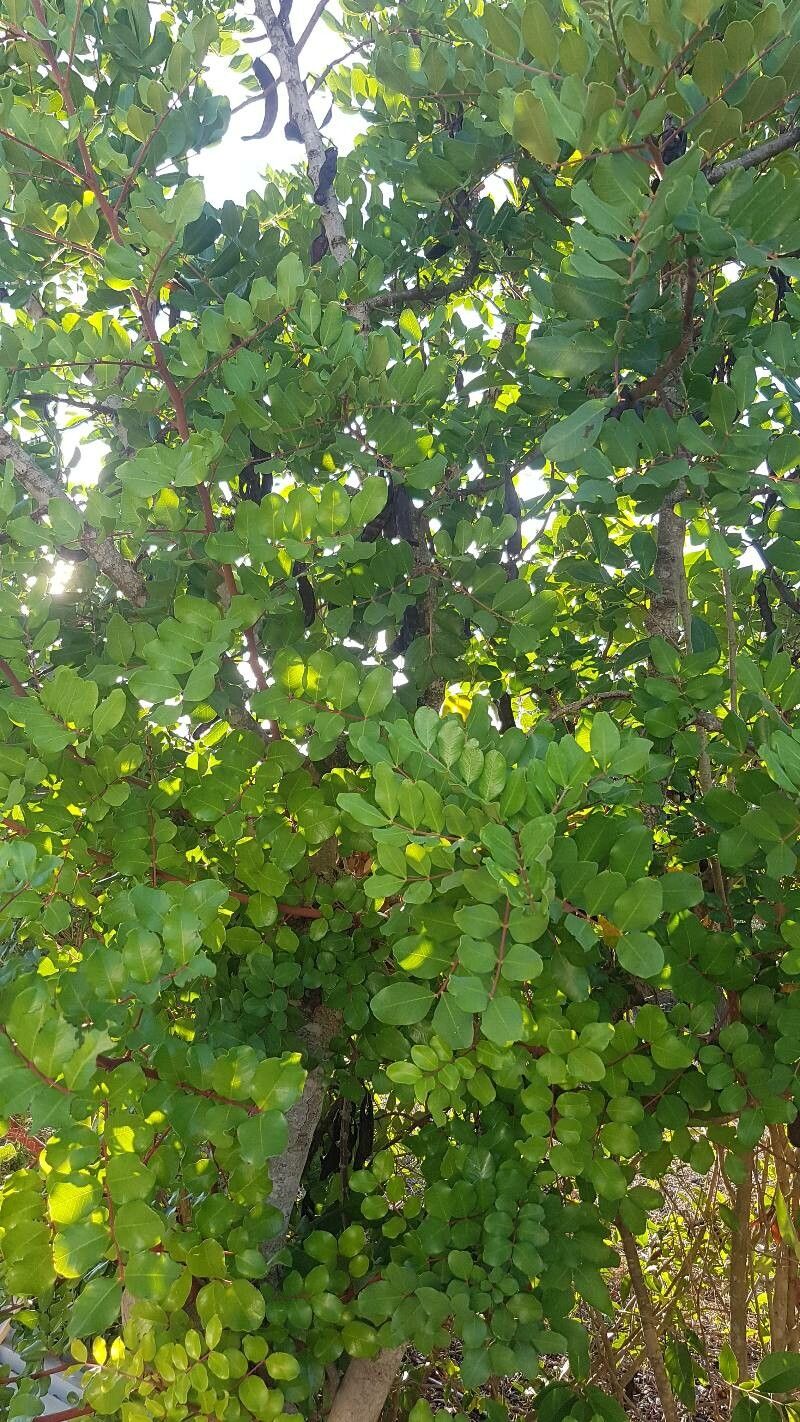
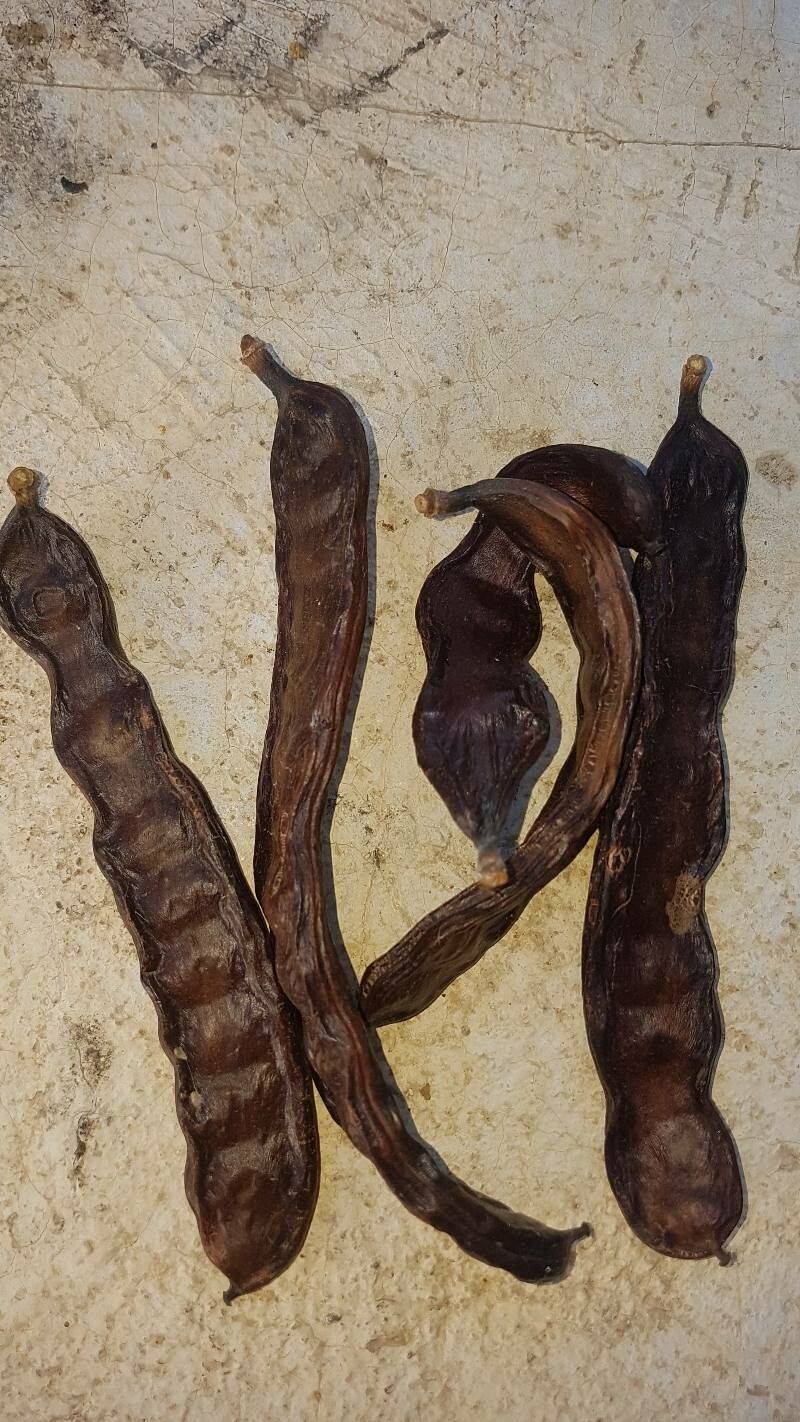
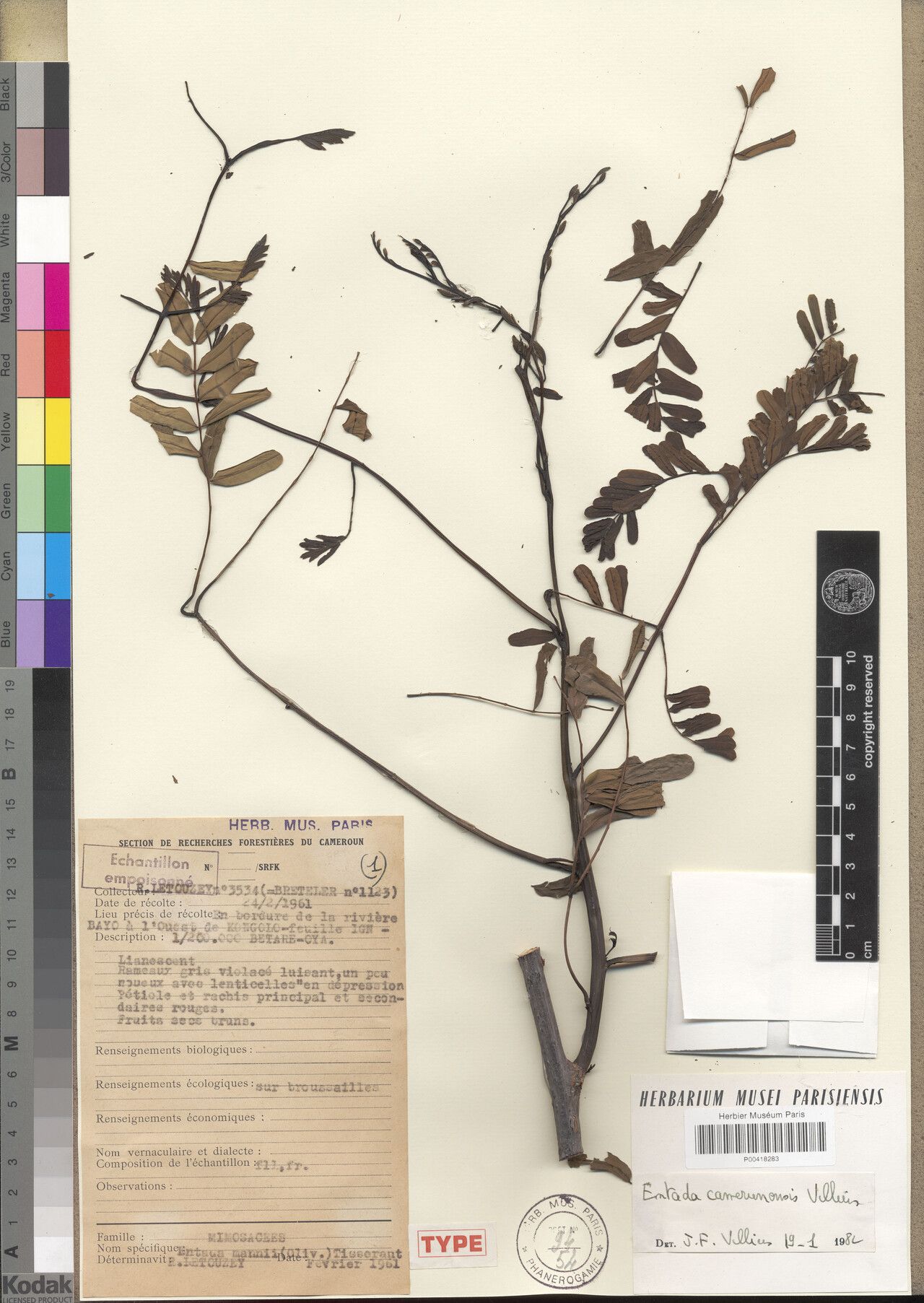
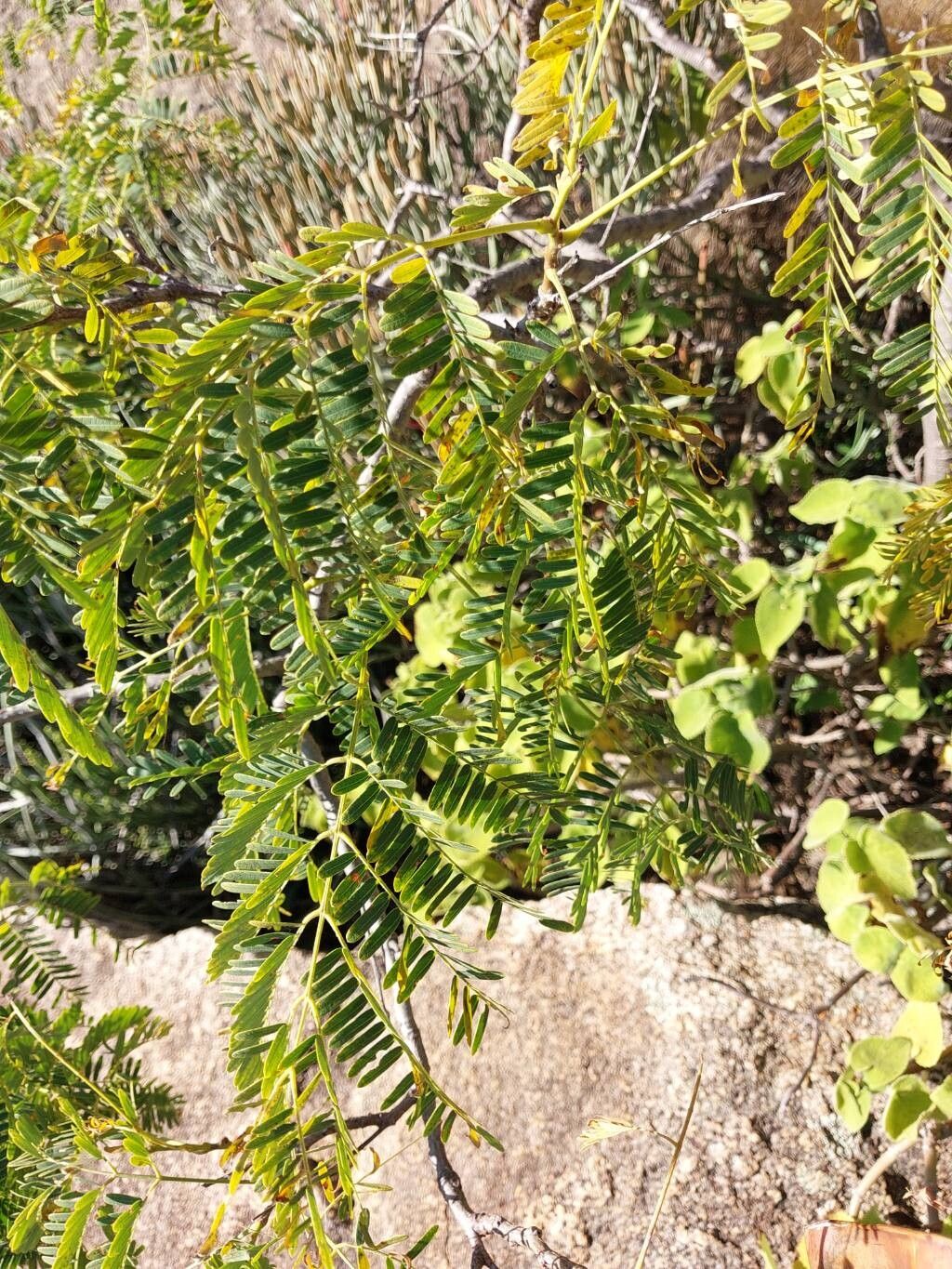
Entada phaseoloides, commonly referred to as the Matchbox Bean or Sea Heart, is a large, woody vine belonging to the Fabaceae family. Native to the tropical regions of Asia and Africa, it grows in countries such as India, Sri Lanka, Malaysia, Indonesia, and Papua New Guinea.
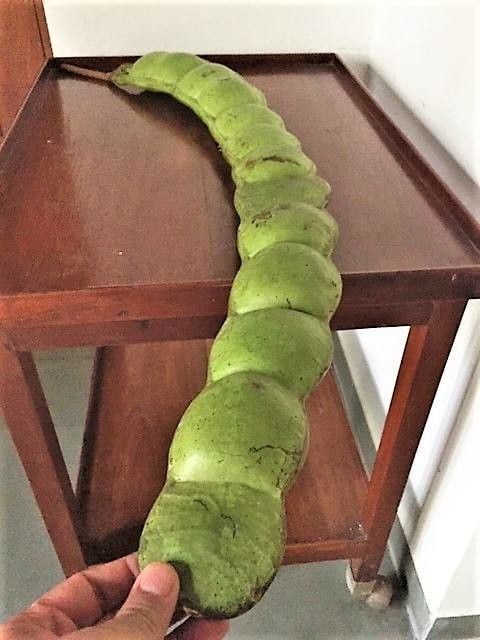
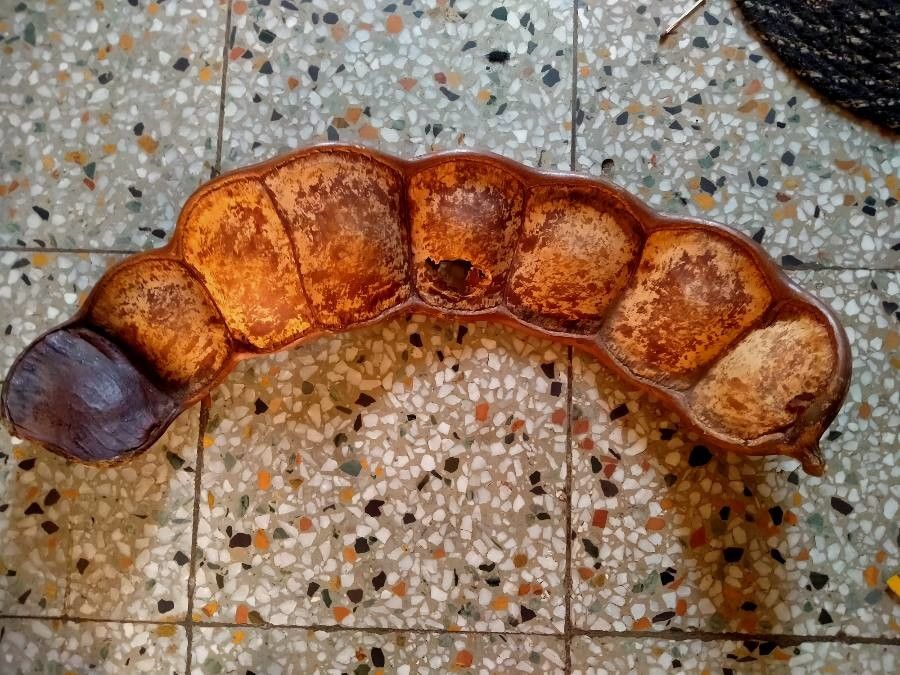
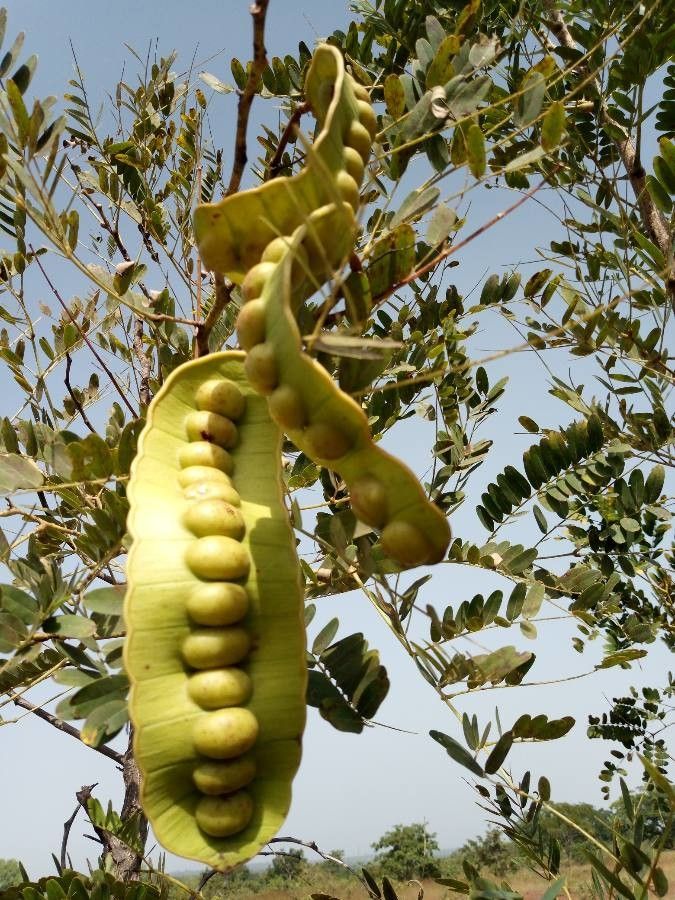
The plant is distinctive for its large pods, which resemble matchboxes or hearts. These pods can grow up to 2 meters in length and contain seeds that are used for various purposes, including jewelry making and traditional medicine.
Entada phaseoloides is notable for its medicinal properties. The plant's seeds are utilized in traditional medicine to treat a range of ailments such as fever, coughs, and skin diseases.
The plant also holds cultural significance in many of the regions where it is found. In certain parts of Africa, it is believed that carrying a seed from Entada phaseoloides can bring good luck. Additionally, some cultures believe it possesses protective properties against evil spirits.
Overall, Entada phaseoloides is a fascinating plant with unique visual and medicinal characteristics, making it an important part of many cultures around the world.
The Matchbox bean has good resistance to disease and is generally not susceptible to illnesses. In terms of care, this plant is fairly low-maintenance. When grown outdoors it needs little watering, and larger plants usually do not require pruning. Smaller plants, however, should be pruned after they have finished blooming. The Matchbox bean is suitable for anyone with an outdoor area, such as a garden or a deck, and does not demand much gardening experience.
How to keep Entada Phaseoloides.
Light
The matchbox bean fares best in direct, unobstructed sunlight. It develops strongly when given plentiful sun for much of the day, though it can also tolerate moderate sun exposure. Too little or too much light may hinder its growth, mirroring the light conditions of its natural habitat.
Water
The Matchbox bean comes from tropical rainforests. It thrives in high humidity and needs consistent moisture to grow well. When watering, it's important to do so sparingly, about once every three weeks. For those beans planted directly in garden soil, local seasonal rainfall patterns are also important to consider, as they affect the plant's overall watering requirements.
Temperature
Matchbox bean is native to areas where temperatures typically fall between 68 and 100°F (20 to 38℃). It prefers that temperature range, and adjustments may be needed in colder or hotter climates or when seasonal temperatures fluctuate.
Fertilizer
Fertilizing is essential for caring for the Matchbox bean. Consistent feeding throughout the growing season maintains the energy needed for its showy leaves and promotes overall growth. Failing to fertilize can lead to unhealthy leaves, reduced ornamental value, and stunted or weak growth that is more likely to break.
Pruning
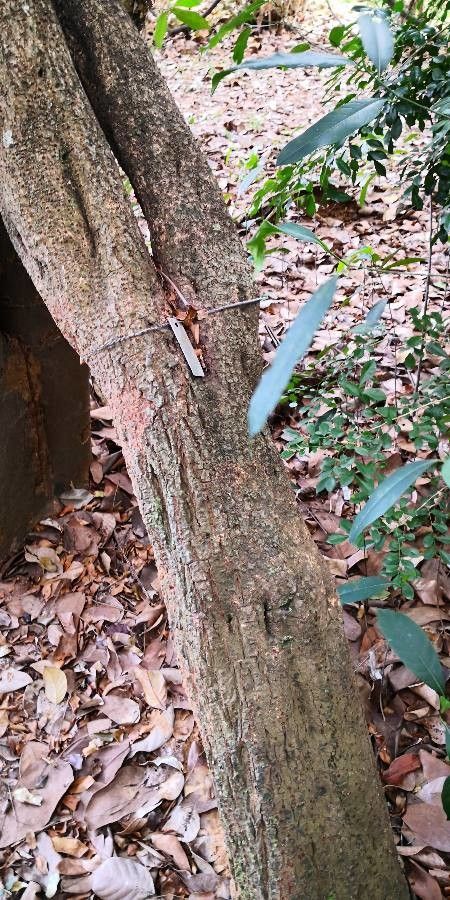
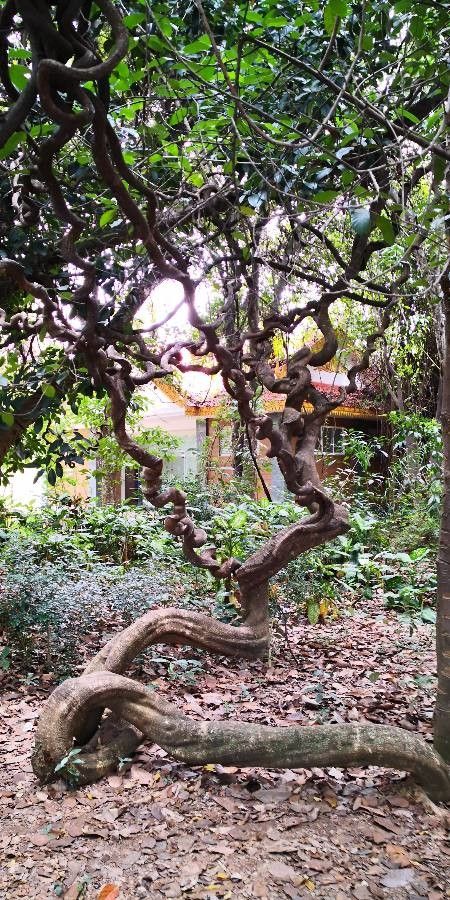
The Matchbox bean is a vigorous climbing plant with large, woody vines. Pruning it in early spring is essential for shaping the plant, removing dead branches, and encouraging a bushier growth. Regular pruning improves airflow, prevents the plant from becoming invasive, and helps maintain its overall health. It's important to be careful during pruning to avoid damaging the woody stems.
Botanical profile.
- Plant Type
- Vine
- Life Cycle
- Perennial
- Genus
- Entada
- Family
- Fabaceae
- Hardiness Zone
- 10-12
- Mature Height
- 29.87 m
- Mature Spread
- 2.13 m
- Leaf Color
- Forest Green, Dark Green
- Leaf Type
- Evergreen
- Flower Color
- White
- Flower Size
- 2.54 cm
- Bloom Time
- Late spring, Summer
- Planting Time
- Spring, Summer
- Harvest Time
- Late summer, Fall
- Native Area
- Nepal, Malaysia, Indonesia, Vietnam, Myanmar, Japan, Philippines, Fiji, Thailand, China
Other names.
Reader questions.
What are the sunlight requirements for Matchbox Bean (Entada phaseoloides)?
Matchbox Bean, or Entada phaseoloides, flourishes in full sun, requiring more than 6 hours of sunlight daily, but it can also grow well in partial sun, with about 3-6 hours of sunlight. Observing how sunlight moves through your garden lets you pick spots that ensure a good balance of light and shade, crucial for the plant's health. Insufficient or excessive light can hinder its growth, emphasizing the importance of mimicking its natural light conditions as closely as possible.
What is the ideal temperature range for the growth of Matchbox bean?
The Matchbox bean, or Entada phaseoloides, is native to climates with temperatures ranging between 68 and 100°F (20 to 38°C). It thrives within this specific temperature bracket, demanding adjustments if grown in cooler or warmer environments. This plant has a preference for heat, and exposure to cold temperatures can adversely affect its health. During the fall, it's advisable to move Matchbox beans grown outdoors inside, placing them by a bright window yet away from direct heat sources. Keeping the indoor environment above 20°C during the winter supports its growth, while temperatures nearing 5°C or lower can be harmful to the plant.
How does artificial lighting support Matchbox Bean's growth?
Indoor Matchbox Bean plants need adequate lighting for optimal growth, especially when natural sunlight is scarce, like in winter or less sunny spaces. Artificial lights can be a vital solution, with LED lights being a popular choice because they can provide specific wavelengths needed for plant growth. Full sun plants require 30-50W per sq ft, partial sun plants need 20-30W per sq ft, and full shade plants need 10-20W per sq ft of artificial light. The light source should be placed 12-36 inches above the plant to mimic natural sunlight, and most plants benefit from 8-12 hours of light per day.
How does low temperature affect Matchbox bean and what are the solutions?
Matchbox bean plants prefer warm environments and do not tolerate low temperatures well. Optimal growth occurs when temperatures remain above 20°C, especially during winter, where it should not drop below 5°C. Exposure to temperatures below 1°C may result in the leaves lightening in color. Following frost damage, leaves may turn brown or black, and symptoms like wilting and drooping could appear. To mitigate frost damage, trim the affected parts and move the plant to a warmer indoor setting. Placing it near a south-facing window ensures it receives enough sunlight without the dryness caused by heaters or air conditioning vents.
What symptoms indicate Matchbox Bean isn't getting enough light?
When Matchbox Bean lacks sufficient light, it may show various symptoms such as smaller new leaves, leggy or sparse growth, faster leaf drop, slower or no new growth, and lighter-colored new leaves, indicating a lack of chlorophyll and essential nutrients. Excessive sunlight can cause chlorosis, sunscald, leaf curling, wilting, and leaf scorching, which are harmful to the plant's health and photosynthesis process.
What should be done if Matchbox bean experiences high temperatures?
During the hotter months, it's vital to ensure that the temperature surrounding a Matchbox bean plant does not exceed 38°C. Exposing the plant to temperatures above 43°C can result in lighter leaf colors and increase its risk of sunburn. Addressing heat stress involves trimming the sunburned and dried parts of the plant. Relocating the plant to an area with afternoon shade can help protect it from intense sun exposure. Adequate watering practices, like watering in the morning and evening, are crucial to maintain soil moisture and help the plant cope with high temperatures.
What solutions exist for Matchbox Bean's light-related issues?
To mitigate light-related issues for Matchbox Bean, indoor solutions include gradually moving the plant to a sunnier location to ensure it receives at least 6 hours of direct sunlight daily. This can be achieved by positioning it near a south-facing window or utilizing artificial light for plants that are large or hard to move. Outdoor plants should be moved gradually to sunnier spots to prevent sunburn. Removing obstructions like trees or transplanting the plant can enhance sunlight access. Note that parts affected by light deficiency may not recover, but increasing light exposure ensures healthy new growth.