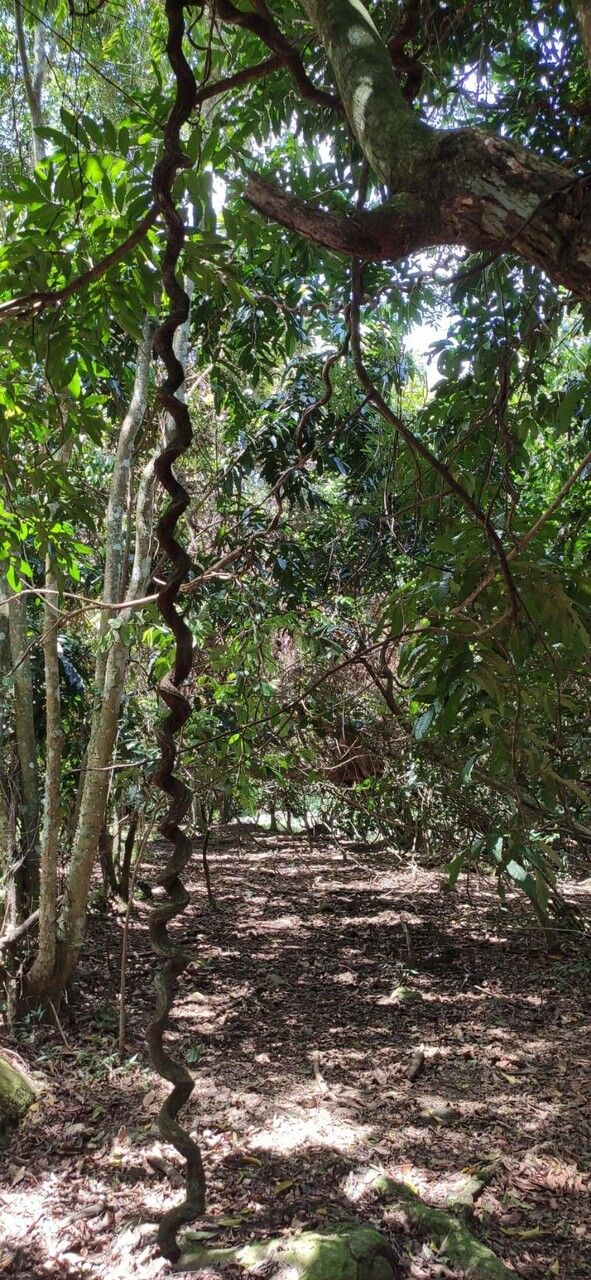
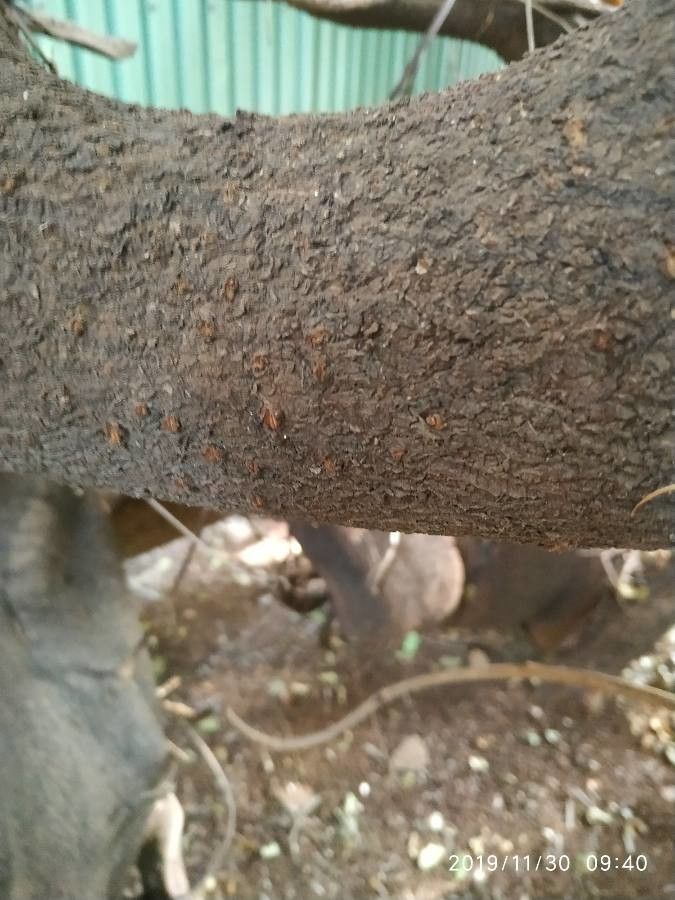
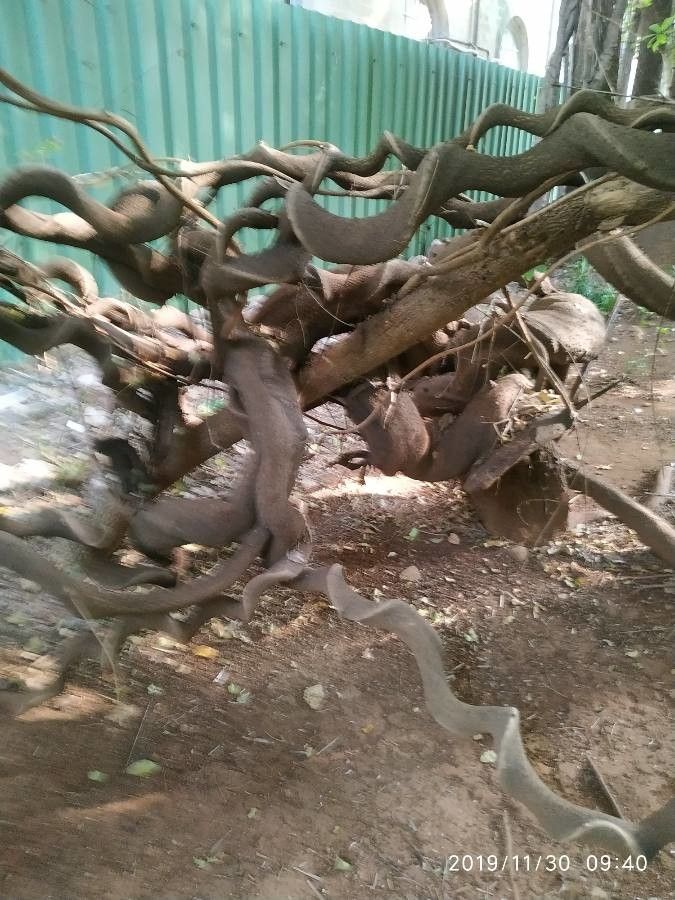
Entada gigas, commonly known as the sea bean or monkey ladder, is a large, woody vine that belongs to the Fabaceae family. It is native to tropical regions of Central and South America and can be found growing in coastal areas, mangroves, and rainforests. The plant can reach up to 30 meters in length, with a trunk diameter of up to 1 meter.
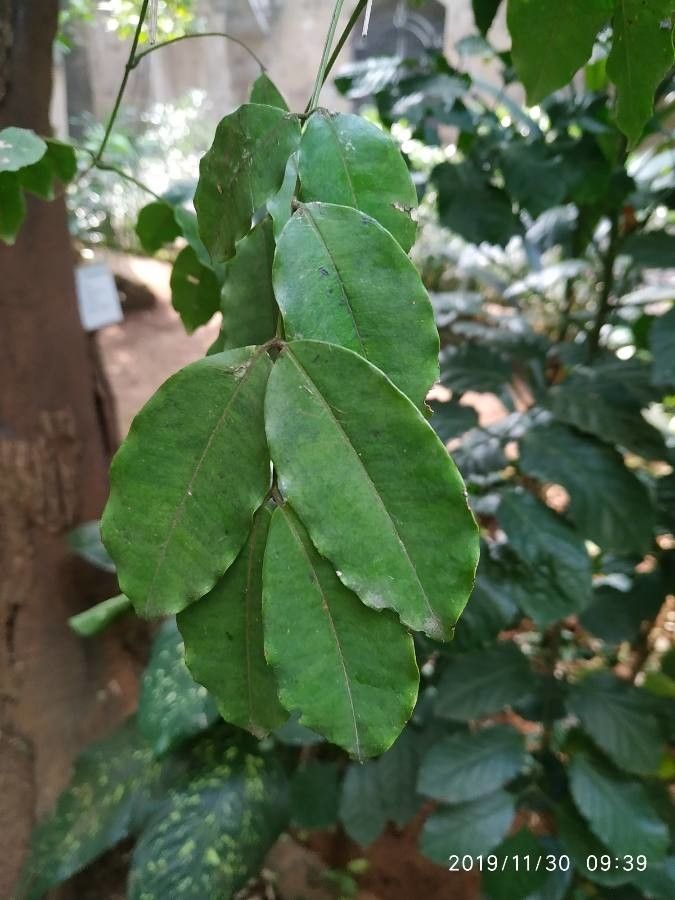
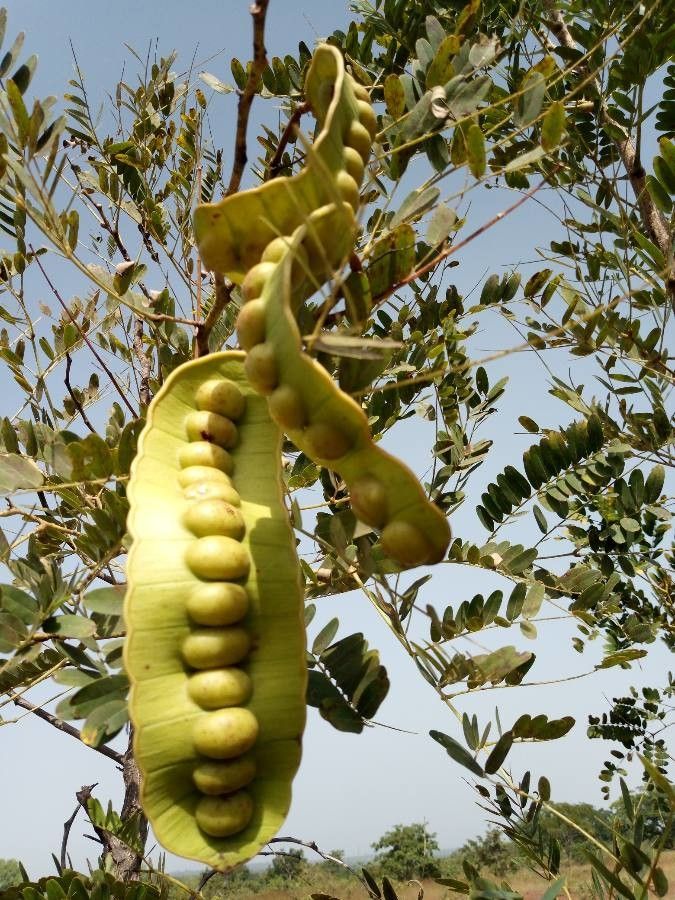
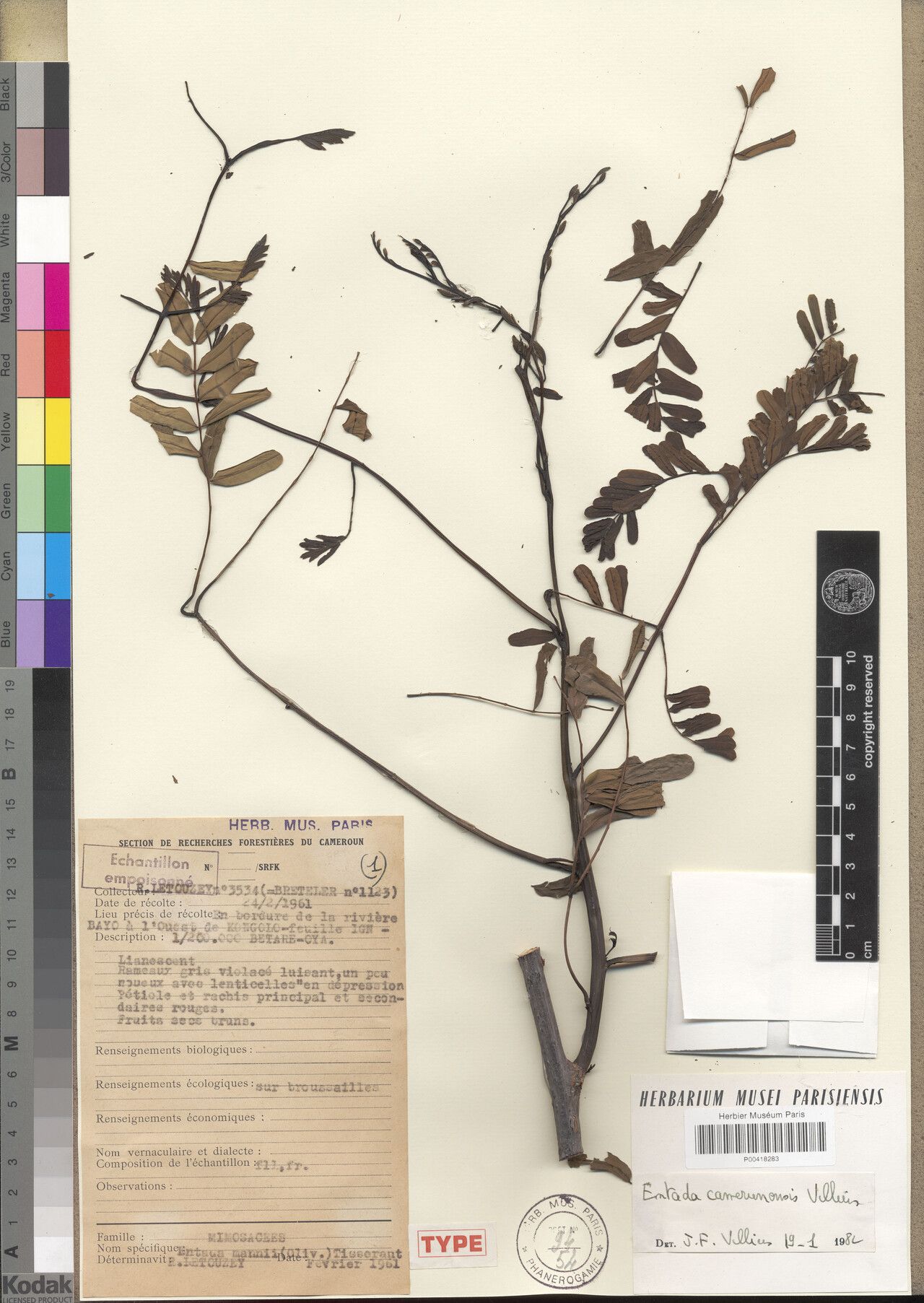
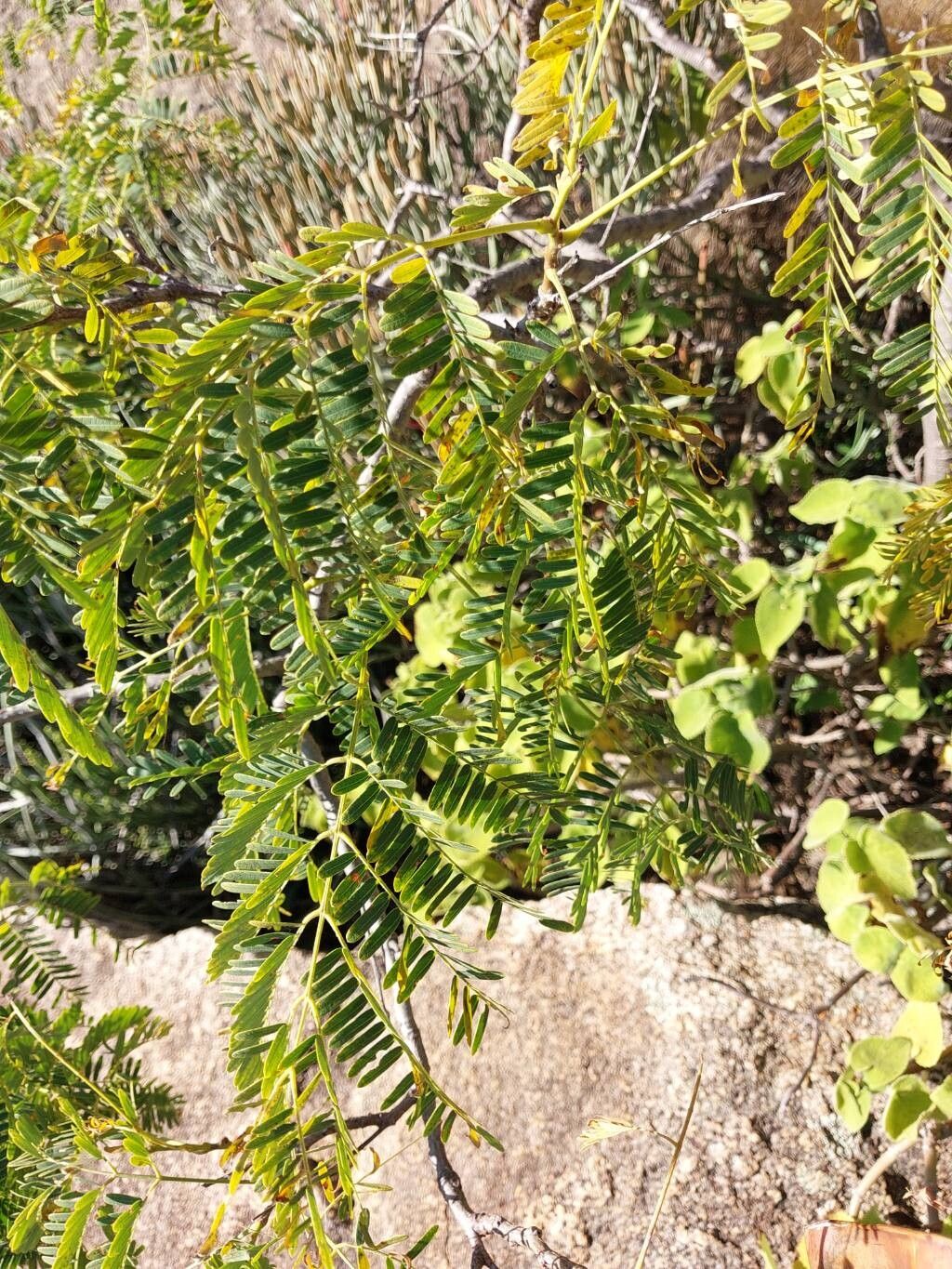
The leaves of Entada gigas are large and compound, featuring numerous leaflets arranged opposite each other on the stem. The flowers are small and inconspicuous, with white or cream-colored petals that form clusters at the base of the leaves.
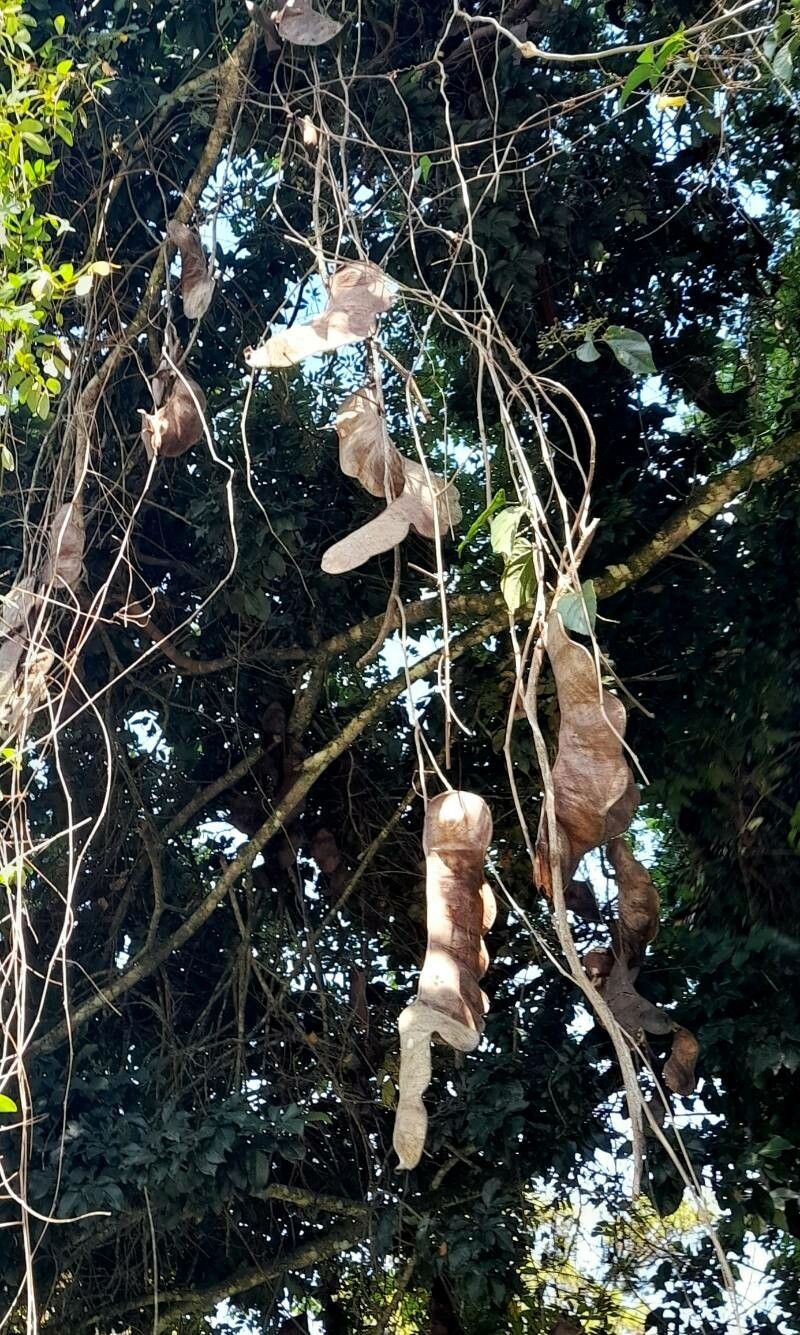
The most distinctive feature of Entada gigas is its large seed pods, which can grow up to 2 meters in length. These pods contain numerous seeds that are buoyant enough to float on water for long distances, eventually washing ashore on beaches around the world.
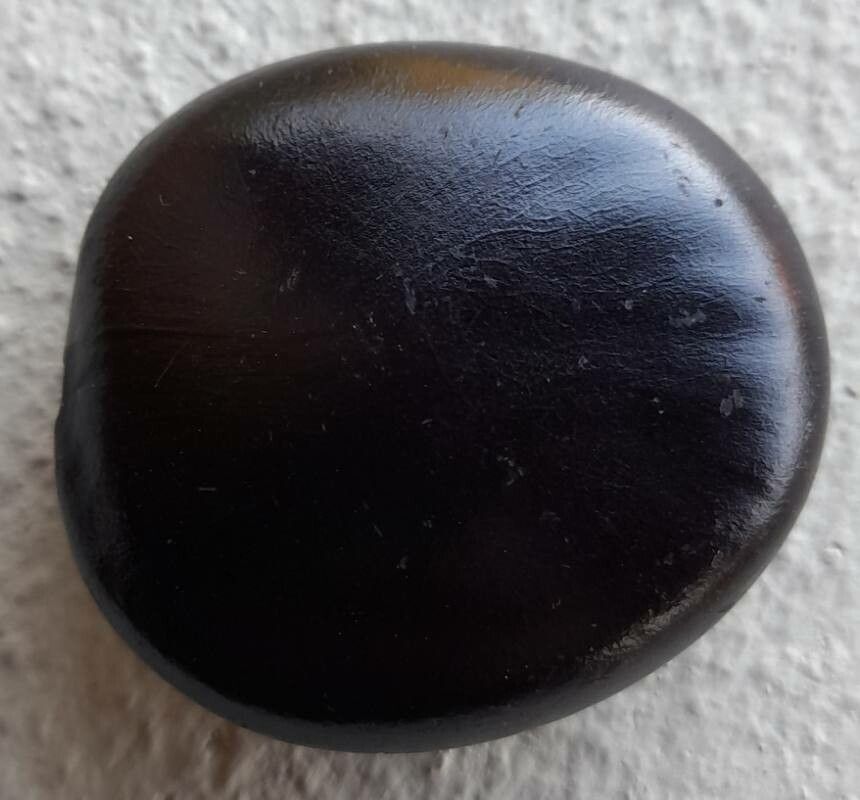
Entada gigas has been used for various purposes by indigenous people, including as a traditional medicine for treating ailments such as fever, diarrhea, and snake bites. The seeds have also been used as jewelry beads due to their unique shape and size.
Today, Entada gigas remains an important plant species due to its ecological significance in coastal ecosystems. It provides habitat for various marine organisms such as crabs and snails, and plays a crucial role in seed dispersal across vast distances through ocean currents.
Nicker bean shows strong resistance to disease and is generally not vulnerable to illnesses. In terms of care, this plant is fairly low-maintenance. When grown outdoors it needs only light watering, and larger plants typically do not require pruning. Smaller plants, however, should be pruned after they have finished blooming. Nicker bean is suitable for anyone who has outdoor space, such as a garden or deck, and does not demand extensive plant-care experience.
How to keep Entada Gigas.
Light
Nicker bean comes from open habitats, such as sunny meadows and forest margins, which supply plenty of light. It does best in Full Sun but can also withstand Partial Sun, coping well with a range of sunlight levels.
Temperature
The nicker bean comes from tropical areas, where the climate is generally warm and humid. Consequently, it is well suited to high temperatures and moisture. It does not tolerate abrupt temperature changes and prefers a steady thermal environment, so avoiding temperature fluctuations indoors is important. It typically cannot endure cold and requires higher temperatures to grow. If the ambient temperature falls too low, the plant may stop growing or even die.
Fertilizer
Fertilization is essential to the care of the Nicker bean. Feeding it regularly during the growing season maintains the energy for its showy leaves and supports overall growth. Failing to fertilize can lead to unhealthy leaves, reduced ornamental value, and stunted or weak growth that is more likely to break.
Pruning
To promote healthy growth and manage the size of your nicker bean plant, it's best to prune it in early spring. Start by removing any dead branches and thinning out crowded shoots. This will improve air circulation and help prevent pests. Be careful not to over-prune, as heavy pruning can stress the plant. Always use sharp, sterilized tools to make clean cuts and minimize the risk of disease.
Botanical profile.
- Plant Type
- Vine
- Life Cycle
- Perennial
- Genus
- Entada
- Family
- Fabaceae
- Hardiness Zone
- 10-12
- Mature Height
- 20.12 m to 29.87 m
- Mature Spread
- 10.06 m to 14.94 m
- Leaf Color
- Dark Green
- Leaf Type
- Evergreen
- Flower Color
- White, Cream
- Flower Size
- 0.51 cm to 0.76 cm
- Bloom Time
- Late spring, Summer
- Planting Time
- Spring, Autumn, Winter
- Harvest Time
- Late summer, Fall
- Native Area
- Belize, Angola, Honduras, Mexico, Guatemala, Zambia, Sudan, Dominican Republic, Gabon, Panama, Uganda, Jamaica, Zimbabwe, Benin, Central African Republic, Colombia, Sierra Leone, Haiti, Equatorial Guinea, Cameroon, Liberia, Venezuela, Togo, Ghana, Nicaragua, Ecuador, Costa Rica, Congo (DRC), Congo
Other names.