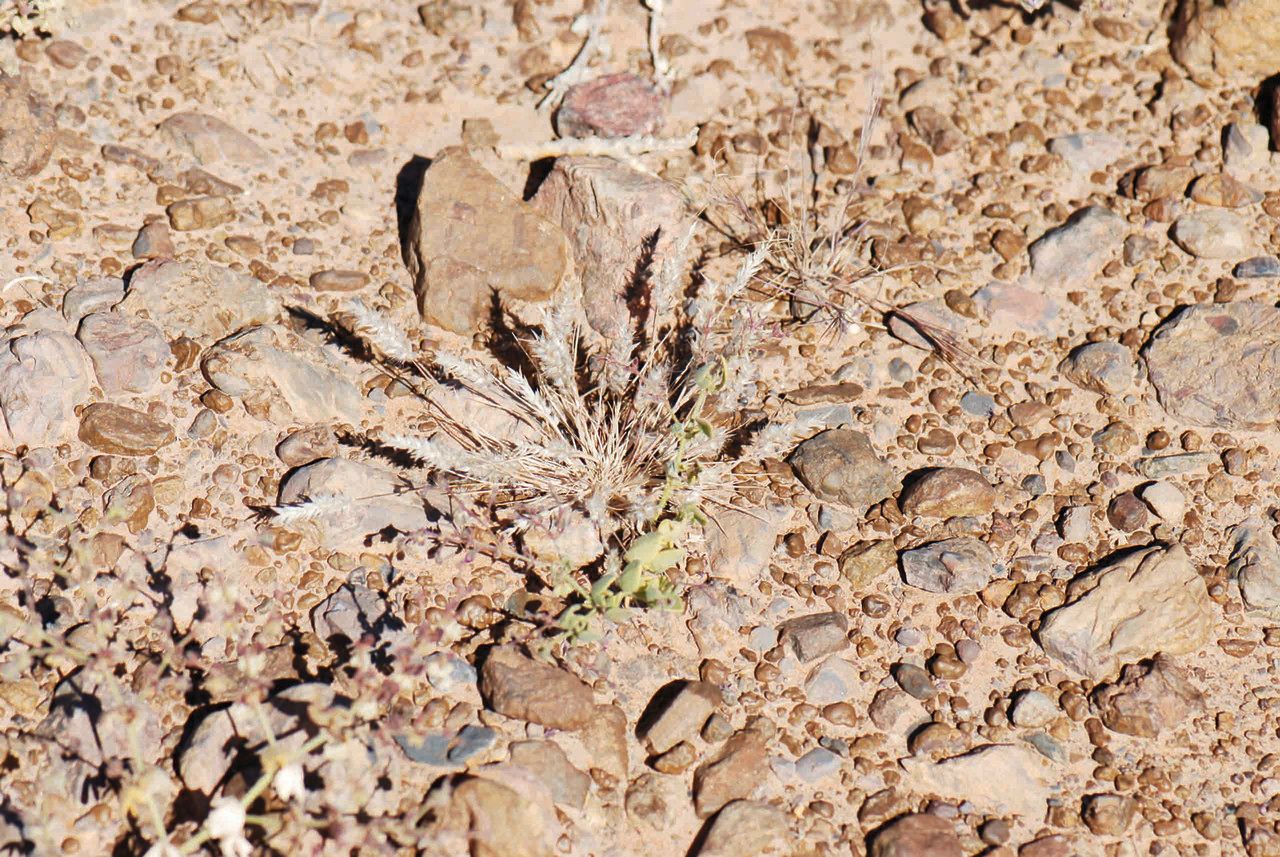
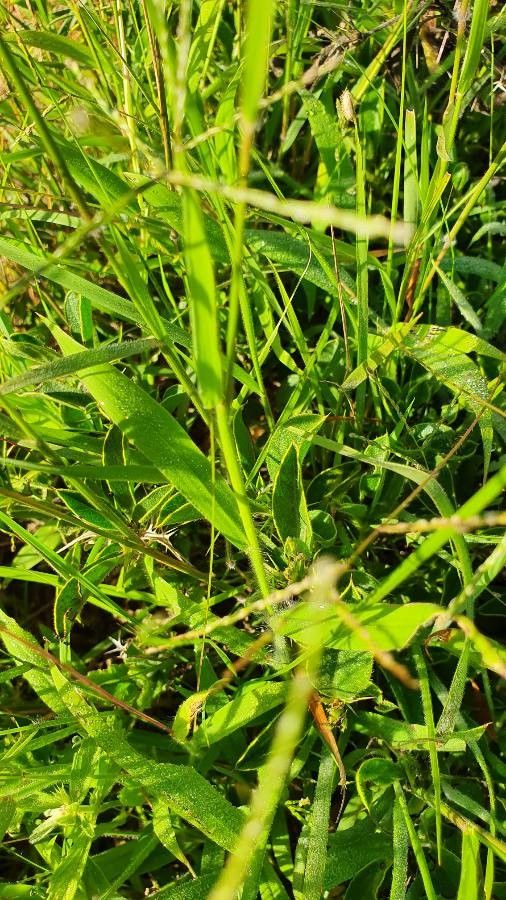
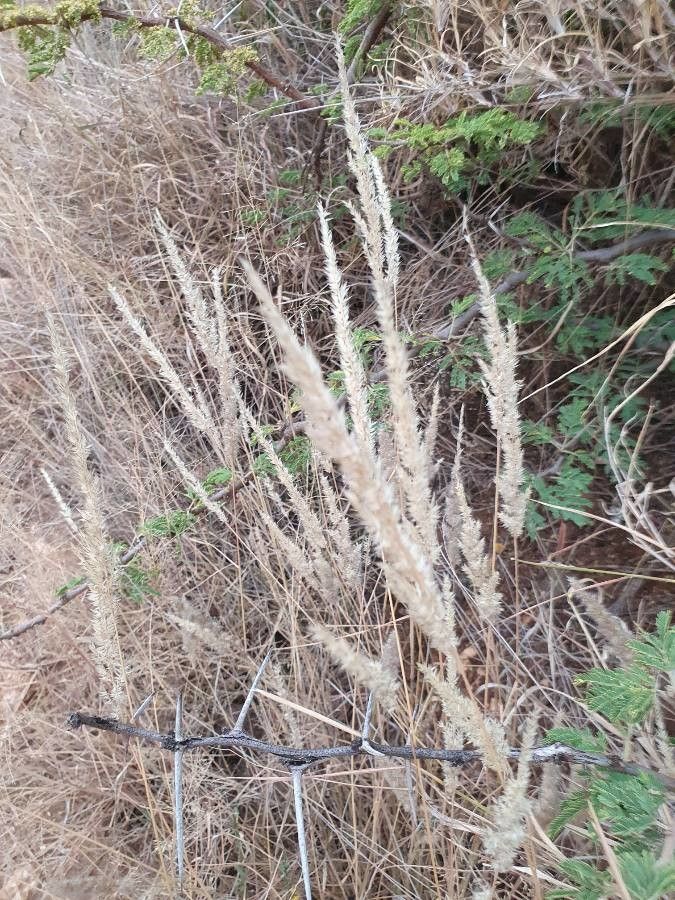
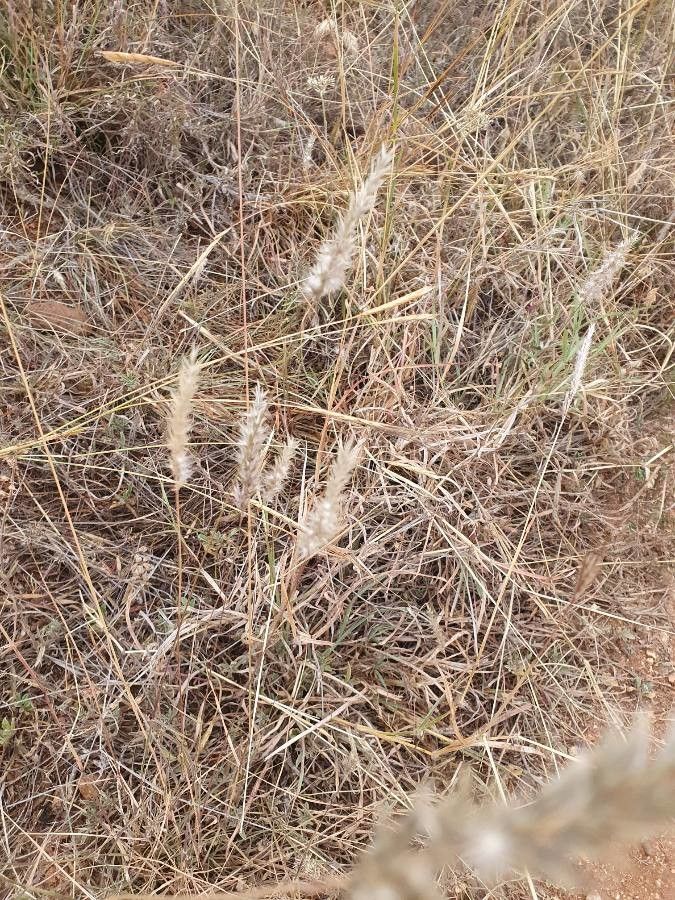
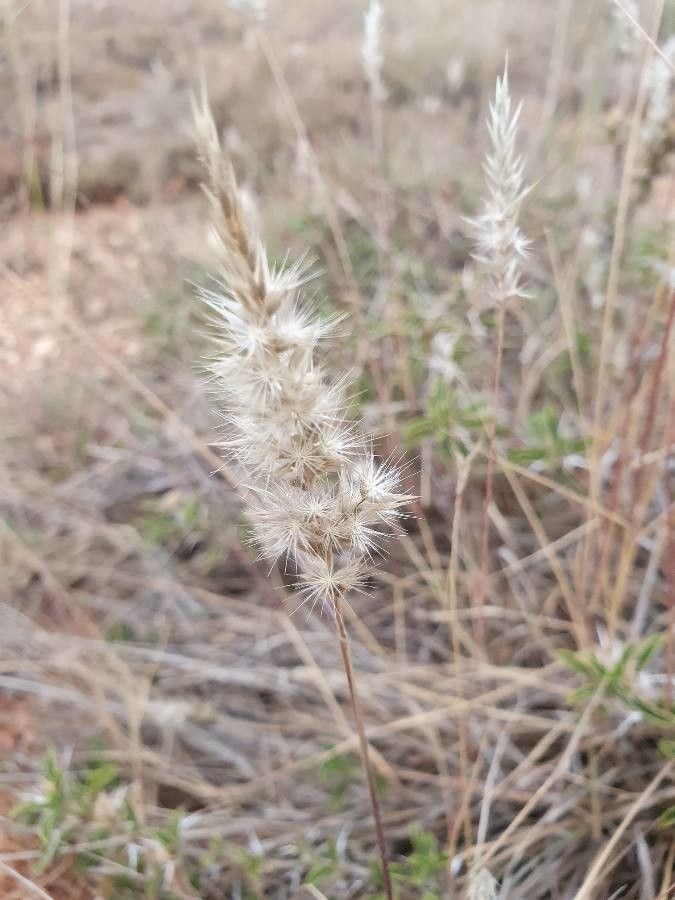
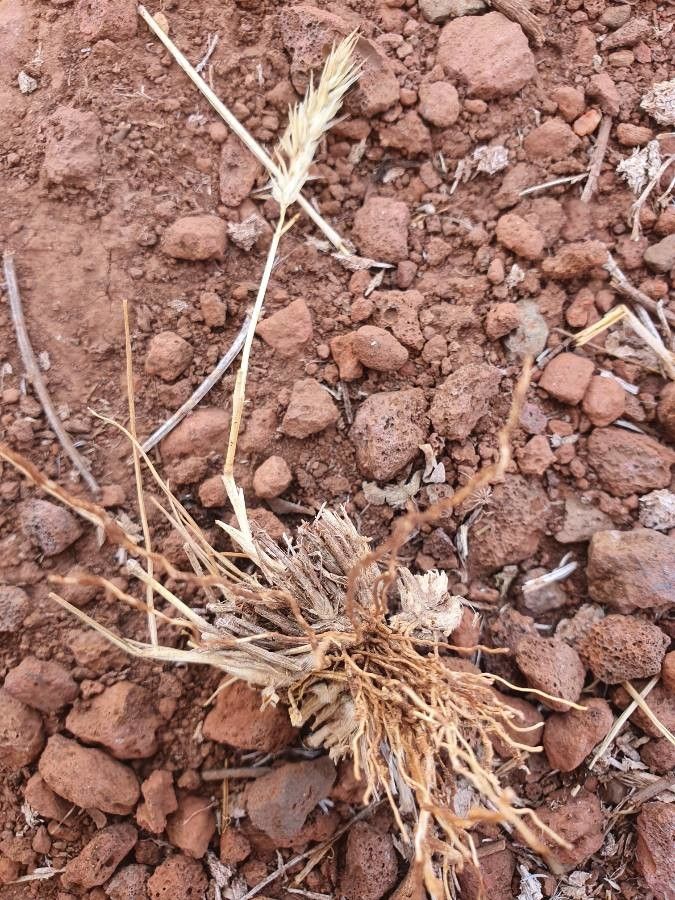
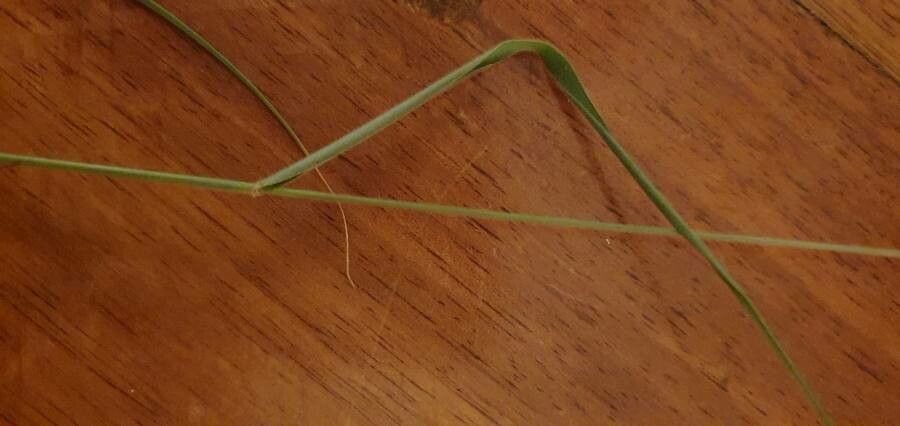
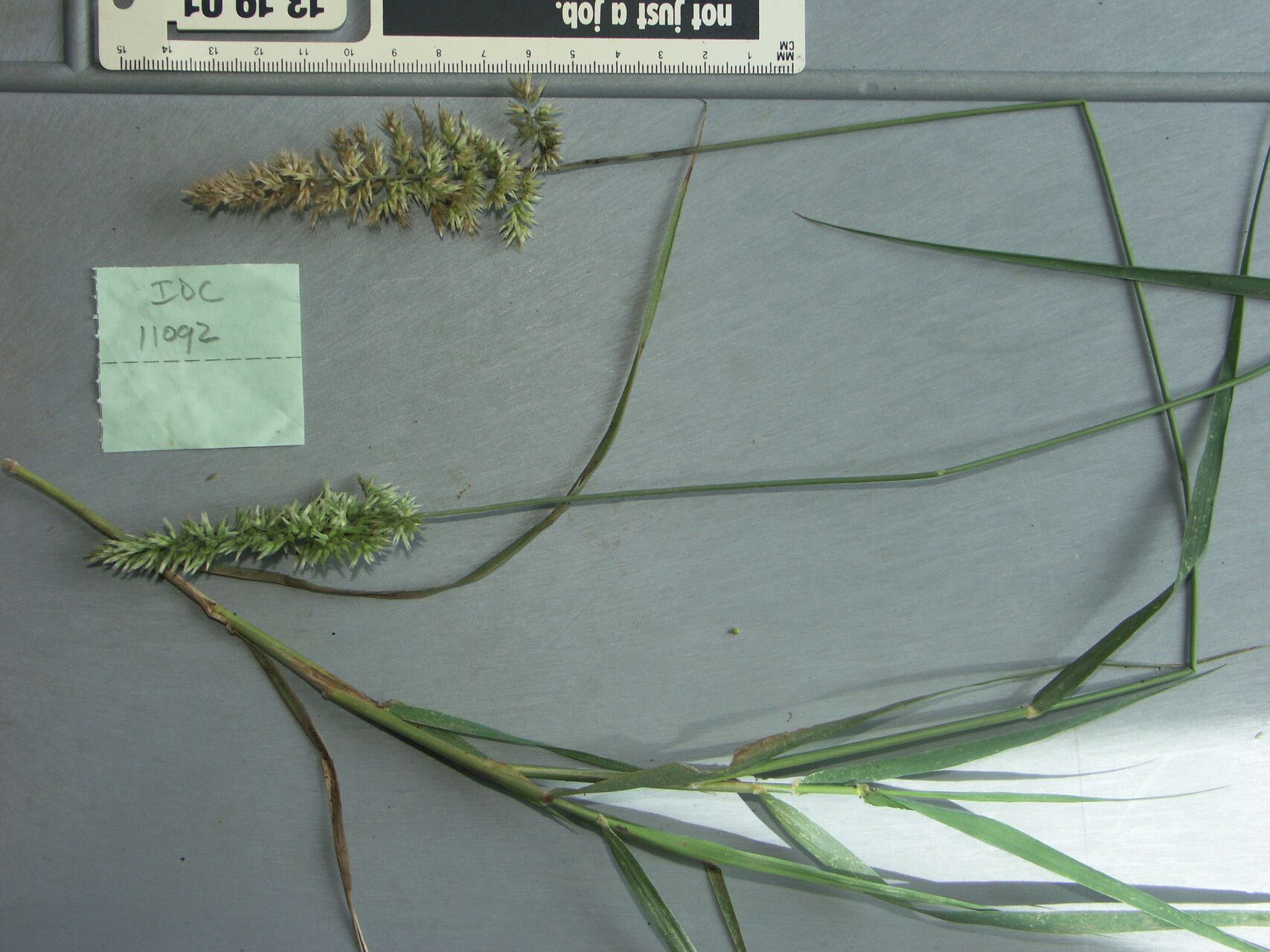
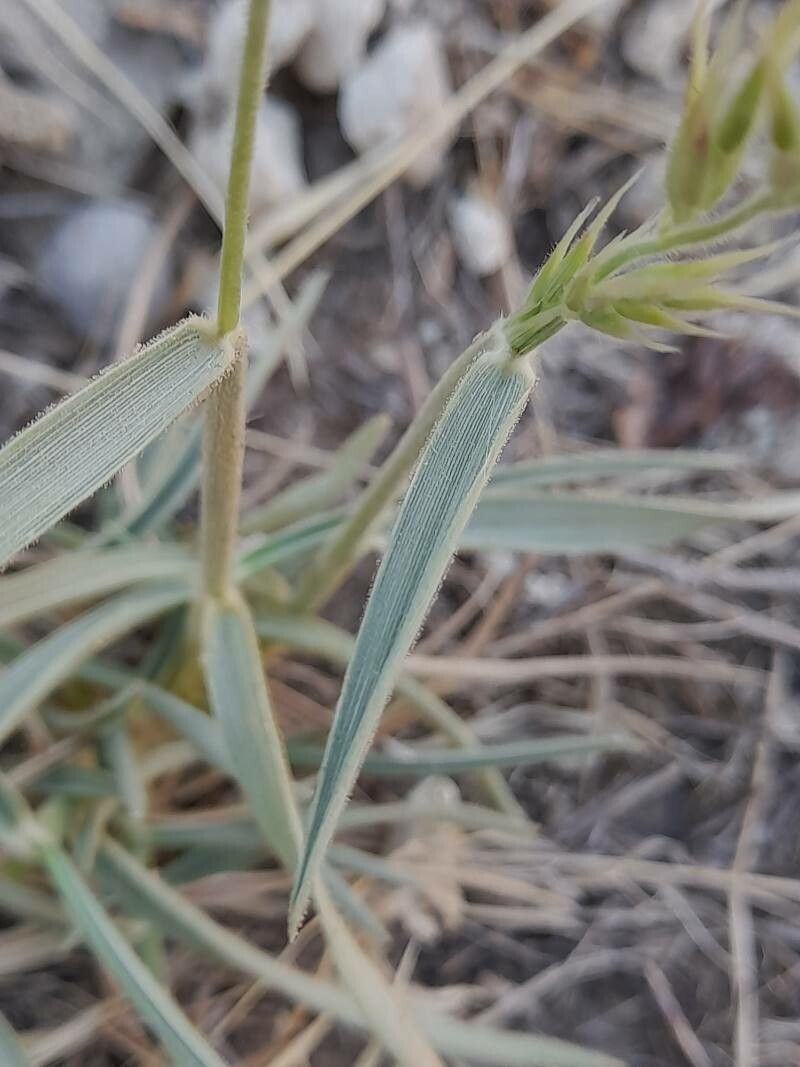
Enneapogon desvauxii is a species of grass known by the common name nineawn pappusgrass. This is a short perennial bunchgrass native to the southwestern United States, northern Mexico, parts of South America, and occurs throughout arid parts of Africa. It is known less often on other continents.
Nineawn pappusgrass is highly resistant to disease and is generally not vulnerable to illnesses. As for care, this plant is fairly low-maintenance. Planted outdoors, it needs only light watering, and larger plants typically do not require pruning. Smaller plants, however, should be trimmed after they finish blooming. Nineawn pappusgrass is appropriate for anyone with an outdoor area, such as a garden or deck, and does not need extensive gardening experience.
How to keep Enneapogon Desvauxii.
Light
Nineawn pappusgrass is a sun-loving, perennial herbaceous plant that originates in open habitats and is commonly found in meadows and grasslands. It prefers full sun but can also tolerate partial sun conditions.
Water
Nineawn pappusgrass is highly drought-tolerant, thriving with minimal moisture and enduring extended dry periods. Watering it once a week is sufficient. This grass performs best outdoors where it can take advantage of natural rainfall, making it an excellent choice for xeriscaping in dry climates.
Temperature
Nineawn pappusgrass comes from tropical areas where the climate is usually warm and humid. Consequently, it is adapted to high heat and humidity. It does not tolerate sudden temperature changes and prefers a consistent thermal environment, so avoiding indoor temperature fluctuations is important. It generally cannot endure cold and needs higher temperatures to grow. If temperatures drop too low, the plant may stop growing or even die.
Fertilizer
Nineawn pappusgrass needs extra nutrients to encourage healthy new growth. In spring, adding compost around the base of the plant can effectively supply the nutrition it requires. Fertilizing helps support vigorous growth and improves the plant’s resistance to diseases and pests.
Pruning
Nineawn pappusgrass is known for its drought resistance and tufted appearance. To maintain its health and vibrancy, it's best to prune the grass in early spring. This timing allows you to remove dead stems and encourage new growth. Be sure to avoid heavy pruning, as this can stress the plant. Using proper pruning techniques will enhance air circulation and light penetration, contributing to the plant's resilience and overall aesthetic appeal.
Botanical profile.
- Plant Type
- Grass
- Life Cycle
- Perennial
- Genus
- Enneapogon
- Family
- Poaceae
- Hardiness Zone
- 8-11
- Mature Height
- 10 cm to 40 cm
- Mature Spread
- 6 cm to 13 cm
- Leaf Color
- Light Green, Gray
- Leaf Type
- Semi-evergreen
- Flower Color
- Tan
- Flower Size
- 0.51 cm to 1.02 cm
- Bloom Time
- Late spring, Summer
- Planting Time
- Spring, Summer, Autumn
- Harvest Time
- Mid summer, Late summer, Early fall, Mid fall
- Native Area
- Libya, Somalia, Egypt, India, Djibouti, Angola, United Arab Emirates, Mexico, Namibia, Eritrea, Pakistan, Morocco, Yemen, Kenya, Niger, Tanzania, Russia, Mali, Oman, Ethiopia, Botswana, Saudi Arabia, Tunisia, Peru, South Africa, Sudan, Mauritania, Chad, China, Colombia, Kyrgyzstan, Kazakhstan, Bolivia, Mongolia, Iran, Algeria
Other names.
Reader questions.
What are the sunlight requirements for Nineawn pappusgrass?
Nineawn pappusgrass needs full sun, defined as above 6 hours of sunlight daily, but can also thrive in partial sun conditions, which means about 3-6 hours of sunlight. It's important to observe how sunlight moves through your garden to ensure you find the perfect spot that provides a balance of light and shade, which is crucial for the plant's growth and health.
Can Nineawn pappusgrass grow with artificial lighting?
Yes, Nineawn pappusgrass can grow under artificial lighting, which is especially useful when natural sunlight is insufficient, such as in winter or less sunny spaces. For optimal growth, it's recommended to use LED lights, as they can be customized to provide specific wavelengths needed by the plants. Full sun plants require 30-50W/sq ft, partial sun plants 20-30W/sq ft, and full shade plants 10-20W/sq ft of artificial light. The light source should be placed 12-36 inches above the plant and turned on for 8-12 hours per day to mimic natural daylight hours.
What are common symptoms of inadequate lighting in Nineawn pappusgrass?
Common symptoms of inadequate lighting in Nineawn pappusgrass include smaller new leaves, leggy or sparse growth, faster leaf drop, slower or no new growth, and lighter-colored or chlorotic new leaves. Leaf curling, wilting, leaf scorching, and sunscald can also occur, indicating either insufficient light or excessive exposure to sunlight. These issues highlight the importance of providing the right light conditions to maintain plant health.
How can I address insufficient sunlight for my Nineawn pappusgrass?
To address insufficient sunlight for Nineawn pappusgrass, consider moving the plant to a sunnier location gradually, ensuring at least 6 hours of direct sunlight daily if it's outdoors. For indoor plants, using a south-facing window or artificial grow lights for at least 8 hours a day can provide the necessary light. If your plant is in the ground and obstructed by trees, pruning or transplanting during the plant's dormant period to a location with better sunlight and drainage can help. Remember, adjusting the plant's light exposure gradually is key to avoiding sunburn and ensuring new growth is healthy.