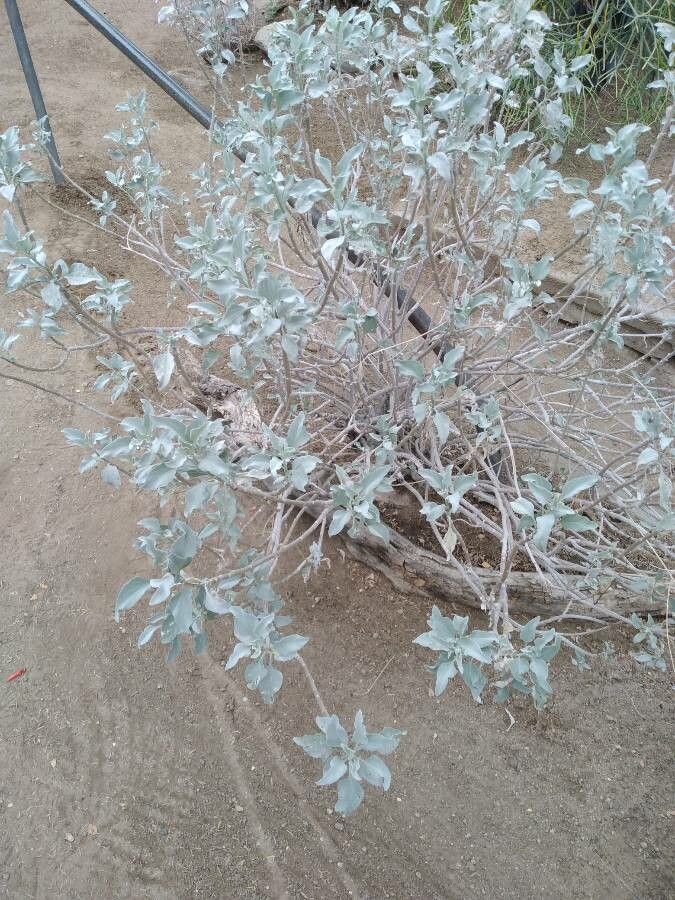
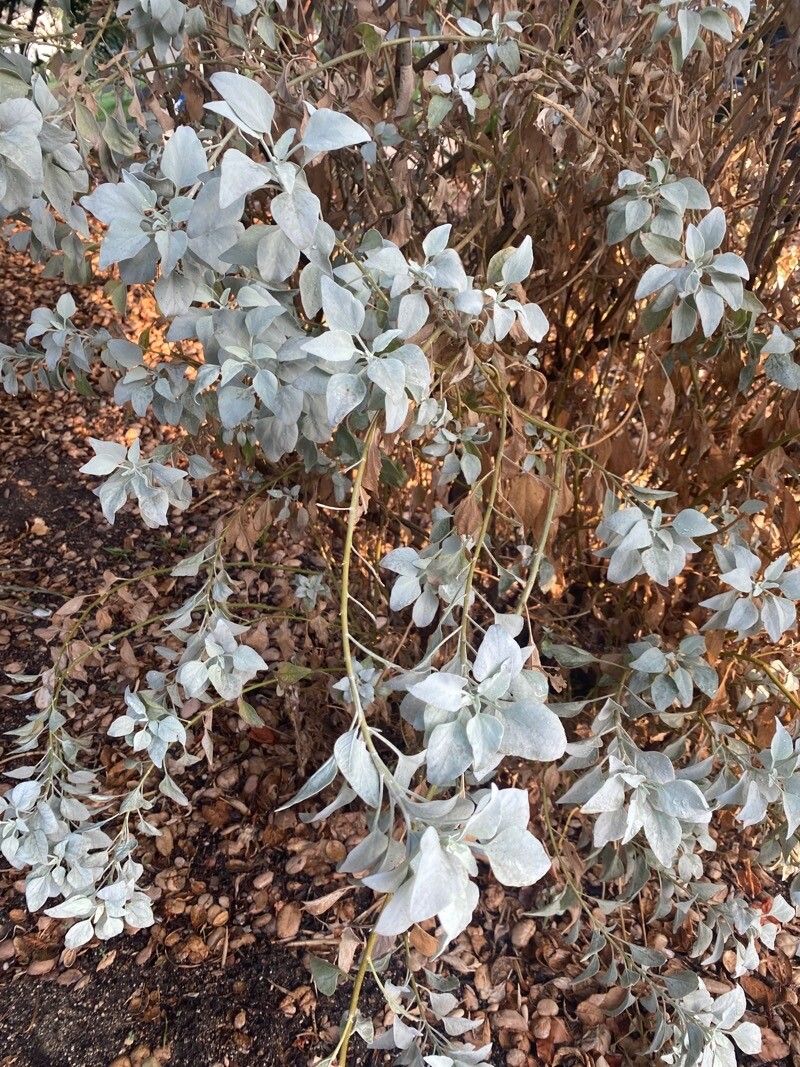
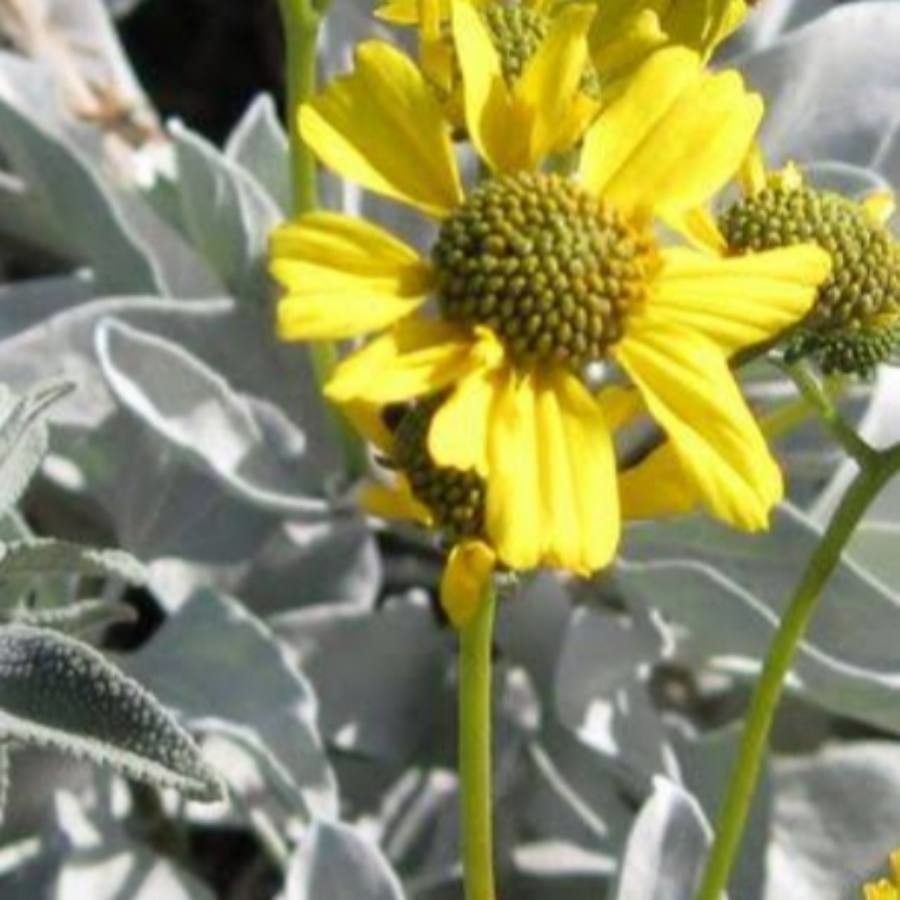
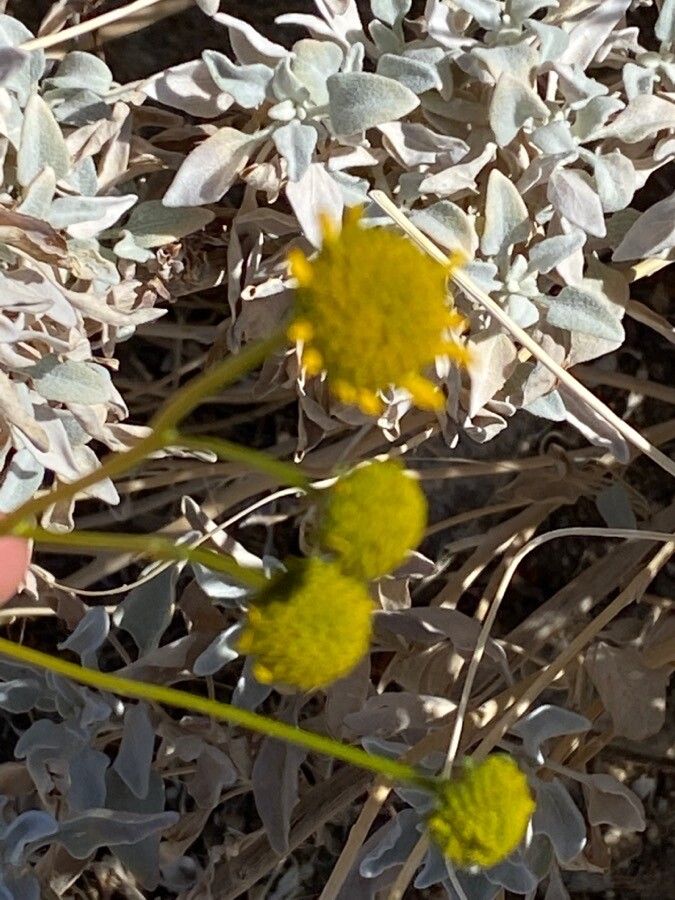
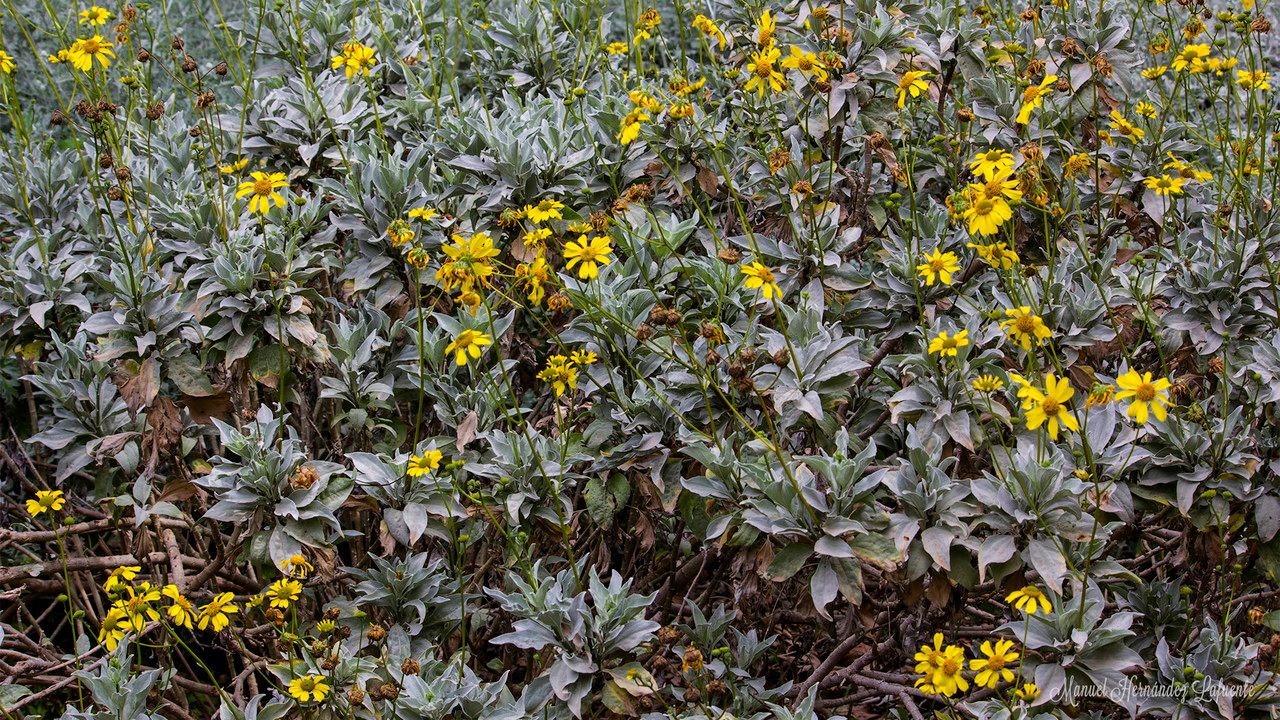
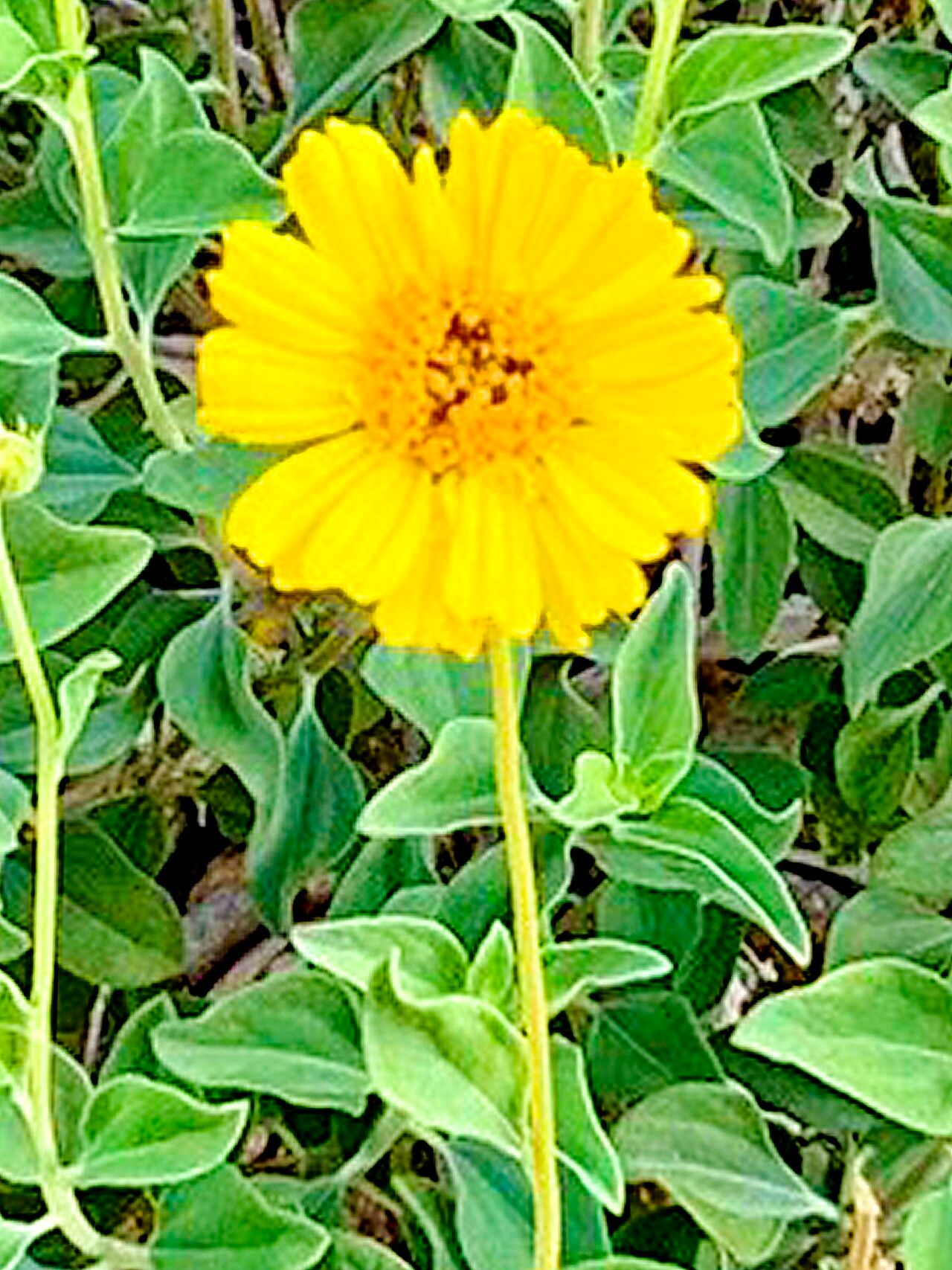
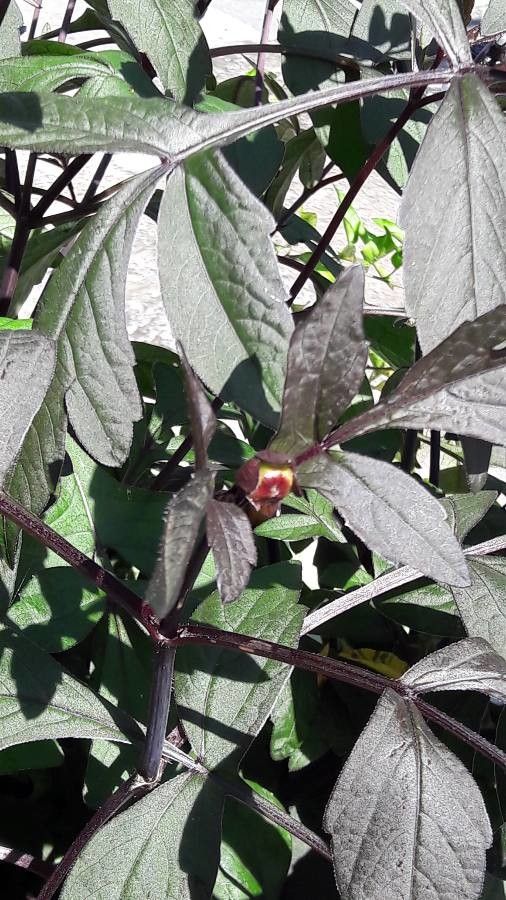
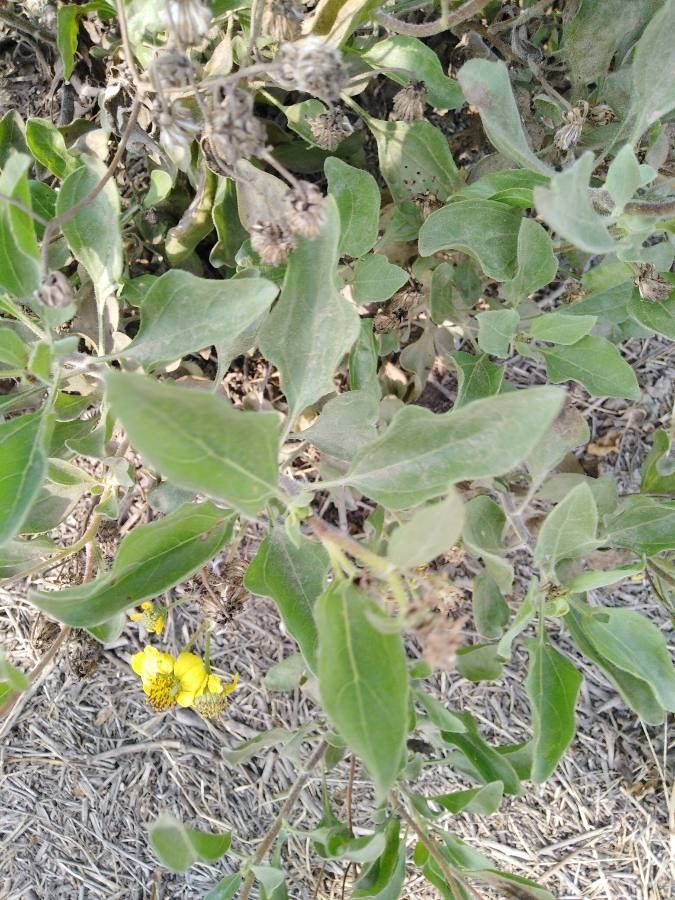
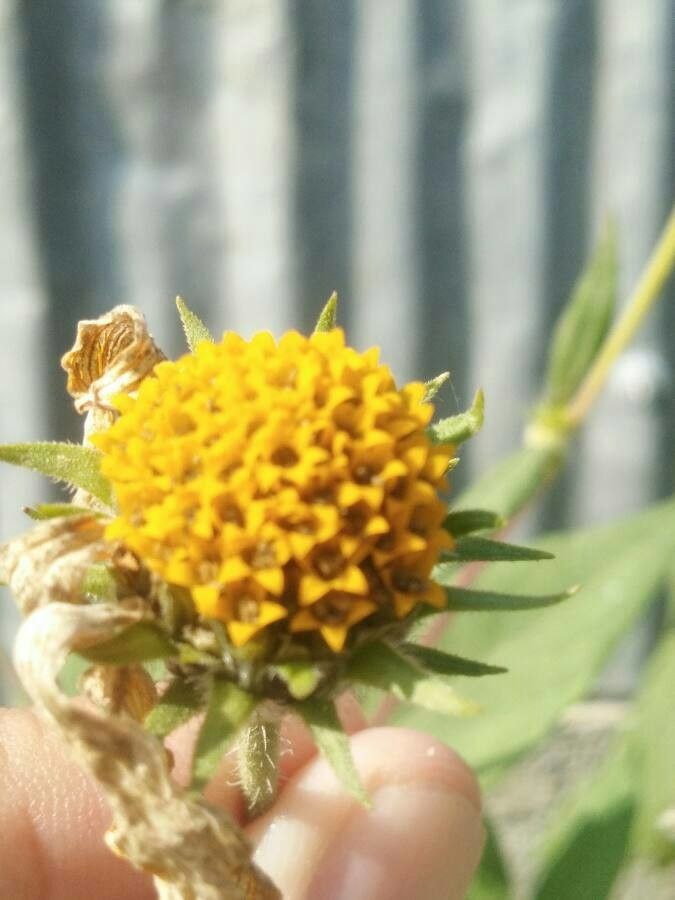
Encelia farinosa (commonly known as brittlebush, brittlebrush, or incienso), is a common desert shrub of the southwestern United States and northern Mexico. It has a variety of historical uses.
Brittlebush is quite disease-resistant and typically does not suffer from illnesses. Regarding care, this plant is relatively low-maintenance. Planted outdoors, it needs only minimal watering, and larger specimens usually do not require pruning. Smaller plants, however, should be pruned after they have finished blooming. Brittlebusht is appropriate for anyone with outdoor space, such as a garden or deck, and does not demand much experience in plant care.
How to keep Encelia Farinosa.
Light
Brittlebush performs best with abundant sunlight but can endure conditions with limited sun exposure. Its growth is influenced by sunlight; reduced light leads to stalled growth. Originating from sunny habitats, both too little and too much sunlight can negatively affect its health.
Water
Brittlebush, native to arid regions, is highly drought-tolerant and thrives with minimal moisture. It only requires watering once every two to three weeks. To prevent root rot, water it sparingly. Its resilience in low-water landscapes makes it an excellent choice for xeriscaping.
Temperature
In its native habitat, brittlebush encounters temperatures ranging from 15 to 38 ℃ (59 to 100 ℉) across the seasons. The plant prefers warm conditions but can endure occasional frost. In hotter regions, late winter or early spring is the ideal time to adjust temperatures to encourage growth.
Fertilizer
Fertilize your Brittlebush in early spring to encourage healthy growth. Regular feeding improves the plant’s overall health, leading to vigorous growth, increased tolerance of harsh conditions, and enhanced resistance to diseases and pests. Keep to a defined fertilization schedule for your Brittlebush to maintain foliage that is vibrant, deeply colored, and lush in appearance.
Pruning
Brittlebush is a plant known for its silvery-gray leaves and bright yellow flowers. To promote growth and maintain its shape, selectively prune the plant in late spring after it has finished flowering. It's important to thin out crowded areas to improve airflow, as heavy pruning can damage brittlebush. Regular pruning helps enhance the plant's health and appearance. Be sure to consult local guidelines for specific care instructions.
Pot & Repot
When repotting Brittlebush, select a pot 1-2 inches (2.5–5.1 cm) larger with ample drainage. Use a well-draining potting mix. Repot in spring or fall, making sure the root ball is slightly lower than the rim of the flower pot. Water thoroughly after repotting and place in a warm spot with indirect sunlight.
Botanical profile.
- Plant Type
- Shrub
- Life Cycle
- Perennial
- Genus
- Encelia
- Family
- Asteraceae
- Hardiness Zone
- 8-11
- Mature Height
- 91 cm
- Mature Spread
- 91 cm
- Leaf Color
- Green
- Leaf Type
- Evergreen
- Flower Color
- Yellow, Gold
- Flower Size
- 3.05 cm to 3.56 cm
- Bloom Time
- Spring
- Planting Time
- Spring, Autumn
- Harvest Time
- Late spring, Early summer, Mid summer
- Native Area
- Mexico
Other names.
Reader questions.
How should I water my Brittlebush plant in the best way?
Your Brittlebush is not choosy about how you water it. You can use any common watering tool, such as watering cans, hoses, or even cups. When watering, make sure to apply the water directly to the soil and ensure equal moisture for all areas of the root system. Filtered water is recommended to avoid harmful particles in tap water. It's also best to use water that is at or slightly above room temperature to prevent shocking the Brittlebush. However, the Brittlebush usually responds well to any water you give it.
Why should I add plant food to my Brittlebush plant?
No matter what type of Brittlebush you have, regular fertilization is essential for its overall health. By providing the right nutrients, your Brittlebush will grow stronger, making it more resilient to harsh growing conditions and better equipped to fight diseases and pests. To preserve the attractive foliage of your Brittlebush, it's important to stick to a regular fertilization schedule tailored to its specific needs. This will ensure that your Brittlebush develops leaves with a rich, deep color and a lush appearance.
What are the sunlight requirements for Brittlebush?
Brittlebush requires full sun, meaning it thrives in conditions where it receives above 6 hours of direct sunlight daily. However, it can also tolerate partial sun, with about 3-6 hours of sunlight. It's vital to monitor how sunlight moves throughout your garden to place your plants in areas that offer an ideal balance of light and shade. This careful placement ensures the plants' growth and health are optimized.
What are the essential growing conditions for Brittlebush (Encelia farinosa)?
Brittlebush (Encelia farinosa) thrives in its native growth environment with temperatures ranging from 15 to 38°C (59 to 100°F) across different seasons, preferring warm temperatures but capable of tolerating occasional frost. To promote growth in hotter regions, adjusting the temperature in late winter or early spring is advisable. The plant has some cold tolerance and generally does not require protective measures when temperatures are above -5°C. However, if temperatures are expected to drop below -5°C, it is necessary to protect the plant temporarily with materials like plastic film, fabric, or others, removing these once temperatures rise again.
What should I do if I give my Brittlebush too much water or too little?
For outdoor plants, especially newly planted ones or seedlings, lack of watering can be a problem. It's important to water them regularly for a few months when they are small or recently planted. Once the roots are established, Brittlebush can rely on rain most of the time. If you have Brittlebush planted in pots, overwatering is a common issue. If you accidentally overwater your Brittlebush, you should address the situation immediately. First, stop watering the plant right away to minimize the effects of overwatering. Then, remove the Brittlebush from its pot and check its roots. If the roots don't show any signs of root rot, you can return the plant to its container. However, if you find signs of root rot, trim away the affected roots and consider applying a fungicide to prevent further damage. Finally, repot the Brittlebush in well-draining soil. In the case of underwatering, simply water the Brittlebush more frequently. Underwatering is easily fixed as the leaves will droop, dry out, and fall off. With sufficient watering, the leaves will quickly regain fullness. Make sure to adjust your watering frequency as soon as you notice underwatering occurring.
When should I fertilize my Brittlebush plant?
To properly fertilize your Brittlebush, start in late winter or early spring to supply the necessary nutrients for healthy growth when the weather warms up. In warm climate regions, it is also recommended to provide another fertilizer feeding in early fall. This will not only add nutrients for the next growing season, but it will also help the Brittlebush withstand winter cold and avoid foliage damage. By fertilizing earlier, you ensure that the new branches have ample time to grow and withstand the cold winter.
How does sunlight affect the growth and health of Brittlebush?
Sunlight plays a critical role in the growth and health of Brittlebush, which originates from environments rich in sunlight. While the plant thrives under abundant sunlight, it can endure in conditions with limited sun exposure. However, both insufficient and excessive sunlight can adversely affect its health, leading to stagnated growth or health issues. The plant's development is highly dependent on the amount of sunlight it receives.
How does Brittlebush respond to low temperatures?
Brittlebush has moderate tolerance to low temperatures, performing best when temperatures are above 15°C and should remain above -5°C during winter. If temperatures fall below -10°C, the leaves may droop, and while mild cases can recover, severe cold can cause leaves to wilt and eventually fall off. The recommended solution for frost damage includes trimming frost-damaged parts, wrapping the plant with non-woven fabric, cloth, or similar materials, and constructing a wind barrier to protect it from cold winds before the onset of low temperatures again.
How frequently should I water my Brittlebush plant?
To properly care for your outdoor plants, it's best to let them rely on rainfall if the area receives enough. However, if your area experiences a lack of rainfall, it's important to water your plants every 2 weeks in the spring and fall. In the summer, when plants require more water, you'll need to water them more frequently. During the winter, when growth slows down and plants need less water, you can water them sparingly or not at all. Keep in mind that if your Brittlebush is young or newly planted, it will require more frequent watering to help it establish and grow into a more drought-tolerant plant. For potted plants like the Brittlebush, there are two main ways to determine the watering frequency. One approach is to follow a set watering schedule, such as once per week or every other week. However, this method may not account for the specific conditions of your plant's environment. Another option is to base the watering frequency on the moisture level of the soil. It's generally recommended to wait until the top two to four inches of soil, about one-third to one-half depth of the pots, have completely dried out before watering again. This approach allows you to adjust the frequency depending on the season, as the plant's water needs will be highest during the summer.
When is not a good time to add fertilizer to the Brittlebush?
There are specific times when you should avoid fertilizing your Brittlebush. Firstly, avoid fertilizing it in the early and mid-winter when the plant is dormant and does not require feeding. Secondly, it is not recommended to fertilize it in the late spring and throughout the summer, as the weather is generally hotter and drier during this time. These conditions can cause a negative reaction to fertilization. To prevent any issues, it is best to stick to a fertilization schedule that involves feeding only in early spring and early fall.
What can be done if natural sunlight is insufficient for indoor Brittlebush plants?
When natural sunlight is insufficient for indoor Brittlebush plants, particularly during winter or in less sunny spaces, artificial lighting can be an effective solution. Adequate artificial lighting promotes healthier, faster growth. Consider using LED lights tailored to your plant’s specific light wavelength needs. For full sun plants, 30-50W/sq ft of artificial light is recommended, 20-30W/sq ft for partial sun plants, and 10-20W/sq ft for full shade plants. Ensure the light source is placed 12-36 inches above the plant to mimic natural sunlight and maintain 8-12 hours of light per day.
What should be done when Brittlebush is exposed to high temperatures?
During summer, it is essential to ensure that Brittlebush remains below 38°C, as temperatures exceeding 43°C can cause the leaves to lighten in color, dry and wither at the tips, curl, and increase susceptibility to sunburn. To manage these conditions, sunburned and dried parts should be trimmed away. Moving the plant to a shaded area, particularly away from the midday and afternoon sun, or using a shade cloth, can help. Additionally, watering the plant in the morning and evening to maintain soil moisture is beneficial.