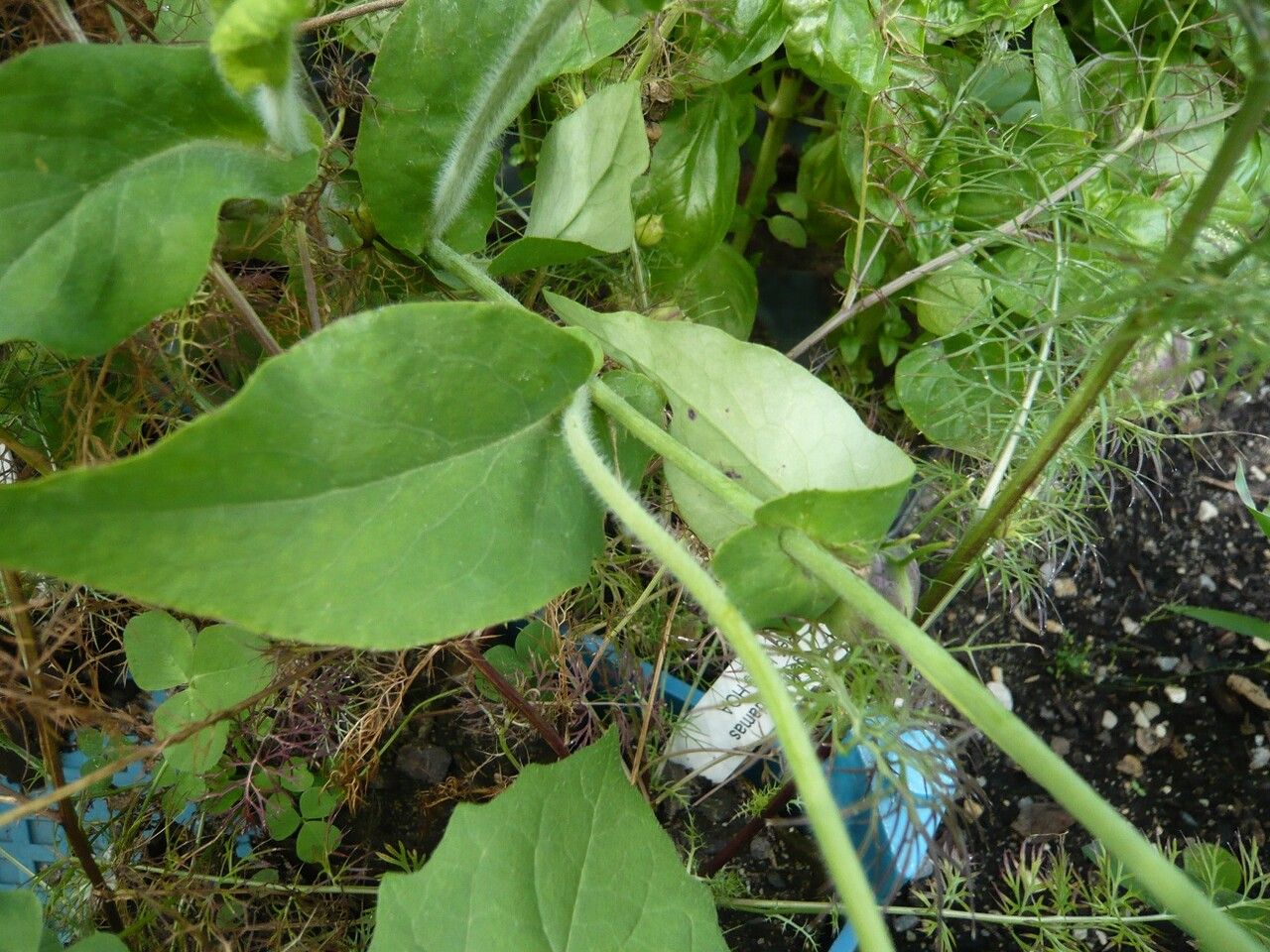
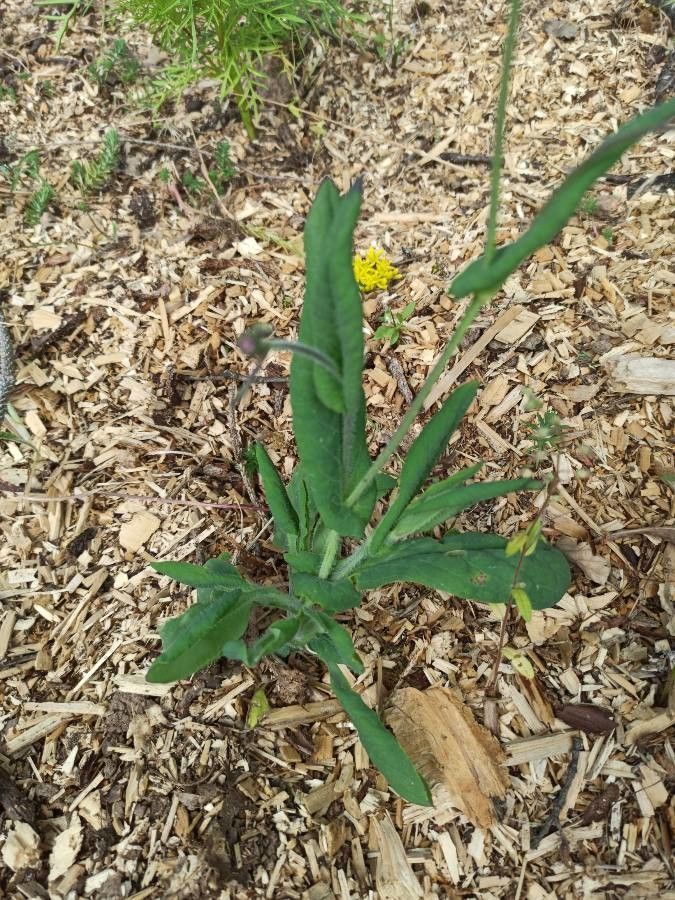
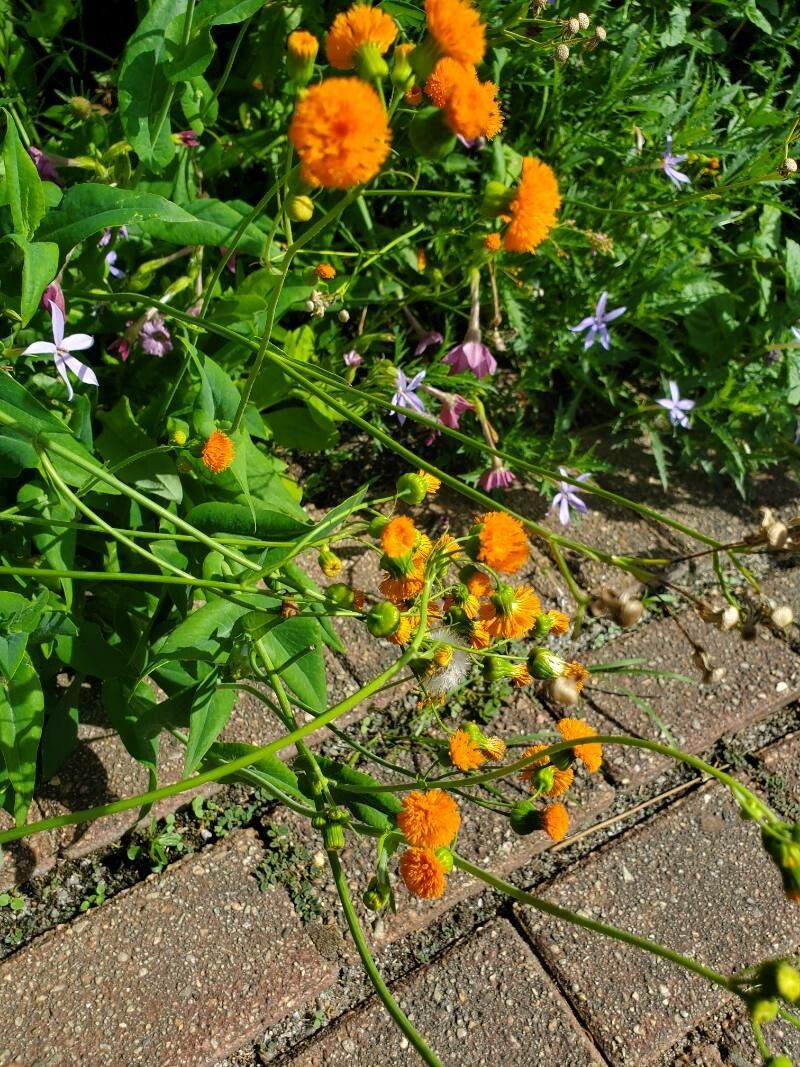
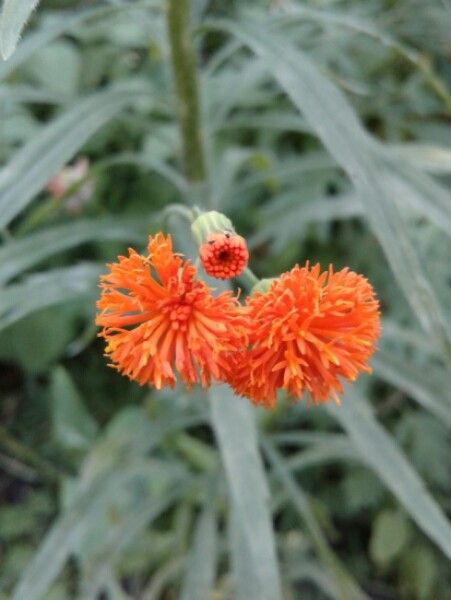
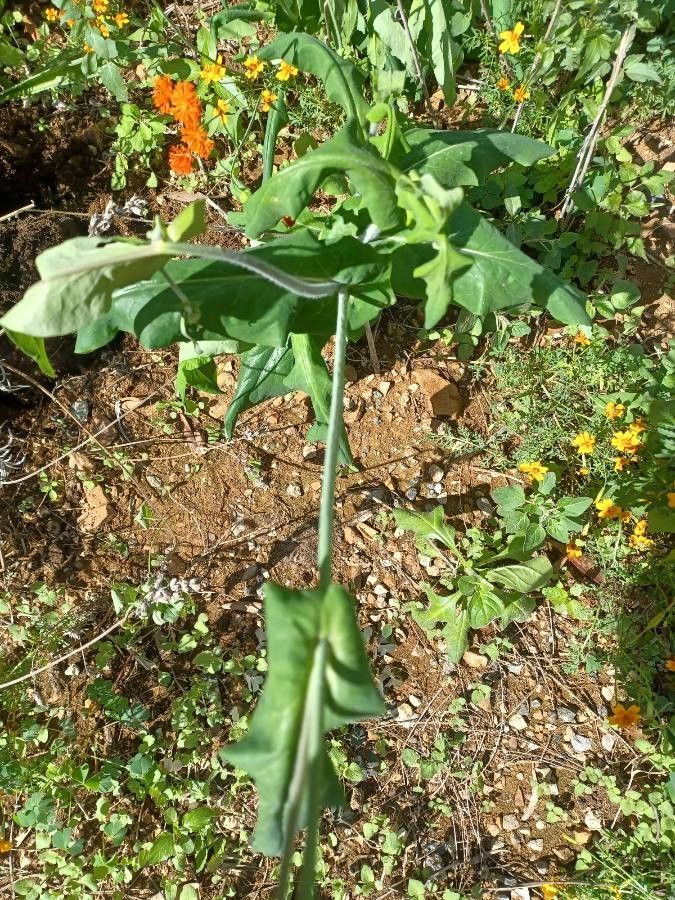
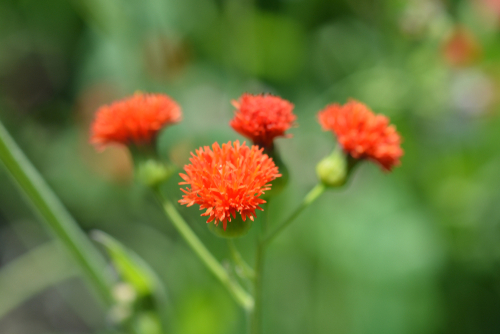
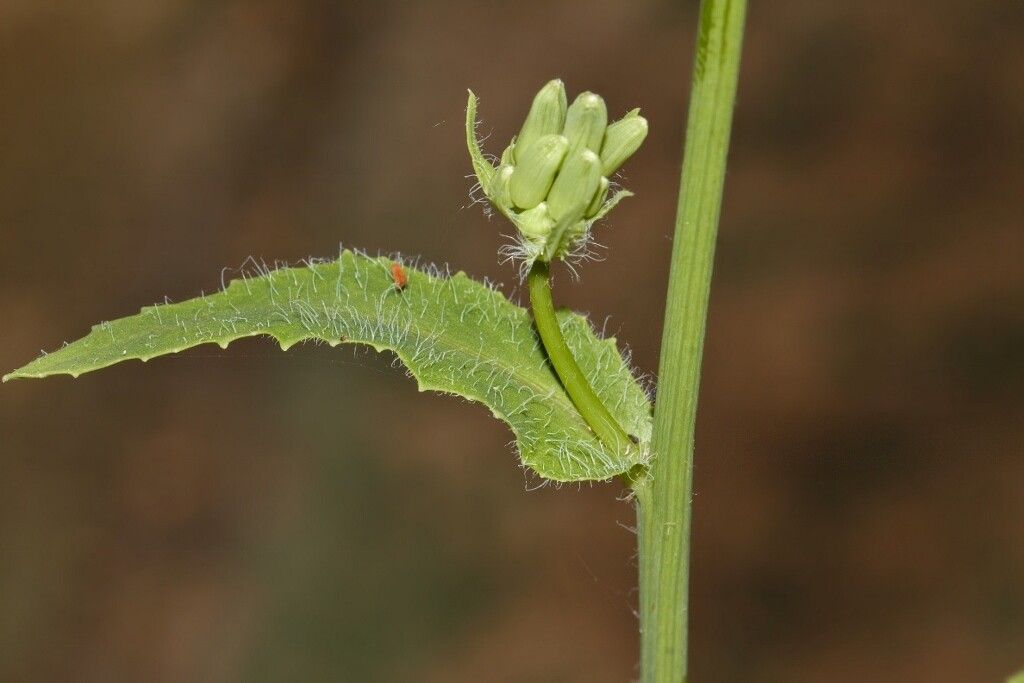
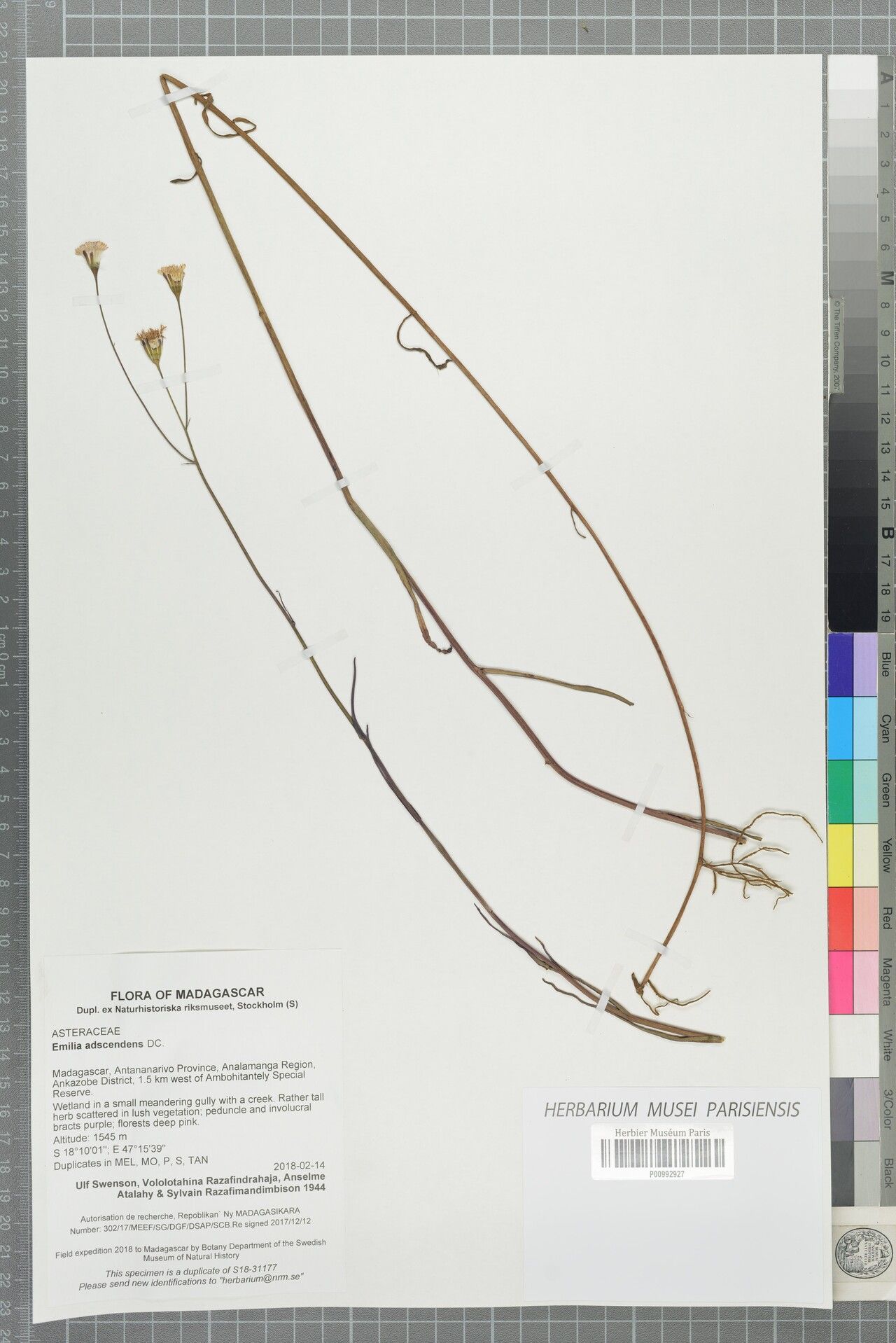
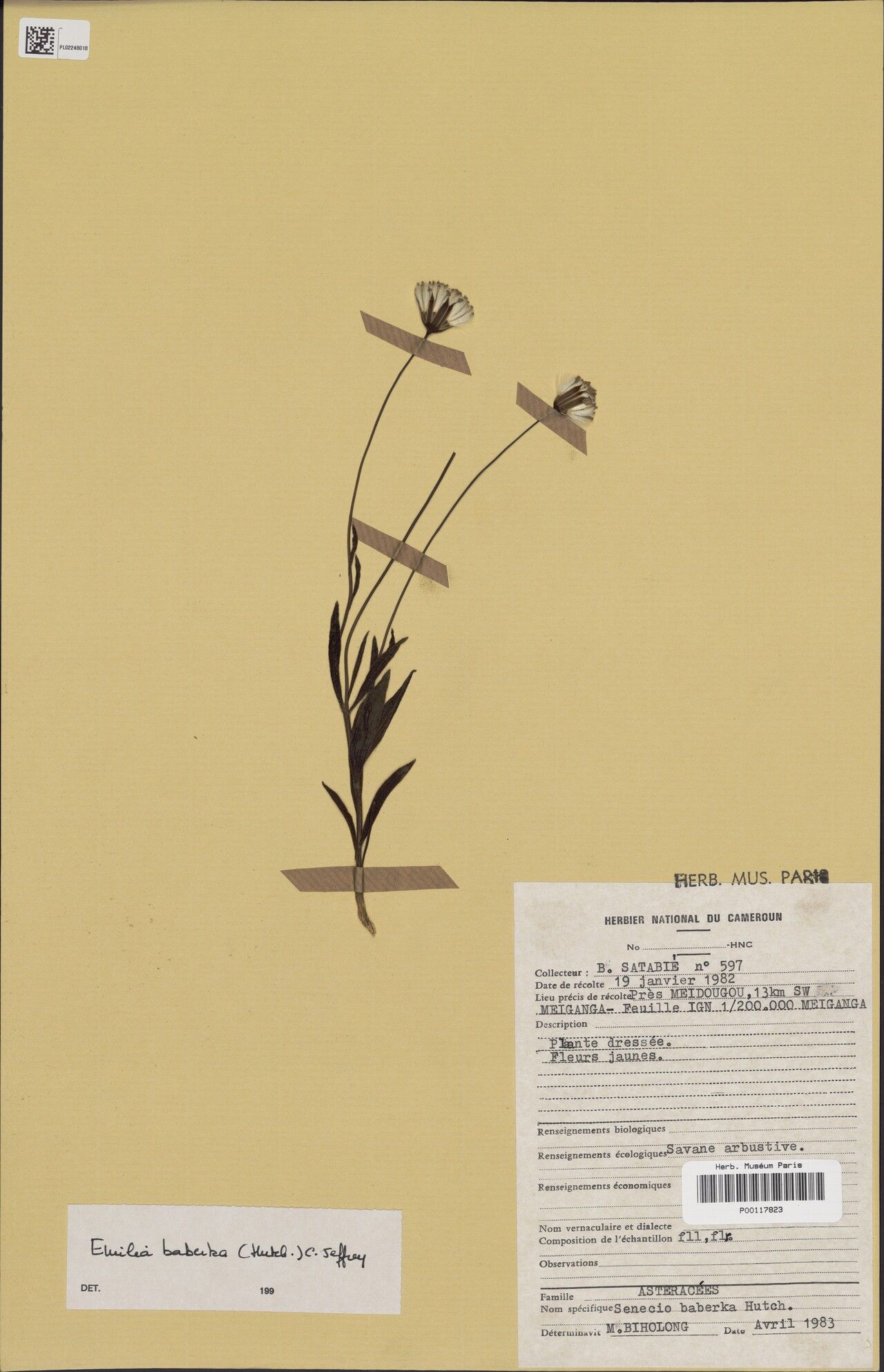
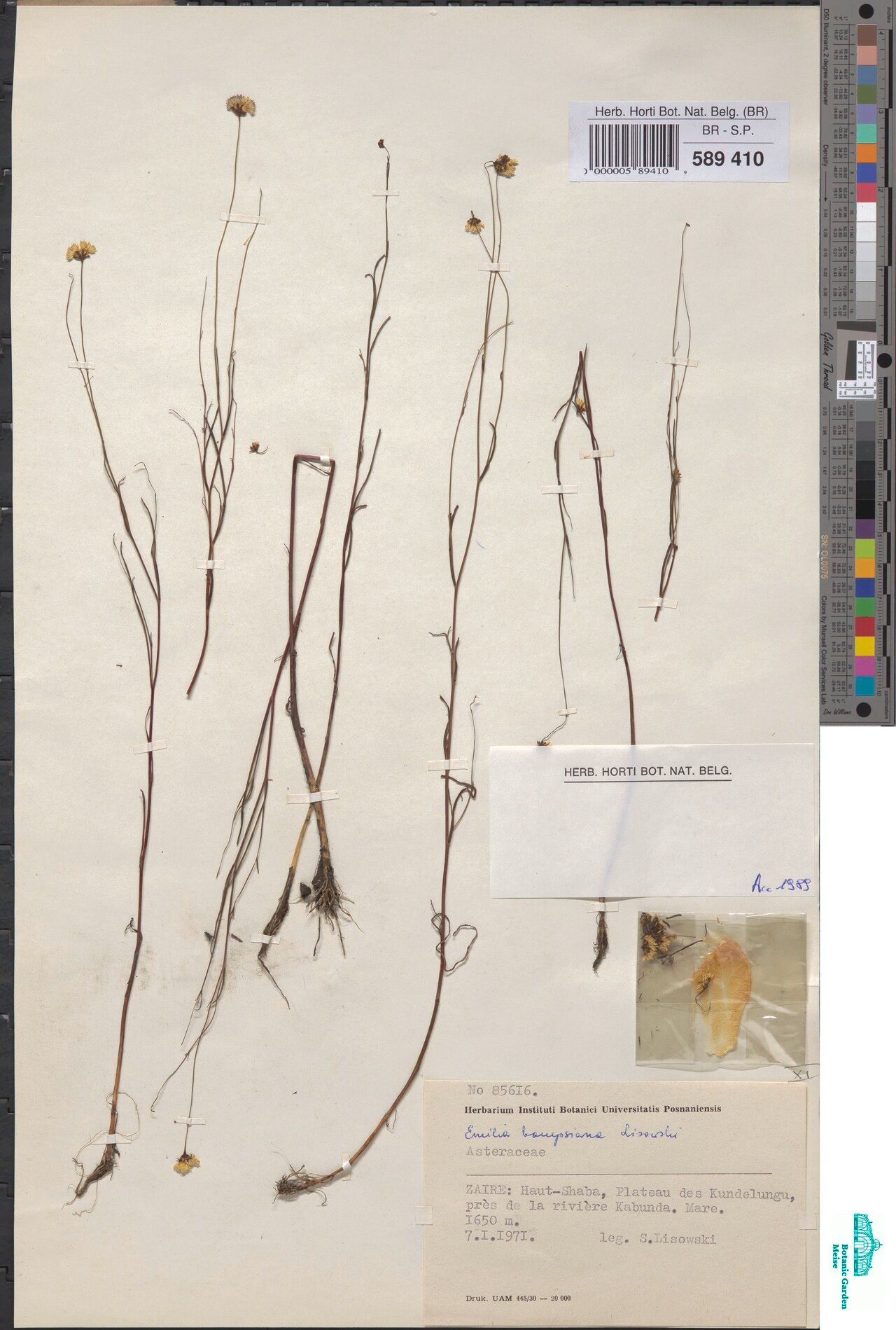
Scarlet Tassel Flower (Emilia coccinea) is a popular option for flower gardens and borders with its magnificent cluster of scarlet-orange paintbrush blooms and a basal rosette of blue-green leaves. This self-sowing annual will brighten up your landscape with color, texture, and visual intrigue. The tiny but wiry, curved stems of these plants have been regarded as "magical" by some because of their ability to wrap themselves around other plants. In the breeze, their long, thin stalks will swing. These fascinating plants grow up to 18 inches tall on average but can reach three feet in height. Fresh and dried bouquets are popular among them. Container gardens benefit from scarlet tassel blooms as well. When viewed from a distance, their scarlet-orange pompons nearly appear to be floating in mid-air, and they're especially lovely when coupled with bold-leaved or other showy plants in the background, which may almost create a see-through illusion. One of the numerous old-fashioned favorites is the red tassel flower. Flora's Paintbrush and Scarlet Cacalia were two names given to them in the 1820s. It's still referred to as "scarlet magic" on occasion.
Florida tasselflower has strong disease resistance and typically does not suffer from many illnesses. Nevertheless, it can be vulnerable to pests and diseases present in its environment, though these issues are generally mild. As for care, the plant requires moderate attention. It should be pruned regularly to keep a neat appearance and encourage healthy growth. Fertilizing can also aid in boosting flowering. Florida tasselflower is suitable for people with outdoor spaces like a garden or patio and does not need extensive gardening experience. When kept indoors, however, it may demand more care.
How to keep Emilia Coccinea.
Light
Florida tasselflower grows best where it receives plentiful light throughout the day. It can also tolerate settings where only part of the day is sunlit. However, prolonged exposure to excessively intense sunlight or too little light can both negatively affect its overall growth. Having originated in a sunny habitat, the species clearly shows a tendency to seek sunlight.
Water
When you initially start growing scarlet tassel flowers, you'll need to water them frequently, but after that, you'll only need to water them when the weather is really dry and hot.
Temperature
The florida tasselflower needs a warm climate to grow and is native to warm regions. For optimal growth, it prefers temperatures between 68 and 100 ℉ (20 and 38 ℃). In colder seasons, it is recommended to keep the temperature above 50 ℉ (10 ℃) to prevent frost damage.
Fertilizer
Florida tasselflower benefits from regular, light applications of fertilizer to encourage healthy leaf development. You should fertilize it about once a month during the summer. Nitrogen is essential for foliage, and supplying nitrogen-rich sources helps Florida tasselflower thrive.
Pruning
Although the red tassel flower does not require substantial pruning, it can be deadheaded (or whole stems cut down) to encourage prolonged flowering.
Botanical profile.
- Plant Type
- Herb
- Life Cycle
- Annual, Perennial
- Genus
- Emilia
- Family
- Asteraceae
- Hardiness Zone
- 9-12
- Mature Height
- 91 cm
- Mature Spread
- 0.91 m to 2.13 m
- Leaf Color
- Green
- Leaf Type
- Deciduous
- Flower Color
- Red, Orange
- Flower Size
- 2.54 cm
- Bloom Time
- All year round
- Planting Time
- Spring
- Harvest Time
- All year round
- Native Area
- Angola, Nigeria, Kenya, Uganda, Tanzania, Zimbabwe, Sierra Leone, Cameroon, Liberia, Mozambique, Burundi, Ghana, Central African Republic, Congo, Zambia, Chad, Togo, Côte d'Ivoire, Gabon
Other names.