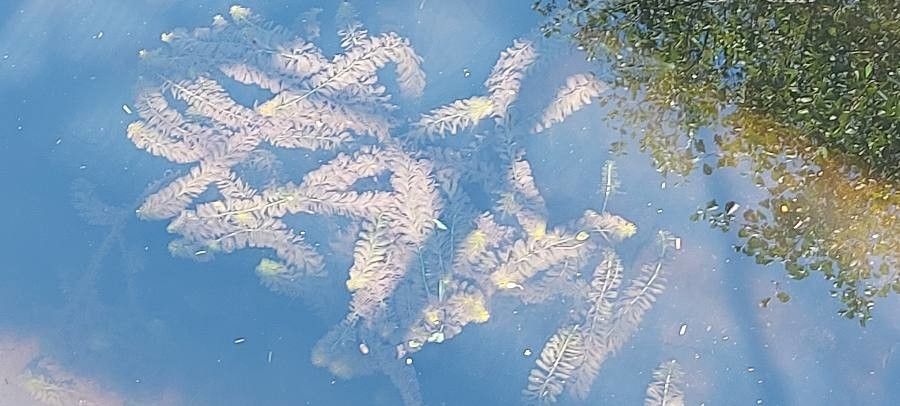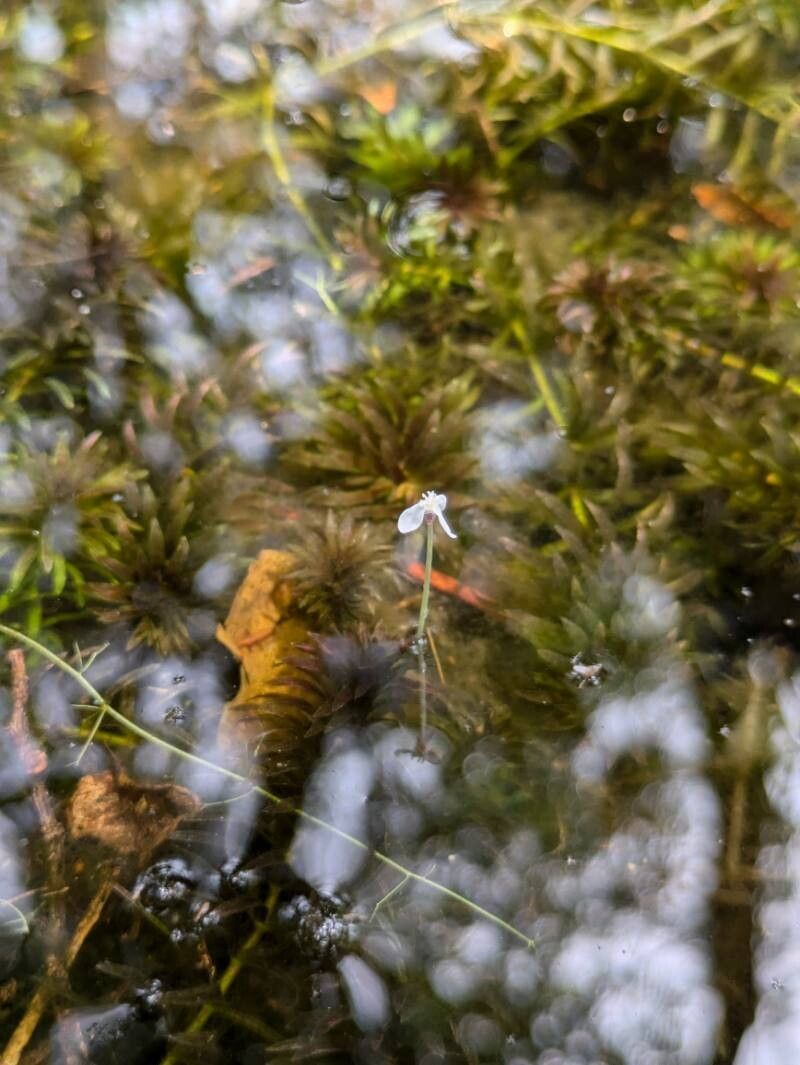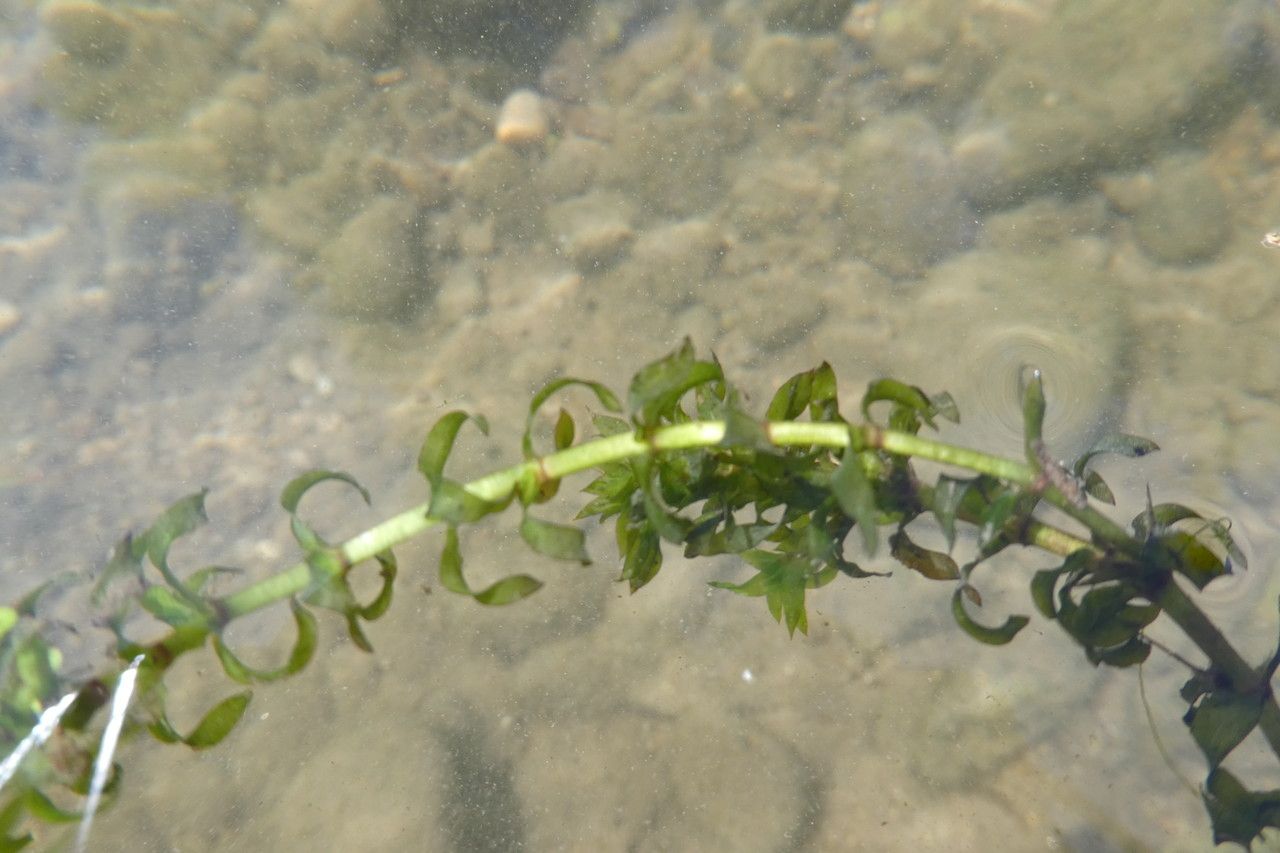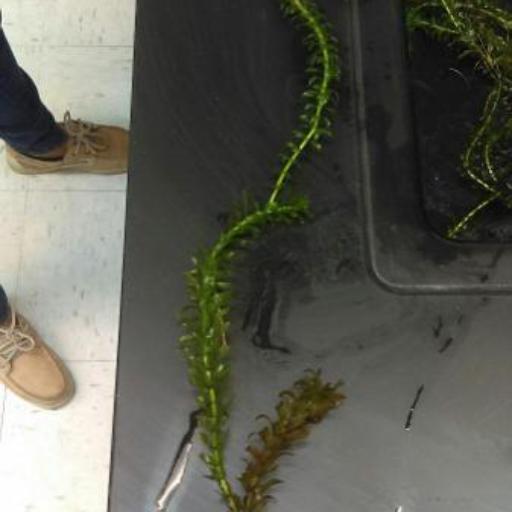
Egeria densa, the large-flowered waterweed or Brazilian waterweed, is a species of Egeria native to warm temperate South America in southeastern Brazil, Argentina, and Uruguay. It is considered a problematic invasive species due to its use in home aquariums and subsequent release into non-native habitats.
Brazilian waterweed is fairly disease-resistant and ordinarily not liable to illnesses. Nevertheless, it can be vulnerable to pests and diseases present in its environment. These problems are generally not serious. For care, the plant needs moderate maintenance. It should be pruned on a regular basis to preserve its appearance and support healthy growth. Fertilizing can also assist in encouraging blooms. Brazilian waterweed is appropriate for anyone with outdoor space, such as a garden or patio, and does not demand extensive plant-care experience. It may need more attention when kept indoors.
How to keep Elodea Densa.
Light
The Brazilian waterweed does best in places with strong, plentiful sunlight. Native to light-rich habitats, both too little and too much light impair its healthy growth. At every stage of growth it needs continuous light. However, it can tolerate less-than-ideal lighting conditions.
Temperature
Brazilian waterweed originates from temperate regions and thrives at temperatures between 41 and 100.4 °F (5 to 38 ℃). In cold winters or very hot summers, you may need to adjust its surroundings to keep it within this ideal temperature range.
Botanical profile.
- Plant Type
- Herb
- Life Cycle
- Perennial
- Genus
- Elodea
- Family
- Hydrocharitaceae
- Hardiness Zone
- 5-11
- Mature Height
- 3.96 m
- Mature Spread
- 2.13 m
- Leaf Color
- Green
- Leaf Type
- Semi-evergreen
- Flower Color
- White
- Flower Size
- 1.27 cm to 2.03 cm
- Bloom Time
- Summer, Early fall, Mid fall
- Planting Time
- Spring
- Harvest Time
- Mid summer, Late summer, Fall
- Native Area
- Uruguay, Colombia, Argentina, Bolivia, Venezuela, Brazil