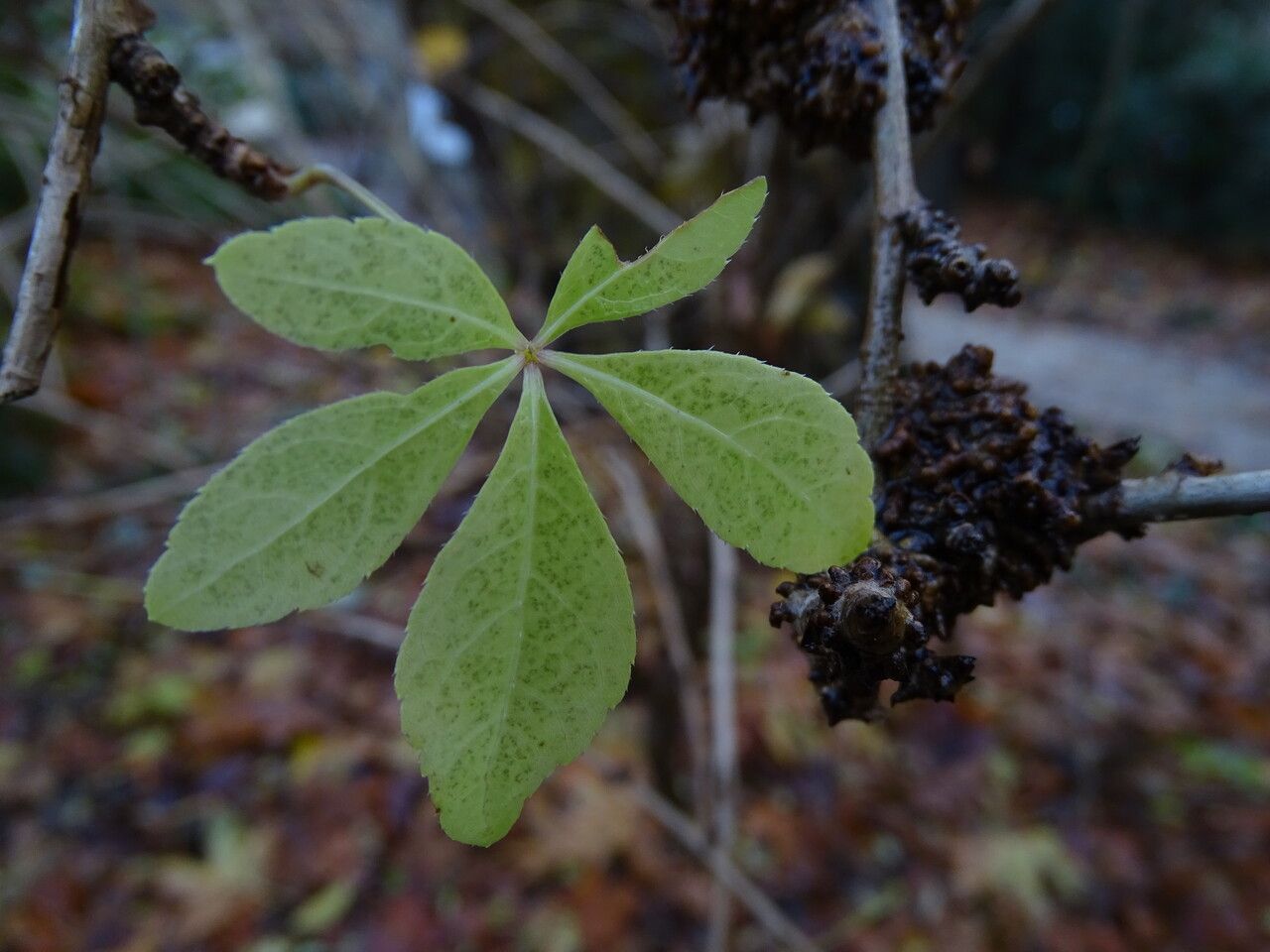
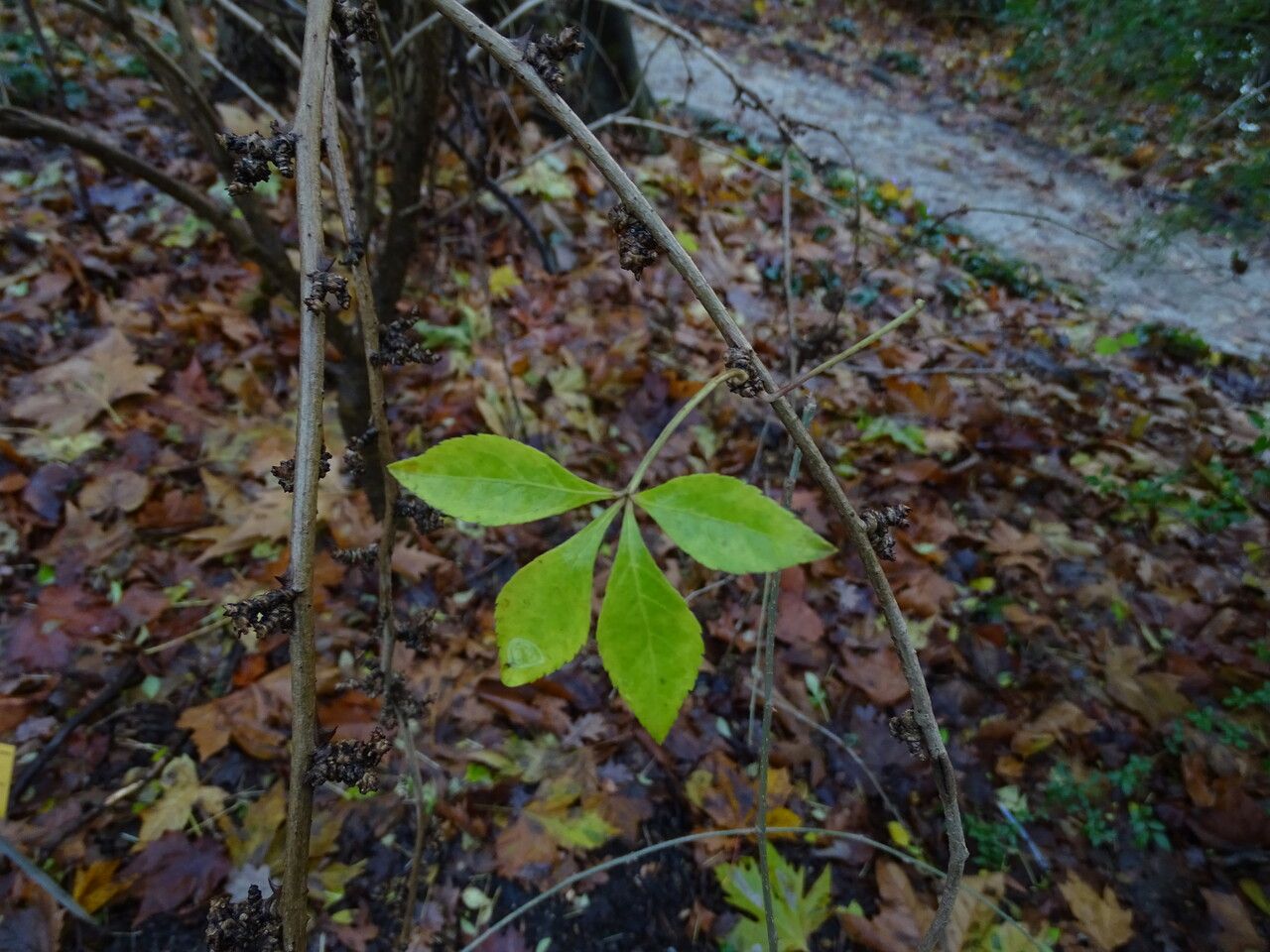
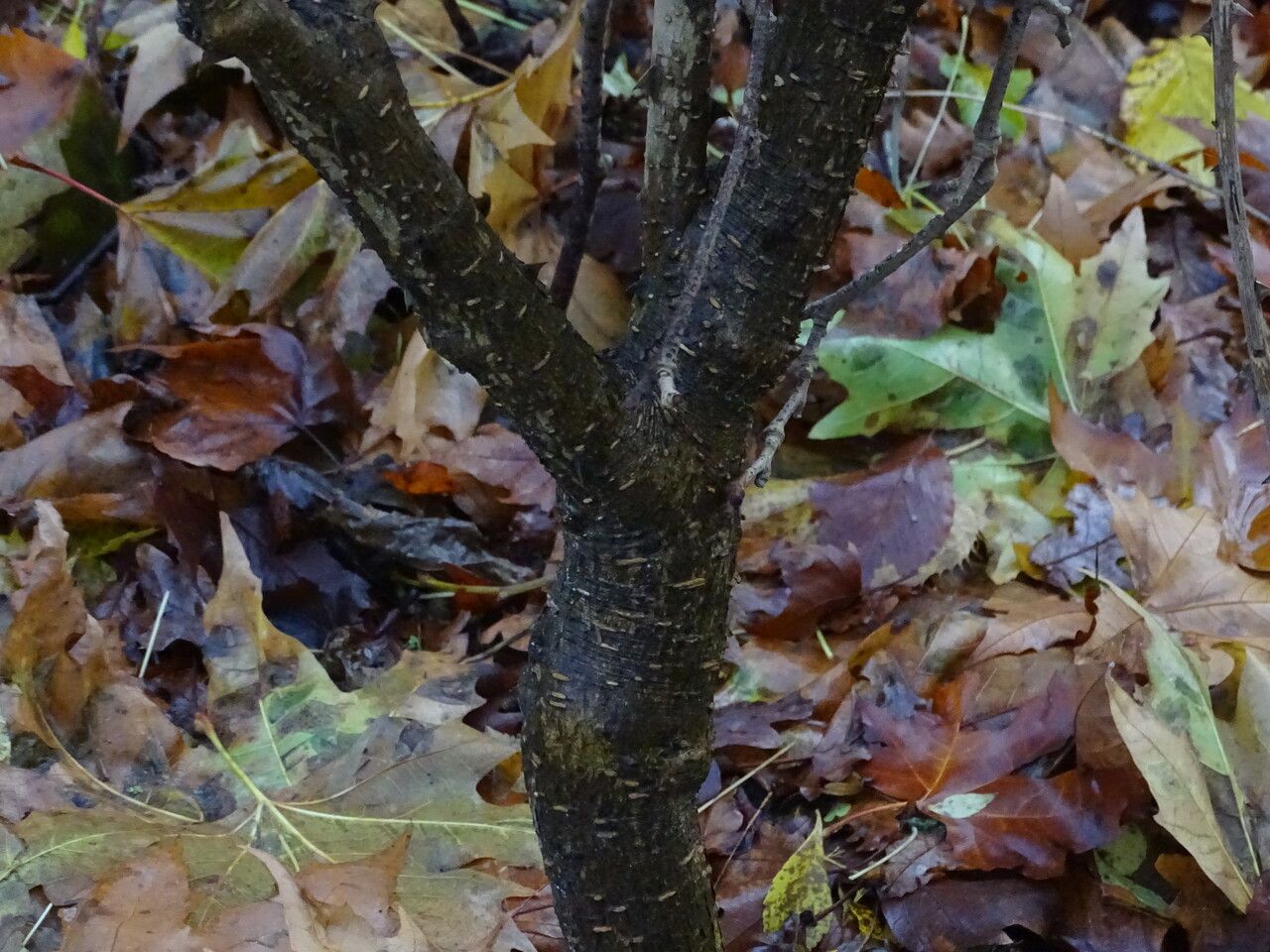
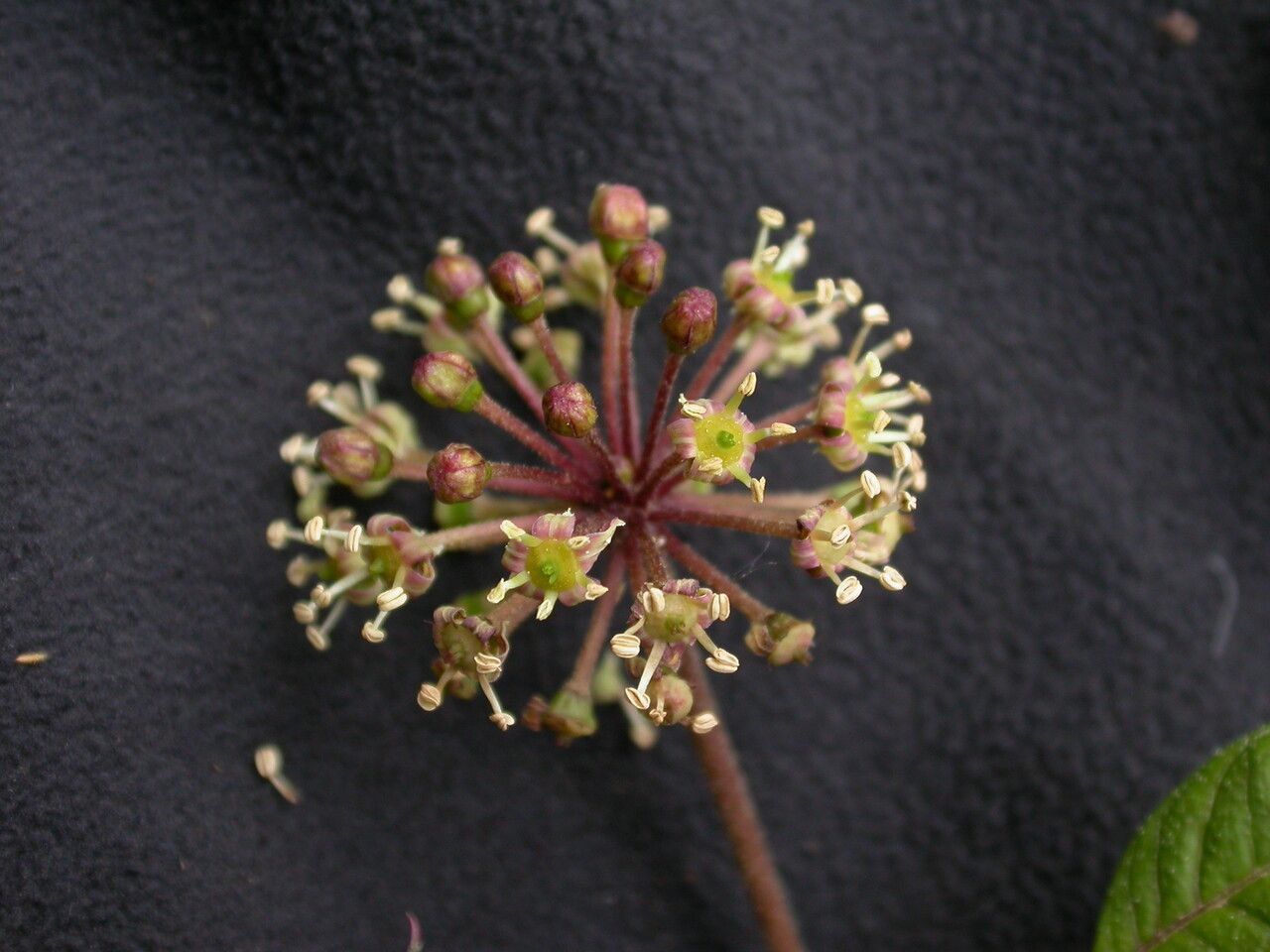
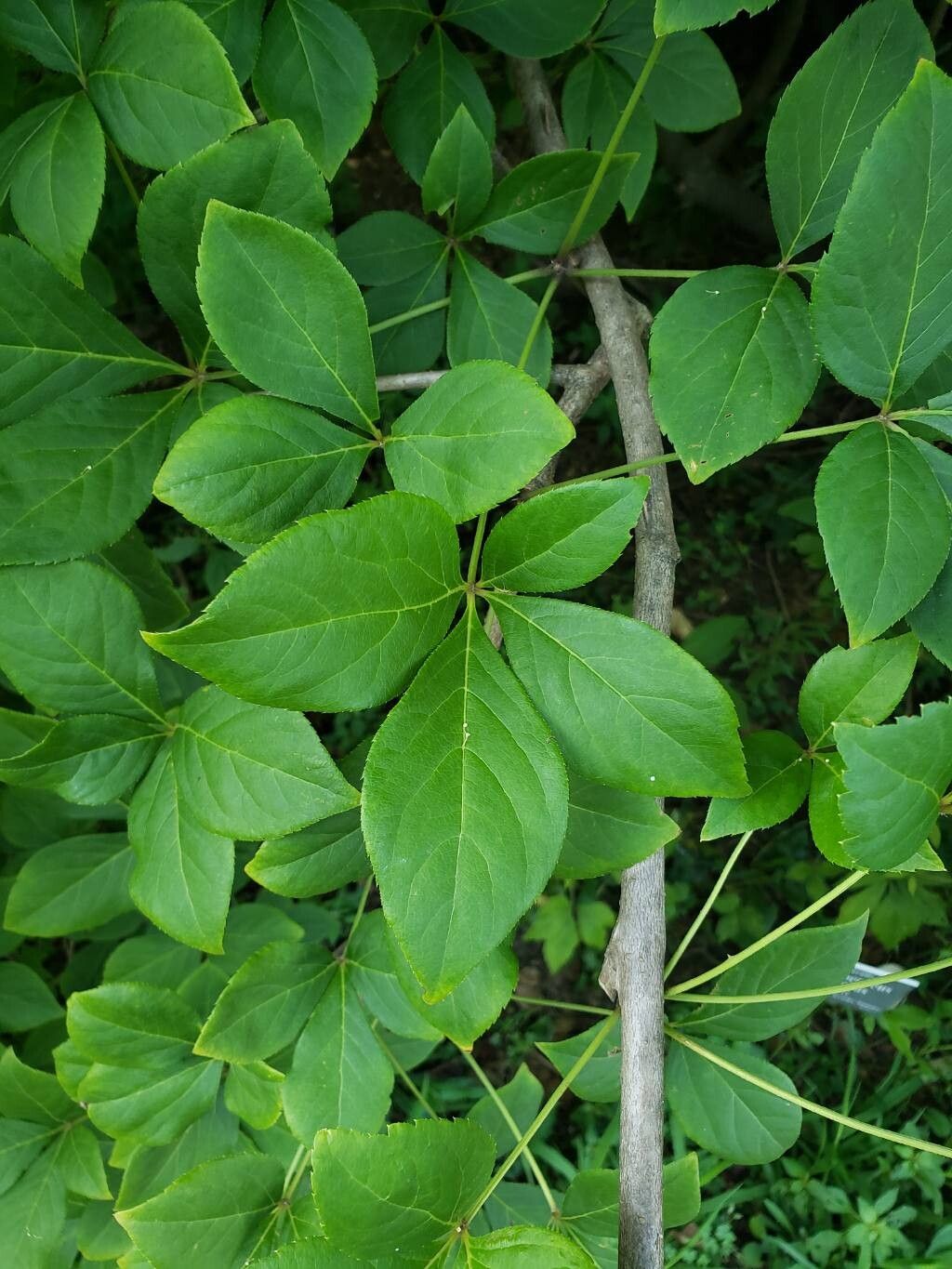
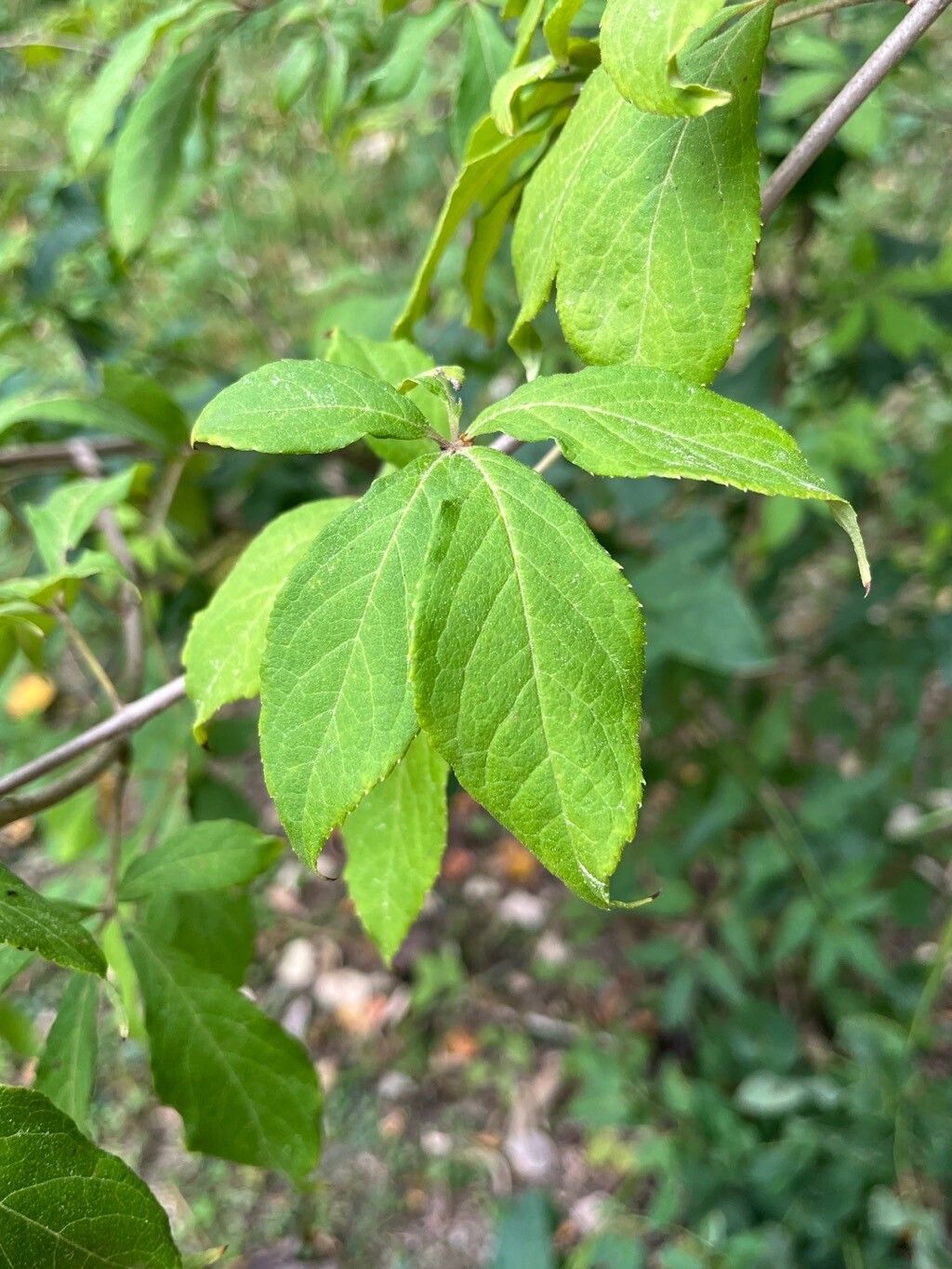
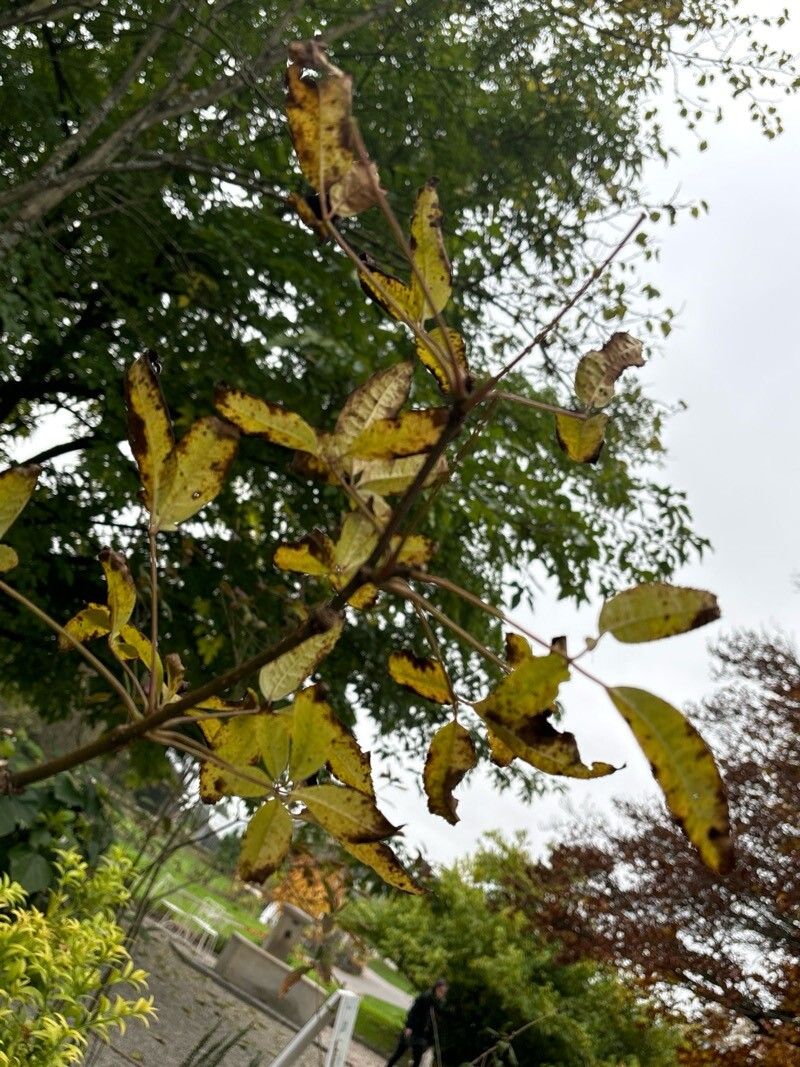
Chinese ginseng has strong disease resistance and typically is not susceptible to illnesses. Regarding care, this plant is fairly low-maintenance. When grown outdoors, it needs little watering, and larger specimens usually do not require pruning. Smaller specimens, however, should be trimmed after they flower. Chinese ginseng is appropriate for anyone who has an outdoor area, like a garden or a deck, and it does not demand extensive gardening experience.
How to keep Eleutherococcus Nodiflorus.
Light
Chinese ginseng occurs naturally in habitats like forest understories and rocky sites, where it receives natural shade. It prefers partial sun but can tolerate full sun or full shade, reflecting its adaptable, hardy character.
Temperature
Chinese ginseng has good temperature adaptability, tolerating higher heat and larger temperature swings. In hot weather, attention should be paid to watering and providing appropriate shade to avoid sunburn. By contrast, it is relatively sensitive to low temperatures; while it can endure some cold, excessively low temperatures may cause frost damage.
Fertilizer
Timing is essential for fertilizing Chinese ginseng. Start fertilizing in early spring and continue once a month until early summer. Fertilizer promotes attractive blooms and supplies energy during both dormant and active growth phases.
Pruning
Pruning Chinese ginseng in early spring provides several benefits. It helps remove dead branches and thin out crowded areas, improving air circulation. This practice not only manages the plant's size and shape but also encourages healthy growth and vigor. As a result, regular pruning is essential for maintaining the health of Chinese ginseng and preventing disease.
Botanical profile.
- Plant Type
- Shrub
- Life Cycle
- Perennial
- Genus
- Eleutherococcus
- Family
- Araliaceae
- Hardiness Zone
- 4-8
- Mature Height
- 2.13 m to 3.05 m
- Mature Spread
- 2.44 m to 3.05 m
- Leaf Color
- Dark Green
- Leaf Type
- Deciduous
- Flower Color
- White
- Flower Size
- 2.03 cm
- Bloom Time
- Early summer, Mid summer
- Planting Time
- Spring, Summer, Autumn
- Harvest Time
- Late summer, Early fall, Mid fall
- Native Area
- Koppen, Vietnam, China
Reader questions.
How frequently do I need to water my Chinese ginseng?
The Chinese ginseng plant needs deep watering but not too often, especially if it's in a pot. Since pots have limited water storage, the soil dries out quickly. In cold regions, water every 3 to 5 days, preferably in the morning when the soil is dry. Check the soil by feeling the top 2-3 inches - if it's dry, water the plant. During hot days, check the moisture daily as the heat can dry out the pot soil fast. Irrigation is necessary for garden plants too. In hot climates, water once a week when the top 2-3 inches of soil are too dry. Consider rainfall before watering - don't overwater to avoid root rot. Mulch the outdoor plants with 3-4 inches of mulch to retain more water. Sandy soil requires frequent watering while clay soil requires less to avoid root rot. Keep track of watering dates and observe drooping leaves as a sign to water.
What are the sunlight requirements for plants?
Plants require varying amounts of sunlight to thrive. Partial sun plants need about 3-6 hours of sunlight a day, and full sun plants require over 6 hours of sunlight daily. It's important to observe how sunlight moves through your garden to find spots that offer the right balance of light and shade, ensuring your plants' happiness and health.
What is Chinese ginseng?
Chinese ginseng, known scientifically as Eleutherococcus nodiflorus, is a plant recognized for its purported health benefits. Although specific details such as its essentials uses and symptoms it addresses were not provided, it's commonly used in traditional medicine for various purposes.
What are the essential growing conditions for Chinese ginseng?
Chinese ginseng, botanically known as Eleutherococcus nodiflorus, thrives in environments that mimic its native forest understories or rocky areas, favoring natural shade. While its preferred sunlight condition is partial sun, it can also tolerate full shade. This makes Chinese ginseng a versatile perennial herbaceous plant suited for various garden spots or indoor settings. Indoor Chinese ginseng plants may require artificial lighting, especially in less sunny spaces or during winter. Artificial lights, like LEDs, should provide the correct wavelengths specific to your plants' needs, with full sun plants needing 30-50W/sq ft, partial sun plants 20-30W/sq ft, and full shade plants 10-20W/sq ft of light. The artificial light source should be placed 12-36 inches above the plant for 8-12 hours a day to mimic natural sunlight conditions.
What are some symptoms of insufficient light in Chinese ginseng?
Chinese ginseng can show various symptoms when exposed to insufficient light, such as smaller new leaves, leggy or sparse growth, faster leaf drop, slower or ceased new growth, paler new leaves, chlorosis, sunscald, leaf curling, wilting, and leaf scorching. These symptoms indicate the plant's struggle with inadequate light conditions. In such cases, it's crucial to adjust the plant's exposure to light, either by gradually moving it to sunnier spots or supplementing with artificial light. However, it's important to remember that parts of the plant already damaged by insufficient light may not recover, but with increased light exposure, new growth should be healthy.
How can you address insufficient light conditions for Chinese ginseng?
To address insufficient light conditions for Chinese ginseng, consider the following solutions based on where the plant is located: Indoors, gradually shift the plant to sunnier spots each week or use artificial lighting like desk or ceiling lamps for at least 8 hours a day. For outdoor plants, gradually move them to sunnier locations to prevent sunburn from sudden changes. If plants are in the ground and large obstructions block sunlight, you may need to prune trees or move smaller plants to a sunnier area during their dormant period. Remember, while damaged parts may not recover, new growth should be healthy with improved light conditions.